rifanmuazin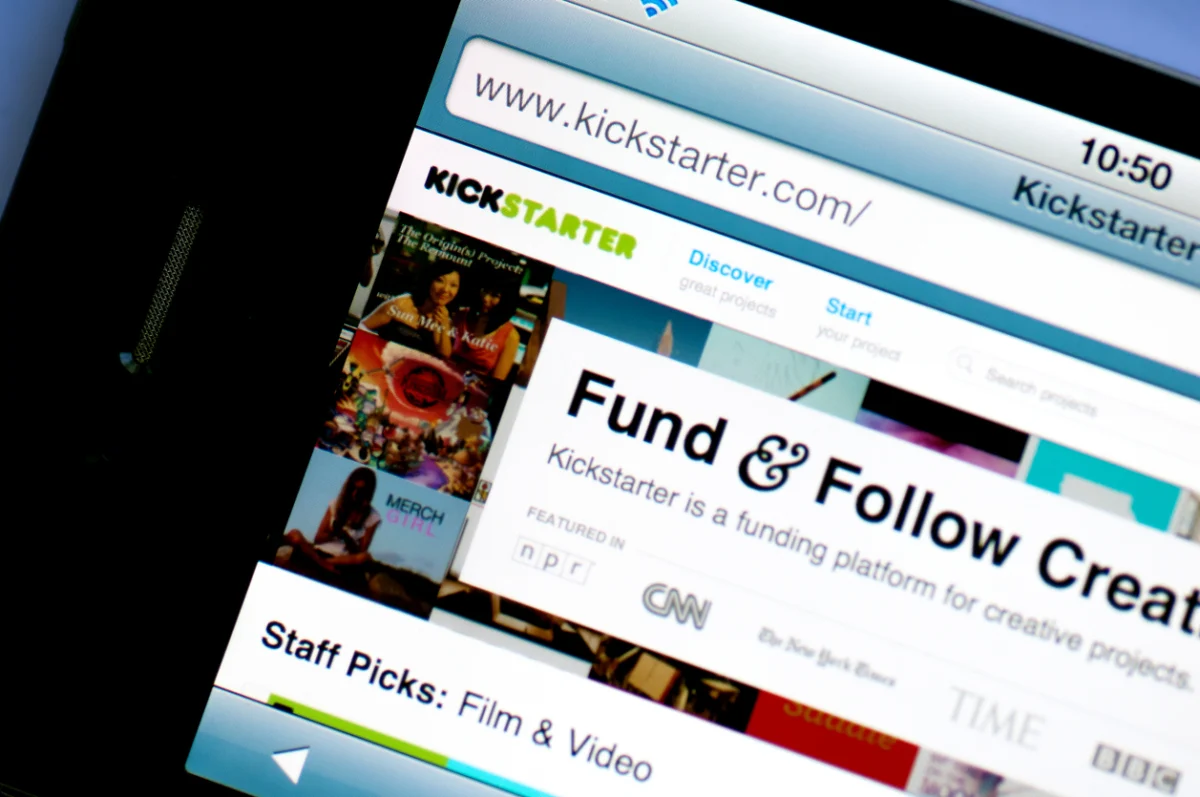
In a significant retreat from a recently announced policy shift, Kickstarter, the world’s leading crowdfunding platform, has officially rescinded new guidelines regarding adult and mature content following an intense wave of criticism from its core creator community. The reversal, characterized by a candid admission of error from the company’s leadership, highlights the ongoing tension between creative freedom on digital platforms and the stringent requirements imposed by global financial intermediaries. The situation serves as a pivotal moment for the platform, which has long positioned itself as a sanctuary for independent artists, particularly those in the comic book and indie publishing sectors who often push the boundaries of conventional media.
The controversy began when Kickstarter introduced updated rules intended to clarify and restrict certain types of “mature” content. While the company stated the intent was to create a safer and more compliant environment, the execution was met with immediate hostility from creators. Many argued that the new definitions were overly broad, confusing, and threatened the livelihoods of artists whose work contains nudity or adult themes without being strictly pornographic. Recognizing the damage to its reputation and the potential exodus of its most prolific users, Kickstarter COO Sean Leow issued a public apology this week, stating unequivocally that the company “botched it” and would be returning to its previous, more permissive guidelines while it re-evaluates its long-term strategy.
The Catalyst of the Policy Shift and the Role of Stripe
The underlying cause of Kickstarter’s policy pivot was not a sudden change in corporate morality, but rather the logistical and legal pressures exerted by its primary payment processor, Stripe. In his apology, Leow revealed that the attempt to tighten rules was driven by the need to align Kickstarter’s internal policies with the strict regulations maintained by financial institutions. Stripe, like many major payment gateways, operates under rigorous compliance standards set by credit card giants such as Visa and Mastercard. These standards often include specific prohibitions or “high-risk” designations for adult content, which can lead to increased fees, mandatory age-verification hurdles, or the total termination of services for the platform.
The conflict arises when the artistic definitions of “mature content”—which include graphic novels, fine art photography, and cinematic projects—clash with the binary “adult” classifications used by banking algorithms. Kickstarter attempted to bridge this gap by creating a set of rules that would satisfy Stripe’s compliance team while still allowing some level of creative expression. However, the resulting guidelines were described by users as a “moving target” that left creators in a state of perpetual uncertainty regarding whether their projects would be flagged, suppressed, or canceled mid-funding.
A Timeline of the Policy Reversal
The timeline of the current crisis illustrates how quickly community sentiment can force a corporate about-face in the digital age.
On May 15, Kickstarter quietly rolled out the new mature content guidelines, which introduced more specific “review triggers” for projects involving adult themes. Within 48 hours, the “Comics” and “Publishing” categories on the platform—two of Kickstarter’s most successful and active segments—were in an uproar. Creators on social media platforms like X (formerly Twitter) and Bluesky shared stories of projects being rejected or placed under “manual review” without clear explanations.
By May 18, prominent industry publications such as The Daily Cartoonist began reporting on the growing anxiety within the indie comic scene. Creators expressed fears that the new rules would not only censor their current work but also retroactively impact their ability to use the platform for future sequels or series.
On May 20, the backlash reached a tipping point, leading to the official apology from Sean Leow. The company’s blog post, titled “An Apology: Rethinking Our Mature Content Guidelines,” served as the formal instrument of the reversal. In it, Leow admitted that the rollout was “too restrictive and too far removed from what we actually believe.” By May 21, the previous guidelines were fully restored, and the company promised a more collaborative approach to any future policy changes.
Impact on the Independent Creator Community
The significance of Kickstarter to the independent creator economy cannot be overstated. Since its inception in 2009, the platform has helped raise over $7 billion for creative projects. The “Comics” category alone has seen thousands of successfully funded campaigns, many of which cater to niche audiences that traditional publishers might deem too “edgy” or “adult.” For many of these artists, Kickstarter is not just a tool; it is their primary source of income and their only viable path to market.
The proposed policy changes threatened to dismantle this ecosystem. Critics argued that by making the rules “unclear and confusing,” Kickstarter was effectively engaging in shadow-banning. If a creator is unsure whether a character’s attire or a specific scene will trigger a project shutdown, they are likely to self-censor or move to competing platforms like BackerKit or Patreon. The swift reversal suggests that Kickstarter recognized that its competitive advantage lies in its relationship with these “boundary-pushing” creators. By alienating them, they risked losing the very demographic that gives the platform its cultural relevance.
Corporate Crisis Communication: A Case Study in Sincerity
Public relations experts have noted that Kickstarter’s handling of the backlash provides a rare example of effective crisis communication. Unlike many corporate apologies that utilize “non-apology” language—such as “we are sorry if anyone was offended”—Leow’s statement was direct and took full accountability. The use of the phrase “we botched it” stripped away the typical layers of corporate jargon, creating a sense of transparency that resonated with the community.
Furthermore, the company’s decision to name Stripe as a factor was viewed as an act of radical honesty rather than an attempt to shift blame. By explaining the external pressures from payment processors, Kickstarter educated its users on the complexities of the modern financial-tech landscape. This transparency helps maintain credibility, even as the company admits that the current “imperfect temporary solution” may still lead to occasional friction with banking partners.
Broader Industry Unrest: Everlane and the SHEIN Controversy
The tension between brand values and business realities is not unique to Kickstarter. Similar waves of backlash have recently hit the retail sector, specifically involving the clothing brand Everlane. Reports have surfaced that Everlane, a company that built its entire brand identity on “Radical Transparency” and ethical manufacturing, is in the process of being sold to SHEIN, the Chinese fast-fashion behemoth often criticized for its environmental impact and labor practices.
The backlash from Everlane’s loyal customer base has been swift. For a brand that marketed itself as the antithesis of “disposable fashion,” an acquisition by SHEIN is seen by many as a fundamental betrayal of its core mission. This mirrors the Kickstarter situation in that it involves a community feeling protective of a platform’s perceived ethics. In both cases, the companies involved have discovered that their brand equity is tied directly to the trust of their users, and that financial maneuvers which compromise that trust can lead to devastating reputational damage.
Media Instability: NPR and the Crisis of Search Traffic
While Kickstarter and Everlane grapple with policy and ownership, the traditional media landscape is facing a different kind of existential threat. National Public Radio (NPR) recently announced a series of layoffs, citing a significant decline in search traffic as a primary driver of revenue loss. This trend is part of a broader shift in how audiences consume information, as search engines like Google increasingly use AI-generated summaries to answer queries directly on the search results page, reducing the need for users to click through to original news sources.
The decline in referral traffic from search engines and social media platforms has created a “traffic cliff” for many digital publishers. For organizations like NPR, which rely on a mix of sponsorship, grants, and digital advertising, the loss of millions of monthly visitors necessitates painful cost-cutting measures. This highlights the vulnerability of any entity—be it a creator on Kickstarter or a major news outlet—that is dependent on the algorithms of third-party tech giants for their visibility and viability.
Conclusion: The Fragile Ecosystem of Digital Independence
The events surrounding Kickstarter, Everlane, and NPR underscore a growing theme in the digital economy: the fragility of independence in a world governed by large-scale financial and technological intermediaries. Kickstarter’s struggle to balance its support for “bold, boundary-pushing” work with the rigid requirements of Stripe is a microcosm of the challenges facing the entire creative class.
While Kickstarter’s reversal has temporarily restored the status quo, the underlying problem remains unresolved. As long as payment processors hold the power to “de-bank” platforms based on content, the threat of censorship will persist. However, Kickstarter’s willingness to admit fault and “go back to the drawing board” suggests that the platform is committed to fighting for its creators.
For the time being, the message to the community is clear: Kickstarter has heard the outcry and is choosing to stand with the artists. Whether this stance can be maintained against the mounting pressures of global financial compliance remains to be seen, but for now, the “spicier” side of the creative world has won a significant reprieve. The company has vowed to continue working to earn back the trust of its users, promising that the space for creative work will remain open, even when the path forward is complex.