The Shifting Landscape of Digital Communication
The sheer scale of social media usage underscores its importance, with global figures from Statista indicating that over 5.75 billion people actively engage with social platforms. This pervasive presence means interactions occur not just in the traditional news feed but also within ephemeral stories, deep comment threads, private direct message (DM) inboxes, and increasingly, within the search functionalities of apps like TikTok and Instagram. This evolution signifies a critical shift: social media is no longer merely a marketing channel but a multifaceted arena for customer service, sales, and community building.

Crucially, interaction is inherently a bidirectional process. It can be initiated by a user seeking information or expressing an opinion, or by a brand proactively engaging its audience. Both directions are vital, contributing to the holistic perception of a brand in the public consciousness. Understanding this dynamic is paramount for businesses aiming to thrive in the digital age.
Interaction vs. Engagement: A Crucial Distinction
While often used interchangeably, "social media interaction" and "social media engagement" represent distinct yet interconnected concepts. An interaction is a discrete, singular action undertaken by a user – a single comment, a solitary save, or a lone direct message. It marks a specific moment of connection or intent. Engagement, by contrast, is a broader, more holistic measure. It quantifies the overall level of audience participation with a brand’s content over a sustained period. In essence, individual interactions accumulate to form the pattern of engagement, providing a macro view of how actively an audience connects with a brand’s presence.

For instance, an engagement rate might measure the total interactions per post relative to its reach, or a brand’s overall response rate to inbound messages. Interactions reveal immediate moments of attention or intent, signaling what a user wanted at that precise point. Engagement, however, offers insights into the long-term efficacy of a content strategy, indicating whether it resonates at scale and contributes to broader business objectives. Both metrics are indispensable, with interactions serving as the granular data points that inform the larger narrative of engagement.
The Strategic Imperative of Social Interactions
Beyond vanity metrics, social media interactions serve several critical strategic purposes. Square’s research on the future of commerce highlights that brand interactions are now an integral part of the buying journey, with a significant 46% of consumers expressing a desire to communicate with businesses via social media platforms. This statistic underscores a fundamental shift in consumer behavior and expectations.

Firstly, interactions are foundational for building robust relationships. Each comment, DM, or response is an opportunity to foster trust, demonstrate responsiveness, and personalize the brand experience. Secondly, they are potent drivers of conversions. A question answered promptly in a DM or a positive review acknowledged publicly can directly influence a purchasing decision. Finally, interactions provide invaluable market intelligence, offering direct feedback on products, services, and content, which can inform future strategies.
Consumer expectations have evolved rapidly in recent years, demanding three key shifts from brands:

- Rise of Private Channels: Social users are increasingly spending more time in direct messages. EMarketer data on social messaging marketing indicates a growing trend where sales and support conversations originate in the inbox, transforming DM threads into critical customer service channels rather than mere marketing conduits. Brands must now treat private messages with the same priority as traditional support channels.
- Demand for Speed: In the fast-paced digital environment, speed is paramount. A question left unanswered for days on a public comment thread not only frustrates the individual but also signals a lack of responsiveness to the broader audience. Prompt replies are now a baseline expectation, influencing customer satisfaction and brand reputation.
- Authentic, Human Connection: Consumers crave genuine interactions. Corporate-speak or overly formal, templated replies often fall flat. Brands that adopt a human, empathetic, and direct tone in their responses are more likely to build rapport and loyalty. The goal is to sound less like a press release and more like a helpful individual.
Understanding the Spectrum of Social Media Interactions: 10 Key Types
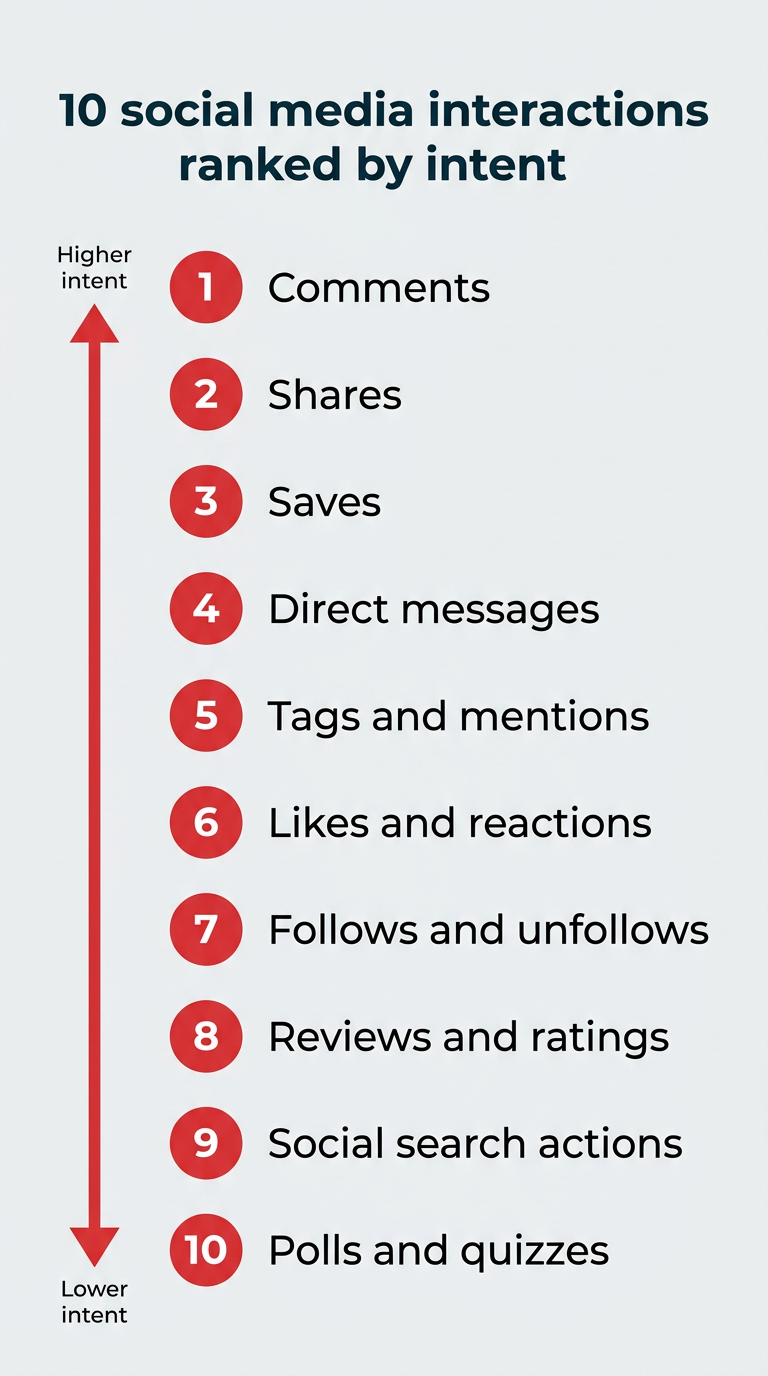
To effectively leverage social media, brands must understand the diverse forms of interaction and develop tailored strategies for each. Here are 10 common types, generally ordered from highest to lowest intent, alongside best practices for response and measurement:
1. Comments and Conversations
Comments are direct replies to posts, ranging from text and emojis to tagged accounts. They are often "soft leads," indicating a user has stopped scrolling, engaged with content, and taken the time to respond – a strong signal of intent. Algorithms also favor posts that generate ongoing comment threads, boosting their visibility.
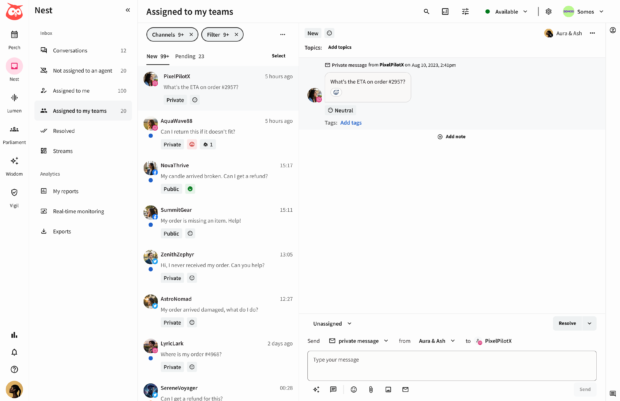
How to Respond: Prompt and thoughtful replies are crucial. Acknowledge the user, answer questions, and encourage further dialogue. Utilizing a social inbox, like Hootsuite Social OS Inbox, can centralize comments from multiple platforms, allowing teams to manage and respond efficiently without juggling various apps. This enhances audience acknowledgment and encourages future engagement.
2. Shares
A share occurs when a user reposts content to their own feed or sends it directly to another user. Shares are incredibly powerful, extending a brand’s reach beyond its existing follower base and introducing content to new, often pre-qualified audiences through trusted connections. They also add a layer of social proof, as the content is endorsed by someone the recipient knows.
How to Respond: Always acknowledge shares where possible. A quick thank you or emoji reaction to a shared story can reinforce positive behavior. Resharing user-generated content (UGC) that aligns with brand values further incentivizes sharing and builds community.
3. Saves
Saves involve users bookmarking content for future reference, whether by saving a post, pinning it, or adding it to a collection. Unlike fleeting likes, a save is a strong indicator that content holds significant value and utility, suggesting a deeper resonance. Platforms like Instagram and TikTok often prioritize content with high save rates, recognizing its lasting utility and extending its organic reach.
How to Respond: Analyze patterns in saved content. Is it educational guides, how-to tutorials, inspirational visuals, or product-focused information? By identifying "save-worthy" formats – checklists, templates, step-by-step instructions, or content that requires multiple views to absorb – brands can strategically create more content that users will find indispensable, moving them closer to a purchase decision.

4. Direct Messages (DMs)
DMs are private communications initiated by users, typically for questions, concerns, or support requests. Given the growing preference for social channels for business communication, the DM inbox has become a critical front-line customer service channel.
How to Respond: Rapid response times are essential for DMs to build trust and ensure positive customer experiences. Slow or missed replies can severely damage brand reputation. Centralized inboxes and automation tools, such as Hootsuite Social OS Inbox, which offers saved auto-replies for common questions, can significantly improve response efficiency and consistency, allowing teams to handle high volumes without compromising quality.
5. Tags and Mentions
A tag or mention signifies a user directly referencing a brand in a post, caption, or story. This is a direct form of interaction and often indicates positive sentiment or a desire for recognition. However, it’s vital to note that many users discuss brands without direct tagging. Monitoring untagged mentions through social listening tools is crucial to capture all conversations, including potential complaints that could escalate if ignored.
How to Respond: Actively engage with tagged posts. A thoughtful comment or a reshare (with proper credit) can amplify user-generated content (UGC) and encourage others to tag the brand. Regular review of tagged content is an excellent strategy for sourcing authentic UGC and diversifying the content calendar.

6. Likes and Reactions
Likes are the most ubiquitous form of social media interaction, serving as a baseline signal of content resonance. While often considered a "vanity metric," a high volume of likes can still signal to algorithms that content is popular, potentially increasing its reach. Modern platforms also offer diverse reactions (love, laugh, angry), providing rudimentary sentiment data beyond a simple binary like.
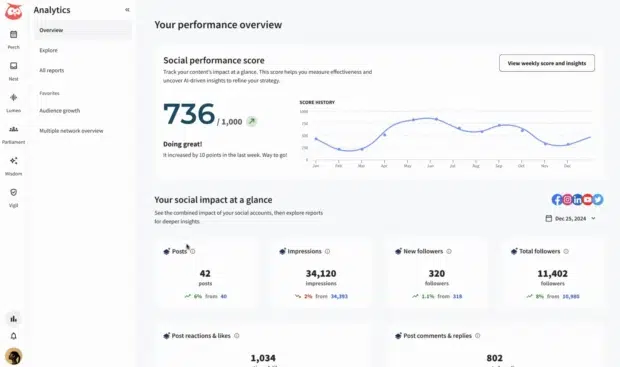
How to Respond: While not every like requires a direct response, monitoring like and reaction trends over time is crucial. Analyzing which content types consistently garner more positive reactions helps optimize future content strategy. Tools like Hootsuite Social OS provide real-time social metrics, allowing brands to track performance across posts and platforms.
7. Follows and Unfollows
A follow indicates a user’s intent to regularly see a brand’s content in their feed, signaling alignment and interest. Conversely, unfollows, especially in sudden spikes, can be a red flag, indicating a misalignment in content, tone, or frequency. Profile visits, often a precursor to a follow, are also valuable. If visits are high but follows are low, it suggests issues with the profile’s bio, pinned content, or overall imagery.
How to Respond: Monitor follower trends diligently. Significant changes warrant a review of recent content and overall strategy. Even subtle shifts can impact audience retention. Leveraging analytics to identify optimal posting frequencies, as researched by Hootsuite, can help maintain a consistent and engaging presence that encourages follows and minimizes unfollows.
8. Reviews and Ratings
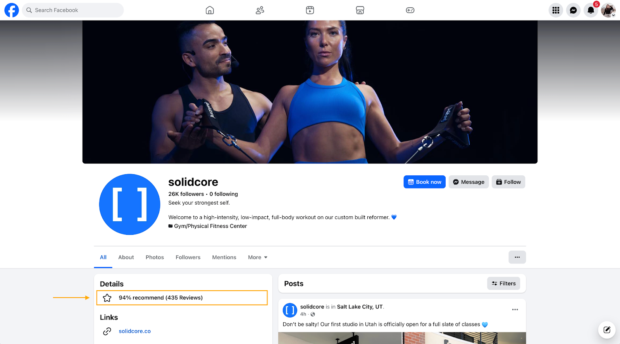
Reviews are increasingly prevalent across social platforms, from Facebook recommendations to product reviews on Instagram and TikTok Shops. The latter, for example, generated over $500 million during BFCM 2025, highlighting the direct commercial impact of social commerce and integrated reviews. Positive reviews build social proof, influencing potential customers, while negative reviews demand swift and professional responses.
How to Respond: Implement robust social review monitoring and have pre-prepared responses for both positive and negative feedback. All customer reviews and brand responses are public, making professional and empathetic handling critical for maintaining brand reputation. Platforms like Hootsuite offer review management features to streamline this process.
9. Social Search Clicks and Actions
A growing trend sees users bypassing traditional search engines, instead typing queries directly into social apps like TikTok, Instagram, or YouTube. Actions resulting from these searches – profile visits, link taps, product page views, and follows – represent high-intent interactions. Users who discover a brand via social search are often actively seeking a solution or product.
How to Respond: Optimize content for social search. This involves crafting search-friendly captions with relevant keywords, adding alt text to images, using specific hashtags, and incorporating keywords verbally in video content for auto-captioning. Monitoring which search-driven posts lead to conversions can refine content strategy, turning search insights into a content roadmap.
10. Polls, Quizzes, and Interactive Content
These formats, such as Instagram Stories polls, LinkedIn polls, and live stream Q&As, are designed for low-barrier interaction. They invite immediate responses with minimal effort from the user. While seemingly simple, these interactions can gather valuable audience insights and boost engagement signals for algorithms.
How to Respond: Beyond raw numbers, analyze the results. Polls revealing product feature preferences or content interests offer direct audience research that can inform future campaigns. Sharing poll results back with the audience can also spark further discussion and engagement.
Strategies for Cultivating Meaningful Interactions
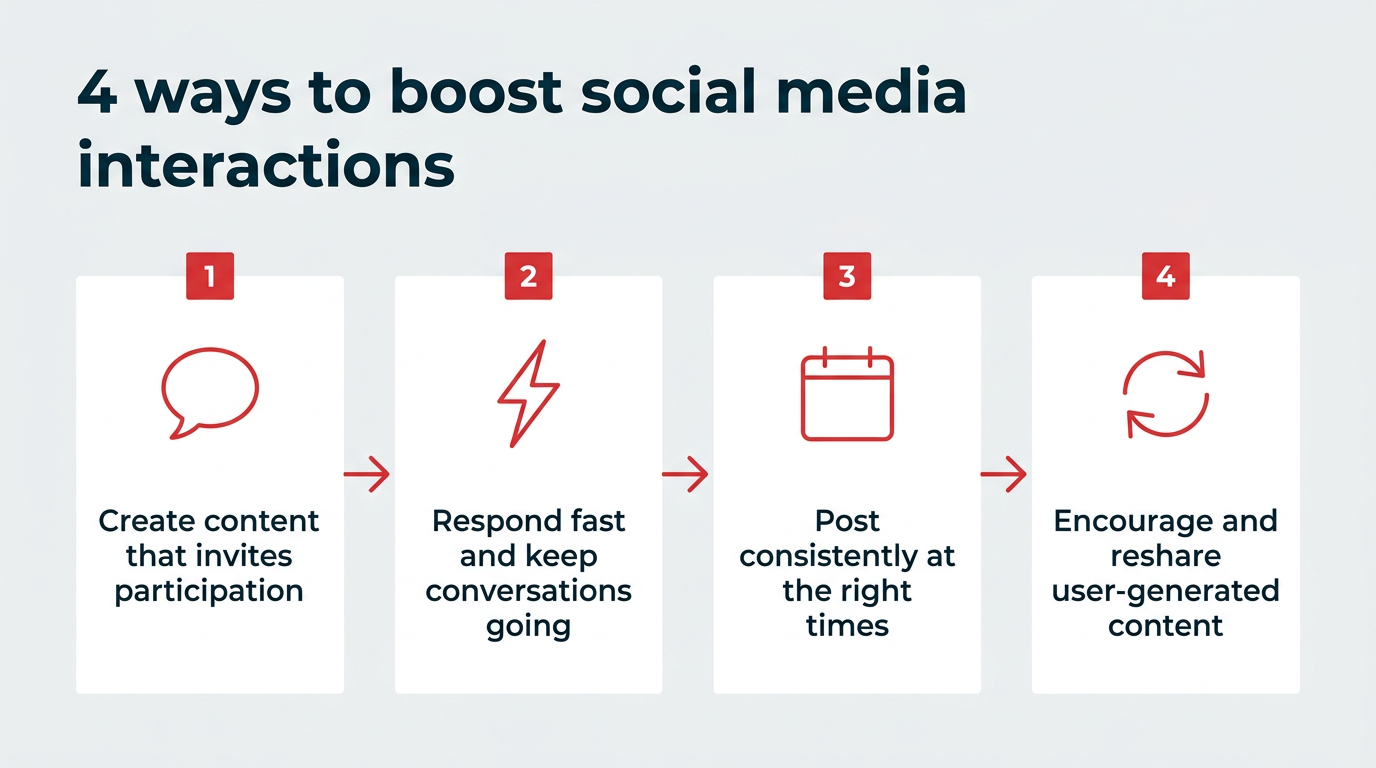
Boosting social media interactions requires a strategic, multi-faceted approach centered on responsiveness, consistency, and content designed for participation.
Create Content That Invites Participation
The simplest way to encourage interaction is to make it easy. Interactive formats like polls, Q&As, and quizzes allow single-tap engagement. Opinion-based or slightly polarizing questions often outperform generic ones, sparking genuine dialogue. Research consistently shows that visual content, particularly short-form video (e.g., Instagram Reels, TikTok videos), drives the highest engagement. Experimenting with various formats and tones helps identify what resonates most with a specific audience, leading to patterns that drive consistent engagement.
Respond Fast and Keep Conversations Going
Engagement begets engagement. Prompt replies to comments and messages keep conversations alive and encourage future participation. Speed is often underestimated; replies within the first hour or two tend to generate more follow-on activity because the original post is still actively being distributed by algorithms. Tools offering saved replies and AI-powered chatbots for frequently asked questions can help teams maintain pace and consistency without sacrificing quality. Setting channel-specific response targets is advisable, as expectations for DM replies are typically higher than for public comments.

Post Consistently at the Right Times
Consistency is paramount. A sustainable schedule of three high-quality posts a week is more effective than sporadic bursts of daily posting followed by silence. Posting when the target audience is most active significantly increases early engagement, which algorithms interpret as a signal to further distribute the content. Social media management tools like Hootsuite Social OS provide personalized "best time to post" recommendations, removing the guesswork from scheduling.
Encourage and Reshare User-Generated Content (UGC)
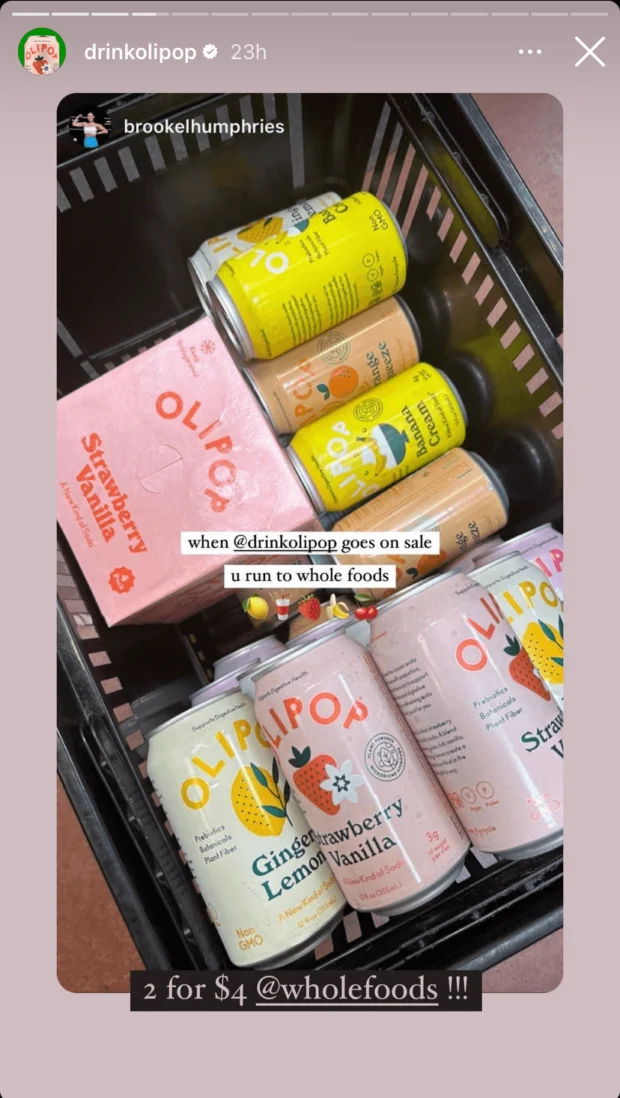
UGC is a powerful tactic that generates interactions twice: first when the user creates and shares it, and again when the brand reshapes it to its audience. Brands should actively solicit UGC through clear calls-to-action, branded hashtags, or simple prompts like "tag us in your setup." When resharing, always credit the original creator and engage with their post. Brands like Mejuri and OLIPOP have successfully built consistent streams of tagged content by visibly rewarding user contributions.
Measuring Success: Key Interaction Metrics and Analytics
Effective measurement of social media interaction involves tracking both the volume and the nature of interactions. Volume alone can be misleading; a thousand likes versus a hundred saves convey very different insights into user intent and content value. Brands should begin with native platform analytics for post-level data, then leverage social media management tools to compare performance across channels and identify long-term trends.
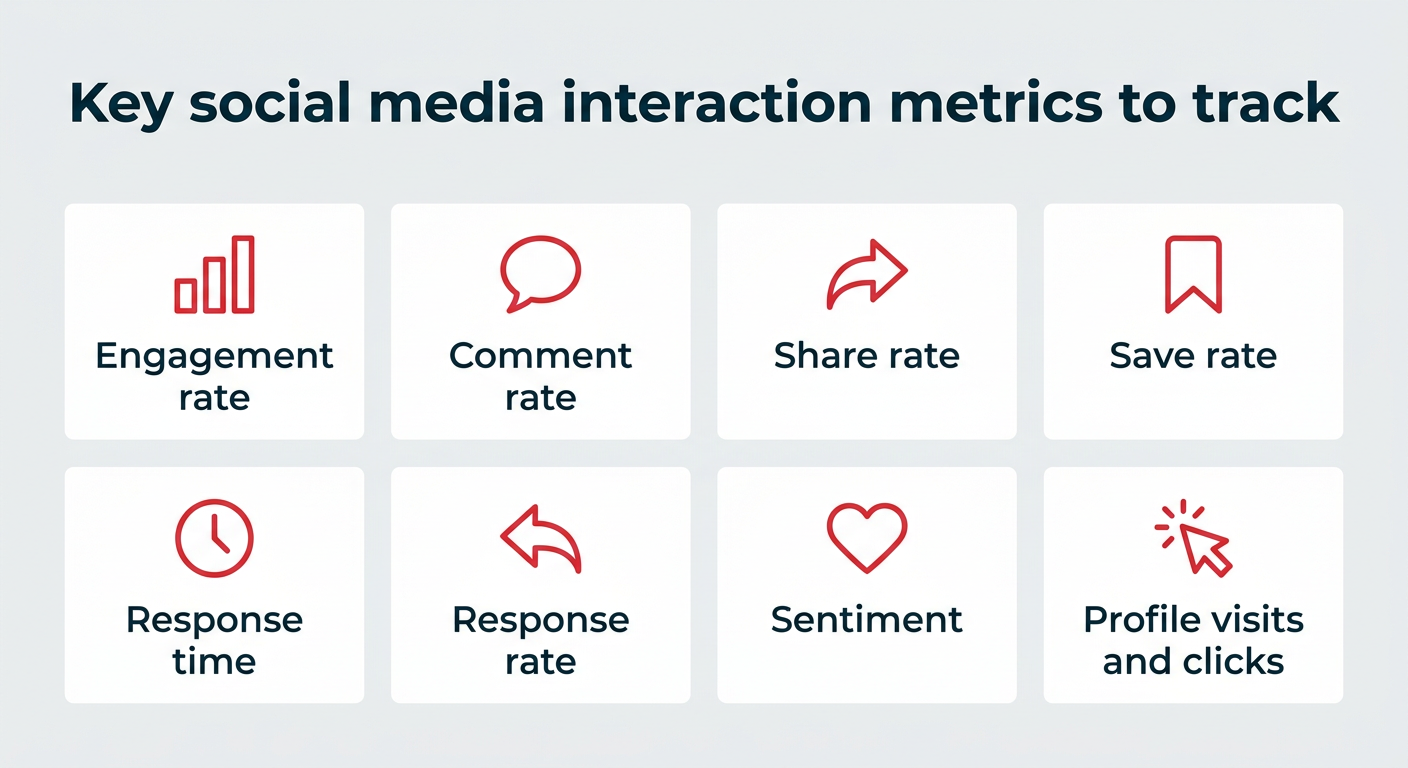
Key Interaction Metrics to Track:
- Engagement Rate: Total interactions divided by reach or followers. This is often the best single indicator of whether content is resonating with the audience.
- Comment Rate: Comments per post relative to reach. Signals active conversation and often indicates soft purchase intent or a desire for more information.
- Share Rate: Shares per post relative to reach. Demonstrates content’s ability to spread organically beyond the immediate follower base, indicating viral potential.
- Save Rate: Saves per post relative to reach. A strong indicator of content utility and lasting value, suggesting users intend to revisit the content.
- Response Time: Average time taken to reply to comments and DMs. Directly correlated with customer satisfaction and brand perception.
- Response Rate: The percentage of inbound messages that receive a reply. Highlights coverage gaps in customer service workflows and responsiveness.
- Sentiment: Whether mentions and comments skew positive, neutral, or negative. Adds crucial qualitative meaning to raw interaction volumes.
- Profile Visits and Link Clicks: Actions taken after seeing content. Connects social interactions to downstream business results, such as website traffic or conversions.
It is crucial to track these metrics in combination, rather than in isolation. A post with moderate likes but a high save rate and strong click-through often delivers more tangible business value than a post that receives many likes but generates no further action.
Hootsuite Social OS facilitates the management and measurement of these interactions at scale. By consolidating comments, DMs, mentions, and reviews from all platforms into a single unified inbox, it streamlines workflows, improves response times, and provides comprehensive cross-network analytics. Features like saved replies, auto-routing of messages, and robust reporting empower teams to efficiently manage growing message volumes while maintaining high-quality, consistent engagement.
The Future of Brand-Consumer Dialogue
Social media interactions are not static; they are continually evolving with platform changes and shifts in user behavior. For brands, this necessitates an agile and responsive strategy. The emphasis will continue to shift towards more personalized, private, and value-driven interactions. The ability to listen actively, respond authentically, and create content that genuinely invites participation will differentiate successful brands in an increasingly crowded digital space. Brands that master the art of social interaction will not only build stronger relationships and foster deeper loyalty but also unlock significant opportunities for growth and conversion in the years to come.