The advent of sophisticated artificial intelligence, particularly large language models (LLMs) and generative AI applications, has fundamentally reshaped how information is discovered, consumed, and valued online. What was once a straightforward quest for "ten blue links" in a search engine now frequently yields an AI Overview—a concise, algorithmically generated summary, often accompanied by a few citations. Similarly, queries posed to conversational AI platforms like ChatGPT or Perplexity produce neatly summarized responses, often pre-digested from myriad sources across the web. This paradigm shift presents an unprecedented challenge and opportunity for content creators and marketers: the imperative to design content that resonates with human audiences while simultaneously being optimally structured for machine understanding and extraction.
The Rise of AI-Driven Content Consumption: A Brief Chronology
The journey to this "two audiences" problem is a relatively swift one. For decades, search engine optimization (SEO) focused on ranking content highly in traditional search results, driving organic traffic through clicks. The early 2010s saw the emergence of "featured snippets" or "answer boxes" on Google, a precursor to today’s more extensive AI Overviews. These snippets offered direct answers to user queries, often reducing the need for a click-through to the source website.
However, the true acceleration of this trend began in late 2022 with the public release of ChatGPT, quickly followed by a proliferation of advanced generative AI tools and Google’s announcement of its Search Generative Experience (SGE), now widely known as AI Overviews. These developments marked a pivotal moment, transforming search from a directory of links into an interactive, AI-powered knowledge aggregator. Instead of merely pointing users to information, AI now actively processes, synthesizes, and presents that information directly. This rapid evolution, spanning roughly a decade from nascent snippets to comprehensive AI summaries, underscores the urgent need for brands to adapt their content strategies.
The Dual Challenge: Satisfying Humans and Machines
In this new reality, a brand’s meticulously crafted content, honed for unique voice and perspective, faces an algorithmic intermediary. If a brand is fortunate enough to be cited in an AI summary, its contribution often appears as a single, decontextualized line, stripped of its original style and nuance. Headlines carefully devised by editorial teams are rewritten, points of view flattened, and distinct messaging rendered generic. This underscores the core challenge: humans still engage with and ultimately make purchasing decisions based on content, but increasingly, machines dictate what content they encounter first.
The mandate for contemporary marketers is clear: speak to both human customers, with their complex motivations and mercurial emotions, and robotic algorithms that extract, rewrite, and rank ideas. The critical task is to achieve this without diluting the content into bland, undifferentiated "slop." The marketers who will achieve prominence in this era are those whose core ideas and brand messaging can withstand this algorithmic translation and emerge intact and influential.
Crafting Content for Humans: The Enduring Power of Narrative
Despite the rise of machines, the fundamental principles of human connection remain paramount. People are still the ultimate decision-makers who share content, build brand loyalty, and make purchases. Research, such as findings from Ipsos, consistently demonstrates a strong preference among audiences for human-created content, even within marketing materials. While AI tools are becoming indispensable in content creation workflows (and indeed, in 2025, their strategic use is almost a given), the final output must never sound mechanical or soulless.
- What moves people: Humans are moved by authentic stories, relatable experiences, emotional resonance, and a distinct voice. They seek content that feels both familiar and fresh, offering genuine utility and connection. Compelling narratives, unexpected insights, and empathetic understanding are crucial. A recent study by the Content Marketing Institute indicated that content evoking strong emotions (joy, surprise, anticipation) saw 30% higher engagement rates than purely informational pieces.
- The challenge: The difficulty lies in maintaining this human touch when content is destined for algorithmic parsing. The risk is that the very elements that make content engaging—subtlety, irony, emotional depth, brand voice—can be lost or misinterpreted by machines focused on extracting explicit facts.
- The takeaway for marketers: Algorithms can efficiently summarize information, but only humans possess the capacity to be genuinely moved by it. The most effective human-centric content earns attention by offering something that feels deeply resonant and uniquely insightful. It draws readers in because it reflects an understanding of their needs, desires, and perspectives. Even as generative AI redefines content discovery and distribution, neglecting these foundational human elements is a critical error.
Creating Content for Machines: Precision and Structure
In stark contrast to human readers, AI engines and large language models operate on a different logic. They tokenize, extract, and rank information based on structural and semantic cues. They are indifferent to lyrical prose, stylistic flair, or the hours spent perfecting a tagline. Their primary objective is to confidently answer a user’s question by identifying clear claims, supporting evidence, and contextual mapping to recognizable entities.
- Machines tend to prioritize: Clarity, consistency, explicit data, structured formats, and verifiable facts. They look for well-defined entities, quantifiable metrics, and clearly articulated relationships between concepts. Schema markup, consistent terminology, and direct answers to common questions are highly valued. Ahrefs’ research suggests that AI assistants often prefer to cite fresh, clearly structured content, highlighting the importance of recency and organization.
- The challenge: The principal difficulty is ensuring that content is sufficiently explicit and structured for machine readability without sacrificing the nuance and engaging qualities required for human appeal. Over-optimization for machines can lead to content that is dry, repetitive, and ultimately unengaging for people.
- The takeaway for marketers: Content must be designed with the AI model in mind. This involves clearly labeling answers, standardizing terms, and providing verifiable "receipts" or sources for claims. When optimizing for AI, clarity—not cleverness—is the ultimate currency for earning citations and visibility. Furthermore, freshness of information is increasingly recognized as a significant factor in algorithmic preference.
A Dual-Pronged Content Strategy: Speaking to Both Worlds
To thrive in today’s search-and-summary landscape, brands require a sophisticated, dual-pronged content strategy. The art lies in crafting content that is aesthetically pleasing and deeply engaging for human readers, while simultaneously providing clean, unambiguous signals that machines can easily interpret and amplify.
Here are five key strategic moves to master this intricate balance:
-
Lead with Narrative, Structure for Extraction:
- For humans: Every piece of content should begin with a compelling hook that immediately draws readers into a moment. This could be an evocative question, a relatable conflict, a vivid visual, or a surprising statistic. Humans are wired for stories and emotional connection; the opening must capture their imagination.
- For machines: Simultaneously, ensure that the content’s underlying structure is meticulously organized. Utilize clear H2/H3 subheadings, implement schema markup where appropriate, and provide concise, keyword-rich summaries or meta descriptions. This scaffolding allows machines to quickly grasp the main takeaways and categorize the information effectively. For example, a compelling opening paragraph could set a scene about a common business challenge, while the very next subheading immediately introduces a structured solution, making it parsable.
-
Craft Quotable, Parsable Claims:
- For humans: When presenting an insight or making a claim, ensure it is memorable, impactful, and ideally, supported by credible evidence that reinforces trust. The phrasing should be eloquent and persuasive, resonating with the reader’s understanding.
- For machines: Every significant claim must be explicitly backed with data, clearly attributed sources, and phrased in a precise, unambiguous manner that AI can easily "lift" and cite. Think of this as writing for direct citation: a sentence that not only resonates deeply with human readers but also stands perfectly on its own as a verifiable fact in an AI Overview. For instance, instead of "Experts suggest improved productivity," state "According to a 2023 McKinsey report, companies implementing X strategy saw a 15% increase in productivity."
-
Design Visuals for Dual Interpretation:
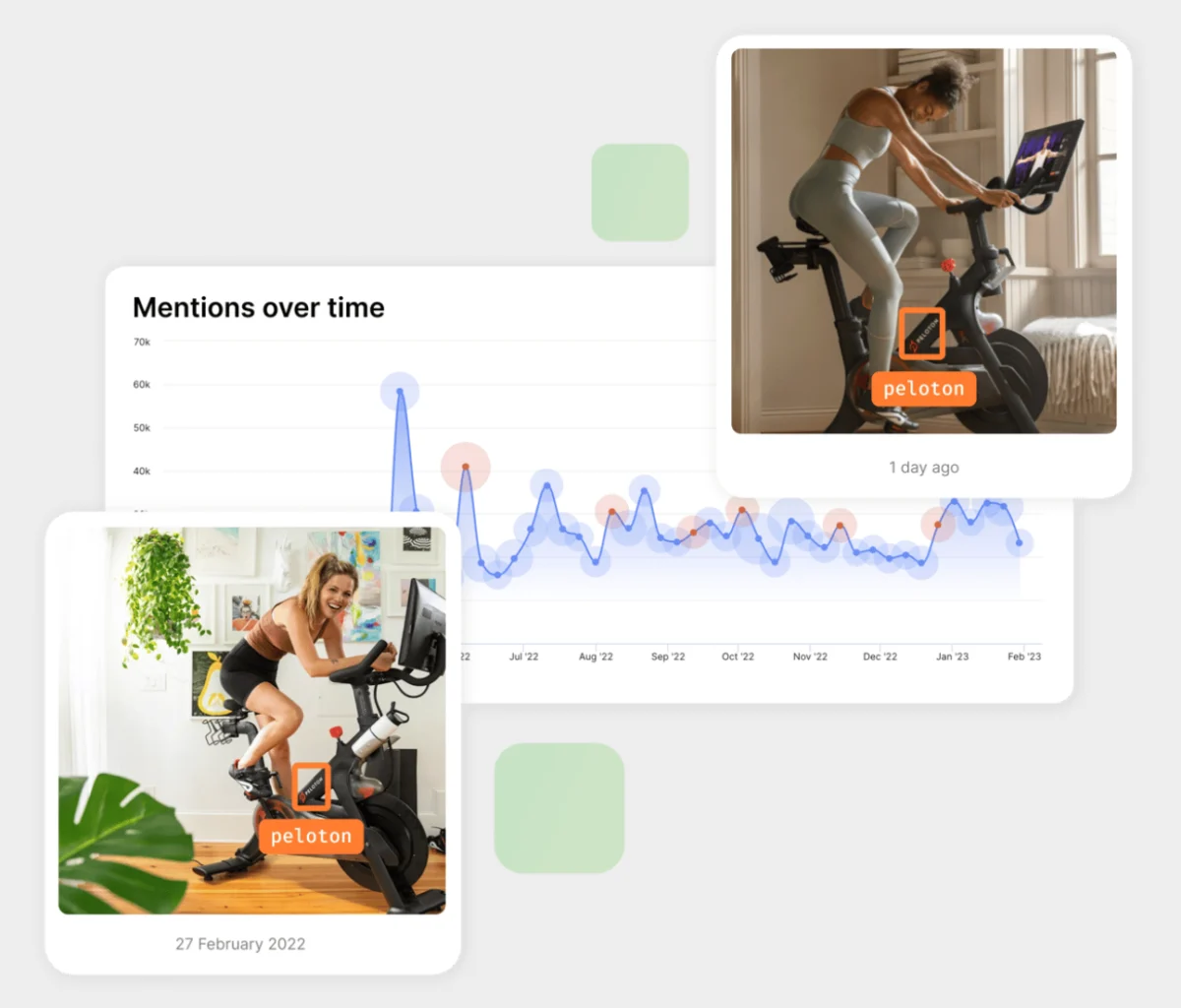
- For humans: Visual content—images, infographics, charts, videos—should tell a compelling story, complete with emotional depth, clear context, and aesthetic appeal. Visuals should enhance the human reading experience, breaking up text and conveying complex information quickly.
- For machines: Each visual asset requires robust metadata. This includes descriptive filenames (e.g.,
brand-product-usage-chart-2024.pnginstead ofIMG_001.png), comprehensive alt text that accurately describes the image’s content and context, and clear captions. For charts, explicitly state the key takeaway in the caption. For videos, ensure detailed descriptions. This metadata acts as the "text alternative" that allows algorithms to understand the visual’s relevance and content.
-
Optimize Video for Viewers and Algorithms:
- For humans: In video or short-form content, the opening seconds are critical. The first three seconds function as the video’s headline, needing to immediately hook the viewer with intrigue, a clear value proposition, or compelling visuals. Pacing and storytelling are vital for sustained engagement.
- For machines: Integrate relevant keywords naturally into voiceovers and on-screen text. Provide accurate, synchronized captions with consistent terminology. When uploading, include a structured, keyword-rich description, relevant tags, and potentially a transcript. This helps algorithms surface the video for relevant queries and allows AI models to understand its core content, while giving human viewers reasons to watch to the end.
-
Maintain Message Consistency Across Channels:
- For humans: Consistency in brand messaging, tone of voice, and visual identity across all touchpoints builds trust and reinforces brand recognition. Humans learn through repetition and a coherent brand experience.
- For machines: Machines learn from repetition and alignment. Using the exact same product names, taglines, key phrases, and entity definitions across every piece of content—from blog posts and website copy to social media updates and YouTube video titles—helps algorithms build a stronger, more accurate understanding of your brand and its offerings. This semantic consistency aids in entity recognition and ensures that AI outputs accurately reflect your brand’s identity.
Measuring Success in a Zero-Click Era: New KPIs
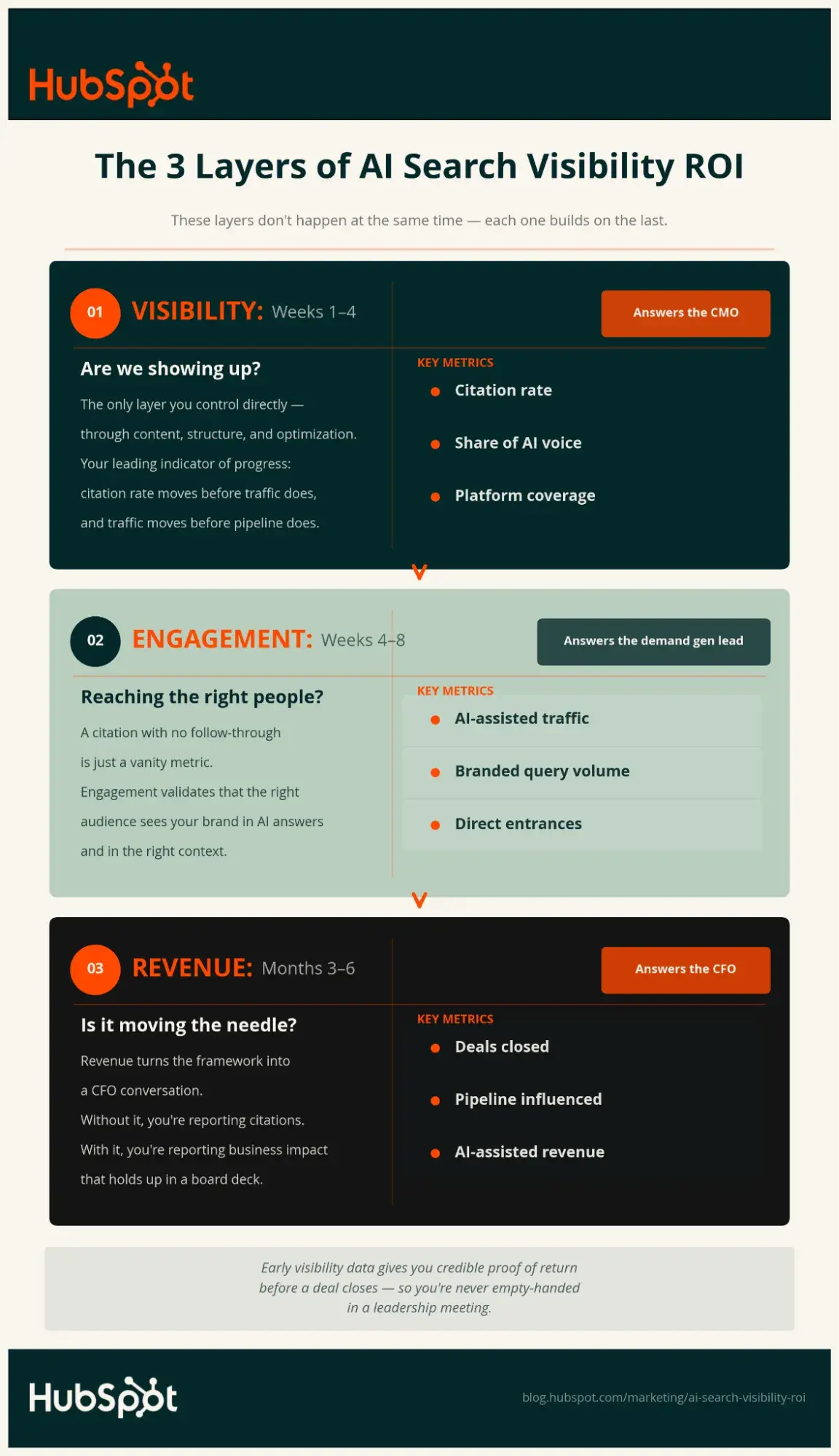
As AI summaries increasingly become the first point of contact between users and information, traditional traffic metrics like click-through rates (CTR) no longer tell the complete story of content efficacy. A significant spike in visibility within an AI Overview, even if it doesn’t translate into a direct click, can profoundly shape brand perception, enhance recall, and influence future buying behavior.
The new key performance indicators (KPIs) in this AI-driven landscape live at the intersection of influence and alignment:
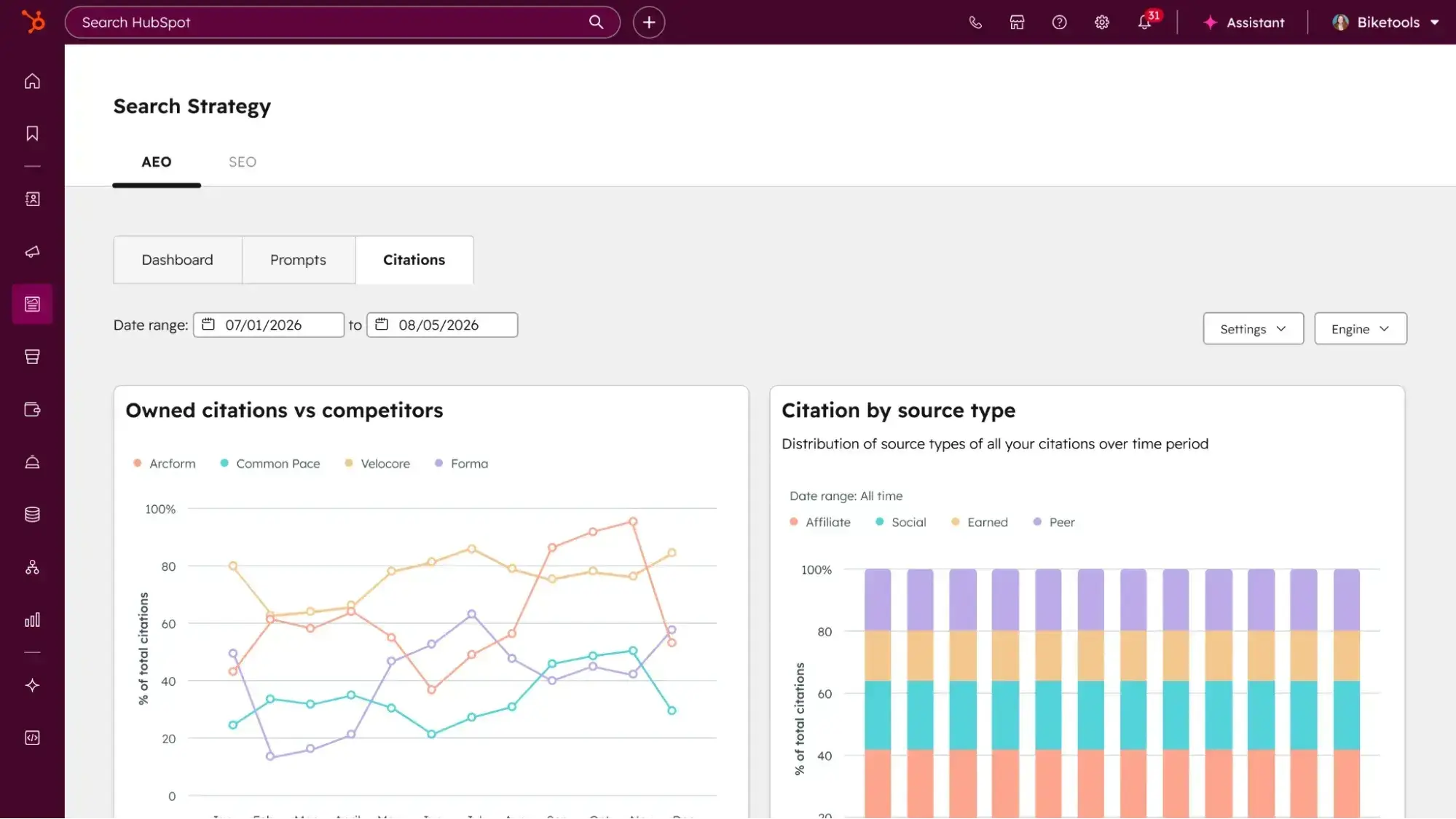
- AI Overview Mentions/Citations: Tracking how frequently your brand or content is explicitly cited in AI summaries from Google, Perplexity, or other platforms. This indicates algorithmic recognition and authority.
- Brand Sentiment in AI Summaries: Analyzing the tone and context in which your brand is mentioned by AI, ensuring it aligns with desired brand messaging and avoids misrepresentation.
- Semantic Authority Scores: Metrics that assess how well AI systems understand your brand’s core entities, products, and areas of expertise, indicating a strong, consistent semantic footprint.
- Content Freshness Index: A measure of how consistently your brand updates and publishes new, relevant information, which is increasingly favored by AI algorithms.
- Share of Voice in AI-Generated Content: Beyond direct citations, understanding how often your brand’s ideas, concepts, or solutions are reflected (even if indirectly paraphrased) within AI-generated responses to relevant queries.
- Audience Recall & Brand Affinity Surveys: Direct feedback mechanisms to gauge whether AI exposure leads to increased brand recall and positive sentiment among target audiences, even without a direct click.
For years, content strategists have focused on optimizing for people and specific platforms. Now, the mandate expands to optimizing for people and sophisticated parsers. This evolution does not necessitate stripping the soul from compelling narratives but rather involves teaching machines how to effectively carry those narratives forward. The marketers who successfully navigate this dual imperative—balancing human creativity with algorithmic precision—will undoubtedly define and dominate the next era of online visibility and influence.
Frequently Asked Questions (FAQs):
What does it mean to create "machine-readable" content?
Machine-readable content is structured and semantic in a way that allows AI systems, search engines, and voice assistants to easily interpret, extract, and summarize its core meaning. This includes using clear headers (H1, H2, H3), consistent terminology, schema markup (structured data), unambiguous claims, and explicit source citations. The goal is to ensure your ideas are effortlessly extractable without losing their intended meaning or context.
Should marketers still care about SEO if AI Overviews and chatbots dominate search?
Absolutely. SEO remains crucial, but its focus has shifted. It’s no longer just about keyword density or backlinks for traditional ranking; it’s about structuring for semantic understanding and earning authority. Schema markup, entity alignment (ensuring AI accurately connects your brand to relevant concepts), and first-party credibility (original research, expert authorship) are more vital than ever. While traditional keyword tactics may evolve, semantic clarity, topical authority, and technical optimization for AI parsing remain critical for visibility.
Does this shift change how we approach video and visual content?
Yes, significantly. Every visual asset must now serve a dual purpose: a compelling story for human viewers and a clear signal for algorithms. This means using descriptive titles, comprehensive captions, detailed transcripts for videos, and rich metadata (alt text, structured descriptions). While you must continue to lead with human emotion and engaging pacing to hook viewers in seconds, the underlying structure and textual signals are essential for algorithms to understand the content’s context and relevance, thereby increasing its discoverability.