A social media SWOT analysis is a crucial framework marketers utilize to systematically evaluate their social media performance across four distinct areas: strengths, weaknesses, opportunities, and threats. This analytical tool transcends mere data reporting, providing a holistic perspective that underpins more intelligent, data-driven decision-making in the complex and rapidly evolving digital landscape. It moves beyond guesswork, anchoring strategic investments in tangible insights derived from both internal performance metrics and external market dynamics.
The Evolving Landscape and the Need for Strategic Analysis

The digital marketing realm, particularly social media, is characterized by its unprecedented pace of change. Platforms constantly introduce new features, algorithms shift, consumer behaviors evolve, and competitive pressures intensify. In such an environment, an ongoing, structured assessment like a social media SWOT analysis becomes indispensable. It allows brands to not only understand their current standing but also to proactively adapt and innovate, ensuring their social media efforts remain aligned with broader business objectives. This framework is invaluable for various strategic scenarios, from re-evaluating an existing social media strategy to planning major campaigns, or even navigating unforeseen market shifts and crises.
Unlike a traditional business SWOT analysis, which typically examines market share, revenue, and supply chain factors, its social media counterpart delves into platform-specific metrics, social listening signals, and competitive benchmarks that can fluctuate daily. This granular focus, coupled with the need for frequent review—ideally quarterly rather than annually—reflects the inherent volatility of social platforms. Industry analysts consistently emphasize the importance of agile marketing methodologies, and the social media SWOT analysis is a cornerstone of this approach, enabling brands to pivot swiftly and effectively.
Components of a Comprehensive Social Media SWOT Analysis

The framework is built upon four interconnected components, each offering a distinct type of insight:
- Strengths: These are internal, positive attributes that a brand controls and excels at within its social media operations. They represent areas of competitive advantage.
- Weaknesses: Also internal and controllable, weaknesses are areas where a brand underperforms or has shortcomings in its social media activities. These are internal challenges that need addressing.
- Opportunities: These are external, positive factors that a brand can leverage to its advantage. They exist in the market environment and are outside direct control but can be capitalized upon.
- Threats: External, negative factors that could potentially harm a brand’s social media performance or overall business. Like opportunities, these are external and beyond direct control, but require monitoring and mitigation strategies.
A clear distinction exists between internal and external factors. Strengths and weaknesses are intrinsic to the organization—its content, team, tools, and processes. Opportunities and threats, conversely, arise from the broader market, industry, or socio-economic environment. While uncontrollable, these external forces demand vigilant monitoring and strategic responses to either harness potential gains or neutralize impending risks. This dual perspective is critical for a balanced and actionable analysis, as illustrated by the classic SWOT matrix, which categorizes these factors along internal/external and positive/negative axes.
Strategic Benefits: Why Conduct a Social Media SWOT Analysis?

The implications of a robust social media SWOT analysis extend far beyond optimizing individual campaigns; it profoundly influences overarching business strategy and sustained growth.
1. Setting Impactful and Realistic Goals: Effective goals are ambitious yet attainable. A social media SWOT analysis grounds goal-setting in a dual reality: past performance and industry benchmarks. By integrating internal data with external realities, marketers can establish objectives that are not only challenging but also strategically sound and achievable. This data-informed approach, as advocated by methodologies like SMART goals and key performance indicators (KPIs), ensures that targets are measurable, relevant, and time-bound, leading to more meaningful outcomes.
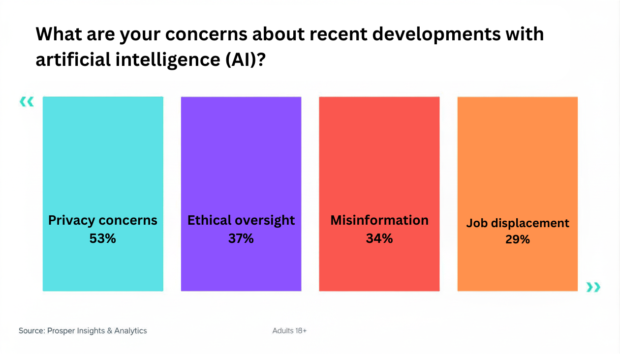
2. Identifying and Mitigating Risks: Proactive risk management is paramount in the digital age. Weaknesses and threats, while potentially daunting, offer critical foresight. Weaknesses expose internal vulnerabilities related to processes, technological infrastructure, or team capabilities. Threats, on the other hand, highlight external challenges such as algorithmic shifts, evolving compliance regulations, or broader economic fluctuations. For instance, recent studies indicating significant public discomfort with AI usage in media underscore the need for transparency and clear guardrails in AI-generated content on social platforms. A SWOT analysis compels brands to address these concerns head-on, integrating risk management into their core social media strategy and crisis management plans.
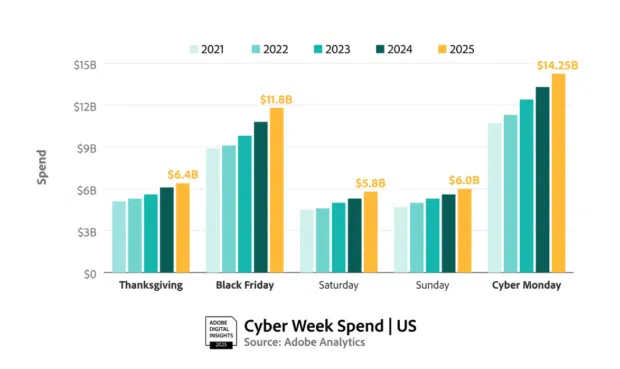
3. Maintaining Competitive Edge: In a landscape where U.S. social ad spending exceeds $120 billion annually, competitive intelligence is not a luxury but a necessity. A social media SWOT analysis forces brands to look beyond their internal operations and analyze the broader competitive environment. This includes observing competitor strategies, identifying their successes and failures, and recognizing emerging trends before they become mainstream. If a rival gains significant share of voice on a previously deprioritized platform, or rapidly adopts a trending content format, this signals a potential threat that warrants immediate attention and strategic adjustment. Furthermore, understanding consumer purchasing behaviors, such as the increasing adoption of "Buy Now, Pay Later" (BNPL) options—which drove over $1.03 billion in online sales on Cyber Monday alone recently—allows brands to adapt their social commerce strategies, ensuring they offer relevant payment solutions and timed promotions.
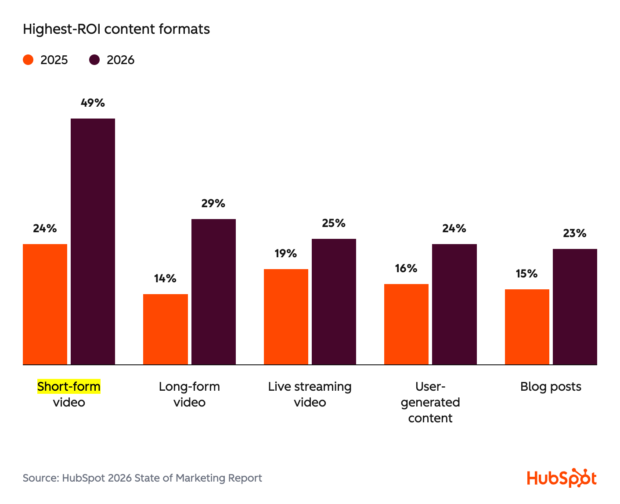
4. Allocating Resources Effectively: An internal-only analysis provides limited insight into future investment opportunities. A social media SWOT integrates external data to uncover strategies not yet attempted. The widespread success of short-form video, with recent marketing research indicating 93% of video marketers report increased brand awareness, serves as a prime example. While not a guarantee of ROI for every brand, such data strongly suggests allocating resources for experimentation in this high-performing content type. This strategic allocation ensures marketing budgets, which often constitute a modest percentage of company revenue, are maximized for impact.
5. Gaining a Clearer Picture of Performance: While social analytics tools provide granular data, a SWOT analysis adds invaluable context by incorporating industry benchmarks and competitor research. This external comparison reveals the true efficacy of a brand’s efforts, moving beyond an isolated view of success. Moreover, insights gleaned from social media—such as recurring customer issues highlighted in weaknesses or threats—can be shared with product development and customer support teams, fostering cross-functional collaboration and driving holistic business improvements.
When to Conduct a Social Media SWOT Analysis
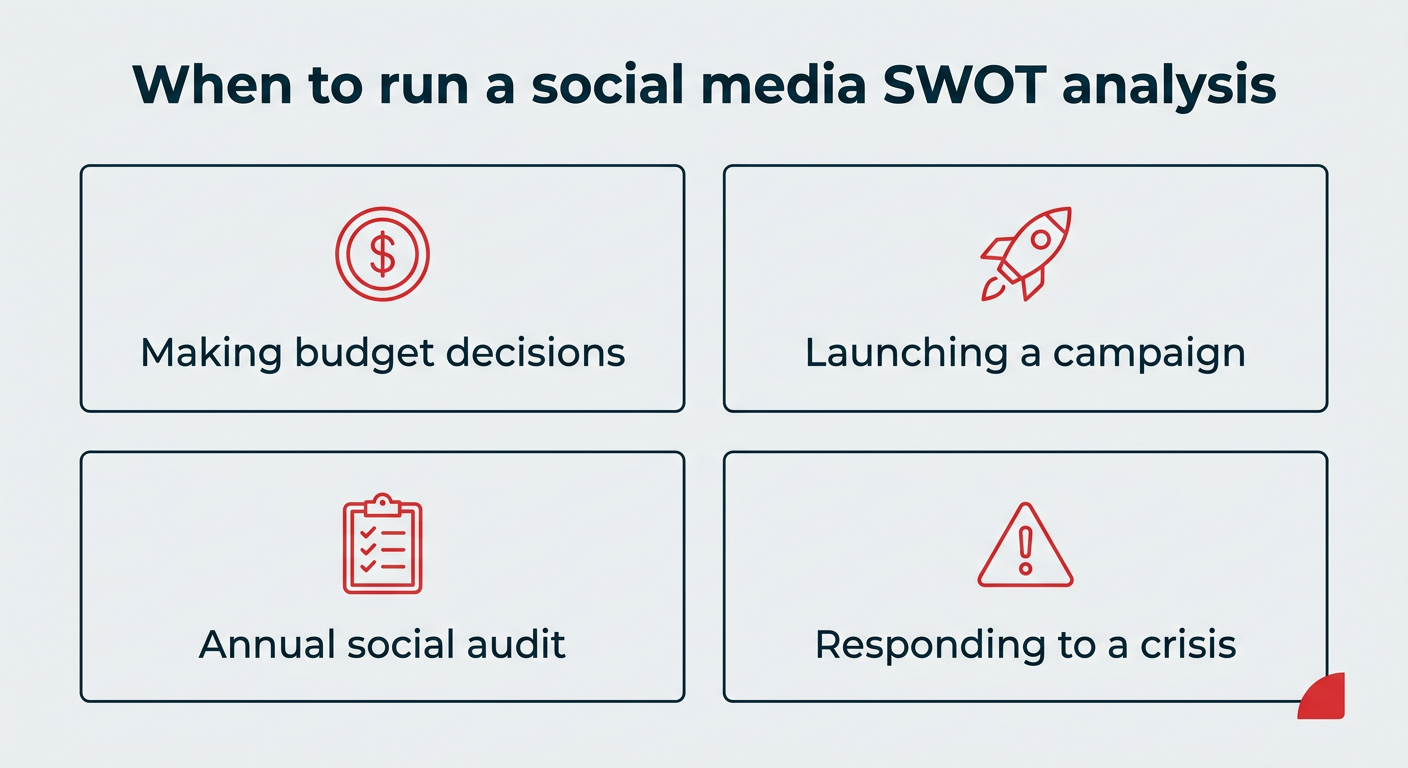
The dynamic nature of social media necessitates regular and strategically timed SWOT analyses. These assessments are most impactful when aligned with critical decision-making junctures.
- Making Budget Decisions: As annual budget cycles approach, a detailed SWOT analysis can anticipate new strategies, platform features, and market shifts, informing resource allocation to maximize ROI. This foresight is crucial given the finite nature of marketing budgets.
- Launching a New Campaign: Before deploying significant resources into a new campaign, a SWOT analysis provides a look back at past successes and failures—both internal and external. It ensures campaigns are culturally relevant, capitalize on current trends, and avoid pitfalls encountered by competitors, albeit with an emphasis on testing new strategies rather than outright copying.
- Performing an Annual Social Audit: An annual social audit, which involves a thorough review of social accounts, performance, and strategy, is significantly enriched by a concurrent SWOT analysis. The audit provides the detailed internal data needed for the SWOT, while the SWOT offers the strategic context to interpret those results and plan future pivots. This cross-pollination of data elevates both activities.
- Responding to a Crisis or Reputation Shift: A sudden surge in negative sentiment or a brand reputation crisis demands immediate analysis. A SWOT helps differentiate between internal causes (e.g., process failures, communication gaps) and external factors (e.g., competitor actions, broader news cycles). This distinction is vital for formulating an effective crisis management response that targets the root cause.
A Step-by-Step Guide to Implementing a Social Media SWOT Analysis
Conducting a thorough social media SWOT analysis involves a systematic approach, moving from data gathering to actionable insights.
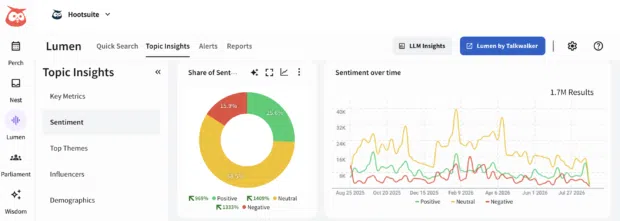
1. Comprehensive Performance Audit: The foundational step involves meticulously gathering performance data across all active social media channels. This includes metrics such as engagement rates, follower growth, reach, impressions, conversion rates, and audience demographics. Specific data points for each channel should include top-performing content, peak engagement times, audience sentiment, and competitor benchmarks. Tools like Hootsuite’s analytics suite, with its industry benchmarking and competitive analysis features, are invaluable for this stage, providing side-by-side comparisons and insights into share of voice and social sentiment via listening apps like Lumen.
2. Identifying Core Strengths: With audit data in hand, the focus shifts to internal positive attributes. This involves identifying what the brand consistently excels at on social media. Key questions include: Which content formats consistently outperform industry benchmarks? Which platforms are experiencing the fastest growth for the brand? Where does the community engage most actively? What unique advantages does the brand possess that competitors lack? Quantifying these strengths, such as "Instagram Reels engagement rate of 4.2%, double our static posts," provides clear direction for future investment. Repeatable wins, like a strong employee advocacy program, should be highlighted.
3. Uncovering Weaknesses and Gaps: Identifying weaknesses requires an honest assessment of internal shortcomings. Comparing current performance against historical data and competitor metrics is crucial. Questions to explore include: Which channels are declining in performance, and by how much? Are there significant response time delays or coverage gaps in social customer service? Is the brand absent from platforms where its target audience is highly active? What internal constraints, such as budget limitations, team capacity, or inadequate tools, hinder optimal output? Specificity is key; instead of "poor TikTok performance," pinpoint "lack of active TikTok presence, despite 63% of adults aged 18-29 using the platform."
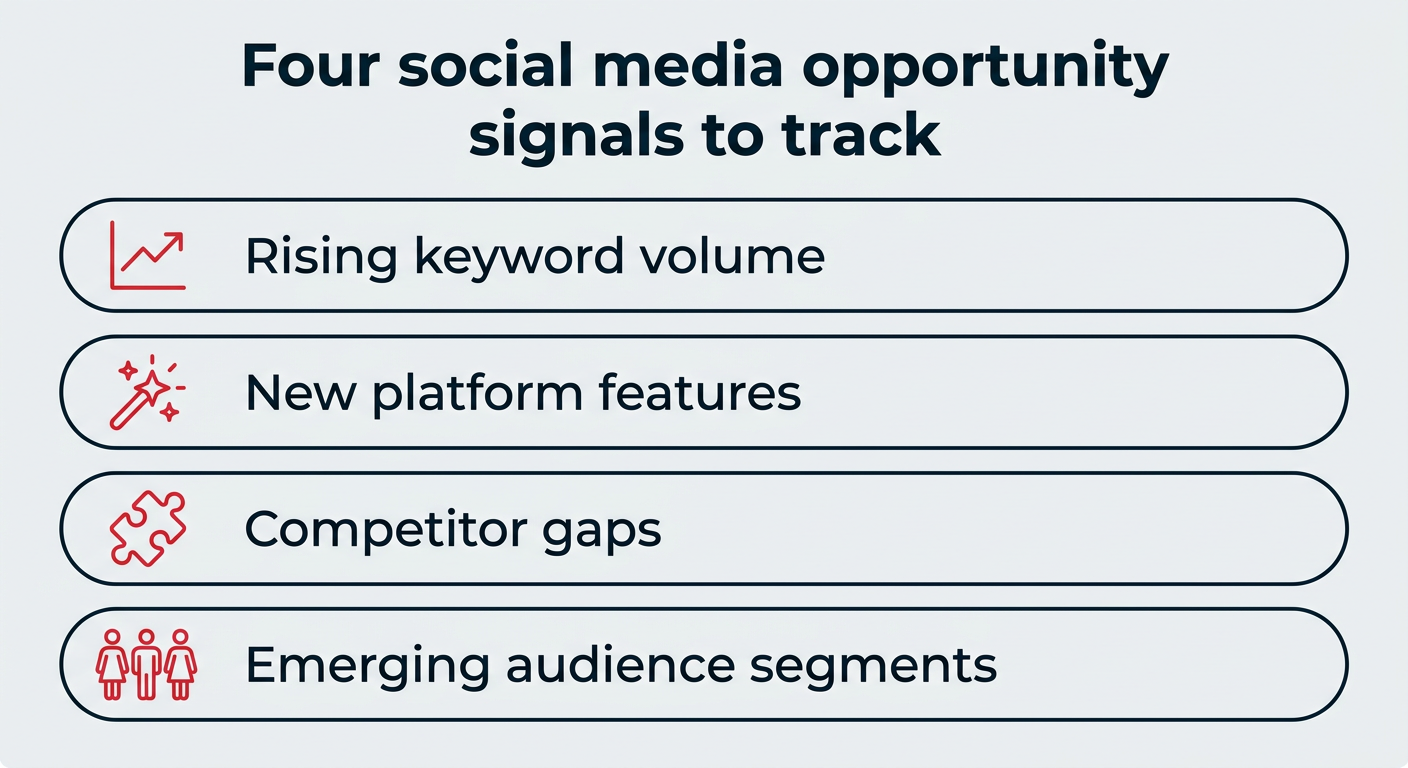
4. Seizing Emerging Opportunities: Opportunities are external factors that can be strategically leveraged. This necessitates maintaining a keen awareness of broader industry trends, platform developments, and economic shifts. Social listening tools, such as Lumen, are critical here, surfacing trending topics, keywords, and conversations. Opportunity signals often fall into categories like market trends (e.g., rising conversation volume around a specific ingredient), new platform features (e.g., a new LinkedIn video format offering early-adopter advantages), audience needs (e.g., unanswered questions), and underserved segments. The most potent opportunities often align with existing strengths, promising faster, more impactful wins.
5. Mitigating Potential Threats: Threats are external factors that could negatively impact social media performance. Vigilant monitoring of the competitive landscape, platform policies, algorithmic changes, and regulatory developments is essential. Common threats include competitors gaining share of voice, platform policy updates reducing organic reach, audience migration to different platforms, and economic or compliance changes. For example, the pain of algorithm changes is well-known to marketers, necessitating early detection to plan pivots, such as focusing on social SEO. Social listening can provide early warnings for these risks, allowing for proactive adjustments like testing new content formats or diversifying content mixes.
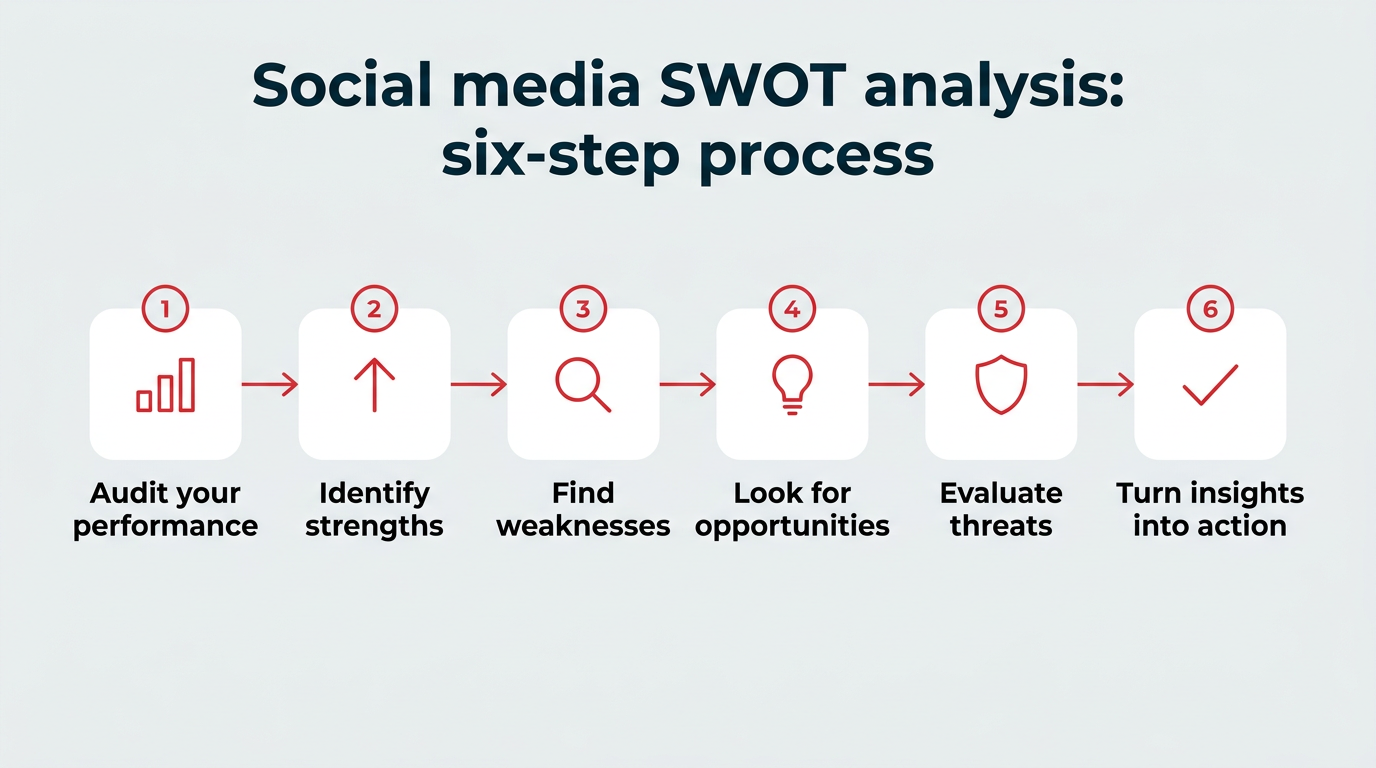
6. Translating Insights into Action: The ultimate value of a SWOT analysis lies in its conversion into actionable strategies. This involves creating a concrete plan to capitalize on strengths, address weaknesses, leverage opportunities, and mitigate threats. This might entail reallocating budget, exploring new social platforms, launching targeted initiatives, or refining internal processes. A systematic approach to action includes: pairing each strength with an opportunity to formulate a strategic initiative; addressing weaknesses by leveraging strengths; converting threats into opportunities or developing mitigation plans; and, for each action, assigning responsibility and setting clear timelines and metrics for success. A SWOT analysis is not merely an exercise in documentation but a catalyst for dynamic marketing strategy optimization.
Practical Application: A Skincare Brand Example
To illustrate the framework, consider a mid-size direct-to-consumer skincare brand:
- Strengths (Internal, Positive): Instagram Reels engagement rate of 4.2% (double static posts); effective employee advocacy program boosting organic reach; consistent brand voice across all active channels. These are specific, measurable advantages to build upon.
- Weaknesses (Internal, Negative): No active TikTok presence, despite high target audience usage (63% of 18-29 year olds); average social media customer service response time of 6 hours; paid and organic content teams operating in silos. These are areas requiring immediate internal improvement.
- Opportunities (External, Positive): Social listening indicates rising conversation volume around a specific ingredient the brand already uses; a new LinkedIn video format offers early-adopter advantage for founder-led content; competitors are neglecting post-purchase education content. These external factors can be leveraged, especially if they align with existing strengths.
- Threats (External, Negative): A key competitor recently launched on a platform where the brand has no presence; potential platform policy changes could reduce organic reach; rising creator rates are pushing influencer costs above budget. These external risks require monitoring and strategic contingency planning.
This detailed example demonstrates how specific, data-backed entries transform the abstract SWOT matrix into a practical strategic tool, allowing the brand to prioritize actions that maximize impact and minimize risk.
Optimizing the Analysis: Best Practices
The effectiveness of a social media SWOT analysis hinges on the quality of its execution. Several best practices can significantly enhance its value:

- Be Specific and Quantifiable: General statements are unhelpful. Quantify entries with specific metrics, benchmarks, and comparisons wherever possible (e.g., "engagement rate of 4.2%" instead of "good engagement").
- Involve Diverse Perspectives: Engage team members from various departments (marketing, sales, customer service, product development) to gain a comprehensive understanding of internal factors and external perceptions.
- Focus on Actionability: Each point identified should lead to a potential action or strategic adjustment. The analysis is a means to an end: better strategy.
- Integrate with Other Tools: Leverage social media analytics platforms (like Hootsuite), social listening tools, and competitive intelligence solutions to gather robust data for each quadrant.
- Review Regularly: Given the rapid pace of social media, a quarterly review is highly recommended, with additional ad-hoc reviews triggered by significant market shifts or brand events.
- Prioritize: Not all identified factors are equally important. Prioritize weaknesses and threats that pose the greatest risk, and opportunities that offer the highest potential return.
Tools for an Effective Social Media SWOT Analysis
Several platforms offer functionalities that greatly facilitate the social media SWOT analysis process:
-
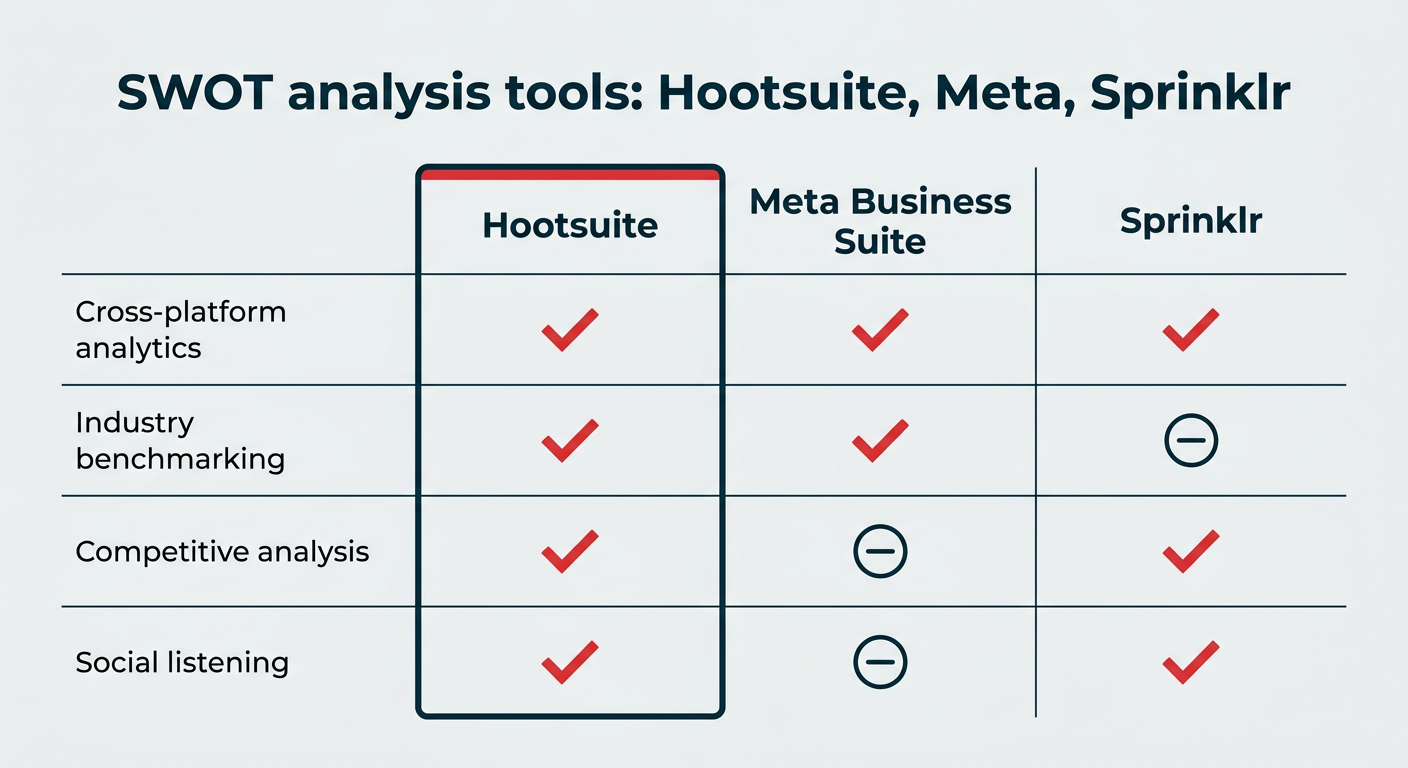
Hootsuite: As a comprehensive social media management platform, Hootsuite Social OS integrates performance data, industry benchmarks, and competitive insights. Its analytics provide cross-platform performance comparisons, highlighting strengths and weaknesses. The industry benchmarking tool measures performance against industry averages, while competitive analysis tracks up to 20 competitors. Furthermore, its Lumen feature offers extensive social listening across over 150 million sources in 187 languages, crucial for identifying emerging opportunities and threats by tracking social sentiment and conversations.
-
Meta Business Suite: This platform offers a focused snapshot of performance on Facebook and Instagram. Its built-in analytics help identify content and platforms driving results, assisting in pinpointing strengths and weaknesses within the Meta ecosystem. While offering basic benchmarking, its scope is limited to Meta properties, necessitating additional tools for a broader, cross-platform analysis.
-
Sprinklr: Sprinklr provides robust social media analytics and customer insights, aiding in the evaluation of strengths and weaknesses. Its brand monitoring and competitive intelligence reports offer valuable external context for identifying opportunities and threats. While it includes social listening capabilities, its data source coverage might be less extensive than specialized listening tools, making a comparative assessment important.
Broader Implications for Business
Ultimately, the social media SWOT analysis is more than a marketing exercise; it’s a strategic business intelligence function. By providing a clear, contextualized view of a brand’s social media ecosystem, it empowers organizations to make informed decisions that impact not just marketing ROI but also customer satisfaction, brand reputation, market positioning, and overall business resilience. In an era where digital presence is synonymous with business presence, mastering the social media SWOT analysis is not merely a best practice—it is a foundational requirement for sustained success and adaptability in the modern marketplace.

 rifanmuazin
 Pevita Pearce