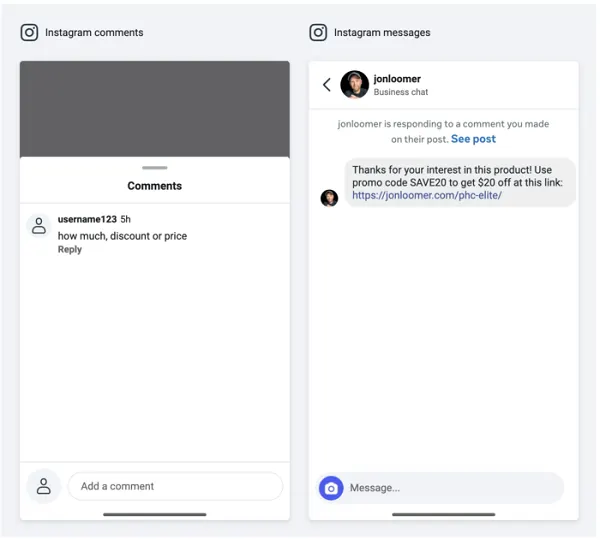
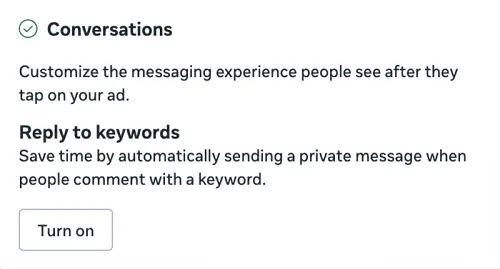
Meta Platforms Inc., the parent company of Facebook and Instagram, is currently piloting an innovative advertising feature designed to streamline user engagement and automate lead generation on Instagram. Dubbed "Reply to Keywords," this new option allows advertisers to automatically send a direct message (DM) to any user who posts a pre-selected keyword or keywords in the comment section of a promoted Instagram post. The move signifies Meta’s continued strategic pivot towards integrating commerce and direct communication within its messaging ecosystem, aiming to enhance efficiency for businesses and foster more personalized interactions with consumers.
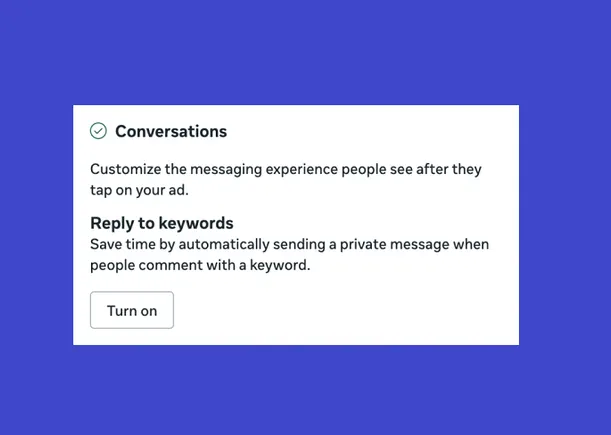
The "Reply to Keywords" feature was first brought to light by Meta ads expert Jon Loomer, who observed its availability within the ad setup tools for a subset of advertisers. This functionality, while conceptually similar to existing inbox automation and Meta Business Agent options already present in Meta’s broader messaging toolkit, offers a more direct and integrated approach specifically within the context of paid Instagram campaigns. Advertisers granted access to this pilot program can select up to five distinct keywords. When a user comments on an eligible promoted post using one of these specified keywords, the system automatically triggers a pre-written direct message from the advertiser’s account to that user. This automated response capability is designed to initiate a lead nurturing process based on explicit user interest signaled through their comments, thereby reducing the need for manual monitoring and response by advertising teams.
Mechanism and Implementation for Advertisers
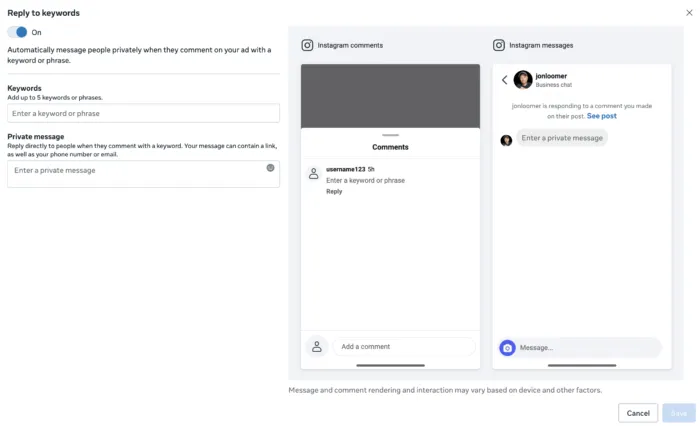
The implementation of "Reply to Keywords" is designed for ease of use within the Instagram ad creation interface. During the ad setup process, advertisers are presented with the option to activate this feature. They can then specify up to five keywords that will serve as triggers for the automated DM. These keywords can be single words or short phrases, carefully chosen to reflect user intent or a call to action embedded within the ad creative itself. For example, an ad promoting a new product might include a call to action such as, "Comment ‘INFO’ to learn more!" or "Type ‘DISCOUNT’ for a special offer!" Once a user follows this instruction and posts the keyword in the comments of that specific promoted post, the system instantly dispatches the advertiser’s pre-configured direct message.
The content of this automated DM is fully customizable by the advertiser. This allows for tailored responses that can provide further information, link to a product page, offer a discount code, invite the user to a more detailed conversation, or direct them to a lead capture form. The primary objective is to bridge the gap between initial ad engagement and a more personalized follow-up, transforming passive interest into an active sales or inquiry pipeline. By automating this crucial first step, businesses can significantly save time and resources that would otherwise be spent manually monitoring comments and initiating individual DMs. This efficiency gain is particularly valuable for businesses running large-scale campaigns or those with limited customer service personnel.
Meta’s Broader Strategic Embrace of Messaging
This new feature is not an isolated development but rather a significant component of Meta’s long-term strategic vision, articulated by CEO Mark Zuckerberg, to build a "privacy-focused social platform" centered around private messaging. Over the past several years, Meta has consistently invested in enhancing the commercial capabilities of its messaging platforms—WhatsApp, Messenger, and Instagram Direct. This strategic shift acknowledges the global trend of users increasingly preferring private, direct interactions with businesses over public social media exchanges or traditional customer service channels.
The move towards conversational commerce has been accelerating, driven by evolving consumer behaviors, particularly among younger demographics who are digital natives. Studies from various market research firms indicate a consistent rise in the use of messaging apps for communication, information gathering, and even direct purchasing. For instance, reports often highlight that a significant percentage of consumers, especially millennials and Gen Z, prefer to communicate with businesses via messaging apps. Data from Statista and other sources frequently show that messaging apps boast billions of active users worldwide, making them indispensable channels for brands seeking to connect with their audience. This growing preference underscores the importance for businesses to be present and responsive on these platforms.
Meta has progressively introduced various tools to support this ecosystem, including:
- Meta Business Suite: A unified inbox for managing messages across Facebook, Instagram, and Messenger.
- Quick Replies: Pre-set responses to common queries, enhancing response times.
- Labels and Inbox Organization: Tools for businesses to manage and categorize conversations effectively.
- Automated Greetings and FAQs: Basic automation to welcome users and answer frequently asked questions.
- Click-to-Messenger/WhatsApp Ads: Ad formats that directly initiate a chat with a business.
The "Reply to Keywords" feature builds upon this foundation by integrating automated DM initiation directly into the ad campaign workflow for Instagram, making it more seamless and proactive. While existing tools required businesses to manage interactions post-click or manually, this new option actively prompts engagement from users and immediately follows up, streamlining the initial lead qualification process.
Instagram’s Central Role in Discovery and Commerce

Instagram, with its visually-driven platform and strong community of creators and brands, plays a pivotal role in Meta’s e-commerce strategy. It has evolved beyond a photo-sharing app into a significant hub for product discovery, brand engagement, and increasingly, direct sales. Features like Instagram Shopping, shoppable posts, and product tags have steadily integrated commerce into the user experience. The "Reply to Keywords" feature further cements Instagram’s position as a robust platform for businesses to not only showcase their products but also to actively engage with potential customers in a more personal and direct manner.
For many direct-to-consumer (DTC) brands and e-commerce businesses, Instagram serves as a primary marketing channel. The ability to automatically respond to specific keyword comments on ads provides a powerful new mechanism to capture interest at the peak of user engagement. It allows brands to guide users down the sales funnel more efficiently, moving them from public commentary to private, personalized interaction where more detailed information can be shared, and specific offers can be made. This aligns with Instagram’s ongoing efforts to make the platform a complete shopping destination, from discovery to conversion.
Comparative Landscape and Industry Trends
The introduction of "Reply to Keywords" places Meta in line with, and potentially ahead of, certain interactive ad formats offered by competing social media platforms. For example, TikTok has heavily emphasized "click-to-message" ads and various interactive elements to drive engagement. Snapchat has also experimented with AR lenses that can trigger specific actions or link to product pages. However, the direct, keyword-triggered DM automation specifically tied to ad comments on a platform with Instagram’s scale and established commerce infrastructure represents a significant refinement.
The broader industry trend points towards an increasing integration of AI and automation into customer service and sales processes. Businesses are continually seeking ways to scale personalized interactions without scaling human resources proportionally. Conversational AI, chatbots, and automated messaging are becoming standard tools for lead generation, customer support, and even transactional processes. The "Reply to Keywords" feature, while relatively simple compared to full-fledged AI chatbots capable of complex natural language processing, serves as an effective, low-barrier entry point for advertisers into this automated conversational commerce space.
Potential Implications and Future Outlook
The implications of "Reply to Keywords" are multifaceted, impacting advertisers, users, and Meta itself.
For Advertisers:
- Enhanced Efficiency: The most immediate benefit is the automation of initial customer contact, significantly reducing the manual workload associated with monitoring ad comments and initiating DMs. This frees up marketing and sales teams to focus on more complex, higher-value interactions.
- Improved Lead Qualification: By requiring users to take a specific action (comment with a keyword), advertisers can better gauge genuine interest. This self-selection process helps qualify leads more effectively, ensuring that subsequent DM conversations are with truly engaged individuals.
- Increased Conversion Rates: A streamlined, automated follow-up process can shorten the sales cycle and increase the likelihood of converting interested prospects into customers. Personalized DMs are often more effective than generic public responses.
- Scalability: Businesses can run highly engaging campaigns at scale without being overwhelmed by manual response requirements.
- Data Insights: The feature can provide valuable data on which keywords resonate most with audiences, informing future ad creative and keyword strategies.
- Creative Ad Strategies: Encourages advertisers to design ads with clear, actionable calls to action that leverage keyword comments, fostering a more interactive and engaging ad experience.
For Users:
- Convenience and Instant Gratification: Users receive immediate, relevant information without having to navigate away from Instagram or wait for a manual response. This improves the overall user experience.
- Personalized Information: The direct message format allows for a more personalized response compared to a public comment, addressing specific queries or offering tailored incentives.
- Privacy: Some users may prefer receiving information via a private DM rather than having a public conversation in the comments section.
- Potential for Spam (Risk): While the feature aims to be helpful, there is a potential risk of advertisers misusing it or sending irrelevant DMs, which could lead to user frustration or a perception of spam. Meta will likely need robust policies and user feedback mechanisms to mitigate this.
For Meta:
- Enhanced Monetization: By offering more effective and engaging ad formats, Meta can attract more ad spend and demonstrate a higher return on investment for advertisers.
- Platform Stickiness: Integrating commerce deeper into Instagram’s messaging features keeps users within the Meta ecosystem for more of their daily activities, from social interaction to shopping.
- Data and AI Development: The engagement data generated by this feature can provide valuable insights for Meta’s AI and machine learning teams, potentially leading to more sophisticated automated tools and conversational AI agents in the future.
- Competitive Advantage: Staying at the forefront of conversational commerce tools can help Meta maintain its competitive edge against other social media and e-commerce platforms.
The Simplicity vs. AI Debate
One interesting observation about the "Reply to Keywords" feature is its relative simplicity, especially in an era increasingly dominated by advanced artificial intelligence and sophisticated chatbots capable of human-like conversations. While current AI models can process complex natural language and maintain nuanced dialogues, Meta’s new feature relies on straightforward keyword matching.
However, this simplicity might be its strength. For many advertisers, particularly small and medium-sized businesses (SMBs), setting up and managing complex AI chatbots can be daunting and resource-intensive. A simple, keyword-triggered auto-DM offers an accessible entry point into automation. It addresses a clear, existing use case: users asking for more information or expressing specific interest in response to an ad. By keeping it simple, Meta lowers the barrier to entry for advertisers to leverage automation and facilitates a quick, unambiguous interaction.
Moreover, this feature can be seen as a foundational layer. As advertisers become more comfortable with automated messaging, Meta could gradually introduce more advanced AI capabilities. The "Reply to Keywords" could evolve into or integrate with more sophisticated conversational AI that understands intent beyond simple keywords, leading to even richer and more dynamic interactions. For now, its immediate appeal lies in its straightforward functionality and direct solution to a common advertiser challenge.
Conclusion
Meta’s "Reply to Keywords" feature for Instagram ads represents a calculated and significant step in its ongoing journey to solidify its platforms as central hubs for social commerce and direct business-to-consumer communication. By automating the crucial initial follow-up to expressed user interest, Meta is empowering advertisers with a more efficient, scalable, and personalized tool for lead generation and customer engagement. While currently in a testing phase and exclusive to Instagram, its success could pave the way for broader rollout and further integration of sophisticated conversational tools across Meta’s entire family of apps. This development underscores the continuing evolution of digital advertising, moving beyond mere impressions to foster meaningful, automated, and direct dialogues that drive tangible business outcomes.


 Suro Senen
 Pevita Pearce