

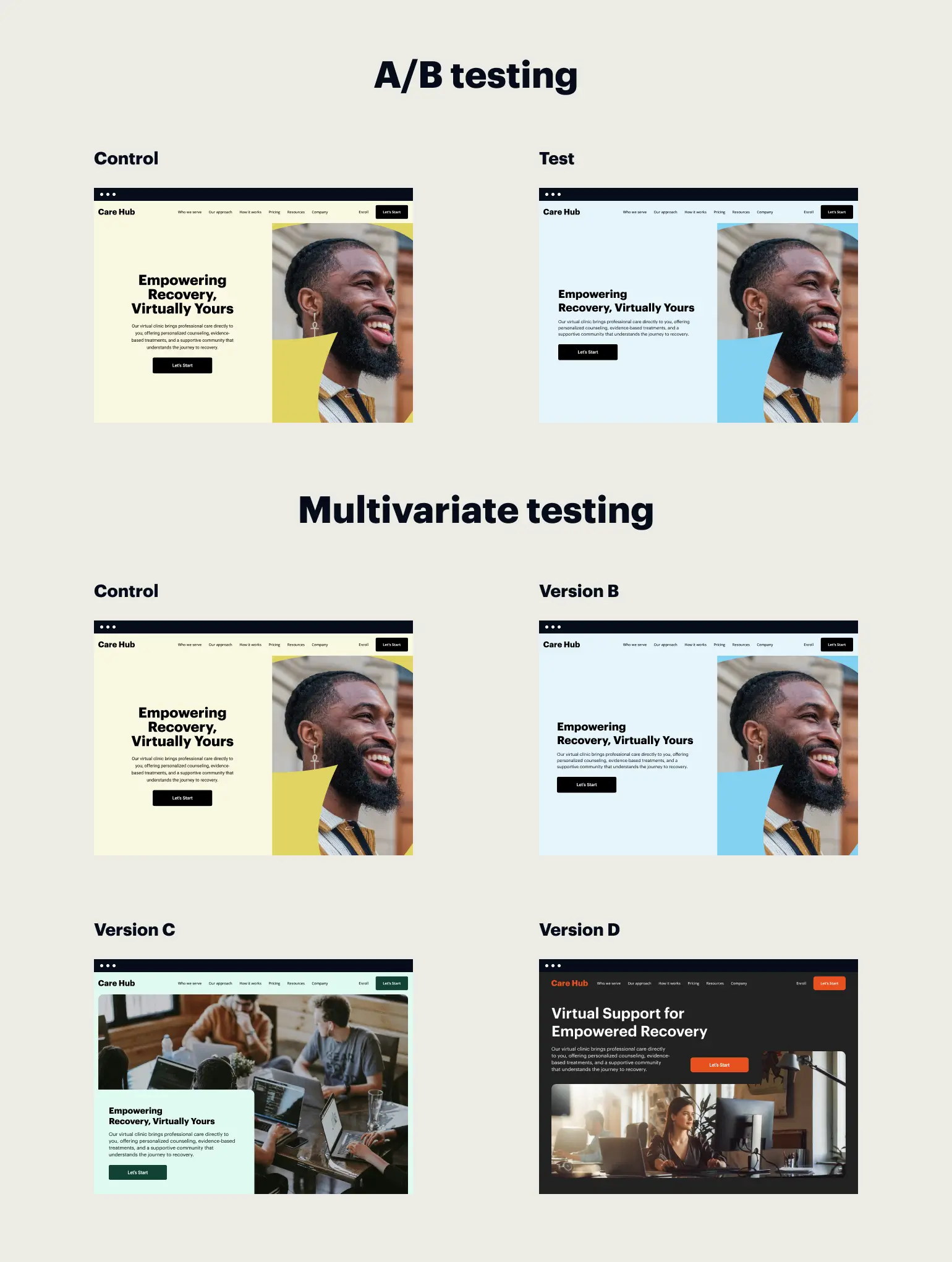
In the contemporary landscape of digital marketing, the transition from intuition-based design to data-driven experimentation has become the cornerstone of sustainable growth. As organizations seek to maximize the return on investment for every visitor to their digital properties, the methodologies used to refine user experience (UX) have evolved in complexity. While traditional A/B testing remains a staple for isolated element comparison, the rise of multivariate testing (MVT) represents a more sophisticated approach to understanding the intricate interactions between multiple page elements. This shift reflects a broader trend in the industry toward granular data analysis and the recognition that a user’s journey is influenced by a symphony of variables rather than a single, isolated change.

Multivariate testing, commonly referred to as MVT, is an optimization technique that evaluates multiple variables simultaneously to determine which specific combination yields the highest conversion rate. Unlike A/B testing, which typically splits traffic between two versions of a single element—such as a red button versus a green button—MVT allows marketers to modify several components at once. These components can include headlines, hero images, call-to-action (CTA) button placements, and even the length of lead-generation forms. By analyzing how these elements interact with one another, MVT provides a comprehensive view of the user’s cognitive load and decision-making process.
The Strategic Framework of Multivariate Testing
The fundamental objective of a multivariate test is to identify the "winning variation" from a pool of potential combinations. This process is grounded in the systematic modification of variables to validate multiple hypotheses in a single experimental cycle. For instance, a marketer might hypothesize that a specific headline works best when paired with a particular image, but fails when the CTA button is moved below the fold. MVT is the only methodology capable of uncovering these "interaction effects," which are often invisible during standard split testing.
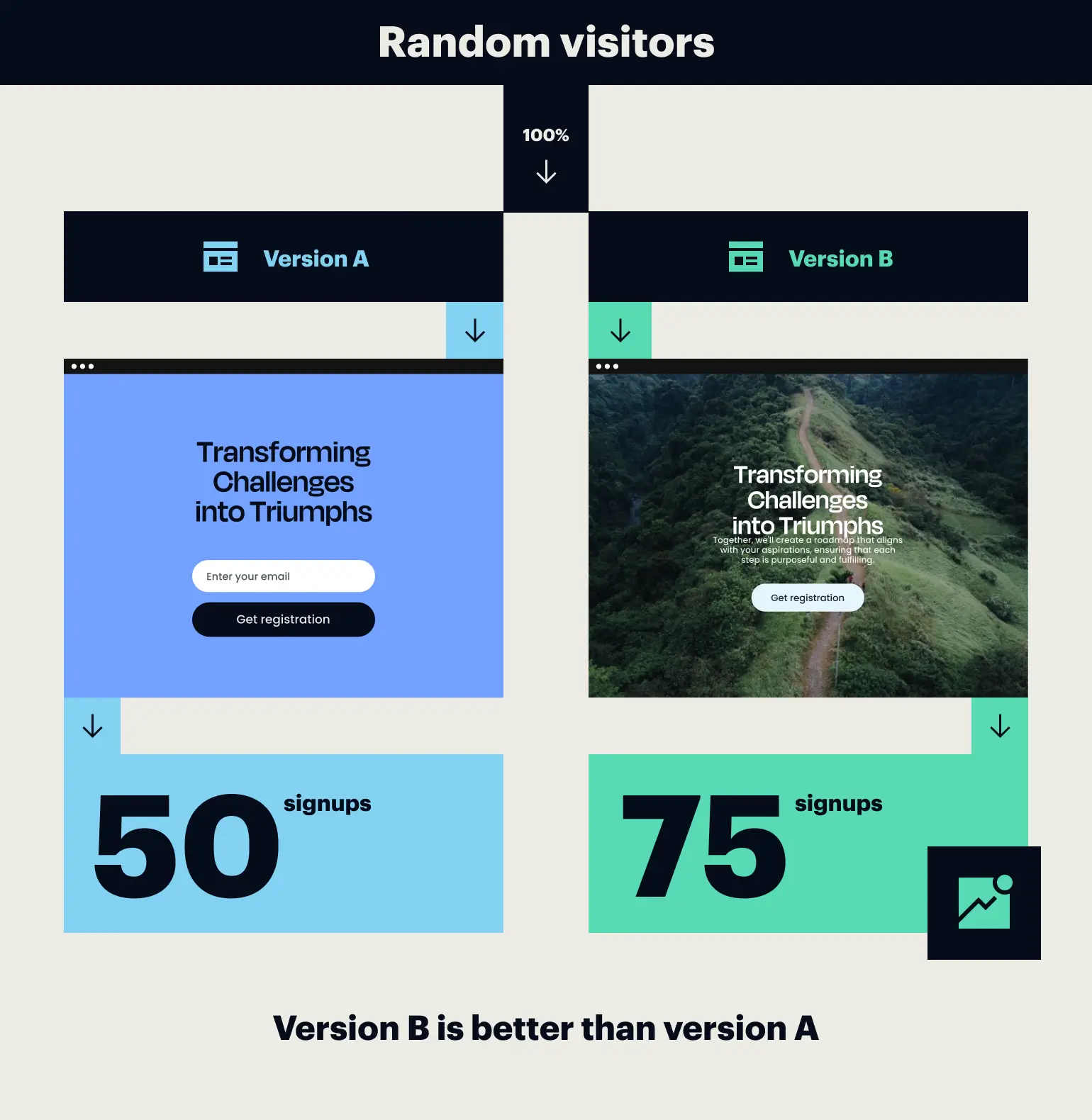
The elements typically scrutinized during MVT include:
- Headlines and Subheadings: Assessing the impact of tone, length, and value propositions.
- Visual Assets: Comparing the effectiveness of lifestyle photography versus product-centric illustrations.
- Call-to-Action Buttons: Testing various colors, sizes, and microcopy (e.g., "Buy Now" vs. "Start My Trial").
- Navigation and Layout: Analyzing how the placement of menus and information blocks affects scroll depth and engagement.
Comparative Analysis: A/B Testing vs. Multivariate Testing
To understand the broader impact of these methodologies, it is essential to distinguish between their operational frameworks. A/B testing, or split testing, is characterized by its simplicity and speed. It divides an audience into two or more groups, exposing each to a different version of a single variable. This method is highly effective for making quick, data-backed decisions on high-impact elements.
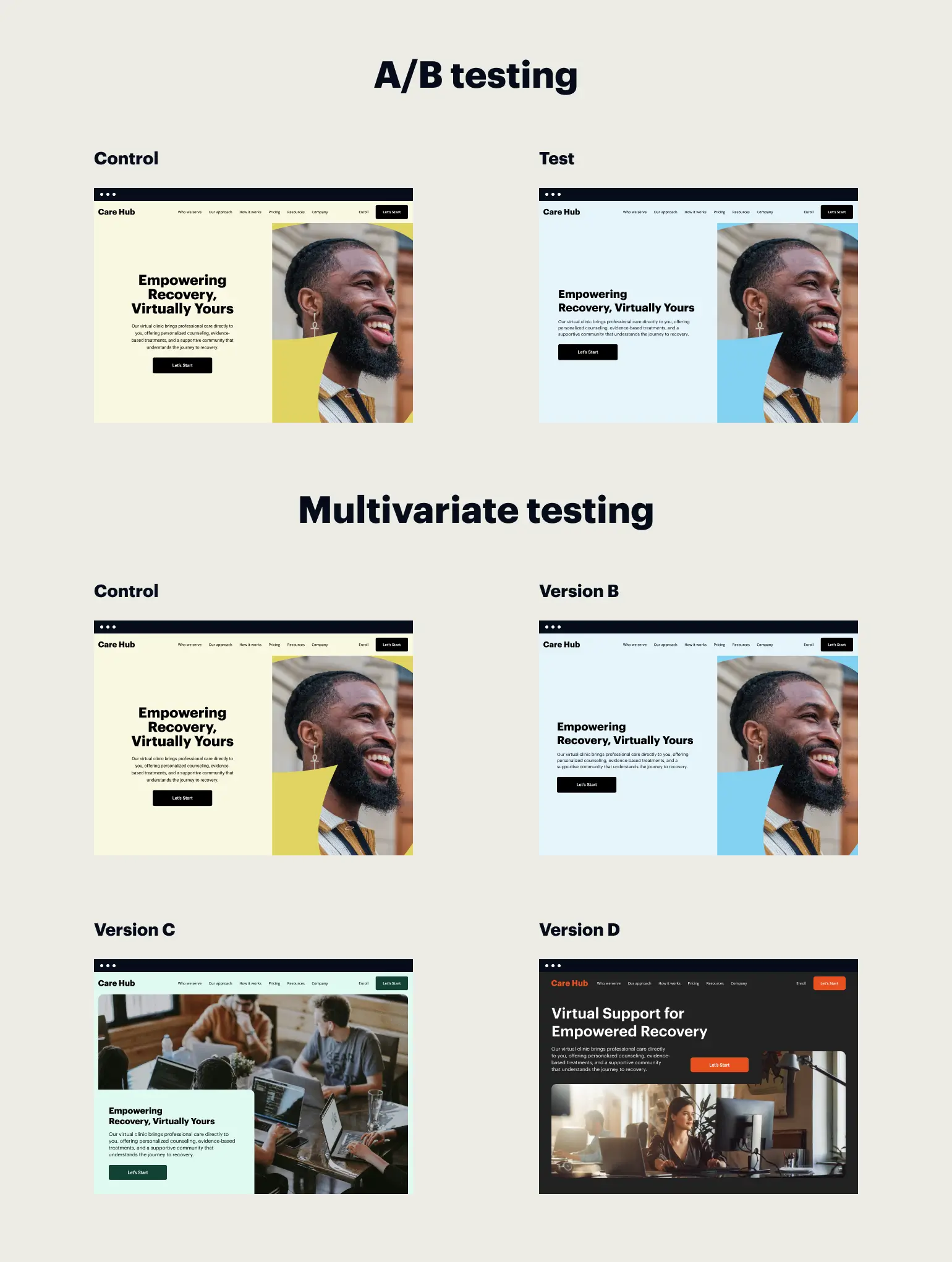
Conversely, MVT represents a higher level of experimental maturity. It is designed for complex web pages with numerous interactive components. The primary distinction lies in the scope: A/B testing measures the impact of a single change, while MVT measures the impact of a total design ecosystem.
Industry data suggests that while A/B testing is easier to implement, it often misses the nuance of how different page elements complement or detract from each other. For example, an e-commerce company might find that a bold "Buy Now" button increases clicks in an A/B test. However, a subsequent MVT might reveal that the button only performs at its peak when the product image is simplified and the headline is shortened. This level of insight allows for a more holistic optimization of the user interface.

The Chronology of an Experimental Cycle
The implementation of a successful multivariate test follows a rigorous timeline, beginning with data collection and ending with a permanent site implementation.
- Hypothesis Generation: Based on historical data, heatmaps, and user recordings, marketers identify several elements on a page that may be underperforming.
- Variable Selection: The team decides which elements to test and creates multiple versions for each. For example, three headlines and two images.
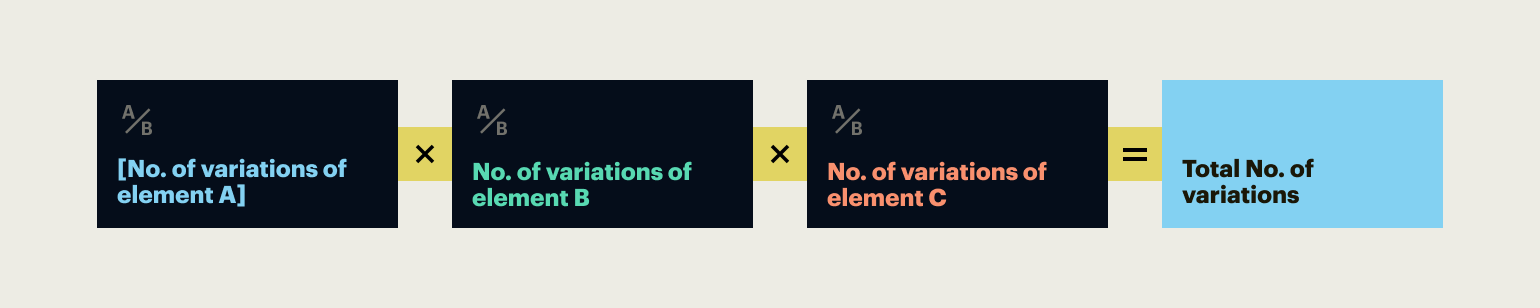
- Applying the MVT Formula: To determine the number of variations, the formula (Number of versions of Element A) × (Number of versions of Element B) … = Total Combinations is used. In the aforementioned example, 3 headlines multiplied by 2 images results in 6 unique combinations.
- Traffic Allocation: Users are randomly assigned to one of the six combinations. Due to the high number of variations, this phase requires a significantly larger sample size than an A/B test to achieve statistical significance.
- Data Analysis: Marketers monitor key performance indicators (KPIs) such as click-through rate (CTR), bounce rate, and conversion rate.
- Scaling and Implementation: Once a winning combination is identified with a high confidence interval, it is deployed as the new control version of the page.
Technical Methodologies: Full Factorial vs. Fractional Factorial
In the realm of MVT, there are three primary approaches to conducting experiments: the Full Factorial, Fractional Factorial, and Taguchi methods.
The Full Factorial method is widely considered the gold standard for accuracy. It tests every possible combination of variables, ensuring that the data is robust and that all interaction effects are accounted for. However, its primary drawback is the massive amount of traffic required to reach a conclusion.
The Fractional Factorial method is a more efficient alternative for websites with moderate traffic. It tests only a subset of the total combinations, using statistical modeling to predict how the untested combinations would have performed. While faster, it carries a higher risk of missing subtle interactions.

The Taguchi method, originally developed for industrial manufacturing, is rarely used in modern digital marketing but remains a theoretical option. It involves highly complex mathematical arrays to reduce the number of tests needed, though it is often criticized for being too rigid for the volatile nature of web traffic.
Case Studies in Optimization: AliveCor and Groove
The efficacy of these testing methodologies is best illustrated through real-world applications. Two notable examples—AliveCor and Groove—demonstrate how both A/B and multivariate logic can drive significant revenue growth.

AliveCor: The Power of Visual Cues
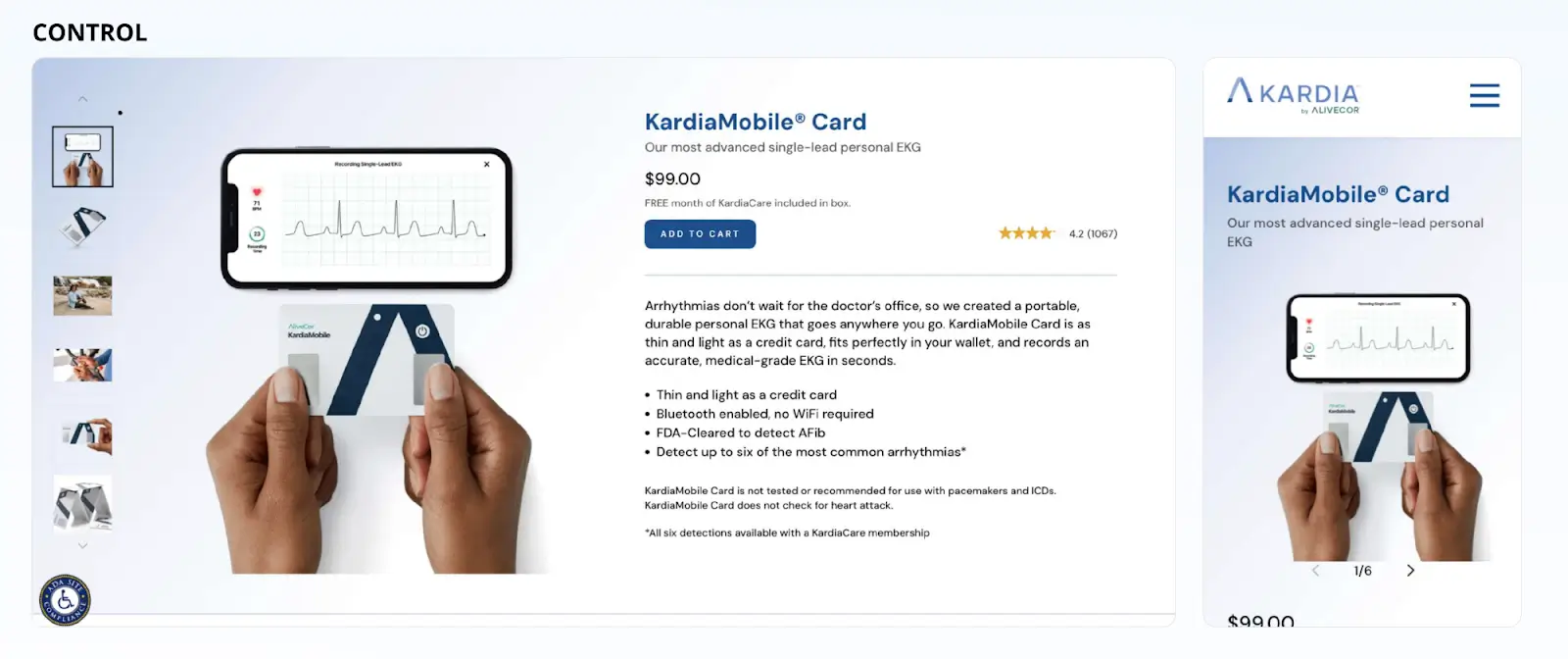
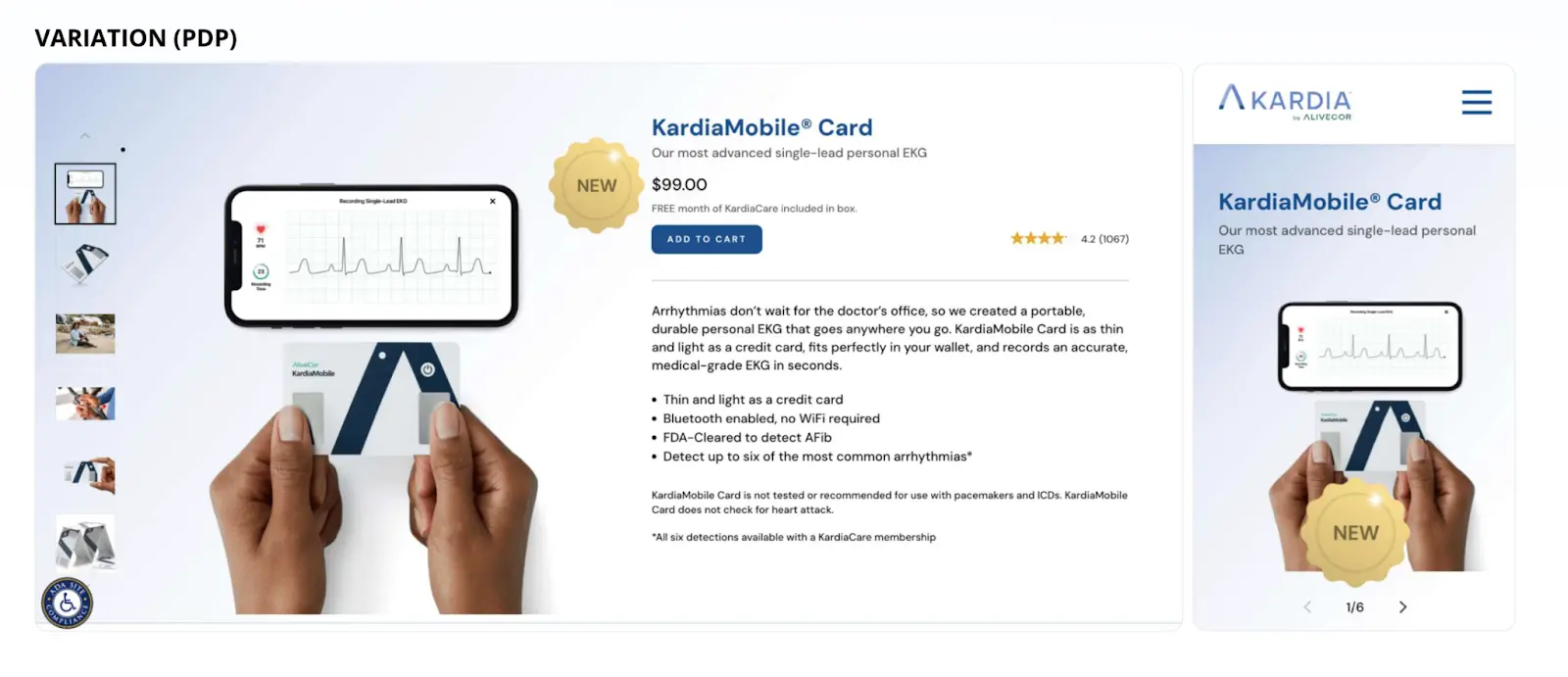
AliveCor, a medical device company, sought to introduce its KardiaMobile Card without cannibalizing sales of its existing product line. The company operated under the hypothesis that visitors would interact more with highlighted elements. By testing the addition of a "New" badge on product detail pages and listing titles, they conducted a variation-based experiment. The results were definitive: the inclusion of the "New" badge led to a 25.17% increase in conversion rates and a 29.58% boost in revenue per user across both desktop and mobile platforms. This case highlights how even small, targeted changes can yield substantial financial returns.
Groove: The Radical Redesign
Groove, a customer support platform, took a more holistic approach to optimization. Faced with a stagnant 2.3% conversion rate, the company opted for a "copy-first" redesign of its entire landing page. Rather than testing a single button, they revamped the narrative, moving from a feature-centric approach to a benefit-centric one. This experiment, which functioned as a large-scale layout test, resulted in the conversion rate nearly doubling to 4.3%. The Groove example underscores the importance of testing the "why" behind user behavior, rather than just the "what."
The Traffic Bottleneck and Resource Intensiveness
Despite its advantages, multivariate testing is not a universal solution. The primary limitation is the requirement for high traffic volume. Because the audience must be split among many more variations, a site with low monthly visitors might take months to reach a statistically significant result, by which time the market conditions or user preferences may have shifted.
Furthermore, MVT is more resource-intensive. It requires more design assets, more complex coding, and a deeper level of statistical expertise to interpret the results. Marketing analysts often suggest that for smaller businesses or low-traffic pages, a series of sequential A/B tests is often more practical and provides a faster feedback loop.

Broader Impact and the Future of Automated Testing
The move toward multivariate methodologies is part of a larger trend toward hyper-personalization. As artificial intelligence and machine learning become integrated into testing platforms, the manual setup of MVT is likely to be replaced by automated "evolutionary" algorithms. These systems can test thousands of variations in real-time, automatically shifting traffic toward the best-performing combinations without human intervention.
For the modern digital marketer, the choice between A/B testing and MVT is not binary but strategic. Tools like Instapage have democratized these processes, allowing users to set up experiments, define hypotheses, and track results within a unified interface. By mastering these experimentation techniques, organizations can move beyond guesswork, ensuring that every pixel on their website is optimized for the maximum possible impact.
In conclusion, while A/B testing provides the foundation for digital optimization, multivariate testing offers the sophisticated lens necessary to understand the complex realities of user interaction. As data continues to be the lifeblood of the digital economy, the ability to execute, analyze, and scale these experiments will remain a defining characteristic of market leaders. Organizations that embrace a culture of continuous testing—balancing the speed of A/B tests with the depth of MVT—will be best positioned to navigate the ever-changing preferences of the global consumer.







