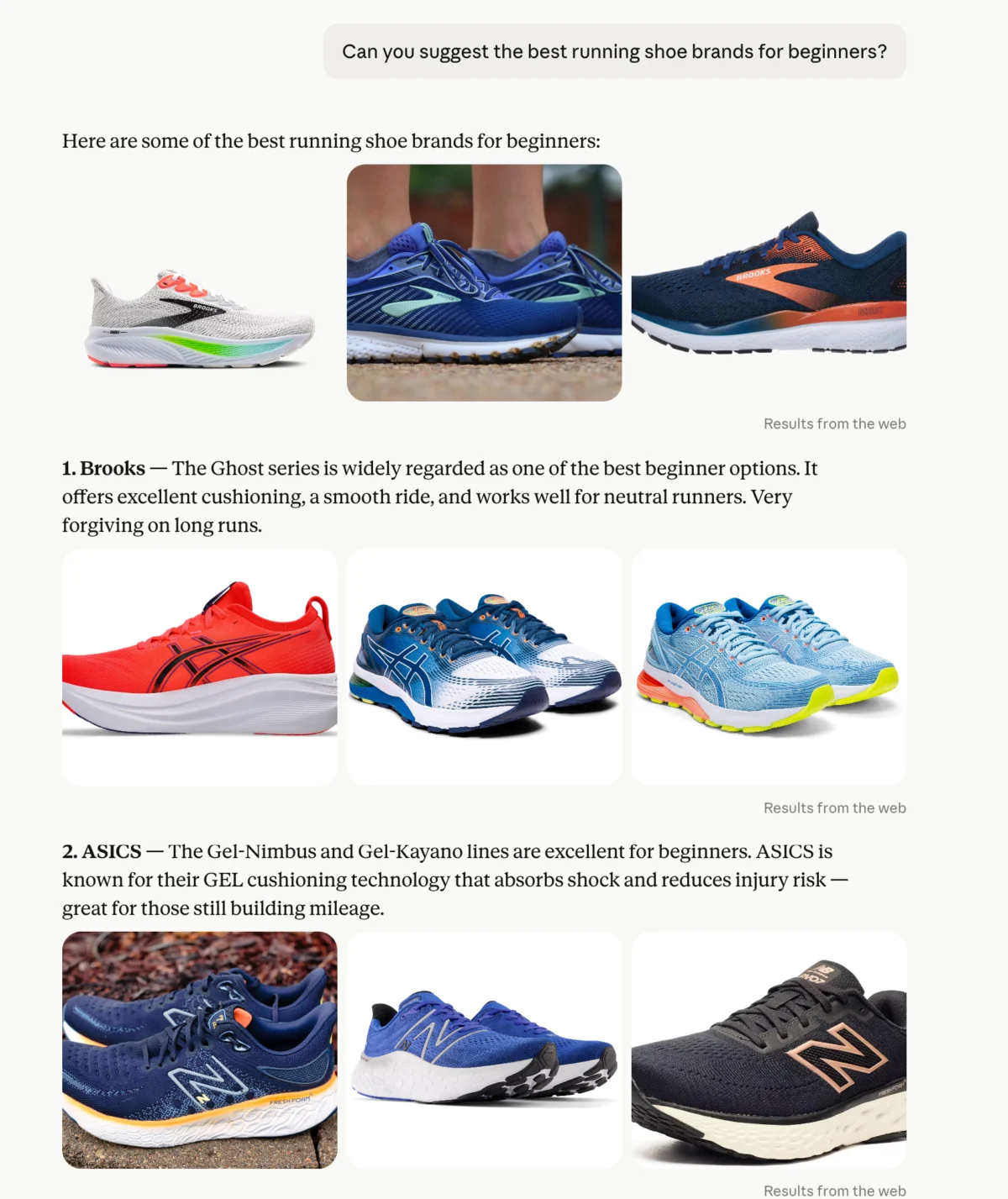
The rapid integration of artificial intelligence into search engines and content generation platforms has fundamentally altered the landscape of brand visibility, prompting a critical distinction between an AI brand mention and an AI citation. While both signify a brand’s presence in AI-generated responses, their underlying mechanisms, strategic implications, and impact on brand equity diverge significantly, demanding a sophisticated understanding from marketers and SEO professionals.
The Evolving AI Landscape and Brand Discovery
The advent of large language models (LLMs) like OpenAI’s ChatGPT, Google’s Gemini, and Anthropic’s Claude, coupled with initiatives such as Google’s Search Generative Experience (SGE), marks a pivotal shift in how users discover information and brands. Traditional keyword-based search is progressively being augmented, if not superseded, by conversational AI interfaces that synthesize information into coherent answers. In this new paradigm, a brand’s appearance in an AI response is no longer a simple matter of ranking high in organic search results. Instead, it hinges on how well AI systems understand, trust, and contextualize a brand within their vast knowledge bases. This evolution underscores the urgency for brands to adapt their digital strategies to align with AI’s interpretive and generative capabilities.
Defining AI Brand Mentions
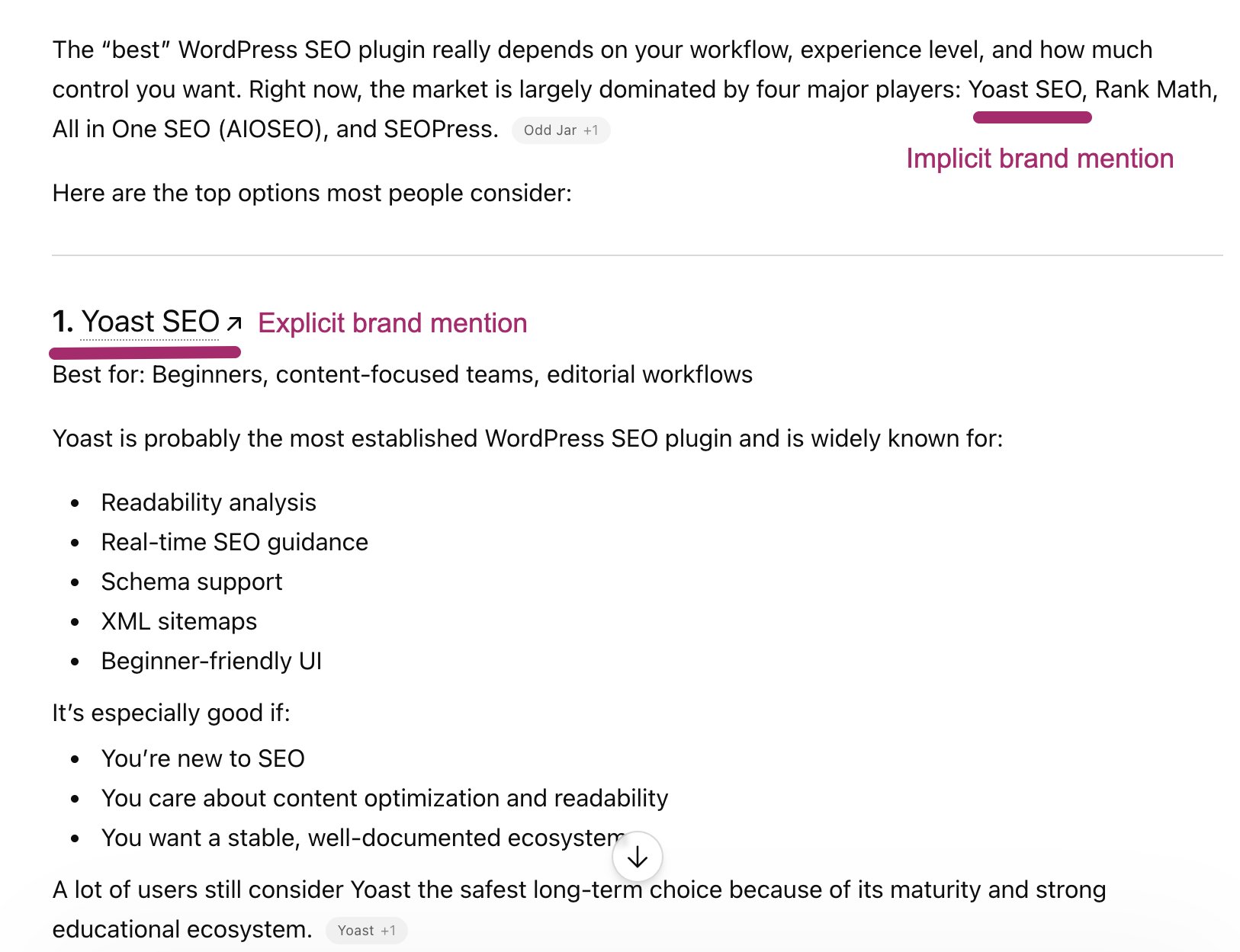
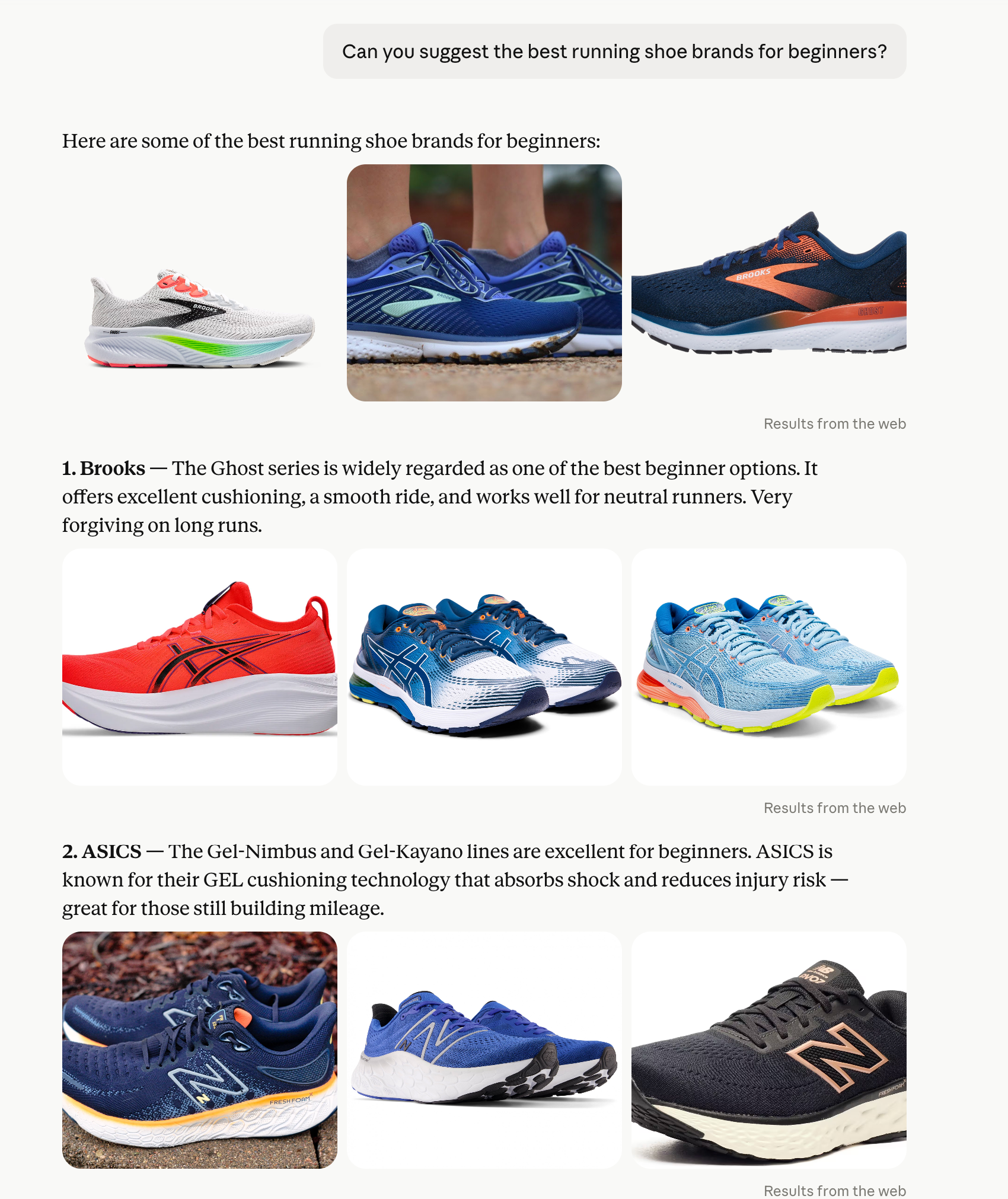
An AI brand mention occurs when an AI tool references a brand name within its generated response, recommendation, comparison, or summary, without necessarily attributing specific information directly to that brand’s content. These mentions can be either explicit (linked) or implicit (unlinked), but their primary function is to integrate the brand into the conversational flow as a relevant entity. For instance, in response to "What are some of the best project management tools?", an AI might list "Asana," "Trello," and "Jira" as direct recommendations. Similarly, when asked for a comparison, an AI might contrast "Adobe Photoshop" with "Canva" based on user needs.
The contexts in which AI brand mentions appear are diverse and reflect the user’s intent. Direct recommendations are common when users seek solutions or options. Comparisons arise when users are evaluating different products or services. Brands may also serve as illustrative examples to explain complex concepts or industry practices, such as "Salesforce as an example of a comprehensive CRM system." Furthermore, contextual references integrate brands into broader discussions, establishing topical relevance within a conversation, like "the role of Apple in mobile technology innovation." These varied appearances signify that AI has recognized the brand as a pertinent entity within a given domain, contributing to general brand awareness and mindshare.
The Mechanics Behind AI Mentions: How LLMs "Choose" Brands
LLMs do not "choose" brands in a human sense; rather, they generate responses based on probabilistic patterns, learned associations, and complex algorithms. Several factors converge to determine which brands surface in AI outputs:
-
Training Data Patterns: LLMs are trained on colossal datasets, where they learn the frequency and context in which brands are discussed alongside specific topics. A brand frequently associated with a particular use case or industry in this data will develop a strong connection within the model’s knowledge graph. Brands appearing across multiple contexts cultivate deeper, more flexible associations, increasing their likelihood of being mentioned across various queries. This reflects the collective digital footprint a brand has established over time.
-
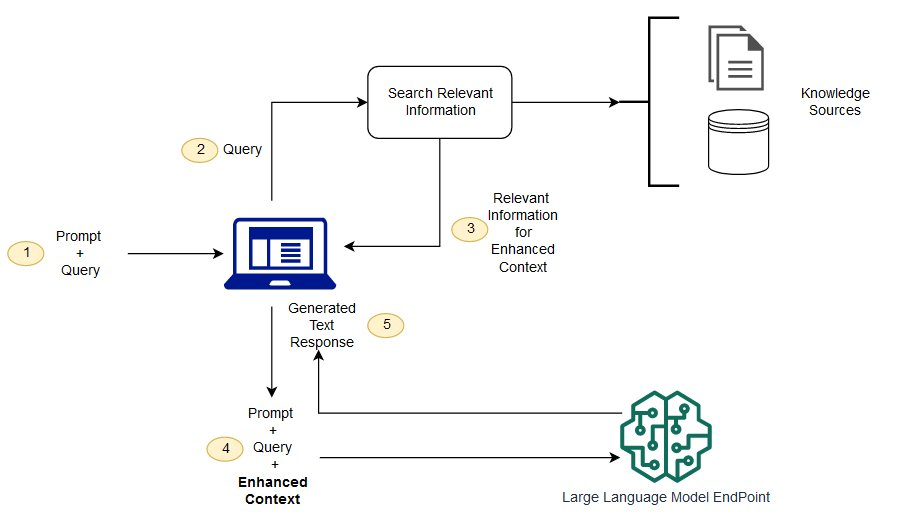
Retrieval-Augmented Generation (RAG): Many advanced AI systems leverage RAG, which extends their capabilities beyond static training data. When a user submits a query, RAG systems retrieve relevant, up-to-date information from external, indexed sources—such as web pages, documentation, and news articles—in real-time. This dynamic retrieval allows the AI to incorporate fresh information, mitigating the "knowledge cutoff" issue of pre-trained models. Brands with a strong, consistently updated online presence across authoritative sources are more likely to be retrieved and subsequently mentioned by RAG-enabled systems.
-
Context and Semantic Understanding: AI systems utilize Natural Language Processing (NLP) to interpret user intent, moving beyond exact keyword matching to semantic understanding. They map queries to broader concepts, then surface brands that align with those meanings. For instance, a query about "remote collaboration tools" might trigger mentions of brands associated with video conferencing, project management, or cloud storage. This emphasizes the importance of clear entity clarity: a brand consistently described with specific functions, use cases, and terminology across its digital assets will be more readily understood and associated by AI.
-
Authority and Cross-Source Validation: LLMs assess the trustworthiness of information by cross-referencing patterns across multiple sources. Brands consistently mentioned across credible, independent platforms — industry publications, academic papers, reputable news outlets, and well-regarded blogs — gain higher "authority" in the eyes of AI. This authority is not merely about links but about consistent, positive reinforcement from diverse, high-quality sources, aligning with the E-E-A-T (Experience, Expertise, Authoritativeness, and Trustworthiness) principles that govern content quality in traditional search.
-
Relevance to the Query: Fundamentally, a brand must be a strong, direct answer to the user’s query. AI models evaluate fit based on the use case, target audience, and problem being solved. Even highly authoritative brands will not be mentioned if they are not genuinely relevant. AI systems may also include nuances like suitability for specific user types (e.g., "best for small businesses" vs. "enterprise solutions") or comparative advantages, requiring brands to articulate their unique value propositions clearly.
-
Sentiment and Human Feedback (RLHF): LLMs are continuously refined through Reinforcement Learning from Human Feedback (RLHF). Human evaluators review AI responses, guiding the model to produce answers that are helpful, harmless, and honest. This process influences brand mentions by prioritizing those associated with neutral or positive sentiment across sources, while potentially deprioritizing brands linked to negative associations or misinformation. RLHF acts as a crucial quality control layer, aligning AI output with user expectations and ethical guidelines.
Distinguishing AI Citations
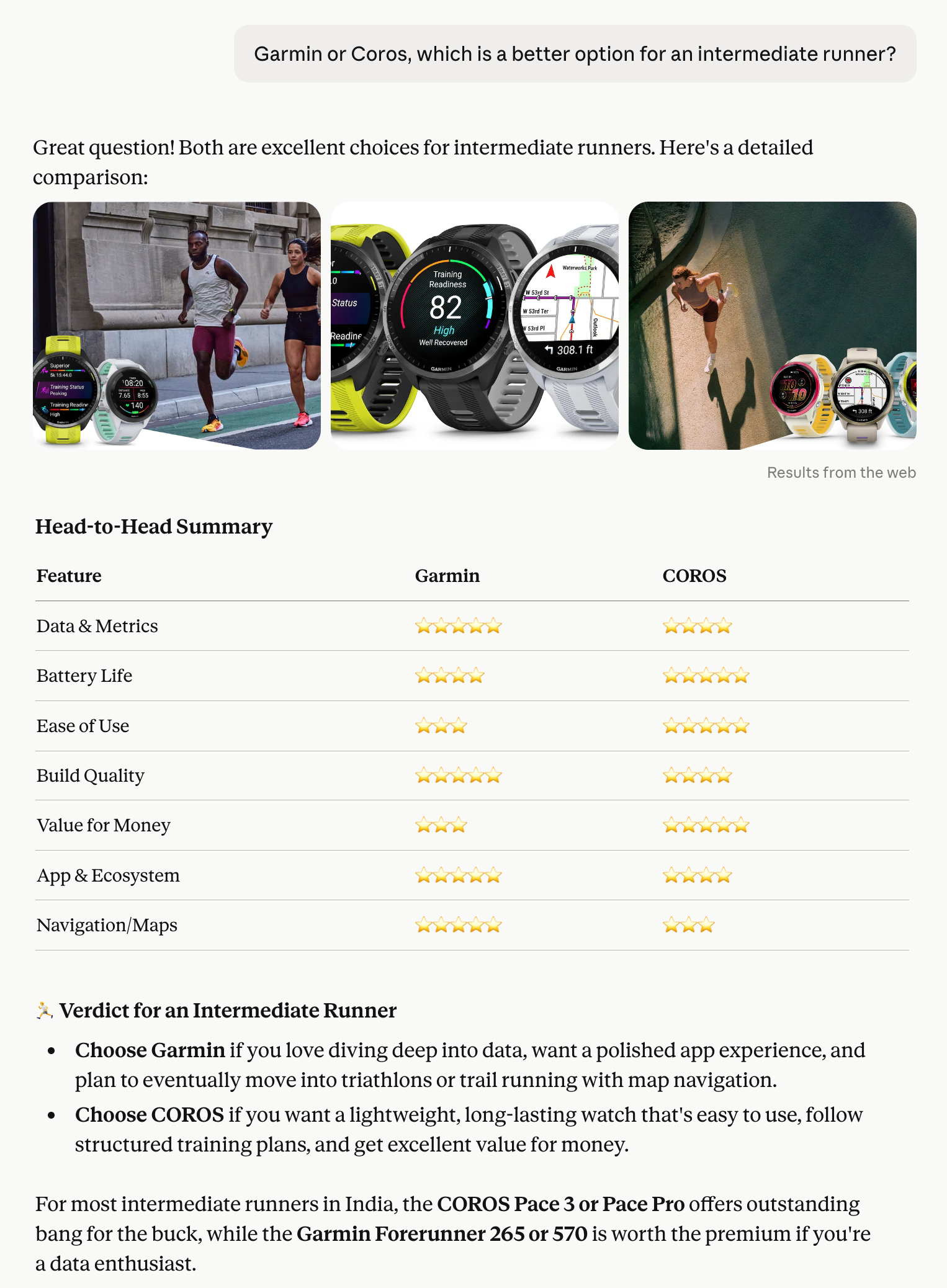
In contrast to a mere mention, an AI citation involves the AI system attributing specific information, data, or content directly to a particular source, often with a clickable link or a clear reference. Citations typically point to web pages, reports, articles, or academic papers that served as the factual basis for a portion of the AI’s response. Their primary purpose is to support the AI’s generated answer with verifiable evidence, thereby enhancing its credibility and trustworthiness. For example, an AI might state, "According to a 2023 report by [Brand Name], the market for X grew by Y%," followed by a direct link to that report.
The Critical Differences: Mentions vs. Citations
| Aspect | AI Brand Mention | AI Citation |
|---|---|---|
| Definition | Brand name appears within the AI response, not necessarily as a source. | AI attributes specific information to your content, often with a link. |
| Format | Natural language in text; may or may not include a link. | URL, footnote, inline source reference, or explicit textual attribution. |
| What it Signals | Brand awareness, category relevance, general recognition. | Authority, credibility, trustworthiness, factual backing. |
| Impact | Builds mindshare, keeps brand in consideration set, enhances indirect recall. | Acts as proof of expertise, drives direct referral traffic, establishes thought leadership. |
| Traffic Potential | Indirect, through increased brand recognition leading to later search. | Direct, via clickable links or explicit source look-ups. |
| Frequency | More common across diverse AI responses and conversational contexts. | Less common, typically reserved for factual claims or data points. |
| Appearance | Across most LLMs, even those without live web access for direct sourcing. | More prevalent in systems with RAG capabilities or active web indexing. |
| Optimization | PR, earned media, third-party endorsements, community engagement, consistent entity clarity. | Original research, data-driven content, expert insights, structured data, E-E-A-T. |
| Example | "Shopify is a leading e-commerce platform for small businesses." | "A recent study by Shopify found that 80% of online shoppers prefer mobile checkout." (with link) |
Do Citations Still Matter? A Resounding Yes.
While AI brand mentions contribute significantly to broad visibility and brand recall, citations remain indispensable for establishing authority, reinforcing trust, and driving direct traffic. AI systems inherently value verifiable information. When a brand’s content is cited, it signals to the AI that the brand is a reliable, expert source of truth. This is particularly crucial in YMYL (Your Money Your Life) topics, where accuracy and trustworthiness are paramount.
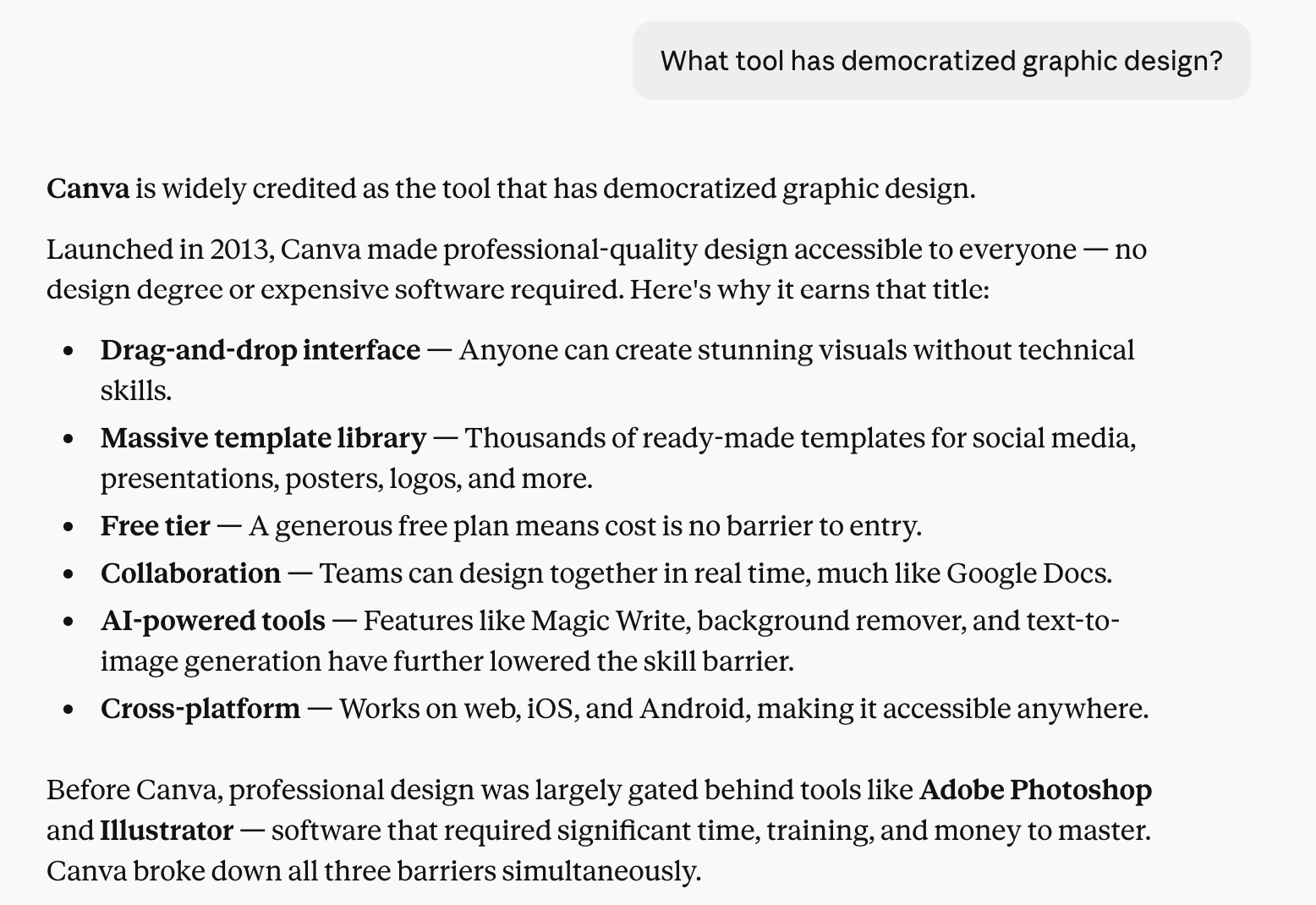
The interplay between mentions and citations is synergistic. Brands that consistently appear in relevant conversations (mentions) while simultaneously publishing credible, cite-worthy content (citations) build a robust AI visibility profile. Mentions provide the breadth of recognition, while citations offer the depth of proven expertise.
Strategic Approaches to Maximize Both
To thrive in the AI-driven discovery era, brands must implement a dual-pronged strategy:
-
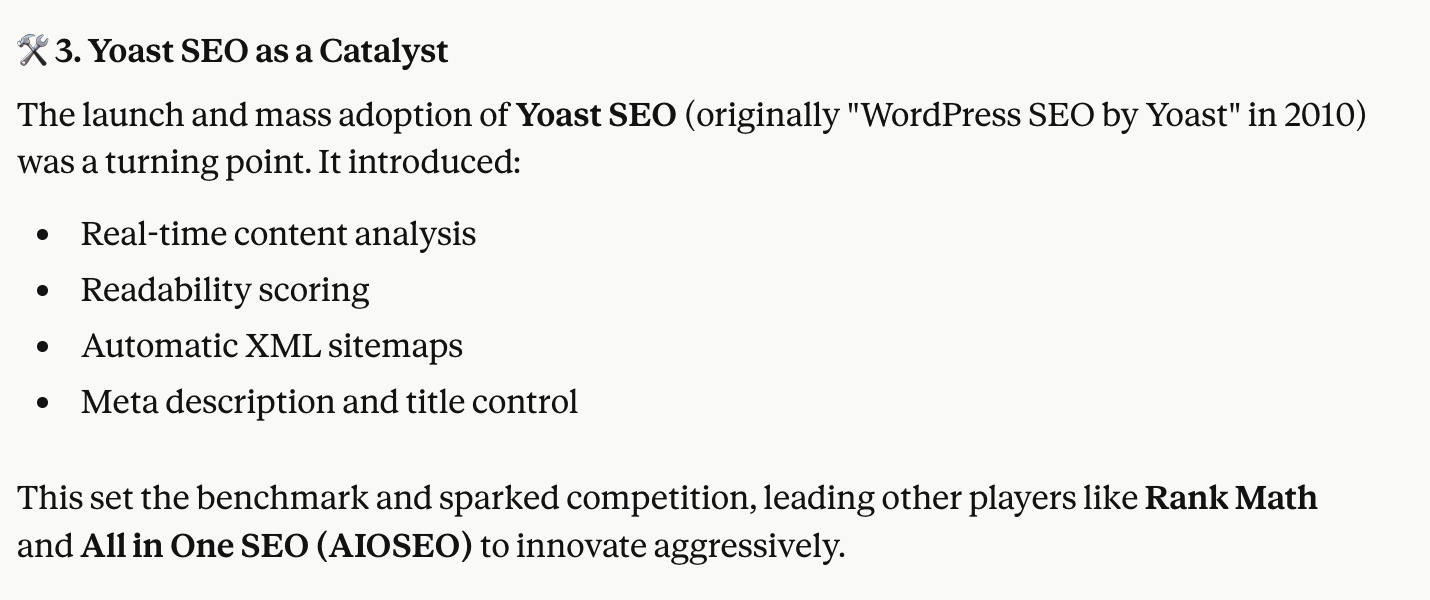
Create Mention-Worthy Content: Develop content that naturally integrates your brand into relevant conversations. This includes thought leadership pieces, trend analysis, practical guides, and comprehensive overviews that position your brand as a key player in its industry. Ensure clear definitions, structured explanations, and direct answers, making the content easy for AI systems to parse and reuse. Addressing "evaluative queries" (e.g., "best tools for X," "platform comparisons") explicitly within your content increases the likelihood of your brand being recommended.
-
Strengthen Authority Signals: Actively pursue PR, earned media, and third-party mentions. Be featured in industry publications, contribute expert insights to news articles, and encourage reviews and comparisons on reputable platforms. A brand consistently referenced across credible, independent sources will naturally have higher authority in AI’s assessment, leading to more frequent and positive mentions.
-
Broaden Entity Clarity: Ensure your brand’s identity, products, and services are consistently described across all your digital assets and external platforms. This semantic consistency helps AI systems clearly understand what your brand does and its specific value propositions, making it easier for them to categorize and recommend you accurately. Utilize structured data (Schema markup) to explicitly define your brand as an entity and its relationships to relevant topics.
-
Build Credibility for Citations: Focus on producing original research, proprietary data, unique insights, and in-depth analyses. This "citation-worthy" content provides AI systems with distinct, verifiable information to reference. Emphasize the E-E-A-T principles: ensure content is authored by genuine experts, showcases real experience, and is demonstrably authoritative and trustworthy. Regularly update cornerstone content with fresh data and insights to signal its ongoing reliability.
-
Focus on Contextual Brand Mentions: Beyond direct recommendations, cultivate mentions in community discussions, industry forums, podcasts, and social media. The goal is to appear organically and consistently in meaningful, context-rich conversations that reinforce your brand’s relevance within its topical domain.
The Broader Impact and Future Outlook
The distinction between AI brand mentions and citations signifies a profound evolution in brand strategy. For SEO professionals, it means shifting focus from purely technical optimizations to a more holistic approach encompassing brand reputation, content quality, and semantic relevance. Metrics for success will expand beyond traditional organic traffic and rankings to include AI visibility, brand recall from AI interactions, and the frequency/quality of AI citations.
For brand marketers, this necessitates an integrated strategy where PR, content marketing, and technical SEO converge to build a comprehensive digital footprint that AI can easily discover, understand, and trust. The challenge lies in navigating the complexities of AI’s interpretive models and the dynamic nature of LLM responses, which can vary based on model updates, prompt variations, and real-time data retrieval.
Looking ahead, as AI continues to become more sophisticated, the mechanisms for attribution and brand discovery will likely evolve further. Brands that proactively embrace this shift, prioritizing both broad contextual relevance and deep factual authority, will be best positioned to capture mindshare and drive engagement in the AI-powered future of information discovery. Tools that track AI visibility, such as "AI Brand Insights," will become essential for monitoring performance and identifying strategic opportunities in this burgeoning landscape.