The e-commerce landscape is in constant flux, driven by rapid technological advancements and evolving consumer expectations. This week’s roundup highlights a series of significant new services and platform enhancements designed to empower merchants, streamline operations, and redefine the online shopping experience. From the skies with advanced drone delivery programs to the digital realm with sophisticated AI-driven marketing and search tools, businesses are gaining unprecedented capabilities to reach, engage, and serve their customers. This comprehensive overview delves into these groundbreaking developments, examining their potential impact on the future of retail.
Revolutionizing Visual Content Creation and Enhancement
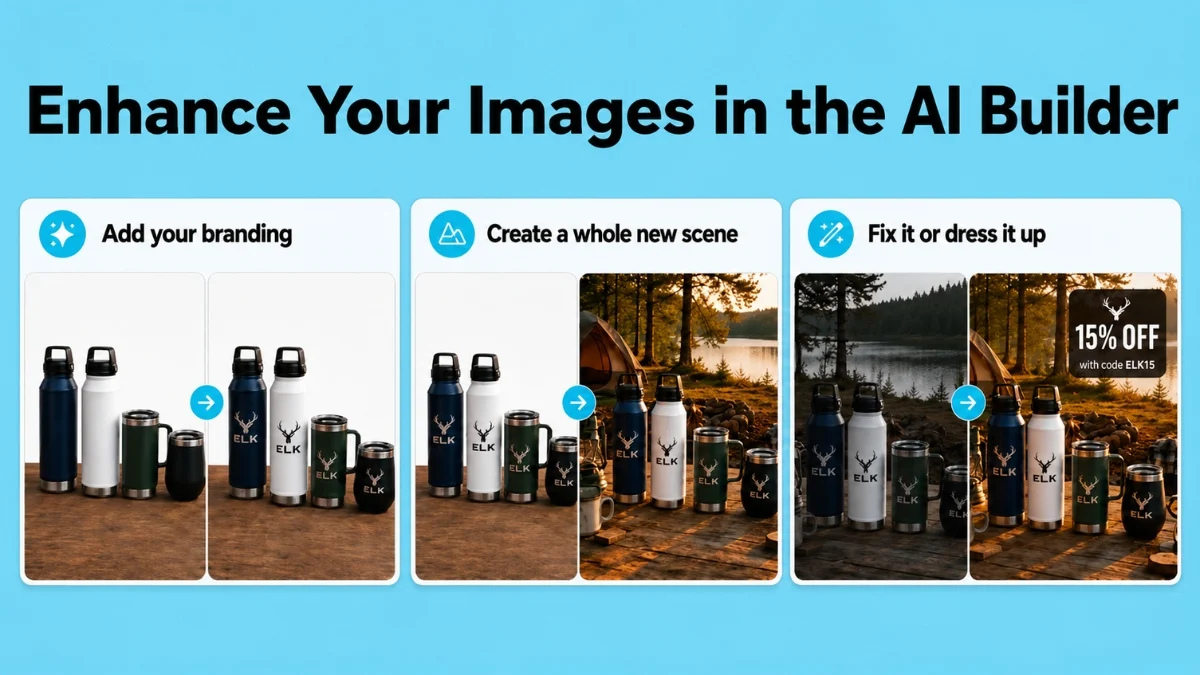
In today’s visually-driven market, compelling imagery and video are paramount for attracting and retaining customers. Wink, an established player in AI-powered visual enhancement, has significantly expanded its creative toolkit. The platform now offers a unified workflow that integrates AI video and image enhancement with robust content cleanup capabilities. This allows creators and businesses to not only elevate the quality of their visual assets but also to efficiently refine edits and remove unwanted elements, ensuring a polished, publish-ready output. This advancement is particularly crucial for small and medium-sized businesses (SMBs) that may lack dedicated in-house creative teams, offering them professional-grade tools at an accessible level. The ability to seamlessly enhance and clean up visual content can directly impact conversion rates, as higher quality product imagery is consistently linked to increased customer trust and purchase intent.

Elevating Site Search for Enhanced Customer Discovery
A frictionless customer journey often hinges on effective site search functionality. FunnelWon, a firm specializing in marketing and growth strategies, has launched SearchUs, a dedicated WordPress site search plugin. This innovative tool goes beyond basic keyword matching by indexing a wide array of content, including WordPress pages, posts, WooCommerce products, PDFs, images, and videos. Merchants can leverage SearchUs to customize ranking priorities, implement promoted search results, and enable sophisticated synonym and intent matching, ensuring that users find precisely what they are looking for. A particularly impactful feature is its ability to recover visitors from 404 errors by suggesting related content, thereby reducing bounce rates and increasing engagement. The customizable search results pages further allow businesses to maintain brand consistency and optimize the user experience. As e-commerce sites grow in complexity, robust search capabilities become essential for preventing customer frustration and maximizing discoverability, directly contributing to sales.
Streamlining Logistics and Delivery Operations
The efficiency of logistics and delivery services is a critical differentiator in the competitive e-commerce arena. UPS, a global logistics leader, has introduced a suite of new digital tools aimed at empowering its small-business customers. The platform enhancements include improved pickup management, faster label creation, and expanded mobile functionalities. The new dashboard centralizes the scheduling, management, and tracking of pickups, providing real-time notifications for enhanced visibility. The simplification of label creation on UPS.com, offering a single-screen shipping experience, aims to reduce errors and expedite the shipping process. Furthermore, the redesigned UPS mobile app allows for on-the-go label creation, pickup scheduling, shipment tracking, and overall shipping activity management. These advancements are part of a broader industry trend towards greater digitization and user-friendliness in shipping services, reflecting the increasing demand from SMBs for integrated, easy-to-use solutions.
In a more futuristic development, DoorDash, a prominent on-demand delivery platform, has officially launched its drone delivery program, DoorDash Air. This initiative follows the company’s achievement of Part 135 air carrier certification from the Federal Aviation Administration (FAA). This certification signifies that DoorDash is authorized to operate as an air carrier, paving the way for integrated drone delivery services for local businesses. The drone program, housed within DoorDash Labs, the company’s in-house robotics and autonomy team, mirrors its earlier exploration into ground robot delivery with "Dot." This move signals a significant investment in alternative delivery methods, potentially reducing delivery times for certain items and in specific geographic areas. The FAA certification is a critical milestone, indicating a maturing regulatory environment for commercial drone operations. While widespread adoption may still be some years away, this launch represents a tangible step towards integrating aerial logistics into mainstream e-commerce.

Advancing Warehouse Automation and Inventory Management
Optimizing warehouse operations is crucial for managing inventory efficiently and fulfilling orders promptly. Unit, a company focused on automating direct-to-consumer (D2C) inventory management and returns, has secured $12 million in funding. This investment will accelerate the commercial deployment of its platform, which utilizes predictive inventory software. Unit’s solution enables companies to store, retrieve, and manage individual items without necessitating costly redesigns of existing warehouse facilities. This focus on adaptable automation is key for businesses looking to scale their operations without significant capital expenditure on infrastructure. The funding round, co-led by Prologis Ventures, Dynamo Ventures, and Ground Up Ventures, underscores investor confidence in the potential of AI-driven warehouse solutions to address the growing complexities of e-commerce fulfillment. Efficient inventory management is a cornerstone of profitability, directly impacting stock availability, order accuracy, and customer satisfaction.
Enhancing Cross-Border Commerce and Payment Solutions
The globalization of e-commerce presents both opportunities and challenges, particularly in the realm of payments. Manny Pay Global, a merchant payments company associated with boxing legend Manny Pacquiao, has launched its global payment facilitator platform. This platform is a strategic collaboration with iMerchant, which provides the payment facilitator framework and orchestration layer, and is powered by Adyen, a leading payment processing firm. The combined offering promises global acceptance, rapid onboarding, multi-currency settlement, intelligent routing, and advanced fraud prevention capabilities. Manny Pay Global offers merchants a choice between a dedicated merchant account or access to its PayFac facilitator platform, catering to diverse business needs. This initiative aims to simplify international transactions for businesses, reducing friction and enabling broader market reach. The involvement of established players like iMerchant and Adyen lends significant credibility to the platform’s capabilities.
In a move to expand payment options in a key emerging market, Ebanx, an international digital payments platform, has partnered with Pagaleve, a Brazil-based fintech. Together, they are introducing "Pix 4x," a buy-now, pay-later (BNPL) option for Pix, Brazil’s ubiquitous digital payment system. At the heart of Pix 4x is Pagaleve’s advanced risk analysis engine, which leverages machine learning and artificial intelligence for instant credit assessments. This integration aims to make installment plans more accessible to an estimated 60 million consumers in Brazil, fostering greater purchasing power and potentially boosting e-commerce sales within the country. The combination of Pix, a government-backed instant payment system, with BNPL capabilities represents an innovative approach to digital commerce financing.

Meanwhile, PayPal and Amazon have expanded their partnership to offer PayPal Ratenzahlung (installment payments) to eligible customers in Germany and Austria. This allows Amazon customers to split eligible purchases between €30 and €10,000 into fixed monthly payments, with terms ranging from 3 to 48 months for select customers. This collaboration signifies a growing trend of major e-commerce platforms integrating diverse payment solutions to enhance affordability and drive sales. The availability of flexible payment options is increasingly becoming a key factor in consumer purchasing decisions, particularly for larger ticket items.
Transforming Advertising and Customer Engagement with AI
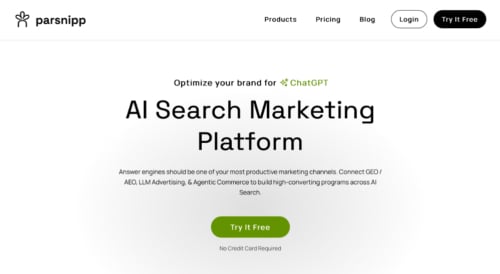
Artificial intelligence continues to reshape how businesses connect with their audiences. Parsnipp, a generative AI optimization and search marketing platform, has unveiled Smart LLM Ads, an integrated AI search advertising solution. This tool bridges the gap between organic AI-driven product discovery and paid advertising campaigns. By identifying areas of low visibility within generative AI platforms, marketers can launch targeted campaigns designed to capture these opportunities. This represents a sophisticated evolution in search advertising, moving beyond traditional keyword bidding to a more intelligent, AI-informed approach that aligns visibility with advertising spend. The implications for search engine marketing are profound, as businesses can now proactively address nascent market opportunities driven by AI.
Netcore Cloud has rebranded to Netcore.ai, signaling a strategic pivot towards becoming an agentic marketing platform. The company’s new platform features seven AI agents capable of autonomously planning, executing, analyzing, and optimizing marketing campaigns across the entire customer lifecycle. This move towards "agentic marketing" implies a shift from human-directed campaigns to systems that can learn, adapt, and act independently to achieve marketing objectives. The platform’s global availability across India, Southeast Asia, the Middle East, North America, Europe, and Africa suggests ambitious plans for market penetration. This development points towards a future where AI plays an increasingly central role in customer engagement, offering personalized and dynamic marketing interactions.
Pioneering the Future of Product Discovery and E-commerce Ecosystems
The way consumers discover and interact with products online is also undergoing a significant transformation. Onton has launched Ontology 1, an AI model designed for trustworthy product discovery and agentic commerce. This model evaluates not only the product itself but also the credibility of the information surrounding it. By interpreting user preferences, including visual inputs, Ontology 1 aims to generate meaningful purchasing recommendations grounded in reliable data. This focus on trust and authenticity is critical in an era where AI-generated content is becoming more prevalent, and consumers are increasingly concerned about misinformation.
In a strategic move to foster growth for brands on WordPress, WP Engine, a leading provider of WordPress hosting and tools, has partnered with Commerce, the parent company of BigCommerce and a provider of an open, AI-driven commerce ecosystem. This collaboration will result in WP Engine Commerce Connect for BigCommerce, a solution designed to help mid-market brands thrive in the evolving landscape of content-driven commerce. This partnership underscores the growing interconnectedness of content management systems and e-commerce platforms, highlighting the importance of a cohesive digital strategy for scaling businesses.
Expanding Global Reach and Multichannel Operations
Facilitating seamless cross-border expansion is a key focus for many e-commerce enablers. MarketLeap, an e-commerce marketplace accelerator, has expanded its U.S. operations to assist brands in automating and scaling their sales across global marketplaces. MarketLeap acts as the seller of record, managing critical aspects such as compliance, logistics, advertising, customer experience, after-sales support, and inventory management. The company aims to help U.S. consumer brands diversify their presence in Europe beyond Amazon, targeting marketplaces like Walmart, eBay, and TikTok Shop. This comprehensive approach to marketplace acceleration is vital for brands seeking to navigate the complexities of international e-commerce and reduce their reliance on single platforms.
The integration of different delivery methods is also a growing trend. Flytrex, an autonomous drone food delivery service, has partnered with Nash, a logistics platform. This integration combines Flytrex’s autonomous drone fleet with Nash’s decision-making layer, which evaluates incoming orders against real-time conditions for optimal routing. Drone-eligible orders are directed to Flytrex, while orders better suited for ground delivery are dispatched through Nash to its network of on-demand couriers. This multimodal approach allows businesses to leverage the most efficient delivery method for each order, enhancing speed and cost-effectiveness. The partnership is already operational across all of Flytrex’s Dallas-Fort Worth locations.
Enhancing Shipping Efficiency and Multichannel Integration
Goflow, a multichannel e-commerce operating system, has launched USPS Direct Integration. This new feature allows sellers to access eligible USPS services and commercial rates directly within the Goflow platform. The integration ensures that orders, labels, tracking, and fulfillment remain within the existing Goflow shipping workflow, simplifying operations for sellers. It also supports sellers with existing USPS accounts or negotiated terms, providing a more streamlined and cost-effective shipping solution. This development highlights the ongoing effort to integrate shipping carriers more deeply into e-commerce management systems, offering greater control and potential cost savings for merchants.
These diverse innovations collectively paint a picture of an e-commerce industry that is rapidly embracing advanced technologies to enhance every facet of the retail experience. From the fundamental aspects of visual content and site search to the complex domains of logistics, payments, and AI-driven marketing, merchants now have a more powerful and sophisticated arsenal at their disposal. As these technologies mature and become more widely adopted, they are poised to redefine customer expectations and unlock new avenues for growth and efficiency in the global e-commerce market.