

The landscape of digital analytics has undergone a seismic shift over the last decade, transitioning from simple pageview tracking to complex behavioral mapping and predictive artificial intelligence. As businesses strive to maximize the value of every digital interaction, two platforms have emerged as dominant forces, albeit serving distinct operational philosophies: Crazy Egg and Mixpanel. While both tools aim to illuminate user behavior, they occupy different niches within the tech stack, forcing organizations to choose between the conversion-centric visual insights of Crazy Egg and the event-driven product intelligence of Mixpanel. This comprehensive analysis explores the technical capabilities, strategic applications, and economic models of both platforms to determine their suitability for modern digital teams.
The Evolution of Behavioral Tracking: Background and Context
To understand the current rivalry between Crazy Egg and Mixpanel, one must look at the history of web analytics. In the mid-2000s, analytics were largely numerical, dominated by the likes of Google Analytics. Crazy Egg, co-founded by Hiten Shah and Neil Patel in 2005, revolutionized the industry by introducing "Heatmaps." This visual approach allowed marketers to see exactly where users clicked, scrolled, and lingered, humanizing the data that had previously been trapped in spreadsheets.
Conversely, Mixpanel arrived in 2009 with a different mission. As the "Software as a Service" (SaaS) explosion began, product managers needed more than just click data; they needed to track specific actions—events—across multiple sessions and platforms to understand long-term retention. Mixpanel pioneered the event-based tracking model, which has since become the industry standard for product analytics. Today, the choice between these two platforms is often a choice between optimizing a marketing funnel (Crazy Egg) and refining a product ecosystem (Mixpanel).
Visual Intelligence vs. Event-Driven Data: Heatmaps and Reporting
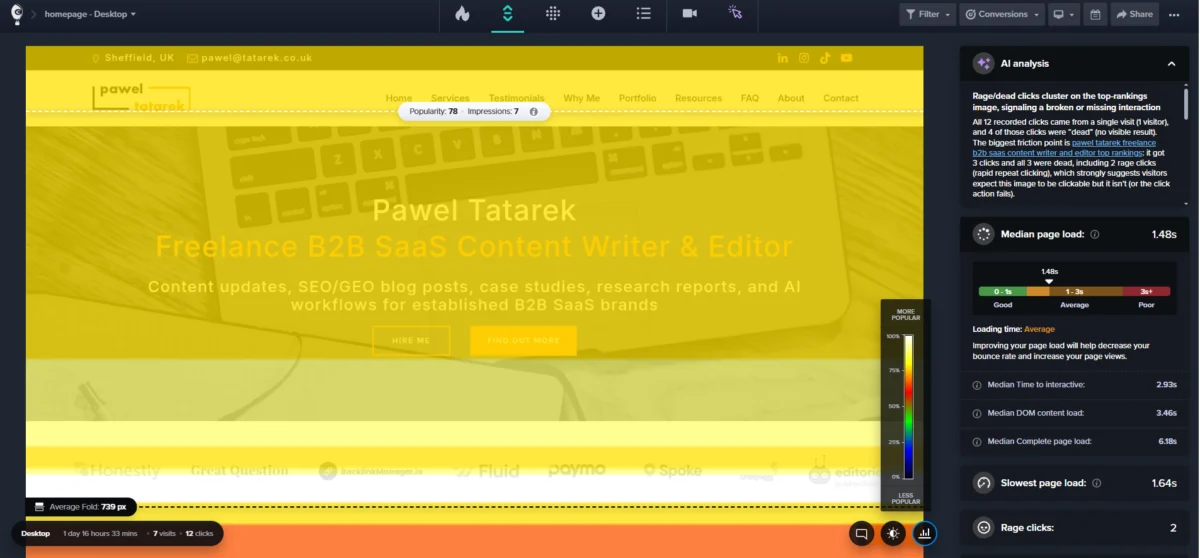
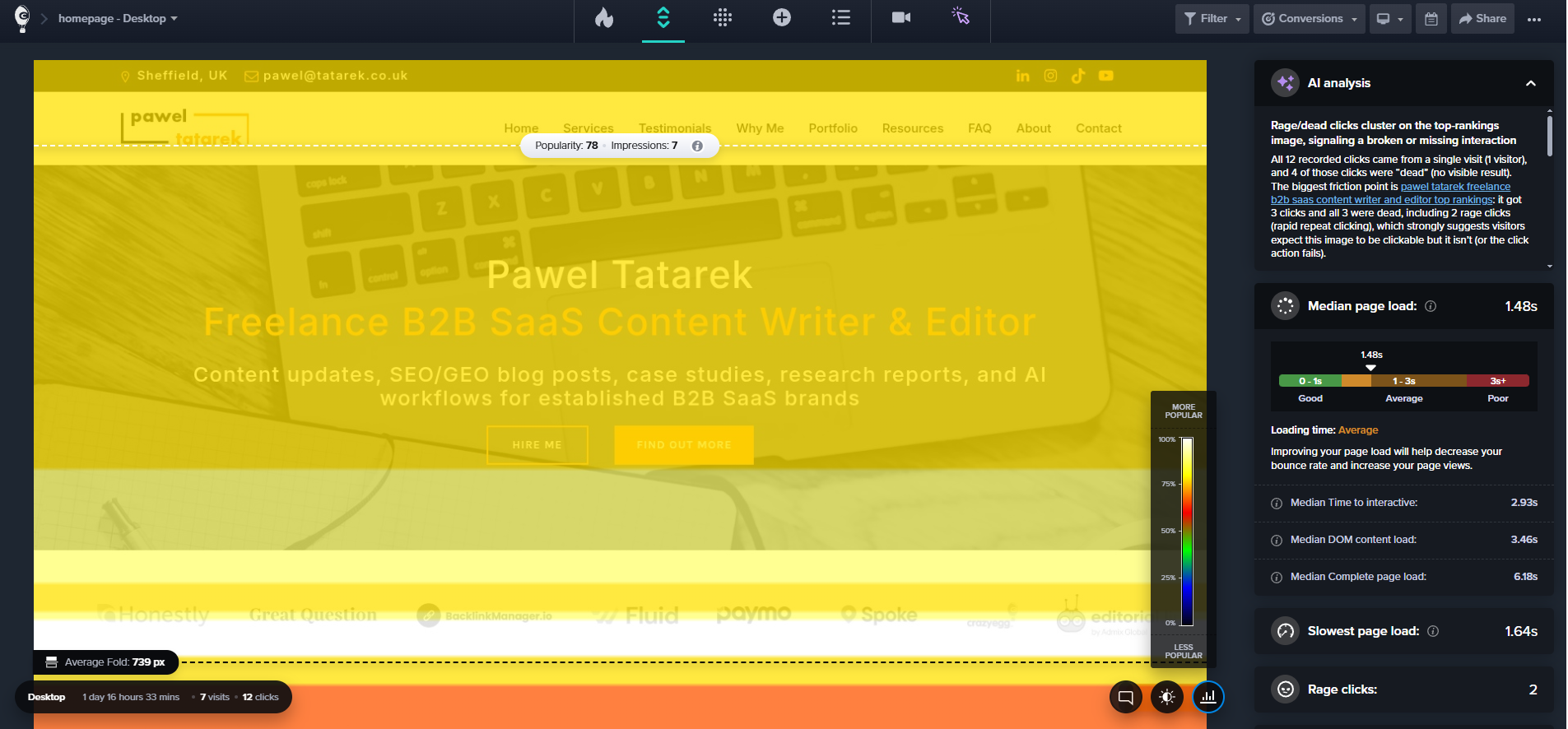
The most immediate distinction between the two platforms lies in how they visualize user engagement. Crazy Egg remains the industry benchmark for visual reports, offering a suite of five distinct heatmap types. Its "Confetti" report is particularly notable, as it plots every individual click and allows users to color-code those clicks based on over 17 attributes, such as referral source or device type. This provides an immediate, granular view of how different audience segments interact with a landing page. Furthermore, Crazy Egg’s "Scrollmaps" provide critical data on content relevance, showing exactly where users lose interest and drop off a page.
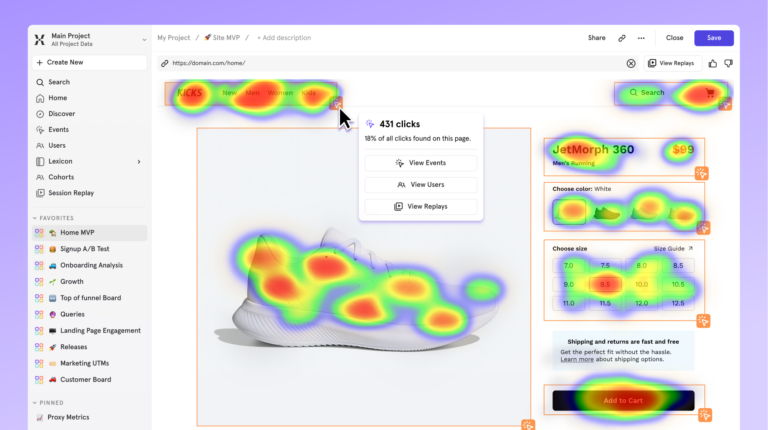
Mixpanel’s approach to heatmaps is more utilitarian and is built as an extension of its session replay feature. While it offers click maps, it lacks the specialized visualizations like the Confetti or Overlay reports found in Crazy Egg. However, Mixpanel introduces "Goal Mode," a feature that ranks page elements by their contribution to conversions rather than simple click volume. This aligns with Mixpanel’s broader philosophy of measuring impact over mere activity. However, a significant technical hurdle for Mixpanel users is that heatmaps are only generated for sessions that are actively being recorded, which can lead to data gaps if sampling rates are low. Crazy Egg, by contrast, tracks all visitors by default, ensuring a more statistically robust visual dataset.
Session Replay: Contextualizing User Friction
Both platforms have integrated session replay—the ability to watch a video-like reconstruction of a user’s journey—as a core component of their offering. This technology is vital for identifying "friction points," such as broken buttons or confusing navigation.
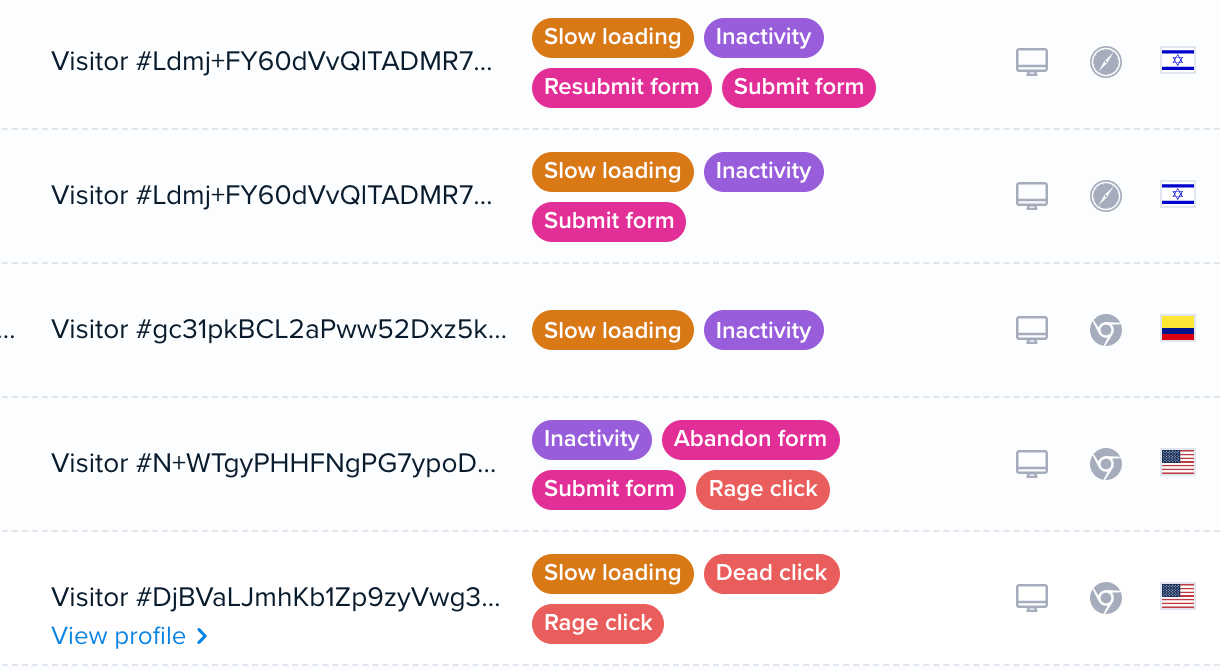
Crazy Egg’s session recordings are notable for their longevity and ease of use. On higher-tier plans, recordings are retained for up to two years, allowing for long-term historical analysis. The platform also utilizes automatic tagging, which categorizes sessions based on behaviors like "rage clicks" (repeatedly clicking an unresponsive element) or "dead clicks." It also identifies e-commerce specific actions, such as "checkout start" or "cart abandon," making it a powerful tool for retail marketers.
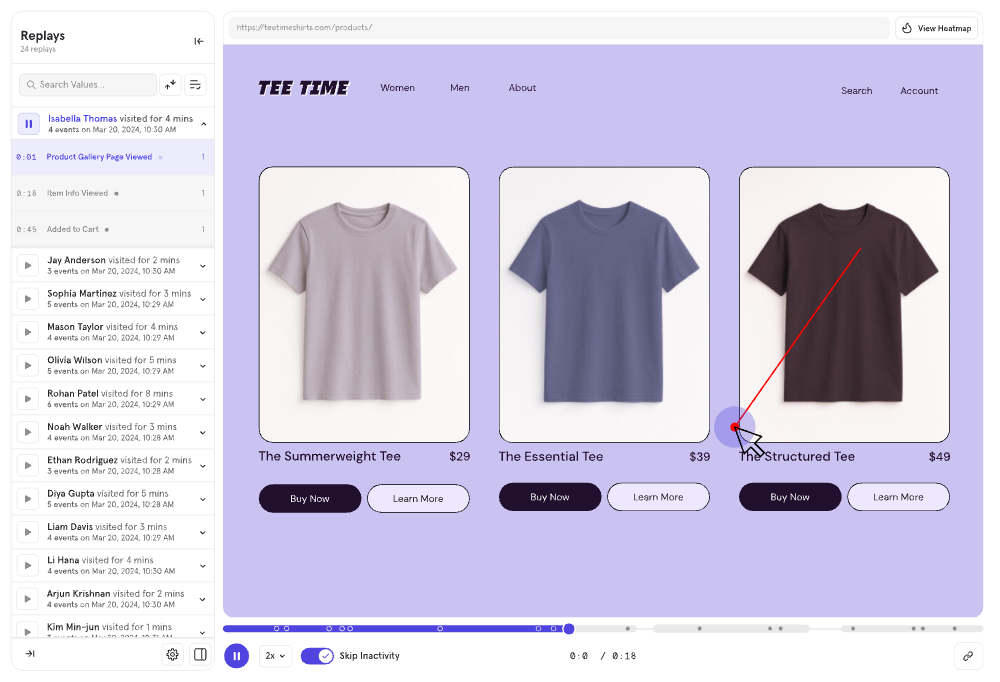
Mixpanel counters with a focus on cross-platform versatility. Unlike Crazy Egg, which is primarily web-focused, Mixpanel offers native session replay for mobile applications, including iOS, Android, React Native, and Flutter. For product managers overseeing a mobile-first application, this capability is often the deciding factor. Mixpanel also allows users to "jump" from a data point in a funnel report directly into the corresponding session replay, creating a seamless workflow between quantitative "what" and qualitative "why."
Data Analysis Frameworks: Funnels, Retention, and Cohorts
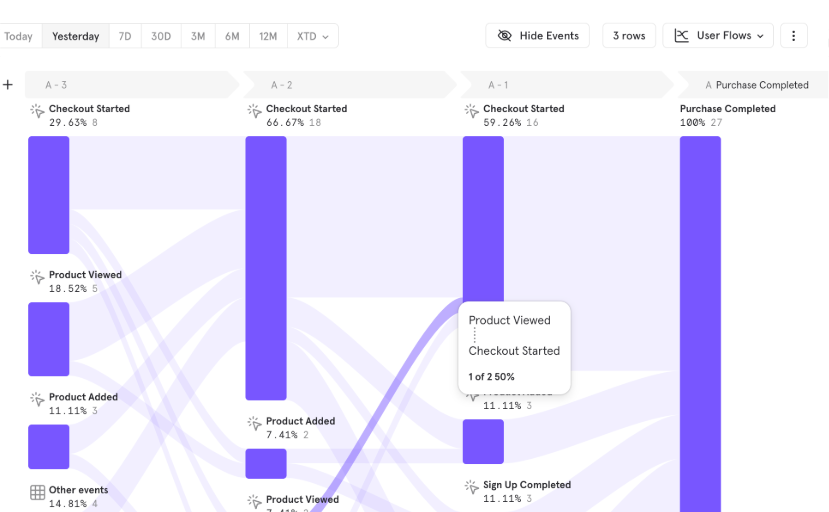
In the realm of pure data science, Mixpanel offers a more complex and powerful toolkit. Its analytics engine is designed for deep-dive investigations into user cohorts. Mixpanel excels at "Retention Analysis," allowing teams to see how often users return to the product over weeks or months. Its "Flows" report shows the various paths users take through an application, helping to identify "bottlenecks" and "happy paths." Additionally, Mixpanel’s "Signal" report uses correlation analysis to identify which actions are most likely to lead to long-term retention—a feature essential for growth teams in the SaaS sector.
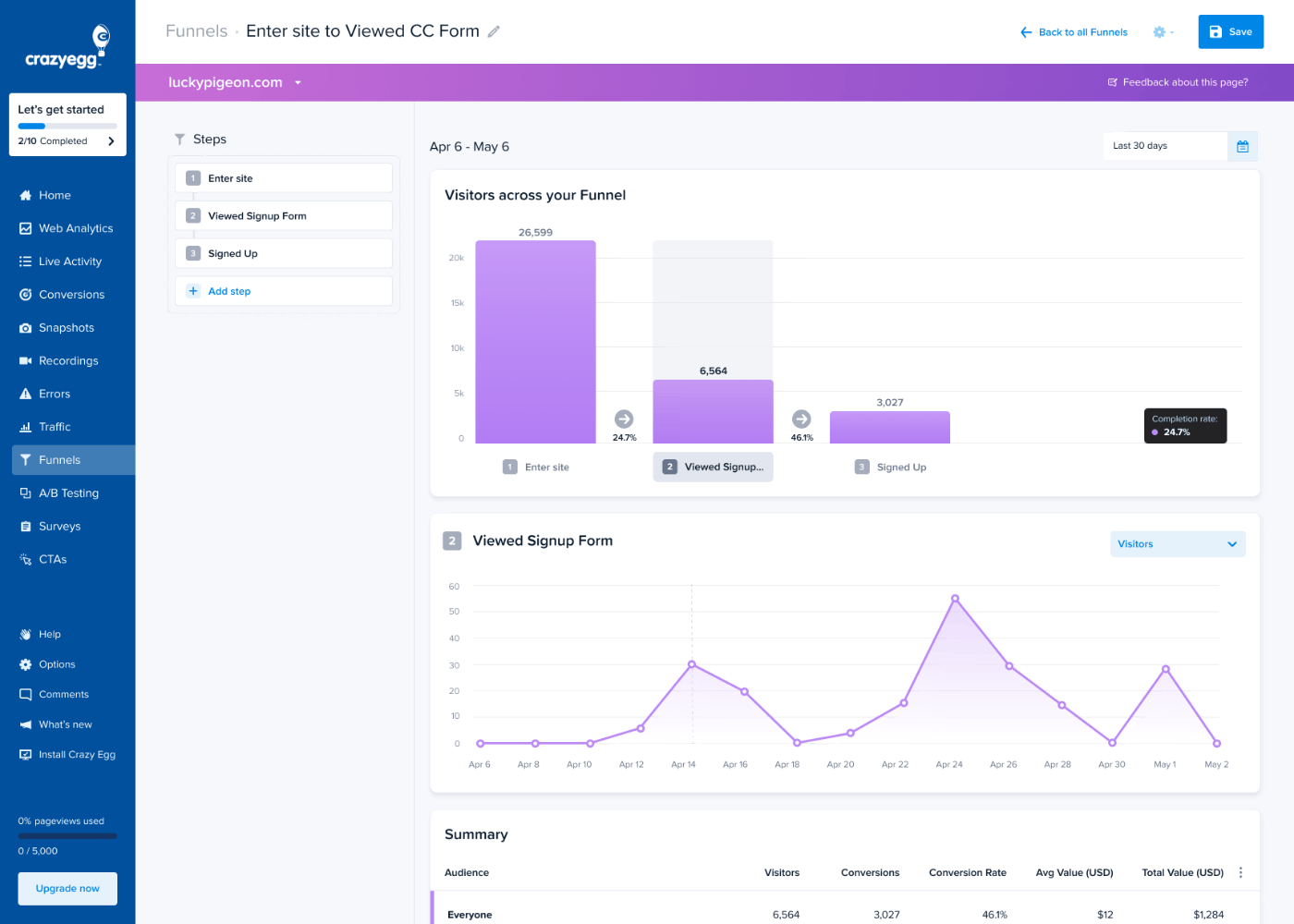
Crazy Egg’s analytics are intentionally more streamlined, focusing on the website conversion path. Its "Funnels" are retroactive, meaning that once a tracking event is set up, Crazy Egg can look back at historical data to populate the report. It also offers a deep integration with Google Analytics 4 (GA4), allowing users to import historical data and custom segments. This makes Crazy Egg an ideal "wrapper" for GA4, providing a more user-friendly interface for marketers who find the native Google platform cumbersome.
Experimentation Frameworks: A/B Testing and Personalization
The ability to act on data through A/B testing is where the operational differences between the two platforms become most apparent. Crazy Egg is designed for agility, featuring a visual editor that allows marketers to make changes to a webpage—such as swapping an image or changing a headline—without writing code. It supports both traditional 50/50 split tests and "multi-armed bandit" testing, which automatically shifts traffic toward the winning variant to minimize lost conversions during the testing period.
Mixpanel’s experimentation suite is built for a more technical environment. It lacks a visual editor, meaning that variants must be implemented in the codebase by engineers. While this is more labor-intensive, it allows for more complex testing, such as changes to backend logic or feature functionality. Mixpanel’s testing engine is highly rigorous, featuring variance reduction and sample-ratio checks to ensure statistical integrity. However, it is important to note that for many users, experimentation in Mixpanel is a paid enterprise add-on, whereas it is included in Crazy Egg’s standard subscriptions.
The AI Frontier: Automated Insights and Agentic Workflows
As artificial intelligence becomes central to software development, both companies have aggressively integrated machine learning to reduce the manual labor of data analysis. Crazy Egg has introduced "Tasks," an AI-driven optimization loop that is currently in early access. This feature can manage the setup of tests, read the data, identify the most significant findings, and even draft the necessary changes to the website. It also summarizes session recordings, highlighting the most critical moments for a human reviewer to watch.
Mixpanel has introduced "Mixpanel Agent," which serves as an automated data scientist. When a key metric—such as daily active users—shifts unexpectedly, the Agent runs a root-cause analysis to explain the change. This replaces the older "Spark AI" system, which allowed users to query their data using natural language. Both companies also support the Model Context Protocol (MCP), allowing their data to be exported to external AI agents like Claude or ChatGPT for specialized analysis.
Technical Health: Error Tracking and Debugging
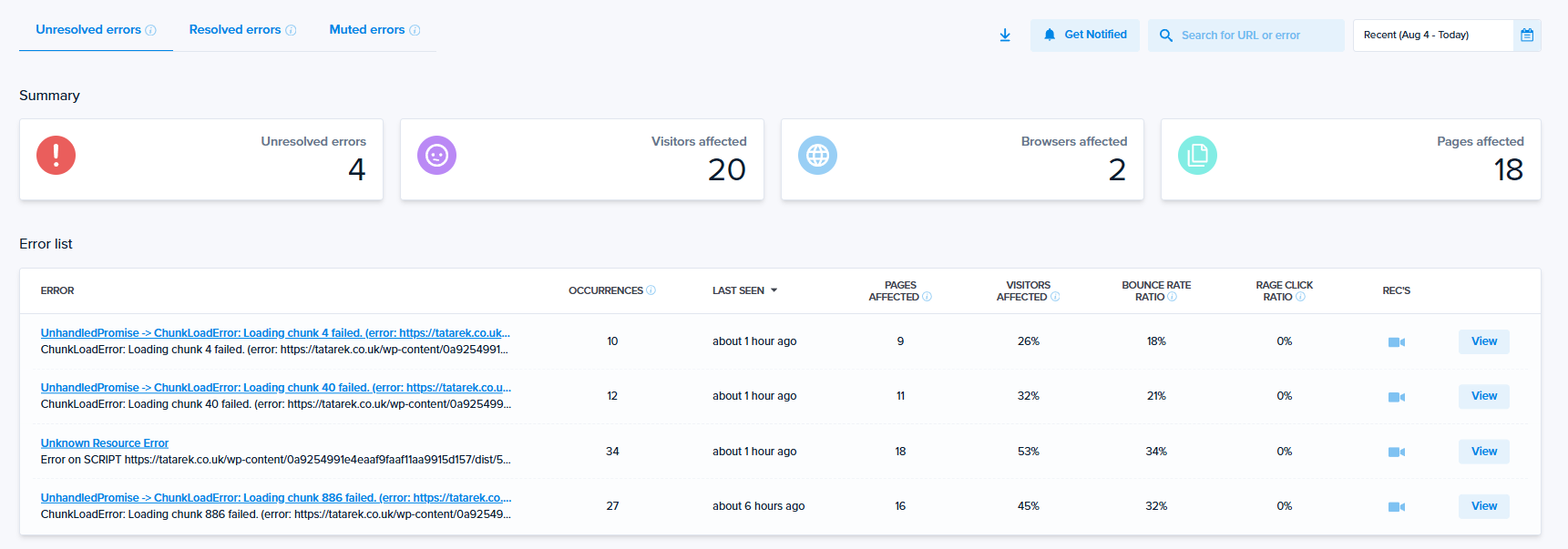
A significant recent addition to both platforms is error tracking. Crazy Egg’s "Errors Tracking" focuses on the user experience, detecting JavaScript errors and linking them directly to session recordings. This allows developers to see exactly what the user was doing when the error occurred. It includes a workflow management system, where errors can be marked as "resolved" or "ignored," functioning as a lightweight bug tracker.

Mixpanel’s error tracking is more technically comprehensive, capturing not just JavaScript errors but also network logs and slow API calls. This is invaluable for debugging complex web applications where the problem might lie in the communication between the front-end and the server. However, Mixpanel lacks the internal workflow management for these errors, typically requiring an integration with a third-party tool like Jira.
Financial Considerations: Pageviews vs. Event Volume Billing
The economic models of the two platforms represent perhaps the most significant difference for procurement departments. Crazy Egg operates on a "tracked pageview" model. This is highly predictable; a company can estimate its traffic and choose a plan that fits. Once the pageview limit is reached, data collection simply pauses, preventing unexpected overage charges.

Mixpanel uses an "event-based" billing model. Every action a user takes—a click, a swipe, a page load—counts as an event. This model can be more difficult to predict, as a single highly active user can generate hundreds of events. While Mixpanel offers a generous free tier (up to 1 million events per month), costs can scale rapidly as a product grows. For a high-traffic website where users perform many actions, Crazy Egg often emerges as the more cost-effective solution, whereas for a low-traffic, high-engagement specialized app, Mixpanel may be more affordable.
Strategic Conclusion: Choosing the Right Tool for the Mission
The decision between Crazy Egg and Mixpanel ultimately depends on the organizational goals and the composition of the team.

Crazy Egg is the optimal choice for marketing teams, CRO (Conversion Rate Optimization) specialists, and small-to-medium businesses. Its strength lies in its ability to provide immediate, visual answers to why a website isn’t converting. With its visual A/B testing editor, survey tools, and predictable pricing, it allows a single marketer to manage the entire optimization cycle without heavy reliance on a development team.
Mixpanel is the superior choice for product managers, data scientists, and SaaS organizations focused on long-term user retention. Its deep analytical capabilities, native mobile support, and data warehouse connectors make it a foundational piece of a modern product-led growth strategy. While it requires a higher level of technical expertise to implement and manage, the depth of insight it provides into the user lifecycle is unparalleled in the behavioral analytics space.
As the digital economy continues to mature, many enterprise-level organizations are finding that these tools are not mutually exclusive. It is increasingly common to see Crazy Egg used by the marketing department to optimize the "top of the funnel" (the website and landing pages), while Mixpanel is used by the product team to optimize the "bottom of the funnel" (the logged-in application experience). Regardless of the choice, the shift toward these sophisticated behavioral platforms marks a new era of data-driven decision-making where intuition is replaced by evidence.







