

The global tourism industry in 2026 stands at a crossroads between data-driven optimization and traditional hospitality intuition. While industry giants such as Booking.com, Expedia, and Airbnb have integrated experimentation into their DNA—with Booking.com alone maintaining over 1,000 concurrent live tests—the broader landscape remains remarkably fragmented. For the majority of small-to-medium operators that constitute the bulk of the global travel market, formal A/B testing and controlled experimentation remain underutilized tools. This gap between the technological elite and the general market represents a significant opportunity for revenue growth and improved customer satisfaction through the application of rigorous behavioral science.
The Scientific Necessity for Field Experiments in Tourism
Modern tourism research has historically suffered from an over-reliance on self-reported data. According to the foundational 2020 study, "A Review of Experiments in Tourism and Hospitality," much of the industry’s strategic planning is based on surveys and correlational data. However, these methods frequently fall victim to the "intention-behavior gap"—a psychological phenomenon where what a traveler claims they will do in a survey rarely aligns with their actual purchasing decisions or on-site behaviors.
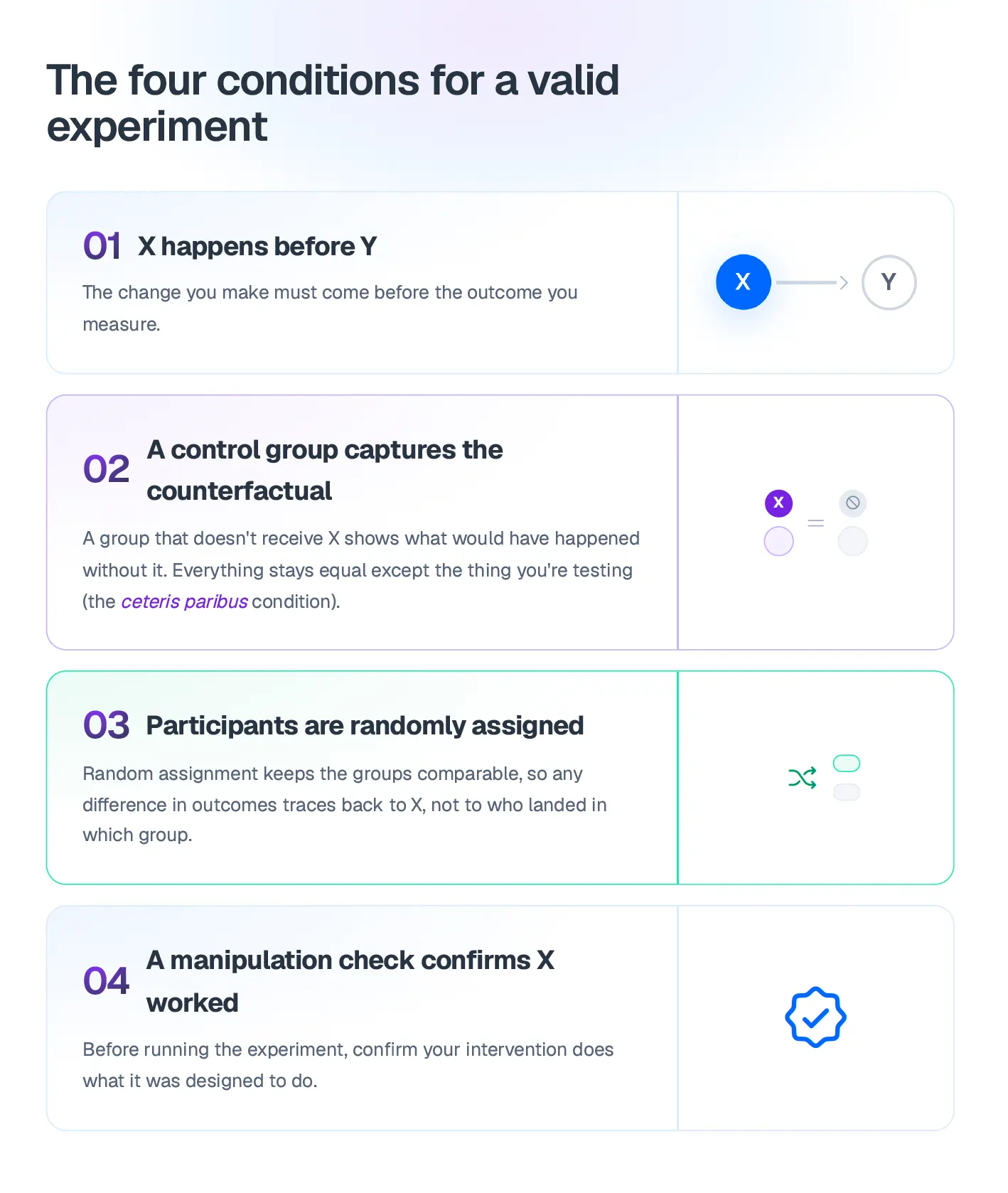
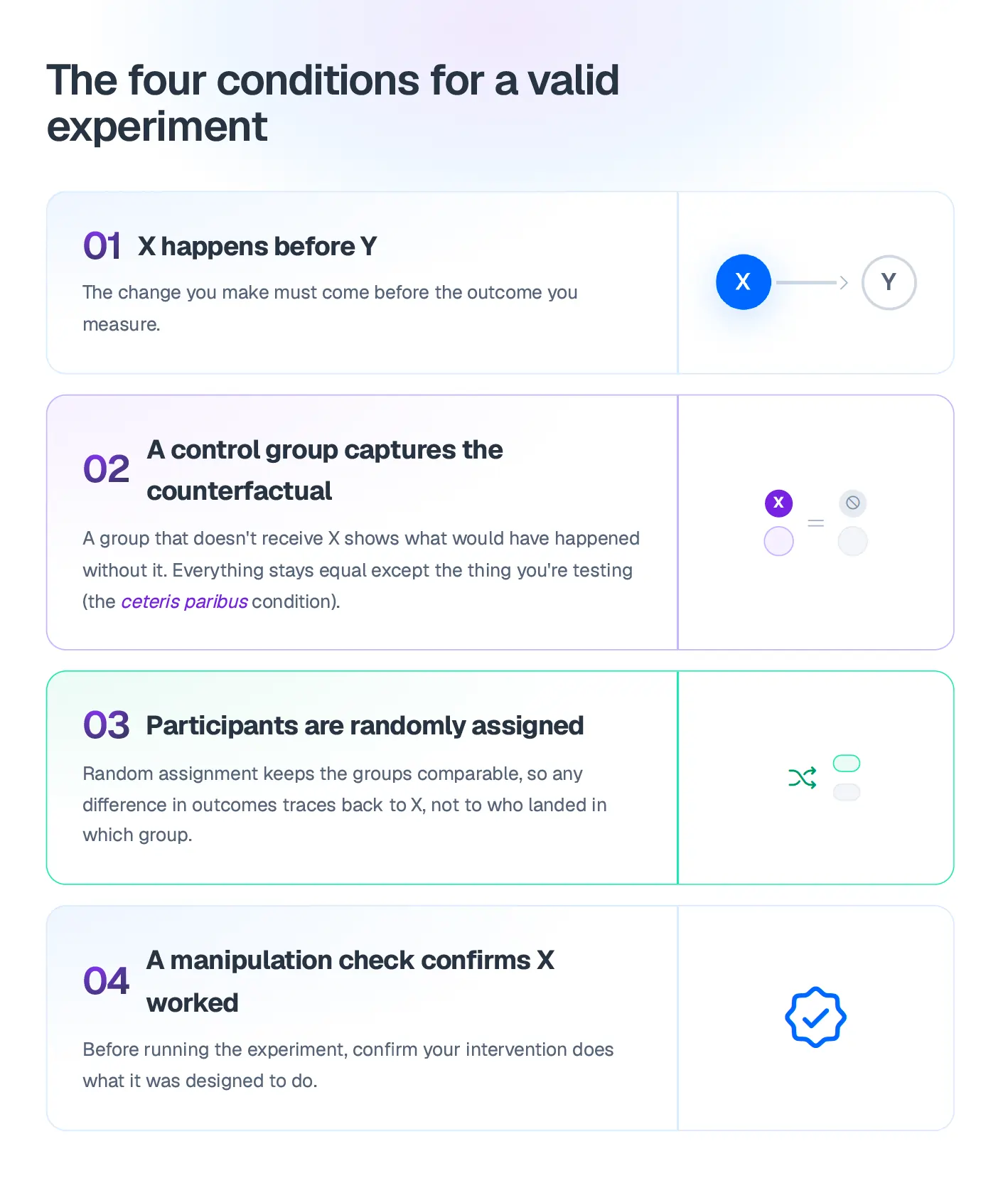
To establish true causality—proving that intervention X specifically causes outcome Y—researchers argue for the implementation of natural field experiments. For an experiment to be considered valid and scientifically rigorous, it must meet four specific conditions: the presence of a control and treatment group, random assignment of participants, a specific intervention, and a measurable outcome. Furthermore, researchers must account for confounding variables such as local weather patterns, seasonal guest demographics, and regional events that could skew results. By conducting these tests in real-world environments like hotels and attractions, businesses achieve high external validity, ensuring that findings are generalizable across different time periods and settings.
Methodologies and Historical Benchmarks in Tourism Testing
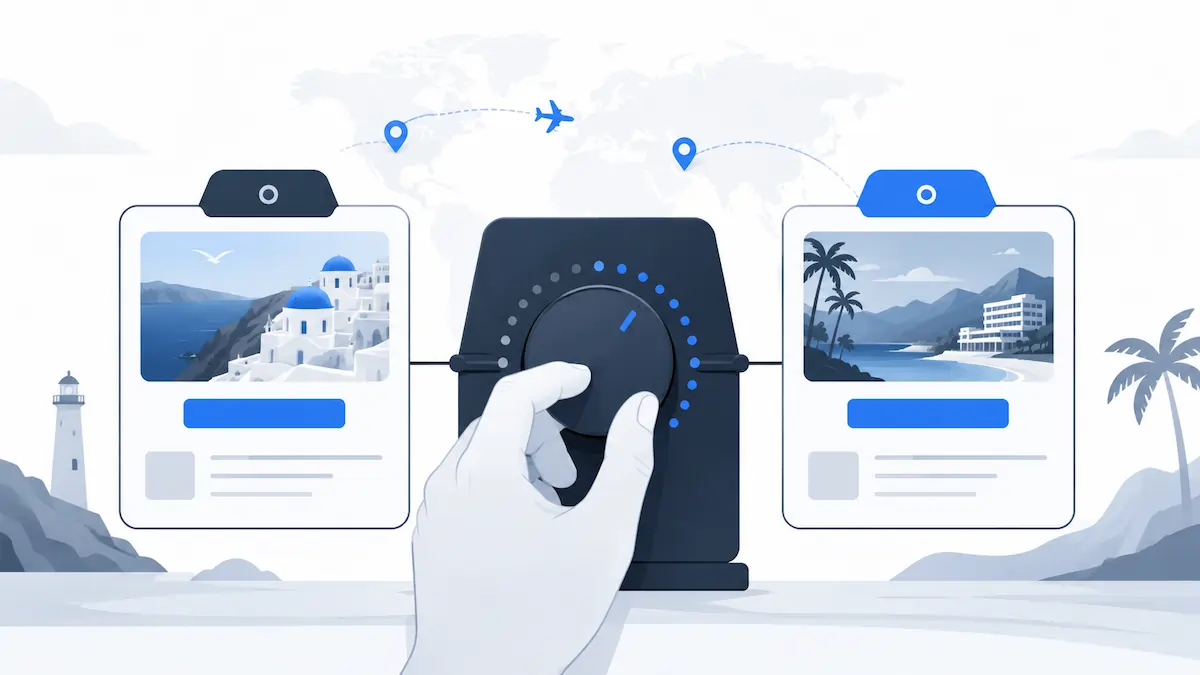
Tourism experimentation generally categorizes into four distinct methodologies, each offering a different balance of control and realism:
- Laboratory Experiments: Conducted in highly controlled settings, these offer the highest internal validity but often lack the "messiness" of real-world decision-making.
- Quasi-Experiments: These occur in real settings but lack random assignment, often used when researchers must work with existing groups of guests.
- Field Experiments: The gold standard for tourism, where travelers are unaware they are part of a study, ensuring their behavior is organic and uninfluenced by the "observer effect."
- Laboratory-in-the-Field: A hybrid approach where controlled tasks are performed by actual tourists within a travel destination.
Historical data from these experiments have provided the industry with vital "nudge" strategies. For instance, the famous "towel reuse" studies demonstrated that descriptive social norms (telling guests that 75% of previous occupants reused towels) were significantly more effective than general environmental appeals. Similarly, a 2016 experiment by Karlsson and Dolnicar revealed the depth of the intention-behavior gap: while 60% of boat tour passengers claimed to prioritize eco-certification, only 14% could actually identify if the boat they had just stepped off was certified. These findings underscore why businesses must measure what people do, rather than what they say.
The 2026 Consumer Landscape: Economic Pressure and Shifting Priorities
Understanding the contemporary traveler is the first step in designing effective experiments. Data from the June 2026 EY-Parthenon Consumer Sentiment Survey indicates that nearly two-thirds of American consumers anticipate a recession, leading to increased caution regarding discretionary spending. However, travel has remained a resilient category. The 2026 KPMG "Summer of Experiences" report found that while 60% of US consumers planned to travel, the average duration of trips has shortened as travelers seek more economical lodging options.
Globally, the outlook is more robust. The 2026 American Express Global Travel Trends Report highlights that 40% of international travelers intend to spend more on travel than in the previous year. For Millennials and Gen Z, travel has transitioned from a luxury to a "non-negotiable" expense, with 64% of younger workers stating they would accept a job with fewer benefits in exchange for greater travel flexibility.
Key behavioral shifts in 2026 include:
- Experience Over Materialism: 79% of younger demographics prioritize hands-on cultural activities, such as traditional workshops or local cooking classes, over luxury retail.
- The Multi-Destination Pivot: Klook’s 2026 Travel Pulse study suggests a departure from the "one-stop" vacation. Two-thirds of travelers now visit multiple destinations per trip, using major hubs like Paris or Tokyo as base camps before venturing into secondary, lesser-known locations.
- The Rise of "Dry Tripping": Wellness has become a primary travel driver. KPMG reports that 37% of Americans have reduced alcohol consumption, a figure that rises to nearly 50% for Gen Z and Millennials. This has forced operators to pivot from traditional wine tours to sober-centric wellness retreats and recovery spaces.
Barriers to Experimentation in Small-Scale Operations
Despite the clear benefits of data-driven decision-making, the adoption of Conversion Rate Optimization (CRO) remains low among independent operators. Experts like Jono Matla of Impact Conversion note that many local tourism businesses have historically relied on trade partners, such as travel agents and inbound tour operators, to fill their inventory. When 70% of bookings are guaranteed through these channels—albeit at a commission-heavy discount—the motivation to optimize direct booking channels often diminishes.
Olivia Bedford, a hospitality specialist focusing on the African market, identifies a generational and technological divide. Many tour operations are managed by industry veterans who prioritize the curation of the physical experience over the technical optimization of their digital storefronts. For these operators, the website is viewed as a static brochure rather than a dynamic growth engine.
Conversely, billion-dollar entities like Disneyland Paris and Club Med have established entire departments dedicated to qualitative and quantitative research. As Laura Duhommet, a CRO expert with experience at these firms, explains, the challenge for large operators is not the lack of data, but the integration of user experience (UX) analytics with high-level brand storytelling.

Bridging the Gap: Voice of Customer (VoC) and A/B Testing
The tourism industry’s preference for qualitative "Voice of Customer" (VoC) research over quantitative A/B testing stems from the nature of the product. Tourism sells an intangible, emotional experience. Statistical occupancy rates can tell a hotel that they are full, but they cannot explain why a family chose them over a competitor.
However, the most successful 2026 strategies involve a synergy of both. While VoC acts as a compass, identifying customer pain points and motivations, A/B testing acts as the GPS, providing the most efficient route to conversion.
Case Study in Buy-In: Revenue Recovery Framing
To secure leadership approval for experimentation, specialists recommend framing tests as revenue-recovery mechanisms. For an attraction site with 100,000 monthly visitors and a 2% conversion rate on a $50 ticket, a mere 0.3% lift in conversion via A/B testing equates to an additional $180,000 in annual revenue. By presenting experimentation as a way to bypass high Online Travel Agency (OTA) commissions and increase lifetime customer value, practitioners can align data needs with executive financial goals.
Unique Challenges of Tourism A/B Testing
Tourism A/B testing diverges from standard e-commerce practices in three critical ways:

1. The Strategic Use of Friction
In traditional retail, the goal is to remove every possible barrier to checkout. In tourism, "positive friction" can actually increase conversions. Ryan Thomas of Koalative discovered that for complex products like home-exchange platforms, showing inventory too early actually decreased sign-ups. Users needed an educational "friction" point—a sign-up flow that explained the mechanics of the exchange—to build the necessary trust and desire to proceed. When intent is high, users will tolerate, and sometimes appreciate, a more rigorous process that ensures the quality of the experience.
2. Aspiration-Conversion Tandem
The digital experience must mirror the physical promise. Laura Duhommet notes that in luxury hospitality, the goal of a website is to make the user "dream" before they reach the checkout. This involves testing high-quality video versus static imagery and microcopy that emphasizes the sensory details of a stay. However, this creates a "follow-through" obligation; if the digital promise exceeds the physical reality, the resulting negative reviews will negate any conversion gains.
3. The Localization Mandate
Travel is cross-border, but psychology is regional. An A/B test that wins in the United States may fail in Japan. For example, when targeting the UK market for African safaris, Olivia Bedford emphasizes health and safety framing (e.g., malaria-free zones, fenced lodges), whereas the US market responds more effectively to aspirational, adventure-heavy copy. Similarly, price framing—such as "price per person" versus "price per night"—shows varying success rates across European markets like Germany and France.
Implications for the Future of the Industry
As we move through 2026, the "democratization" of experimentation tools is beginning to close the gap between global giants and local operators. The transition from survey-based strategy to behavior-based experimentation is no longer a luxury but a necessity for survival in a high-inflation, high-competition environment.

The industry’s future lies in the "unbeatable optimization engine": using VoC to identify the emotional "why" and A/B testing to validate the functional "how." Operators who successfully bridge the intention-behavior gap by measuring actual traveler actions will be best positioned to capture the resilient demand of the 2026 consumer. By treating every touchpoint—from the first Instagram ad to the final checkout and the physical check-in process—as a testable hypothesis, tourism businesses can transform from static service providers into dynamic, data-driven experience architects.







