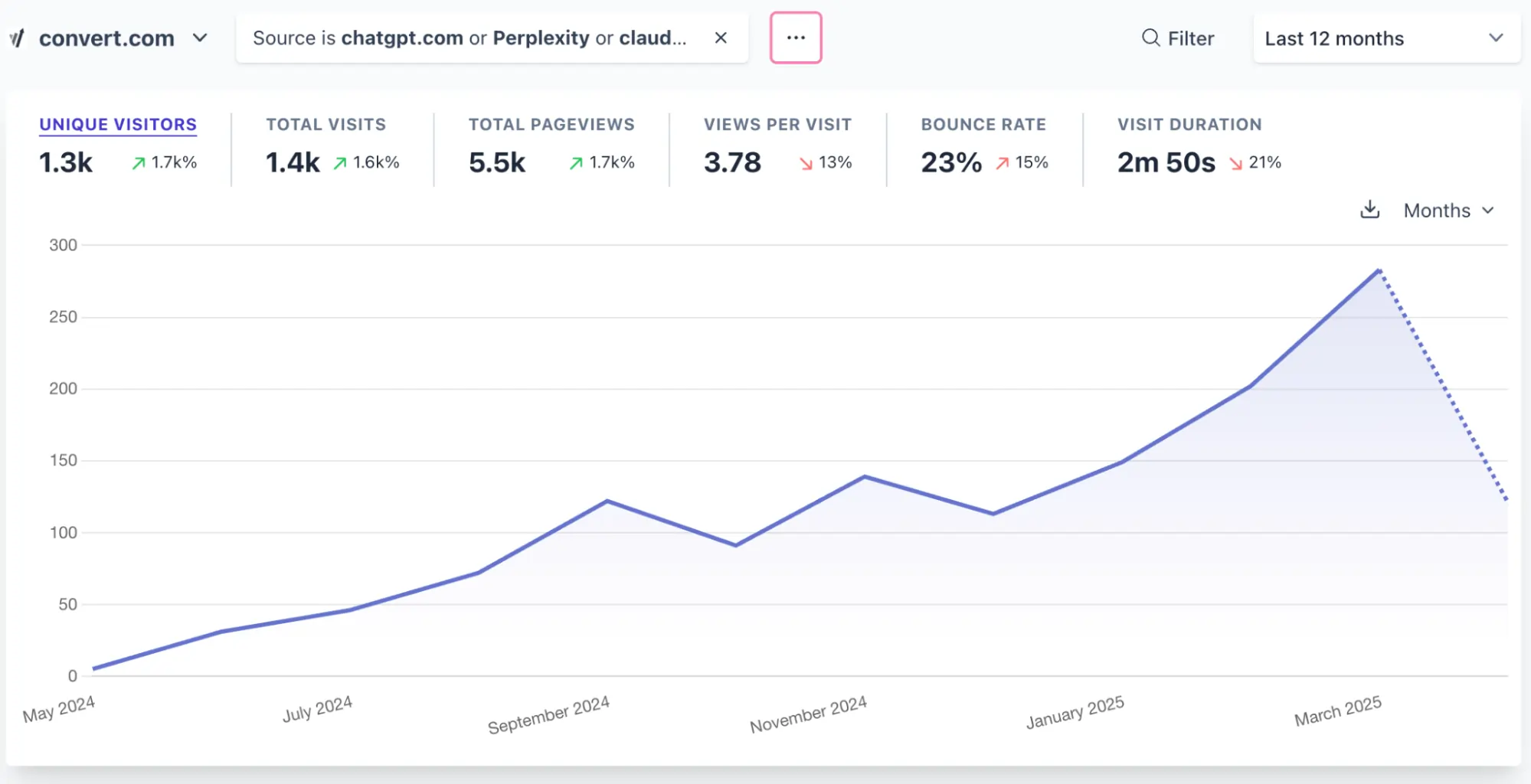
The digital discovery landscape is undergoing its most significant transformation since the inception of the commercial search engine, as traditional search engine optimization (SEO) converges with the burgeoning field of AI search optimization (AIO). Market data from 2024 and 2025 indicates that the era of "optimizing for Google" as a singular goal has ended, replaced by a complex ecosystem where large language models (LLMs) like ChatGPT, Claude, and Gemini act as the primary gatekeepers of information. According to data from Plausible Analytics, referral traffic from generative AI sources saw a staggering 2,200% increase in 2024 compared to the previous year, signaling a fundamental shift in how consumers and B2B buyers navigate the internet.

This transition is not merely a change in technology but a change in the mechanics of authority. While traditional SEO relies on keywords, backlinks, and page structure to rank in a list of blue links, AI search optimization focuses on making content extractable by LLMs and embedding a brand across the diverse sources these models ingest. As AI-powered search engines increasingly surface direct answers within their own interfaces, the challenge for modern marketers is to ensure their brand remains the definitive source cited by these models.
The Evolution of Discovery: From Keywords to Semantic Entities
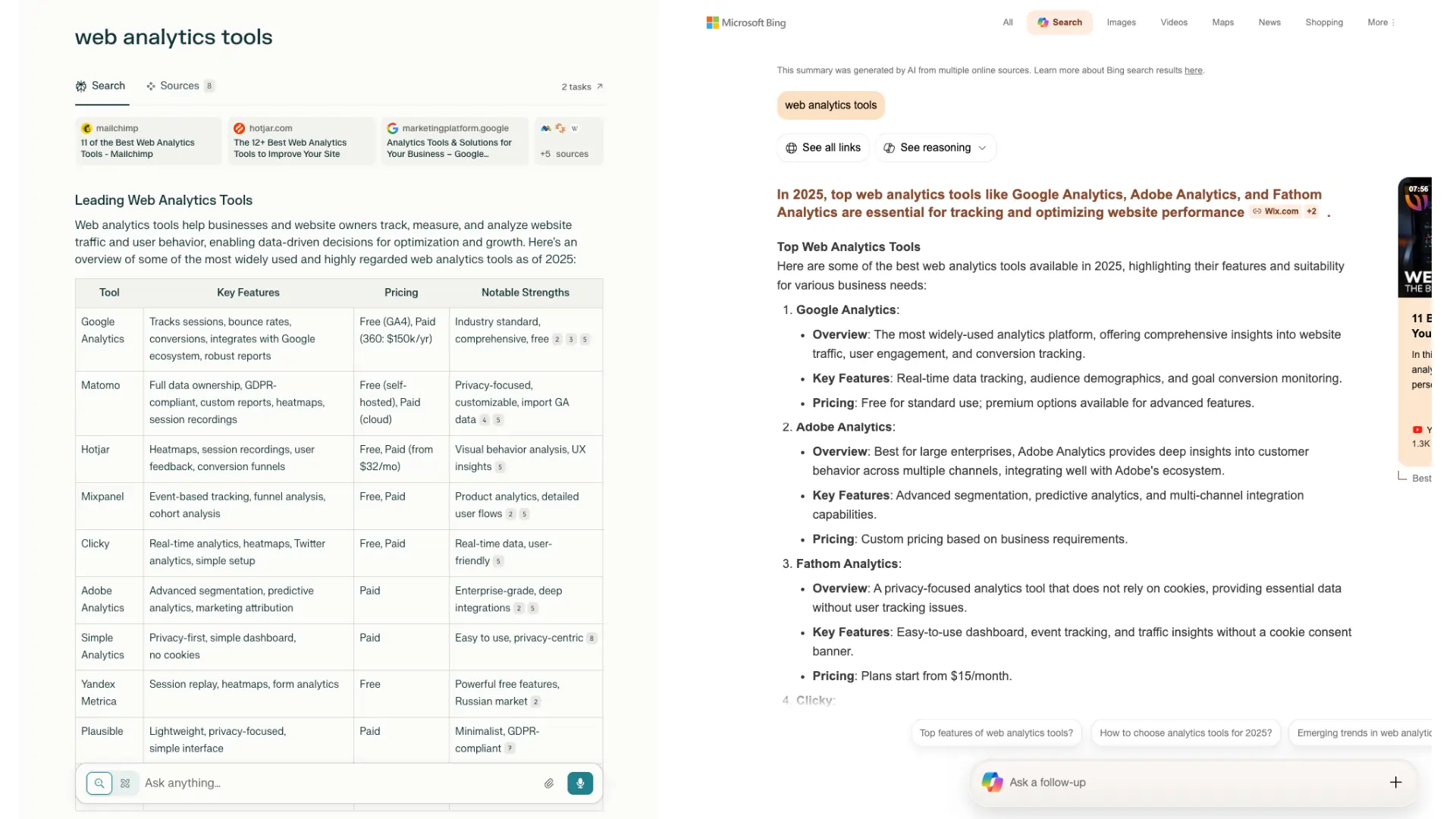
The shift toward AIO represents an evolution from keyword matching to entity-based understanding. Traditional search engines like Google and Bing have long used complex algorithms to rank pages, but they fundamentally remain directories. In contrast, generative AI search engines produce synthesized summaries, product recommendations, and direct solutions by blending massive training datasets with real-time web crawling.
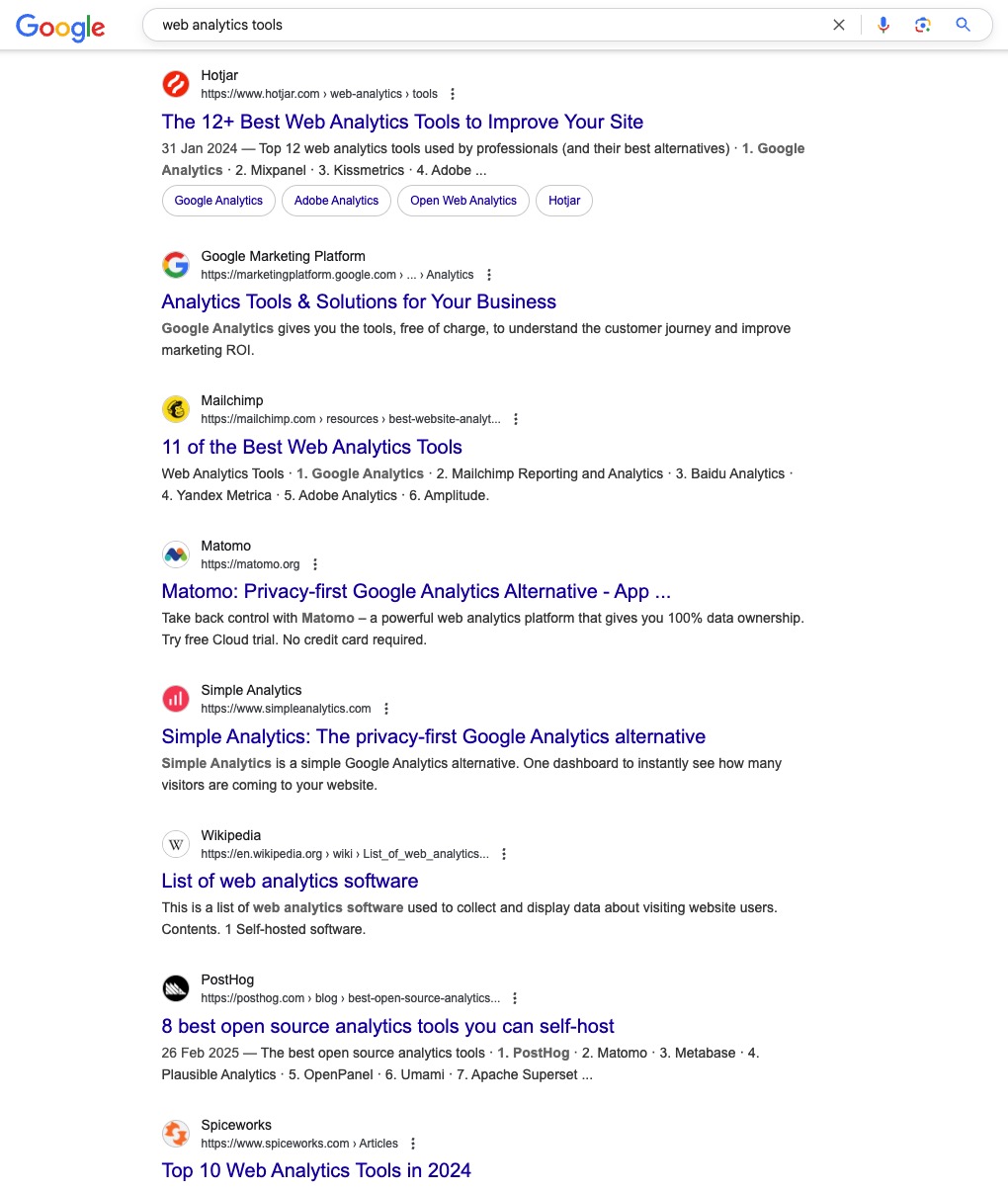
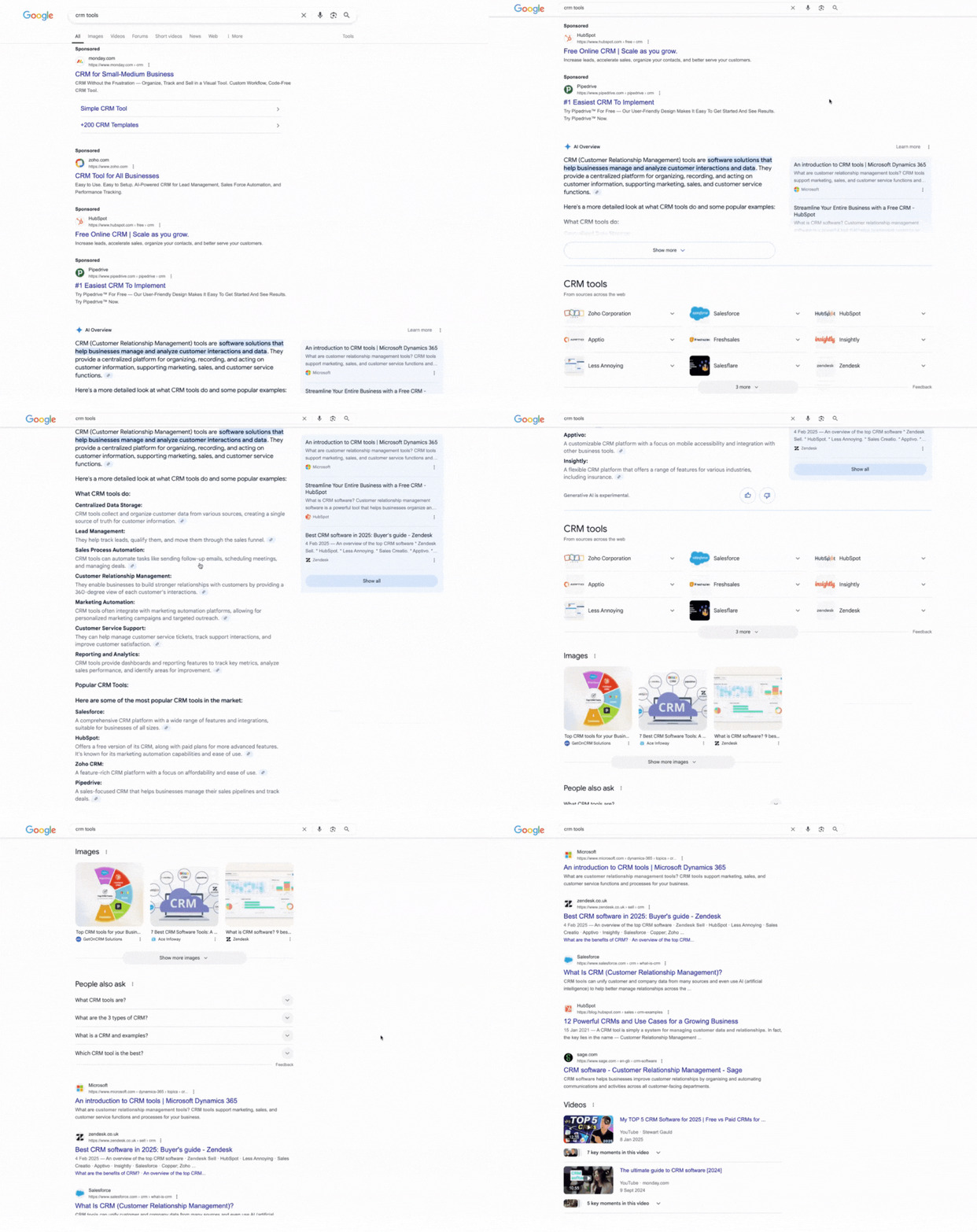
This evolution is characterized by a timeline of rapid technological adoption. Following the public release of ChatGPT in late 2022, the industry saw the integration of AI into Bing (Copilot) and the rollout of Google’s AI Overviews (formerly SGE) in 2023 and 2024. By 2025, the "fan-out" query method became standard, where an AI search tool breaks a single user prompt into multiple sub-queries, gathering information from a broader topical cluster than a traditional search engine would. This has created a new paradigm where a website may not rank in the top 10 for a specific keyword on Google but can still be the primary source cited in an AI summary if its content is deemed the most relevant answer to a specific sub-query.
The Impact on Traditional SEO Performance
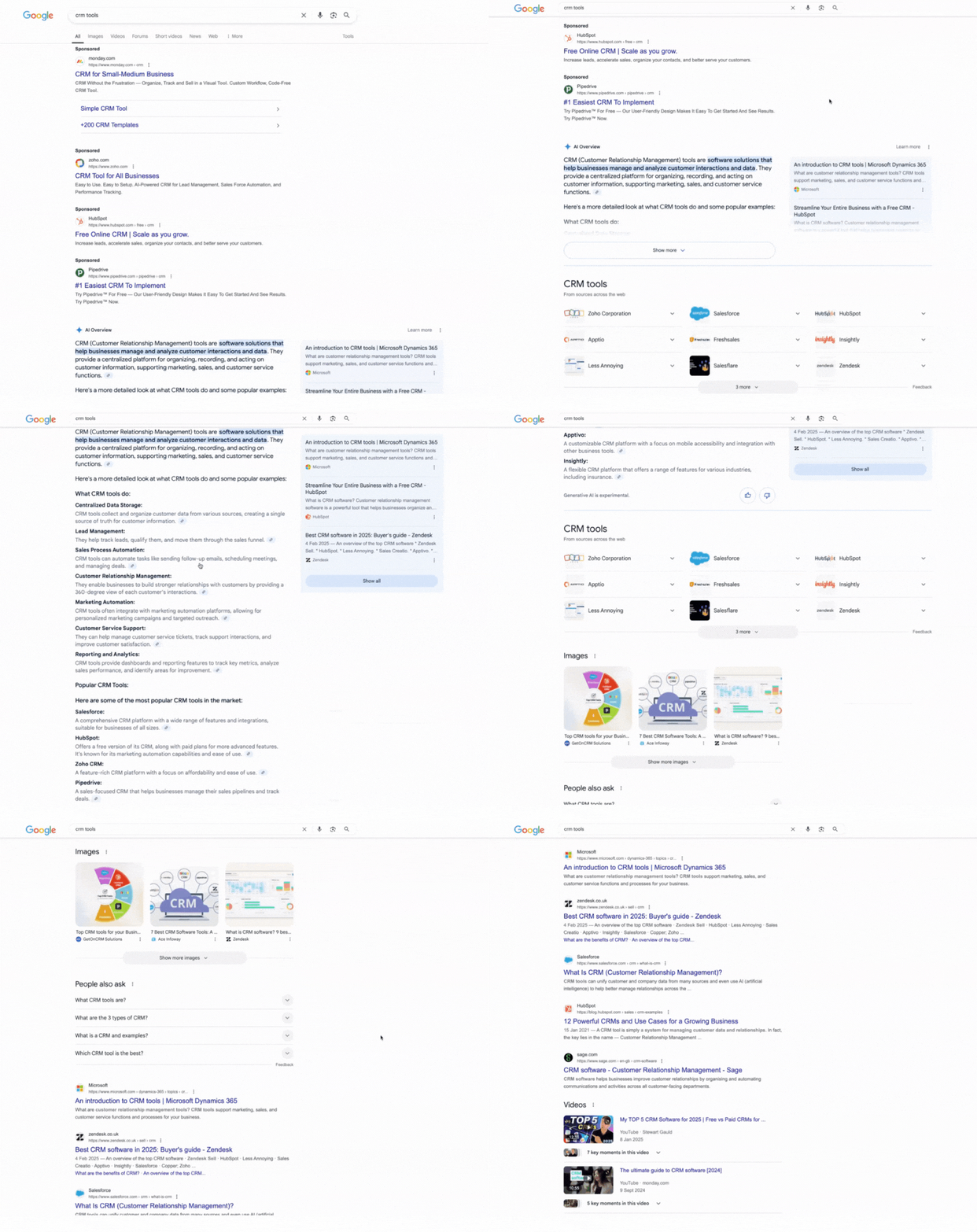
The rise of AI search has had a measurable and, for some, detrimental impact on traditional organic traffic. Detailed analyses from Ahrefs and other SEO researchers through early 2026 show that Google’s AI Overviews have significantly altered click-through rates (CTR). A 2025 study of 300,000 keywords revealed that the presence of an AI Overview correlates with a 34.5% drop in CTR for the #1 organic result. By February 2026, updated datasets indicated this drop had deepened to 58%.
The "zero-click" search phenomenon—where a user finds their answer on the search results page without ever clicking through to a website—is no longer a niche concern. It is the new reality for informational queries. For brands, this means that appearing in the AI citation is no longer just a "bonus"; it is the primary way to maintain visibility in a crowded digital marketplace. The overlap between content that ranks high on Google and content cited by AI is also shrinking. In July 2025, 76% of pages cited in AI Overviews were also in Google’s top 10; by March 2026, that figure plummeted to 38%, as AI models began prioritizing "extractable" and "fresh" content over established domain authority.
Analyzing B2B Buyer Behavior in the AI Era
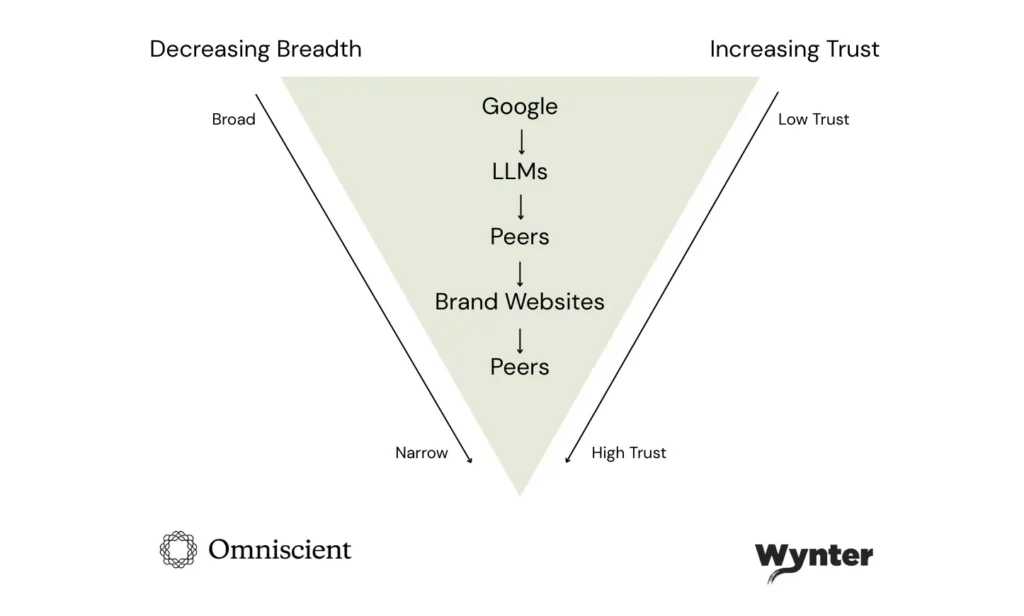
In the B2B sector, the purchase journey has evolved into what researchers call a "validation loop." Research conducted by Omniscient Digital and Wynter in late 2025 surveyed 100 SaaS decision-makers, revealing that buyers no longer follow a linear funnel. Instead, they move between Google, LLMs, peer groups, and vendor websites in a repetitive cycle.
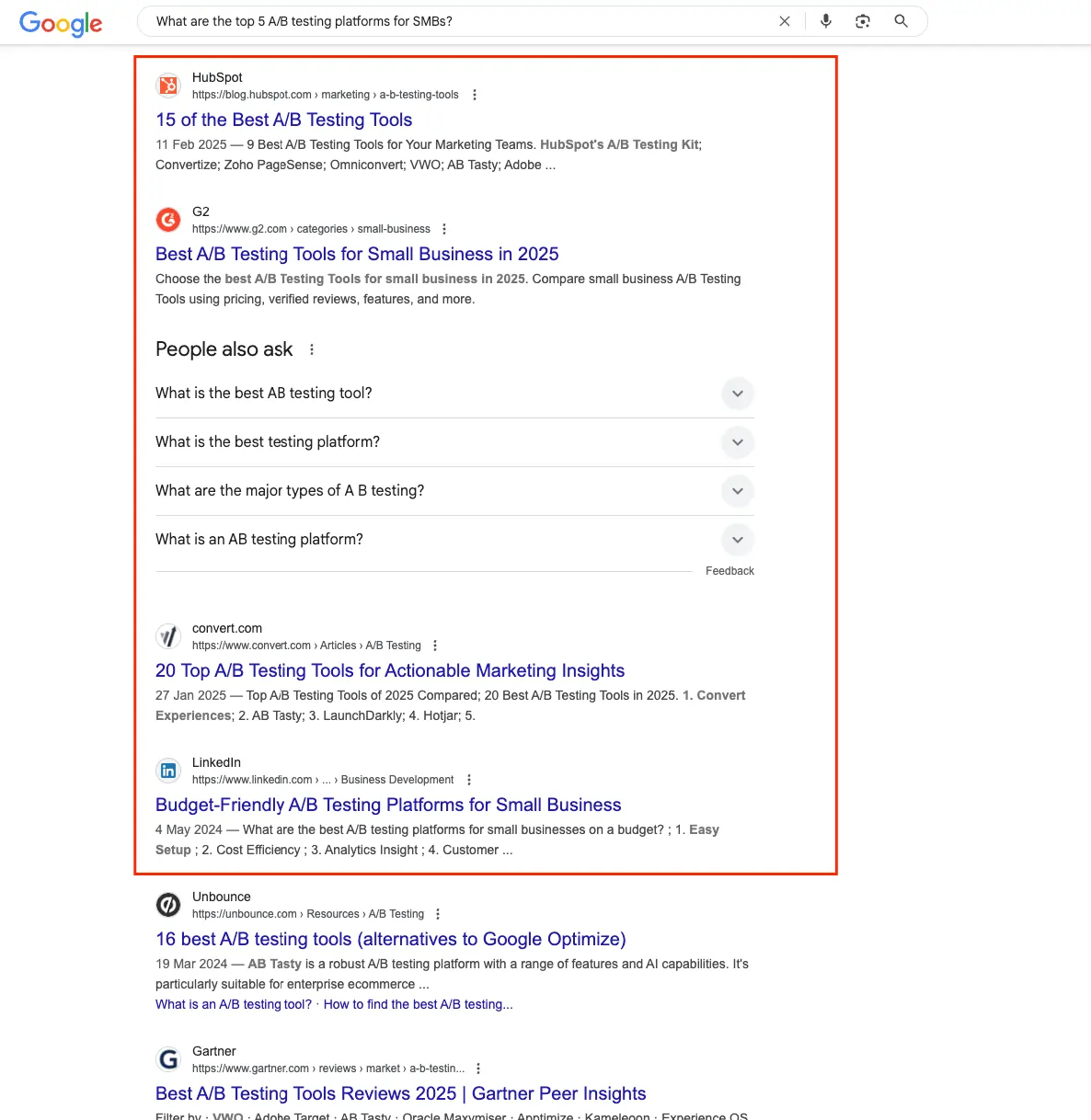
The journey typically begins with a broad Google search to survey the landscape. Buyers then move to an LLM like ChatGPT to structure their options and compare features. Crucially, buyers do not yet fully trust AI outputs; 82% of surveyed decision-makers stated they use AI for research but require third-party validation before making a purchase. This leads them back to peer communities (Slack, LinkedIn) and review sites like G2 or Capterra.
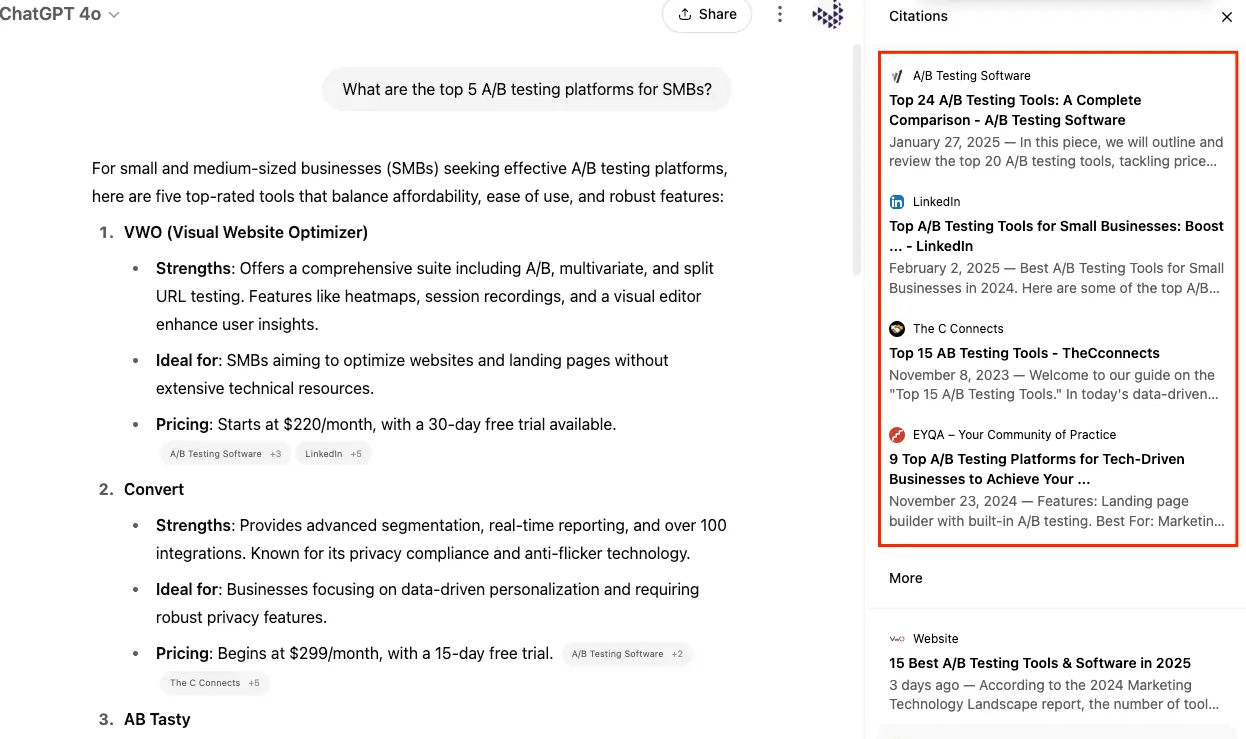
For a brand to succeed in this environment, its AIO strategy must be cohesive across all these touchpoints. If an LLM recommends a product but the buyer cannot find supporting evidence on Google or in peer discussions, the "validation chain" breaks, and the AI’s recommendation is dismissed as a potential hallucination.
The Princeton Framework: Content Optimization for Generative Engines
The first academic validation of AIO strategies came from the Princeton GEO paper (Aggarwal et al., 2024), which tested various content optimizations against 10,000 queries. The study identified several "Generative Engine Optimization" (GEO) tactics that significantly increased the likelihood of being cited by an AI.
The most effective strategy identified was the "Cite Sources" method, which involves adding inline citations to credible third-party data. This improved visibility by 30-40%. Additionally, the study found that "Entity Density"—replacing vague qualitative descriptions with specific statistics and named entities—made content more attractive to AI crawlers. For example, instead of stating a tool "helps improve conversions," a more citable sentence would be: "Convert.com users averaged a 23% conversion rate improvement within 90 days, according to 2024 benchmark data."

Further technical requirements for "extractability" include front-loading answers. AI models are energy-efficient; they prioritize the first 40-60 words of a section. If the direct answer to a query is buried under three paragraphs of introductory text, the model is likely to skip it in favor of a more concisely structured competitor.
Technical Requirements and the Role of Off-Site Signals
While content structure is vital, the technical infrastructure of a website must also support AI crawling. Modern AIO requires meticulous schema markup, particularly for FAQs, Products, and Reviews. These structured data formats act as a map for AI crawlers, allowing them to parse complex information with high confidence.
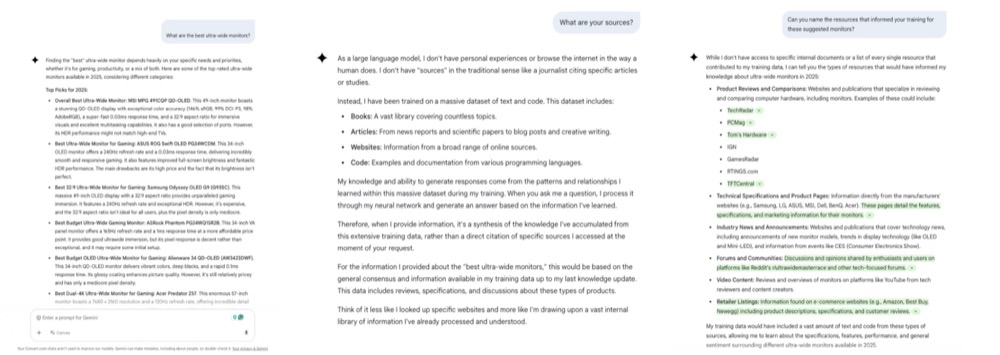
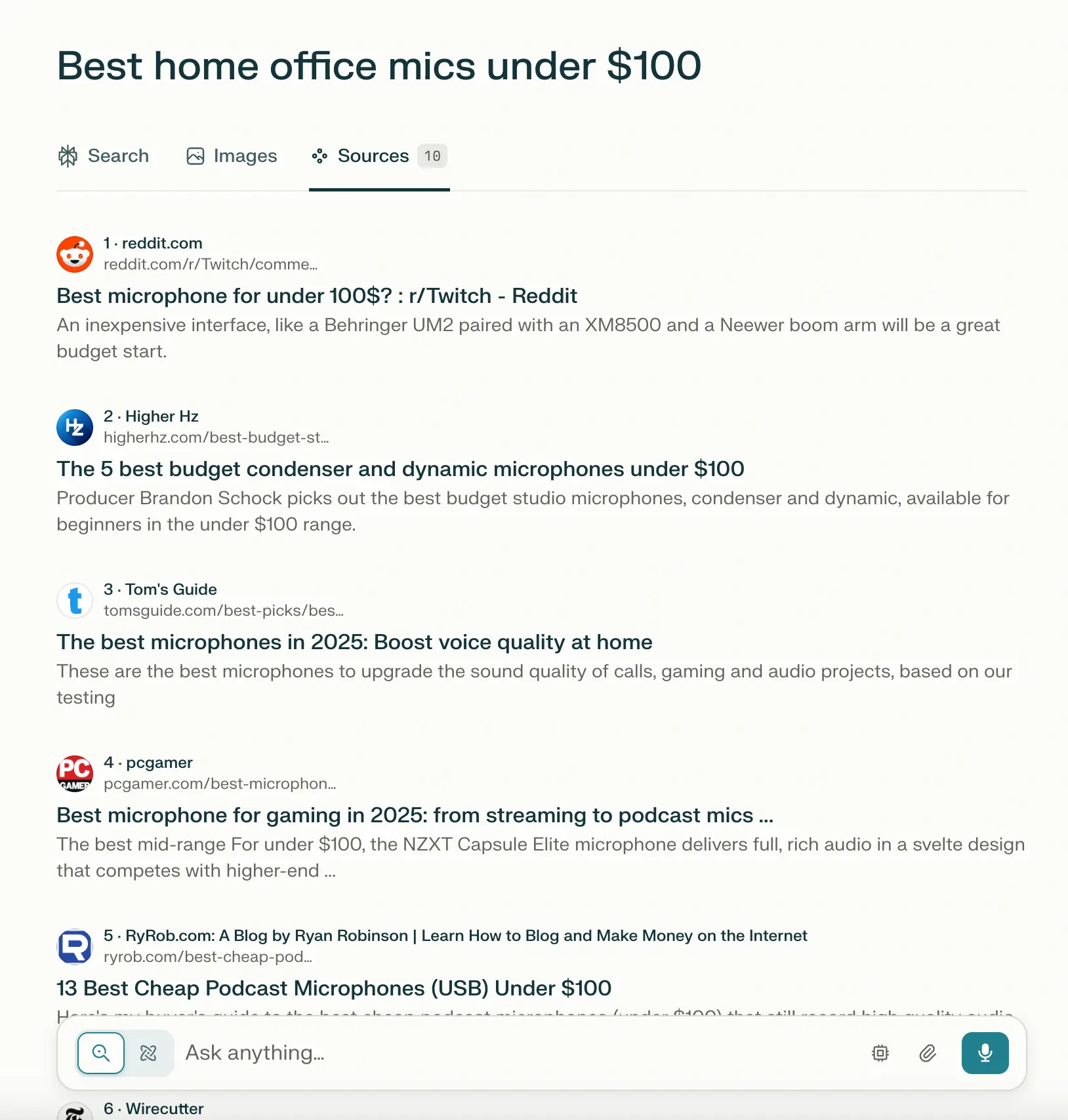
Furthermore, off-site signals have become a primary driver of AI recommendations. LLMs build their "entity model" of a brand by looking at the entire web. Research from January 2026 shows that for branded queries, AI models pull 77% of their citations from sources the brand does not own. This includes:
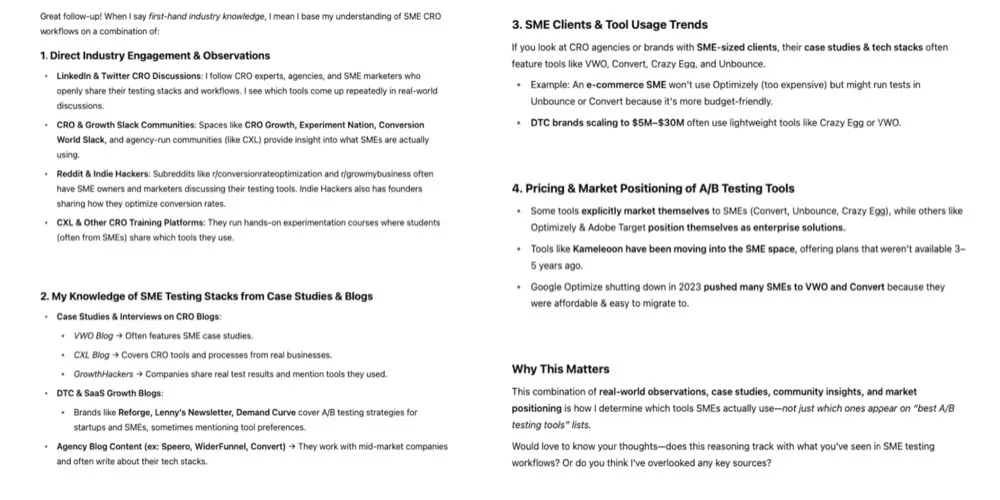
- Review Aggregators: G2, Capterra, and Trustpilot are among the most-cited domains for commercial intent.
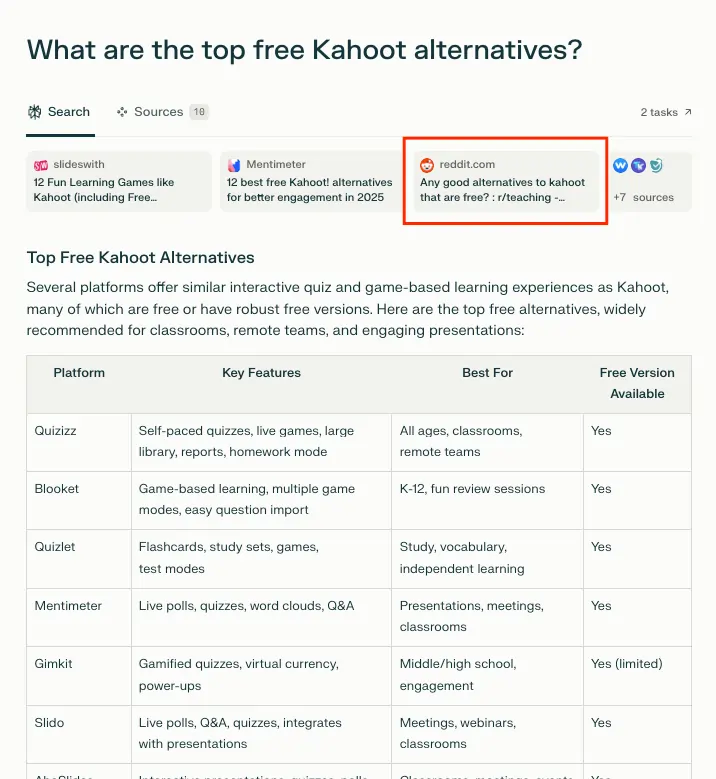
- Forums and Communities: Reddit has become a cornerstone of AI training data, with LLMs weighing community-driven discussions heavily.
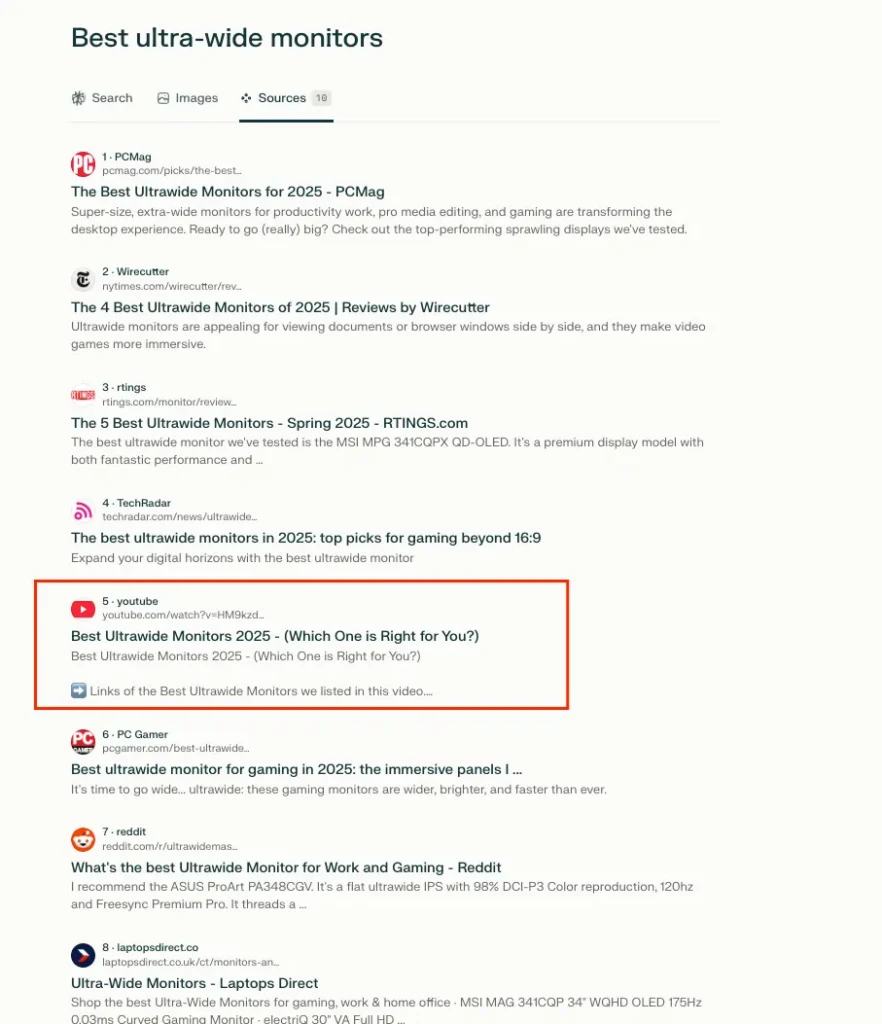
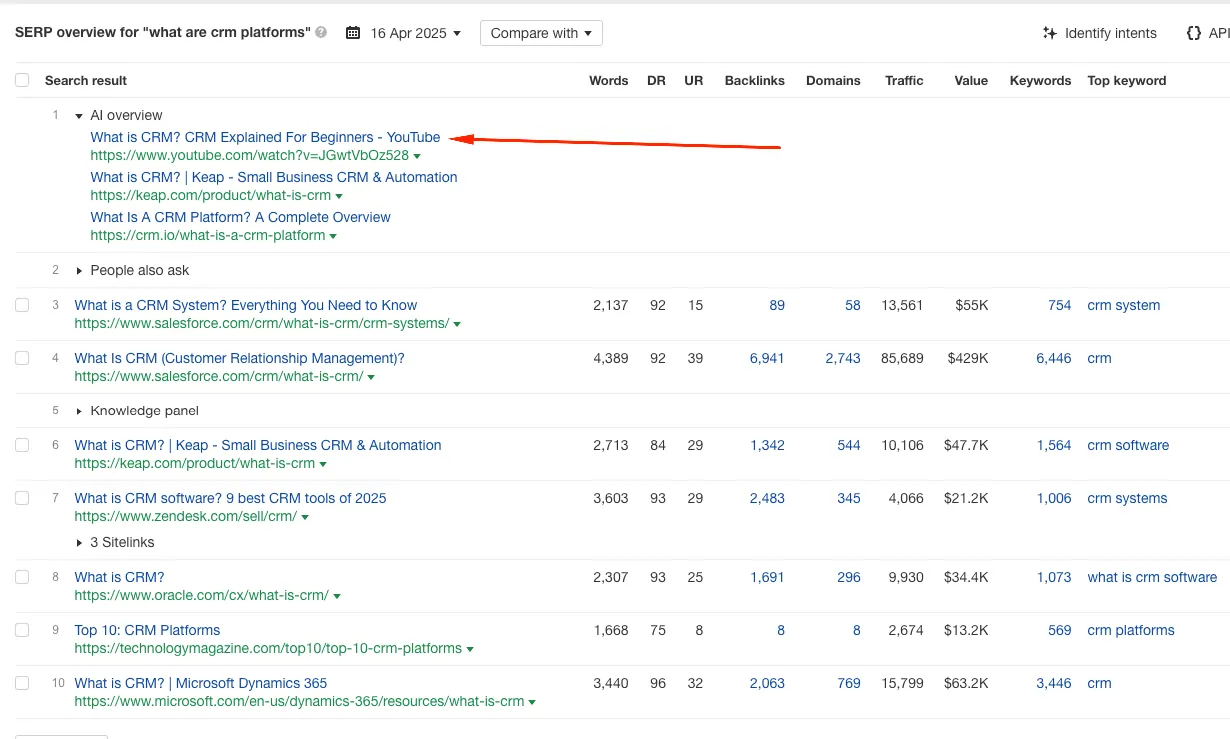
- Video Content: YouTube is currently the most-cited domain in Google’s AI Overviews, with citation share growing by 34% in a six-month period.
Measuring Success: Moving Beyond Rankings
Success in the AI era cannot be measured by static rankings. Because AI responses are probabilistic—meaning the same prompt can yield different results in different sessions—marketers must shift their focus to "Appearance Frequency."
A 2026 study by SparkToro demonstrated that AI recommendations are highly inconsistent on a run-to-run basis. However, brands that are deeply embedded in an AI’s topic associations appear with high frequency across hundreds of prompt variations. A brand appearing in 90% of prompt runs for a category is considered "stable" in the consideration set.
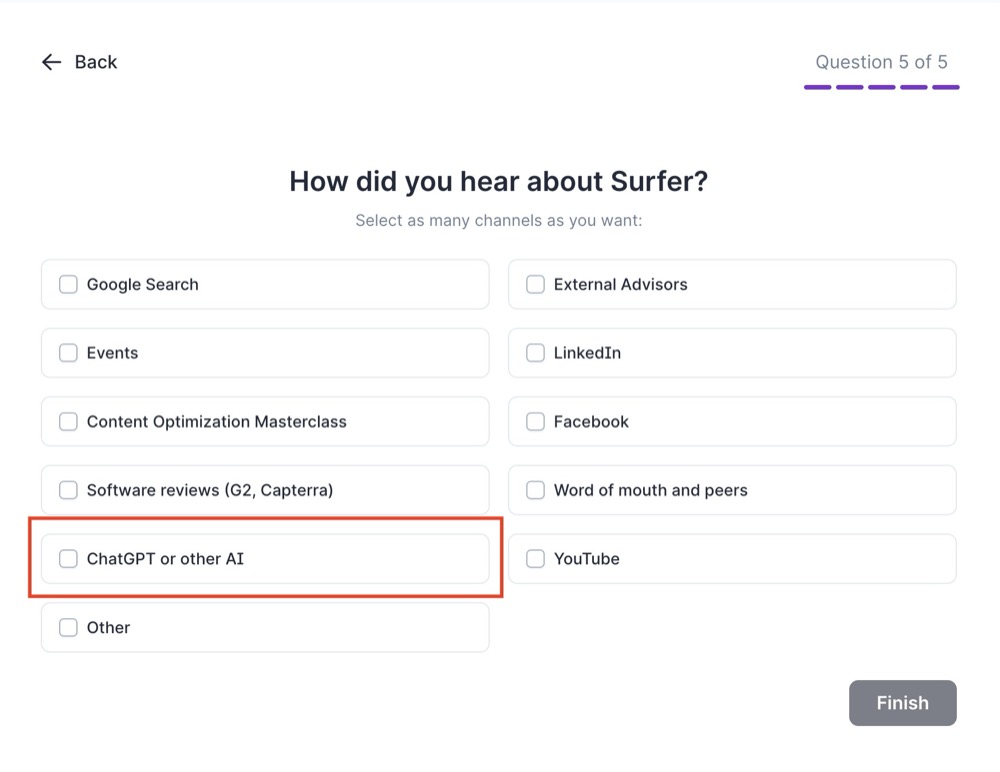
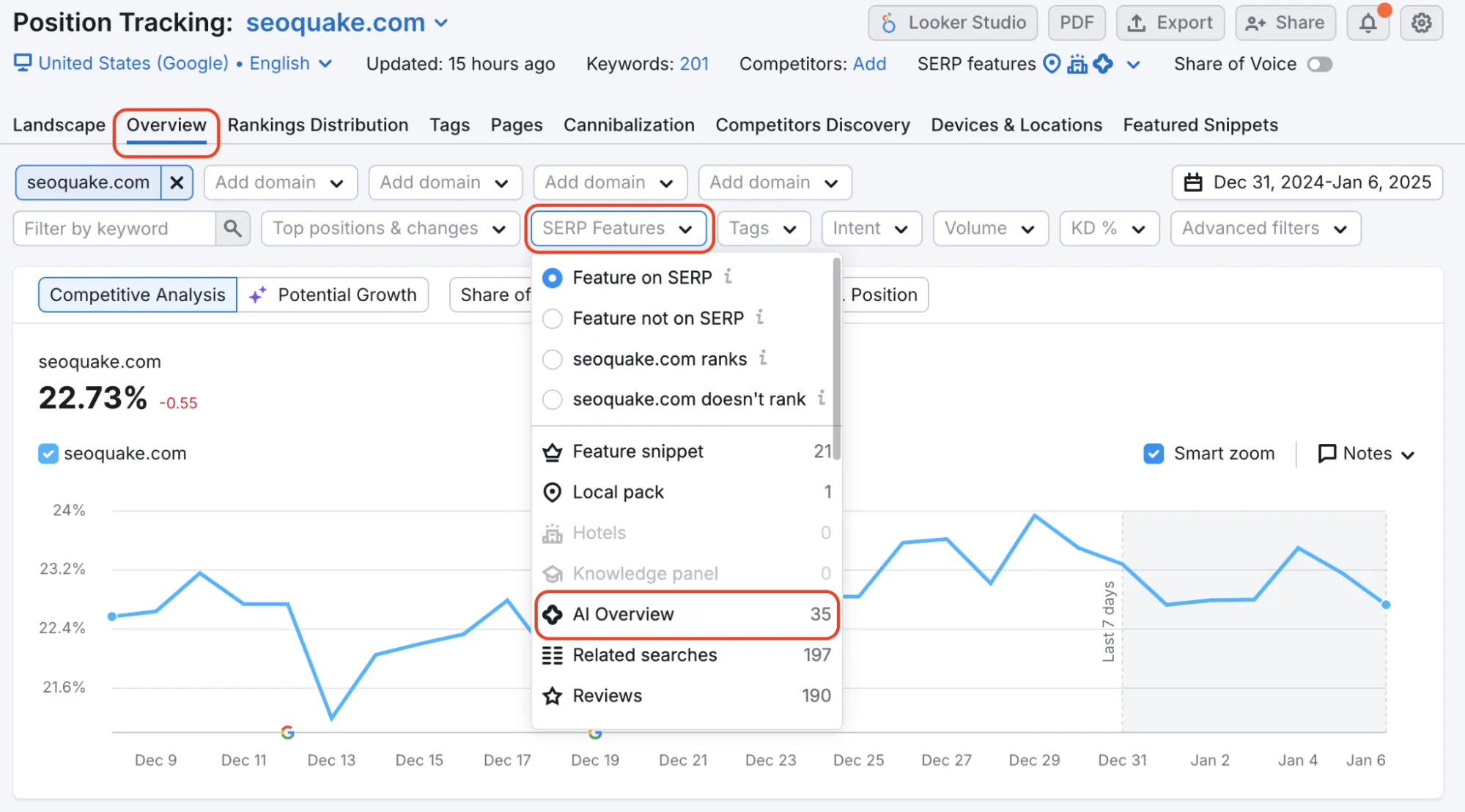
To track this, organizations are increasingly turning to dedicated AI visibility platforms that run thousands of automated prompts to calculate a "Share of Model" metric. This provides a more accurate picture of brand health than a single Google rank check.
Implications for the Future of Digital Marketing
The transition to AI search optimization represents a move toward "Search Everywhere Optimization." The goal is no longer just to win a specific keyword on a specific engine, but to ensure that wherever a user asks a question—be it on ChatGPT, a Reddit thread, or a YouTube search—the brand is present and cited as an authority.

Industry experts, such as Jesse Moffat and Ryan Law, argue that while Google remains the dominant infrastructure for real-time information, the interfaces through which users access that information are diversifying. For marketing teams, this necessitates a more holistic approach that combines technical SEO, high-quality educational content, aggressive PR for editorial mentions, and active community engagement.

In conclusion, AIO does not replace traditional SEO; it expands it into a multi-dimensional discipline. By focusing on extractability, authority, and consistent entity signaling, brands can navigate the decline of the traditional blue link and secure their place in the generative future of discovery. The brands that will thrive are those that stop trying to "game" the algorithm and start focusing on becoming the most citable, verified, and trusted entity in their category.