The digital marketing ecosystem has reached a critical inflection point where the cost of acquiring new traffic often outpaces the immediate return on investment, forcing organizations to shift their focus from top-of-funnel volume to middle-of-funnel efficiency. This paradigm shift has elevated Conversion Rate Optimization (CRO) from a tactical secondary task to a core business strategy. CRO is defined as a systematic, data-driven process of increasing the percentage of website visitors who take a specific, desired action—whether that is purchasing a product, signing up for a newsletter, or requesting a service demonstration. As of August 2025, industry data suggests that while the average global conversion rate hovers around 6.6%, the disparity between industry leaders and laggards continues to widen, driven largely by the implementation of sophisticated, multi-layered optimization frameworks.
The Evolution of Conversion Rate Optimization
Historically, CRO was often reduced to "A/B testing," a process frequently characterized by arbitrary changes to cosmetic elements such as button colors or headline fonts. However, the modern approach to optimization is rooted in behavioral psychology and rigorous data science. The objective is no longer to guess what might work, but to develop a roadmap for improving how a website performs based on a deep understanding of user barriers and motivators.
The strategic importance of CRO is underscored by the "leaky bucket" theory of digital marketing. Companies that spend extensively on Paid Search (PPC) and Social Media advertising without an optimized landing page experience are essentially pouring resources into a container with holes. By improving a conversion rate by even a single percentage point, a business can significantly lower its Customer Acquisition Cost (CAC) and increase its Return on Ad Spend (ROAS) without increasing its original marketing budget. This compounding effect makes CRO one of the most cost-effective levers for revenue growth in the current economic climate.
A Five-Step Framework for Systematic Optimization
A professional-grade CRO strategy requires a structured methodology that moves beyond intuition. Experts identify five primary stages for a successful implementation:
1. Establishing Quantifiable Conversion Goals
The foundation of any optimization effort is the definition of success. These are categorized into macro-conversions and micro-conversions. Macro-conversions represent primary business objectives, such as completed sales or qualified lead submissions. Micro-conversions are smaller steps that indicate intent, such as downloading a whitepaper, viewing a pricing page, or spending a specific amount of time on a product video. By mapping these goals to the specific stages of the customer journey, marketers can identify exactly where the "friction" occurs in the sales funnel.
2. Rigorous User Research and Data Auditing
Before testing begins, a comprehensive audit of existing user behavior is required. This involves a tripartite approach:

- Quantitative Analysis: Utilizing platforms like Google Analytics 4 to identify high-traffic pages with disproportionately high bounce rates. Funnel reports are scrutinized to locate the exact point where the majority of users abandon the process.
- Visual Interaction Mapping: Tools such as heatmaps, scroll maps, and click maps provide a visual representation of user engagement. These tools reveal if users are clicking on non-linked elements or failing to see critical "Call to Action" (CTA) buttons because they are placed too far down the page.
- Qualitative Feedback: This involves "Voice of Customer" (VoC) data gathered through on-site surveys, exit-intent polls, and customer support transcripts. This data provides the "why" behind the "what," explaining the emotional or logical hurdles that prevent a conversion.
3. Strategic Prioritization of High-Impact Assets
Not all pages offer the same potential for ROI. A successful strategy prioritizes pages where intent is highest. Checkout and pricing pages are often the first candidates for optimization because visitors on these pages have already demonstrated a high degree of interest. For B2B and SaaS organizations, core service pages and lead-generation landing pages are the primary "battlegrounds." Common friction points on these pages include overly complex forms, a lack of visible trust signals (such as security badges or client testimonials), and vague value propositions that fail to address the user’s specific pain points.
4. Scientific Testing and Hypothesis Validation
Modern CRO utilizes the ICE (Impact, Confidence, Ease) or PIE (Potential, Importance, Ease) frameworks to rank testing ideas. This ensures that resources are allocated to experiments that are likely to yield the highest results with the least amount of technical effort.
The A/B testing process must adhere to strict statistical standards to be valid. Tests must reach a level of statistical significance—typically 95%—to ensure that the observed results are not due to random chance. Furthermore, testers are cautioned against "peeking" at results too early, as small sample sizes can lead to false positives. The move toward "Smart Traffic" and AI-driven testing has also allowed for real-time optimization, where machine learning algorithms automatically direct visitors to the page variant most likely to convert based on their specific demographic or behavioral profile.
5. Cultivating a Culture of Continuous Experimentation
The most significant pitfall in CRO is treating it as a one-time project. High-performing organizations integrate experimentation into their weekly or monthly marketing cadence. This involves maintaining a centralized "knowledge base" of all past tests, including those that failed. In the world of CRO, a "failed" test is considered a success if it provides a clear insight into what does not resonate with the target audience, thereby preventing future strategic errors.
Industry Benchmarks and Sector-Specific Data
While the universal average conversion rate is cited at 6.6%, these figures vary significantly by industry and business model:
- E-commerce: Typically sees lower conversion rates on individual product pages (1-3%) but higher engagement on checkout-specific landing pages.
- SaaS (Software as a Service): Often aims for a 3-5% conversion rate for free trials or demo requests.
- Professional Services: Highly specialized landing pages for legal or financial services can see conversion rates as high as 10-15% if the traffic is highly targeted.
Data from the 2025 Conversion Benchmark Report indicates that mobile optimization remains the single largest factor in conversion variance. Pages that load in under two seconds see conversion rates nearly double those of pages that take five seconds or longer to load.
Expert Analysis: The Broader Impact of Optimization
The implications of a robust CRO strategy extend beyond immediate revenue. Marketing analysts suggest that as privacy regulations (such as GDPR and CCPA) and the phase-out of third-party cookies make traditional tracking more difficult, "on-site" optimization becomes the most reliable way to understand and influence consumer behavior.

Furthermore, CRO has a symbiotic relationship with Search Engine Optimization (SEO). While SEO drives the visitor to the site, Google’s evolving algorithms increasingly prioritize "User Experience" (UX) signals. A site that is optimized for conversions—meaning it is fast, intuitive, and provides the information the user is seeking—will naturally perform better in organic search rankings. This creates a "virtuous cycle" where better conversion rates lead to better search visibility, which in turn brings in more high-quality traffic to be optimized.
Official Responses and Future Outlook
Industry leaders at firms like Unbounce and Backstage SEO emphasize that the future of CRO lies in hyper-personalization. Josh Gallant, a prominent organic growth strategist, notes that the most successful companies are those that view their website as a living organism that must adapt to the evolving needs of the user.
"The secret isn’t finding one magic bullet," Gallant suggests. "It’s building a machine that generates insights and improvements month after month."
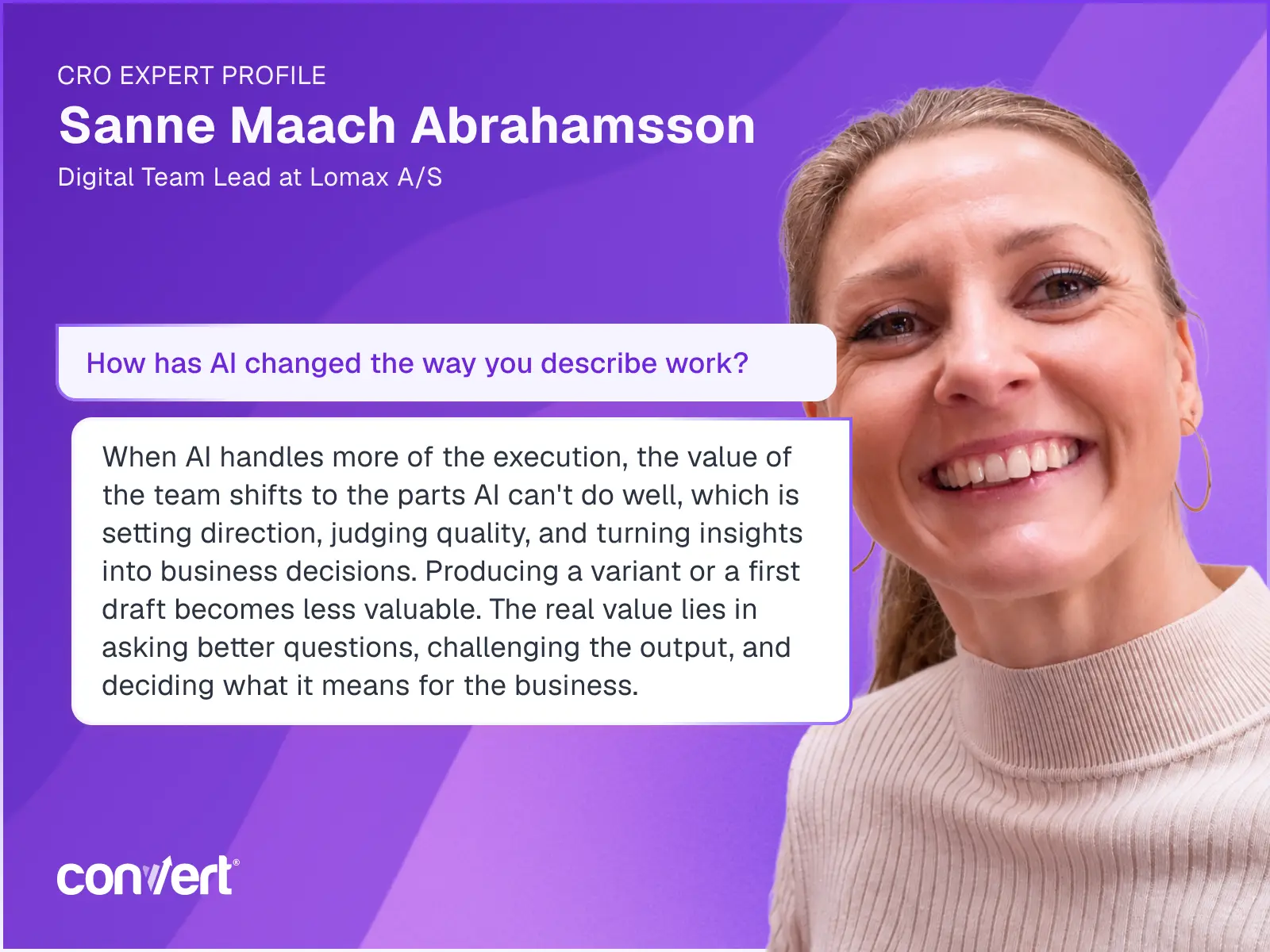
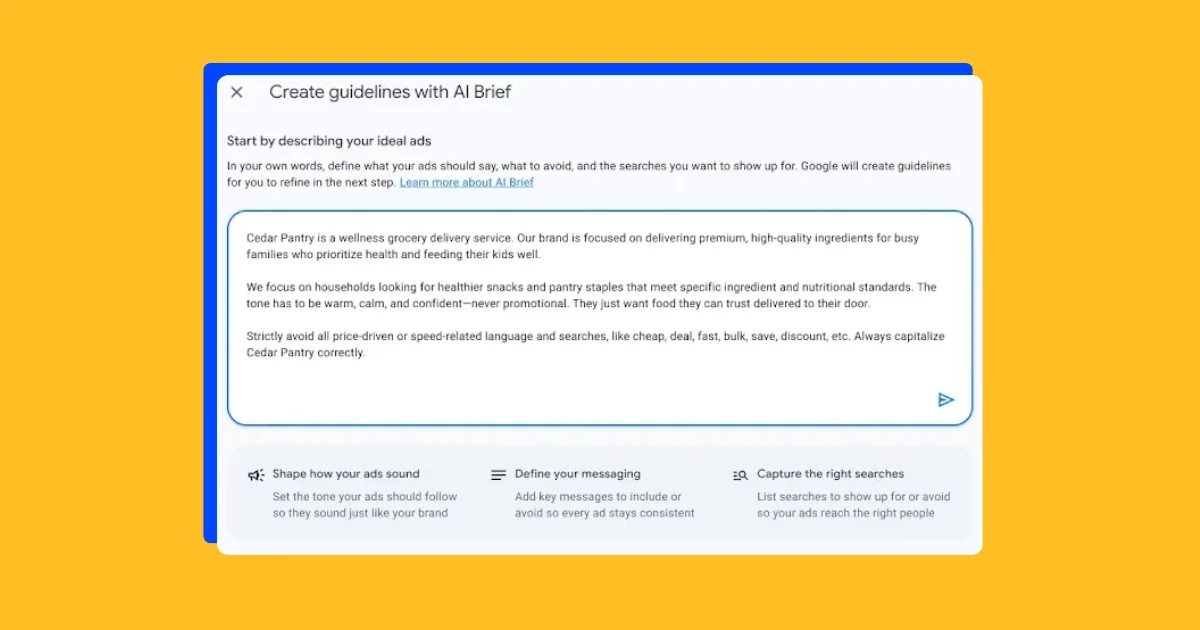
As we move toward 2026, the integration of generative AI into the CRO workflow is expected to accelerate. AI tools are already being used to generate hundreds of headline variations and personalized images for different user segments, allowing for a level of testing granularity that was previously impossible for human teams to manage manually.
In summary, Conversion Rate Optimization is no longer an optional luxury for digital-first businesses; it is a fundamental requirement for survival in a high-CAC environment. By moving from a culture of "guessing" to a culture of "testing," organizations can ensure that every dollar spent on marketing is maximized, turning their existing web traffic into a sustainable engine for long-term growth.