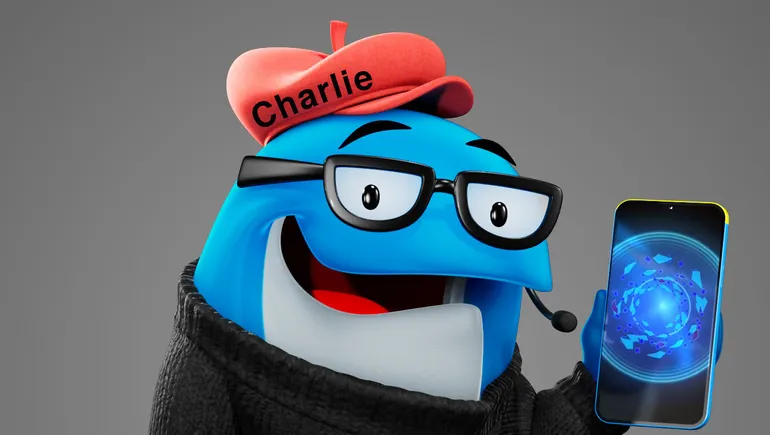
StarKist, a venerable name in the canned tuna industry with over a century of brand recognition, is embarking on a strategic pivot to reassert its relevance in today’s dynamic consumer market. Facing a competitive landscape where protein-rich options are proliferating across all food categories, the company has opted for a unified marketing approach, entrusting its comprehensive brand strategy, creative development, media planning, and digital execution to a single agency, Tombras. This move signifies a deliberate effort to maximize efficiency and agility in its outreach, particularly as it aims to modernize the appeal of its iconic mascot, Charlie the Tuna, for a new generation of consumers.
The decision to consolidate its marketing efforts under one agency marks a departure from StarKist’s initial considerations. Michael Merritt, Vice President and Head of Marketing and Innovation at StarKist, explained the rationale behind this strategic alignment. "At the end of the day, StarKist is a big consumer brand that’s very, very well known, but we’re not… this massive, massive company, right? We have limited resources, and we want to make sure we’re [working] as efficiently as we can," Merritt stated. The company recognized that while its brand equity and the inherent appeal of tuna as a low-calorie, high-protein food source are significant assets, navigating the increasingly crowded protein market demands a more cohesive and impactful marketing strategy.
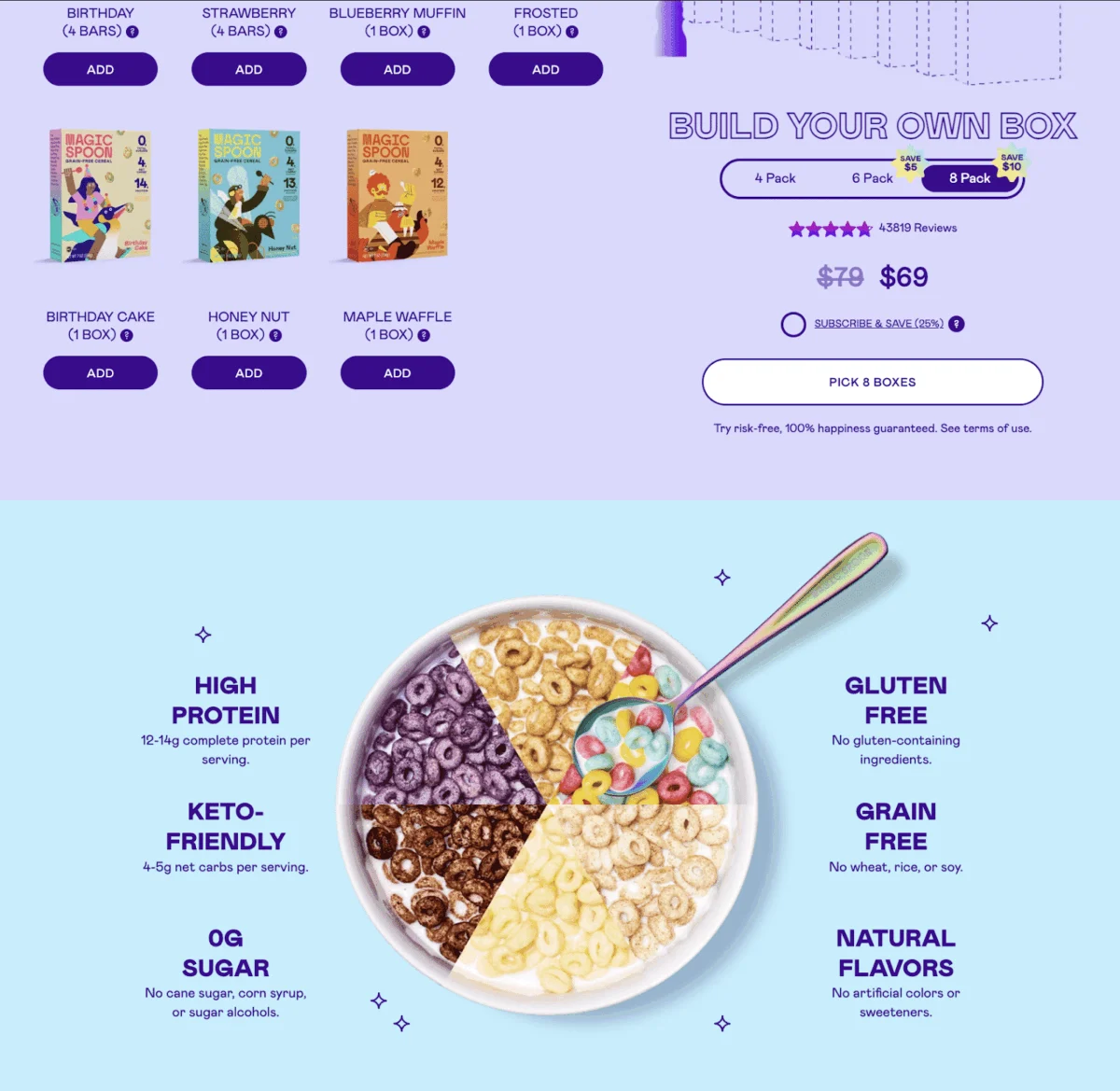
The protein market has become a focal point for food manufacturers, with brands ranging from breakfast cereals to indulgent desserts actively vying for consumer attention. General Mills, for instance, has expanded its protein product lineup with offerings like Cheerios Protein, a clear indication of the broader industry trend. This surge in protein-focused products necessitates a sharp and differentiated approach for established brands like StarKist.
The Strategic Shift: Embracing Integrated Marketing
StarKist’s partnership with Tombras, formally announced in July, is designed to create an integrated campaign for the upcoming fall season. This campaign will position StarKist’s tuna products as a convenient, ready-to-eat protein solution, targeting consumers across connected TV, online video, social media, and other digital channels. A central element of this renewed marketing push will be the prominent reintroduction of Charlie the Tuna, a character described as one of "advertising’s most powerful brand icons."
Merritt elaborated on the importance of this integrated approach: "We’re trying to figure out the most efficient way to target people, and what are the growth opportunities. That means messaging and creative, but it also means, ‘What are the right channels?’… That all really needs to be integrated and go hand-in-hand." This philosophy underpins the move to a single agency model, aiming to ensure seamless execution from concept to delivery.
Tombras: A Proven Track Record with Challenger Brands
Tombras brings to the StarKist partnership a proven ability to revitalize and amplify well-known brands, particularly those operating as challengers in their respective markets. The agency has a history of successfully integrating brands like Sweethearts, MoonPie, and Steak-Umms into the cultural zeitgeist. For Steak-Umms, Tombras orchestrated a memorable campaign involving deepfake technology and a playful engagement with both vegans and meat-eaters, demonstrating a capacity to generate significant earned media and cultural relevance.
Dooley Tombras, President of Tombras, views StarKist’s decision to consolidate as a natural evolution in brand marketing. "It’s a trend we’re seeing more and more with clients," Tombras commented. "The pendulum is swinging back for a lot of these mid-cap national brands, where they intuitively see the benefits of integration." This sentiment highlights a growing recognition among brands of the efficiencies and effectiveness gained by streamlining agency relationships.
Enabling Agility and Cultural Resonance
A key advantage of the integrated agency model, as exemplified by Tombras, is the enhanced agility it provides. The agency has demonstrated its capacity to capitalize on timely cultural moments. For instance, Tombras leveraged the public’s fascination with "unexplained aerial phenomena" (UAPs) by creating a campaign for MoonPie that humorously pitched the brand to potential alien visitors. This initiative reportedly generated over a billion earned media impressions, showcasing how strategic and swift engagement with trending topics can significantly boost brand visibility and sales.
"That generated over a billion earned media impressions for MoonPie," Tombras stated. "That’s helped MoonPie punch above its weight and use earned and shared media to [capitalize on] culture to grow their sales." Such rapid-response marketing requires operational efficiencies that are best achieved when creative and media functions are tightly aligned under a single roof. The ability to make split-second decisions and execute them across multiple channels without the delays inherent in coordinating multiple agencies is a critical competitive advantage in today’s fast-paced digital environment.
"The reason that a lot of times brands can’t react to culture is they’re debating what the right thing to do is," Tombras explained. "When you’ve got the creative and the social together, and you are the brand agency, you know what the brand strategy is. You’re in lockstep on that with your client partner, and then when something happens, it’s easier to react." This synchronized approach minimizes internal debate and accelerates the path from idea to execution, a crucial factor in capturing fleeting cultural moments.
Fostering Accountability and Driving Performance
Beyond agility, the integrated agency model fosters a higher degree of accountability. When marketing responsibilities are fragmented across multiple agencies, it can become challenging to pinpoint the source of underperformance. "When you split up the creative and the media, if the results aren’t there, the creative agency can blame the media plan, and the media agency can blame the creative," Dooley Tombras observed. "When you integrate, and the creative and media are working together, there’s nowhere to hide." This unified accountability encourages a more holistic and performance-driven approach to marketing.
Modernizing an Advertising Icon: Charlie the Tuna’s Next Act
The overarching goal for StarKist is to reintroduce its beloved mascot, Charlie the Tuna, to a new demographic of consumers who may not be as familiar with the character’s enduring appeal. While specific details of the modernized Charlie campaign remain under wraps, it is anticipated that the iconic fish will have a significant presence across social media platforms, complementing his role in more traditional advertising.
"We want to make sure we’re utilizing him in the right way," Merritt said. "I think the integrated partnership helps us understand how he’s going to be better used in these channels." The strategy is likely to involve Charlie engaging with current cultural trends, commenting on other brands’ social media activities, and strategically inserting himself into conversations to maximize brand visibility. This approach aims to position StarKist as a lean, natural protein option that is both relevant and accessible to younger consumers.
Tombras emphasized the importance of reaching Gen Z authentically. "It’s much easier to win in an authentic way with Gen Z when they’re discovering the brand through earned and shared media versus seeing it paid," he noted. This suggests a focus on organic reach, influencer collaborations, and content that resonates with the values and communication styles of younger audiences.
The Future of StarKist: A Blend of Heritage and Innovation
The strategic decision to partner with Tombras for an integrated marketing approach signals StarKist’s commitment to innovation while leveraging its rich heritage. The brand possesses a strong foundation: over a century of consumer trust, a recognizable and endearing mascot, and a product that aligns with current health and wellness trends. The challenges lie in effectively communicating these strengths in a fragmented media landscape saturated with competitors.
The consolidation of marketing functions with Tombras is expected to provide StarKist with the agility, creative firepower, and strategic clarity needed to cut through the noise. By modernizing Charlie the Tuna’s persona and ensuring a consistent, impactful message across all touchpoints, StarKist aims to not only maintain its market share but also to expand its consumer base.
Merritt expressed optimism about the future of the brand under this new partnership. "I’m really confident we are going to [succeed] because we have the brand, we have the product and we’re positioned very well," he concluded. "And now, we have the partner that’s going to take us to the next level." This strategic alignment is poised to redefine StarKist’s marketing narrative, ensuring that the brand remains a prominent and appealing choice for protein-conscious consumers for years to come.
The implications of this move extend beyond StarKist. It reflects a broader industry trend where mid-cap brands are seeking more streamlined and efficient marketing solutions to compete with larger, more resource-rich corporations. The success of StarKist’s integrated strategy with Tombras could serve as a model for other established brands looking to adapt and thrive in the evolving marketing ecosystem. The careful modernization of Charlie the Tuna, combined with a data-driven, integrated media approach, positions StarKist for a dynamic resurgence.