The Out of Home Advertising Association of America (OAAA) has announced a significant update to its OpenOOH venue taxonomy, a move poised to revolutionize how digital out-of-home (OOH) inventory is classified and traded programmatically. The enhanced taxonomy, unveiled on Tuesday, February 10th, 2026, aims to address long-standing challenges in the OOH industry by providing greater specificity and transparency, thereby unlocking new avenues for programmatic buying and fostering a more integrated approach to omnichannel advertising.
Bridging the Gap: From Broad Categories to Granular Precision
For years, the digital OOH landscape has relied on broad, venue-type classifications to categorize its inventory. While this approach served as a foundational element, it increasingly proved insufficient in meeting the sophisticated demands of programmatic buyers. Terms like "retail" or "transit" lacked the granular detail necessary for advertisers seeking precise audience targeting and seamless integration into their broader digital strategies, particularly alongside the burgeoning retail media networks and connected TV (CTV) campaigns.
This imprecision not only hindered the adoption of programmatic OOH but also created a transparency deficit. When publishers and Supply-Side Platforms (SSPs) grouped media of varying quality under generic umbrellas, it fostered uncertainty among programmatic buyers, prompting hesitation and a reluctance to fully embrace the channel. The OAAA’s updated OpenOOH taxonomy, a successor to the original version launched in 2020, directly confronts these issues by introducing a more detailed and structured classification system.
The OAAA’s commitment to refining this standard is underscored by the integration of its OpenOOH Taxonomy Working Group, which was instrumental in developing the latest specification, into the permanent OAAA Taxonomy Committee. This strategic alignment ensures ongoing development, maintenance, and evolution of the taxonomy, solidifying its role as a cornerstone of programmatic OOH trading.
The Programmatic Imperative: Enhancing Omnichannel Integration
The drive towards a more programmatic-friendly OOH ecosystem is rooted in the evolving needs of advertisers. Premesh Purayil, CTO at OOH publisher OUTFRONT Media, articulated this necessity, stating that programmatic advertisers require a more streamlined method to incorporate OOH inventory as a natural extension of their omnichannel campaigns. This is particularly critical in the context of retail media and CTV, two rapidly expanding sectors where precise audience segmentation and contextual relevance are paramount.
Anna Bager, President and CEO of the OAAA, highlighted the strategic advantage this modernization offers. By aligning OOH media classification more closely with programmatic buying practices, OOH publishers are positioned to capitalize on the significant surge in programmatic CTV and retail media spend observed in recent years. This convergence is not merely opportunistic; it represents a fundamental shift in how advertisers allocate their budgets and seek to engage consumers across diverse touchpoints.
A Resilient Market Embracing Digital Transformation
The OOH industry has demonstrated remarkable resilience, emerging from the challenges posed by the COVID-19 pandemic with sustained growth. The sector has recorded an impressive 18 consecutive quarters of ad revenue expansion, a testament to its enduring appeal and adaptability. In the third quarter of 2025, OOH advertising revenue reached $2.13 billion, marking a 4.5% year-over-year improvement and setting a new record for the third quarter.
Despite this robust performance, OOH has historically operated as a predominantly direct-sold channel. Open-auction programmatic trading, while growing, still represents a fraction of the overall OOH ad spend. A significant contributing factor to this disparity has been the lack of a granular and standardized taxonomy, which has prevented programmatic advertisers from accessing the precision they have come to expect from other digital channels. The new OpenOOH taxonomy directly addresses this bottleneck, aiming to unlock greater programmatic potential.
The "Parent/Children/Grandchildren" Schema: A New Era of Specificity
The core innovation of the updated OpenOOH taxonomy lies in its introduction of a hierarchical "parent/children/grandchildren" schema. This structure empowers media owners to classify their inventory with unprecedented detail within OpenRTB bid requests. Instead of broadly categorizing a digital screen in an airport as simply "transit," the new taxonomy allows for precise tagging such as "transit/airports/baggage claim." This level of specificity enables advertisers to make highly informed decisions, targeting exact locations and contexts within venues.
Historically, the OpenRTB specification did include a venueTypeString field, a free-text field that media owners and SSPs could use to manually provide more granular venue details. However, as Purayil noted, the inconsistency and ambiguity inherent in free-text fields made them challenging for programmatic systems to parse accurately. The manual nature of these entries also led to a lack of standardization across different platforms.
Recognizing these limitations, the new taxonomy deprecates the venueTypeString field, effectively eliminating the guesswork and ensuring a uniform approach to data interpretation. This move is crucial for building trust and efficiency in programmatic trading. While AdExchanger reached out to the IAB Tech Lab for comment on their plans for integrating the new OAAA taxonomy and deprecating legacy fields, no response was received by press time.
Democratizing Access and Empowering Advertisers
The implications of this enhanced taxonomy are far-reaching, promising to democratize access to OOH inventory and empower advertisers with greater control and flexibility.
Precision Targeting for Omnichannel Strategies
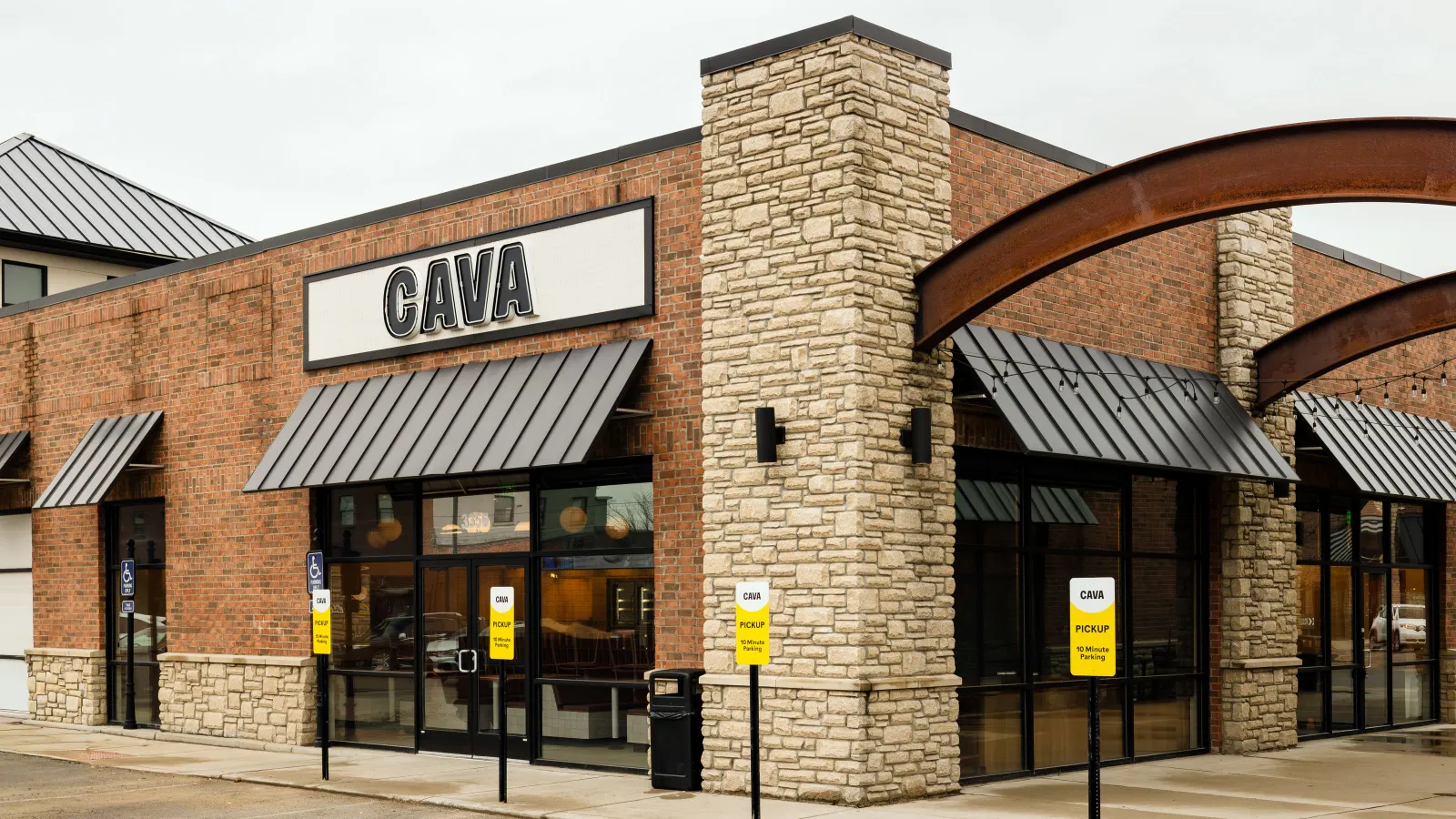
With more granular categories, advertisers can more effectively zero in on the OOH inventory that aligns with their specific audience extension goals within omnichannel campaigns. For instance, consumer packaged goods (CPG) brands can now target specific types of retail environments where their products are actually sold, moving beyond the generic "retail" classification. This precision allows for more relevant ad placements and a higher likelihood of reaching the intended consumer.
Granular Control Within Venues
The taxonomy also grants advertisers finer control over ad placement within venues. A potato chip brand might opt for street-facing displays in the windows of local bodegas to capture impulse purchases, while a pharmaceutical brand could prioritize screens located near pharmacy counters in drug stores for a more targeted health-conscious audience. This ability to differentiate placements within a broader venue type opens up new strategic possibilities.
Navigating the "Sorta CTV" Landscape
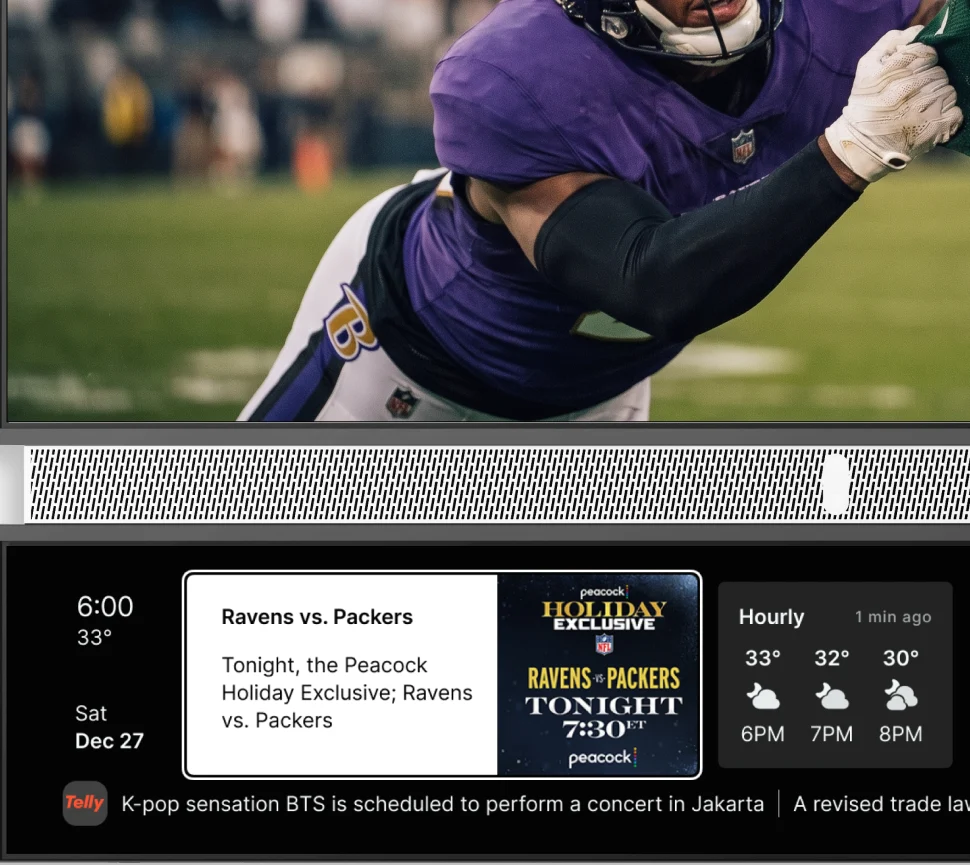
The enhanced taxonomy also helps advertisers avoid or deliberately target specific types of OOH placements that share characteristics with CTV. Purayil refers to these as "sorta CTV" placements, such as televisions mounted in bars. For a brand whose creative relies heavily on sound, these environments might be undesirable. Conversely, a brand targeting sports fans with ad creative where audio is less critical might deliberately seek out "sorta CTV" inventory to broaden their reach and engage a specific audience segment.
By allowing for such distinctions, the taxonomy addresses concerns from both buy- and sell-sides regarding the potential for disparate OOH inventory to be lumped together. Advertisers gain access to more relevant media, and publishers can more effectively demonstrate the unique value of their inventory, mitigating the risk of mismatched placements negatively impacting campaign performance.
Leveling the Playing Field for Niche Publishers
Beyond advertiser benefits, the new taxonomy is expected to foster greater competition by making it easier for smaller, niche OOH publishers to compete. Large OOH platforms like OUTFRONT Media often benefit from established relationships with specialist agencies and direct sales teams who understand their inventory organization. Smaller publishers, lacking these established advantages, can leverage the new taxonomy to make their inventory more accessible and activatable programmatically.
This can lead to a more streamlined process for advertisers looking to execute OOH buys across a diverse mix of large and small publishers. It offers a more straightforward path for programmatic curation within omnichannel buying flows, potentially shifting revenue away from private marketplace deals and towards the open marketplace where feasible.
Purayil anticipates a significant impact on revenue streams: "The revenue is already flowing in heavily through the private marketplace side," he stated. "But this could potentially move some of that revenue into the open marketplace, if it makes sense." This shift would signify a maturation of the programmatic OOH market, offering greater efficiency and broader participation.
The Road Ahead: Collaboration and Standardization
The success of the OpenOOH taxonomy hinges on widespread adoption and continued collaboration with industry bodies like the IAB Tech Lab. As the digital advertising ecosystem continues to evolve, the OAAA’s proactive approach to refining its standards demonstrates a commitment to ensuring that OOH remains a dynamic and integral part of the modern advertising mix. The enhanced taxonomy is not just a technical update; it represents a strategic imperative to unlock the full programmatic potential of OOH advertising, driving greater transparency, efficiency, and effectiveness for advertisers and publishers alike.