
In an increasingly fragmented digital marketplace, the adoption of holistic marketing has transitioned from a theoretical preference to a commercial necessity for enterprises seeking to scale their affiliate programs and broader business operations. This strategic framework, which mandates the alignment of all organizational departments—from sales and marketing to customer service and operations—aims to deliver a singular, unified brand message across every consumer touchpoint. By moving away from siloed departmental strategies, businesses are now prioritizing a synchronized approach to improve brand perception, optimize the buyer journey, and secure long-term, sustainable growth.
Unlike traditional marketing models where various channels are managed as independent silos, holistic marketing operates on the premise that the whole is greater than the sum of its parts. This approach recognizes that every interaction, whether a social media advertisement, a customer service call, or an affiliate-referred landing page, contributes to the consumer’s ultimate perception of the brand. In the current economic climate, consistency is the primary driver of consumer trust; a holistic strategy ensures that this consistency is maintained across all platforms, thereby fostering deeper relationships and exceeding modern consumer expectations.
The Evolution of Marketing Philosophy: A Brief Chronology
The transition toward holistic marketing represents the latest stage in a decades-long evolution of commercial strategy. To understand its current significance, it is essential to view the progression of marketing methodologies through a chronological lens:
- The Production and Product Eras (Pre-1950s): Marketing was primarily focused on manufacturing efficiency and product features. The "build it and they will come" mentality dominated.
- The Sales Era (1950s–1970s): Increased competition led to a focus on aggressive selling and promotion, often at the expense of long-term customer satisfaction.
- The Relationship Marketing Era (1990s–2000s): Organizations began to realize the value of customer retention over mere acquisition, leading to the rise of CRM (Customer Relationship Management) systems.
- The Holistic Era (2010s–Present): With the explosion of digital touchpoints and social media, the focus shifted to total organizational alignment. Marketing is no longer a department but a company-wide philosophy encompassing internal, integrated, relationship, and societal dimensions.
The Four Dimensions of a Holistic Framework
Industry analysts identify four core dimensions that constitute a truly holistic marketing strategy. Each dimension serves as a pillar for organizational stability and brand resonance.
1. Internal Marketing
Internal marketing treats employees as "internal customers." This dimension posits that a company cannot successfully sell a vision to the public if its own staff does not believe in or understand that vision. When human resources, web developers, and affiliate managers are aligned with the brand’s core values, their performance naturally improves. Employees who feel empowered and informed become instinctive brand ambassadors, ensuring that the company’s mission is reflected in every line of code and every customer interaction.
2. Relationship Marketing
This dimension extends beyond the immediate transaction to focus on the Lifetime Value (LTV) of a customer. In the context of affiliate marketing, relationship marketing also encompasses business partners, suppliers, and influencers. By treating affiliates as long-term partners rather than mere traffic sources, companies can build a loyal network of advocates who are more likely to defend the brand during market volatility.
3. Integrated Marketing
Integrated marketing is the practice of ensuring that all communication channels—SEO, PPC, social media, PR, and affiliate content—speak with a single voice. This requires a centralized creative direction where logos, fonts, color palettes, and, most importantly, brand promises remain identical across the web. Discrepancies in messaging, such as one channel promoting a product as "luxury" while another labels it "budget-friendly," can lead to consumer cognitive dissonance and a rapid loss of trust.

4. Societal Marketing
Modern consumers, particularly Millennials and Gen Z, increasingly favor brands that demonstrate social responsibility. Societal marketing involves ethical practices, community support, and environmental stewardship. When a company sponsors a local charity or adopts sustainable sourcing, these actions should be integrated into the marketing narrative. Such initiatives not only build brand equity but also provide affiliates with compelling, values-based content to share with their audiences.
Supporting Data and Market Insights
Recent industry data underscores the efficacy of unified marketing strategies. According to a study by Lucidpress, consistent brand presentation across all platforms has been shown to increase revenue by an average of 23%. Furthermore, research from Salesforce indicates that 75% of consumers expect a consistent experience wherever they engage with a brand, including through third-party affiliates.
In the affiliate sector specifically, brands that provide comprehensive "partner kits"—including updated brand guidelines, high-quality creatives, and clear value propositions—see a significantly higher retention rate among top-tier publishers. Data suggests that affiliates are 40% more likely to promote a brand that offers a seamless, professional interface and clear communication, as it reduces the risk of high bounce rates from their referred traffic.
Strategic Implementation: A Newsroom Perspective
For an organization to transition to a holistic model, executive leadership must oversee a structured implementation process. Analysts suggest the following roadmap for building a cohesive strategy:
Defining SMART Objectives
Goals must be Specific, Measurable, Attainable, Relevant, and Time-bound. Whether the objective is to increase the conversion rate of an affiliate program by 15% or to improve brand sentiment on social media, clarity at the top level is required to align the various departments.
Customer-Centric Research
A holistic approach requires a deep dive into audience demographics and psychographics. By sharing these insights with affiliates, brands enable their partners to send more qualified traffic. When affiliates understand the "why" behind a product, their promotional efforts become more authentic and effective.
Data-Driven Optimization
The modern marketing landscape relies on sophisticated analytics. Holistic marketing demands that data from customer service (such as common complaints) be fed back into the marketing team to refine messaging. Similarly, affiliate performance data should inform product development, creating a feedback loop that optimizes every aspect of the business.
Case Study: The Apple Model of Holistic Excellence
Apple Inc. serves as the premier global example of holistic marketing implementation. The company’s success is not merely the result of high-quality hardware but of a meticulously coordinated brand ecosystem.
- Internal Alignment: Apple’s "Careers" initiatives emphasize a culture of inclusion and innovation, ensuring that every retail employee and software engineer is an advocate for the brand’s "Think Different" ethos.
- Integrated Messaging: Whether a consumer visits an Apple Store in Tokyo or watches a keynote in California, the aesthetic and tone remain identical.
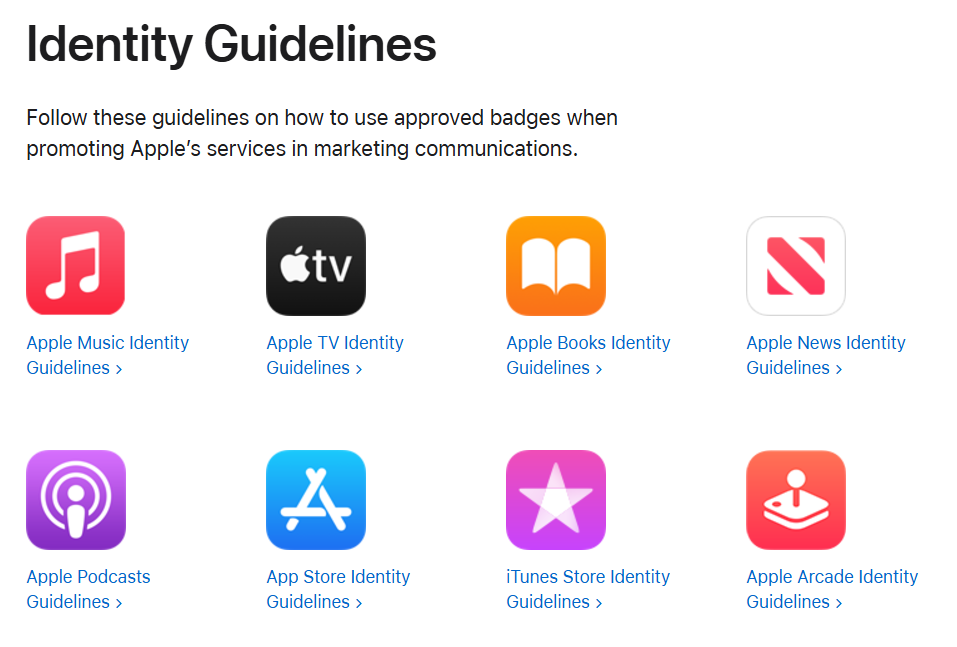
- Affiliate Integration: The Apple Services Performance Partners Program provides strict guidelines and high-quality assets, ensuring that even third-party promoters adhere to Apple’s high standards of presentation and privacy.
- Societal Commitment: Apple’s public commitment to becoming carbon neutral by 2030 is integrated into its product marketing, making environmental responsibility a core part of its value proposition.
Broader Impact and Future Implications
The future of holistic marketing is intrinsically linked to technological advancement. Artificial Intelligence (AI) and Machine Learning (ML) are set to play a pivotal role in maintaining brand consistency at scale. AI-driven tools can now monitor thousands of affiliate sites in real-time to ensure that brand mentions and logos are up to date, protecting brand integrity automatically.
Furthermore, as the "cookieless future" approaches, the reliance on first-party data and deep-rooted relationships will intensify. Companies that have invested in relationship marketing will be better positioned to navigate the loss of third-party tracking, as they will have direct lines of communication with their customers and partners.
Sustainability and Environmental, Social, and Governance (ESG) factors will also become more prominent. Marketing strategies that fail to account for the societal impact of their operations will likely face scrutiny from both consumers and regulatory bodies. In this context, holistic marketing acts as a safeguard, ensuring that a company’s ethical stance is not just a PR tactic but a fundamental part of its operational DNA.
Conclusion: Communication as the Foundation
The transition to a holistic marketing framework is ultimately a challenge of communication and teamwork. It requires breaking down the traditional barriers between departments and fostering a culture where the "bigger picture" is prioritized over individual KPIs.
In the words of industry analysts, a company without a holistic strategy is like a patient visiting multiple doctors who do not communicate with each other; while each treatment might be valid in isolation, the lack of coordination can lead to disastrous results for the patient’s overall health. In contrast, a coordinated, holistic approach ensures that every department and every campaign functions as a vital, interconnected piece of a larger puzzle.
As global competition intensifies and consumer attention spans shorten, the ability to present a unified, trustworthy, and value-driven brand image is no longer optional. Holistic marketing represents the path to not only surviving the complexities of the modern marketplace but also thriving within them. For businesses managing complex affiliate ecosystems, this alignment is the key to turning a fragmented network of promoters into a powerful, synchronized engine for growth.