The digital marketing and search engine landscape continues its rapid evolution, marked by Google’s aggressive integration of artificial intelligence, persistent challenges in maintaining content quality, and a brewing competitive storm as tech giants like Meta potentially eye the search market. The past week saw significant developments ranging from Google’s experimental AI buttons on its homepage and crucial updates for webmasters, to ongoing tensions between Google and advertising agencies, and revelations about Meta’s web crawling activities. These shifts underscore a pivotal moment for businesses, SEO professionals, and advertisers navigating an increasingly complex and AI-driven online ecosystem.
Google’s AI Push: From Homepage to Overviews
Google’s strategic move towards pervasive AI integration is becoming increasingly evident, with new tests and features indicating a fundamental shift in how users will interact with search. One of the most notable developments is the testing of new AI buttons directly on the Google homepage. This initiative, observed by various industry watchdogs, suggests Google is exploring more prominent pathways for users to engage with its generative AI capabilities, potentially bypassing traditional keyword search interfaces in favor of conversational queries or direct AI-generated summaries. While specific details on the functionality of these buttons remain under wraps, the mere presence on the homepage signals Google’s intent to position AI as a primary mode of information retrieval, pushing the boundaries beyond its existing Search Generative Experience (SGE) within the search results page. Industry analysts speculate these buttons could lead to dedicated AI chat interfaces, summarization tools, or even personalized content generation directly from the landing page, significantly altering the user journey and potentially reducing direct traffic to websites for certain informational queries.
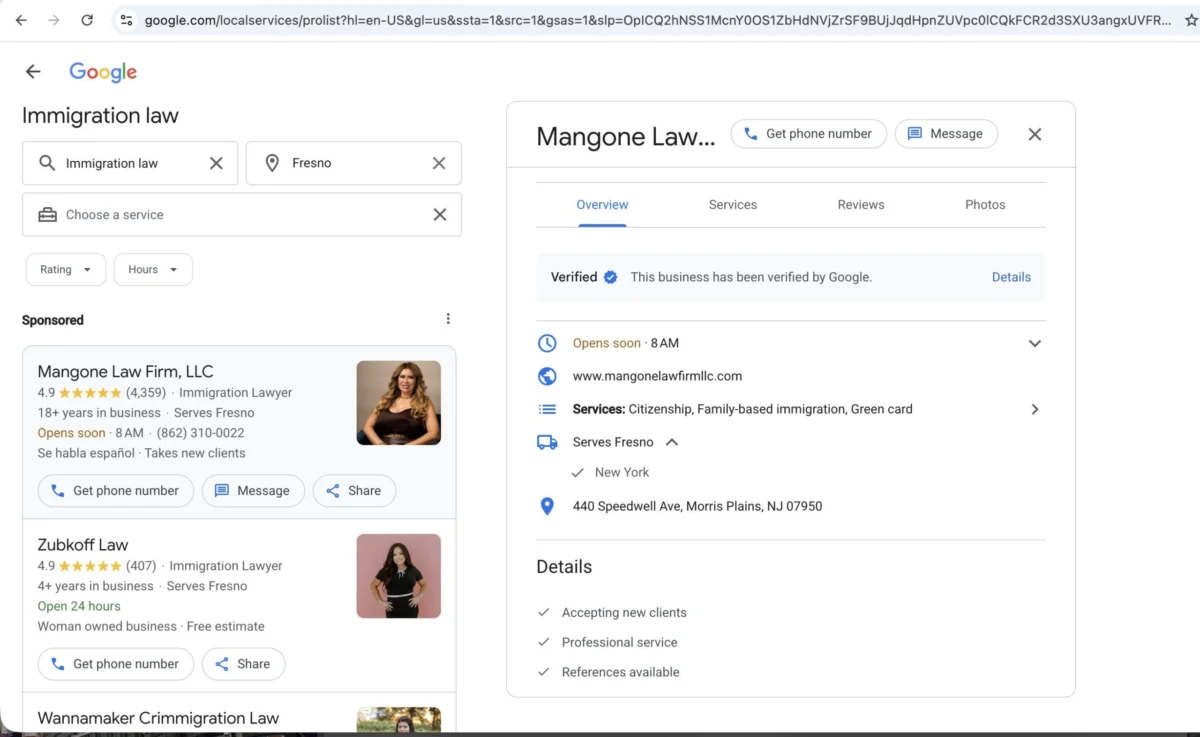
However, this aggressive AI integration is not without its challenges, particularly concerning content quality. Google’s AI Overviews, designed to provide concise, AI-generated answers at the top of search results, have come under scrutiny for what many in the SEO community are terming "AI slop," especially within local search results. Instances have been reported where AI Overviews for local queries produce inaccurate, irrelevant, or even nonsensical information, ranging from incorrect business hours and contact details to fabricated reviews or misleading service descriptions. For local businesses, such inaccuracies can have tangible negative impacts, directing customers to the wrong locations or providing erroneous information that erodes trust. This issue highlights the ongoing struggle for large language models to consistently produce factually accurate and contextually relevant information, particularly in dynamic, real-world scenarios like local commerce. The problem is compounded by Google’s new capability to create AI-generated images within AI Overviews, raising concerns about the potential for visual misinformation and the ethical implications of using synthetic media without clear disclosure. These developments necessitate a heightened focus on data verification and quality control from Google’s side, as user trust in AI-generated content remains a critical factor for its widespread adoption.
In response to the evolving AI landscape, Google Search Console (GSC) has expanded its generative AI reporting tools. This update provides webmasters with more granular data on how their sites are performing within AI-driven search experiences. While Google has not fully detailed the scope of these expanded tools, it is expected to offer insights into impressions, clicks, and queries specifically related to AI Overviews and other generative AI features. This data is crucial for SEO professionals and content creators to understand the impact of AI on their visibility and to adapt their content strategies accordingly. For instance, knowing which queries trigger AI Overviews, and whether a site’s content is being sourced or summarized by the AI, can inform optimization efforts to either directly appear in AI answers or to complement them effectively. This represents a proactive step by Google to empower webmasters in navigating the new AI-centric search environment, offering tools to measure and respond to the seismic shifts occurring in search result presentation.
Core Search Engine Optimisation (SEO) Challenges and Updates
The world of Search Engine Optimization remains dynamic, with practitioners constantly adapting to Google’s evolving algorithms and technical guidelines. This past week was no exception, beginning with another instance of Google search ranking volatility observed around the 12th of the month. Such fluctuations are a recurring feature of the Google ecosystem, often indicative of minor algorithmic adjustments, data refreshes, or targeted tests. While not always tied to major core updates, these periods of volatility can cause significant shifts in organic visibility for websites, impacting traffic and revenue. SEO professionals regularly monitor these movements using various tracking tools, and the consistent nature of these mini-updates underscores the necessity for robust, evergreen SEO strategies that prioritize quality content, technical excellence, and user experience over short-term tactical gains. The implication for businesses is a constant need for vigilance and a readiness to analyze and adapt to shifts in search engine behavior, ensuring their online presence remains resilient against algorithmic flux.
Beyond algorithmic shifts, technical SEO challenges continue to demand attention. A specific concern highlighted this week involves Google occasionally selecting "spammy" or non-preferred canonical URLs in Search Console. Canonicalization is a fundamental SEO practice designed to prevent duplicate content issues by telling search engines which version of a URL is the "master" copy. When Google incorrectly identifies a canonical, especially a low-quality or irrelevant one, it can lead to indexing problems, dilution of link equity, and potential SEO penalties, ultimately harming a site’s visibility. Webmasters are advised to meticulously review their canonical tags and to use GSC’s URL inspection tool to verify how Google is interpreting their pages, ensuring that their preferred URLs are consistently recognized.
Adding to the technical considerations, a significant warning was issued regarding misconfigurations of Cloudflare accounts, which can cause major issues for SEO. Cloudflare, a popular content delivery network (CDN) and security provider, offers numerous benefits for website performance and protection. However, incorrect settings—such as misconfigured redirects, accidental blocking of Googlebot, improper caching rules, or SSL certificate errors—can inadvertently impede search engine crawling and indexing. Such missteps can lead to severe consequences, including pages being de-indexed, search rankings plummeting, and significant loss of organic traffic. The advice for webmasters is clear: exercise extreme caution when configuring Cloudflare settings, understand the SEO implications of each option, and regularly audit configurations to prevent unintended negative impacts on search performance.
The ethical landscape of SEO also saw a peculiar development with reports of some SEOs taking over expired X (formerly Twitter) accounts of former Googlers. This practice, while potentially offering a perceived shortcut to authority or an indirect channel for industry insights, raises significant ethical and security concerns. Impersonation, dissemination of misleading information, and the potential for exploiting past associations are serious risks. Such actions not only violate platform terms of service but also undermine the professionalism and trustworthiness of the SEO industry. The community generally condemns such tactics, emphasizing that legitimate authority and influence are built through transparent, ethical practices and genuine expertise.
Google Business Profile and Local Search Evolution
Local search continues to be a critical component of online visibility, particularly for businesses with physical locations. Google Business Profile (GBP), the cornerstone of local SEO, has seen recent updates aimed at improving data quality and user experience. One such change involves the disallowance of repeated bilingual names and transliterated scripts in business profiles. This move is intended to curb keyword stuffing and ensure that business names are presented accurately and concisely, reflecting legitimate branding rather than an attempt to game the system for multiple language searches. For example, a business operating in a bilingual region can list its name once in each language, but cannot repeat the same name multiple times or use transliterated versions (e.g., "Café" and "Kafey") in a way that appears spammy. Businesses found to be in violation of these new guidelines may face profile suspensions or manual reviews, necessitating a review of existing GBP listings to ensure compliance and maintain local search visibility.
Further enhancing the integrity of local listings and fostering a healthier review ecosystem, Google has introduced a new feature allowing users to report owner responses to reviews. Previously, users could report inappropriate reviews, but abusive or irrelevant responses from business owners often went unchecked. This update empowers consumers to flag responses that are spammy, off-topic, inflammatory, or violate Google’s content policies. This mechanism is crucial for maintaining a fair and trustworthy review system, holding businesses accountable for their interactions with customers online. For businesses, this means an increased emphasis on professional and helpful engagement with customer feedback, as inappropriate responses can now be challenged, potentially impacting their overall reputation and GBP standing. This move aligns with Google’s broader effort to combat misinformation and maintain high-quality user-generated content across its platforms.
The Shifting Landscape of Digital Advertising
The digital advertising realm is equally undergoing significant transformation, with Google at the forefront of these changes, often sparking debate and concern among advertisers and agencies. A long-standing point of contention, the alleged practice of Google "poaching" advertiser accounts from agencies, continues to be a hot topic. Agencies frequently report instances where Google sales representatives directly contact their clients, offering to manage their Google Ads accounts directly, sometimes implying cost savings or offering exclusive insights. While Google maintains that it offers support to all advertisers and encourages direct relationships, agencies view this as an aggressive competitive tactic that undermines their business models and client relationships. This ongoing friction highlights the power dynamics inherent in the digital advertising industry, where Google’s dominance as the primary platform gives it immense leverage. The implications for advertising agencies are substantial, forcing them to continuously demonstrate their value beyond mere account management and to strengthen their client relationships against potential direct overtures from Google.
Google Ads itself is undergoing significant structural changes, signaling a stronger push towards automation and AI-driven optimization. Notably, Google Ads will drop the manual targeting setting in September. This change compels advertisers to increasingly rely on Google’s automated bidding and targeting strategies, leveraging machine learning to optimize campaigns for various goals. While proponents argue this will lead to greater efficiency and performance, many advertisers express concerns about losing granular control over their campaigns and the potential for reduced transparency in how ads are served. This move aligns with Google’s broader strategy of simplifying campaign management and pushing advertisers towards "Smart" campaigns, reflecting a future where AI plays a more central role in ad delivery and optimization.
In an effort to enhance brand visibility and potentially improve ad performance, Google Ads is testing the display of advertiser names and favicons at the top of ads. This visual enhancement aims to provide users with more context about the advertiser, potentially increasing trust and click-through rates. By making the brand more prominent, Google hopes to differentiate ads and provide a more transparent user experience. For advertisers, this means an increased focus on brand identity and recognition within the ad ecosystem, making the favicon and brand name crucial elements in their ad creative strategy.
Further solidifying its AI commitment, both Google Ads and Google Analytics are gaining new AI features. These additions are expected to streamline campaign creation, offer more sophisticated predictive analytics, enhance audience segmentation, and provide deeper insights into customer journeys. For instance, AI could assist in generating ad copy, identifying high-value customer segments, or forecasting campaign performance with greater accuracy. While these features promise increased efficiency and more informed decision-making for marketers, they also necessitate a deeper understanding of AI capabilities and limitations, and a willingness to embrace automated insights.
For e-commerce businesses, Google Merchant Center (GMC) is set to receive performance reporting updates on August 24th. These updates are expected to provide more detailed metrics and improved visualization tools, enabling merchants to better track the performance of their product listings across Google’s various shopping surfaces. Enhanced reporting can help identify top-performing products, optimize product data feeds, and make more strategic decisions about pricing and promotions, ultimately driving better sales outcomes.
Beyond Google, other advertising platforms are also evolving. Microsoft Advertising has introduced new bulk edit and appeal features for disapproved assets. This update significantly streamlines the process for advertisers managing large campaigns, allowing them to efficiently modify multiple ad assets simultaneously and appeal disapprovals more easily. For those utilizing Microsoft Advertising, this means greater operational efficiency and a faster resolution of asset-related issues, making the platform more competitive and user-friendly.
OpenAI’s ChatGPT is also venturing into the advertising space, with tests for AI-generated descriptive headlines for ads. This feature allows the AI to automatically create compelling headlines based on the ad’s content or landing page, potentially speeding up the ad creation process and generating more engaging copy. However, this also raises questions about brand voice consistency and the potential for generic or less nuanced messaging if not carefully overseen by human marketers. Concurrently, a user experience concern has emerged, with ChatGPT reportedly making it harder to find sources within its interface. This reduction in source transparency could impact the verifiability of information provided by the AI, posing challenges for users who wish to cross-reference facts or delve deeper into topics.
Legal Battles and New Entrants: The Future of Search
The competitive and legal landscape surrounding search and data is intensifying. Google has amended its lawsuit against SerpAPI, specifically citing the use of "licensed content." SerpAPI is a service that scrapes Google search results, providing structured data to developers. Google’s amendment suggests a more aggressive stance on data ownership and terms of service, particularly concerning data that Google licenses from third parties or proprietary content it generates. This legal action could set a significant precedent for the legality of web scraping and data aggregation services, potentially impacting numerous tools and businesses that rely on extracting information from search engines. The outcome of this lawsuit could redefine the boundaries of what constitutes fair use of publicly available search data and Google’s control over its search ecosystem.
Perhaps one of the most intriguing developments, with potentially far-reaching implications for the entire tech industry, is the revelation that Meta (Facebook’s parent company) is actively crawling the web. This activity has fueled speculation that Meta might be building its own AI-powered search engine. While Meta has not officially confirmed plans for a full-fledged search engine to rival Google, its extensive investment in AI research, coupled with its vast data infrastructure and ambitious vision for the metaverse, makes such a venture plausible. A Meta search engine could leverage its immense social graph data, personalized user profiles, and AI capabilities to offer a distinct search experience. This would represent a monumental challenge to Google’s decades-long dominance in search, potentially reshaping the competitive landscape and introducing new dynamics in how users discover information, products, and services online. The entry of a tech titan like Meta into the search arena would undoubtedly spark a new era of innovation, competition, and perhaps, renewed scrutiny over data privacy and algorithmic transparency.
In conclusion, the past week’s developments paint a vivid picture of a search and digital marketing world in flux. Google’s relentless pursuit of AI integration, from its homepage to advertising platforms, promises both efficiency and new challenges for quality control and ethical considerations. Webmasters and advertisers must remain agile, adapting to new tools, evolving guidelines, and shifting competitive dynamics. The legal battle over data scraping and the speculative entry of Meta into the search engine space underscore a period of profound transformation, where the very foundations of online information discovery and advertising are being redefined. As AI becomes increasingly central to these processes, the industry will continue to grapple with the balance between innovation, quality, transparency, and fair competition.