In today’s hyper-competitive music landscape, where over 100,000 songs are uploaded to Spotify daily, merely creating compelling music is no longer sufficient for an artist to thrive. The digital era has fragmented music discovery across myriad platforms, from viral social media trends on TikTok and Instagram to curated playlists on streaming services like Spotify and Apple Music. While these avenues offer unprecedented reach, they often leave artists grappling with a critical challenge: ensuring that fleeting discovery translates into lasting engagement and a sustainable career. Listeners may recall a catchy melody or a trending dance, but often the artist behind the music remains anonymous, a nightmare scenario for any creator aiming for long-term recognition. This persistent issue underscores the paramount importance of robust discoverability, extending beyond ephemeral platforms to foundational digital strategies, particularly Search Engine Optimization (SEO).
The evolution of music consumption has been rapid and transformative. From the era of radio and MTV dictating hits, through the rise of digital downloads via iTunes, to the dominance of streaming, each technological shift has reshaped how audiences encounter and consume music. Early internet years saw the emergence of rudimentary fan sites and forums, followed by the disruptive P2P sharing, which, despite its legal controversies, heralded the widespread digital accessibility of music. MySpace briefly served as a nascent social media hub for artists, preceding YouTube’s explosion as a visual and auditory discovery platform. The mid-2010s cemented streaming services as the primary mode of consumption, and more recently, short-form video platforms like TikTok have become powerful, albeit often fleeting, launchpads for new tracks. This chronological progression highlights a consistent theme: audiences are always searching for music, but the methods and platforms for that search are ever-changing. Amidst this dynamic environment, a musician’s ability to be found when people are actively looking becomes a non-negotiable aspect of their career.
SEO, or Search Engine Optimization, is the strategic process of enhancing a musician’s online presence to ensure their content ranks prominently in search engine results. For artists, this means making it easier for potential fans, promoters, venue owners, journalists, and even emerging AI-powered recommendation systems to locate their music and information. When a listener hears a track they enjoy, their natural next step is often to search for the artist’s name, lyrics, tour dates, or similar artists. SEO acts as the digital guide, ensuring that these searches lead directly to accurate and comprehensive information about the musician, preventing them from getting lost in a sea of unrelated results. Crucially, SEO doesn’t aim to replace the immediate reach of streaming platforms or social media; instead, it acts as a vital complement, guiding curiosity sparked on one platform into deeper engagement elsewhere. A strong SEO foundation ensures consistent visibility across the entire fan journey, transforming casual interest into dedicated fandom.
Strategic Pillars: Tailoring SEO for Diverse Musical Goals
The overarching goal of SEO for musicians can be broken down into specific objectives, each requiring a tailored approach. Whether the aim is to expand an audience, secure more live performances, or boost merchandise sales, the common thread is connecting with the right people online.
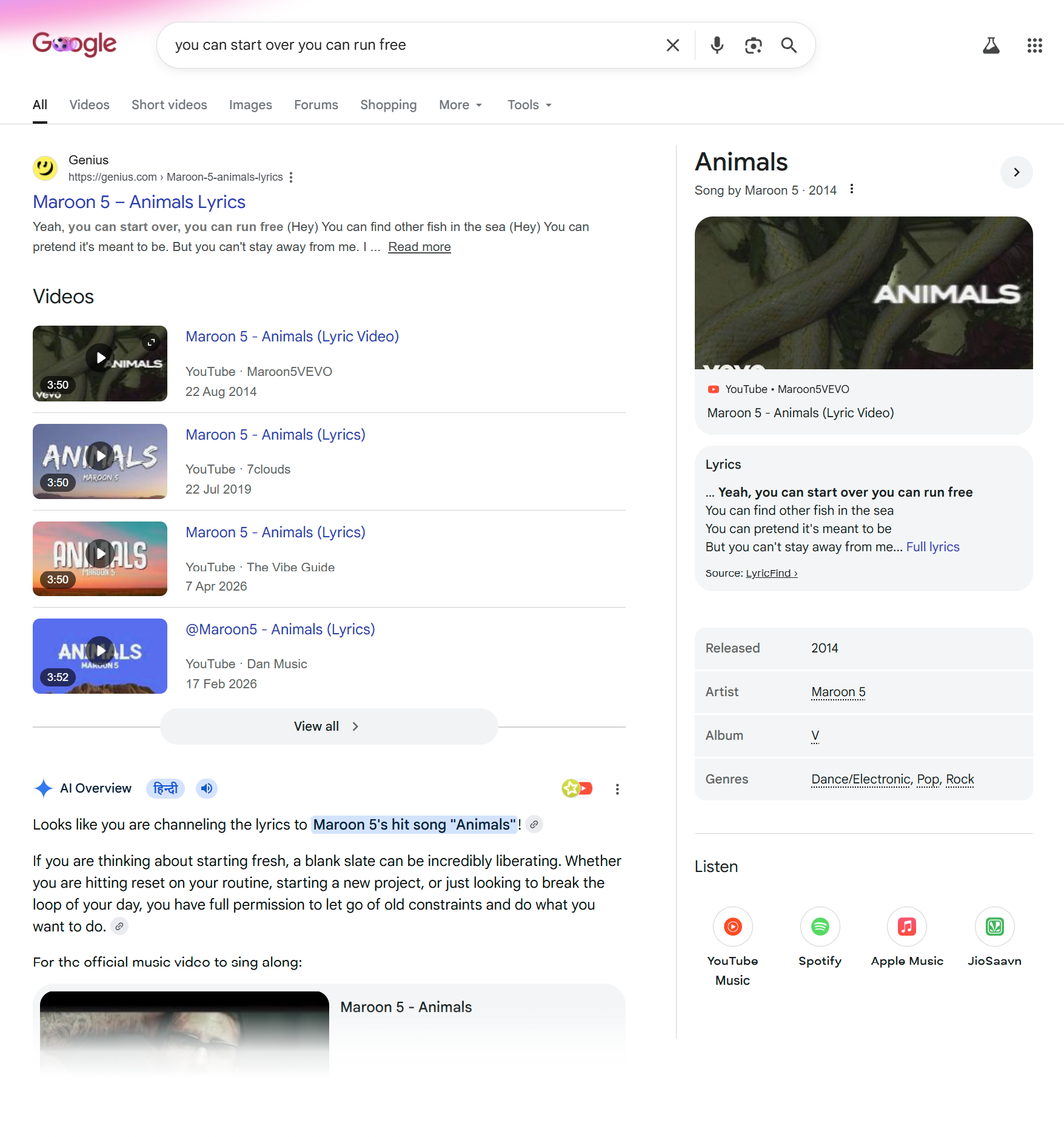
Building a Foundational Online Presence: The Indispensable Artist Website
At the heart of any effective musician’s SEO strategy is a self-owned website. While social media profiles and streaming pages are essential, they are rented spaces subject to platform whims and algorithm changes. A personal website, however, is a digital headquarters, providing a central, controlled environment to consolidate all aspects of an artist’s career. When someone searches for an artist, the goal is for their website to be the authoritative source that appears first. This central hub should comprehensively detail the artist’s biography, discography, tour schedule, press kit, high-resolution imagery, and contact information. It acts as the ultimate destination for fans to delve deeper, promoters to assess booking opportunities, and journalists to gather information, ensuring a consistent and complete narrative that no fragmented third-party profile can offer.
Maximizing Music Discovery and Fan Engagement
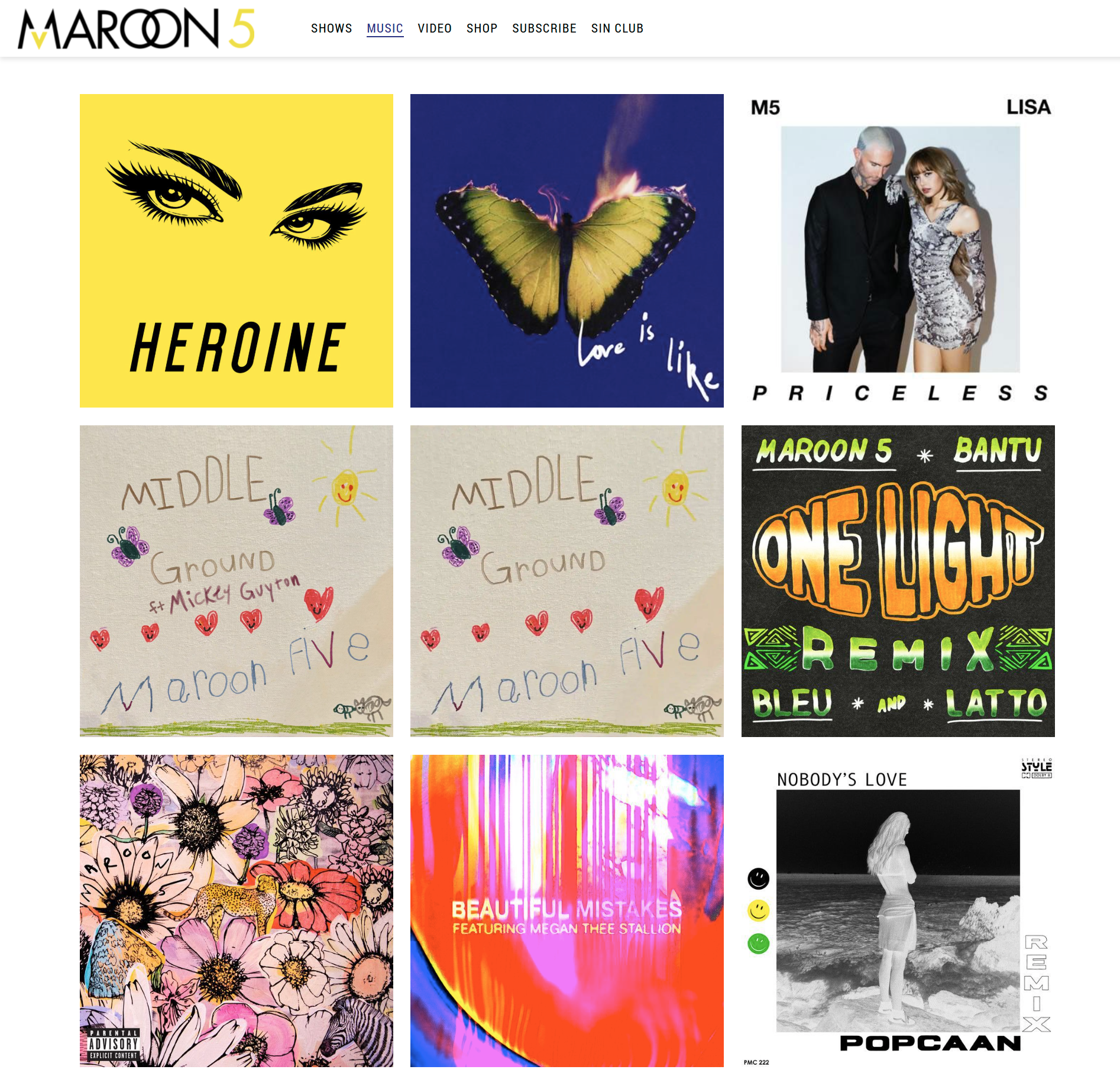
For artists focused on growing their audience and increasing streams, SEO strategies should prioritize making their music and story easily discoverable.
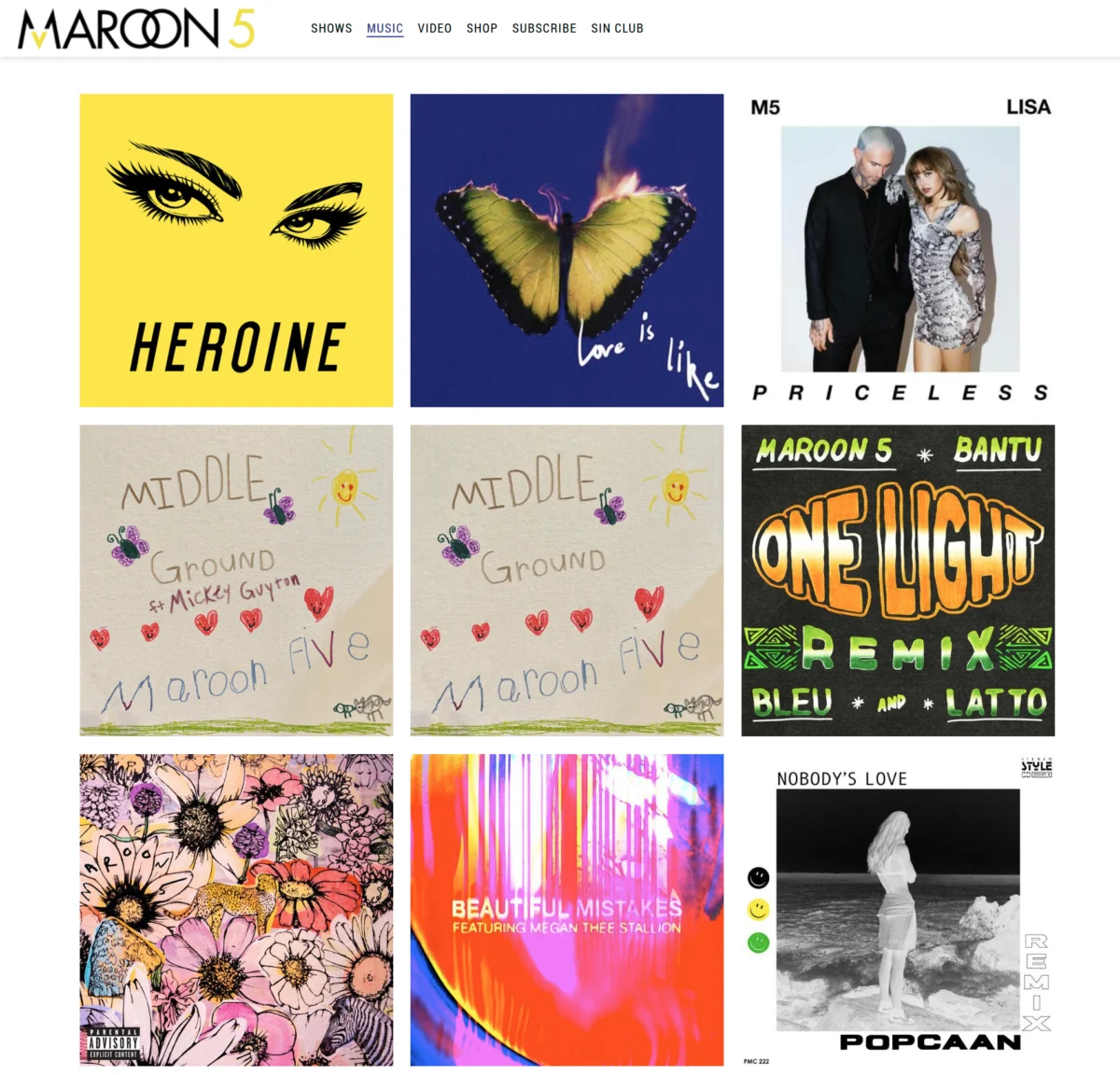
- Dedicated Release Pages: Every single, EP, or album merits its own dedicated page on the artist’s website. Beyond merely linking to streaming services, these pages should offer rich context: lyrics, songwriting inspiration, recording anecdotes, production credits, and even embedded music videos. This not only enhances the fan experience but also provides search engines with substantial, keyword-rich content, improving the chances of appearing for searches like "lyrics for [Song Title]" or "story behind [Album Name]."
- Repurposing Music into Engaging Content: Each song is a narrative waiting to be expanded. Starting a blog on the artist’s website provides an invaluable platform to transform musical inspiration into written content. This could include detailed song breakdowns, behind-the-scenes studio diaries, tour updates, or reflections on creative processes. Such content not only deepens fan connection but also naturally integrates keywords and phrases that potential listeners might use in their searches, making the artist’s work more accessible through diverse entry points.
- Optimizing Video Content for Search: Music videos, lyric videos, live performance footage, and studio sessions are powerful discovery tools. However, simply uploading them to YouTube is insufficient. For comprehensive visibility, artists must implement robust video SEO practices. This includes crafting descriptive titles, writing detailed descriptions with relevant keywords, utilizing accurate tags, and creating compelling thumbnails. Embedding these videos on dedicated website pages, alongside accompanying text, provides search engines with more context. Advanced SEO tools can further enhance this by automatically adding video schema, improving how videos are displayed in search results and increasing their discoverability.
- Earning Mentions from Music Blogs and Publications: External validation significantly bolsters an artist’s online authority and credibility. Mentions, reviews, interviews, and features in respected music publications, blogs, and podcasts serve as powerful signals to search engines. These backlinks and citations build a robust online footprint, reinforcing the artist’s expertise, experience, authoritativeness, and trustworthiness (E-E-A-T). This is particularly vital in the age of AI, where generative search tools increasingly rely on established, trustworthy sources to provide accurate and comprehensive information about artists.
Securing Bookings and Live Performances
For musicians and bands whose primary goal is to book more gigs, the SEO strategy shifts to targeting event planners and venue managers actively searching for live entertainment.

- Local SEO Optimization: Event organizers typically search for services within specific geographical areas (e.g., "wedding bands in Miami" or "corporate entertainment Sydney"). Artists must explicitly state their service areas on their website, integrate location-specific keywords, and create dedicated pages for regions they frequently serve. Utilizing local SEO features in SEO tools can help consolidate business details and location information, making it easier for search engines to match local queries with the artist’s offerings.
- Dedicated Service Pages for Event Types: Instead of a generic "Bookings" page, creating specific pages for different event categories—weddings, corporate events, private parties, festivals—allows for tailored content. Each page can detail specific musical styles, performance packages, client expectations, and testimonials relevant to that event type, directly addressing the specific needs and search queries of potential clients.
- Showcasing Performances and Building Trust: To convert inquiries into bookings, proof of performance and client satisfaction is paramount. Websites should feature high-quality photos and videos from past gigs, client testimonials, and a list of notable venues or brands performed for. These visual and social proofs build confidence and authority, serving as compelling trust signals for both human clients and search algorithms.
- Streamlined Booking Process: The final step in securing a booking is making the process frictionless. Every booking-related page should prominently feature clear calls to action, such as contact forms, direct email addresses, or inquiry buttons. Providing FAQs about availability, pricing, and travel can pre-empt common questions, accelerating the decision-making process for event organizers.
Driving Merchandise Sales
Beyond streams and gigs, merchandise sales offer a direct revenue stream and a tangible connection with fans. SEO can significantly boost the visibility of an artist’s online store.
- Dedicated Product Category Pages: Avoid burying merchandise within a single "Shop" link. Create distinct pages for product categories such as "Vinyl," "Apparel," "Signed Memorabilia," or "Digital Downloads." Each product page should feature clear descriptions, high-quality images, sizing information, pricing, and relevant keywords to help fans find specific items (e.g., "official [Artist Name] T-shirt").
- Connecting Music with Merchandise: Leverage new releases and existing content to cross-promote merchandise. Link matching vinyl editions or limited-edition apparel directly from album release pages, music videos, or blog posts. This integrated approach creates a cohesive fan experience and provides search engines with valuable contextual links between music and products.
- Optimizing Product Information for Search: Use descriptive product names and unique, detailed product descriptions that incorporate keywords fans might use when searching. For platforms like WordPress with WooCommerce, specialized SEO plugins can optimize product pages by improving structured data, metadata, and social sharing information, making it easier for search engines to understand and surface merchandise.
The Role of AI and the Future of Music Search

The rise of AI-powered search and conversational assistants represents the next frontier in music discovery. Large Language Models (LLMs) and AI tools are increasingly being used to find artists, recommend music based on complex preferences, and answer detailed questions about musicians. The good news for artists is that the principles of traditional SEO—creating clear, relevant, well-structured, and authoritative content—are directly applicable to optimizing for AI. AI systems rely on understanding context, relationships between entities, and the trustworthiness of information sources. Therefore, a website with well-organized content, proper schema markup, and strong E-E-A-T signals will be better positioned for AI discovery. The Yoast Perspective Report indicates that 65% of SEO professionals believe optimizing for LLMs is either the same as or an extension of traditional SEO, reinforcing that foundational SEO practices are future-proof.
Industry Voices: Musicians and Educators Championing SEO
The practical application of SEO is best illustrated by those actively using it. John Bowman, host of "On Air with Johnny B," emphasizes treating a website as a "creative home base," sharing influences and stories beyond just new releases. He notes that tools like Yoast SEO transformed an abstract concept into a manageable task, providing clear guidance for discoverability. Guitar educator Anthony Pell echoes this, advocating for a website as an owned asset for music, products, and educational content, rather than relying solely on social media’s fleeting trends. Ben Stringer, founder of SAM Music Service, a music school, highlights the importance of using available tools, asserting that SEO doesn’t have to be complicated with the right guidance. Brent Robitaille, a musician, educator, and author, stresses the value of continuous learning in SEO, regularly reviewing analytics to understand what works. DJ and producer Chetan Shekar, creator of DarkLightDJ.com, points out the often-overlooked importance of image alt text and descriptions for organic traffic, crediting Yoast SEO for handling technical aspects and freeing up his time for music creation. These diverse experiences converge on a single truth: a well-optimized website is a musician’s most valuable long-term asset.

Conclusion: Beyond the Algorithm – Building a Lasting Legacy
Ultimately, great music deserves to be found. While songwriting prowess, captivating performances, and genuine fan connections remain the bedrock of a successful music career, SEO provides the essential bridge between creation and discovery. It ensures that when a potential fan, promoter, or industry professional actively seeks out music, they can easily locate and engage with an artist’s work. The goal is not to slavishly chase algorithms, but to establish a robust and enduring digital presence that empowers musicians to convert fleeting attention into loyal support, sustainable bookings, and flourishing merchandise sales. By embracing strategic SEO, artists can transcend the noise of digital saturation, ensuring their music resonates and their careers thrive for years to come.