

E-receipts have evolved far beyond mere digital records of transactions, emerging as a critical digital touchpoint that shapes customer perception, drives engagement, and contributes significantly to a brand’s bottom line. These electronic confirmations, delivered via email or other digital channels post-purchase, serve as a modern replacement for traditional paper receipts, offering documentation, support, and unparalleled convenience. While their primary function remains transactional, forward-thinking businesses are increasingly recognizing and leveraging e-receipts as potent tools for fostering brand affinity, cultivating future revenue, and enhancing the overall customer experience.

The Evolution of the Digital Receipt: A Shift Towards Strategic Engagement
The journey from bulky paper receipts to streamlined digital confirmations reflects a broader societal and technological shift. Historically, paper receipts were indispensable for record-keeping, returns, and expense tracking. However, with the advent of e-commerce in the late 20th century and the rapid proliferation of mobile devices in the 21st, the demand for digital alternatives surged. Consumers grew accustomed to instant, accessible information, and businesses sought ways to reduce operational costs and environmental impact. This convergence of consumer preference and technological capability paved the way for the widespread adoption of e-receipts.
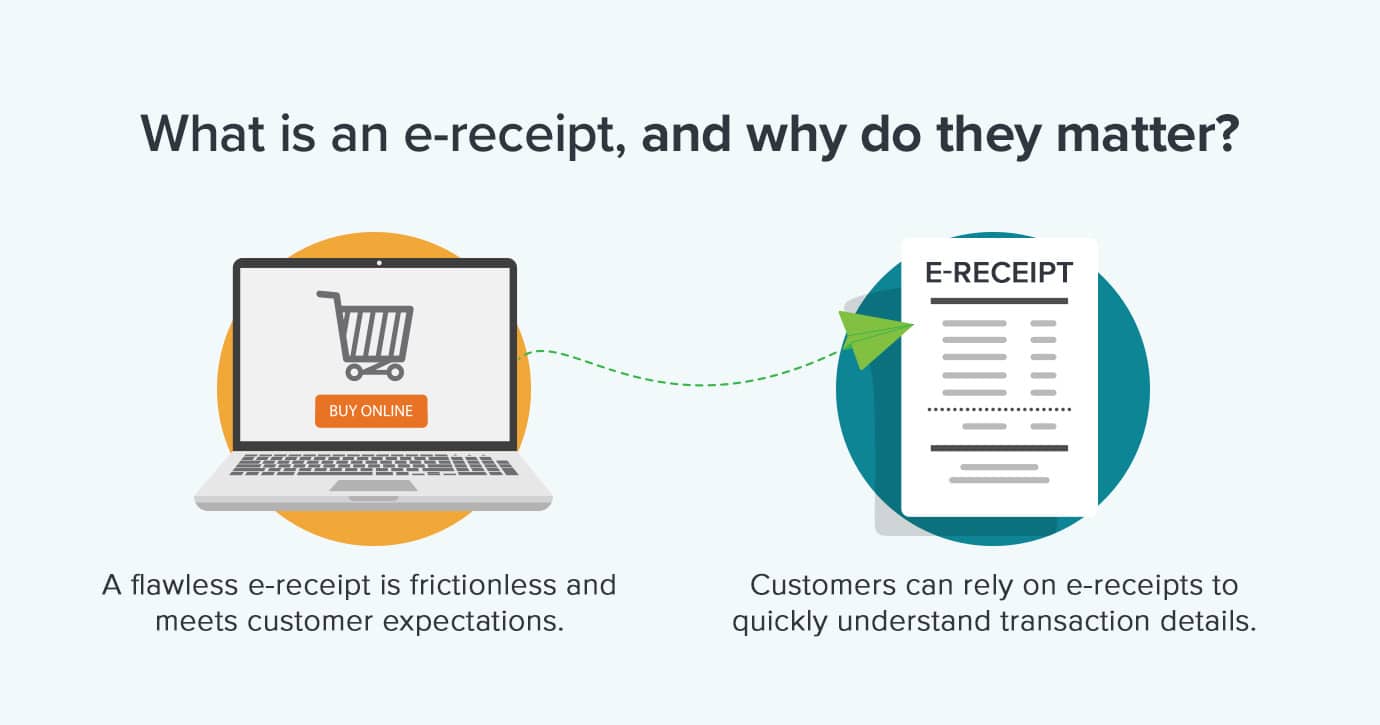
Initially, e-receipts were often plain text emails containing only essential transaction details. Their design was rudimentary, and their marketing potential largely untapped. However, as email marketing matured and customer experience became a key differentiator, marketers began to see the transactional email — including the e-receipt — not as an endpoint, but as a fresh beginning. Industry data supports this shift: transactional emails, which include e-receipts, boast significantly higher open rates (often 70-80%) compared to typical marketing emails (around 20-30%). This inherent engagement makes them an invaluable channel for strategic communication.
Unlocking Strategic Value: Beyond Basic Documentation
Modern e-receipts are sophisticated digital assets capable of delivering valuable information in flexible, easy-to-access formats, such as HTML or PDF. This convenience is a clear win for customers, who gain effortless record-keeping. For businesses, the benefits extend far beyond simple documentation, touching upon marketing, customer service, and operational efficiency.
Marketers can transform e-receipts into dynamic engagement platforms. This includes strategically featuring loyalty programs and mobile applications, offering relevant cross-sell or upsell opportunities, reinforcing brand consistency through cohesive design and messaging, and gathering invaluable customer data via post-purchase preference updates or feedback requests. A well-executed e-receipt becomes a two-way door, inviting customers back into the brand ecosystem.
Key Strategic Benefits Include:
- Enhanced Customer Experience: Providing instant, accessible records reduces friction and enhances convenience.
- Increased Brand Loyalty: Integrating loyalty programs and personalized offers encourages repeat purchases and strengthens customer relationships.
- Driving Additional Revenue: Strategic cross-selling and upselling, based on purchase history and preferences, can significantly increase customer lifetime value.
- Data Collection and Insights: E-receipts offer a natural touchpoint to collect feedback, update preferences, and gain insights into customer behavior.
- Operational Efficiency & Cost Savings: Reducing paper consumption lowers printing and storage costs, while digital record-keeping simplifies accounting and customer service processes.
- Environmental Responsibility: Aligning with sustainability goals by reducing paper waste, a growing concern for environmentally conscious consumers.
Crafting the Perfect E-Receipt: Best Practices for Design and Content
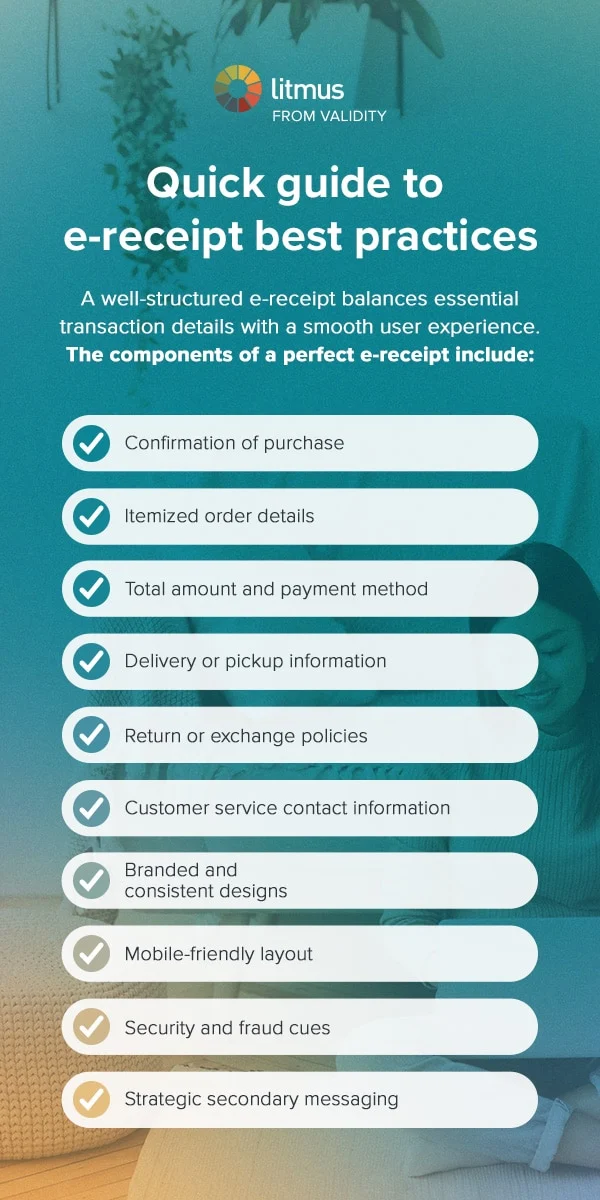
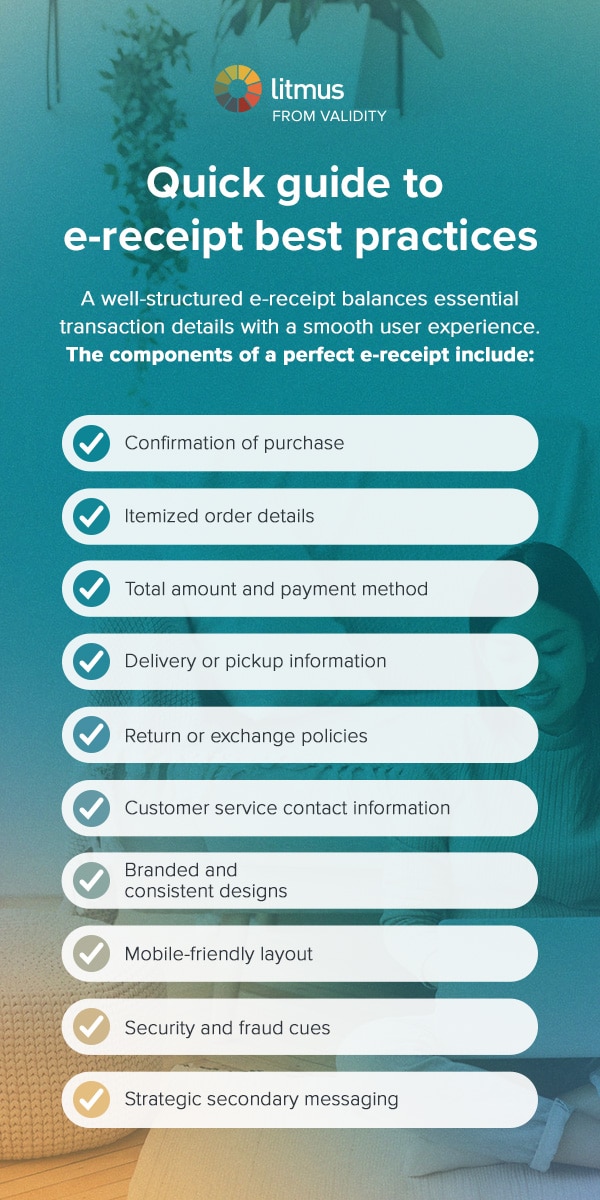
A well-structured e-receipt seamlessly balances essential transaction details with a smooth, intuitive user experience. By focusing on thoughtful design and content, brands can transform a routine digital confirmation into a powerful customer touchpoint.
Design and User Experience (UX) Considerations:
- Clarity and Hierarchy: The most crucial information (transaction total, items purchased, order number) must be immediately visible. Use a clear visual hierarchy to guide the eye.
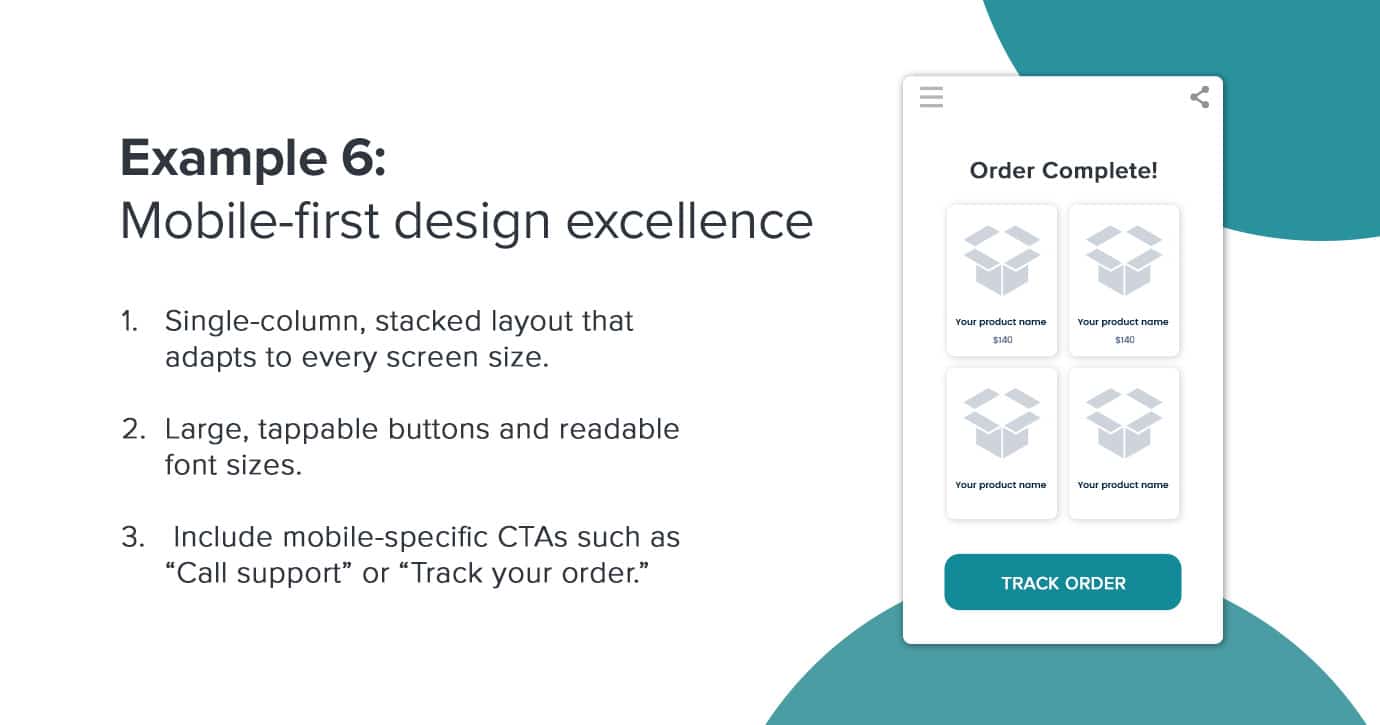
- Mobile-First Responsiveness: With a majority of customers accessing emails on mobile devices, responsive design is non-negotiable. E-receipts must render perfectly across all screen sizes, featuring single-column layouts, large tappable buttons, and legible font sizes.
- Brand Consistency: Maintain consistent branding elements—logos, colors, fonts—to reinforce brand identity and trust.
- Minimalist Aesthetic: Avoid clutter. While opportunities for marketing exist, the primary purpose is transactional. Integrate promotional elements subtly and strategically, ensuring they don’t detract from the main information.
- Fast Load Times: Optimize images and code to ensure the e-receipt loads quickly, especially on mobile networks.
Content Essentials:
- Comprehensive Transaction Details: Include date, time, store/seller name, unique transaction ID, itemized list with descriptions, quantities, prices, subtotals, taxes, shipping costs, discounts, and total amount paid.
- Payment Information: Clearly state the payment method used (e.g., "Visa ending in ****1234").
- Shipping/Pickup Details: For physical goods, include estimated delivery dates, tracking numbers, and shipping addresses. For in-store pickup, provide location and pickup instructions.
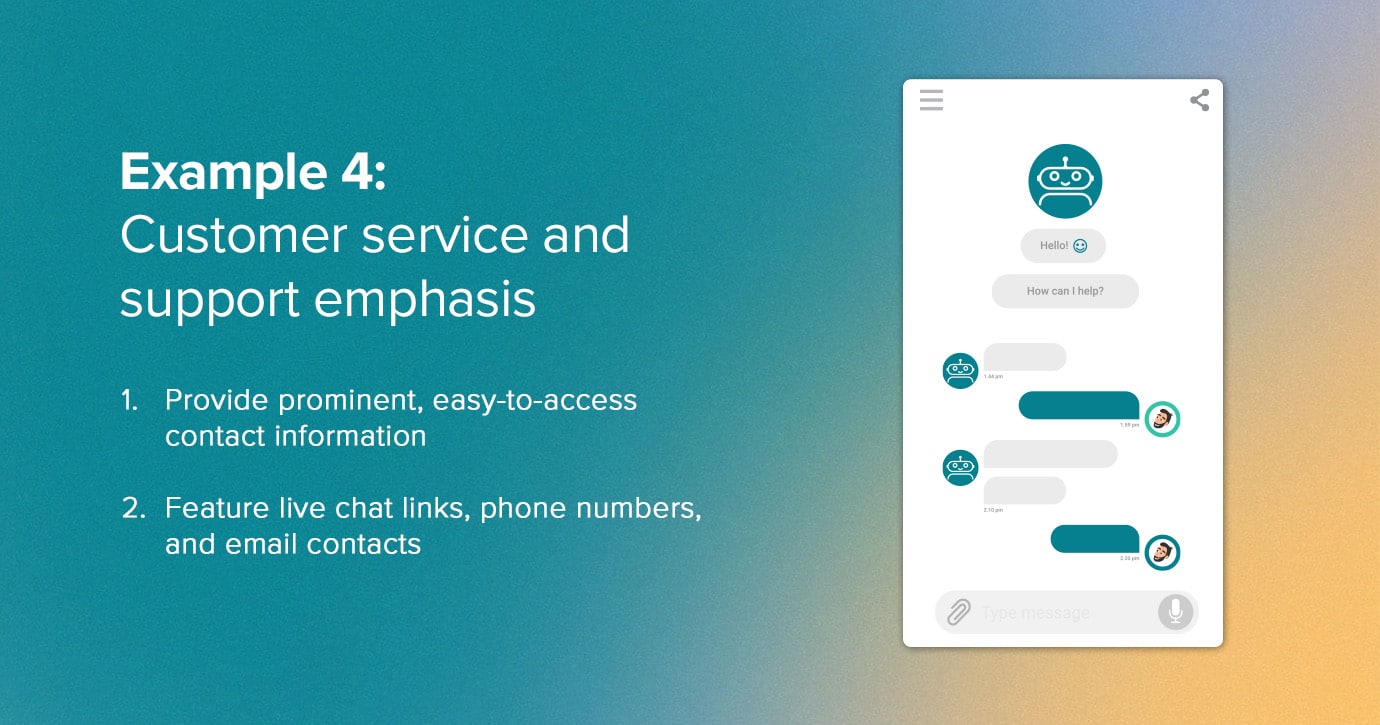
- Customer Service Information: Prominently display easy-to-access contact information (phone, email, live chat) and clear links to return/exchange policies or FAQs.
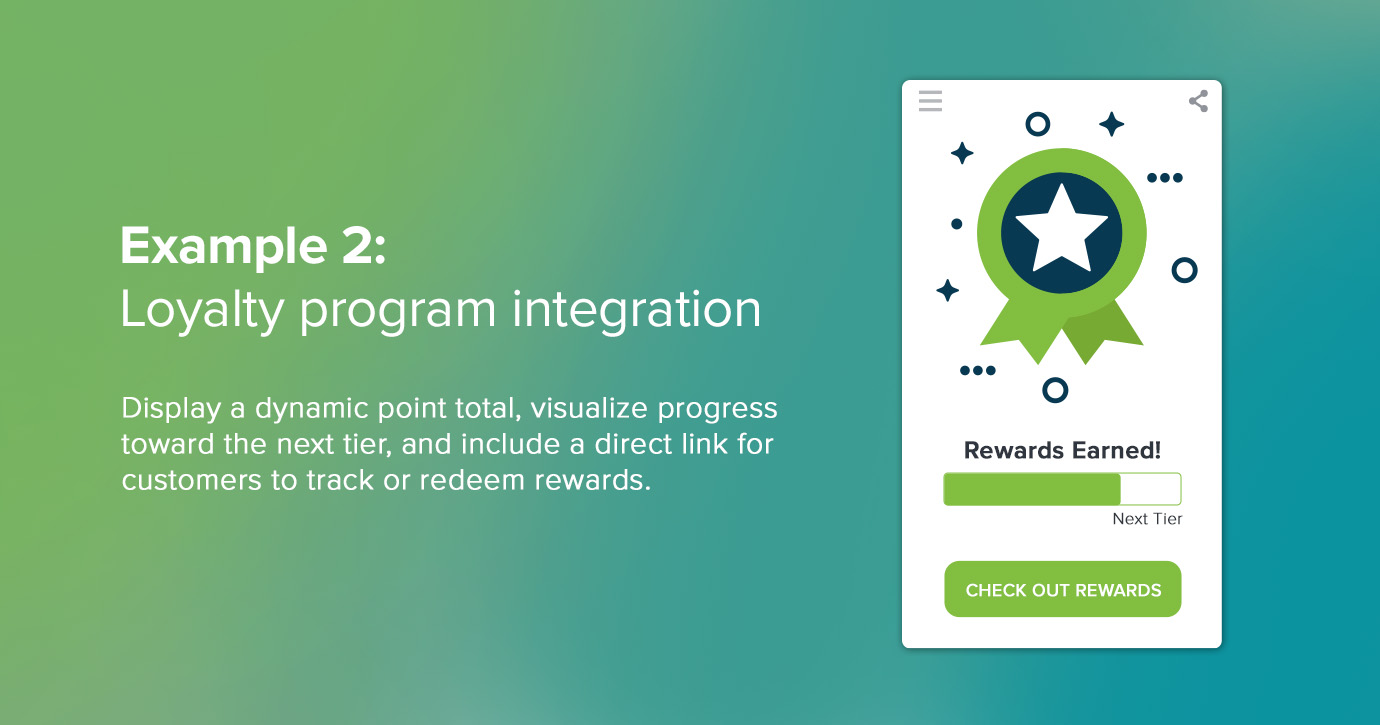
- Loyalty Program Integration: If applicable, show points earned, current loyalty status, and progress towards the next reward tier, with a clear call-to-action (CTA) to engage further.
- Optional Value-Add Content:
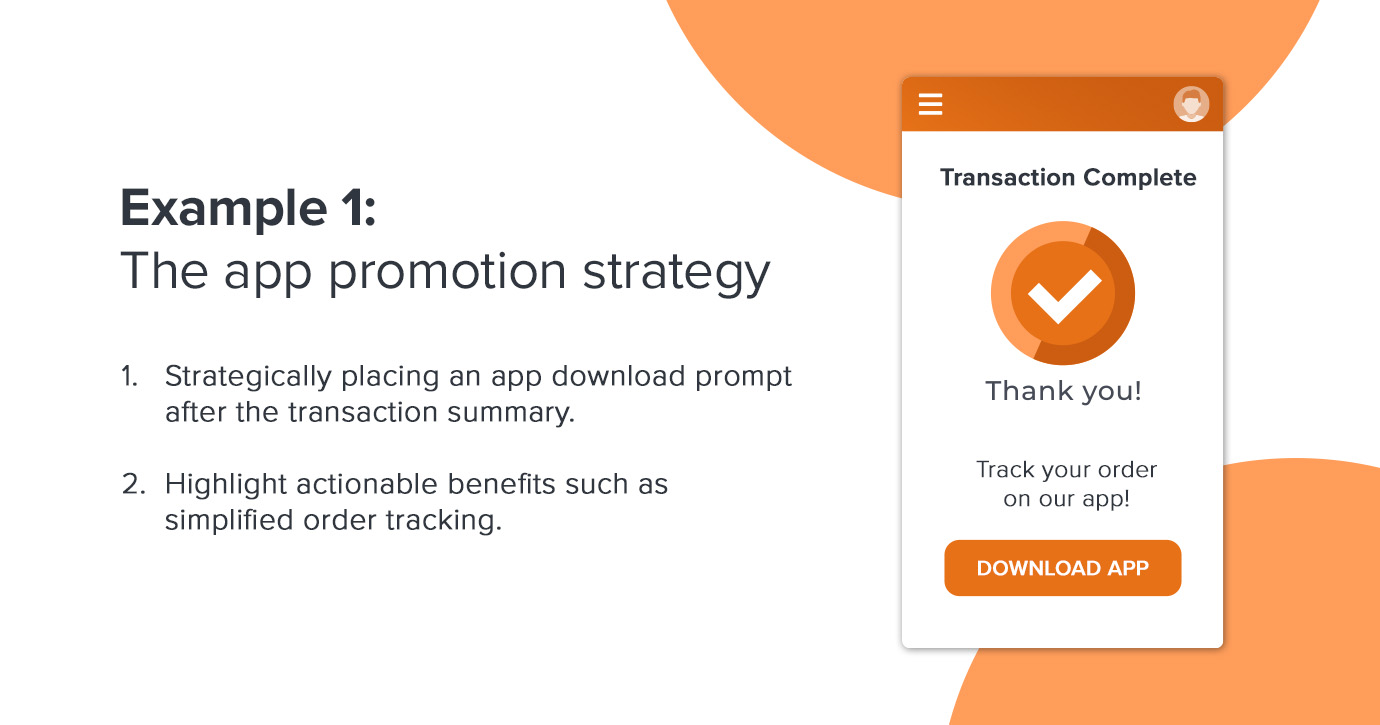
- App Promotions: Highlight actionable app benefits like simplified tracking or exclusive features, positioned after the transaction summary.
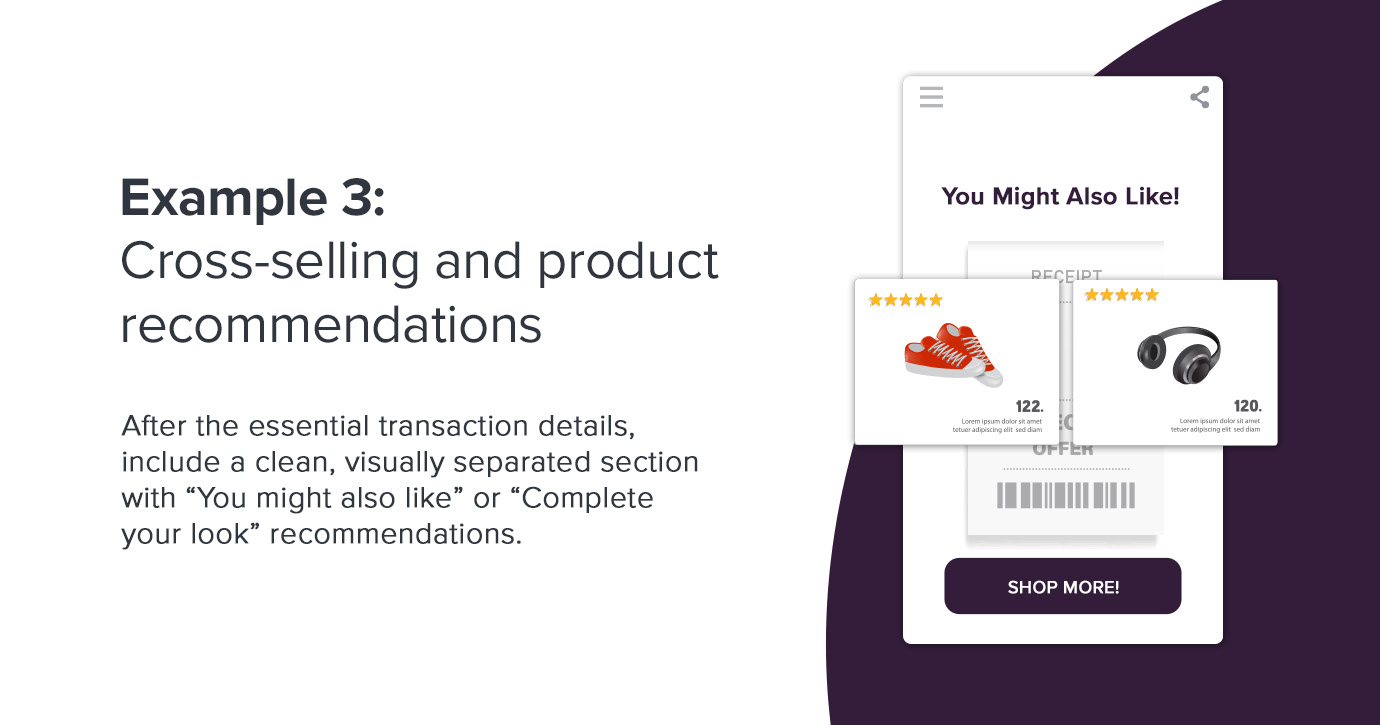
- Personalized Recommendations: Offer "You might also like" or "Complete your look" suggestions based on the current purchase or past browsing history.
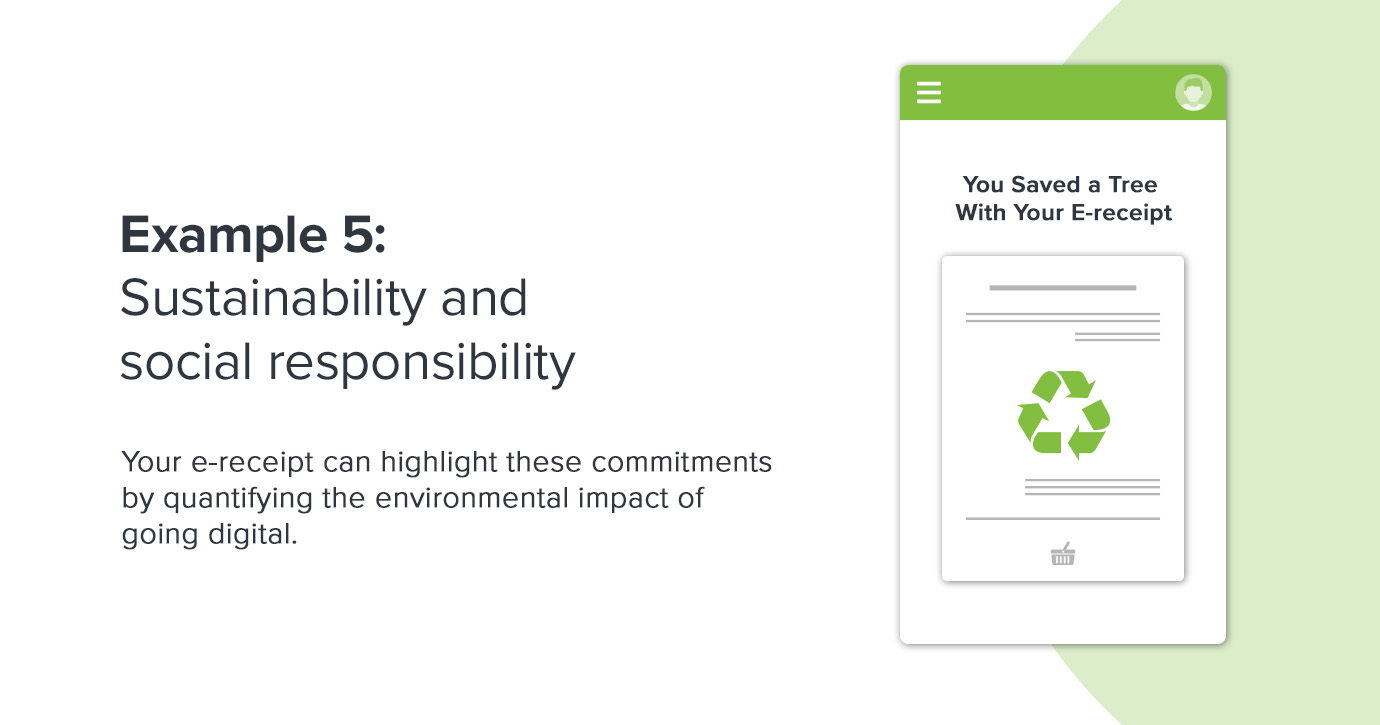
- Sustainability Messaging: Quantify environmental impact (e.g., "You saved X trees by choosing a digital receipt") or link to corporate social responsibility initiatives.
Common Digital Receipt Mistakes to Avoid
Even with the best intentions, brands can undermine the value of their e-receipts through easily overlooked missteps. Proactively addressing these pitfalls is critical for delivering an effortless, trustworthy post-purchase experience.
Design and UX Issues:
- Overloading with Marketing Messages: The primary purpose of an e-receipt is transactional. Excessive, irrelevant promotions detract from clarity and can erode trust.
- Non-Responsive Design: Receipts that break or are unreadable on mobile devices create frustration and reflect poorly on the brand.
- Poor Readability: Small fonts, low contrast, or complex layouts make it difficult for customers to quickly find essential information.
- Lack of Visual Hierarchy: Without clear headings and visual separation, the receipt appears as a wall of text, overwhelming the recipient.
Content Problems:
- Missing Key Information: Omitting transaction ID, detailed itemization, or crucial payment specifics creates confusion and increases support queries.
- Vague or Confusing Language: Ambiguous return policies, unclear support instructions, or jargon can frustrate customers.
- Generic Content: Failing to personalize or tailor content to the specific purchase misses a significant opportunity for engagement.
- Outdated Information: Ensuring all links, policies, and contact details are current is paramount.
Technical Issues:
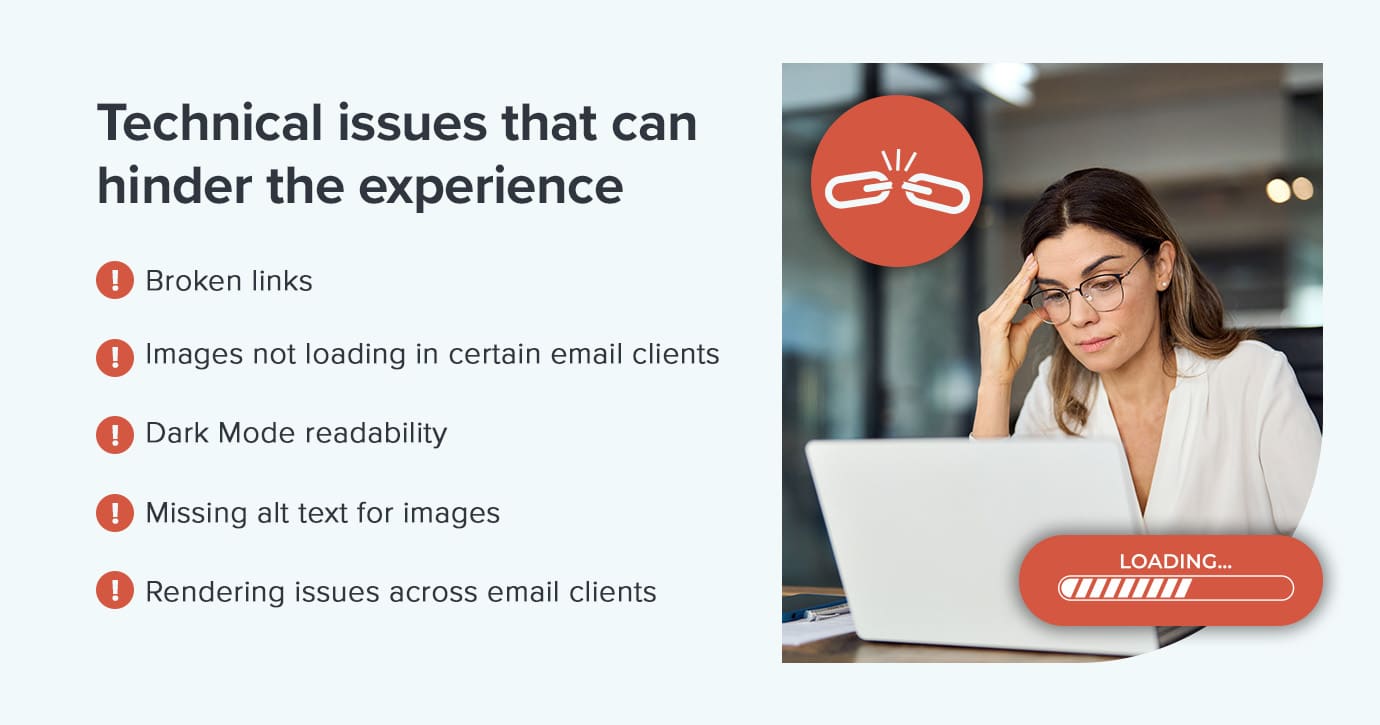
- Slow Load Times: Heavy images or complex code can delay receipt delivery and display, especially on slower connections.
- Broken Links: Non-functional links to tracking, support, or product pages are a common and frustrating error.
- Rendering Inconsistencies: E-receipts must display correctly across a wide array of email clients (Gmail, Outlook, Apple Mail) and operating systems, including Dark Mode.
- Inaccurate Dynamic Content: Errors in personalized fields (e.g., incorrect name, wrong loyalty points) undermine credibility.
E-Receipt Testing Checklist to Promote Success
Rigorous testing is essential before any e-receipt goes live. A comprehensive checklist ensures flawless functionality and a positive customer experience:
- Email Client and Device Compatibility: Test rendering across all major email clients (Gmail, Outlook, Yahoo Mail, Apple Mail) and devices (desktop, tablet, various mobile phones) and operating systems.
- Dark Mode Optimization: Verify that the e-receipt displays correctly and maintains readability when users have Dark Mode enabled.
- Content Accuracy: Confirm all transaction details (prices, quantities, totals, discounts) are accurate.
- Personalization Verification: Check that dynamic content, such as customer names, loyalty points, and personalized recommendations, populates correctly with real or test data.
- Link Functionality: Ensure all hyperlinks (order tracking, customer support, product recommendations, app downloads) are functional and lead to the correct destinations.
- Image Loading: Verify that all images load correctly and are optimized for fast delivery.
- Spelling and Grammar: Proofread for any typographical errors or grammatical mistakes.
- Accessibility: Check for appropriate alt text on images and ensure the receipt is navigable for users with disabilities (e.g., screen readers).
- Sender Information: Confirm the sender name and email address are recognizable and trustworthy.
- Preheader Text: Optimize preheader text to provide a concise summary of the email’s content.
Improvement Strategies for E-Receipts
Transforming e-receipts from routine communication into a source of ongoing value requires continuous improvement, driven by data and customer insights.
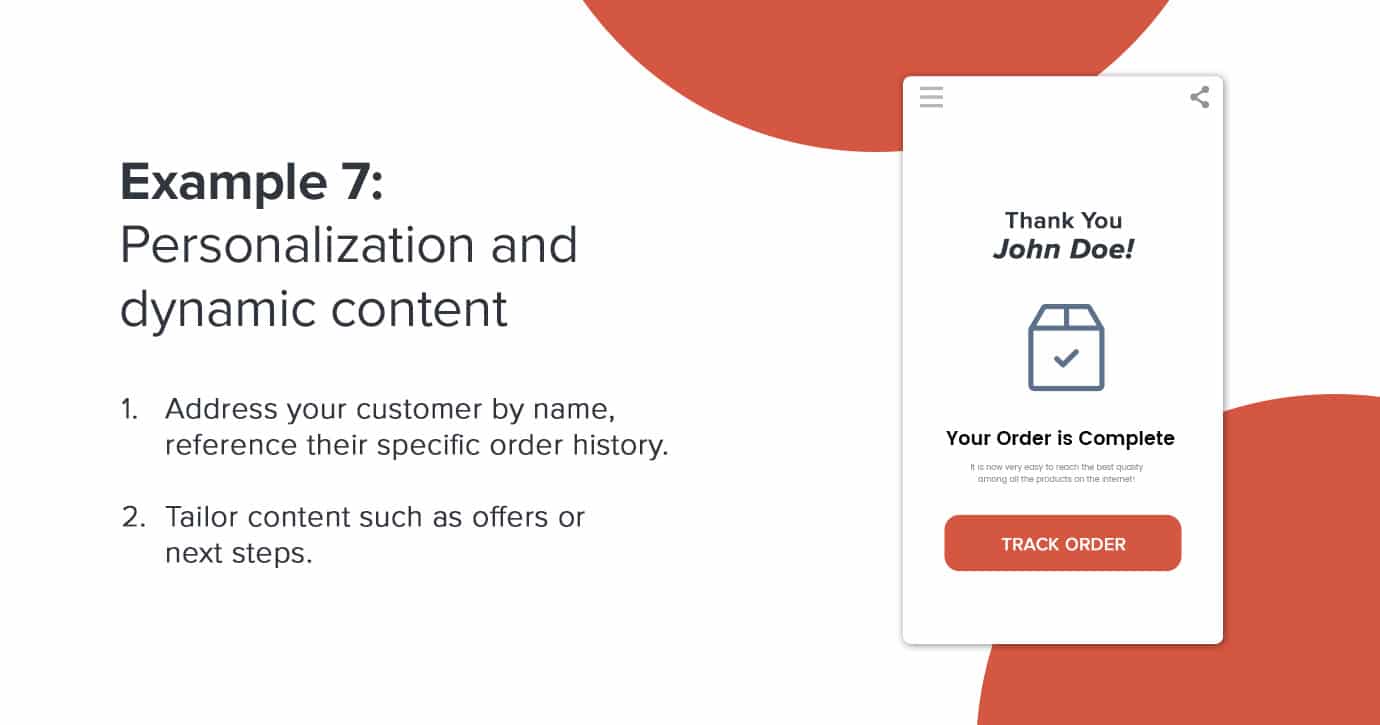
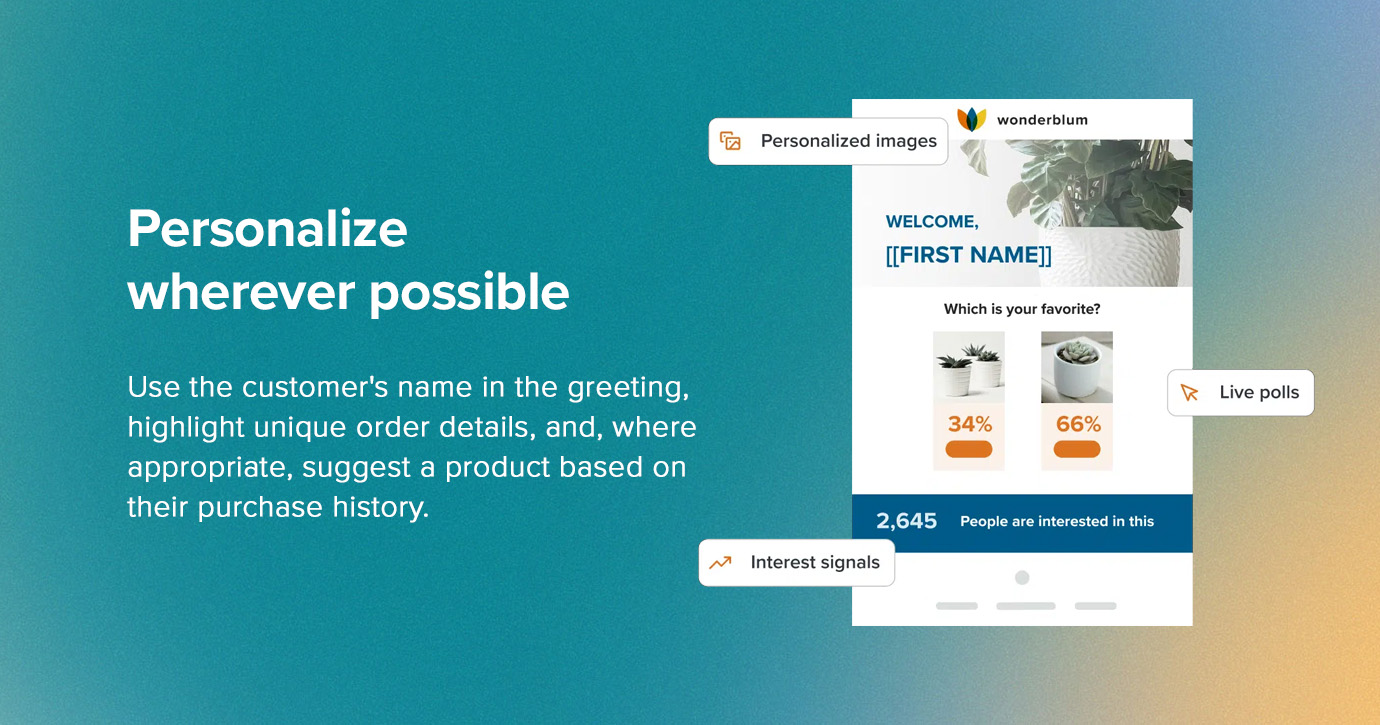
- Personalize Wherever Possible: Beyond just the customer’s name, integrate unique order details, loyalty program information (points earned, tier status), and behaviorally-triggered product suggestions. This makes each receipt feel highly relevant and human.
- Use Strategic, Contextual Messaging: Treat receipts as a lightly branded extension of the overall customer experience. Include clear, secondary CTAs that align with the transaction context, such as encouraging loyalty enrollment, app downloads, referrals, or post-purchase feedback via micro-surveys.
- Reinforce Trust and Compliance: Transparency and reassurance are paramount. Prominently display concise return/exchange instructions, security messages, and multiple support channels. This builds trust, conveys professionalism, and can significantly reduce avoidable support tickets, particularly for high-value or regulated transactions.
- Commit to Continuous Improvement: Implement a robust monitoring system for key metrics like open rates, click-through rates on CTAs, and downstream conversions from secondary offers. Conduct regular A/B tests on different layouts, copy variations, and recommendation strategies. Actively gather direct feedback from customers and internal support teams to identify pain points and refine the e-receipt experience iteratively.
Implementation Guide: Creating and Optimizing E-Receipts with Modern Tools
A robust digital receipt process requires blending thoughtful design, personalization, collaboration, and iterative improvement. Tools like Litmus can streamline the creation and optimization of e-receipts.
- Design with an Email Builder: Begin by selecting or building e-receipt templates within a dedicated email builder. Prioritize single-column layouts, large tappable buttons, and crisp, legible fonts. Insert all critical components while avoiding clutter and minimizing heavy graphics for faster load times. Validate the design hierarchy to ensure confirmation details and essential information are immediately visible.
- Personalize Your Content: Integrate the e-receipt system with your order processing and customer relationship management (CRM) tools. Address each customer by name, provide itemized order details, and highlight individual loyalty points or rewards. Tailor any cross-sell recommendations or secondary messaging based on the specific transaction, past purchasing behavior, or declared customer preferences.
- Test Thoroughly: Rigorous testing is non-negotiable. Check how receipts render on all major email clients and devices, including in Dark Mode. Ensure every CTA, support link, and tracking feature is visible and fully functional. Use real or test data to verify that all dynamic and personalized fields display correctly. Collaborate across teams to catch mistakes before deployment.
- Collaborate and Approve: Once the e-receipt template passes design and testing, move into formal approval workflows. Request sign-off from key stakeholders, such as compliance, brand, and IT departments, to confirm all standards are met. Archive the final version and maintain version control for auditing changes, rolling back when necessary, and ensuring legal defensibility. Use scheduled deployments or automations for consistent, error-free e-receipt generation.
- Monitor and Refine for Long-Term Success: Establish ongoing monitoring of relevant metrics like open rates, click-throughs, and downstream conversions. Track complaints, bounces, and customer feedback to identify pain points. Collect insights from support and customer experience teams regarding common queries or confusion. Regularly A/B test variations in layout, copy, and recommendation strategies, using data to guide continuous refinements.
E-Receipts as Revenue Drivers: A Concluding Analysis
In today’s competitive landscape, every customer touchpoint presents an opportunity to reinforce brand value and drive future engagement. A perfectly executed e-receipt ensures that customers walk away with more than just a record of their transaction; they receive an extension of the brand promise, delivering confidence, reducing friction, and inviting ongoing connection. With the right blend of clarity, thoughtful design, deep personalization, and strategic messaging, e-receipts can transform routine transactional moments into powerful brand experiences and consistent revenue drivers.
Brands that embrace this holistic approach to e-receipts not only enhance customer satisfaction but also build a more resilient and profitable relationship with their audience. By maximizing the impact of these digital confirmations, businesses can secure ongoing customer loyalty and unlock significant incremental value, truly making every purchase the beginning of a longer, more fruitful journey.








