The dynamic world of social media continues its relentless evolution, posing both challenges and unprecedented opportunities for brands aiming for sustained growth. As platforms, algorithms, and audience expectations shift with increasing velocity, the tactics that yielded success in 2024 may prove ineffective in 2026. This necessitates a proactive and adaptable approach, with leading strategists emphasizing a core set of 19 best practices that effectively leverage social listening, continuous testing, and artificial intelligence to drive tangible business outcomes.
The Perpetual Motion of Social Media: A 2026 Outlook
The digital landscape is no longer a static environment where strategies can remain unchanged for long. Brands are increasingly moving away from chasing ephemeral "vanity metrics" like follower counts, instead focusing on consistently signaling relevance to their target audiences and demonstrating real business impact. The Hootsuite Social Media Trends Report 2026 underscores this paradigm shift, highlighting that algorithms now reward authentic engagement and quality interactions over sheer volume.
Several key trends define the 2026 social media environment: short-form video content remains a dominant force across platforms, demanding native and engaging narratives. Threads has matured into a more stable arena for conversational engagement, offering new avenues for brand interaction. Furthermore, evolving regulatory conditions in various markets introduce complexities that necessitate careful strategic planning around certain applications and data handling. These factors collectively demand that social media teams regularly revisit and refine their strategies to remain competitive and compliant.

Foundational Pillars: Strategic Imperatives for Digital Success
Before any tactical deployment, a robust strategic framework is paramount. This ensures all social media activities are grounded in clear objectives and resonate with the intended audience.
-
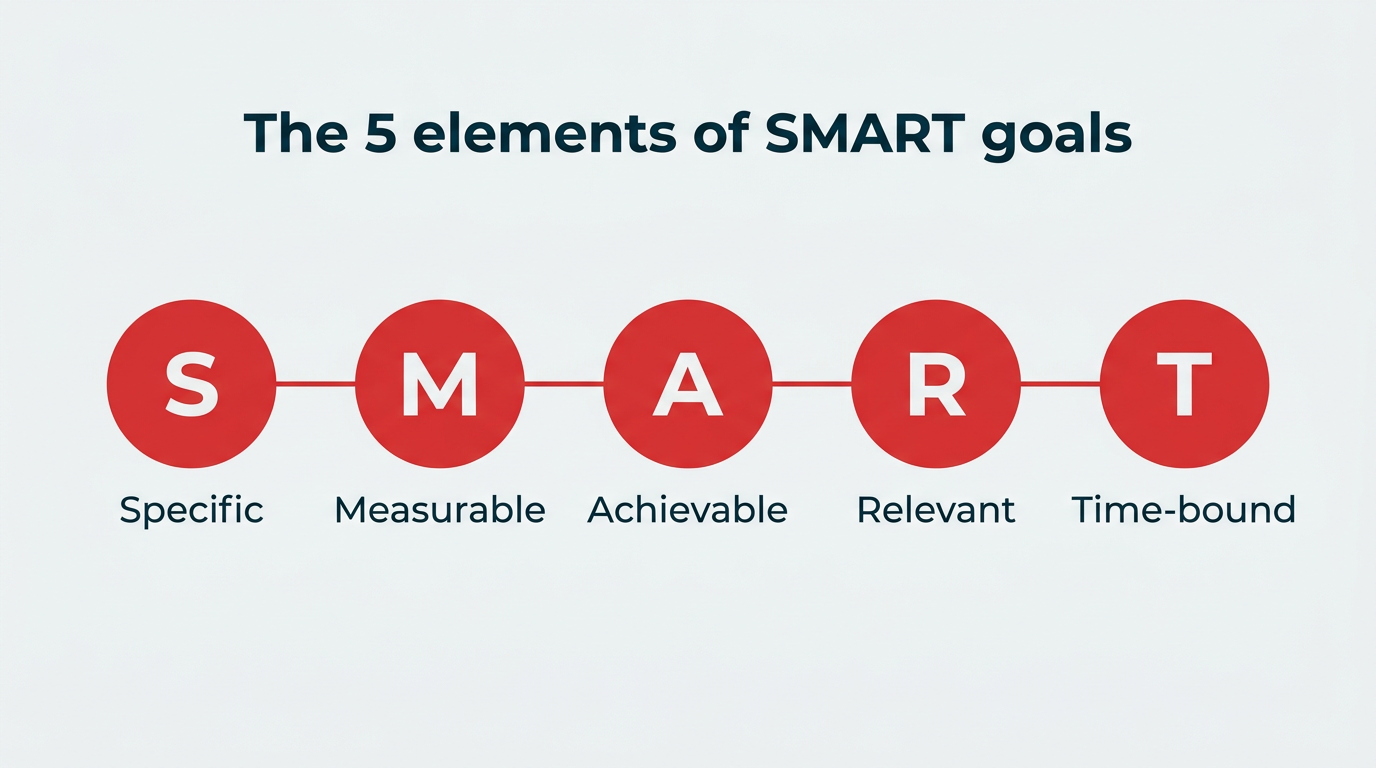
Set Clear, Measurable Social Media Goals: The bedrock of any effective social media strategy lies in defining specific, measurable, achievable, relevant, and time-bound (SMART) goals. Without these, teams risk expending resources on activities that don’t genuinely advance business objectives. Goals should directly link to broader organizational aims, such as increasing brand awareness, driving website traffic, generating leads, boosting sales, improving customer satisfaction, or fostering community engagement. For instance, a goal might be "Increase qualified leads from LinkedIn by 15% in Q3 2026," rather than simply "Get more followers." This connection allows for clear social media ROI measurement, a critical factor in securing and justifying budget allocations.
-
Conduct Comprehensive Audience Research: Understanding the target audience is non-negotiable. Algorithms no longer prioritize brands accumulating followers; they favor those consistently delivering relevant content to the right people. Brands must thoroughly investigate who their audience is, what their needs and desires are, and how they interact with various social platforms. This involves delving into demographics, psychographics, interests, and behavioral patterns. Data from CRM systems, Google Analytics, and native social media insights tools provide a strong starting point. Advanced audience insights tools can further illuminate these patterns, ensuring content strategies are precisely tailored. Key questions include: What problems does our audience face? What content do they consume? Which platforms do they frequent? What are their preferred communication styles?
-
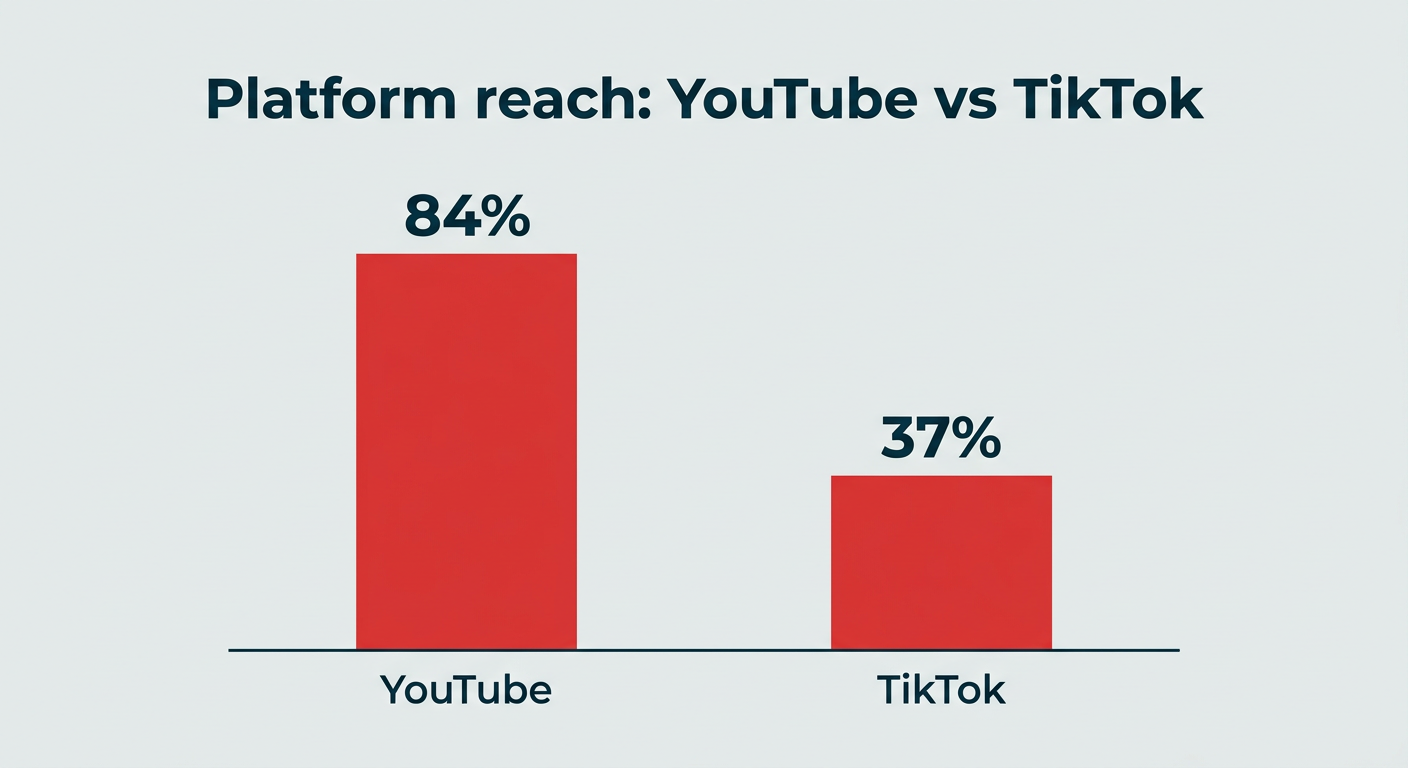
Build a Presence on the Right Networks: The notion that brands must be present on every social platform is a common misconception that can lead to diluted efforts and brand fatigue. Strategic platform selection dictates focusing resources on networks where the target audience is genuinely active and receptive to brand messaging. Pew Research data from late 2025 indicated, for example, that 84% of U.S. adults use YouTube, while only 37% are on TikTok, illustrating significant user base differences. Brands must evaluate each platform’s demographic profile, content formats, and community expectations against their audience and brand identity. Prioritizing quality engagement on fewer, more relevant platforms typically yields superior results compared to a thinly spread, "be everywhere" approach. Factors like platform culture, competitive landscape, and the feasibility of creating native content for each should guide these decisions.

-
Embrace Proactive Social Listening: Social listening is a powerful, real-time market research tool. It involves actively monitoring social media channels for mentions of a brand, its products, key industry terms, competitors, and broader conversational trends. This practice offers invaluable insights, directly shaping future content and engagement strategies. Tools like Hootsuite’s Lumen can detect brand logos in images, gauge sentiment, and identify emerging consumer needs or pain points. The Hootsuite Social Media Trends Report 2026 emphasizes that social teams effectively utilizing listening tools gain greater credibility and budget by delivering actionable insights that drive business impact and prove ROI. This proactive approach allows brands to understand public perception, identify potential crises early, and discover trending topics to capitalize on.
Crafting Impactful Content for the Modern Feed
In 2026, content quality and strategic fit for each platform significantly outweigh sheer volume. A thoughtful, tailored approach ensures maximum impact.
-
Schedule Content in Advance for Quality and Collaboration: Pre-planning social media content is crucial for producing high-quality material and coordinating integrated campaigns. Advanced scheduling allows for iterative feedback, team collaboration, and a strategic overview of content flow. While native platform schedulers exist, unified tools like Hootsuite’s Perch provide a centralized hub for cross-platform planning, campaign mapping, and scheduling of both organic and paid content, ensuring consistency and efficiency. This systematic approach minimizes last-minute scrambling and enhances content coherence.
-
Create Content Native to Each Platform: Simply repurposing content by auto-publishing the same post across all channels is a suboptimal strategy. Effective content repurposing involves adapting the core message and media to suit the unique characteristics and audience expectations of each platform. For example, a blog post might become a detailed LinkedIn article, a series of short, engaging TikTok videos, an infographic for Instagram, or a conversational thread on Threads. This ensures content feels authentic and relevant, respecting platform-specific image dimensions, video lengths, and caption styles. Customizing media specifications and previewing captions within scheduling tools helps maintain a polished, professional appearance.
-
Implement Continuous Creative Testing and Iteration: The effectiveness of social content is rarely static. A consistent A/B testing strategy is essential for identifying which content formats, messages, calls-to-action, and visual elements resonate most with the audience. This iterative process allows brands to isolate variables—such as different images, video styles, GIFs, or carousel arrangements—and determine their impact on engagement, click-through rates, and conversions. Given the rapid shifts in social media trends and algorithms, testing cannot be a one-time exercise but an ongoing commitment to optimization.
-
Utilize Integrated Design Tools: Streamlining the content creation process often involves integrating design tools directly with social media management platforms. Tools like Canva and Adobe Express offer user-friendly interfaces for creating compelling graphics, even for teams without dedicated designers. When these are integrated with platforms like Hootsuite, it significantly boosts productivity, allowing for seamless content creation, previewing, and revision for different platforms within a single workflow.
-
Prioritize Content Accessibility: Accessible content ensures everyone can engage with a brand’s message, including individuals with visual, hearing, or cognitive disabilities. This is not only an ethical imperative but also expands reach; captions, for example, boost video engagement as many users watch without sound. Incorporating accessibility into the workflow from the outset is far more efficient than retrofitting. Key practices include adding alt text to images, providing accurate captions for all videos, ensuring sufficient color contrast in visuals, and writing in clear, plain language.
-
Encourage and Manage User-Generated Content (UGC): User-generated content, created by customers and fans about a brand, is one of the most credible forms of social proof. It builds community and provides an authentic, steady stream of content. While encouraging UGC through contests, hashtags, or direct calls-to-action, brands must also establish a light management framework to ensure content aligns with brand values and obtains necessary permissions for reposting. This balance fosters authenticity while maintaining brand integrity.
Fostering Engagement and Building Community
Engagement transcends mere broadcasting; it’s about cultivating genuine two-way conversations and building loyal communities.
-
Develop Clear Brand Guidelines and Social Media Policies: A consistent, recognizable, and safe social media presence hinges on clear brand guidelines. These encompass both a brand style guide (governing visual identity, voice, tone, and linguistic conventions) and a social media policy. The style guide ensures visual and textual cohesion across all platforms, often supported by design templates for efficiency. The social media policy provides employees with explicit guidance on appropriate conduct when representing the company, even on personal accounts. This is particularly crucial in regulated industries, where non-compliant posts can carry significant legal ramifications, making tools like Vigil essential for governed workflows.
-
Implement a Clear Content-Approval Process: To mitigate risk and maintain brand consistency, a robust content-approval process is indispensable. This is especially vital in regulated sectors where unapproved content can breach legal requirements. For everyday publishing, clear workflows prevent errors that could escalate into PR crises. Collaborative platforms like Hootsuite facilitate this by embedding approval mechanisms and permissions directly into the publishing process, ensuring that content is reviewed and signed off before it goes live.
Social Media as a Critical Customer Service Channel
Modern consumers expect seamless support on the platforms they already inhabit. Treating social media as a genuine service channel builds trust and directly influences purchasing decisions.

-
Treat Social Media as a Primary Customer Service Channel: The days of social media being solely a marketing channel are long gone. Consumers increasingly turn to platforms like X (formerly Twitter), Instagram, and Facebook Messenger for support, often preferring direct messaging over traditional phone or email. Brands must staff and equip their social teams to handle inquiries, complaints, and feedback with the same professionalism and efficiency as any other customer service touchpoint. Integrating social listening with customer service allows brands to proactively identify and address conversations about their brand, even when not directly tagged.
-
Respond Promptly to Direct Messages and Comments: Timeliness is a critical driver of social media engagement and customer satisfaction. Users expect rapid responses to their DMs and comments. The challenge lies in efficiently tracking and managing these interactions across multiple platforms, especially when brands aren’t directly tagged. Tools like Hootsuite’s Nest, a customer care app, centralize all messages and comments from connected platforms, allowing teams to view full conversation threads, assign inquiries to specific agents, and utilize reply templates to streamline responses. The Hootsuite Social Media Trends Report 2026 highlights that timely outbound comments significantly boost brand affinity.
-
Leverage AI to Enhance Response Times and Efficiency: Many customer inquiries are repetitive and can be efficiently handled by artificial intelligence. Chatbots, integrated into social messaging, can instantly answer frequently asked questions about products, services, shipping, or returns, significantly reducing the workload on human customer service agents. This frees up human teams to focus on more complex, nuanced issues. As AI technology advances, chatbots like those found in Nest can offer personalized service 24/7. However, it remains crucial to provide clear escalation paths for customers to connect with a human agent when needed.
Measuring Success and Proving ROI
Effective social media management is incomplete without robust analytics to track performance, prove value, and inform future strategies.
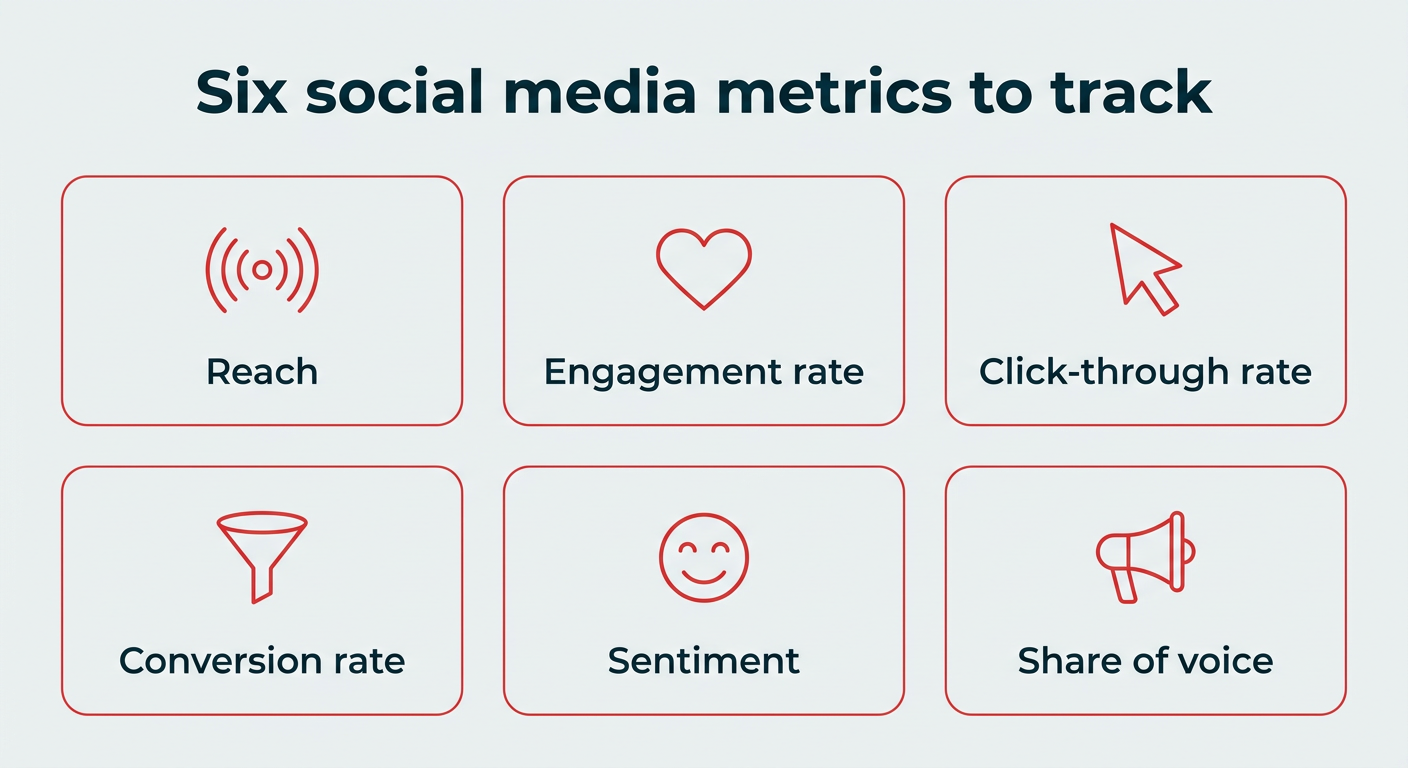
- Connect Social Metrics to Core Business Outcomes: Beyond superficial "vanity metrics" like follower counts, brands must focus on analytics that directly map to core business objectives. This means correlating social activity with tangible outcomes such as lead generation, conversion rates, customer retention, brand lift, and ultimately, revenue. Tools like Hootsuite’s Lumen provide AI-powered insights and real-time sentiment analysis, helping teams understand not just what is happening, but why. Custom reporting and integrations with CRM and analytics platforms (e.g., Salesforce, Adobe) enable a closed-loop view, proving social media ROI in terms that resonate with executive leadership.
Specialized Strategies for B2B Success
B2B social media marketing operates under a distinct set of rules, characterized by longer buying cycles and multi-stakeholder decision-making.
-
Align B2B Social Media Strategy with Broader Business Objectives: For B2B marketers, social media goals must align with long-term business objectives rather than just immediate engagement metrics. The 2026 Madison Logic survey identified top B2B goals as brand awareness, lead generation, customer acquisition, and customer retention. While social media may not always generate instant leads, it plays a crucial role in building brand credibility, shaping first impressions, and maintaining top-of-mind awareness throughout the extended B2B buying journey.
-
Develop Business-Friendly Content Resources: B2B social media excels at relationship building and lead nurturing. This often involves creating valuable content resources. Gated content, such as comprehensive research reports, whitepapers, or webinars, can effectively capture leads and grow email lists. This enriched list can then be leveraged for targeted paid social campaigns, building custom and lookalike audiences to expand reach. Simultaneously, brands should also share informative, ungated content—such as data insights or expert opinions—to maintain audience interest and establish thought leadership, even for those not yet ready to convert.
-
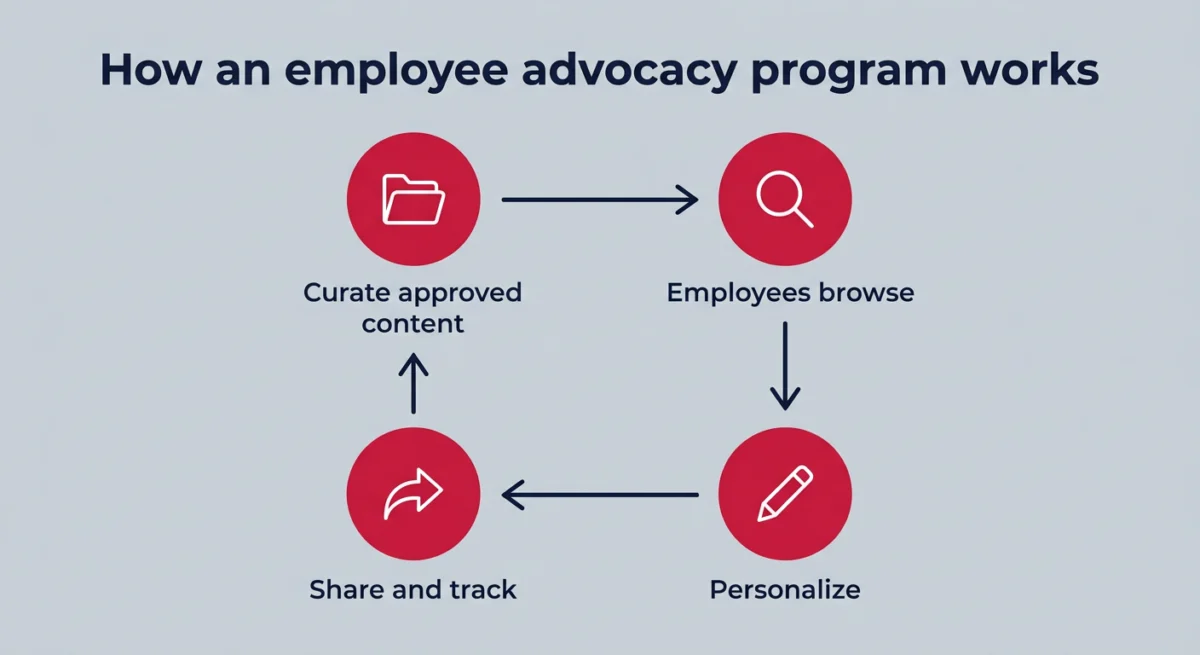
Maintain a Keen Eye on the LinkedIn Algorithm: LinkedIn remains the singular B2B-focused social platform, making it an indispensable channel for brands in this sector. While understanding other algorithms is beneficial, mastering LinkedIn’s nuances is paramount. Recent LinkedIn algorithm updates prioritize niche expertise and meaningful interactions. This encourages brands to involve product experts and subject-matter specialists in content creation, as educational posts rooted in lived experience often outperform generic brand messaging. Active participation in conversations, a key signal in the latest algorithm updates, further amplifies reach. Tools like Hootsuite’s Parliament can facilitate employee advocacy programs on LinkedIn, empowering trusted internal voices to extend brand messaging and credibility.

Avoiding Common Pitfalls
Even experienced social media teams can fall into common traps. These include posting without a clear strategy, fixating solely on vanity metrics, neglecting customer comments and DMs, or adopting an overly promotional tone. Another frequent misstep is attempting to maintain a presence on every platform rather than strategically focusing on those most relevant to the audience and business goals.
In essence, navigating the 2026 social media landscape requires agility, strategic foresight, and a commitment to continuous learning and adaptation. By embracing these 19 best practices, brands can transform the evolving digital environment into a powerful engine for growth, building deeper connections with their audience and driving measurable business success.