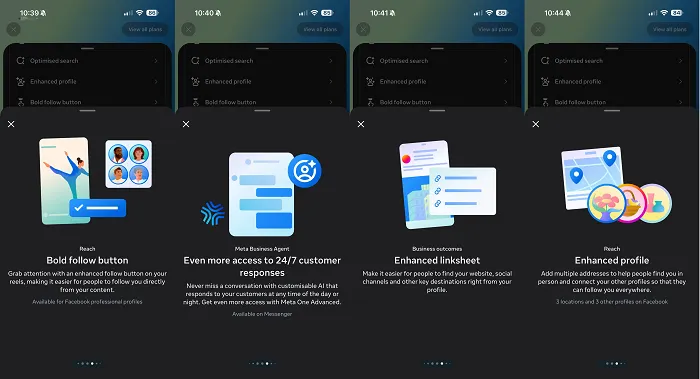
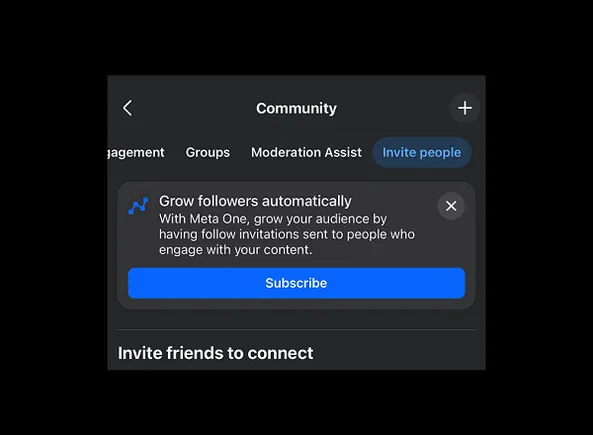
Meta Platforms, Inc. is significantly bolstering its Meta One subscription offering with an array of new features designed to empower creators and businesses in expanding their audiences and follower counts. This strategic move, detailed through screenshots shared by prominent social media researcher Jonah Manzano on Threads, underscores Meta’s accelerating pivot towards diversifying its revenue streams beyond its traditional advertising model. Among the most notable additions is the introduction of an auto-invite functionality, allowing subscribers to automatically invite individuals who interact with their posts to follow their accounts, a feature touted by the company as a means to "grow followers automatically."
This enhancement to Meta One is not an isolated development but rather the latest iteration in a broader, concerted effort by Meta to cultivate a robust subscription ecosystem across its family of applications, including Facebook, Instagram, and WhatsApp. The company’s focus on providing tangible tools for audience growth through paid subscriptions signals a deepening commitment to the creator economy and a recognition of the evolving demands of digital entrepreneurship. By integrating features such as automated invitations, Meta aims to offer a compelling value proposition that justifies the subscription cost for creators and businesses striving for organic reach and community expansion in an increasingly competitive digital landscape.
Deep Dive into New Growth Features
The core of the recent Meta One enhancements, as highlighted by Manzano, revolves around automated audience engagement. The auto-invite feature, which prompts users who interact with a subscriber’s content to follow their profile, represents a streamlined approach to converting passive engagement into active followership. While the specific mechanics of this feature are still being observed, it conceptually mirrors functionalities that have been available on platforms like Facebook and LinkedIn for some time. On these platforms, page administrators have often had the ability to invite individuals who react to posts to like or follow their pages. This automation, however, promises to reduce manual effort, offering a continuous, passive mechanism for subscriber growth.
The efficacy of such automated growth tools has been a subject of ongoing discussion within the social media industry. While they offer an immediate advantage in terms of efficiency, comprehensive data demonstrating their long-term impact on follower quality, engagement rates, and overall audience value remains limited. Critics often point out that organic growth, driven by compelling content and genuine interaction, tends to yield more engaged and loyal followers. However, for creators and businesses looking to quickly scale their presence and leverage every interaction, an automated system can be a powerful accelerator. The current implementation in Meta One suggests that Meta is betting on the convenience and potential reach benefits to attract and retain subscribers.
Beyond the auto-invite, Manzano’s observations indicate "a range of improved and updated incentives" for Meta One subscribers, although specific details for all these incentives were not fully enumerated in the initial report. These could potentially include advanced analytics for deeper audience insights, enhanced promotional tools, priority customer support, or even specialized content creation features. The overarching goal, however, is clear: to equip paying users with an edge in audience development that non-subscribers do not possess, thereby making the Meta One subscription an indispensable asset for those serious about their digital presence.
The Strategic Imperative: Why Subscriptions Now?
Meta’s intensified focus on subscription revenue is a direct response to a confluence of internal and external pressures that have reshaped the digital advertising landscape. For years, Meta’s business model has been overwhelmingly reliant on advertising revenue, which peaked significantly but also exposed the company to market volatility and regulatory challenges.
Background and Challenges:
The shift began gaining momentum following significant headwinds to Meta’s traditional ad business. Apple’s App Tracking Transparency (ATT) framework, introduced in iOS 14.5, severely limited Meta’s ability to track user behavior across apps and websites, directly impacting the effectiveness and targeting capabilities of its advertising platform. This change alone was projected to cost Meta billions in lost revenue, forcing the company to re-evaluate its foundational financial model.
Furthermore, macroeconomic slowdowns and increased competition for advertising dollars from emerging platforms like TikTok have added further pressure. This environment has underscored the inherent volatility of a singular revenue stream, prompting a strategic imperative for diversification.
Diversification as a Stability Measure:
Subscription revenue offers a more stable and predictable income stream compared to advertising, which is highly susceptible to economic downturns, privacy policy changes, and shifts in advertiser spending. By building out a robust subscription offering, Meta aims to create a financial cushion that can absorb some of the shocks to its core ad business, providing greater resilience and long-term financial stability. This diversification is not just about adding new revenue; it’s about de-risking the entire enterprise.
Catering to the Creator Economy:
The rise of the creator economy has also played a pivotal role in Meta’s subscription strategy. Millions of individuals and small businesses now leverage social platforms to build brands, connect with audiences, and generate income. These creators and businesses often seek advanced tools, enhanced visibility, and dedicated support to thrive. Subscriptions like Meta One are tailored to meet these needs, offering a tiered service that provides premium features for those willing to pay. This approach allows Meta to monetize its most active and commercially oriented users more directly, fostering a symbiotic relationship where the platform provides value, and users contribute financially.
Chronology of Meta’s Subscription Push
Meta’s journey into the subscription realm has been a deliberate and incremental process, evolving significantly over the past couple of years. The recent Meta One enhancements are part of a well-defined roadmap to establish a comprehensive subscription ecosystem.
February 2023: Launch of Meta Verified:
The most significant step in Meta’s subscription strategy began with the introduction of Meta Verified in February 2023. Initially rolled out in Australia and New Zealand, and subsequently expanded globally, Meta Verified offered a monthly subscription service for Facebook and Instagram users. Its primary features included a verified badge (blue tick), enhanced account protection against impersonation, direct access to customer support, and increased visibility/reach for content. The stated goal was to help creators establish their authenticity and grow their presence more effectively.
While Meta has not released official subscriber numbers, analyses based on its quarterly performance updates suggest a significant uptake. Estimates indicate that approximately 35 million Facebook and Instagram users may have subscribed to Meta Verified by early 2024, generating an estimated $2 billion in additional annual revenue. While this figure is substantial in isolation, it represents only a fraction of Meta’s colossal overall revenue, which surpassed $200 billion in 2025 (fiscal year 2024 results, reported in 2025). Nevertheless, it demonstrates a viable new revenue channel with considerable growth potential.
May 2024: Suite of Paid Add-on Packages:
Building on the foundation of Meta Verified, Meta announced a suite of paid add-on packages in May 2024 for its flagship platforms – Facebook, Instagram, and WhatsApp. These add-ons were designed to offer more granular and specialized features catering to specific user needs. While the exact details of all packages varied, they generally included features like advanced analytics tools for deeper audience insights, enhanced capabilities for business profiles, and possibly more robust advertising credits or targeting options. This move indicated Meta’s strategy to segment its paid offerings, allowing users to select features most relevant to their individual or business requirements, thereby maximizing the perceived value of their subscription.

July 2024: Charging for Advanced AI Features:
Further solidifying its commitment to monetization beyond advertising, Meta announced in July 2024 that it would soon begin charging users for access to certain advanced AI features. This decision aligns with the company’s massive investments in artificial intelligence research and development. As AI becomes increasingly integrated into core platform functionalities – from content creation tools to sophisticated search and recommendation algorithms – offering premium AI capabilities through a subscription model provides a clear path to recouping these significant R&D costs. It also positions Meta to compete with other tech giants that are monetizing their AI advancements.
Current Meta One Enhancements:
The latest Meta One enhancements, particularly the auto-invite feature, are a direct continuation of this strategic trajectory. By embedding more tangible growth tools into its subscription offering, Meta aims to make Meta One an indispensable asset for creators and businesses. This continuous evolution of subscription benefits is critical to attracting new subscribers and retaining existing ones in a rapidly changing digital ecosystem.
Broader Context: The Creator Economy and Competitive Landscape
The dynamics of the creator economy profoundly influence Meta’s subscription strategy. Creators, ranging from individual influencers to small businesses, are constantly seeking platforms that offer the best tools for audience reach, engagement, and monetization.
Creator Needs:
Modern creators require more than just a platform to post content. They demand:
- Reach and Discoverability: Algorithms that help their content find new audiences.
- Engagement Tools: Features that foster interaction and community building.
- Monetization Options: Direct pathways to earn income (e.g., subscriptions, tips, brand partnerships).
- Analytics: Data to understand their audience and content performance.
- Support: Reliable customer service for troubleshooting and guidance.
Meta’s subscription offerings are specifically designed to address these needs, aiming to provide a competitive edge in each area.
Competitive Landscape:
Meta operates in a highly competitive social media landscape where other platforms are also vying for creators and their audiences, often with their own subscription or monetization models:
- YouTube: Offers channel memberships, Super Chat, and a robust ad revenue sharing program. YouTube Premium provides an ad-free experience for viewers.
- TikTok: Has creator funds, live-stream gifting, and a nascent subscription model for creators.
- X (formerly Twitter): Offers "X Premium" (formerly Twitter Blue) with features like longer posts, editing capabilities, and a share of ad revenue for eligible creators.
- Substack/Patreon: Dedicated subscription platforms that allow creators to directly monetize their audience through exclusive content.
Meta’s strategy with Meta One and Meta Verified is to offer a comprehensive suite of features that can compete with or even surpass the offerings of these rivals, ensuring that its platforms remain attractive destinations for creators. By focusing on growth tools, Meta hopes to address a primary pain point for creators: expanding their reach without relying solely on algorithmic favor or paid advertising.
Analysis of Implications
The ongoing evolution of Meta’s subscription model carries significant implications for various stakeholders.
For Creators and Businesses:
- Potential for Enhanced Growth: Features like auto-invite offer a direct, automated pathway to convert engaged viewers into followers, potentially accelerating audience growth. This can be particularly beneficial for smaller creators and new businesses struggling for visibility.
- Value Proposition vs. Cost: The effectiveness of these tools will be crucial. If they genuinely lead to substantial, high-quality follower growth and improved engagement, the subscription cost will be justified. However, if the impact is marginal, creators may view it as an unnecessary expense.
- Tiered Access: The proliferation of paid features could create a tiered ecosystem where subscribers have a distinct advantage over non-subscribers in terms of reach and tools. This might push more creators towards subscriptions out of necessity to remain competitive.
- Feature Fatigue: With numerous platforms offering paid features, creators might experience "feature fatigue" or find it challenging to manage multiple subscriptions across different platforms.
For Meta:
- Revenue Stability and Diversification: The most immediate benefit is the creation of a more stable and predictable revenue stream, reducing over-reliance on the volatile advertising market. This diversification strengthens Meta’s financial resilience.
- Increased Platform Stickiness: Premium features can enhance the value proposition of Meta’s platforms, making them more attractive and "sticky" for professional users. If creators find these tools indispensable for their growth, they are less likely to migrate to competing platforms.
- Funding Ambitious Projects: The additional revenue generated from subscriptions is critical for funding Meta’s massive, long-term investments in artificial intelligence and the metaverse. Mark Zuckerberg’s vision for these future technologies requires significant capital, and subscriptions provide a supplementary financial pool alongside ad revenue.
- Data and Insights: Subscriber behavior and feature usage data can provide Meta with valuable insights into the specific needs and pain points of its most engaged users, informing future product development.
For the Industry:
- Trend Towards ‘Premium’ Features: Meta’s move further solidifies the industry trend towards offering premium, paid features on social media platforms. This could lead to a broader shift where basic platform access remains free, but advanced functionalities essential for professional use are increasingly paywalled.
- Evolving Creator Monetization: It signals an ongoing evolution in how creators monetize their work and how platforms support them. Direct subscriptions, alongside advertising and brand partnerships, are becoming a standard part of the creator’s toolkit.
- Potential for Digital Divide: A tiered system might inadvertently create a digital divide, where creators or businesses with financial resources can leverage advanced tools to grow faster, potentially making it harder for those without subscription budgets to compete effectively.
Financial Perspective and Future Outlook
While the $2 billion in estimated annual revenue from Meta Verified (and likely more from other subscriptions) is a significant sum, it remains a relatively small portion when viewed against Meta’s overall financial might. In 2025, Meta reported over $200 billion in total revenue, primarily driven by its advertising business. This context highlights that subscriptions are not intended to replace advertising but rather to complement it as a vital growth engine and risk mitigation strategy.
The strategic importance of this subscription revenue becomes clearer when considering Meta’s gargantuan investments in future technologies. The company has committed tens of billions of dollars annually towards building out its AI infrastructure, including advanced data centers, and developing its vision for the metaverse. These are long-term, capital-intensive projects that require sustained funding. The consistent, albeit smaller, revenue stream from subscriptions provides a steady financial bedrock that supports these ambitious endeavors, allowing Meta to innovate and expand without sole reliance on the fluctuating ad market.
Looking ahead, Meta’s subscription strategy is likely to continue evolving. We can anticipate:
- Further Feature Expansion: More sophisticated AI-powered tools, advanced analytics, and exclusive content creation features will likely be integrated into Meta One and other subscription tiers.
- Greater Integration: Deeper integration of subscription benefits across Facebook, Instagram, and WhatsApp, potentially offering cross-platform advantages.
- Personalization and Customization: More personalized subscription packages tailored to specific creator niches or business types.
- Global Rollout and Localization: Continued expansion of offerings to more regions, with localized features and pricing.
In conclusion, Meta’s ongoing enrichment of its Meta One subscription is a clear manifestation of its strategic pivot towards revenue diversification and enhanced support for the creator economy. By offering advanced tools like automated follower invitations, Meta aims to solidify its position as an indispensable platform for digital growth. This initiative, while generating a comparatively modest but growing revenue stream, is crucial for funding the company’s ambitious long-term projects in AI and the metaverse, ultimately securing its future dominance in the evolving digital landscape.