

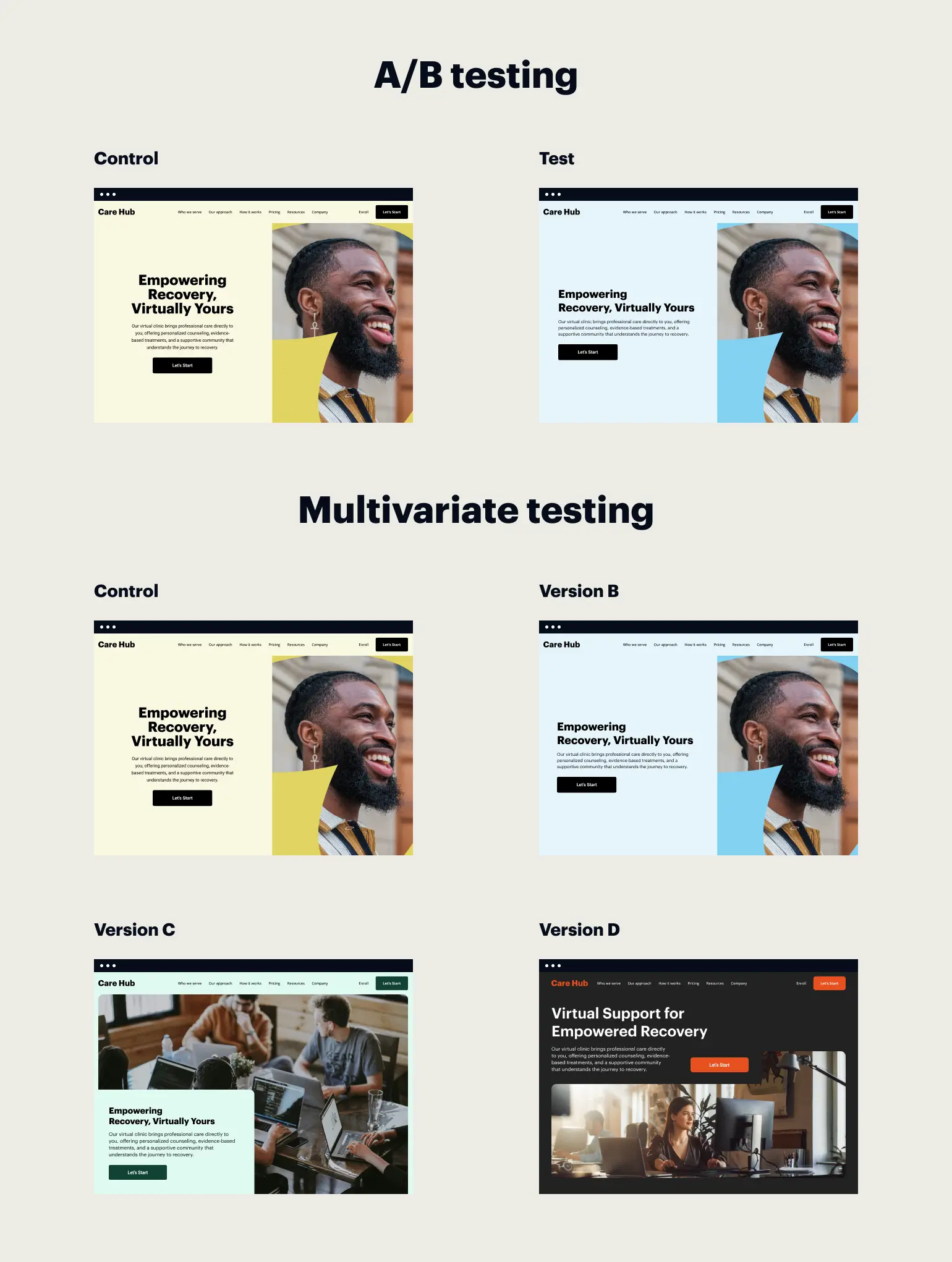
The digital marketing landscape has evolved from a realm of creative intuition to a rigorous, data-driven discipline where every pixel and punctuation mark is subject to empirical scrutiny. At the heart of this transformation lies the practice of experimentation, a process that allows organizations to move beyond guesswork and toward a definitive understanding of user behavior. While A/B testing has long served as the entry point for web optimization, the increasing complexity of user interfaces and the nuance of consumer psychology have necessitated more sophisticated methodologies. Multivariate testing, often referred to as MVT, has emerged as a critical tool for high-traffic enterprises seeking to understand not just which elements work, but how various elements interact to drive a specific outcome.

The Fundamentals of Multivariate Testing
Multivariate testing is a technique for testing a hypothesis in which multiple variables are modified simultaneously. The primary objective is to determine which combination of variations performs the best out of all possible permutations. Unlike A/B testing, which typically compares a single variable—such as the color of a "Buy Now" button—MVT might look at the headline, the hero image, and the button color all at once.
The methodology is rooted in the principle of interaction effects. In many digital environments, the effectiveness of a headline might be contingent upon the image that accompanies it. An aggressive, sales-focused headline might perform poorly with a soft, lifestyle image but exceptionally well with a stark, product-focused visual. A/B testing, by its nature, isolates these elements and may miss the synergistic relationship between them. MVT identifies these hidden correlations, providing a more holistic view of the user experience.
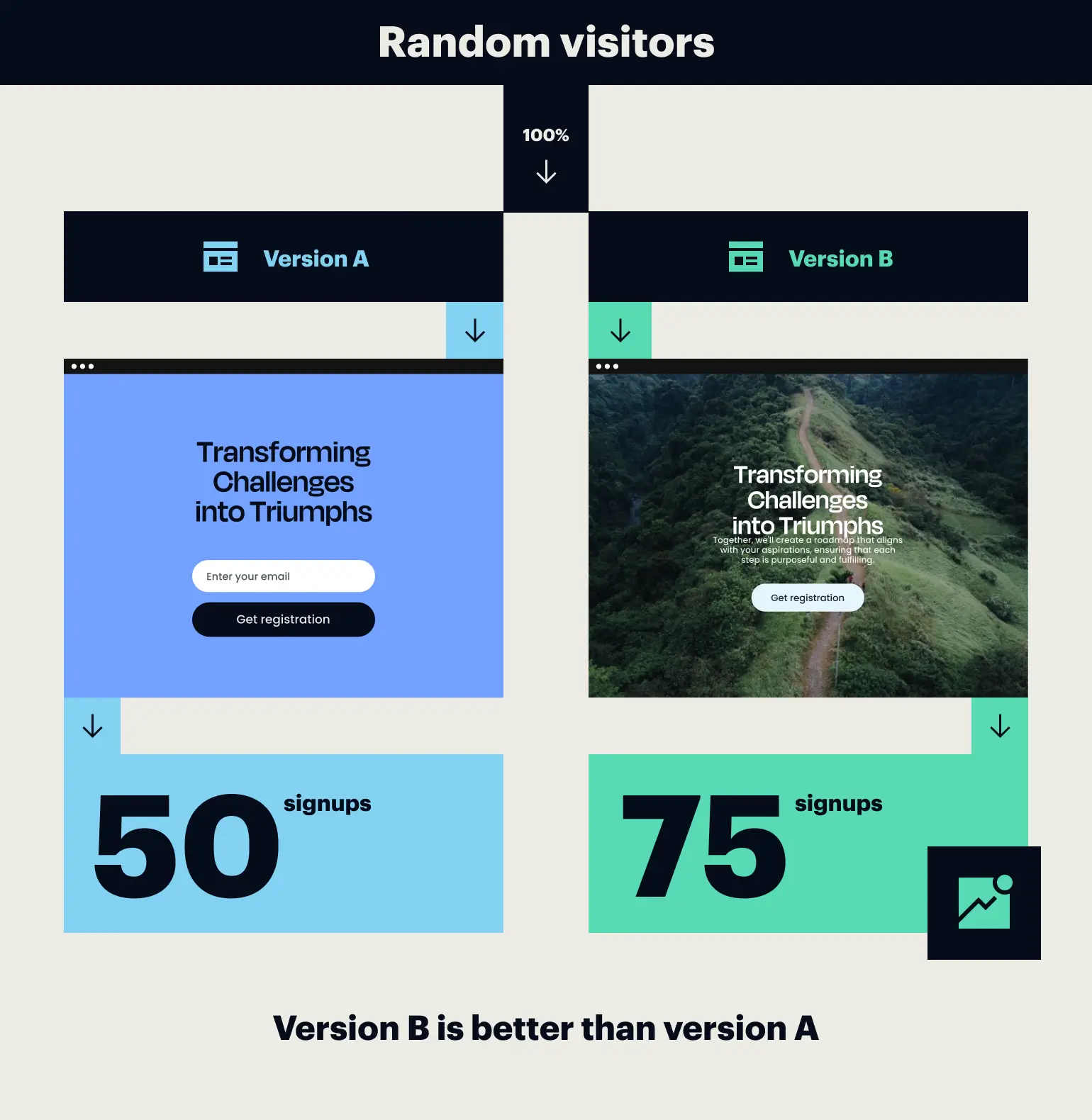
The elements typically subjected to multivariate testing include:
- Headlines and sub-headers
- Call-to-Action (CTA) text, color, and placement
- Hero images and background visuals
- Lead generation form lengths and field requirements
- Navigation menu structures
- Trust signals, such as testimonials or security badges
The Strategic Distinction: MVT versus A/B Testing
To understand the value of MVT, one must first delineate its boundaries in relation to A/B testing. A/B testing, or split testing, is a controlled experiment where two versions of a single variable are compared. It is highly effective for making binary decisions or for websites with lower traffic volumes where reaching statistical significance is a challenge.
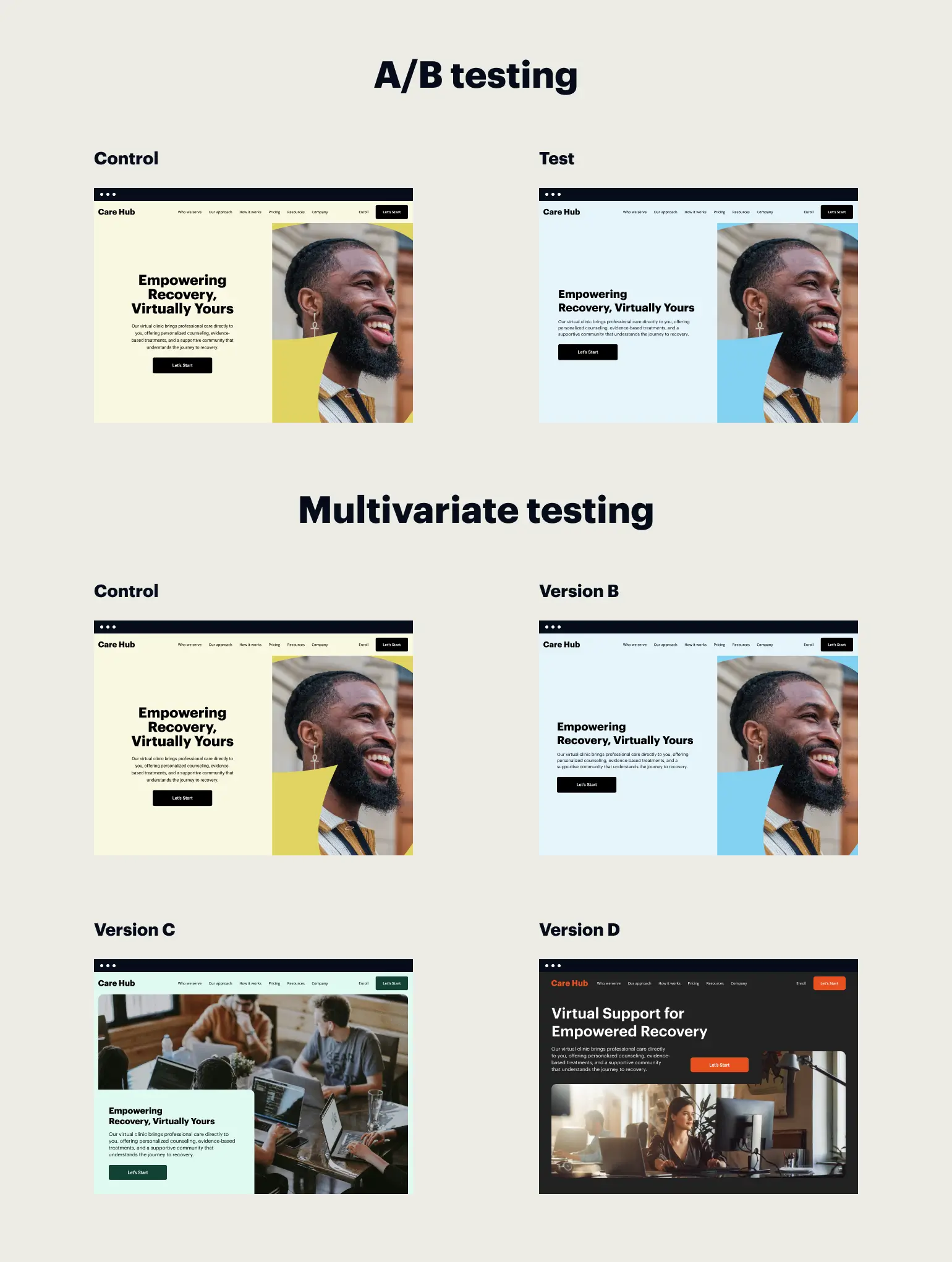
Conversely, MVT is an advanced level of experimentation. It empowers marketers to assess the collective impact of different combinations within a single test. For instance, a travel agency looking to optimize a booking funnel might use an MVT to test three different headlines, two different background videos, and two different form placements. Using the MVT formula—(Number of Variations of Element A) x (Number of Variations of Element B) x (Number of Variations of Element C)—the agency would be testing 12 unique versions of the page (3 x 2 x 2 = 12).
Industry analysts suggest that while A/B testing is ideal for "radical" changes—such as testing two completely different page designs—MVT is the superior choice for "refinement." Once a general layout is proven effective via A/B testing, MVT is used to fine-tune the specific components to squeeze the maximum possible conversion rate out of the design.

A Comparative Analysis of Methodology
The choice between these two methods often comes down to resources, traffic, and the specific goals of the marketing department. Below is a detailed breakdown of how these methodologies compare across key operational metrics:
| Aspect | Multivariate Testing (MVT) | A/B Testing |
|---|---|---|
| Experiment Complexity | High | Low |
| Testing Speed | Slower (requires more data) | Faster |
| Interaction Effects | Identifies how elements work together | Cannot identify element synergy |
| Traffic Requirement | Very Large | Moderate to Low |
| Implementation | Complex technical setup | Relatively simple |
| Primary Use Case | Fine-tuning and optimization | Broad design choices |
One of the most significant hurdles for MVT is the sample size requirement. Because the traffic is split among many more variations (12 or more in many cases, compared to just two in a standard A/B test), a website needs a massive influx of visitors to ensure that the results are statistically significant. If a site has 10,000 visitors a month, an A/B test gives each variation 5,000 visitors. An MVT with 20 variations would only give each version 500 visitors, likely resulting in "noise" rather than actionable data.

Mathematical Models: Full Factorial vs. Fractional Factorial
When running MVT, marketers generally choose between two primary mathematical approaches: Full Factorial and Fractional Factorial.
The Full Factorial method is the gold standard for accuracy. In this model, every possible combination of variables is tested against an equal share of traffic. This ensures that the data reflects the true interaction between every element. However, as the number of variables increases, the traffic requirements grow exponentially.

The Fractional Factorial method is a more streamlined approach. It uses mathematical shortcuts to test only a subset of the possible combinations, assuming that some interactions are less significant than others. While this requires significantly less traffic, it introduces a margin of error and the potential for "alias" effects, where the influence of one variable is incorrectly attributed to another.
A third, less common method is the Taguchi Method, originally derived from industrial manufacturing. It aims to find the optimal combination by testing a very small number of variations, but its application in the fast-moving world of digital marketing is often criticized for being too rigid and less accurate than modern algorithmic approaches.

Real-World Applications: Case Studies in Optimization
The efficacy of these testing methods is best illustrated through successful industry applications. Two notable examples—AliveCor and Groove—demonstrate how structured testing can lead to substantial revenue growth.
Case Study: AliveCor and the "New Product" Badge
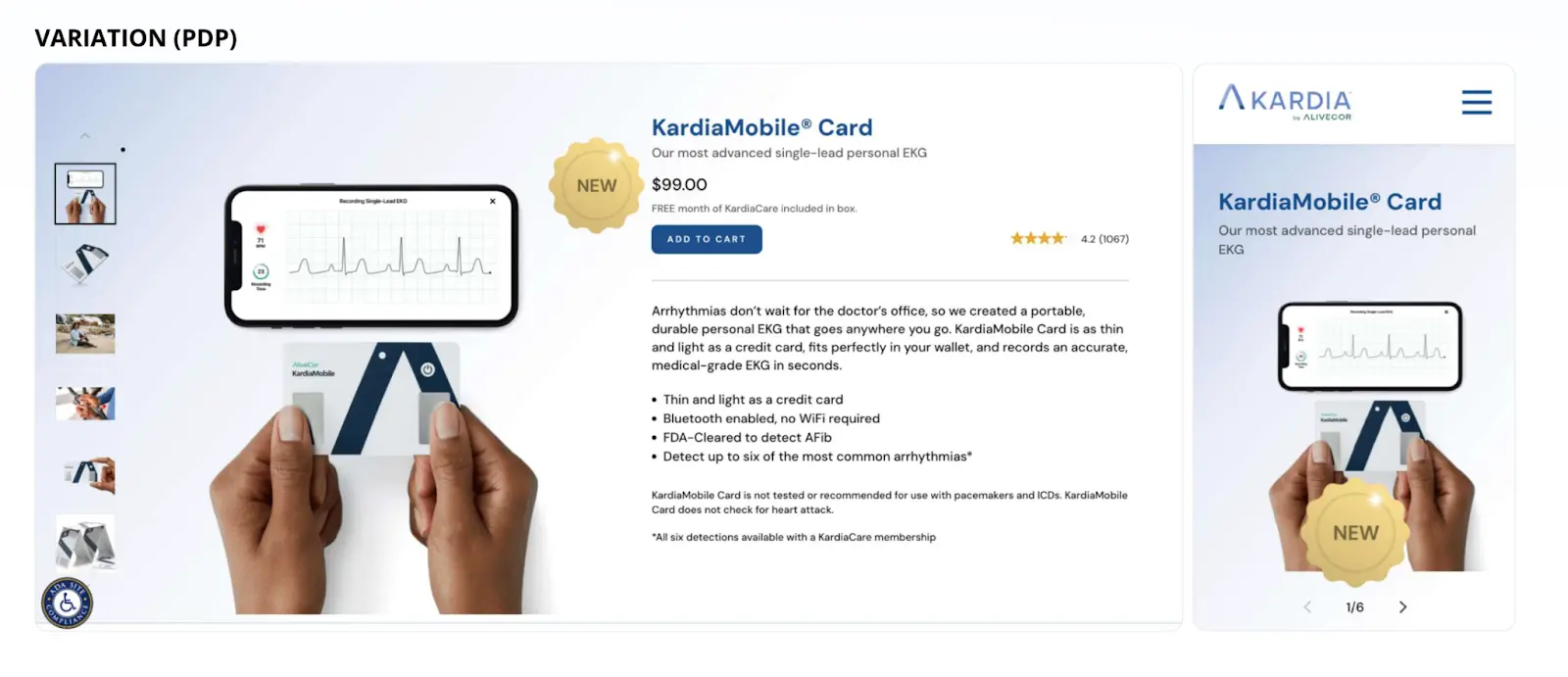
AliveCor, a leader in personal EKG technology, faced a common e-commerce challenge: launching a new product (the KardiaMobile Card) without cannibalizing the sales of their existing flagship products. The company hypothesized that psychological cues, such as "New" badges, would draw attention without detracting from the overall brand trust.
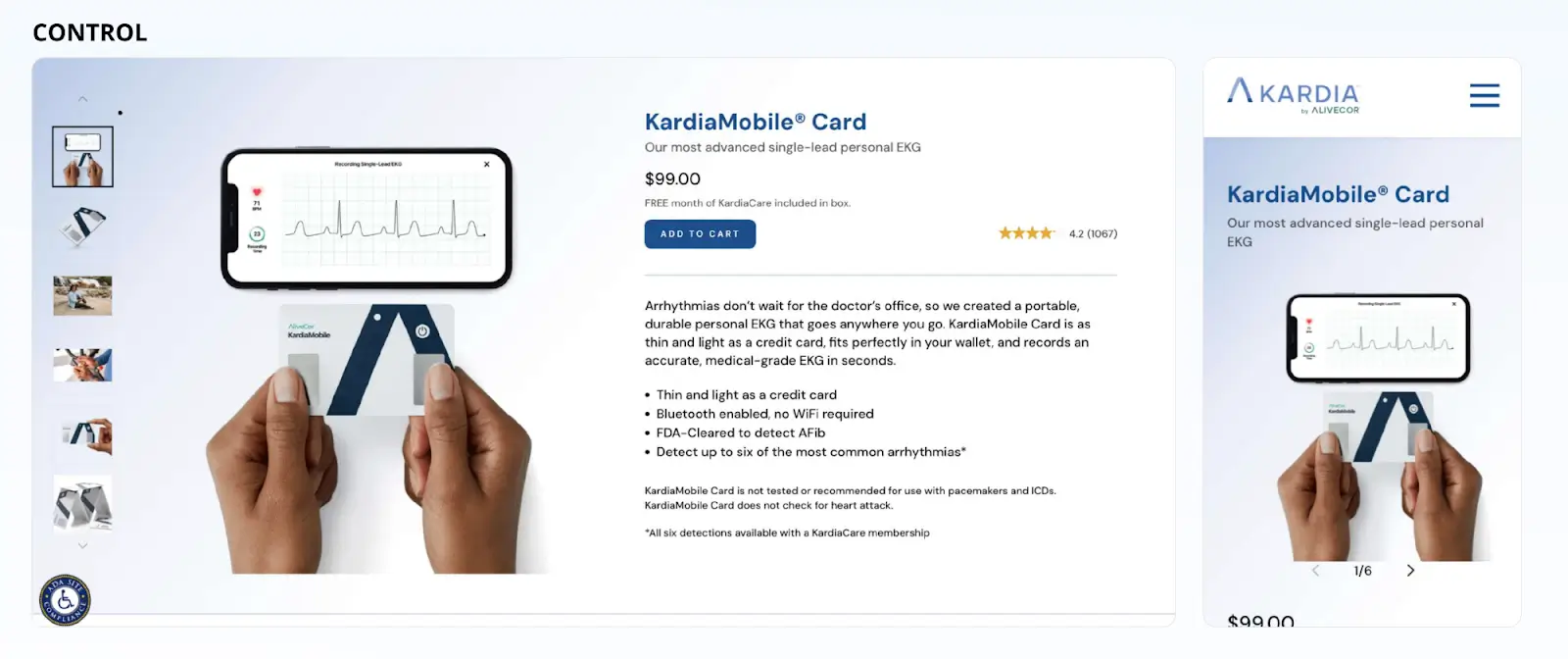
By running a test that modified the size, color, and placement of a "New" badge on their product listing and detail pages, AliveCor sought to find the optimal visual hierarchy. The results were definitive. The winning variation, which featured a prominent badge on both desktop and mobile interfaces, resulted in a 25.17% increase in conversion rates and a 29.58% boost in revenue per user. This experiment proved that even minor visual cues, when optimized through testing, can have a profound impact on the bottom line.
Case Study: Groove’s Layout Overhaul
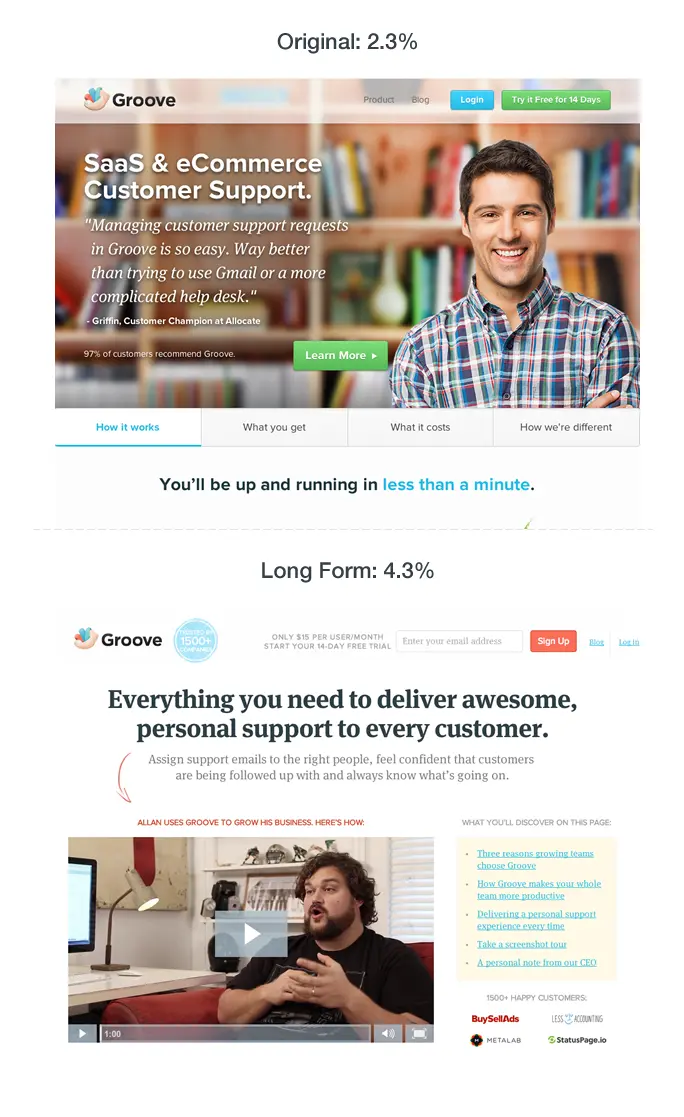
Groove, a SaaS provider for customer support, realized their landing page was underperforming, with a conversion rate of only 2.3%. Rather than testing minor button colors, they opted for a radical "copy-first" redesign. They used testing to evaluate different narrative structures, moving from a feature-heavy layout to one that focused almost exclusively on user benefits. By testing different headlines in conjunction with long-form storytelling layouts, Groove successfully increased its conversion rate to 4.3%, nearly doubling its lead generation overnight.

The Chronology of a Successful Multivariate Experiment
For organizations looking to implement MVT, a structured timeline is essential to prevent data contamination and wasted resources.
- The Research Phase (Weeks 1-2): Analyze current heatmaps, session recordings, and bounce rates. Identify the "friction points" on the high-value pages.
- Hypothesis Formation (Week 3): Define exactly what you believe will happen. For example: "Changing the hero image to a person using the product and moving the CTA above the fold will increase click-through rates by 15%."
- Variable Selection (Week 4): Choose the elements to be tested. Ensure they are independent enough that the results will be clear.
- Technical Setup (Week 5): Use a platform like Instapage, Optimizely, or VWO to build the variations. Set up tracking pixels and goal conversions.
- The Test Run (Weeks 6-10): Allow the test to run until it reaches statistical significance (usually 95% or higher). Resist the urge to stop the test early if one version looks like an early winner.
- Analysis and Implementation (Week 11): Deconstruct the data. Look for unexpected interactions. Implement the winning combination as the new "control" version.
Expert Perspectives and Industry Implications
Industry experts emphasize that the future of MVT lies in Artificial Intelligence and Machine Learning. "We are moving away from manual MVT where a marketer has to dream up every combination," notes Sarah Jenkins, a senior conversion rate optimization (CRO) consultant. "Modern platforms now use ‘Multi-Armed Bandit’ algorithms that automatically shift traffic toward winning variations in real-time, minimizing the ‘loss’ associated with showing users underperforming versions of a page."
Furthermore, the rise of privacy regulations such as GDPR and CCPA has changed the landscape of testing. Marketers must now ensure that their testing platforms are compliant with data privacy laws, often opting for server-side testing rather than client-side scripts to improve page load speeds and data security.
Conclusion: The Path to Data-Driven Maturity
Multivariate testing is not a silver bullet, but rather a sophisticated instrument in a broader optimization orchestra. For brands with sufficient traffic, it offers a level of insight that A/B testing simply cannot match, revealing the complex interplay of design and psychology.
However, the high "cost of entry" in terms of traffic and technical expertise means that MVT should be reserved for high-impact pages, such as homepages, checkout flows, and primary lead capture forms. By systematically validating hypotheses and embracing the rigor of multivariate analysis, businesses can transform their digital assets from static brochures into high-performance engines of growth. As the digital economy becomes increasingly competitive, the ability to test, learn, and adapt at scale will be the primary differentiator between market leaders and those left behind.







