

Email marketing remains an indispensable channel for businesses to connect with customers, drive engagement, and generate revenue. However, the efficacy of this powerful tool hinges entirely on a single, often-overlooked factor: email deliverability. If a brand’s meticulously crafted messages fail to reach the intended inbox, the ripple effects can be severe, impacting brand reputation, eroding customer loyalty, and significantly diminishing return on investment (ROI). Understanding the nuances between email delivery—the mere acceptance of a message by a receiving server—and email deliverability—the critical outcome of landing in the primary inbox—has long been a complex endeavor for marketers, often feeling like an opaque "black box" operation.
The Critical Imperative of Inbox Placement in a Digital Economy
In an era where digital communication dominates, email stands as a cornerstone of customer relationship management, sales funnels, and brand building. Billions of emails are exchanged daily, making it a primary touchpoint for consumers and businesses alike. The stakes are particularly high for marketers, for whom email is not just a communication tool but a direct revenue driver. A robust email deliverability strategy is not merely a technical concern; it is a fundamental business imperative. When emails consistently land in spam folders or are blocked entirely, the effort, time, and financial resources invested in content creation, segmentation, and campaign execution are wasted. More critically, it fosters a breakdown in trust, as customers may perceive a brand as unreliable or unresponsive, leading to disengagement and churn.
Recent industry research underscores the increasing importance and improving, yet still challenging, state of email deliverability. Validity’s authoritative 2026 Email Deliverability Benchmark Report revealed a global inbox placement rate of 87.25%, marking a notable 3.7% uplift from the previous year. This positive shift is largely attributed to a confluence of factors: the implementation of new bulk sender requirements by major mailbox providers, the introduction of stricter global privacy laws (such as GDPR and CCPA), and a heightened focus on accessibility tactics within email design. While this improvement signals progress, the remaining 12.75% of emails that do not reach the primary inbox still represent a significant volume of lost opportunities and potential revenue for businesses worldwide. For a large sender sending millions of emails, even a small percentage drop can translate into hundreds of thousands of missed customer interactions and sales.
Understanding the Intricacies: Deliverability vs. Delivery
To truly master email deliverability, marketers must first differentiate it from its deceptively similar counterpart: email delivery. Email delivery simply indicates that a receiving server has accepted a message. It’s a foundational step, confirming the message wasn’t immediately rejected due to a non-existent address or a server error. However, a "delivered" email offers no guarantee of visibility. It could still languish in a spam folder, a "Promotions" tab, or other filtered categories, effectively rendering it unseen by the recipient.
Email deliverability, conversely, encompasses the sophisticated evaluation process undertaken by mailbox providers (MBPs) to determine where an email ultimately lands. This assessment considers a multitude of signals, including sender behavior, subscriber engagement patterns, and the underlying technical infrastructure. This intricate, often clandestine process is precisely why deliverability can feel so enigmatic. Much of the decision-making occurs behind the scenes, utilizing proprietary algorithms and constantly evolving criteria, making it difficult for senders to pinpoint exact causes for placement shifts without specialized tools.
The Evolving Challenges: Why Deliverability Is Harder Than Ever
While the overall inbox placement rate has seen a recent boost, the landscape of email deliverability continues to present evolving challenges. Email marketing is a dynamic field, constantly adapting to new technologies, user behaviors, and security threats. Marketers must remain vigilant and informed about the silent factors that can significantly impact their program’s effectiveness.
-
Divergent Mailbox Provider Policies and Increased Scrutiny: Not all mailbox providers operate under the same rulebook, leading to varied inbox placement rates. For instance, the Validity report highlights a stark contrast, with Gmail boasting an 89.8% inbox placement rate compared to Microsoft’s 77.4%. These discrepancies mean that a campaign performing well on one platform might struggle on another. Historically, changes at the MBP level have often led to decreased inbox placement. However, the recent enforcement of bulk sender requirements by giants like Google and Yahoo has paradoxically helped elevate overall rates by compelling senders to adopt better practices. Nevertheless, the constant evolution of these rules and the lack of universal standards mean that maintaining optimal deliverability remains a perpetual challenge.
-
The Rise of AI in the Inbox and Beyond: Artificial intelligence is now deeply embedded in the email ecosystem, fundamentally altering how emails are processed and filtered. Mailbox providers are increasingly deploying advanced AI models, trained on vast datasets of spam and phishing attempts, to scrutinize incoming messages. This heightened scrutiny means that even legitimate senders face a tougher battle to prove their trustworthiness. Furthermore, the proliferation of AI-generated content, including AI-driven summaries of emails and a surge in AI-generated spam, creates a complex environment. While AI aims to improve user experience and security, it can inadvertently lead to lower engagement for legitimate senders if AI summaries misrepresent content, and it increases the risk of higher complaint rates due to the sheer volume of low-quality, AI-produced spam.
-
Accelerated Email Production and Volume Volatility: The drive for efficiency in marketing teams, often fueled by automation and advanced tools, can be a double-edged sword for deliverability. Litmus’s 2026 State of Email Report indicated that most email teams require 1-3 days to create and deploy a single marketing email. While efficiency gains are laudable, newfound speed can tempt teams to dramatically increase sending volume or alter frequency without proper strategic consideration. Sudden, unexplained spikes in email volume can send negative signals to mailbox providers, triggering filters and negatively impacting sender reputation, even if the content itself is legitimate. MBPs are wary of abrupt changes, viewing them as potential indicators of compromised accounts or malicious activity.

Proactive Strategies: What Senders Control Before the Send Button
The foundation of robust email deliverability is laid long before an email campaign is launched. Senders aiming for long-term success and a pristine reputation must meticulously manage several key factors within their direct control.
-
Comprehensive Email List Hygiene: This is a continuous, multi-step process, much like ongoing maintenance. Regularly cleaning and maintaining an email list ensures that messages are sent only to real, engaged subscribers. It involves identifying and removing outdated, invalid, or uninterested addresses that can harm sender reputation by generating bounces or spam complaints. Best practices include:
- Regular list scrubbing: Periodically removing subscribers who haven’t engaged in a significant period (e.g., 6-12 months).
- Bounce management: Promptly removing hard bounces (permanent delivery failures) and actively managing soft bounces (temporary failures).
- Spam trap avoidance: Utilizing list validation tools to identify and remove known spam traps before sending.
- Preference center utilization: Allowing subscribers to manage their own preferences, reducing the likelihood of them marking emails as spam.
-
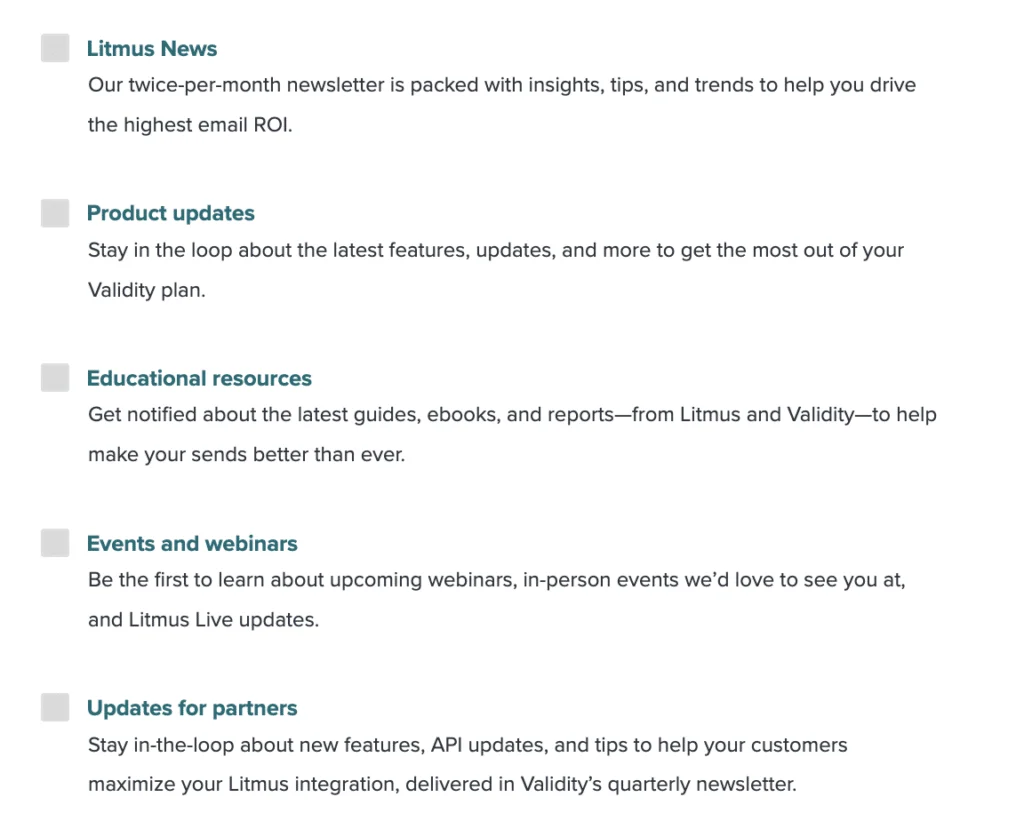
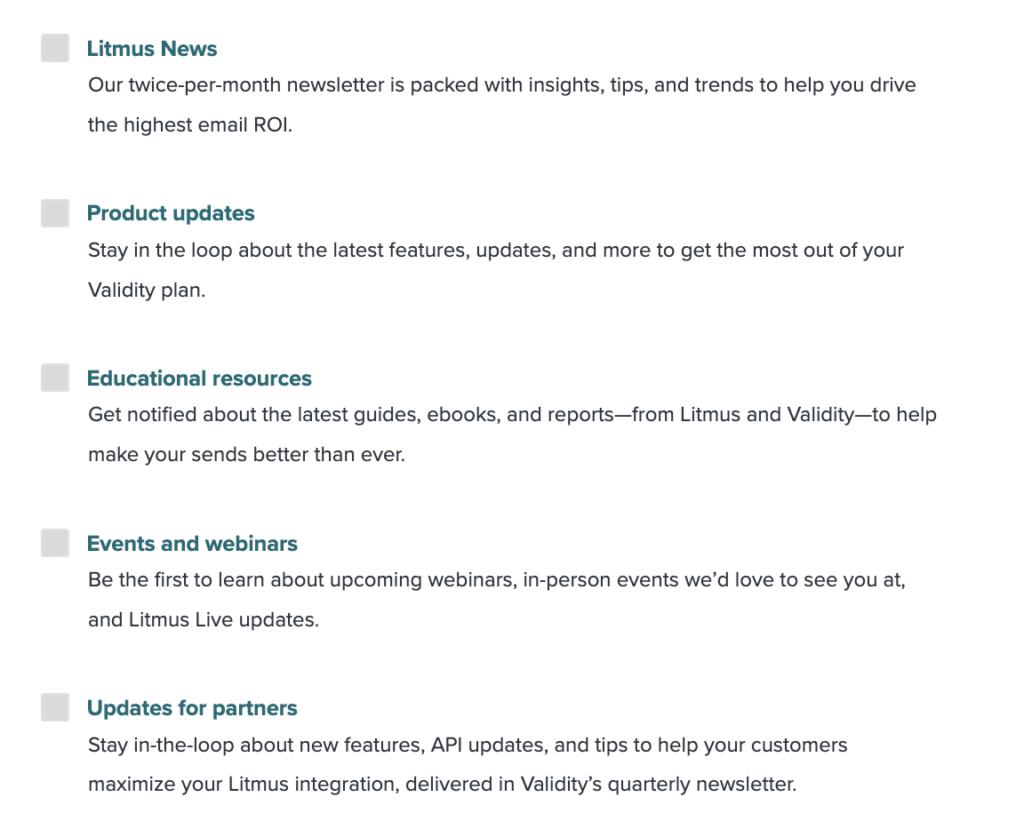
Cultivating Organic List Growth and Managing Subscriber Expectations: Sustainable list growth is paramount. Senders must prioritize obtaining explicit consent (opt-in) from subscribers and clearly communicate what type of content they will receive and how frequently. This ensures that subscribers receive what they expect, minimizing dissatisfaction and spam complaints. A well-implemented preference center is a powerful tool here, empowering subscribers to tailor their email experience, from content types (newsletters, product updates, event invitations) to frequency. This transparency builds trust and gives subscribers control, making them less likely to disengage negatively.
-
Strategic Sending Volume and Frequency: Mailbox providers closely monitor sending patterns. Inconsistent cadences, sudden volume spikes, or excessive mailing can trigger filters. Senders must plan anticipated changes in volume carefully, employing an IP warm-up strategy when using new IPs or significantly increasing volume. This involves gradually increasing email volume over time, allowing MBPs to assess the sender’s behavior and build a positive reputation. Consistency and predictability are key to maintaining a healthy sending reputation.
-
Leveraging Engagement Signals: Focus on the quality of interactions over sheer quantity of sends. Engagement metrics serve as early indicators of audience sentiment and deliverability health. Senders should track:
- Open rates: While privacy features like Apple Mail Privacy Protection complicate this, it still offers directional insight.
- Click-through rates (CTR): A strong indicator of content relevance and subscriber interest.
- Conversion rates: The ultimate measure of email campaign effectiveness.
- Reply rates: Especially for transactional or customer service emails, indicating direct interaction.
- Forward rates: A sign of highly valuable and shareable content.
- Spam complaint rates: A critical negative signal; high rates severely damage reputation.
- Unsubscribe rates: While not as damaging as spam complaints, high rates indicate dissatisfaction.
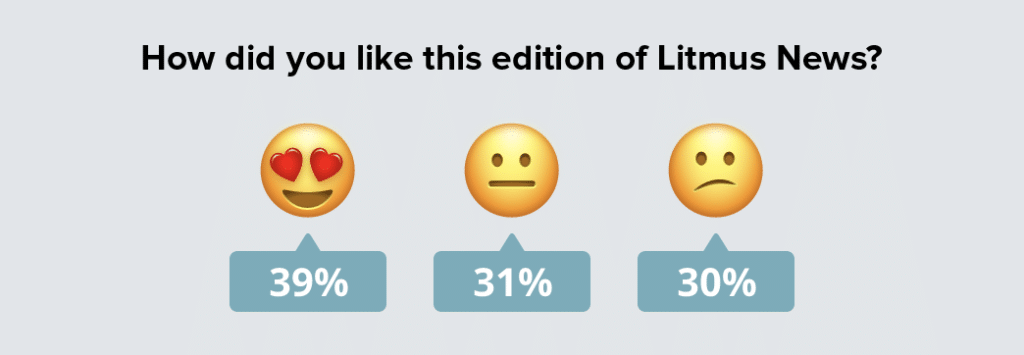
- Interactive elements, such as in-email polls, can provide direct feedback on content value and relevance.
-
Design and Accessibility as Deliverability Factors: The user experience within an email directly influences engagement. If emails are poorly designed, inaccessible, or riddled with technical issues, subscribers may become frustrated, leading to disengagement or, worse, marking messages as spam. Key considerations include:
- Responsive design: Ensuring emails render correctly across all devices and screen sizes.
- Image optimization: Using appropriate image sizes and formats, and providing alt text for accessibility.
- Clear calls-to-action (CTAs): Making it easy for subscribers to interact.
- Font readability and color contrast: Adhering to accessibility standards.
- Broken links or missing images: These common errors can significantly damage credibility. Pre-send testing tools like Validity Engage can alert senders to rendering issues across various clients and devices, allowing for timely fixes before campaigns go live.
The Essential Partnership: The Role of Email Service Providers (ESPs)
While a sender’s actions form the bedrock of deliverability, the chosen Email Service Provider (ESP) plays a crucial supporting role. ESPs provide the technical infrastructure necessary to send emails reliably at scale, acting as the conduit between the sender and the mailbox providers.
-
Infrastructure and IP Management: ESPs manage the complex technical "plumbing" of email sending. For senders utilizing shared IP addresses, a reputable ESP will meticulously monitor the sending behavior of all users on that IP pool, proactively taking action against any "bad actors" whose practices threaten the collective reputation of the shared infrastructure. The reputation of both the sender’s domain and the IP address are inextricably linked and directly influence inbox placement.
-
Authentication Support: ESPs are instrumental in facilitating critical email authentication protocols:
- SPF (Sender Policy Framework): Verifies that an email comes from an IP address authorized by the domain’s owner.
- DKIM (DomainKeys Identified Mail): Uses digital signatures to verify that an email has not been tampered with in transit.
- DMARC (Domain-based Message Authentication, Reporting, and Conformance): Builds upon SPF and DKIM, providing instructions to MBPs on how to handle emails that fail authentication, and offering reporting on authentication results.
ESPs typically provide the necessary tools and guidance for setting up and maintaining these protocols, which are foundational for building trust with MBPs.
-
Basic Reputation and Blocklist Monitoring: Reputable ESPs often provide a baseline level of monitoring for IP reputation and major public blocklists. This proactive vigilance helps to mitigate the risk of widespread blocking and can alert senders to potential issues before they escalate into significant deliverability crises.
-
Compliance and Abuse Safeguards: The regulatory landscape surrounding email is constantly evolving, with laws like CAN-SPAM, GDPR, and CCPA imposing strict requirements. ESPs generally handle baseline compliance requirements and enforce their own anti-spam policies to protect the integrity of their sending environment and ensure adherence to legal standards.
Given the ESP’s pivotal role, senders must engage in thorough due diligence when selecting a provider and maintain clear communication regarding deliverability support. Key questions to ask an ESP include:
- How do you monitor IP address and domain reputation? Look for ongoing, proactive monitoring with real-time alerts.
- What safeguards are in place if another sender on my shared IP impacts my deliverability? Seek clear enforcement policies and transparent communication about bad actor isolation.
- How are spam complaints tracked and reported? Expect near-real-time reporting with actionable guidance.
- What visibility do I have into inbox vs. spam placement? Demand insights beyond basic delivery and bounce metrics, ideally at the provider level.
- How do you support authentication protocols (SPF, DKIM, DMARC)? Look for setup guidance, ongoing monitoring, and support for alignment.
- What guidance is provided for changes in sending volume or cadence? Structured ramp-up guidance and monitoring during transitions are crucial.
- Do you support ESP or infrastructure migrations? Comprehensive migration plans, warm-up support, and post-migration monitoring are essential for high-risk transitions.
- How will I be notified if deliverability starts to decline? Proactive alerts tied to reputation, complaints, or placement are vital for early detection.
Beyond the Send Button: The Mailbox Provider’s Domain
Once an email leaves the ESP, its fate rests squarely with the mailbox providers. This is where the "black box" truly comes into play, as MBPs make complex inbox placement decisions based on an intricate web of signals. From a sender’s perspective, these outcomes can appear sudden or arbitrary. However, MBPs are not reacting to a sender’s intent or effort but to patterns and historical data. A sender with the best intentions but poor list hygiene, for example, will be treated similarly to a malicious actor exhibiting the same problematic signals.
-
How Mailbox Providers Evaluate Email: MBPs do not assess each message in isolation. Instead, they analyze broader sending behavior and recent engagement trends to predict future outcomes. They pose critical questions such as:
- Does this sender typically receive positive engagement (opens, clicks, replies)?
- How frequently do recipients mark this sender’s emails as spam or unsubscribe?
- Is the sending volume consistent, or are there unusual spikes?
- Are the sender’s authentication records (SPF, DKIM, DMARC) properly configured and consistently aligned?
- What is the reputation of the sending IP and domain?
Inbox placement changes are rarely the result of a single campaign but rather reflect trends that have quietly developed over time.
-
Variability Across Mailbox Providers and Regions: One of the most frustrating aspects of deliverability is that the same email can achieve different placement results across various MBPs. The Validity 2026 report vividly illustrates these disparities:
- Gmail: 89.8% Inbox, 6.4% Spam, 3.8% Missing
- Microsoft: 77.4% Inbox, 15.1% Spam, 7.5% Missing
- Yahoo: 87.3% Inbox, 6.4% Spam, 6.3% Missing
- Apple: 82% Inbox, 10.8% Spam, 7.2% Missing
These figures highlight that Microsoft, for example, filters more aggressively than Gmail. Regional differences also play a significant role. Yahoo’s inbox placement rate can vary dramatically between, say, France and India, partly due to stricter international privacy laws (e.g., explicit opt-in requirements) in certain regions, which naturally lead to higher-quality, more engaged lists. Understanding these variations is crucial for targeted optimization.
-
High-Risk Changes and Recovery: While most deliverability issues evolve over time, certain events can trigger immediate and severe reactions from MBPs:
- Major infrastructure changes: Migrating ESPs or changing sending IPs.
- Significant shifts in sending volume: Dramatic increases or decreases.
- Sudden changes in content or audience: Drastically altering the type of emails sent or targeting a completely new segment.
- A surge in spam complaints or bounces: Indicating a major underlying problem.
Managing these transitions carefully is paramount. Recovery from deliverability issues can be equally slow and opaque, as MBPs require a sustained pattern of improved signals before adjusting their filtering decisions.
Tools and Technology for Deliverability Insight
Once an email has been sent, specialized deliverability tools become indispensable, providing crucial visibility beyond the basic delivery and engagement metrics offered by ESP dashboards. These tools help answer the fundamental question: "What actually happened to my email?"
-
Limitations of Basic ESP Reporting: While ESPs provide valuable data on delivery rates, bounces, opens, and clicks, they often lack the granular insight into where emails landed (inbox vs. spam vs. other tabs) across different mailbox providers, or why performance might be changing. This is where dedicated deliverability tools fill the gap.
-
Specialized Deliverability Tools: These platforms move beyond guesswork, offering actionable intelligence:
- Inbox Placement Testing: Shows exactly where emails land across various MBPs and email clients.
- Blocklist Monitoring: Alerts senders if their IPs or domains appear on major blocklists.
- Authentication Monitoring: Verifies SPF, DKIM, and DMARC configurations and identifies any issues.
- Reputation Monitoring: Provides a holistic view of sender reputation based on multiple factors.
- Content Analysis: Identifies potential spam triggers within email content.
- Competitive Intelligence: Allows senders to compare their performance against industry benchmarks.
This comprehensive context enables marketers to connect deliverability outcomes back to specific sending patterns, audience changes, or content adjustments, facilitating data-driven optimization.
-
Free Tool Option: Sender Score: Sender Score (senderscore.org) offers a valuable, high-level snapshot of an IP address’s reputation, indicating how likely MBPs are to trust emails from that IP. It’s an excellent starting point for identifying obvious reputation issues or confirming healthy sending practices. Users can check their IP’s score, compare it to industry averages, and receive basic insights into potential issues.
-
Paid AI-Powered Platform: Validity Engage: For comprehensive, proactive deliverability management, platforms like Validity Engage offer advanced capabilities. Built on Validity’s vast data network, Engage provides AI-powered insights to help senders:
- See exact campaign placement: By provider, IP, and domain.
- Identify and fix problems: Before they impact revenue.
- Monitor real-time reputation: Across the entire email ecosystem.
- Validate email lists: At the point of entry or pre-send, reducing bounces and spam traps.
- Test email rendering and accessibility: Across hundreds of clients and devices.
- Optimize email content: By identifying potential spam triggers.
Engage transforms the deliverability "mystery" into a data-driven science, allowing teams to produce exceptional results with greater efficiency and reduced risk.
A Holistic Approach to Boosting Deliverability: A Best Practice Blueprint
Achieving and maintaining high email deliverability is not a one-time checklist item but an ongoing process that requires continuous attention and a multi-faceted strategy.
-
Prioritize Rigorous List Hygiene: This is the foundational step. Regularly audit and clean email lists to remove inactive, invalid, or risky addresses. Implement automated processes for bounce handling and consider leveraging data hygiene and quality tools to cleanse and standardize contact data before it even reaches your ESP.
-
Implement Robust List Validation: Add an extra layer of protection, particularly at the point of signup or before large sends. Validating email addresses helps catch typos, disposable emails, and risky domains early, preventing them from ever entering your active subscriber base and potentially damaging your reputation.
-
Segment Audiences Strategically: Avoid the "send-all" mentality. Segmenting subscribers based on engagement levels, preferences, demographic data, or lifecycle stage ensures that messages remain highly relevant and expected. This targeted approach significantly boosts engagement and reduces the likelihood of spam complaints.
-
Set and Respect Unsubscribe Expectations: A transparent and easy-to-use unsubscribe process is crucial for maintaining trust and engagement. If subscribers struggle to opt out, they are far more likely to mark emails as spam, which is significantly more damaging to sender reputation. Ensure unsubscribe links are prominent, functional, and that requests are processed promptly.
-
Ensure Flawless Authentication and Continuous Monitoring: Properly configure and continuously monitor SPF, DKIM, and DMARC records. While your ESP will provide support, the responsibility for setup and ongoing alignment ultimately rests with the sender. These protocols are non-negotiable for proving legitimacy to MBPs.
-
Conduct Thorough Pre-Send Testing: Before any campaign goes live, test everything within your control: links, images, accessibility, and how the email renders across various devices and email clients. Pre-send testing tools are invaluable for catching errors that could frustrate subscribers and quietly erode engagement.
-
Monitor Results by Mailbox Provider: Move beyond aggregated delivery rates. Analyze performance metrics (open rates, click-through rates, complaint rates) broken down by individual mailbox providers (Gmail, Microsoft, Yahoo, etc.). This granular insight helps pinpoint specific issues and allows for targeted adjustments, preventing overcorrection based on incomplete data.
Bringing It All Together: Mastering the Deliverability Puzzle
Email deliverability, while often perceived as a mysterious and uncontrollable force, is ultimately a manageable challenge. Its complexity stems from the constantly evolving algorithms of mailbox providers and the sheer volume of signals they process. However, by understanding the interplay between sender-controlled factors, the role of ESPs, and the intricate evaluations performed by MBPs, marketers can demystify the process.
From meticulous list hygiene and strategic sending practices to leveraging the right tools for monitoring and analysis, senders possess a significant degree of control over their deliverability outcomes. By treating deliverability as an ongoing sequence of best practices rather than a sporadic checklist, and by investing in robust platforms like Validity Engage, organizations can transform uncertainty into predictability, ensuring their valuable messages consistently reach the inbox, foster customer loyalty, and drive tangible business growth. The final decision rests with the mailbox providers, but an informed, proactive sender is well-equipped to influence that decision favorably.








