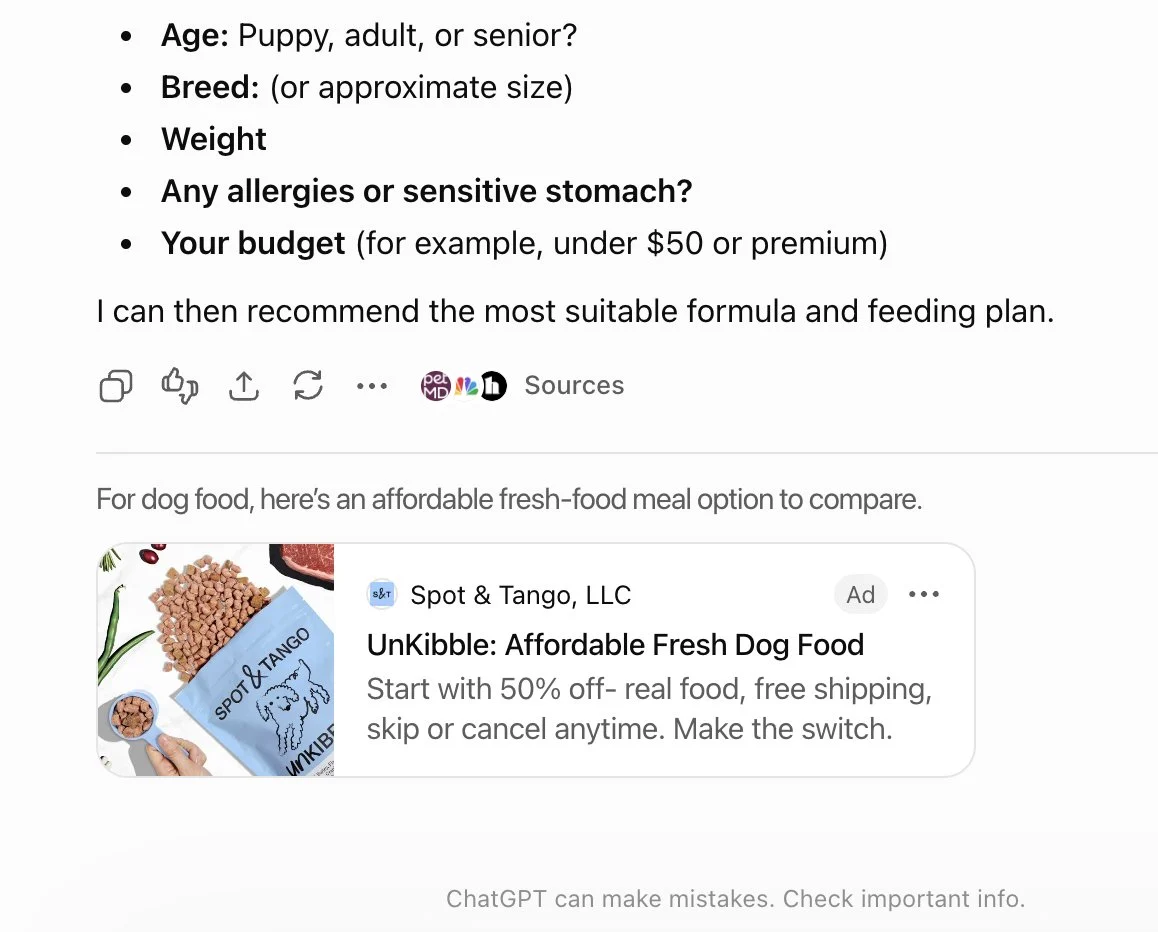
In a significant development for the evolving landscape of artificial intelligence and digital advertising, ChatGPT is reportedly experimenting with a novel ad display format within its conversational results. This latest iteration, observed on August 7, 2026, introduces a distinct descriptive heading positioned directly above the advertisement itself, aiming to provide users with clearer context regarding sponsored content. This move signals a deliberate effort by OpenAI, the creator of ChatGPT, to refine its monetization strategies while potentially enhancing the user experience, drawing parallels with similar ad presentation methods already employed by Google’s AI Mode in its search results.
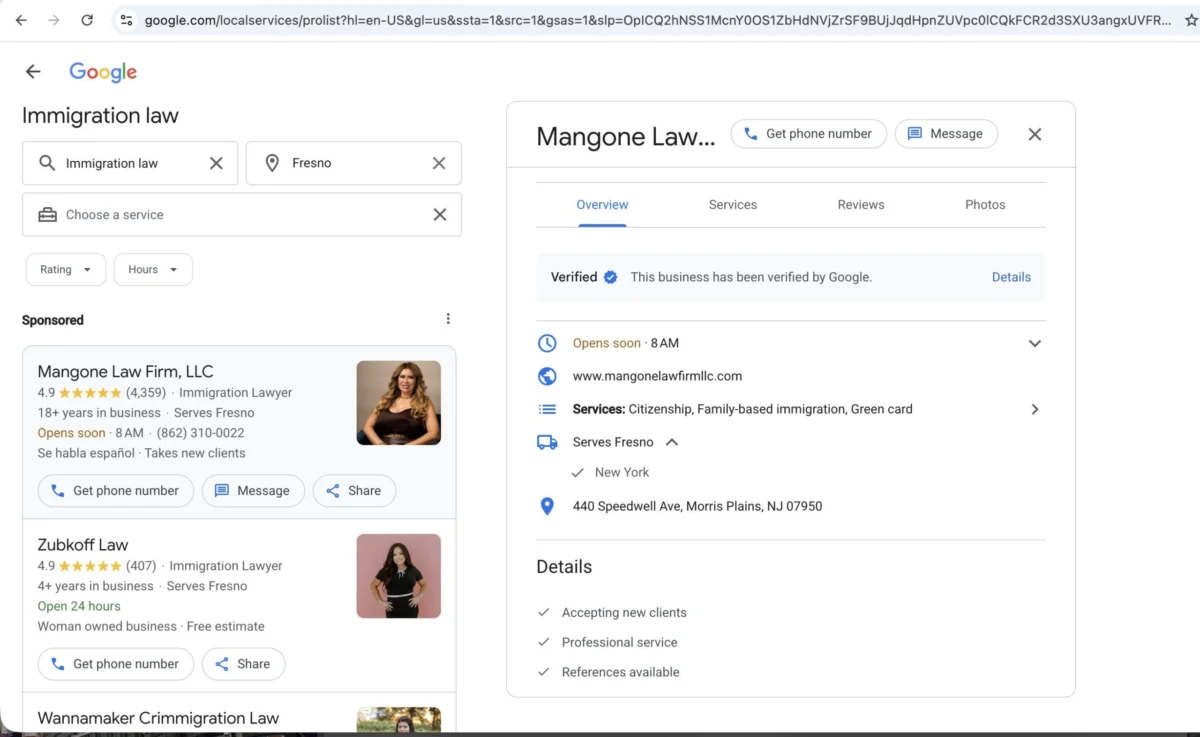
The new ad design was initially brought to public attention by Brodie Clark, a prominent figure in the search engine optimization community, who shared his observations on the SERP Alerts page on X (formerly Twitter). Clark’s report highlighted the emergence of these varied ad designs in ChatGPT, noting the specific addition of a descriptive heading as a key differentiator. He stated, "ChatGPT is testing out a new ad display within its results, showing a descriptive heading that appears directly above the ad. This is something that Google’s AI Mode has had in its search results for some time now." This observation underscores a potential strategic alignment or competitive response from OpenAI, as it adopts a format that has already seen deployment and presumably refinement within a rival AI-powered search environment.
The Genesis of AI Monetization and the Need for Innovation
The introduction of new ad formats by ChatGPT is not an isolated event but rather a critical step in the broader narrative of monetizing advanced artificial intelligence. Since its public launch, ChatGPT has captivated millions globally, demonstrating the immense potential of large language models (LLMs) in various applications, from content generation and coding assistance to complex problem-solving. However, the operational costs associated with maintaining and continually developing such sophisticated AI models are astronomical, encompassing vast computational resources, extensive data processing, and ongoing research and development. For OpenAI, transitioning from a research-focused non-profit to a commercially viable entity has necessitated exploring diverse revenue streams beyond premium subscriptions (like ChatGPT Plus) and API access.
The integration of advertising represents a natural, albeit complex, evolution for any platform with a massive user base. The challenge lies in embedding advertisements seamlessly without degrading the core user experience that defines conversational AI. Unlike traditional search engines, where ads are typically segregated or clearly marked alongside organic listings, the conversational nature of ChatGPT demands a more nuanced approach. Direct, intrusive ads could disrupt the flow of interaction and diminish the perceived utility of the AI. Therefore, the experimentation with descriptive headings above ads is likely a carefully considered move designed to strike a balance between commercial imperatives and user satisfaction.
Deconstructing the New Ad Format: Clarity and Context
The significance of a "descriptive heading directly above the ad" cannot be overstated in the context of AI interfaces. In traditional web search, ads are often visually distinct through labeling ("Ad," "Sponsored") and placement. However, within a conversational AI output, where text is the primary medium, distinguishing between AI-generated content and paid promotions can be more challenging for the user. The new descriptive heading aims to address this by offering immediate clarity.
Consider a user asking ChatGPT for recommendations on "best noise-canceling headphones." An AI-generated response might list several options, discuss features, and provide buying advice. If an advertisement for a specific brand of headphones is inserted, a simple "Ad" label might not be sufficient. A descriptive heading such as "Featured Product from Our Partners" or "Relevant Offer for Noise-Canceling Headphones" provides more context, helping the user understand why that particular piece of information is appearing and that it is commercially sponsored. This approach can foster greater transparency, building user trust by clearly delineating between unbiased AI output and promotional content. For advertisers, this format could lead to higher-quality clicks, as users engaging with the ad do so with a clearer understanding of its commercial nature, potentially indicating higher intent.
A Competitive Landscape: Google’s Precedent in AI Search

Brodie Clark’s observation that "Google’s AI Mode has had in its search results for some time now" is a crucial piece of context. Google, a long-standing titan in digital advertising, has been at the forefront of integrating AI into its core search product, particularly with initiatives like Search Generative Experience (SGE) and AI Overviews, which later evolved into more integrated AI features. Monetizing these AI-enhanced search results has been a key focus for Google, given that advertising revenue forms the vast majority of its income.
Google’s approach has involved careful integration of sponsored content within its AI-generated summaries and responses, often utilizing clear labels and contextual descriptors to distinguish ads from organic information. This precedent suggests that a descriptive heading is an effective mechanism for achieving transparency and maintaining user experience in AI-driven interfaces. By adopting a similar strategy, OpenAI is not merely copying a feature but is likely leveraging an established best practice in the nascent field of AI monetization. This convergence in ad display methodologies highlights a broader industry consensus on how to ethically and effectively integrate advertising into conversational AI. It implies that thorough user testing and market research have likely informed Google’s decision, providing OpenAI with a validated blueprint for its own monetization efforts.
Chronology of AI Ad Experimentation: A Timeline of Strategic Shifts
The path to monetizing AI has been iterative and marked by continuous experimentation.
- Late 2022: ChatGPT’s public launch by OpenAI quickly garners millions of users, highlighting its potential but also the immense operational costs. Initial monetization focuses on API access and the ChatGPT Plus subscription for priority access and advanced features.
- Early 2023: Google intensifies its AI integration efforts with Bard (later Gemini) and the Search Generative Experience (SGE), recognizing the existential threat and opportunity presented by conversational AI. Early discussions and limited tests begin for integrating ads into these AI-powered search experiences.
- Mid-2023: Microsoft’s Copilot (powered by OpenAI’s models) integrates deeply into Bing and Windows, providing another avenue for AI-driven search and content generation. Microsoft begins to explore ad placements within Copilot responses, leveraging its existing Bing Ads infrastructure.
- Late 2023 – Early 2024: Google’s AI Mode (or similar AI-enhanced search features) starts deploying ad formats that include descriptive headings, refining how sponsored content is presented within generative AI answers. This period sees an increasing focus on clarity and user experience in AI ad integration.
- Mid-2024: Industry analysts and digital marketing experts increasingly predict that advertising will become a significant revenue stream for leading AI platforms, including ChatGPT, as they scale. OpenAI is understood to be conducting internal tests on various ad formats.
- August 7, 2026: Brodie Clark observes and reports on ChatGPT’s new ad display format featuring a descriptive heading, indicating a live test or rollout in specific user segments. This marks a tangible step in ChatGPT’s journey toward more robust advertising integration.
This chronology illustrates a rapid evolution, with major tech players converging on similar strategies for embedding commercial messages within AI-generated content, driven by the dual imperatives of sustaining costly AI infrastructure and capitalizing on massive user engagement.
Industry Reactions and Expert Commentary
While OpenAI has not yet issued an official statement regarding this specific ad format test, the industry reaction, based on inferred expert commentary, would likely be one of affirmation and strategic interest. Digital advertising analysts have long anticipated a more aggressive push into advertising by OpenAI.
"This move by ChatGPT is entirely predictable and strategically sound," commented Dr. Anya Sharma, a lead analyst specializing in AI monetization at Digital Horizons Group. "As AI models become more sophisticated and expensive to run, advertising becomes an indispensable revenue stream. The key is how they implement it. Adopting a descriptive heading, a format validated by Google, shows a commitment to user transparency while still opening up a valuable new channel for advertisers."
Marketing professionals are also keenly watching these developments. "The ability to reach users directly within a conversational AI interface like ChatGPT offers an unprecedented opportunity for contextual advertising," noted Mark Jensen, CEO of AdConnect, a performance marketing agency. "Imagine a user asking for travel recommendations, and then seeing a highly relevant offer from an airline or hotel chain, clearly marked and contextualized by a heading. This isn’t just about placing ads; it’s about delivering value at the point of intent." Jensen further speculates that early adopters of this ad format might gain a significant competitive edge, especially if the targeting capabilities within ChatGPT prove to be as sophisticated as its conversational abilities.
Implications for Users and Advertisers

The implications of this new ad format are multifaceted, affecting both the end-users of ChatGPT and the advertisers vying for their attention.
For Users:
- Increased Transparency: The primary benefit for users is enhanced transparency. The descriptive heading makes it unequivocally clear when content is sponsored, helping users differentiate between unbiased AI-generated information and commercial messages. This can build greater trust in the AI platform.
- Relevant Information: If implemented effectively with sophisticated targeting, ads delivered through this format could be highly relevant, potentially offering solutions or products directly aligned with the user’s current query or interest.
- Potential for Disruption: While transparency is key, any increase in the frequency or prominence of ads within the conversational flow could still be perceived as disruptive by some users, particularly those accustomed to a purely informational or utility-driven interaction. OpenAI will need to carefully manage the balance.
For Advertisers:
- New High-Intent Inventory: ChatGPT offers a vast, engaged audience often interacting with specific queries, indicating high intent. This new ad format provides a direct channel to reach these users at a critical moment in their decision-making process.
- Contextual Advertising Opportunities: The conversational nature of ChatGPT allows for highly contextual ad placements. Ads can be tailored precisely to the user’s ongoing dialogue, potentially leading to significantly higher engagement and conversion rates compared to generic display ads.
- Brand Building and Awareness: Beyond direct conversions, this format offers an opportunity for brands to increase visibility and awareness within a cutting-edge technological environment, associating themselves with innovation.
- Challenges in Ad Creation: Advertisers will need to adapt their creative strategies for conversational AI. Ads must be concise, relevant, and seamlessly integrate into a text-based dialogue, requiring a different approach than traditional banner or video ads.
The Broader Digital Advertising Ecosystem and Future Outlook
ChatGPT’s adoption of a more structured ad format with descriptive headings signifies a broader trend in the digital advertising ecosystem: the convergence of search, conversational AI, and personalized commerce. As AI becomes more deeply integrated into how users discover information and make decisions, advertising models will inevitably evolve to match.
This development could accelerate the shift of ad spending from traditional web search to AI-powered conversational interfaces. It also raises questions about the future role of search engine marketing (SEM) and how agencies will adapt to optimize campaigns for AI platforms. The distinction between "organic" AI responses and "paid" AI responses will become a new battleground for visibility and user attention.
Looking ahead, OpenAI will likely continue to iterate on its monetization strategies. Future developments could include:
- Advanced Targeting: Leveraging user data (with privacy safeguards) to deliver even more personalized and relevant ads.
- Interactive Ad Formats: Experimenting with ads that allow for conversational engagement directly within the ad unit.
- Integration with E-commerce: Direct links or even transactional capabilities within the ad experience.
- Subscription Tiers: Offering ad-free versions for premium subscribers, creating a clear value proposition.
The move by ChatGPT to implement descriptive headings for its ads is more than just a minor UI tweak; it is a strategic maneuver that reflects the maturing landscape of AI monetization. It signals OpenAI’s intent to build a sustainable business model while learning from the experiences of its competitors. As AI continues to permeate daily digital interactions, the challenge for platforms like ChatGPT will be to innovate in advertising without compromising the user experience that makes these technologies so compelling. The success of this new format will provide valuable insights into how advertising will fundamentally shape the future of artificial intelligence.