The lack of prominent search engine visibility stands as a formidable barrier, frequently cited as a primary factor contributing to the failure of e-commerce ventures. This challenge is acutely felt across the digital landscape, where the stakes for online retailers are continuously escalating. Data underscores this reality, revealing that approximately 38 percent of an e-commerce store’s web traffic originates from organic search sources. Consequently, when an online retail platform fails to secure a favorable position in search engine results, it inevitably loses contact with a substantial segment of its potential customer base. With an estimated 12 to 24 million e-commerce websites vying for attention globally, disappearing into the vast digital ether and failing to engage with the target audience equates to ceding ground to relentless competition. The pathway to achieving higher rankings and sustained exposure, therefore, necessitates a profound understanding of and alignment with Google’s sophisticated, AI-driven search algorithm, most notably RankBrain.
Understanding RankBrain: Google’s AI-Powered Search Evolution
At its core, RankBrain represents a pivotal advancement in Google’s ongoing efforts to refine search accuracy and user experience. While Google maintains a high degree of secrecy regarding the intricate workings of its proprietary algorithms, public information and expert analysis confirm that RankBrain is a powerful artificial intelligence (AI)-based system. Introduced in 2015, it quickly became an integral component of Google’s overarching Hummingbird algorithm, designed to better comprehend search queries and subsequently deliver more precise and contextually relevant results.
Prior to RankBrain, Google’s algorithms relied heavily on direct keyword matching. However, as search queries became more complex, conversational, and nuanced, the need for a system that could interpret intent rather than just keywords became paramount. RankBrain was Google’s answer, initially deployed to assist in processing the approximately 15% of daily queries that were entirely new and had never been seen before. Its success led to its rapid expansion, and by late 2015, Google confirmed that RankBrain was being used in all search queries, solidifying its position as one of the most crucial ranking signals, alongside content and links.
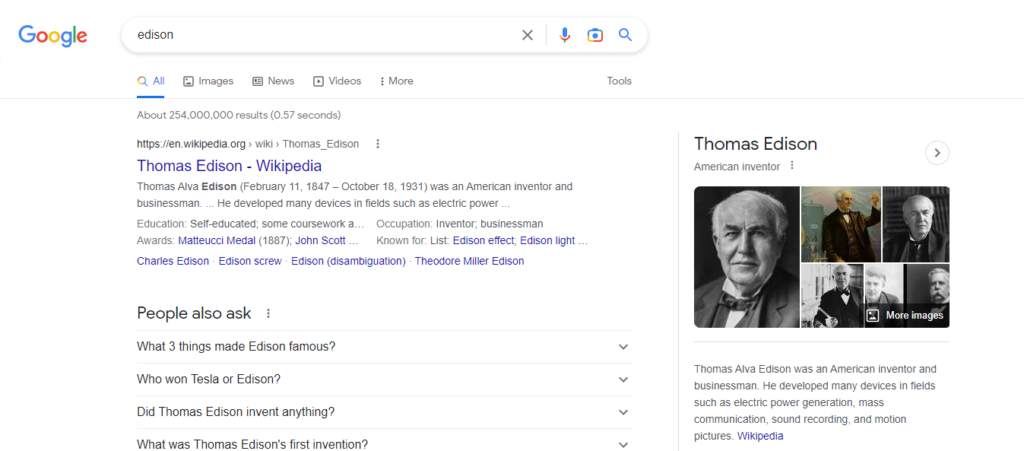
RankBrain’s primary function involves analyzing patterns in user search and browsing behavior. Through this continuous learning process, it endeavors to uncover the underlying intent behind a search query, even if the phrasing is ambiguous or colloquial. This allows Google to generate results that are not just lexically but conceptually and contextually relevant to the user’s true objective. For instance, a search for "Edison" could logically refer to the city in New Jersey. However, RankBrain, drawing on vast amounts of data regarding common search patterns, intelligently infers that the majority of users searching for "Edison" are seeking information about the famed inventor, Thomas Edison, and prioritizes results accordingly. This demonstrates its exceptional accuracy in matching search queries with appropriate results, a capability that Bloomberg reported in 2015 outperformed even Google’s own human experts by a significant margin of 10 percent. This superior performance underscored the transformative potential of AI in refining search engine capabilities.
The Imperative for E-commerce: Why RankBrain Optimization Matters
For any e-commerce enterprise aspiring to achieve robust search visibility, optimizing for RankBrain is no longer merely advantageous; it is fundamentally critical. The sheer volume of organic traffic – 38 percent – flowing into e-commerce sites through search engines highlights the direct revenue implications of high rankings. In a digital marketplace teeming with 12 to 24 million competitors, standing out is a matter of survival. RankBrain’s omnipresence across all Google search queries means that every interaction a potential customer has with the search engine, from initial query to clicking on a search result, is influenced by this AI system.
E-commerce businesses that fail to align their strategies with RankBrain’s principles risk being rendered invisible to a significant portion of their target market. Conversely, those that proactively integrate RankBrain optimization into their SEO efforts can unlock unparalleled opportunities for increased traffic, enhanced user engagement, and ultimately, higher conversion rates. This requires a shift from traditional, keyword-stuffing SEO tactics to a more nuanced, user-centric approach that prioritizes intent, content quality, and overall user experience.

Strategic Pillars for RankBrain Optimization in E-commerce
Optimizing an e-commerce store for RankBrain is not an esoteric science but rather a disciplined application of user-focused principles. Here’s a detailed breakdown of how online retailers can effectively harness RankBrain:
1. Evolving Keyword Strategy: Beyond Exact Matches
The era of optimizing an e-commerce store around a singular, exact-match keyword is obsolete. The search engine landscape, profoundly influenced by RankBrain, has evolved to interpret semantic relevance rather than rigid keyword conformity. While keywords remain a foundational element of SEO, Google no longer relies solely on their exact presence to establish relevance. Instead, it seeks to understand the broader context and intent conveyed by a set of related terms.
Online retailers must transition from individual keyword targeting to a more sophisticated strategy centered on keyword clusters and semantic fields. This involves identifying a core keyword and then brainstorming a constellation of similar, related, and conceptually linked terms. For instance, an e-commerce store specializing in crockery might identify "imported china crockery" as a primary keyword. However, RankBrain is intelligent enough to associate this with terms like "imported plates," "China sweet bowls," "fine ceramic dinnerware," or "porcelain tableware sets," understanding that these terms often share the same underlying user intent.
Moreover, integrating medium-tail keywords is increasingly vital. Digital marketing expert Shane Barker has consistently advocated for the effectiveness of medium-tail keywords in RankBrain optimization, as they offer a balance between broad appeal and specific intent, often reflecting more nuanced user queries. These phrases typically consist of three to four words and capture a more defined search intent than short-tail keywords, while still having a broader reach than highly specific long-tail phrases.
The inclusion of question-based keywords is another critical aspect. Research indicates that approximately 8 percent of all search queries are formulated as questions. Given the billions of searches Google processes daily, this translates into an immense volume of question-driven traffic. E-commerce businesses should actively research and incorporate these "how," "what," "where," and "why" queries into their content strategy, as they often reveal explicit user intent and pain points that can be directly addressed by product information or supporting content.
Ultimately, the focus must shift from keyword density to user experience. Keywords should be naturally integrated into product descriptions, category pages, blog posts, and FAQs in a manner that enhances readability and information flow, rather than disrupting it. This natural language approach aligns perfectly with RankBrain’s semantic understanding.
2. Crafting Authoritative and User-Centric Content

RankBrain places significant emphasis on user experience, rewarding well-written, comprehensive content that genuinely offers value. For e-commerce businesses, this means moving beyond simple product listings to creating rich, informative content that addresses customer needs, answers their unspoken questions, and solves their problems.
The process begins with a deep dive into the target audience’s pain points, common queries, and aspirational goals. For example, an e-commerce site selling electronics might identify that its prospects are keenly interested in understanding the nuances of various laptop models. Instead of merely listing specifications, the site could create an extensive, long-form blog post or even a downloadable e-book detailing "The Ultimate Guide to Choosing Your Perfect Laptop." This content could explore different laptop types, analyze their pros and cons, and provide a step-by-step guide to making an informed purchasing decision. Such comprehensive content positions the e-commerce store as an authority and a trusted resource.
The style and language of this content are equally important. Maintaining a conversational tone helps establish a human-to-human connection, making the content more approachable and engaging. When readers feel connected and find the content easy to digest, they are more likely to spend extended periods on the page, a metric known as dwell time. Increased dwell time is a strong positive signal to RankBrain, indicating user satisfaction and content relevance, thereby contributing to improved rankings.
3. Enhancing Click-Through Rate (CTR) and Brand Authority
Click-Through Rate (CTR) serves as another vital indicator of user satisfaction, and Google’s quality score algorithms heavily factor it into ranking decisions. A higher CTR suggests that a given search result is highly relevant and appealing to users, which RankBrain interprets as a positive signal.
One effective strategy for boosting CTR in e-commerce is the activation of featured snippets. These prominent search results, often appearing at the top of Google’s search pages, have been reported to generate significantly higher CTRs—sometimes double that of standard listings, according to studies by The Hoth and others. For e-commerce stores, leveraging rich snippets allows for the display of crucial product information directly in the search results, such as customer reviews, product ratings, pricing, and stock availability. This visual enhancement not only attracts attention but also pre-qualifies clicks, ensuring that users arriving on the site are genuinely interested.
Beyond technical optimizations, establishing strong brand authority plays a crucial role in enhancing CTR. Consumer behavior studies consistently show that authenticity is a critical factor, with 88 percent of customers prioritizing it when choosing which brands to support. Investing in brand building—through consistent messaging, quality products, and exceptional customer service—cultivates trust and recognition. When prospects recognize and trust a brand, they are far more inclined to click on its search listings, even if other options appear. Consider the scenario: searching for "running shoes" and encountering listings from both Nike and an unknown retailer. The established reputation and trust associated with Nike would, in most cases, lead to a click on their listing. This brand recognition acts as a powerful signal to RankBrain, implying relevance and trustworthiness.
4. Prioritizing User Intent and Search Intent
User intent, defined as the underlying goal or intention a user has when entering a search term, is paramount to RankBrain optimization. It addresses the critical question: how can an e-commerce store be confident that incoming traffic is poised for purchasing rather than merely browsing? This is where a deep understanding of user or search intent becomes indispensable.
To maximize leads and revenue, e-commerce businesses must meticulously focus on the commercial and transactional intent of users. RankBrain is designed to identify and prioritize content that aligns with these intents. Websites that strategically employ intent-specific keywords are more likely to rank higher for relevant commercial queries.
Transactional intent keywords typically include terms such as "buy," "discount," "deal," "promo codes," "coupons," "cheapest," "purchase," "order," "shop," and specific product names followed by "price" or "review." By integrating these keywords judiciously into product pages, landing pages, and promotional content, e-commerce sites can more effectively direct their marketing efforts towards customers who are further down the sales funnel and ready to make a purchase. This targeted approach not only improves search rankings but also significantly enhances the quality of incoming traffic, leading to higher conversion rates and a more efficient allocation of marketing resources.
5. Optimizing User Experience to Boost Dwell Time and Decrease Bounce Rate
RankBrain continually gathers data regarding user satisfaction, utilizing these metrics to inform its ranking decisions. A user who quickly enters and exits a website (a high bounce rate, low dwell time) signals to RankBrain that the content or experience was unsatisfactory, potentially leading to a detrimental impact on search rankings. Conversely, if a user spends a significant amount of time on a website, exploring various pages and interacting with content, RankBrain interprets this as a strong indicator of user satisfaction and content relevance, often resulting in ranking rewards. Therefore, a concerted effort to increase dwell time and decrease bounce rate is non-negotiable for e-commerce success.
Several key areas contribute to an optimized user experience:
-
Streamlined Site Navigation: Intuitive site navigation allows users to effortlessly flow from one page to another, quickly locate desired products or information, and complete tasks with minimal confusion. Simple, logical navigation not only enhances user experience but also facilitates easier and more effective crawling by search engines, aiding in comprehensive indexing.
-
Engaging Content Design and Formatting: The visual presentation and structure of content significantly impact user engagement. Surveys, such as one by Adobe, indicate that 66 percent of users prefer to interact with "beautifully designed" content. For e-commerce, this translates to clear headings, bullet points, ample white space, high-quality images, and concise, scannable product descriptions that prevent information overload.
-
Intuitive User-Friendly Layout: An optimized website layout goes beyond aesthetics; it dictates ease of use. This includes employing engaging images and videos, organizing and formatting content interactively, and strategically adding internal links to related content. Incorporating relevant graphics, prominent calls-to-action (CTAs) throughout the site, and using clear, descriptive headers are also crucial for guiding users and improving their journey.
-
Robust Website Structure (Hierarchical): The underlying structure of an e-commerce website defines the arrangement of its content, its design, and the interrelationships between pages. Essential elements include taxonomies, internal links, breadcrumbs, and schema markup. Given the vast amount of product data typically found on e-commerce sites, a hierarchical structure is often the most effective. This structure, which organizes content into categories and subcategories, not only helps users intuitively navigate large inventories but also makes it significantly easier for search engines to crawl and index the entire site, ensuring all products are discoverable.

-
Accelerated Website Load Speed: In today’s fast-paced digital environment, customers expect instantaneous access to information. Website load speed – the time it takes for a page to fully render – is a critical determinant of user experience and a direct search engine ranking factor. Google explicitly uses load speed to gauge a website’s overall UX. Optimizing load speed is paramount and can be achieved through methods such as improving server response time, minimizing redirects, compressing CSS, HTML, and JavaScript files, and optimizing image sizes.
-
Strategic Internal Linking: Internal links are invaluable for keeping users engaged on a website. By providing relevant links within content and product descriptions, e-commerce sites can guide users to related products, complementary items, or additional informational resources, thereby prolonging dwell time and encouraging further exploration. The key is to ensure that all internal links are contextually relevant and genuinely add value to the user’s journey.
-
High-Quality Product Visuals and Detailed Descriptions: For an e-commerce site, high-resolution, clear product images are non-negotiable. Multiple angles, lifestyle shots, and zoom functionalities enhance the customer’s understanding and confidence. Complementing these visuals with comprehensive, detailed product descriptions that answer potential questions, highlight features, and articulate benefits keeps customers on the product page longer, mimicking the in-store experience and significantly reducing uncertainty.
The Broader Implications for E-commerce SEO
RankBrain’s introduction marked a significant turning point in Google’s evolution, signaling a decisive shift towards artificial intelligence and machine learning in understanding and ranking web content. It paved the way for subsequent algorithmic updates like BERT (Bidirectional Encoder Representations from Transformers) in 2019 and MUM (Multitask Unified Model) in 2021, all of which further enhance Google’s ability to process natural language, understand complex queries, and deliver more comprehensive, intent-driven results.
For e-commerce businesses, this means that a holistic, user-centric approach to SEO is no longer optional but foundational. SEO experts across the industry concur that simply optimizing for keywords is insufficient; the focus must expand to encompass the entire user journey, from initial query to post-purchase satisfaction. E-commerce entrepreneurs who proactively adapt to these AI-driven changes by prioritizing content quality, technical performance, and a superior user experience stand to gain a significant competitive advantage. This forward-thinking strategy not only improves current search rankings but also future-proofs the business against subsequent algorithmic shifts, ensuring sustained visibility and growth in an ever-evolving digital marketplace.
Conclusion
The advent and continuous evolution of machine learning and advanced SEO techniques, exemplified by Google’s RankBrain, underscore a critical truth for modern e-commerce: neglecting new marketing technologies can severely impede business growth. RankBrain, as a foundational machine learning algorithm, is instrumental in Google’s process of sorting search results, processing complex queries, and discerning user intent to deliver highly relevant information. Its importance is only set to increase as AI capabilities continue to advance and become further integrated into search algorithms.
For e-commerce store optimization, becoming intimately acquainted with RankBrain’s principles today is an investment in future success. By rethinking keyword strategies to embrace semantic relevance, crafting in-depth and high-quality content, meticulously working to increase Click-Through Rates, prioritizing user and search intent, and comprehensively optimizing user experience to boost dwell time and reduce bounce rates, businesses can align themselves with Google’s most sophisticated ranking signals. This proactive approach will not only enhance current search visibility but also foster long-term resilience and prosperity in the intensely competitive landscape of digital commerce. The time to start harnessing RankBrain for e-commerce success is now.