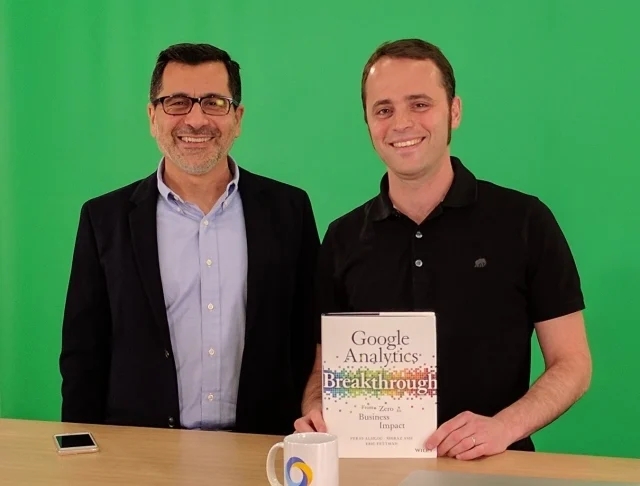
In a comprehensive dialogue held at the Google Analytics studio, industry leaders Daniel Waisberg and Feras Alhlou outlined the critical shift from technical data collection to a holistic business-centric measurement strategy. Feras Alhlou, the Co-Founder and former Principal Consultant at E-Nor and co-author of the seminal text "Google Analytics Breakthrough," emphasized that the contemporary digital environment requires more than just tracking codes; it demands a structured optimization framework that aligns technical execution with high-level organizational goals. As businesses grapple with an unprecedented influx of information from mobile, social, and backend systems, the transition toward viewing analytics as a core business process has become a prerequisite for sustainable growth and competitive advantage.
The Strategic Shift: Analytics as a Core Business Process
The cornerstone of the discussion centered on the philosophy that analytics should not be relegated to a secondary IT function but integrated into the fundamental operations of a company. According to Alhlou, the efficacy of data depends entirely on its relevance to business stakeholders. This perspective challenges the traditional "set-it-and-forget-it" mentality regarding web analytics. Instead, Alhlou proposes a cyclical process that begins and ends with business value.
By defining analytics as a business process, organizations are encouraged to move away from vanity metrics—such as raw page views or sessions—and toward KPIs that reflect the health of the enterprise. This requires an initial engagement phase where analysts work directly with decision-makers to identify the "measurement that matters." This alignment ensures that when data is eventually reported, it answers specific questions regarding ROI, customer acquisition costs, and lifetime value, rather than merely providing a snapshot of website traffic.
Deconstructing the E-Nor Optimization Framework
A significant portion of the insights shared revolved around the E-Nor Optimization Framework, a multi-tiered approach designed to guide companies from data chaos to actionable intelligence. This framework is structured into six distinct stages, each serving as a building block for the next:
- The Comprehensive Audit: The process begins with a dual-pronged audit. The technical audit ensures that tracking codes are firing correctly across all properties, while the business audit ensures that the data being collected actually serves a strategic purpose.
- Stakeholder Engagement: This phase involves interviewing department heads and executives to understand their pain points. The goal is to create a "source of truth" that every department trusts and utilizes.
- Data Implementation and Reporting: Once the strategy is set, the technical infrastructure is built. This results in the reporting layer, where data is visualized in a way that is accessible to non-technical users.
- Data Analysis: With reliable data flowing into reports, analysts can begin to identify patterns, anomalies, and opportunities. This stage moves beyond "what happened" to "why it happened."
- Actionable Insights: Analysis is only valuable if it leads to change. In this phase, the team translates data findings into specific recommendations for marketing, UX, or product development.
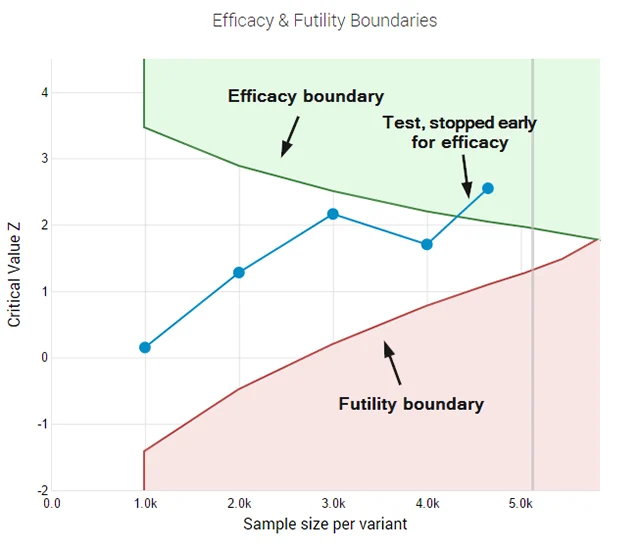
- Testing and Personalization: The final and most impactful stage involves using insights to run A/B tests and deliver personalized experiences to users. This is where the direct impact on conversion rates and revenue is most visible.
Navigating the Multi-Channel Data Explosion
The complexity of the modern digital landscape was a recurring theme in the discussion. Alhlou noted that the era of simple marketing—characterized by a single device and a handful of channels—has been replaced by a fragmented ecosystem. Today’s consumers interact with brands across smartphones, tablets, desktops, and even IoT devices, leaving a trail of data across social media platforms, web properties, and mobile applications.
The challenge for modern marketers is "contextualizing" this data. Alhlou highlighted that backend data, such as CRM records and inventory levels, must be integrated with front-end behavioral data to provide a 360-degree view of the customer journey. Without this integration, companies risk making decisions based on incomplete information, such as optimizing for web conversions while ignoring the fact that those users may have high return rates or low long-term value in the backend system.
The Strategic Data Roadmap: A Chronological Approach to Maturity
For organizations overwhelmed by the volume of available data, Alhlou advised the adoption of a structured data roadmap. This roadmap acts as a maturity model, allowing companies to scale their capabilities without overextending their resources.
The suggested chronology begins with "Owned Properties." The first step for any business is to master its own web and mobile analytics. This provides a baseline of user behavior and conversion performance. Once the foundation is stable, the roadmap moves into "Augmentation." This involves pulling in basic social media data and qualitative feedback to add layers of "why" to the "what" provided by quantitative tools.
The final stage of the roadmap involves sophisticated market research and the integration of the "Voice of the Customer" (VoC). Alhlou pointed to the evolution of tools like Google Surveys as a game-changer for this phase. Historically, large-scale market research was the exclusive domain of enterprises with massive budgets and long lead times. Modern digital surveying tools allow for rapid, targeted research that can validate business hypotheses in days rather than months.
Qualitative Data and the Evolution of Google Surveys
While quantitative data tells a story of clicks and paths, qualitative data explains the motivations behind those actions. The interview underscored the importance of tools like Google Surveys in modernizing the market research industry. By utilizing digital properties to run surveys, businesses can capture feedback in the moment of interaction.
Alhlou emphasized that this tool is not only useful for internal property feedback but also for broader market research. The ability to target specific demographics and receive responses at scale has democratized access to consumer insights. This allows smaller firms to compete with larger incumbents by making data-backed decisions regarding product-market fit, brand sentiment, and competitive positioning.
Historical Context and Industry Implications
The meeting between Waisberg and Alhlou took place during a pivotal era for digital analytics. At the time, the industry was moving away from the "Universal Analytics" standard toward a more event-driven model that would eventually culminate in Google Analytics 4 (GA4). E-Nor, as one of the original Google Analytics Certified Partners, played a significant role in shaping these best practices.
The implications of the strategies discussed remain highly relevant as privacy regulations like GDPR and CCPA, along with the phasing out of third-party cookies, have forced a return to "first-party data" strategies. The optimization framework mentioned by Alhlou serves as a defensive strategy against these industry shifts; by focusing on owned data and deep stakeholder alignment, companies become less dependent on external tracking mechanisms and more reliant on their internal data ecosystems.
Broader Impact on Global Enterprise Strategy
The shift toward a "Measurement Strategy" has profound implications for how companies allocate their budgets. Industry data suggests that organizations that prioritize data-driven decision-making are five times more likely to make faster decisions than their competitors. Furthermore, companies that successfully implement personalization—the final stage of the E-Nor framework—often see a 10% to 15% increase in revenue and a 10% to 30% increase in marketing spend efficiency.
However, the transition is not without obstacles. The primary barrier to success is often not technical but cultural. The "Stakeholder Engagement" phase of the framework is designed to combat "data silos," where different departments use different metrics to measure success. By establishing a unified roadmap and optimization framework, leadership can ensure that the entire organization is moving in the same direction, backed by a single, verified source of truth.
Conclusion and Future Outlook
The collaboration between Daniel Waisberg and Feras Alhlou serves as a reminder that the value of analytics is found at the intersection of technology and human strategy. As artificial intelligence and machine learning begin to automate the "reporting" layer of the framework, the roles of "analysis" and "strategic engagement" will become even more critical.
The future of data analytics lies in the ability to not only collect data across a multitude of channels but to synthesize that data into a coherent narrative that drives business action. By following a structured optimization framework and a clear data roadmap, organizations can transform their analytics from a cost center into a powerful engine for innovation and customer satisfaction. The insights shared in the Google Analytics studio provide a timeless blueprint for any organization seeking to navigate the complexities of the digital age with precision and purpose.