

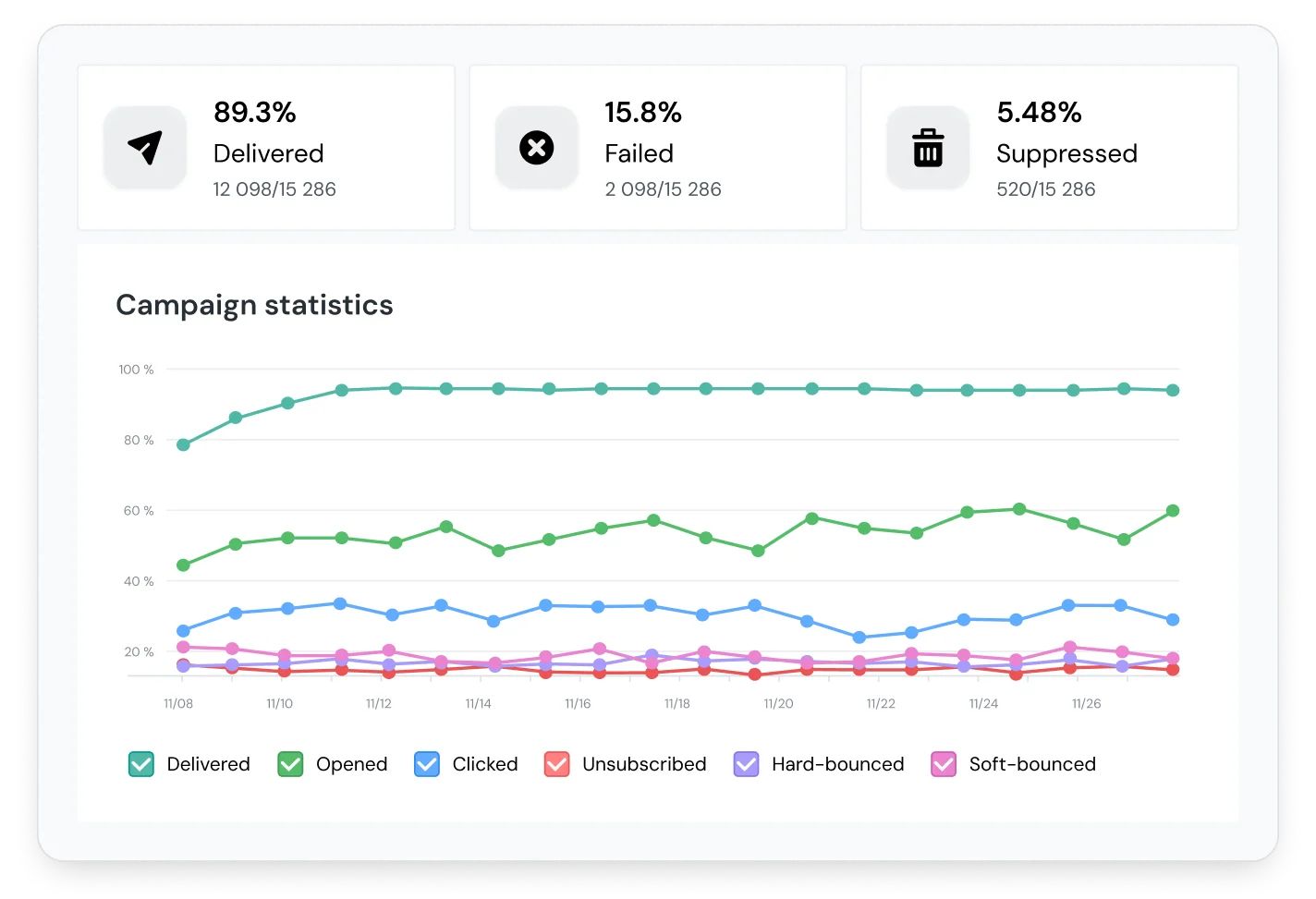
The persistent question for email marketers worldwide remains: what is the single best time to dispatch a newsletter to maximize engagement? While a common wisdom suggests a sweet spot between 9 AM and 12 PM, recent comprehensive studies reveal a far more intricate landscape, underscoring that optimal email send times are not universal but are deeply contingent on audience behavior, geographic location, and the nature of the content itself. Understanding these nuances is paramount for elevating open rates and click-through rates (CTR), directly impacting campaign success and return on investment.
The Evolving Challenge of the Crowded Inbox
In the early days of digital marketing, simply sending an email was often enough to garner attention. Today, however, the average professional and personal inbox is a fiercely competitive arena. Users are inundated with promotional messages, updates, and personal communications, making visibility and immediate engagement critical. This intense competition necessitates a strategic approach to email timing, moving beyond simplistic guidelines to a data-driven methodology. Marketers must now contend with diminishing attention spans and the sheer volume of digital noise, making the moment an email lands in an inbox as important as its content. Poor timing can condemn even the most compelling message to obscurity, buried beneath a deluge of other emails, never to be opened. Conversely, a well-timed email can capture attention precisely when a subscriber is most receptive, translating into higher engagement and conversion metrics.
Global Insights into Hourly Engagement: A UTC Perspective
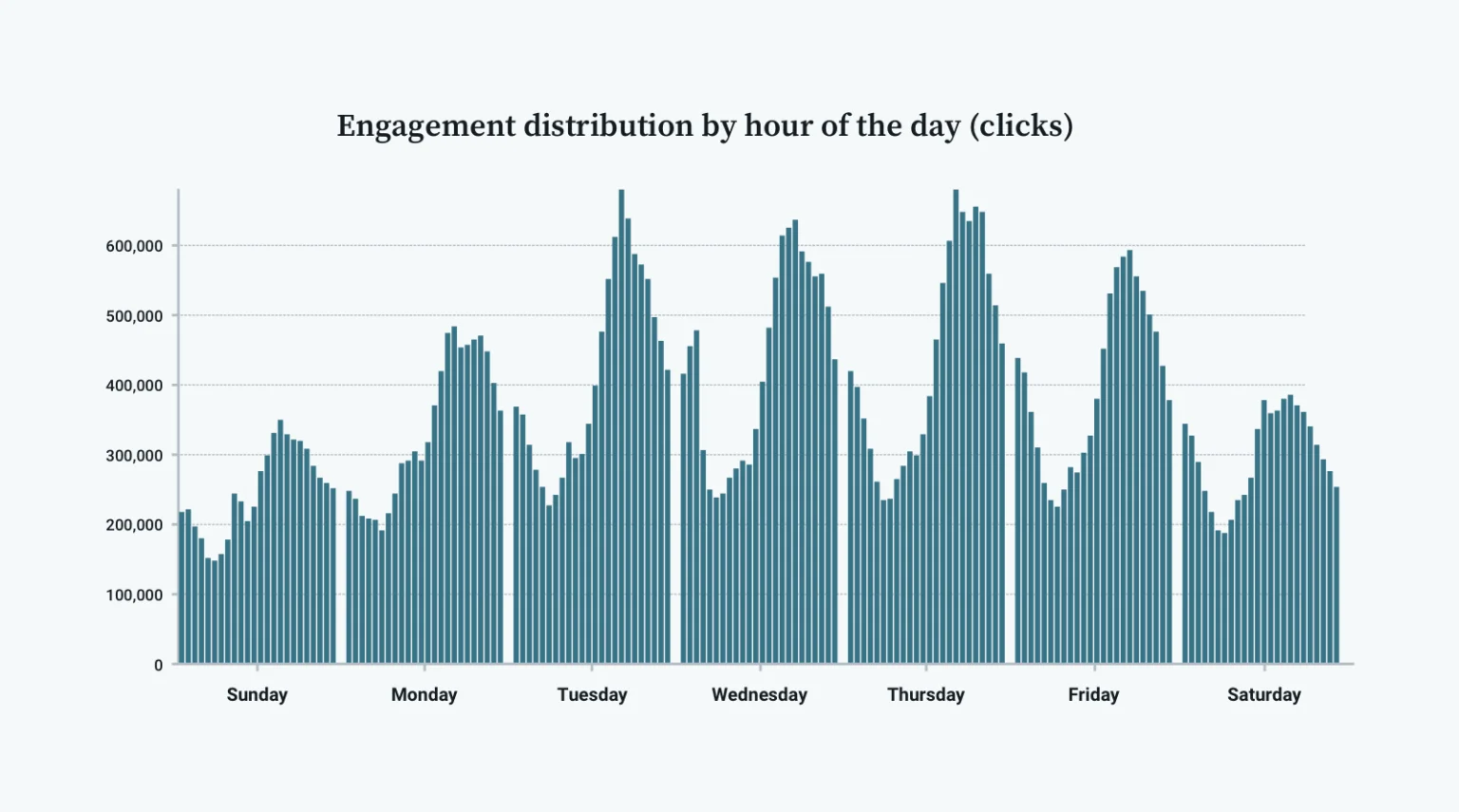
Recent analytical endeavors, such as the extensive study conducted by Sinch Mailgun, leveraging billions of emails sent by their customers, provide invaluable insights into global email engagement patterns. This research indicates a peak in email engagement, measured by click-to-open ratios, around 15:00 Coordinated Universal Time (UTC). This hour consistently registers the highest number of opens and clicks, suggesting a general global tendency for active email interaction during what often translates to mid-morning or early afternoon in major Western markets.
For instance, 15:00 UTC corresponds to 11 AM Eastern Standard Time during summer months, aligning with typical mid-morning work breaks or periods of active digital engagement. The significance of UTC as a baseline highlights the global reach of email marketing and the necessity for marketers to meticulously convert this universal standard to their specific target time zones. Simply adhering to 15:00 UTC without conversion would be a critical oversight for a regionally focused campaign. The implication is clear: while global trends offer a starting point, localization through precise time zone adjustment is non-negotiable for maximizing regional campaign performance. The data reveals that engagement isn’t a flat curve throughout the day; rather, it peaks and troughs, reflecting human behavioral patterns shaped by work schedules, commutes, and leisure time.
The Crucial Role of Geographic and Cultural Differences
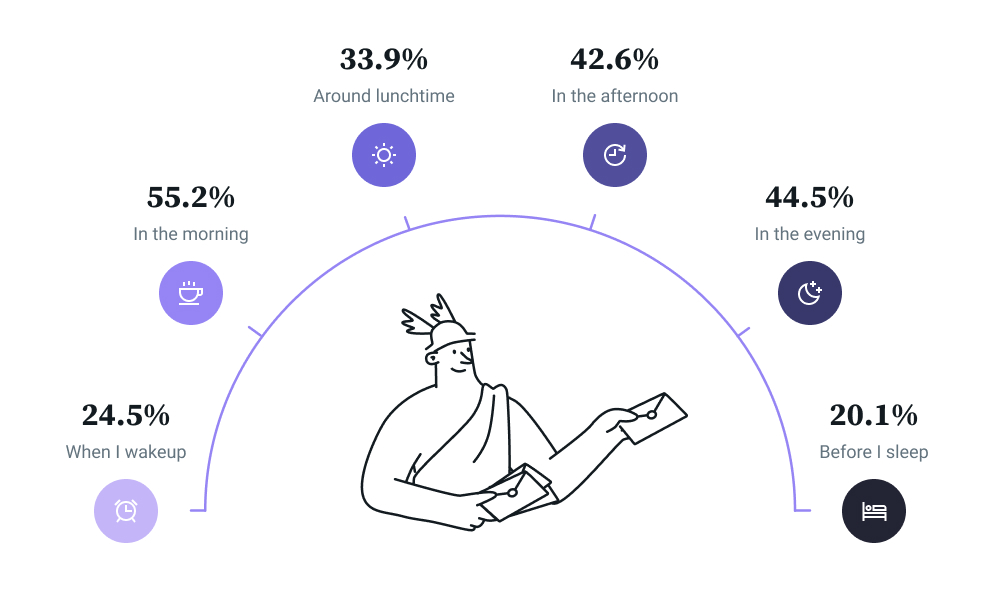
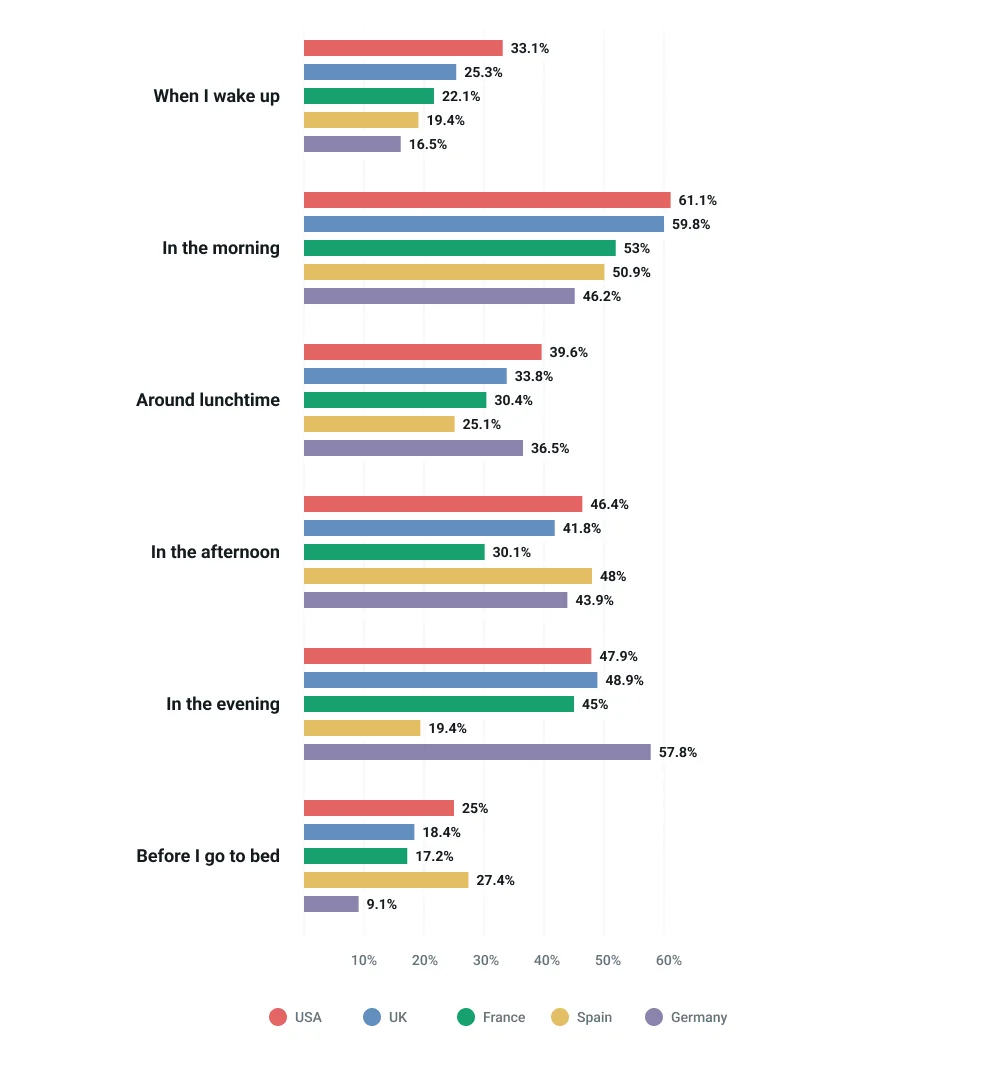
Beyond global hourly peaks, localized cultural and daily routines profoundly influence email engagement. The Mailjet Email Engagement Report provides compelling evidence of these differences. For example, German customers exhibit a preference for checking emails in the early evening, with 57.8% opening messages during this period. This contrasts sharply with Spain, where only 19.4% engage at the same time. Conversely, a substantial 27.4% of Spanish participants reported checking emails late in the evening before bed, a behavior observed in only 9.1% of German users.
These disparities underscore the futility of a one-size-fits-all approach. Marketers targeting diverse international audiences must move beyond broad generalizations and embrace sophisticated audience segmentation. By segmenting subscriber lists based on geographic location and, by extension, cultural habits and time zones, marketers can tailor send times to align with each segment’s unique rhythm. This level of personalization not only improves open and click rates but also fosters a stronger, more respectful relationship with subscribers, who appreciate receiving relevant content at convenient times. Neglecting these cultural nuances can lead to campaigns that underperform drastically in certain regions, wasting resources and potentially eroding brand perception.
Navigating Weekly Engagement: Peaks and Valleys
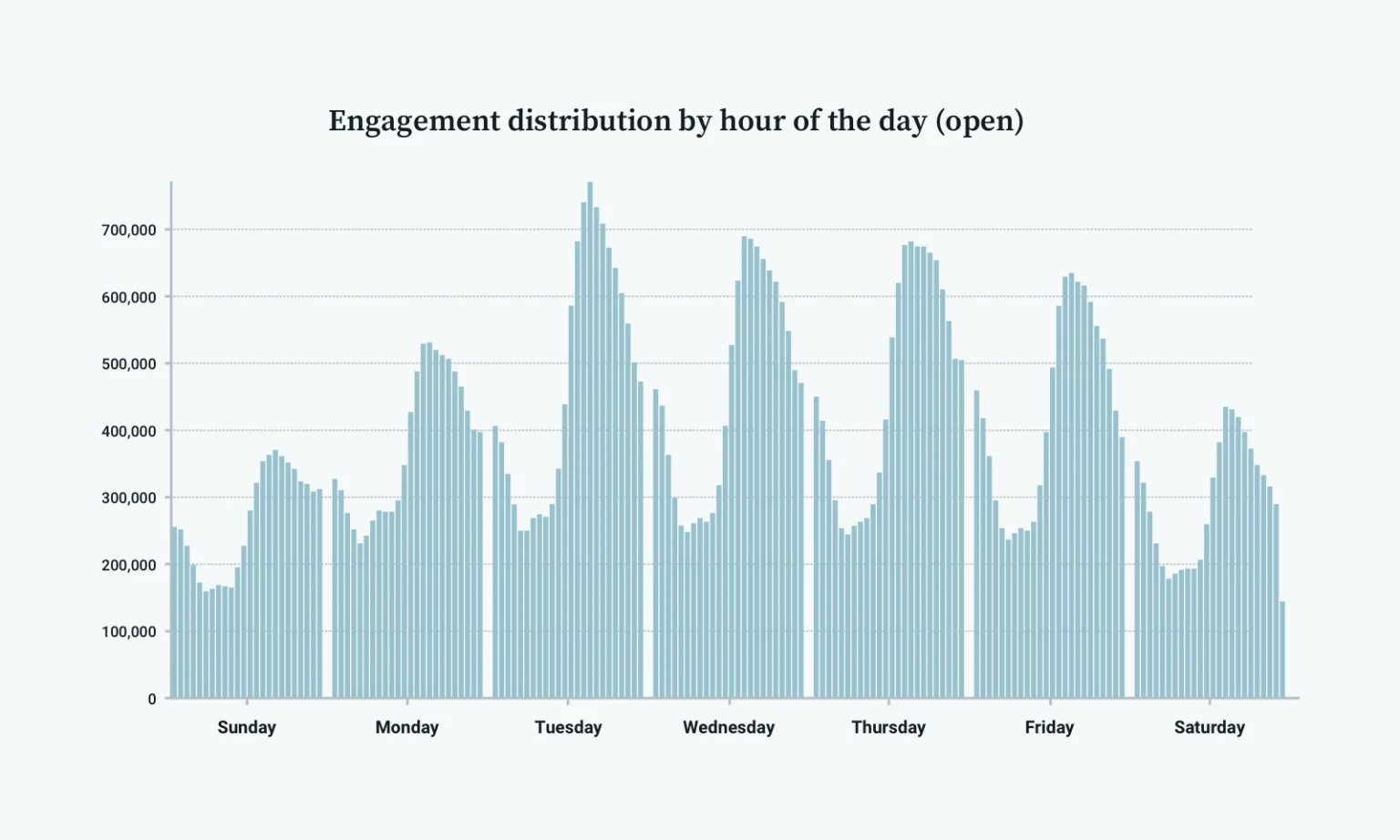
Analyzing engagement across the week reveals distinct patterns, guiding marketers on the best and worst days for campaign deployment. The Sinch Mailgun study consistently shows that Tuesdays through Thursdays are the optimal days for email engagement, registering the highest open and click-through rates. This mid-week period often coincides with established work routines when individuals are settled into their weekly tasks and are more likely to engage with both professional and personal communications.
- Mid-Week Dominance: Tuesdays and Thursdays slightly edge out Wednesday in terms of peak engagement. If a marketer plans to send emails twice a week, a Tuesday-Thursday combination is often recommended to maximize reach without overwhelming subscribers. Sending on consecutive days like Tuesday-Wednesday or Wednesday-Thursday risks creating inbox fatigue, leading to ignored emails.
- The Case for Fridays: While not as strong as mid-week, Fridays should not be entirely dismissed. They offer a potential advantage in terms of reduced inbox competition. As many marketers avoid Fridays, sending a well-crafted email might stand out more. However, the content should ideally be lighter or more leisure-oriented, anticipating the weekend mindset.
- Weekend Doldrums: Saturdays and Sundays consistently rank as the worst days for email engagement. People are typically engaged in personal activities, social outings, or errands, rendering emails a low priority. Sending campaigns during the weekend is generally advisable only for content specifically tailored for leisure or weekend consumption, such as event promotions or weekend deals, and even then, performance metrics should be closely monitored.
- Mondays: A Mixed Bag: Traditionally viewed as poor sending days due to post-weekend catch-up and week planning, research indicates that Fridays now often outperform Mondays in terms of open and click-through rates. On Mondays, individuals are often sifting through a backlog of weekend emails and prioritizing work tasks, making them less receptive to marketing messages. This suggests a shift in consumer behavior, where the anticipation of the weekend on Friday might lead to more receptive browsing than the start-of-week intensity of Monday.
Ultimately, the best day for sending a newsletter is not etched in stone. It is a dynamic variable that necessitates continuous testing and analysis specific to each audience. Consistency, however, remains a virtue. For regular newsletters or promotional emails, maintaining a consistent sending day and time builds anticipation and trust, establishing a predictable rhythm for subscribers. Exceptions arise during holidays or special events, where deviating from the schedule to ensure higher visibility and relevance is often a pragmatic choice.
B2B vs. B2C: Divergent Email Ecosystems
The fundamental distinction between Business-to-Business (B2B) and Business-to-Consumer (B2C) email marketing cannot be overstated, as user behavior varies dramatically between professional and personal inboxes.
- B2B Dynamics: Professionals typically check their business emails during working hours, Monday to Friday. The content is often industry-specific, problem-solving, or informative. Optimal send times generally fall within the mid-morning to early afternoon on weekdays, aligning with peak office productivity hours. Engagement is driven by professional necessity and value proposition. Sending B2B emails outside these hours, especially on weekends, is largely ineffective, as recipients are unlikely to be focused on work-related matters.
- B2C Dynamics: Consumer behavior is far more eclectic. Some individuals check personal emails multiple times a day, while others only during specific leisure periods. B2C content is typically promotional, entertainment-focused, or lifestyle-oriented. Optimal times can span a wider range, including evenings and even early mornings, depending on the product or service. For instance, an e-commerce brand might find success sending promotional offers during lunch breaks or after work when people are more inclined to browse and shop.
Marketers must ask critical questions: What problem does this email solve for my audience? What is their typical daily schedule? Are they likely to be at work, commuting, or relaxing? Defined marketing personas become indispensable tools here, offering detailed insights into subscriber demographics, psychographics, and digital habits. These personas allow for a granular understanding of when and why a particular segment might engage with an email, enabling highly targeted and effective timing strategies. The critical takeaway is that the context of the inbox—professional or personal—dictates the rules of engagement.
The Indispensable Value of Strategic Timing
The strategic timing of email campaigns transcends mere convenience; it is a critical determinant of overall marketing efficacy. In a crowded digital landscape, where attention is a scarce commodity, the timing of an email directly influences its visibility and potential impact. An email arriving at an opportune moment has a significantly higher chance of being noticed, opened, and acted upon, thereby maximizing the investment in content creation and campaign deployment.
Sending campaigns at the right time offers a multitude of benefits:
- Maximized Open Rates: When an email arrives as a subscriber is actively checking their inbox, it appears at the top, increasing its likelihood of being seen and opened before it gets buried.
- Elevated Click-Through Rates (CTR): An engaged subscriber is more likely to click on calls-to-action (CTAs) within the email, leading to website visits, conversions, and sales.
- Enhanced Conversion Rates: Optimized timing contributes to higher engagement, which in turn drives more conversions, whether it’s a purchase, a download, or a sign-up.
- Improved Sender Reputation: High engagement signals to Internet Service Providers (ISPs) that your emails are valuable, leading to better deliverability and reducing the chances of landing in spam folders.
- Optimized Resource Allocation: By focusing efforts on proven optimal send times, marketers can achieve better results with the same resources, improving overall campaign efficiency and ROI.
- Reduced Unsubscribe Rates: Relevant and well-timed emails contribute to a positive subscriber experience, reducing list fatigue and preventing unsubscribes.
Indeed, 86.4% of respondents in a relevant study indicated that having adequate time to read an email is a crucial factor in their decision to open it. This statistic powerfully reinforces the argument that timing is not a secondary consideration but a primary driver of email engagement. It underscores that even the most compelling subject line and meticulously crafted content can fall flat if delivered at a moment when the recipient is distracted, busy, or simply not in a receptive mindset.
A Systematic Approach to Determining Optimal Send Times
Given the complexity, how does a marketer concretely determine their specific optimal send times? It’s a continuous, data-driven process involving several key steps:
-
Leverage Existing Email Service Provider (ESP) Data: Every robust ESP offers an analytics dashboard that is a treasure trove of audience data. Marketers should delve into past campaign statistics, focusing on historical open and click rates segmented by day and hour. This historical data provides a solid baseline, revealing patterns unique to a specific subscriber base. Identifying the days with the highest activity and then viewing the hourly breakdown will pinpoint when an audience has historically been most engaged.
- Example: Mailjet users can access comprehensive statistics within their platform, visualizing engagement by hour and day to identify peak performance windows.
-
Implement Rigorous A/B Testing: Hypotheses derived from ESP data must be validated through A/B testing. This involves sending variations of a campaign to different segments of the subscriber list.
- Scenario 1 (Time-based): Over several weeks, send the same newsletter at different times (e.g., Week 1: 10 AM; Week 2: 1 PM; Week 3: 9 PM). Analyze which time yields the highest engagement.
- Scenario 2 (Segment-based): Send a campaign to half the list in the morning and the other half in the afternoon. Compare their performance.
- A/B testing should be an ongoing process, refining send times as audience behavior evolves and new data emerges.
-
Refine Audience Segmentation: Beyond geographic location, segment audiences based on other relevant factors:
- Demographics: Age groups, professions, family status might influence daily routines.
- Psychographics: Interests, values, and lifestyle choices can affect when people engage with certain types of content.
- Past Behavior: Subscribers who frequently open emails during evenings might constitute a segment for later send times.
- Time Zones: For global audiences, segmenting by time zone is non-negotiable to ensure local relevance.
-
Consider Content Relevance and Consistency: The nature of the email content itself plays a role. Time-sensitive offers, news alerts, or urgent announcements might warrant immediate delivery, while a weekly digest or lifestyle content might be better suited for leisure hours. Consistency in sending regular newsletters on the same day builds anticipation and habit among subscribers.
-
Explore Dynamic Content and Personalized Sending: Advanced email marketing platforms offer features like "send time optimization," which uses AI to automatically deliver emails to each subscriber at their individually predicted optimal open time. While this requires sophisticated tools, it represents the pinnacle of personalized timing strategy.
Broader Implications and the Future of Email Timing
The landscape of email marketing is dynamic, continually shaped by technological advancements and shifting consumer behaviors. The focus on optimal send times is not merely a tactical maneuver but a strategic imperative that influences overall digital marketing efficacy.
- AI and Machine Learning: The future will see greater integration of AI and machine learning into ESPs. These technologies will move beyond simple historical data analysis to predict individual subscriber engagement patterns, dynamically adjusting send times for each recipient. This hyper-personalization will further optimize engagement and conversion rates.
- Cross-Channel Synchronization: Optimal email timing will increasingly be viewed within a broader cross-channel marketing strategy. The timing of an email might be influenced by a recent interaction on social media, a website visit, or a previous purchase, creating a seamless and highly relevant customer journey.
- Privacy and Trust: As data analytics become more sophisticated, maintaining transparency and respecting user privacy will be paramount. Marketers must ensure their data collection and utilization practices for send time optimization are ethical and compliant with regulations.
In conclusion, there is no singular "best" time to send an email campaign. The journey to discovering optimal timing is an ongoing scientific endeavor, demanding meticulous data analysis, iterative A/B testing, and a deep understanding of one’s audience. From understanding global hourly peaks in UTC to dissecting country-specific cultural habits, differentiating between B2B and B2C engagement, and analyzing weekly patterns, every layer of insight contributes to a more effective email marketing strategy. By embracing these principles and leveraging the robust features offered by platforms like Mailjet—including segmentation, A/B testing, campaign comparison, and detailed email statistics—marketers can transform their email campaigns from generic blasts into precisely timed, highly impactful communications that resonate with their audience, drive engagement, and ultimately deliver superior business outcomes. The continuous pursuit of the perfect send time is not just about improving metrics; it’s about building stronger, more meaningful connections with subscribers in an ever-evolving digital world.








