

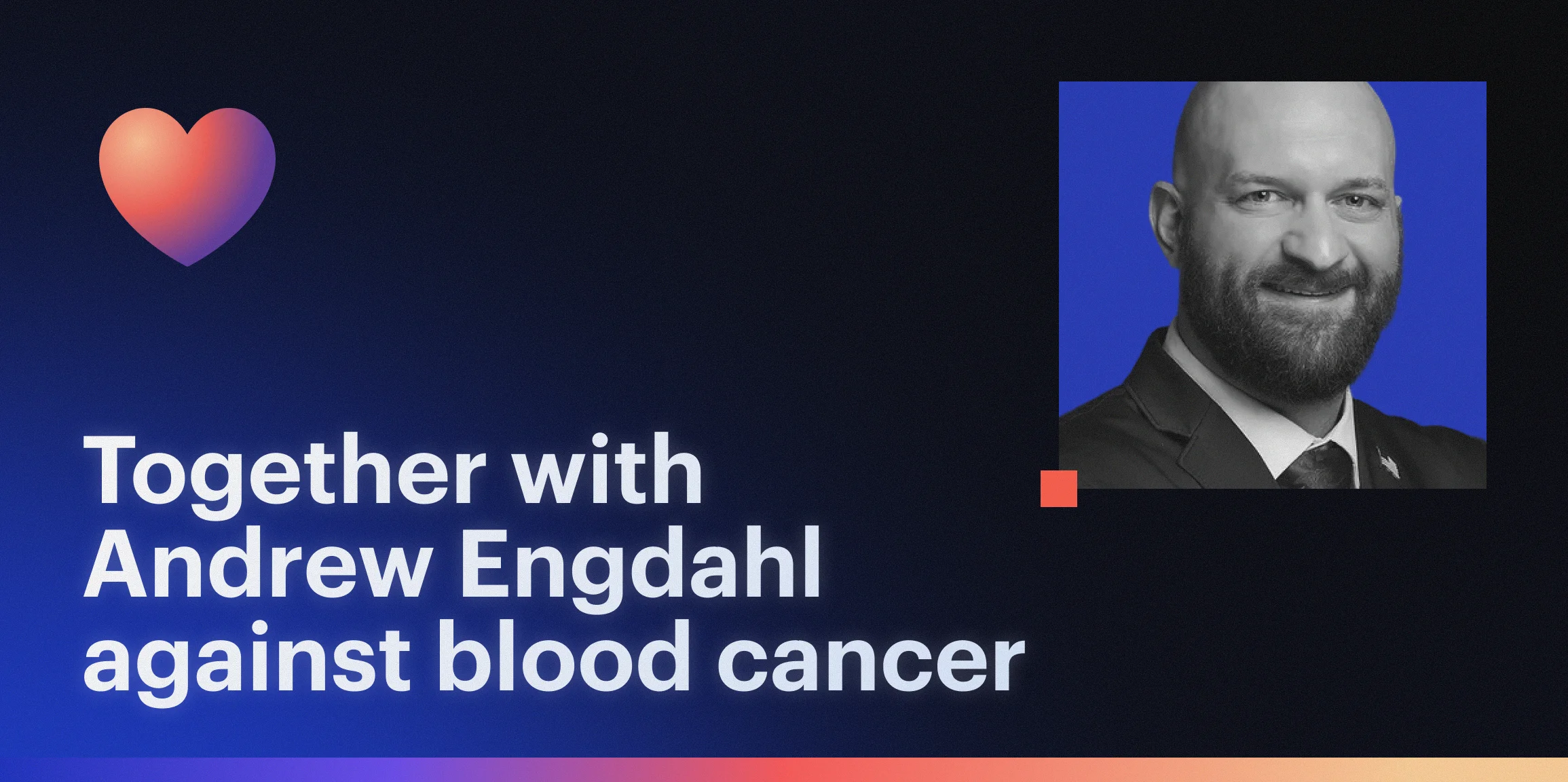
The intersection of corporate leadership and philanthropic advocacy has taken center stage at Instapage, a leading post-click automation platform, following the nomination of Andrew Engdahl for the Blood Cancer United Visionaries of the Year award. Engdahl, who currently serves as the company’s Head of Sales, was selected as a candidate for this prestigious honor in recognition of his efforts to leverage his professional platform to advance the fight against blood-borne malignancies. The nomination follows Engdahl’s personal victory over a life-threatening diagnosis, marking a transition from a patient navigating the complexities of the healthcare system to a high-level executive driving growth for a global technology firm while advocating for medical research.
The Visionaries of the Year campaign is a highly competitive, 10-week philanthropic initiative that identifies leaders across various industries to raise funds and awareness for blood cancer research and patient support. Engdahl’s candidacy is rooted in his status as a survivor of Stage 4 Non-Hodgkin’s Lymphoma, a diagnosis that typically carries a rigorous and grueling treatment path. His campaign, which officially launched on World Cancer Day, seeks to raise $50,000 to support the mission of defeating blood cancer through improved diagnostic tools, advanced therapies, and comprehensive patient care.
A Chronology of Resilience: From Diagnosis to Remission
The trajectory of Andrew Engdahl’s journey began in the summer of 2022, a period that initially appeared to be characterized by routine physical strain. What Engdahl first perceived as simple muscle tension rapidly escalated into a systemic health crisis. Upon seeking medical consultation, diagnostic imaging and biopsies revealed the presence of Stage 4 Non-Hodgkin’s Lymphoma. This classification indicates that the cancer had spread beyond the lymphatic system to distant organs or tissues, necessitating an immediate and aggressive clinical intervention.
The subsequent months were defined by a multi-modal treatment regimen designed to stabilize his condition and eradicate the malignant cells. The clinical protocol included major spinal surgery to address complications arising from the disease’s progression, followed by four lumbar punctures—a procedure often used in lymphoma cases to deliver intrathecal chemotherapy directly into the cerebrospinal fluid to prevent the spread of cancer to the central nervous system.
Engdahl’s recovery further involved six cycles of intensive chemotherapy infusions. These treatments, while effective at targeting cancer cells, place significant physiological stress on the body, requiring a disciplined approach to rehabilitation. Following the conclusion of his active treatment, Engdahl engaged in six months of intensive physical therapy and yoga to regain mobility and strength. Now nearly three years in remission, Engdahl has successfully transitioned back into the workforce, ascending to the role of Head of Sales at Instapage, where he oversees global sales operations and large-scale deal closures.
Understanding the Landscape of Blood Cancer
Engdahl’s diagnosis of Non-Hodgkin’s Lymphoma (NHL) places him among the hundreds of thousands of individuals affected by blood cancers annually. According to data from the Leukemia & Lymphoma Society (LLS) and the National Cancer Institute (NCI), blood cancers—including leukemia, lymphoma, and myeloma—account for approximately 10% of all new cancer cases diagnosed in the United States each year. Non-Hodgkin’s Lymphoma specifically is one of the most common cancers in the country, accounting for about 4% of all cancers.
While the five-year relative survival rate for NHL has improved significantly over the last several decades—climbing from approximately 47% in the mid-1970s to over 73% today—Stage 4 diagnoses remain a significant challenge. The advancement of survival rates is largely attributed to the development of targeted therapies and immunotherapies, many of which were funded by organizations like Blood Cancer United and the LLS. Engdahl’s campaign aims to contribute to this momentum, ensuring that future patients have access to the same life-saving innovations that facilitated his recovery.
The Visionaries of the Year Campaign and Philanthropic Impact
The Visionaries of the Year program serves as a critical fundraising engine for blood cancer research. Candidates are selected based on their leadership qualities, community influence, and personal connection to the cause. Throughout the 10-week window, candidates and their teams compete to raise the most funds, with every dollar raised counting as one "vote." The titles are awarded to the top fundraisers in each community, but the broader impact lies in the collective millions of dollars generated for research and patient services.
Engdahl’s goal of $50,000 is earmarked for several key areas:
- Research Initiatives: Funding for clinical trials and laboratory research focused on identifying new genetic markers and developing precision medicine for lymphoma patients.
- Patient Support: Providing financial assistance and educational resources for families navigating the high costs of cancer care and the logistical hurdles of long-term treatment.
- Advocacy: Supporting legislative efforts to ensure equitable access to oncology care and to increase federal funding for cancer research through the National Institutes of Health (NIH).
In his public statement regarding the campaign, Engdahl emphasized a sense of moral obligation to the medical community and his peers. "I feel that I owe it to my physicians, my friends, family, and teammates, and all those affected by the scourge of blood cancer to pay it forward and make a difference while I still have the strength and ability to do so," Engdahl stated. This sentiment reflects a growing trend of "survivor-led advocacy," where individuals use their lived experience to bridge the gap between corporate resources and non-profit needs.
Corporate Support and the Role of Instapage
Instapage has taken an active role in amplifying Engdahl’s mission, reflecting a corporate culture that prioritizes employee well-being and social responsibility. As a company, Instapage specializes in digital marketing optimization, a field that requires high levels of resilience and strategic thinking—traits that the leadership team notes are mirrored in Engdahl’s personal battle with cancer.
The company’s endorsement of the campaign is not merely a gesture of internal morale but a strategic effort to use their corporate reach to assist in the $50,000 fundraising goal. In a statement from the company, leadership highlighted Engdahl’s journey as a testament to human resilience, noting his ability to navigate a life-threatening diagnosis while maintaining his professional trajectory. The company noted that Engdahl’s "genuine sense of joy and optimism" has become a hallmark of his leadership style, influencing the culture of the global sales team he now leads.
From a business perspective, the support of such initiatives falls under the umbrella of Corporate Social Responsibility (CSR). Research indicates that companies with robust CSR programs and those that support their employees’ personal causes often see higher levels of engagement, retention, and brand loyalty. By backing Engdahl, Instapage aligns its brand with the values of community health and medical progress.
Broader Implications for Workplace Health and Advocacy
Engdahl’s story highlights a critical but often overlooked aspect of modern corporate life: the management of serious illness within high-pressure professional environments. His ability to return to a high-stakes leadership role following Stage 4 cancer serves as a case study in workplace reintegration and the importance of supportive corporate infrastructure.
Furthermore, the campaign underscores the importance of early detection and the evolution of cancer survivorship. In the past, a Stage 4 diagnosis often signaled a withdrawal from professional life; however, advancements in oncology have made it possible for many survivors to return to their careers with renewed perspective. This shift requires a reevaluation of how companies support employees through long-term medical crises, emphasizing flexibility and psychological safety.
The impact of blood cancer research also extends beyond leukemia and lymphoma. Many of the breakthroughs funded by blood cancer organizations have led to advancements in the treatment of other cancers and autoimmune diseases. For instance, the development of CAR-T cell therapy, originally pioneered for blood cancers, is now being explored for its efficacy against solid tumors. Consequently, Engdahl’s $50,000 campaign contributes to a broader ecosystem of medical innovation that benefits the public health landscape at large.
Conclusion and Future Outlook
As the Visionaries of the Year campaign progresses, Andrew Engdahl remains focused on the dual goals of leading his team at Instapage and meeting his philanthropic targets. The campaign serves as a reminder that the battle against cancer is not fought solely in the clinic, but also through the mobilization of community resources and the courage of individuals willing to share their stories.
With the support of his colleagues, the tech community, and the general public, Engdahl’s efforts represent a significant contribution to the ongoing mission to eradicate blood cancer. His journey from a summer of "muscle tension" to a "Visionary of the Year" nominee encapsulates the unpredictability of health and the power of medical science. As the fundraising period continues, the focus remains on the "pay it forward" philosophy that Engdahl has championed, ensuring that the next generation of patients has a clearer path to remission and a full return to their lives and careers.







