rifanmuazin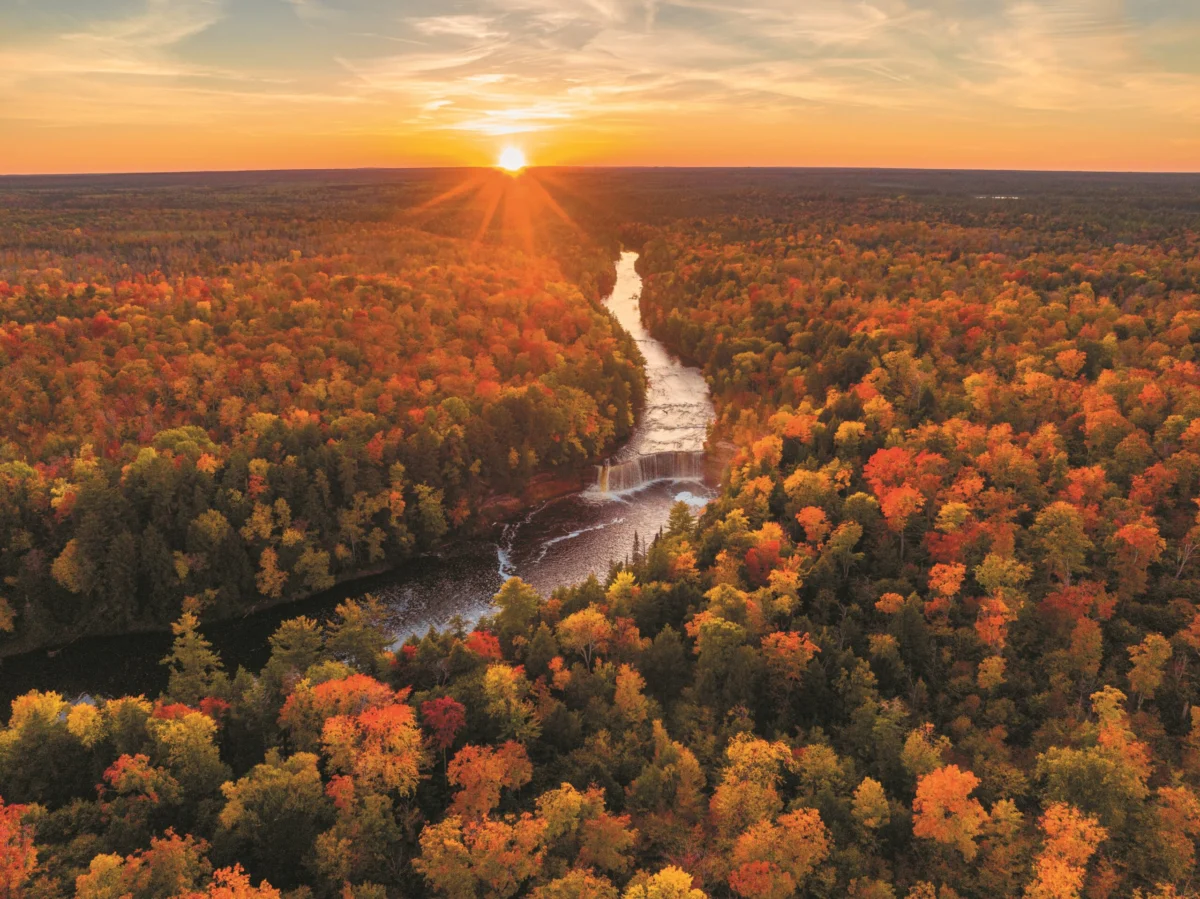
The Pure Michigan travel campaign, a cornerstone of the state’s economic development and cultural identity, is currently celebrating a milestone of 20 years in operation. Since its inception, the initiative has evolved from a modest regional marketing effort into a globally recognized brand, setting a gold standard for how states and municipalities market their geographic assets. Unlike traditional product marketing, which allows for the creation of new features or the redesign of a physical item, destination marketing requires a strategic focus on inherent qualities. For Michigan, this has meant leaning into the raw, unmanufactured beauty of its two peninsulas, a strategy that has paid significant dividends in both tax revenue and international prestige.
Kelly Wolgamott, Vice President of Pure Michigan—a division of the Michigan Economic Development Corporation (MEDC)—attributes the campaign’s longevity to the sheer diversity of the state’s offerings. With over 3,200 miles of Great Lakes coastline, the state possesses the longest freshwater coastline in the world. From the urban resurgence of Detroit and the cultural hub of Grand Rapids to the rugged wilderness of the Upper Peninsula, the campaign has successfully encapsulated a wide spectrum of visitor experiences. By maintaining a steadfast focus on local people, small businesses, and the changing aesthetics of all four seasons, Pure Michigan has transcended the typical "travel ad" format to become a "Brand That Mattered," according to Fast Company, placing it in the same league as global titans like Nike and Coca-Cola.
The Evolution of a Brand: A Twenty-Year Chronology
The journey of Pure Michigan began in 2006, born out of a need to unify the state’s fragmented tourism messaging. Prior to the campaign, Michigan’s various regions often marketed themselves independently, leading to a diluted presence in the competitive Midwestern tourism market. The launch of the "Pure Michigan" brand provided a singular, evocative voice that could speak to the entire state.
In 2007, the campaign gained significant national traction with the release of the "25,000 Mornings" advertisement. Narrated by Michigan native and actor Tim Allen, the spot utilized a combination of poetic scriptwriting and high-definition cinematography to create an emotional resonance with viewers. Allen’s narration—reminding audiences that humans only have a limited number of mornings in their lives—positioned Michigan not just as a location, but as a philosophical retreat from the chaos of modern life. This "low-pressure" marketing approach became the campaign’s hallmark.
By 2011, when Kelly Wolgamott joined the team as Director of Marketing, the campaign was expanding its reach beyond the Midwest. It began targeting national and even international audiences, leveraging the "Pure Michigan" moniker to attract visitors from across the globe. Over the next decade, the campaign navigated the transition from traditional television and radio to a multi-platform digital strategy. By 2026, the brand had successfully integrated influencer partnerships, social media storytelling, and advanced data analytics to maintain its relevance in an increasingly crowded digital landscape.
Economic Impact and Quantifiable Success
The success of Pure Michigan is not merely measured in brand recognition or artistic merit; it is backed by rigorous economic data. According to the most recent reports from the MEDC, the campaign remains one of the most effective uses of state marketing funds in the country. In 2025, Pure Michigan reported a return on investment (ROI) of $10.78 in state tax revenue for every single dollar spent on paid media. This high rate of return underscores the campaign’s role as a vital economic engine rather than a mere discretionary expense.
The data also reveals a direct correlation between brand awareness and traveler behavior. Visitors who are aware of the Pure Michigan campaign tend to stay longer and spend more than those who are not. On average, travelers aware of the campaign stayed 4.4 nights, compared to 3.9 nights for those unaware. This half-day difference, when multiplied by millions of annual visitors, represents hundreds of millions of dollars in additional revenue for local hotels, restaurants, and retail shops.
Currently, the tourism industry contributes approximately $50 billion annually to Michigan’s economy. This sector is a massive employer, supporting more than 350,000 jobs across both the Upper and Lower Peninsulas. For many rural communities, tourism is the primary source of economic stability, providing a lifeline for small businesses that rely on seasonal influxes of visitors.
Local Perspectives: The Case of Frankenmuth
The macro-economic figures are reflected in the micro-level success of Michigan’s various municipalities. Frankenmuth, a small city known as "Michigan’s Little Bavaria," serves as a prime example of how state-level branding supports local growth. Famous for its German heritage, Bronner’s Christmas Wonderland, and family-style chicken dinners, Frankenmuth has seen its profile elevated significantly through its association with the Pure Michigan brand.
Jamie Furbush, President and CEO of the Frankenmuth Chamber of Commerce and Convention and Visitors Bureau, notes that the campaign’s impact goes beyond simple tourism. "People don’t relocate their businesses or their homes without visiting first," Furbush stated. "This campaign really helped set the stage for a lot of economic growth." The "Pure Michigan" seal of approval acts as a form of social proof, signaling to potential residents and investors that the state offers a high quality of life and a robust community spirit. This intersection of tourism and talent attraction is a key component of Michigan’s long-term economic strategy.
Consistency and Authenticity in a Changing World
Marketing experts suggest that the secret to the campaign’s endurance is its consistency. Adam Stoker, President and CEO of Brand Revolt, an agency specializing in destination marketing, points out that many states change their slogans or visual identities every few years, often following changes in political leadership. Michigan, however, has stayed the course.
"They’ve brilliantly stuck with the message throughout the years, which has truly built lasting brand equity," Stoker said. "There’s no question Pure Michigan has elevated the state’s image and reputation worldwide." By refusing to "overpromise" or create "manufactured moments," the campaign has built a level of trust with the consumer. When a traveler arrives at a Michigan beach or a state park, the reality of the experience matches the promise of the advertisement.
Adapting to the Digital Frontier: Social Media and AI
While the core message of Pure Michigan remains rooted in timeless natural beauty, the delivery mechanisms have undergone a radical transformation. The campaign has moved aggressively into the digital space, utilizing connected TV (CTV) and social media platforms like Instagram and TikTok to reach younger demographics. By partnering with influencers and content creators, Pure Michigan is able to showcase "hidden gems" and authentic local experiences through a lens that resonates with Gen Z and Millennial travelers.
Perhaps the most significant shift in recent years is the integration of Artificial Intelligence (AI) into the travel planning process. As more consumers turn to platforms like ChatGPT and other AI-driven search engines to plan their vacations, Pure Michigan has adapted its SEO and content strategy to ensure it remains visible.
"We understand that travelers are turning to AI to help determine vacation spots and iron out itineraries," Wolgamott explained. The goal is to ensure that when a user asks an AI for the "best family-friendly fall road trip" or "secluded freshwater beaches," Michigan’s destinations are accurately and prominently featured. This proactive approach to AI optimization ensures that the state’s tourism infrastructure remains competitive in an era where traditional search engines are being supplemented by conversational AI.
Future Implications and the Path Ahead
As Pure Michigan enters its third decade, the campaign faces new challenges, including the need to balance environmental sustainability with increased visitor traffic. The very natural beauty that the campaign promotes must be protected to ensure the brand’s longevity. This has led to an increased focus on "responsible travel" initiatives, encouraging visitors to respect the state’s natural resources and support conservation efforts.
The broader implication of Pure Michigan’s success is a blueprint for other states and regions. It demonstrates that place branding is most effective when it is rooted in authenticity and supported by consistent, long-term investment. In an age of digital noise and "filtered" experiences, the campaign’s commitment to the "real" has allowed it to maintain a unique emotional connection with its audience.
Ultimately, the campaign’s success stems from the fact that it treats Michigan not as a product to be sold, but as an experience to be shared. As Kelly Wolgamott concluded, the aim is to tell compelling stories that inspire action. By leaning into the state’s real people, diverse communities, and ever-changing seasons, Pure Michigan has created a legacy that transcends marketing, becoming a vital part of the state’s cultural fabric. As it looks toward the next 20 years, the campaign remains dedicated to the simple, powerful idea that some of the most magical moments in life can be found in the sun rising over a Michigan lake.