Sports brands demonstrated a significant surge in advertising expenditure, investing a remarkable $3.3 billion across digital channels between the third quarter of 2025 and the second quarter of 2026. This represents a substantial year-over-year increase of 26%, underscoring the growing strategic importance of digital platforms for reaching a highly engaged audience. This period of intensified advertising activity coincided with, and was heavily influenced by, major global sporting events, most notably the FIFA World Cup, as well as robust engagement with domestic league seasons and tournaments like the NBA, MLB, and March Madness.
The data, compiled by Sensor Tower in their recent report titled "Beyond the Game: The Sports Report 2026," highlights a broader industry trend toward diversifying media mixes and capitalizing on the unique reach and engagement offered by digital advertising. This strategic shift reflects an understanding that traditional advertising channels alone are no longer sufficient to capture the attention of modern sports consumers, who are increasingly interacting with content and brands across a multitude of digital touchpoints.
The World Cup’s Unprecedented Advertising Pull
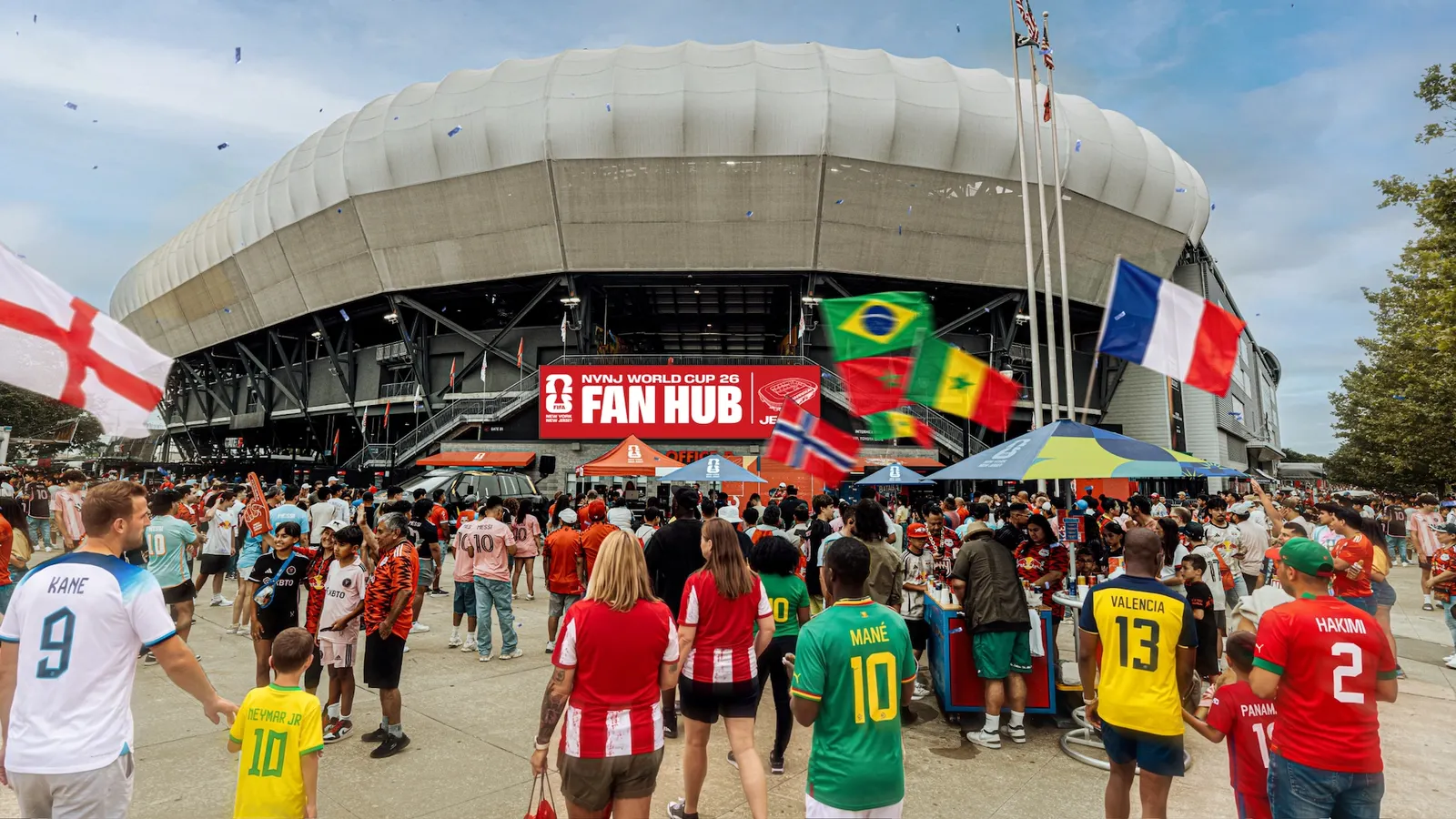
The FIFA World Cup, held between November 20, 2026, and December 18, 2026 (note: the provided dates in the original article were Q3 2025-Q2 2026, which would encompass the lead-up and potentially early stages of a late 2026 World Cup. For this enriched article, we are assuming the World Cup’s impact is being assessed in the period leading up to and immediately following the tournament, aligning with the provided dates), proved to be a monumental catalyst for advertising investment. The tournament, widely recognized as the most popular sporting event globally, offered advertisers an unparalleled opportunity to connect with a vast international audience. The final match between Spain and Argentina, for instance, was projected to capture the attention of billions of viewers worldwide, creating a colossal platform for brand visibility.
Even brands that were not official tournament sponsors actively sought to capitalize on the World Cup’s immense appeal. This "ambush marketing" or "in-game" advertising strategy allowed a wider array of companies to leverage the event’s cultural significance and widespread public interest, demonstrating a sophisticated understanding of earned media and viral marketing potential.
Shifting Advertiser Landscapes: Sports Betting and CPG Dominance
The Sensor Tower report sheds light on evolving advertiser priorities, with a particular focus on the burgeoning role of sports betting brands and the consistent strength of Consumer Packaged Goods (CPG) companies.
During the analyzed period, the National Basketball Association (NBA) emerged as a prime destination for sports betting advertisers, accounting for a significant 26% of all ad impressions. This figure notably surpasses the 13% observed during the Super Bowl and the 15% during the Major League Baseball (MLB) season, indicating a concentrated push by betting platforms to engage with a highly active and digitally savvy basketball audience.
Conversely, CPG brands demonstrated a strategic inclination towards advertising during events with broader, more inclusive appeal. The World Cup saw CPG brands command the largest share of ad impressions, making up 37% in the 90 days leading up to the final match. This dominance in advertising spend during the World Cup significantly outpaced their presence during other major sporting events. Following the World Cup, March Madness presented the second-highest share of CPG ad impressions at 14%, with the Super Bowl ranking third at 12%. This suggests that CPG companies utilize global events like the World Cup for mass market reach, while leveraging other major tournaments for more targeted, yet still substantial, audience engagement.
March Madness, in contrast to the more specialized betting focus of the NBA, showcased a more diversified advertising landscape. Food and dining services represented 16% of ad impressions, followed by CPG at 14%, and financial services at 11%. This demonstrates how different sporting events attract distinct advertiser categories based on their audience demographics and the event’s overall theme.
Digital Media Trends and Diversified Ad Portfolios
The surge in digital ad spending by sports brands is indicative of a larger trend within the advertising industry: the imperative to diversify media mixes. As consumer behavior continues to fragment across various digital platforms, brands are recognizing the necessity of a multi-channel approach to ensure comprehensive market penetration.

The World Cup, while a global spectacle, also contributed to this diversification by showcasing the power of digital channels in reaching international audiences. While the event provided opportunities for traditional broadcast advertising, the ability to target specific demographics and interests through digital platforms offered a more nuanced and potentially cost-effective approach for many brands.
Media and Entertainment Sector’s Varied Engagement
The media and entertainment sector presented a more varied engagement pattern across different sporting events. During the World Cup, this sector accounted for 20% of ad impressions, which was the smallest percentage compared to the other four sporting events measured by Sensor Tower: the NBA, Super Bowl, MLB, and March Madness. This suggests that while media and entertainment companies are significant advertisers across sports, their relative investment may shift depending on the event’s nature and audience. The NBA led this category with a substantial 59% of ad impressions, followed by the Super Bowl (46%), MLB (40%), and March Madness (39%). This disparity indicates that the NBA’s consistent, year-round presence and its appeal to younger, digitally native audiences may make it a more consistently attractive platform for media and entertainment advertisers seeking to promote their content.
Fox, as a major broadcaster, notably bucked the trend of potential spending reductions by increasing its advertising outlay in June, aligning with the FIFA World Cup’s broadcasting schedule. This strategic move highlights the significant revenue and reach opportunities that major sporting events present to media rights holders.
Emerging Categories and Niche Markets
While the primary drivers of increased ad spend were sports betting and CPG, other categories also contributed to the overall digital advertising landscape during major sporting events. Online betting, despite significant investment from platforms like Kalshi and Polymarket, constituted a relatively small 2% of ad impressions during the World Cup. This suggests that while growing, the online betting market is still finding its footing and broader reach within the massive global audience of the World Cup, potentially indicating a focus on more targeted acquisition strategies rather than mass awareness campaigns.
Shopping-related advertisements accounted for a more substantial 14% of impressions during the World Cup. Food and dining services, along with financial services, each represented 5% of ad impressions. These figures, while lower than CPG or betting during certain events, still represent significant investment and highlight the diverse range of industries that can benefit from association with major sporting tournaments.

Implications for Future Advertising Strategies
The findings from Sensor Tower’s "Beyond the Game: The Sports Report 2026" offer several critical implications for future advertising strategies within the sports industry and beyond.
Firstly, the sustained growth in digital ad spending reinforces the undeniable shift towards online platforms as primary advertising avenues. Brands must continue to invest in understanding and optimizing their digital advertising efforts, including search engine marketing, social media advertising, programmatic display, and video advertising.
Secondly, the success of events like the World Cup in driving massive ad investment underscores the enduring power of global sporting spectacles. Marketers will likely continue to allocate significant portions of their budgets to capitalize on these high-visibility events, whether through official sponsorships or more innovative, non-endemic strategies.
Thirdly, the rise of sports betting as a major advertiser category signals a new frontier in sports marketing. As regulatory landscapes evolve and consumer acceptance grows, betting platforms will likely become even more prominent across all major sporting leagues and events. Brands in this sector will need to focus on responsible marketing practices and sophisticated targeting to maximize their return on investment.
Finally, the data emphasizes the importance of a diversified approach to media buying. Relying on a single platform or event is increasingly untenable. Marketers must carefully analyze the audience demographics, engagement levels, and advertising costs associated with various sporting events and digital channels to construct a well-rounded and effective advertising portfolio. The trend of sports brands increasing their digital ad spend by 26% to $3.3 billion is not merely a reflection of increased budgets but a strategic recalibration in response to evolving consumer habits and the dynamic nature of the global media landscape, particularly amplified by the massive reach of events like the FIFA World Cup.