The digital marketplace has evolved from a secondary convenience into the primary battleground for global retail, where the difference between a completed transaction and a high bounce rate often rests on the architectural integrity of a single page. While much industry attention is focused on homepage branding and checkout fluidity, the e-commerce category page serves as the critical connective tissue of the shopping journey. It functions as the digital equivalent of a retail aisle, where consumers make the pivotal decision to either engage deeper with a brand or retreat to a competitor’s site. As global e-commerce sales continue to climb toward a projected $8 trillion by 2027, the optimization of these intermediary pages has become a cornerstone of sustainable digital growth.

The Strategic Foundation Defining Clear Objectives and Audience Intent
Before a single pixel is placed, successful e-commerce enterprises must define the specific objectives of their category pages. This process begins with a granular understanding of the target demographic. In a journalistic analysis of consumer behavior, industry experts note that a "one-size-fits-all" approach to layout often fails because it ignores the varying psychological triggers of different shopper segments. For instance, a luxury fashion consumer may prioritize high-resolution lifestyle imagery and brand storytelling, whereas a hardware or B2B customer may prioritize technical specifications and bulk-ordering filters.
To set measurable goals, retailers typically look at three primary Key Performance Indicators (KPIs). First is the Bounce Rate; a high percentage of users leaving the category page immediately indicates a disconnect between search intent and page relevance. Second is the Click-Through Rate (CTR) to product detail pages, which measures the effectiveness of the grid layout and product thumbnails. Finally, Revenue per Visitor (RPV) serves as the ultimate barometer of success, often bolstered by the strategic placement of upsell and cross-sell opportunities directly within the category view.
The Chronology of Page Development From Layout to Launch
The development of a high-converting category page follows a logical progression that balances aesthetic appeal with technical functionality. This chronology begins with the establishment of a clear information hierarchy.
Phase One: Header and Navigation Clarity
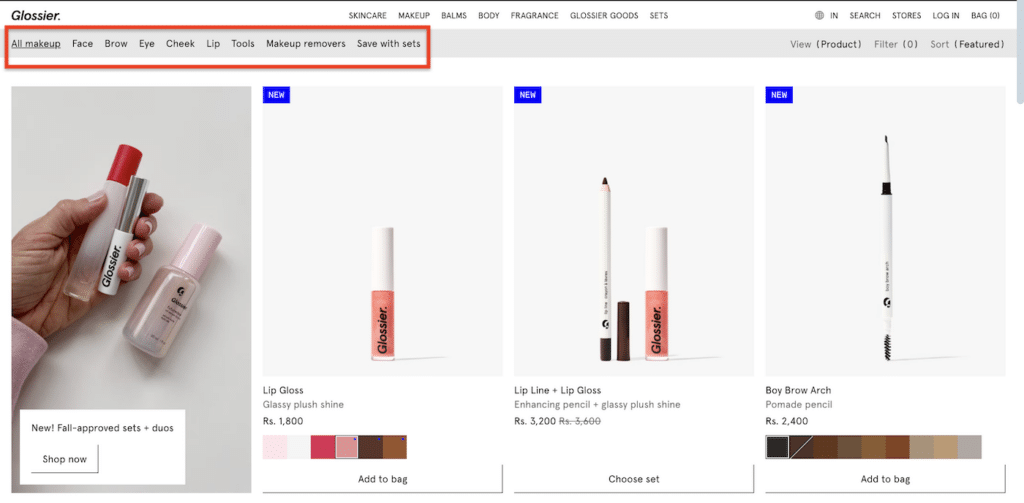
The initial point of contact is the category title. Professional digital strategists advocate for titles that are both descriptive and SEO-optimized. Brands like Glossier have demonstrated the efficacy of this by using simple, intuitive nomenclature such as "Face" or "Eyes." This clarity reduces the cognitive load on the user, allowing for a frictionless transition from the homepage to the product selection phase.
Phase Two: Implementation of Advanced Filtering Systems
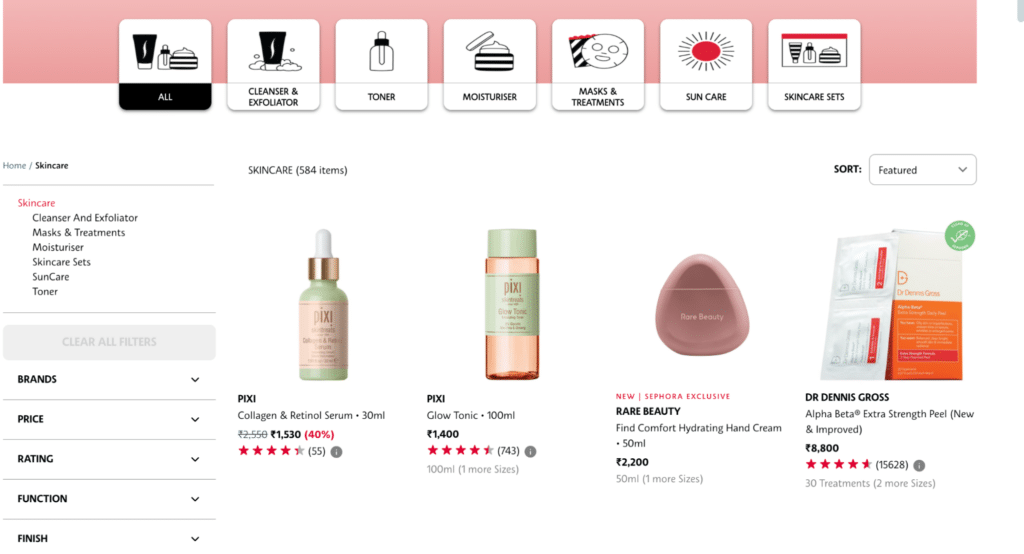
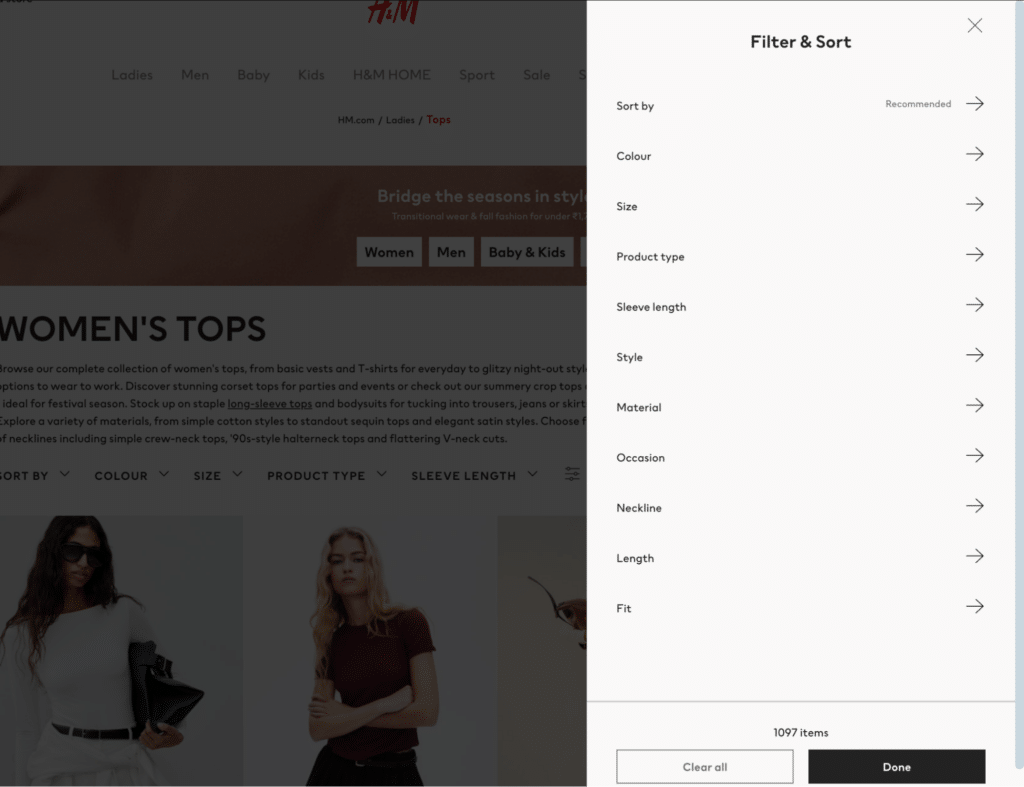
As product catalogs expand, the necessity for robust filtering and sorting options becomes paramount. Data from the Baymard Institute suggests that nearly 42% of e-commerce sites lack sufficient filtering options on their category pages, leading to "choice paralysis." Leading retailers like H&M mitigate this by offering multi-dimensional filters, including size, color, material, and even specific occasions. This allows the user to curate their own shopping experience, transforming a list of a thousand items into a personalized selection of ten.
Phase Three: Visual and Descriptive Synergy
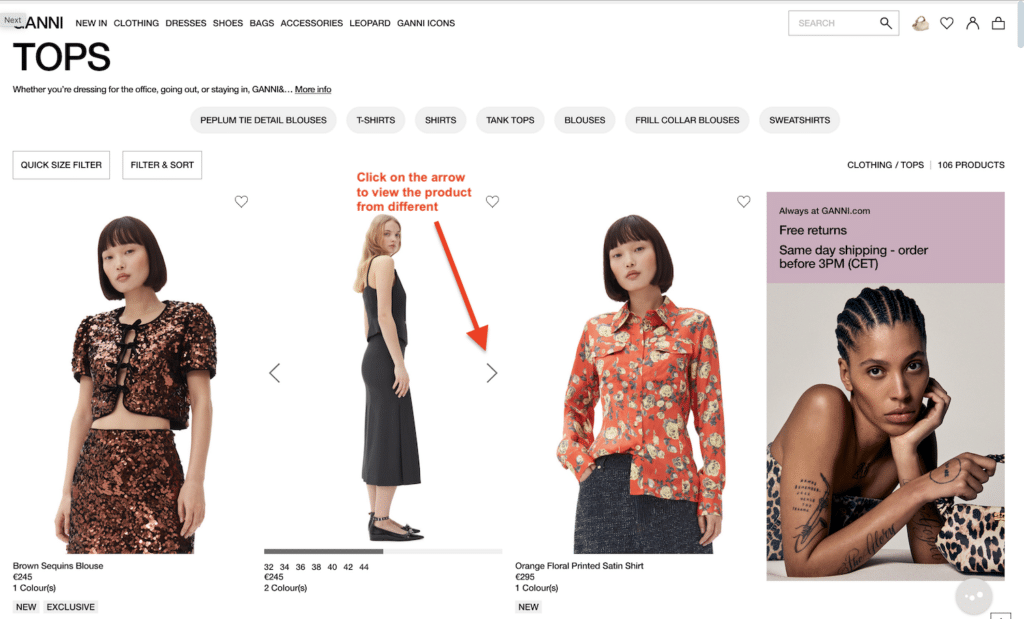
The product listing grid is where the visual narrative takes shape. High-quality, zoomable images are no longer a luxury but a baseline expectation. Modern category pages often employ "hover-over" effects where a second image—such as a model wearing the garment or the product in a lifestyle setting—is revealed when the user moves their cursor. This provides immediate context without requiring a page reload, thereby maintaining the user’s momentum.
The Mobile Imperative and Responsive Architecture
The timeline of e-commerce evolution shows a definitive shift toward handheld devices. Market research indicates that by 2025, approximately 79% of all e-commerce sales will be conducted via mobile devices. This shift necessitates a "mobile-first" design philosophy. On a desktop, a four-column grid may be optimal, but on a mobile device, a single or double-column layout is required to maintain legibility and "tappability."
Responsive design must also account for site speed. A 2023 study by Deloitte found that a mere 0.1-second improvement in mobile site speed could increase conversion rates by up to 8.4%. For category pages, which often load dozens of high-resolution images simultaneously, this requires the implementation of "lazy loading"—a technique where images are only loaded as the user scrolls down the page—and the use of next-generation image formats like WebP.
Content Strategy and Search Engine Discovery
An effective category page serves two masters: the human shopper and the search engine algorithm. Engaging content is the bridge between these two entities. Category descriptions, often placed at the bottom of the page to avoid distracting the user, provide a vital opportunity to incorporate long-tail keywords.
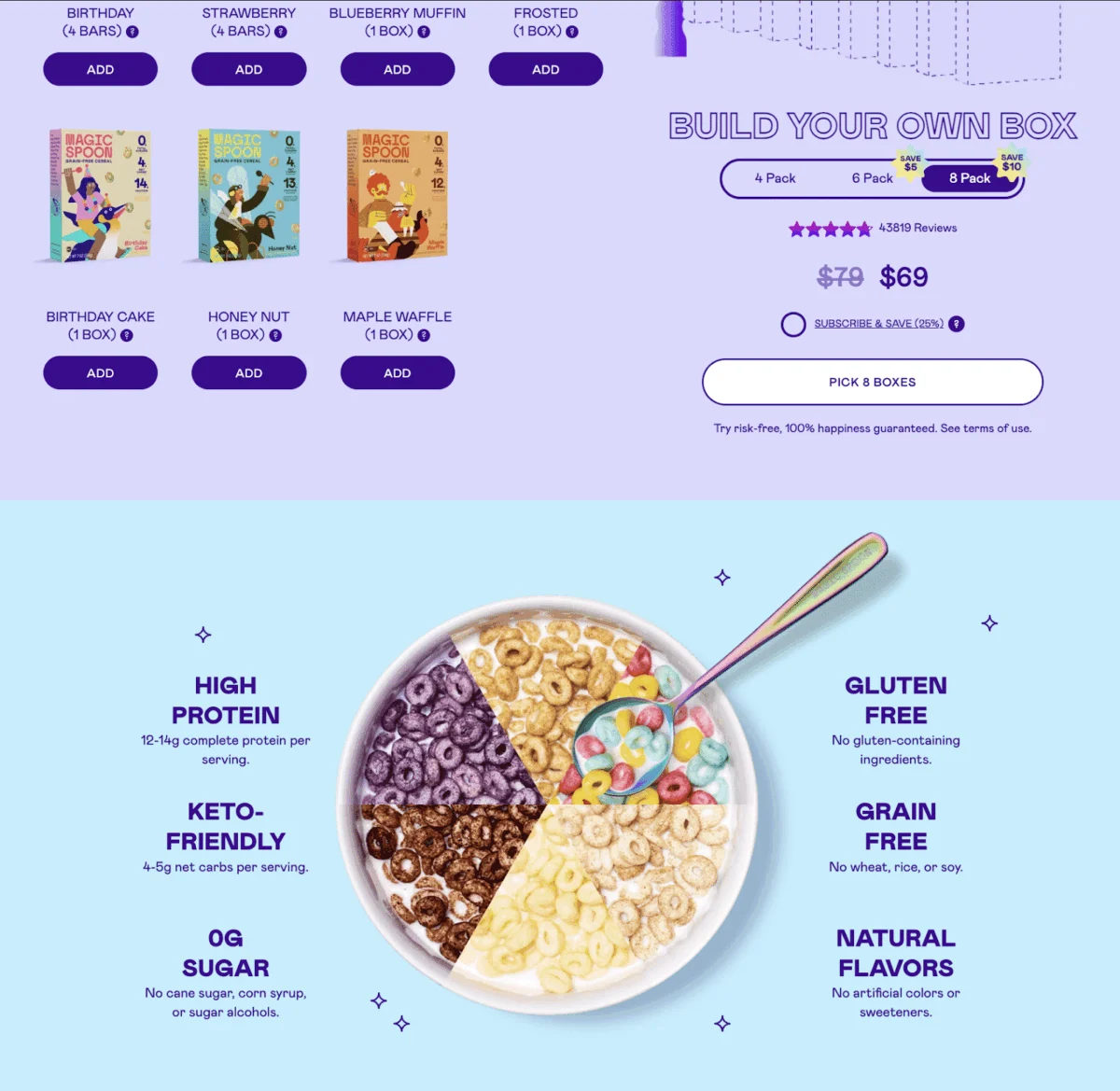
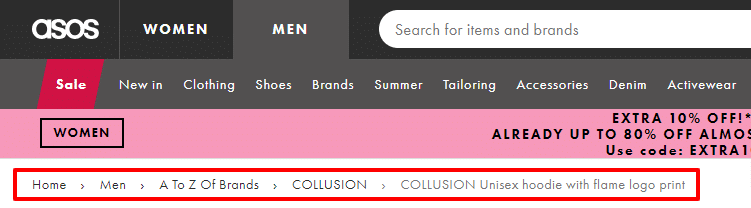
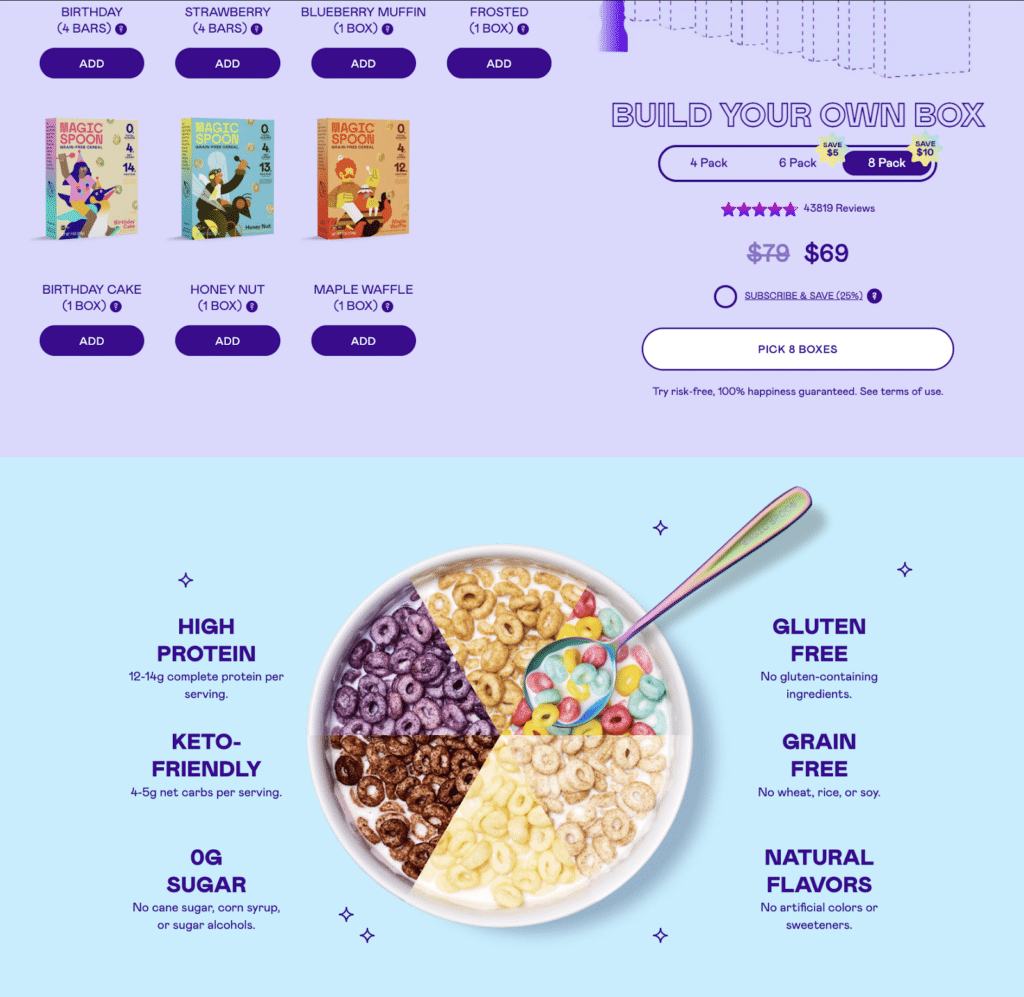
Industry leaders like Magic Spoon have mastered this by blending SEO-friendly terms like "keto-friendly cereal" with brand-specific voice and tone. This ensures that when a consumer searches for a broad category, the retailer’s page appears high in the Search Engine Results Pages (SERPs). Furthermore, the use of breadcrumb trails—navigation links that show the user’s path (e.g., Home > Men’s Shoes > Running)—not only improves the user experience but also allows search engine crawlers to better understand the site’s internal architecture.
Supporting Data The Impact of Psychological Triggers
Incorporating psychological triggers into the category page design can significantly influence consumer decision-making.
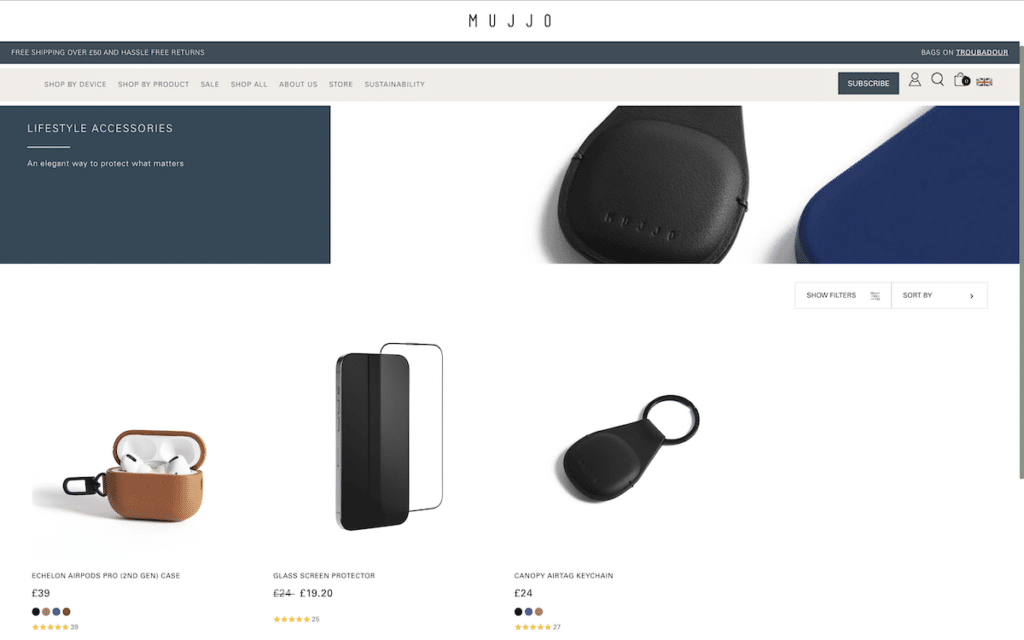
- Social Proof: Integrating star ratings directly onto the category page grid provides immediate validation. Seeing a "4.5-star" rating among 500 reviews before even clicking on the product reduces the perceived risk for the buyer.
- Scarcity and Urgency: Retailers like ASOS frequently use promotional banners and "Low Stock" labels on category thumbnails. These visual cues trigger a "Fear of Missing Out" (FOMO), which can accelerate the transition from browsing to purchasing.
- Price Anchoring: Displaying the original price alongside a discounted price (strikethrough pricing) on the category page highlights the value proposition immediately, making the "Add to Cart" button more enticing.
Analytical Iteration The Role of Data-Driven Adjustments
The launch of a category page is not the conclusion of the process but the beginning of an iterative cycle of optimization. Professional e-commerce managers utilize sophisticated analytics tools, such as heatmaps and session replays, to observe real-world user behavior.
Heatmap data might reveal, for example, that users are consistently clicking on a specific filter that is currently buried at the bottom of the sidebar. In response, the UI/UX team would move that filter to a more prominent position. A/B testing—where two versions of a category page are shown to different segments of visitors—allows brands to make evidence-based decisions on everything from the color of the "Add to Cart" button to the number of products displayed per row.
Official Context and Industry Implications
The broader implications of category page optimization extend beyond individual sales. In an era of rising Customer Acquisition Costs (CAC), maximizing the value of every visitor is essential for profitability. A well-designed category page reduces the "bounce rate," ensuring that the marketing dollars spent to bring a user to the site are not wasted.
Industry analysts suggest that as Artificial Intelligence (AI) becomes more integrated into e-commerce, the next frontier for category pages will be "hyper-personalization." In this future state, the category page will dynamically rearrange itself in real-time based on the user’s past browsing history, geographic location, and even current weather patterns. For instance, a user in a rainy climate might see waterproof gear at the top of a "New Arrivals" category, while a user in a sunny region sees lightweight apparel.
Conclusion
The e-commerce category page is a sophisticated engine of conversion that requires a multidisciplinary approach involving design, psychology, SEO, and data science. By defining clear objectives, optimizing for mobile responsiveness, and committing to a culture of continuous testing, retailers can transform these often-overlooked pages into powerful drivers of revenue. As the digital landscape becomes increasingly crowded, the brands that succeed will be those that provide the most seamless, intuitive, and efficient path from discovery to purchase. The category page is not merely a list of products; it is a curated experience that, when executed with precision, builds brand loyalty and secures a competitive advantage in the global marketplace.