

The landscape of social commerce has undergone a radical transformation as of mid-2026, with Meta Platforms Inc. solidifying its position as the primary discovery engine for global retail. Despite shifts in native checkout policies, Facebook and Instagram remain the dominant forces in the digital storefront ecosystem. For modern merchants, the ability to synchronize product catalogs, track conversions with surgical precision, and manage multichannel feeds has become the baseline for survival. This report examines the ten premier e-commerce applications designed to bridge the gap between independent web stores and Meta’s expansive social commerce infrastructure.
The Evolution of Meta’s E-commerce Ecosystem: A Brief Chronology
To understand the current reliance on third-party applications, one must look at the trajectory of Meta’s commerce strategy over the last several years. In 2020, the launch of Facebook Shops provided a lifeline for small businesses during global lockdowns. By 2023, Meta began pivoting away from native checkout in several regions, requiring shoppers to complete transactions on the merchant’s own website. This shift placed a renewed emphasis on "off-platform" integration tools.
By 2025, the industry saw the full implementation of privacy-first tracking protocols, rendering traditional browser-based pixels less effective. This led to the rise of the Conversions API (CAPI), a server-side tracking necessity that most of the apps in this guide now prioritize. Entering June 2026, the market is characterized by a "sync-and-track" model, where the most successful merchants use automated tools to ensure their social presence is a mirror image of their inventory.
Market Data and Social Commerce Trends
Recent data from 2025 and early 2026 highlights the growing influence of social platforms on consumer behavior. Approximately 40% of social media users now utilize Facebook specifically for product discovery. Furthermore, 29% of Instagram users report making a purchase based on content viewed within the app’s ecosystem—reels, stories, or static posts. Perhaps most tellingly, 62% of social buyers in the United States confirmed that their most recent social-driven purchase originated on a Meta platform. These figures underscore the necessity for robust integration apps that can handle high volumes of traffic and complex data sets.
Comprehensive Analysis of the Top 10 Facebook E-commerce Apps
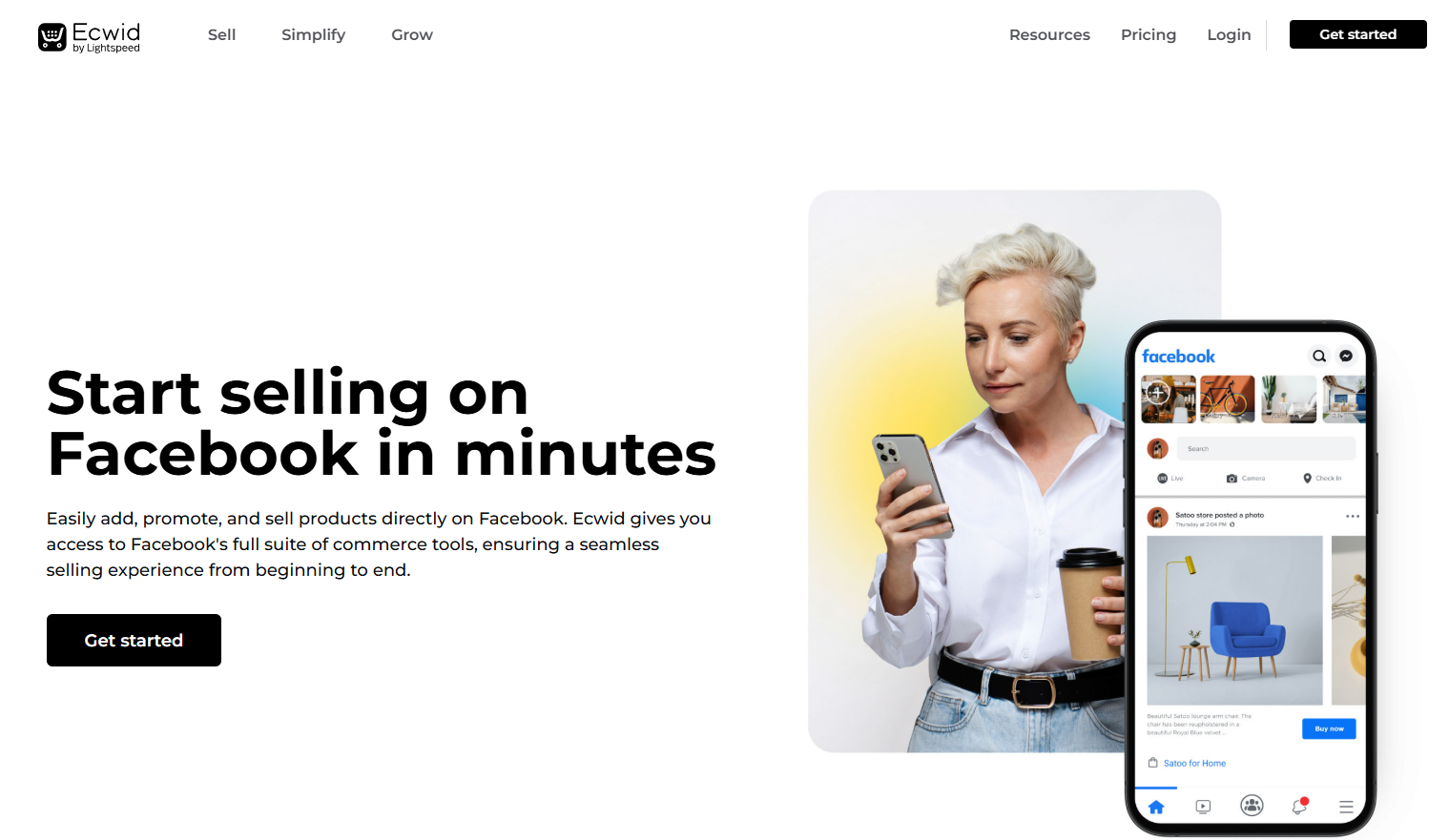
1. Ecwid by Lightspeed: The Entry-Point Specialist
Ecwid remains the gold standard for entrepreneurs who lack a dedicated website. As an "embeddable" store, it allows users to create a product catalog that lives directly on a Facebook Page or Instagram profile.
- Strategic Position: Best for micro-SMEs and those testing new markets without the overhead of a full Shopify or BigCommerce site.
- Key Advantage: It offers a "standalone" storefront capability, meaning a merchant can operate entirely within the social ecosystem while still maintaining a secure, external checkout link.
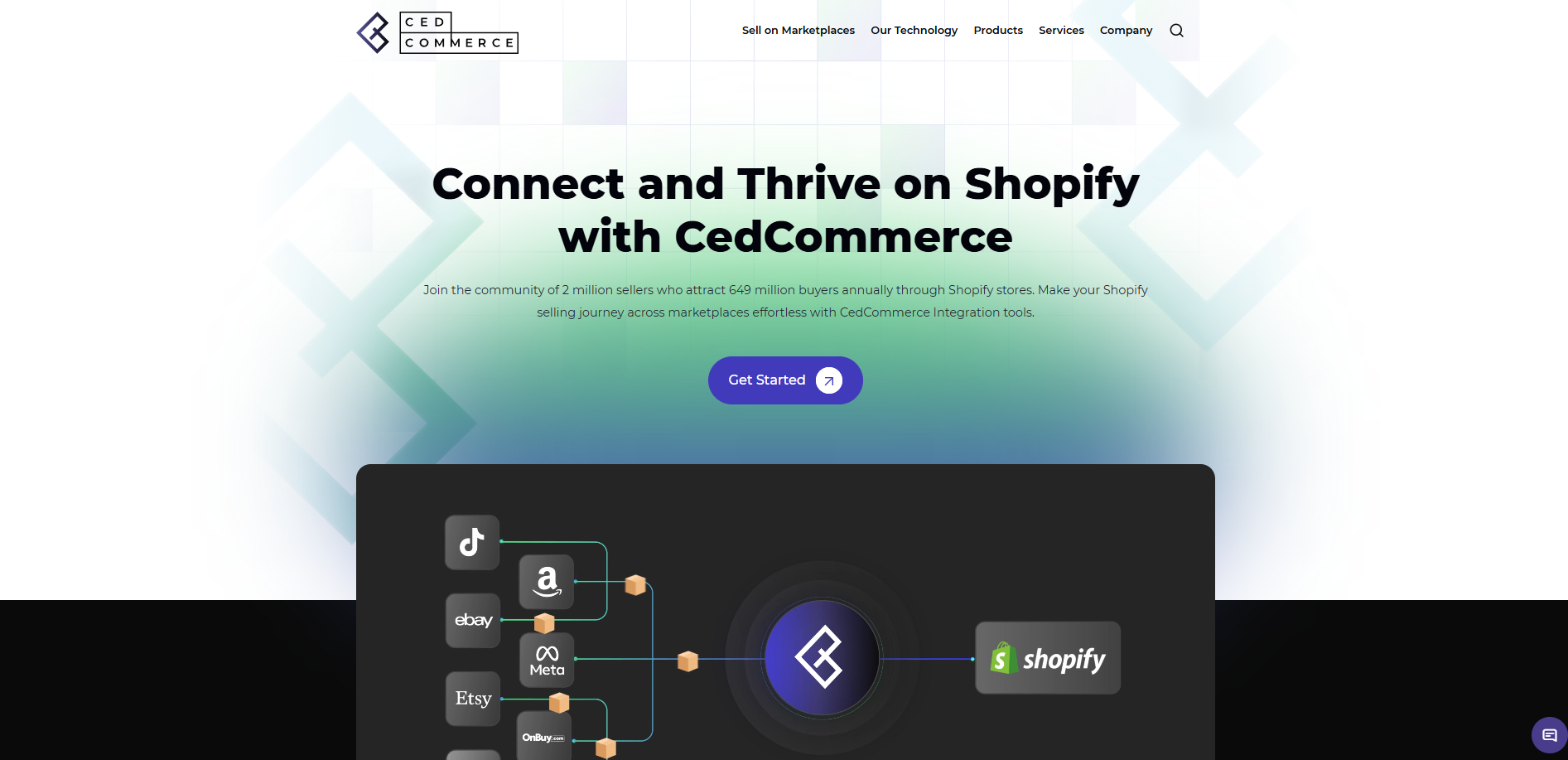
2. CedCommerce: The Shopify All-in-One Powerhouse
For businesses operating on Shopify, CedCommerce has emerged as the preferred alternative to Meta’s native integration. It serves as a centralized hub for catalog synchronization, ad management, and tracking.
- Strategic Position: Ideal for Shopify merchants who find the official Meta app too restrictive or prone to syncing errors.
- Operational Benefit: It includes a robust "Ads Manager" interface, allowing sellers to launch and monitor Meta campaigns without leaving their Shopify dashboard.
3. AdTribes Product Feed PRO: The WooCommerce Authority
With over 80,000 active installations, AdTribes has become the cornerstone for WordPress-based e-commerce. Its primary function is the generation of high-quality XML feeds that meet Meta’s strict formatting requirements.
- Strategic Position: Essential for WooCommerce stores requiring complex, rule-based product filtering (e.g., only syncing items with more than five units in stock).
- Technical Edge: It provides extensive "mapping" capabilities, ensuring that custom WordPress attributes are correctly identified by Facebook’s Commerce Manager.
4. Feedonomics Surface: The BigCommerce Native Integration
BigCommerce has taken a more integrated approach by utilizing Feedonomics Surface as its official route for social selling. This tool is designed for high-growth merchants who require a managed feed service.
- Strategic Position: Targeted at mid-market and enterprise retailers on BigCommerce who prioritize uptime and data accuracy.
- Impact: It reduces the manual labor involved in categorizing thousands of SKUs, a common pain point for larger retailers.
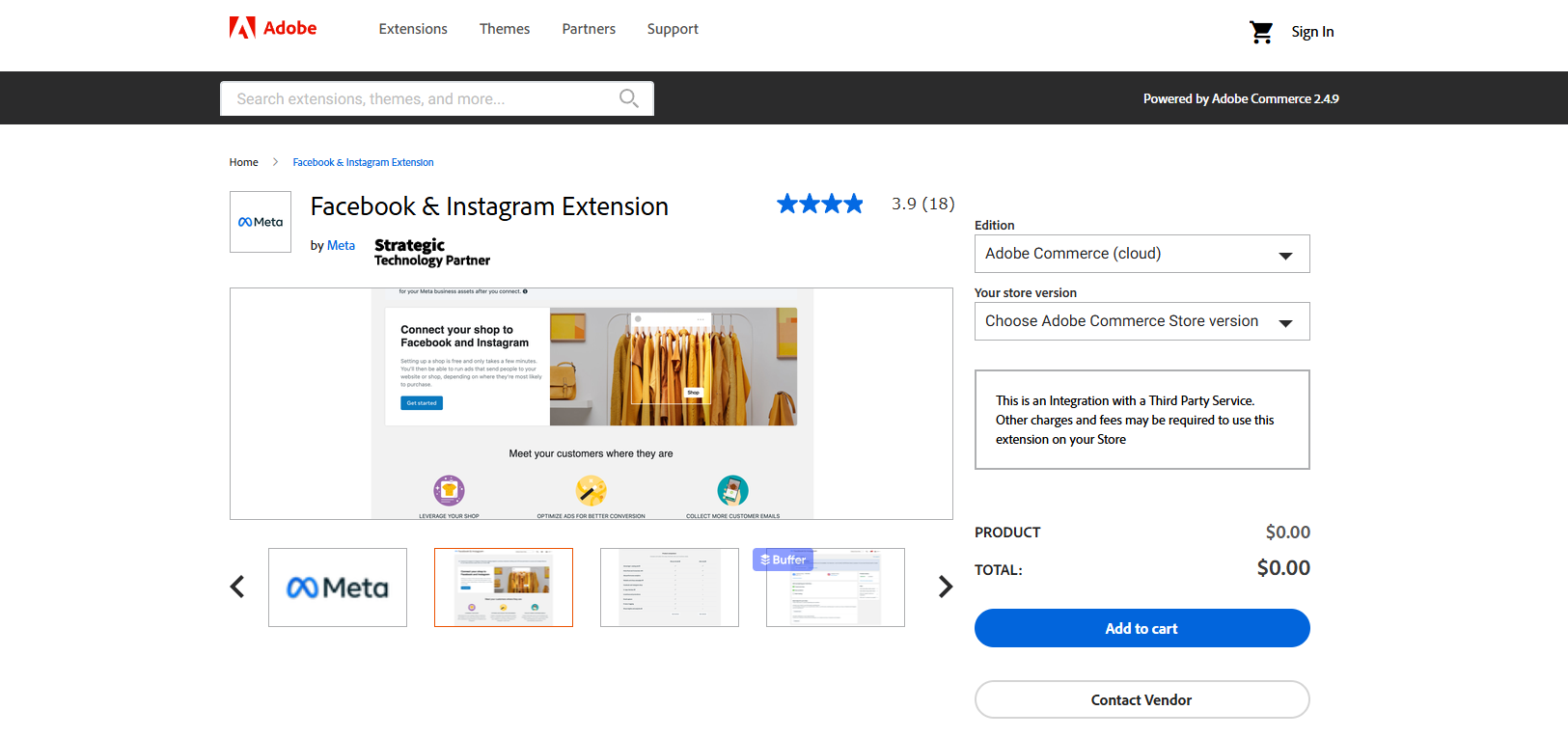
5. Meta for Adobe Commerce: The Enterprise Solution
Formerly known as Magento, Adobe Commerce users typically require a more technical, developer-centric integration. The official Meta extension provides this bridge for free, though it requires significant configuration.
- Strategic Position: Best for large-scale enterprises with in-house technical teams.
- Functionality: It focuses heavily on the Conversions API, ensuring that high-volume transaction data is sent directly from the server to Meta’s ad systems.
6. Flexify: The Creative Optimizer
Flexify addresses a specific niche in the Shopify market: the optimization of ad creative. It allows merchants to alter how their products appear in Facebook Dynamic Ads without changing the photos on their actual website.
- Strategic Position: Crucial for performance marketers who want to add "On Sale" overlays or branding to their social ad images automatically.
- Value Proposition: It bridges the gap between a standard product feed and a high-converting advertisement.
7. Omega Facebook Pixel Meta Feed: The Tracking Specialist
As privacy regulations have tightened throughout 2025 and 2026, Omega has become a vital tool for Shopify sellers. It specializes in server-side tracking to bypass browser-based ad blockers.
- Strategic Position: For stores seeing a significant discrepancy between "Orders" and "Attributed Sales" in Meta.
- Benefit: It provides a diagnostic layer that verifies the accuracy of every event sent to Meta, from "View Content" to "Purchase."
8. Pixel Manager Pro for WooCommerce: Reliable Data Integrity
Similar to Omega but for the WordPress ecosystem, Pixel Manager Pro is designed to solve the "double-counting" or "missing event" issues that plague standard plugins.
- Strategic Position: The go-to for WooCommerce advertisers spending significant budgets on Meta Ads.
- Analysis: By ensuring data integrity, this app allows Meta’s AI algorithms to better optimize ad delivery, leading to a lower Cost Per Acquisition (CPA).
9. Channable: Multichannel Feed Management
Channable is built for complexity. It is not just a Facebook app; it is a global feed manager that handles thousands of SKUs across multiple channels simultaneously.
- Strategic Position: Best for retailers operating in multiple countries with different currencies and languages.
- Operational Impact: It uses "If-Then" logic to manage feeds. For example, if a product is priced under $20, Channable can be programmed to automatically exclude it from Facebook Ads to protect profit margins.
10. LitCommerce: The Marketplace Aggregator
LitCommerce is designed for the modern "omnichannel" seller. It allows a merchant to sync their catalog to Facebook and Instagram while simultaneously managing listings on Amazon, eBay, and TikTok Shop.
- Strategic Position: Ideal for sellers who view Facebook and Instagram as just two pieces of a larger marketplace puzzle.
- Efficiency: It prevents overselling by syncing inventory levels across all platforms in real-time.
Comparative Performance Metrics (Data as of June 2026)
| App | Primary Platform | Pricing Model | Key Strength |
|---|---|---|---|
| Ecwid | Standalone/Web | From $29/mo | Accessibility for beginners |
| CedCommerce | Shopify | Free to $99/mo | All-in-one management |
| AdTribes | WooCommerce | Free to $159/yr | Rule-based feed control |
| Feedonomics | BigCommerce | From $29/mo | Native reliability |
| Meta/Adobe | Magento | Free | Enterprise-grade CAPI |
| Flexify | Shopify | Free to $79/mo | Ad creative customization |
| Omega | Shopify | From $20.99/mo | Advanced CAPI tracking |
| Pixel Manager | WooCommerce | From $149/yr | Data attribution accuracy |
| Channable | Multi-platform | From €59/mo | Complex catalog logic |
| LitCommerce | Multi-platform | From $29/mo | Marketplace synchronization |
The Technical Imperative: Conversions API (CAPI) and Data Privacy
A significant trend observed in 2026 is the mandatory adoption of server-side tracking. Historically, the "Facebook Pixel" was a piece of code that lived in a shopper’s browser. However, with the obsolescence of third-party cookies and the expansion of Apple’s App Tracking Transparency, browser-based data has become increasingly fragmented.
The apps listed above—particularly Omega, Pixel Manager Pro, and the Meta for Adobe extension—now utilize the Conversions API. This technology creates a direct link between the merchant’s server and Meta’s server. When a purchase occurs, the server sends a signal to Meta, bypassing the browser entirely. This ensures that even if a shopper is using a privacy-focused browser or an ad-blocker, the merchant still receives credit for the sale, and Meta’s algorithm continues to learn who the best customers are.
Broader Implications for the Retail Industry
The reliance on these applications suggests a permanent shift in how digital retail operates. Merchants are no longer just "shopkeepers"; they are data managers. The success of a Facebook Shop in 2026 is less about the aesthetic of the page and more about the quality of the data feed and the accuracy of the tracking.
Industry analysts suggest that the next phase of evolution will involve "AI-driven feed optimization," where apps will not just sync products but will automatically rewrite titles and descriptions based on what Meta’s algorithm predicts will perform best for specific demographics. For now, the ten tools highlighted in this report represent the most stable and effective means of maintaining a competitive edge in the Meta commerce ecosystem.
Official Responses and Market Sentiment
Market feedback from the first half of 2026 indicates that merchants are increasingly willing to pay for premium "managed" services like Feedonomics or Channable to avoid the technical debt of maintaining their own feeds. "The cost of a broken sync is no longer just a missed sale; it’s a damaged algorithm," says one leading e-commerce consultant. "If your feed is down for 48 hours, Meta’s AI loses its optimization momentum, which can take weeks to recover."
As Meta continues to refine its "Discovery Commerce" model, these applications will remain the vital infrastructure that allows the global e-commerce engine to function within the social sphere. For any business looking to scale in 2026, selecting the right integration tool is not a technical afterthought—it is a core strategic decision.







