A blog, when executed strategically, remains an indispensable tool for audience growth and trust cultivation, even as artificial intelligence (AI) fundamentally reshapes the digital search ecosystem. With AI search interfaces increasingly providing direct answers, the imperative for content to not merely rank but to genuinely distinguish itself and resonate with users has intensified. This comprehensive guide navigates the intricacies of modern blogging, from identifying compelling topics and crafting superior content to optimizing for evolving search algorithms, cultivating a loyal audience, and exploring monetization avenues.
The Evolution and Strategic Imperative of Blogging
The landscape of digital content has undergone a profound transformation since the early days of personal online journals. What began as a nascent form of self-expression has matured into a sophisticated marketing and communication channel, now facing its most significant evolution yet with the advent of AI-powered search. For any online entity—be it an e-commerce platform, a corporate website, or a personal portfolio—an active blogging presence is no longer merely advantageous but essential. This stems from its dual power as a robust SEO engine and a dynamic marketing instrument.
Historically, blogging’s rise paralleled the growth of search engines like Google. Early SEO strategies often focused on keyword density and link building. However, as search algorithms became more sophisticated, prioritizing user experience and content quality, blogging adapted. The shift towards "content is king" emphasized valuable, informative articles that addressed user queries. Today, the emergence of AI Overviews, Google’s AI Mode, and other generative AI search platforms marks a new frontier. These systems are designed to synthesize information and provide direct answers, favoring content that is clear, comprehensive, and authoritative. Consequently, sites not engaging in strategic blogging risk diminished visibility in this evolving search environment.
Blogging as a Cornerstone of Sustainable SEO

Regular content addition is a non-negotiable component of any sustainable SEO strategy. Search engines, particularly those leveraging AI, interpret consistent publishing as a signal of an active, relevant, and authoritative website. These signals contribute significantly to higher rankings in both traditional search results and AI-generated snapshots, where Google compiles concise answers for user queries. A study by HubSpot indicated that companies that blog receive 97% more links to their websites, a crucial factor in domain authority and search ranking.
Beyond signaling activity, blogging allows websites to target and rank for an expanded array of keywords, while also reinforcing existing rankings. The preference of AI search for fresh, well-structured content means that ongoing updates are vital for maintaining competitive advantage. Moreover, a blog provides a versatile platform to address diverse search intents—whether users seek informational answers, comparative analyses, or actionable solutions. For instance, while a product page targets transactional intent, a blog post can capture the informational intent of users early in their research journey, drawing them into the site’s ecosystem.
Blogging as a Powerful Marketing and Trust-Building Tool
Beyond its direct SEO benefits, a blog functions as an unparalleled marketing asset. It allows brands and individuals to articulate their values, share expertise, and connect with their audience on a deeper level, moving beyond purely promotional messaging. Research by the Content Marketing Institute consistently shows that blogs are among the top three primary media formats used in content strategies, underscoring their perceived value in marketing efforts.
The human element of storytelling resonates far more powerfully than traditional advertisements. Sharing behind-the-scenes narratives, case studies, or authentic customer experiences fosters a sense of authenticity and trust. In an era where consumers are increasingly discerning, a high-quality blog that offers useful, unbiased information can significantly influence purchasing decisions. This authentic engagement is more critical than ever, as AI search algorithms are becoming more adept at identifying and prioritizing brands that demonstrate established trust and user affinity. As Carolyn Shelby, Principal SEO at Yoast, aptly observes, "A blog isn’t valuable just because it exists. It becomes valuable when it helps your audience solve problems, understand something better, or see your expertise in action. In today’s search landscape, the goal isn’t simply to publish, or even to publish more. It’s to create content worth being found, cited, and remembered." This sentiment underscores the shift from mere content production to strategic content creation focused on tangible value.
Establishing a Robust Blog Foundation: Planning and Structure

The success of a blog, particularly in an AI-dominated search environment, hinges on meticulous preparation. Strategic planning upfront mitigates future challenges, especially given AI search’s preference for well-organized, intent-driven content. The initial phase involves defining a clear niche and conducting thorough keyword research. This process should extend beyond simply identifying high-volume keywords; it must delve into understanding the actual questions and problems your target audience is seeking to solve. A recent survey indicated that 77% of internet users read blogs, highlighting the broad reach and potential influence of this medium when content aligns with user needs.
Crucially, establishing a logical and manageable blog structure is paramount. A clear hierarchy of categories, subcategories, and tags facilitates navigation for both human readers and search engine crawlers, directly enhancing engagement and ranking potential. This foundational work includes mapping out cornerstone topics—comprehensive guides on core subjects—and developing a robust internal linking strategy that connects related content, establishing topical authority. A well-structured blog provides a resilient framework, capable of adapting as AI search technologies continue to evolve.
Cultivating Content Ideas: The Art of Inspiration and Research
Sustaining a successful blog requires a continuous pipeline of compelling ideas. Whether the blog serves as the primary content hub or a supplementary marketing tool, careful consideration of topics that genuinely resonate with the audience is essential. Inspiration can be drawn from various sources:
- Advanced Keyword Research: Modern keyword research extends beyond individual terms to encompass long-tail phrases, natural language questions, and conversational queries common in voice search and AI interfaces. Tools that analyze user questions (e.g., "People Also Ask" sections in SERPs) and semantic relationships between topics are invaluable. Incorporating these precise terms into content signals relevance to both traditional and AI-powered search algorithms. This remains the foundational step in effective SEO copywriting.
- Targeting Search Intent: Understanding why users search for specific keywords is as important as knowing what they search for. AI search tools, such as Google’s AI Overviews, prioritize content that directly addresses user intent—be it informational, navigational, commercial, or transactional. For businesses, while product pages cater to commercial intent, informational blog posts can attract a broader audience at earlier stages of the buyer journey, serving as a powerful lead generation mechanism.
- Diverse Inspiration Sources: Current events, industry trends, internal company discussions, and crucially, direct feedback from customers (e.g., frequently asked questions, comments on existing posts) provide fertile ground for new content. Consuming a wide range of media—industry publications, news outlets, and competitor analyses—can also spark ideas. AI platforms and Large Language Models (LLMs) like ChatGPT, Gemini, Perplexity, or Claude can assist in brainstorming and content outlining, while specialized tools like Yoast AI Brand Insights can analyze how a brand appears in chatbot responses, offering a competitive edge. Analyzing website analytics to identify high-performing content or areas with high user engagement can guide future content strategy. Maintaining a digital list of ideas ensures that inspiration, whenever it strikes, is captured.
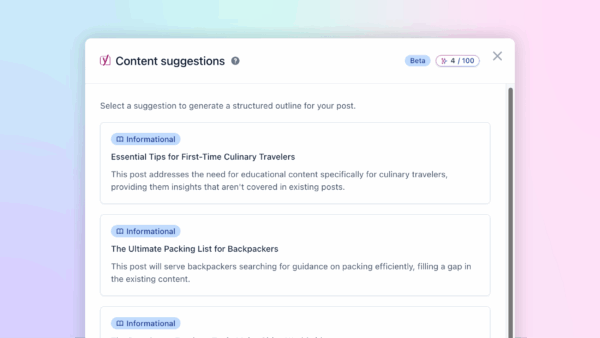
- Leveraging AI for Content Planning: Tools like the Yoast AI Content Planner, available to Yoast SEO Premium users, exemplify how AI can overcome writer’s block. By scanning existing content and identifying gaps, it generates tailored post ideas, complete with draft frameworks including titles, outlines, focus keyphrases, meta descriptions, and section notes. This streamlines the content creation process, allowing creators to move from concept to first draft rapidly within the WordPress editor.
Crafting High-Quality, AI-Resilient Content
In the current digital environment, content quality is paramount. It’s not merely about writing well, but about creating content that is unique, valuable, and inherently useful to the reader.
- Originality and Uniqueness: Content must be fresh, innovative, and distinctive. With AI search tools filtering out generic or repetitive information, posts must offer a unique perspective, proprietary data, or a novel solution. This means moving beyond "commodity content"—information that merely rehashes existing knowledge without adding significant value. Google’s guidelines explicitly warn against content that lacks originality, emphasizing that AI-generated summaries and search results will favor truly standout pieces. The ability to teach, solve a problem, or present a new take in a way others do not is critical. In an era flooded with AI-generated text, Google increasingly prioritizes human expertise, experience, authoritativeness, and trustworthiness (E-E-A-T). Blogs, through authentic voices and deep insights, are ideally positioned to deliver this.
- Readability and Structure: After ensuring originality, content must be highly readable. A well-structured, clearly written text enhances user comprehension and engagement. Readability directly influences SEO, as AI tools favor content that is easy to scan, digest, and understand. This involves using clear headings and subheadings, logical paragraph breaks, and concise language. Studies have shown that users spend an average of 37 seconds on a blog post, underscoring the need for immediate clarity and engagement.
- Practical Writing Tips:
- Pre-Writing Planning: Before drafting, define the target audience, the core message, desired reader takeaways, and the logical flow of topics. This structured approach ensures focus and efficiency.
- Clear Paragraphs: Employ a "inverted pyramid" style, starting each paragraph with its most important sentence, followed by explanations or elaborations. This enables quick scanning and comprehension by both readers and AI systems. Paragraphs should be concise (e.g., 7-8 sentences), and simple language should be prioritized over jargon.
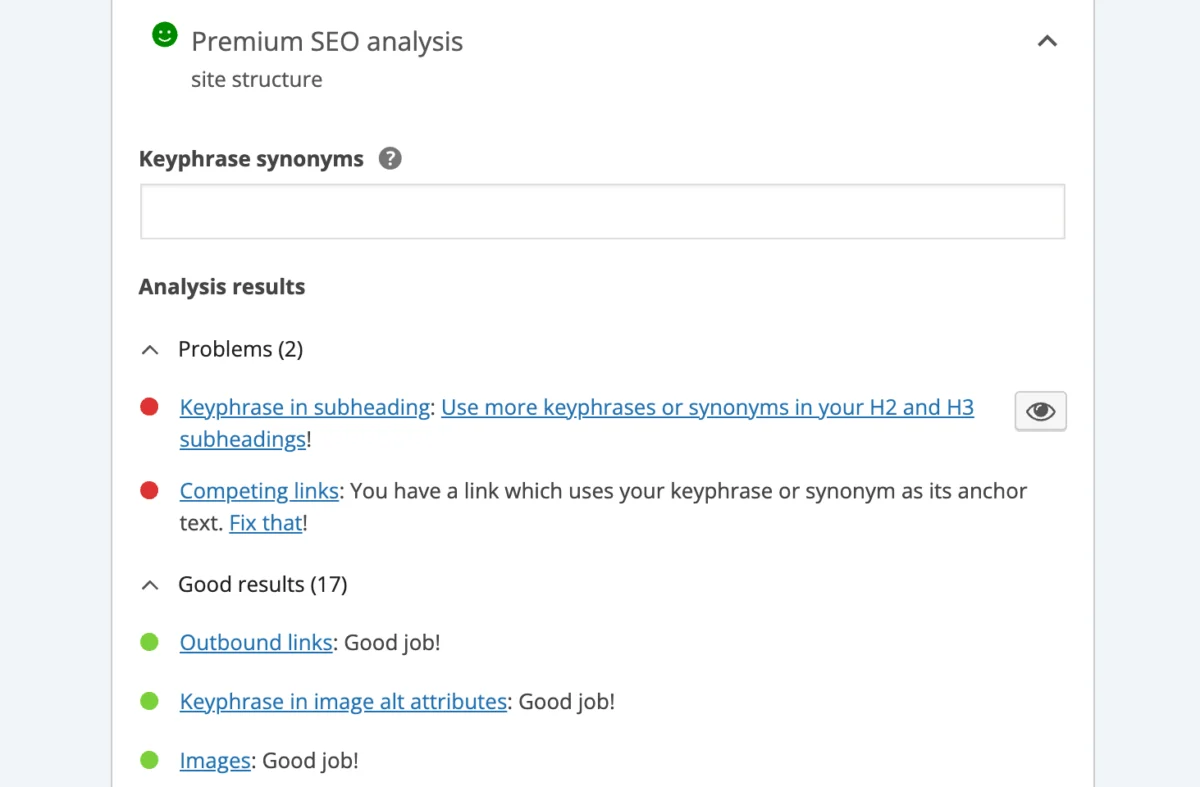
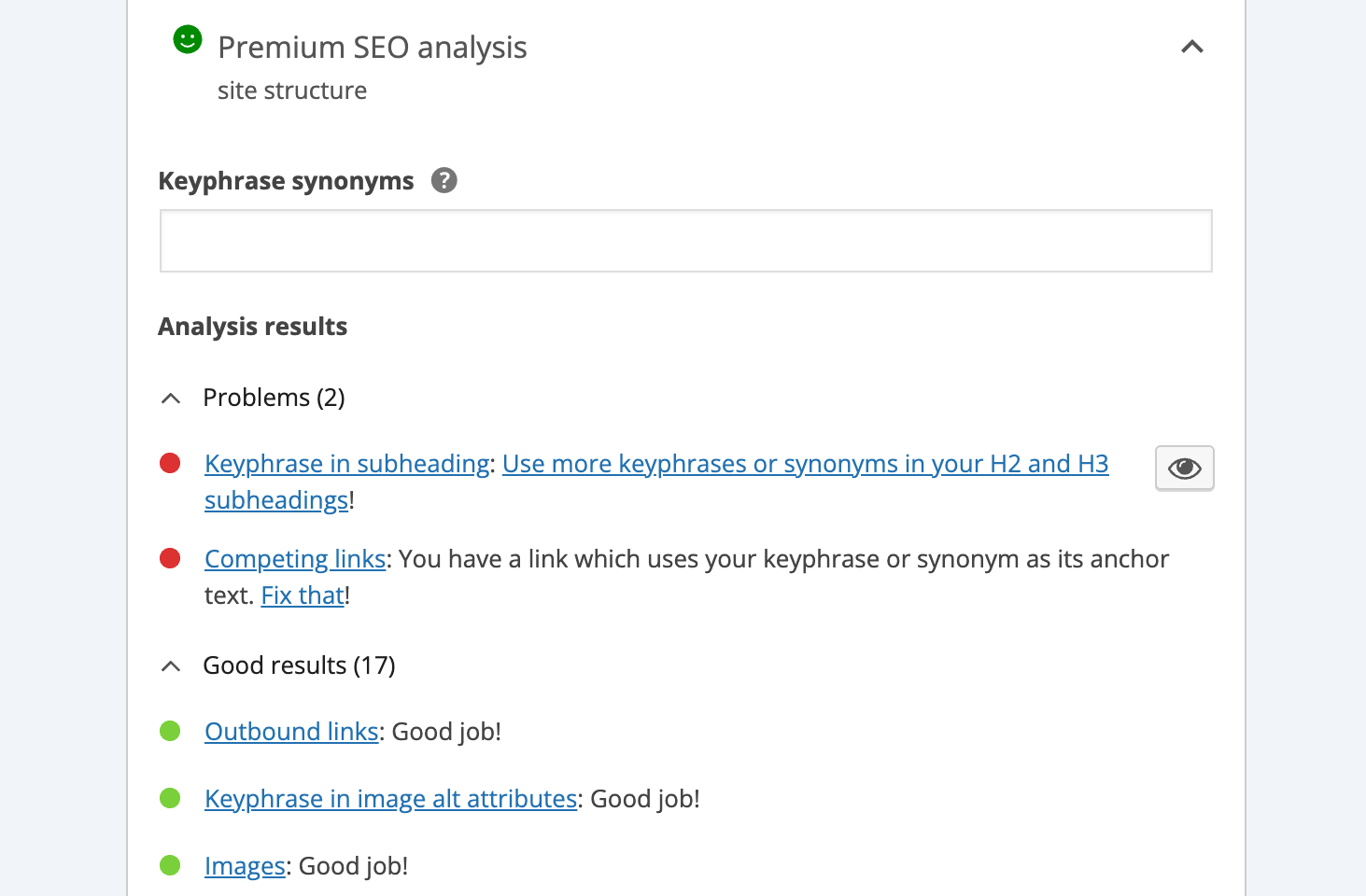
- Leveraging Tools and Feedback: SEO plugins like Yoast SEO offer readability analyses, checking for long sentences, passive voice, and suggesting transition words—features increasingly crucial for AI-friendly content. Yoast SEO Premium further integrates AI features like Yoast AI Optimize to refine writing for clarity and impact. Crucially, human proofreading by a fresh pair of eyes is irreplaceable for catching errors and ensuring message clarity. If a human reader struggles, an AI system or a general audience will too.
Optimizing for Search Engines in the AI Era
Once a blog post is crafted with originality and readability, the final step involves optimizing it for search engines. This is not about "gaming the system" but about ensuring high-quality content is discoverable. SEO should always enhance, not compromise, the content’s originality or readability.
- The Role of Yoast SEO: Tools like Yoast SEO provide a comprehensive suite for fine-tuning posts without guesswork, a process often termed "Yoast your post." This involves making strategic adjustments to improve visibility. Key features typically include:
- Keyword Analysis: Guiding the optimal placement and density of focus keyphrases.
- Readability Checks: Ensuring content is accessible and engaging.
- Internal Linking Suggestions: Strengthening site structure and authority.
- Schema Markup Integration: Helping search engines understand content context, crucial for AI Overviews.
- Meta Description and Title Optimization: Crafting compelling snippets for search results.
- Cornerstone Content Management: Identifying and prioritizing key articles.
These tools enable continuous improvement, allowing bloggers to spot opportunities and adapt to algorithm changes, giving their content the best chance of discovery.
Fostering Engagement and Community
Beyond technical optimization, blog engagement is a significant, albeit indirect, SEO factor. Active comments sections, user responses, and social media shares signal to search engines that a blog is dynamic and valuable. This interaction contributes to the overall authority and trustworthiness of a site.
- Beyond Comments and Shares: Engagement extends to citations (when other credible sources reference your content) and mentions (even without direct links), both of which build authority.
- Managing Comments: Responding to comments is vital for building a community. Engaging in discussions and answering questions demonstrates that the author values their audience, encouraging further interaction. While positive feedback is easy, managing negative comments professionally and constructively is crucial for maintaining brand reputation.
Marketing Your Blog: Reaching a Wider Audience
Even the most meticulously crafted and optimized blog post requires an audience. While strong SEO is foundational, proactive marketing amplifies reach.
- Social Media Leverage: Platforms like Facebook, X (formerly Twitter), Reddit, Instagram, and TikTok are powerful conduits for audience connection and traffic generation. Short-form video content, such as Instagram Reels or TikTok videos, can introduce blog content to new demographics. Different platforms cater to different audiences and content formats, requiring a tailored approach.
- Newsletter Cultivation: An email newsletter creates a direct line of communication with readers, independent of fluctuating algorithms. Regular updates—featuring new posts, exclusive insights, special offers, or behind-the-scenes content—foster loyalty and encourage repeat visits. Email marketing consistently delivers high ROI, with many studies reporting returns significantly outweighing investment.
Monetizing Your Blog: From Passion to Profit
While many bloggers are driven by passion or community building, monetization is a viable goal for others. Effective strategies include:
- Affiliate Marketing: Earning commissions by promoting products or services through unique affiliate links.
- Advertising: Displaying ads (e.g., Google AdSense) on blog pages.
- Selling Digital Products: Creating and selling e-books, online courses, or templates.
- Selling Physical Products: For e-commerce sites, the blog directly supports product sales by driving organic traffic and linking to relevant product pages.
- Sponsored Content: Collaborating with brands for sponsored posts or reviews.
- Memberships/Subscriptions: Offering exclusive content or community access for a fee.
- Consulting/Services: Leveraging blog expertise to attract clients for consulting or specialized services.
Maintaining a Blog: The Long-Term Commitment
Starting a blog is often simpler than sustaining it. Regularity, even if not daily, is key. Consistency builds audience trust and expectation. As a blog grows, new SEO and content management challenges emerge.
- Content Maintenance Strategy: Regularly updating old content, identifying content gaps, and refreshing outdated information are critical for maintaining relevance and rankings. Google’s "freshness" algorithms favor up-to-date information.
- Managing Multiple Authors: For larger blogs, clear editorial guidelines, style guides, and content calendars are essential for maintaining a consistent voice and quality.
- Traffic Fluctuation Analysis: Understanding the causes of traffic drops (e.g., algorithm changes, competitor activity, seasonality) is crucial for developing corrective strategies. Regular SEO audits help identify and resolve issues proactively.
- Dynamic Site Structure: As content accumulates, the site’s structure naturally evolves. Organizing content into topic clusters—where a "pillar page" on a broad subject links to several in-depth "cluster content" articles—enhances topical authority and internal linking. Regular internal link updates and judicious content pruning (deleting or redirecting low-value, outdated posts) are vital for maintaining an SEO-friendly structure.
- Advanced Content Planning: For growing blogs, content creation shifts from spontaneous efforts to strategic planning. Editorial calendars map out topics, deadlines, and authors, while topic clusters optimize for SEO and user navigation. Regular content audits help identify gaps and adapt to evolving trends.
- Avoiding Content Cannibalization: In specialized niches, similar topics may be covered multiple times. Keyword cannibalization occurs when multiple pages on a site compete for the same keyword, confusing search engines and potentially lowering rankings for all competing pages. Regular SEO audits are necessary to identify and resolve these issues, often through consolidating content, re-optimizing, or using canonical tags.
Conclusion
Blogging remains one of the most potent tools for digital growth, boosting search visibility, fostering brand loyalty, and converting visitors into dedicated followers. However, its effectiveness in the AI era is contingent on a strategic, quality-driven approach. Success hinges on a robust keyword strategy that anticipates audience intent, content that is original, authoritative, and highly readable for both human and AI consumption, and proactive engagement with the audience. By embracing structured planning, leveraging AI-powered tools, and committing to ongoing maintenance, content creators can build blogs that not only rank but also deliver enduring value, proving indispensable in the dynamic digital landscape.