Small businesses face a unique and often daunting challenge in the digital landscape: selecting the most effective Search Engine Optimization (SEO) tools to maintain a competitive edge without overstretching limited budgets and resources. In an era where online visibility is paramount, the strategic deployment of the right technological stack is not merely an advantage but a fundamental requirement for growth. This necessitates a careful evaluation of available solutions, from foundational free utilities to more sophisticated paid platforms, ensuring alignment with specific business objectives and team capabilities.
The Evolving Digital Landscape and the Imperative of SEO for Small Businesses
The digital storefront has become as critical, if not more so, than a physical one for many small businesses. A recent HubSpot State of Marketing report underscores this, revealing that 50% of small businesses identify their website, blog, and SEO as their most leveraged marketing channels. This statistic highlights a profound shift, indicating that organic search is often the primary driver of customer acquisition and revenue growth. Neglecting SEO in this environment means ceding valuable market share to competitors, regardless of the quality of products or services offered.

The competitive landscape for small businesses has intensified significantly. With global e-commerce sales projected to continue their upward trajectory, even local businesses find themselves competing not just with neighboring stores but with national and international online entities. This makes a strong, visible online presence non-negotiable. Furthermore, customer behavior has evolved; modern consumers overwhelmingly turn to search engines to research products, services, and local businesses before making purchasing decisions. Businesses that rank highly for relevant search queries are inherently more trustworthy and accessible.
Historically, SEO was often perceived as a technical niche, but it has transformed into a multifaceted discipline encompassing content strategy, technical website health, user experience, and digital authority building. This evolution means that a comprehensive SEO strategy requires a diverse set of tools, each designed to address specific aspects of search engine ranking. For small businesses, the challenge lies in identifying tools that offer robust functionality without prohibitive costs or overly complex interfaces that demand specialized training.
Navigating the SEO Tool Maze: A Strategic Approach to Selection
Choosing the right SEO tools requires a structured approach. A "one-size-fits-all" solution rarely exists, and decision-makers must outline clear criteria to ensure that any investment, whether of time or money, yields measurable results.
-
Align with Growth Goals: The primary driver for tool selection should be current business objectives.
- Launching a new website: Focus on auditing tools to establish a baseline and identify immediate optimization opportunities.
- Increasing organic conversions: Prioritize keyword research and content optimization tools to attract high-intent traffic.
- Addressing ranking drops: A technical SEO audit tool becomes crucial for diagnosing underlying issues.
- Competing locally: Invest in local SEO and Google Business Profile management tools.
- Demonstrating ROI: Robust analytics and reporting tools are essential to quantify impact for stakeholders.
-
Categorize and Consolidate: SEO encompasses several pillars: on-page, technical, and off-page (backlinking). Each has its specialist tools. Small businesses should seek tools that offer multi-functional capabilities to avoid unnecessary subscriptions and streamline workflows. A single, comprehensive platform might be more cost-effective than several niche tools. The major categories include:
- Keyword Research
- Technical SEO & Site Audits
- Content Optimization
- Backlink Research & Outreach
- Rank Tracking
- Local SEO
- Analytics & Reporting
-
Ease of Use and Integration: Tool adoption is critical. A powerful tool that remains unused due to complexity or poor integration is a wasted investment. Look for intuitive interfaces, comprehensive support documentation, and seamless integration with existing marketing or CRM platforms. The ability to integrate with Google Analytics, Google Search Console, and customer relationship management (CRM) systems is particularly valuable for a holistic view of performance.
-
Budget Considerations: Financial constraints are a significant factor for small businesses. A tiered approach is often best:
- Start Free: For initial learning and basic needs, free tools offer immense value.
- Upgrade Strategically: When free tools reach their limitations (e.g., data caps, lack of advanced features, insufficient reporting), or when a team gains expertise and sees a clear ROI from a paid solution, it’s time to invest. Paid tools often provide deeper data, automation, competitor insights, and expert recommendations that justify the cost.
- Avoid Overlap: Before purchasing, conduct an inventory of existing tools to prevent redundant subscriptions.
Foundation First: Essential Free SEO Tools for Small Businesses
For any small business embarking on its SEO journey, several free, indispensable tools lay a solid foundation:
- Google Search Console (GSC): This is the definitive source of truth directly from Google about how your site performs in search. It provides data on search queries, indexing status, crawl errors, mobile usability, and average keyword positions. It’s a non-negotiable setup for any website owner, offering direct insights into organic performance without any cost.
- Google Analytics 4 (GA4): The industry standard for website analytics, GA4 tracks user behavior on your site. It provides critical data on traffic sources (including organic), user engagement, conversions, and demographic insights. Understanding how visitors interact with your site after arriving from search is crucial for optimizing user experience and conversion paths.
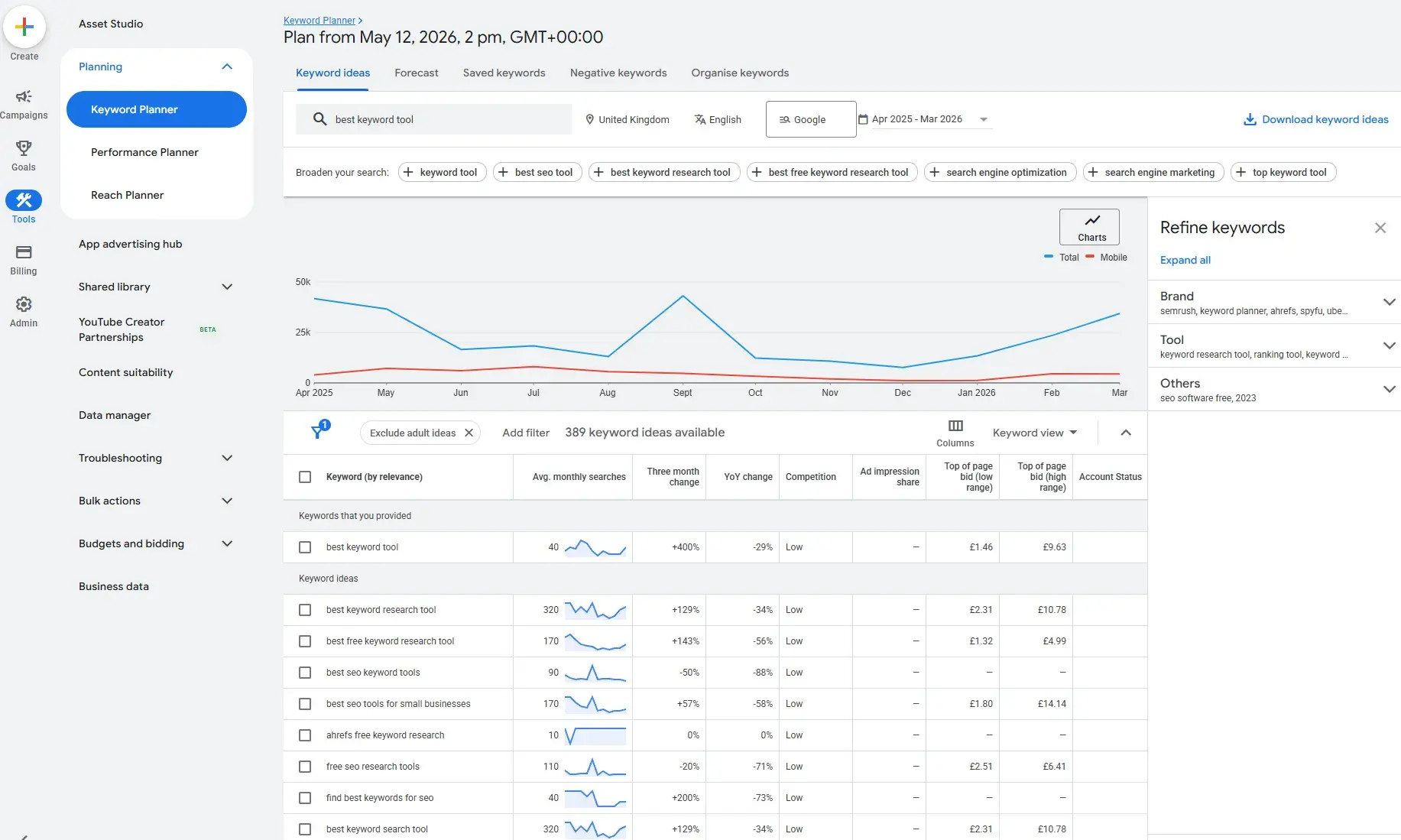
- Google Keyword Planner: While primarily designed for Google Ads, this tool is invaluable for free keyword research. It provides keyword ideas, estimated monthly search volumes, and competition levels, offering a starting point for content strategy. Businesses can set up a free Google Ads account, pause any campaigns, and still access the planner.
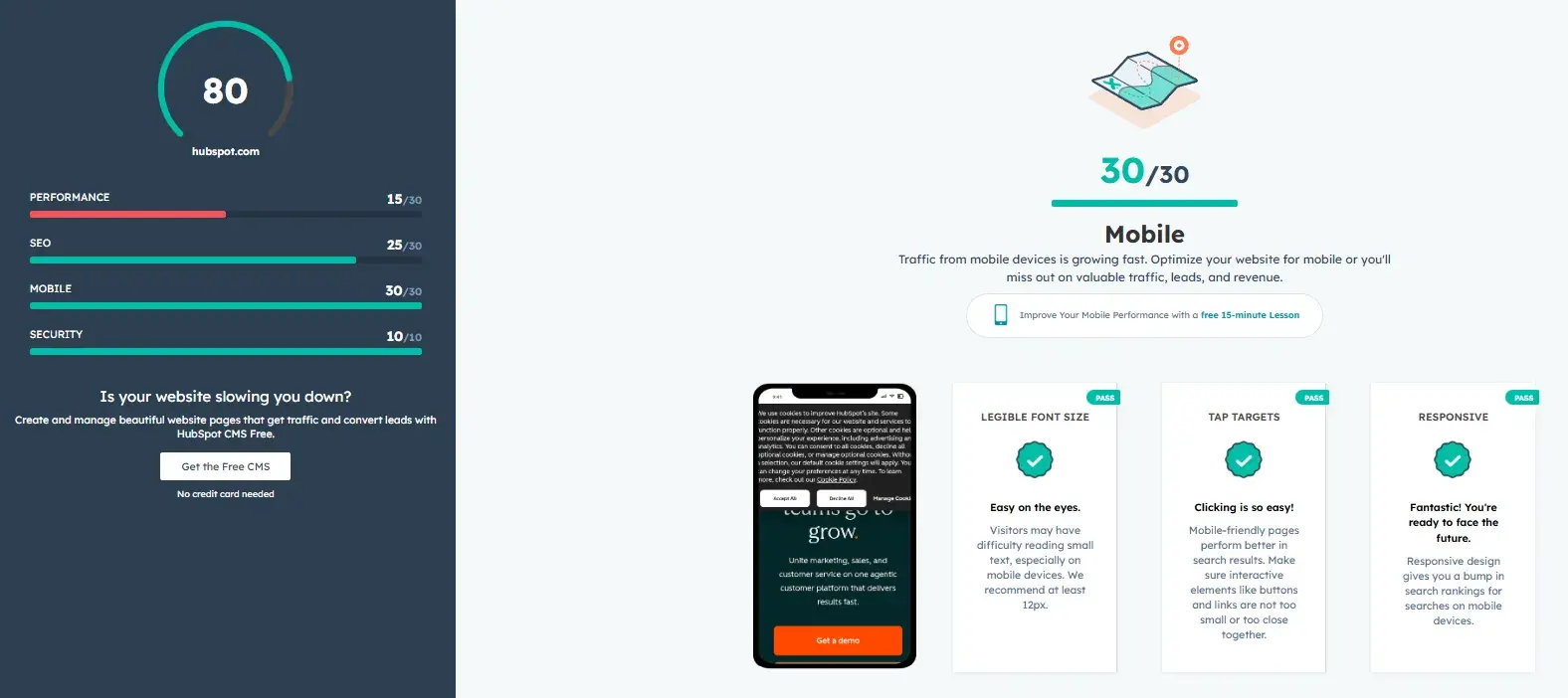
- HubSpot Website Grader: Offering a quick, jargon-free technical audit, this tool provides a snapshot of website performance across key areas like SEO, mobile readiness, and security. It’s excellent for initial diagnostics and generating actionable recommendations for improving site health.
- Looker Studio (formerly Google Data Studio): This free data visualization tool allows businesses to pull data from various sources, including GSC and GA4, to create custom, shareable, and real-time dashboards. It simplifies reporting for clients or internal stakeholders, transforming raw data into easily digestible insights.
Investing in Growth: Advanced SEO Solutions by Category
When free tools no longer suffice, or when a business is ready to scale its SEO efforts, investing in paid solutions becomes essential. These tools offer advanced features, deeper data, and automation capabilities.
-
Keyword Research Tools:
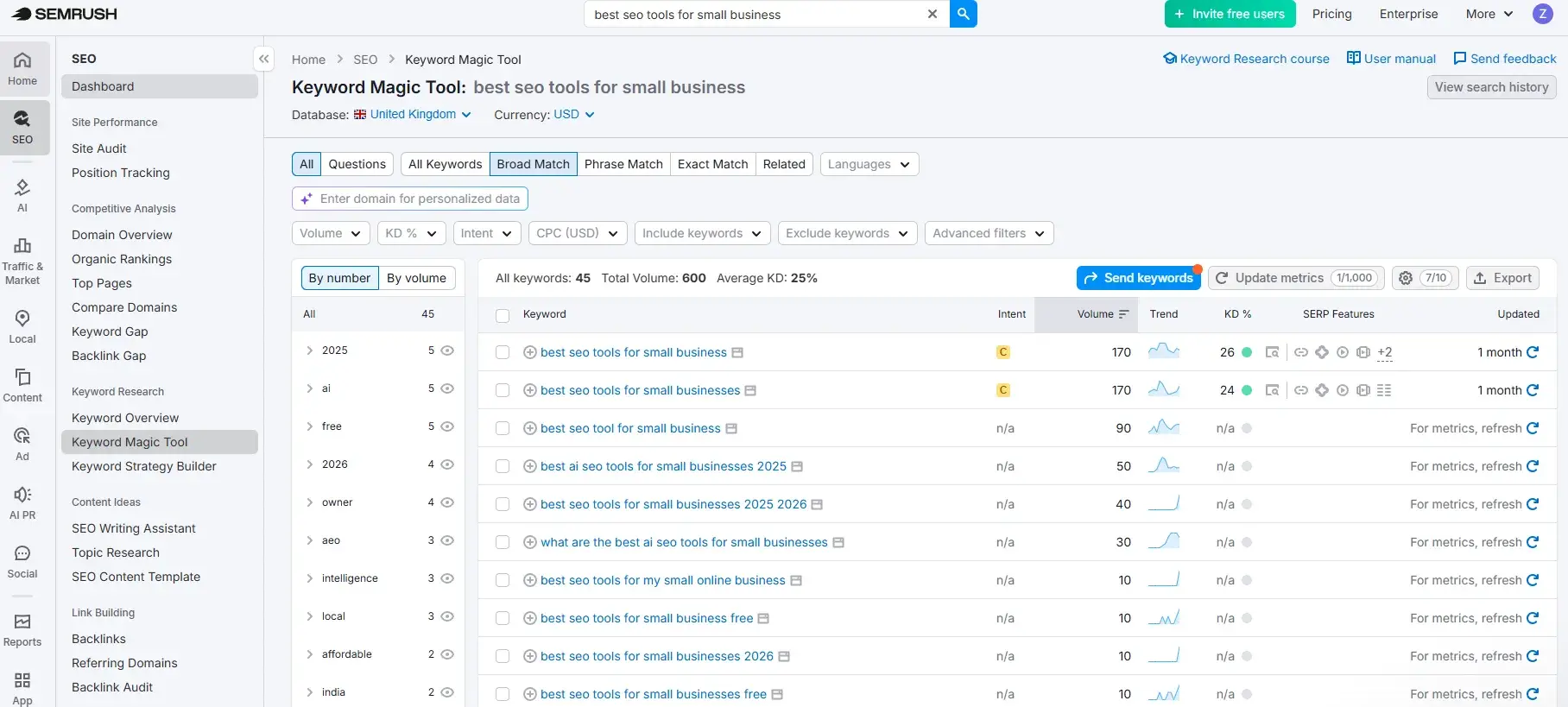
- Semrush: A market leader, Semrush offers a comprehensive suite of SEO tools, with its Keyword Magic Tool providing access to billions of keywords. It excels in competitor analysis, intent filtering, and tracking keyword positions, making it ideal for businesses ready for a data-rich content strategy.
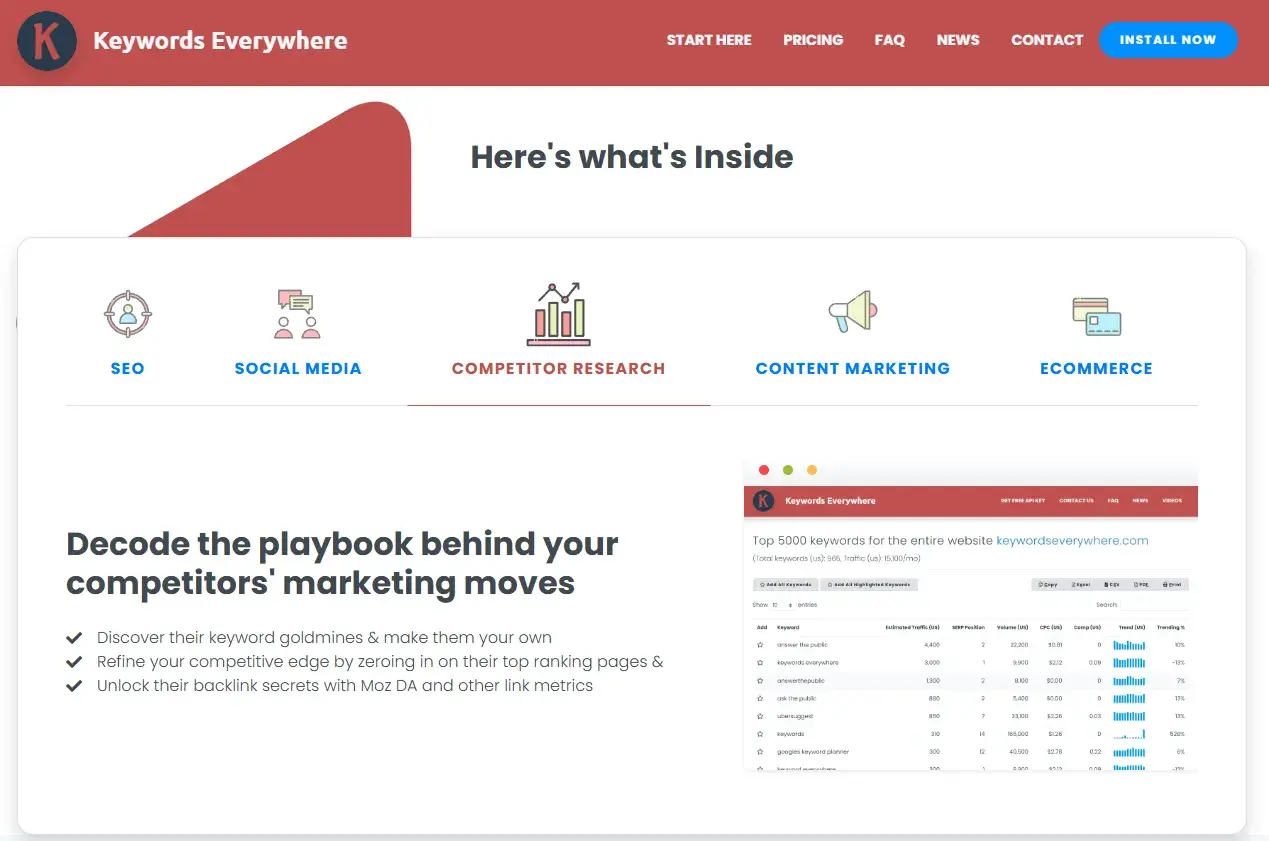
- Keywords Everywhere: A browser extension that surfaces keyword data directly in Google SERPs. While now a paid tool, its affordability and convenience make it a valuable asset for quick insights without switching platforms.
-
Technical SEO and Site Audit Tools:
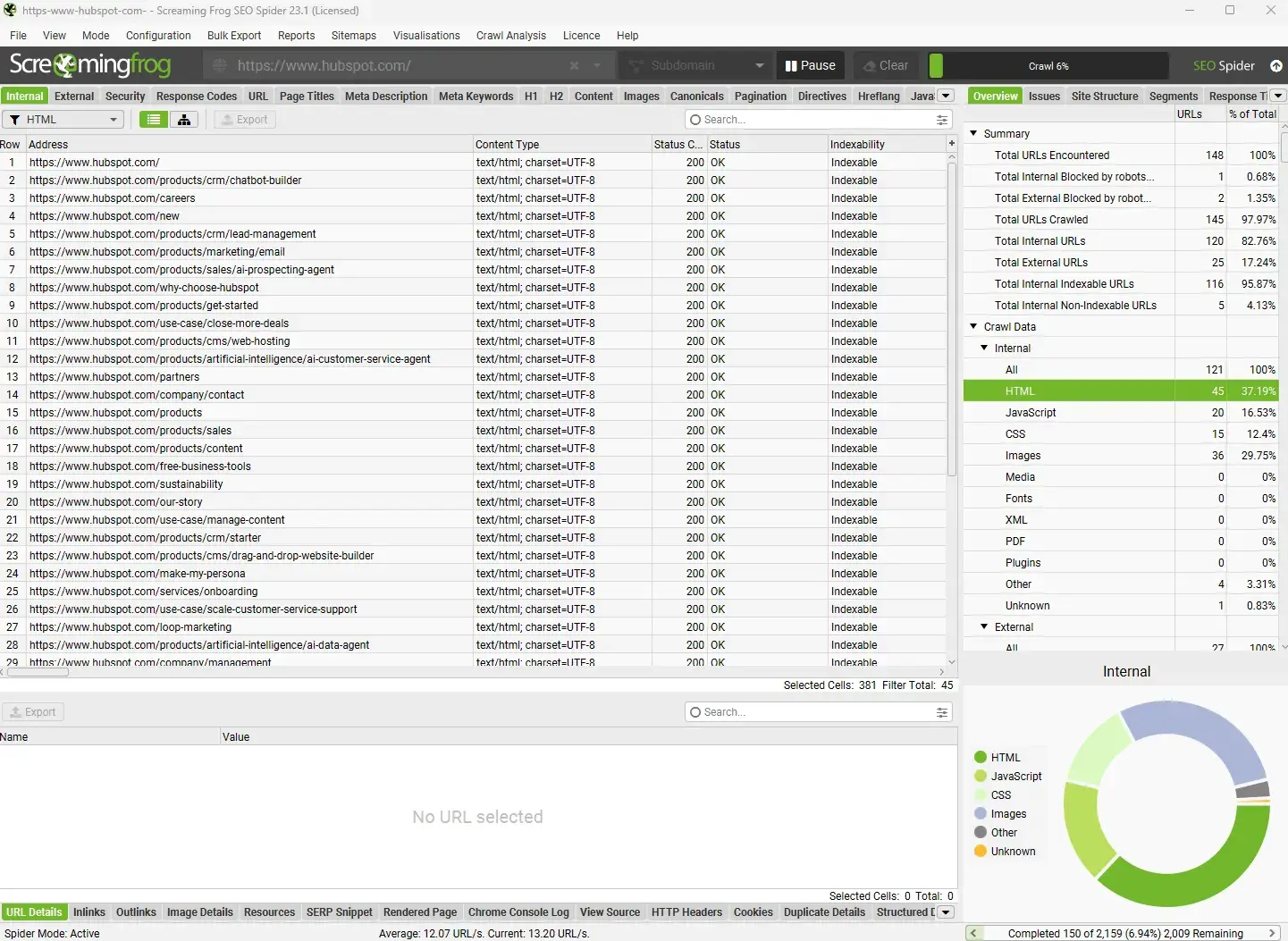
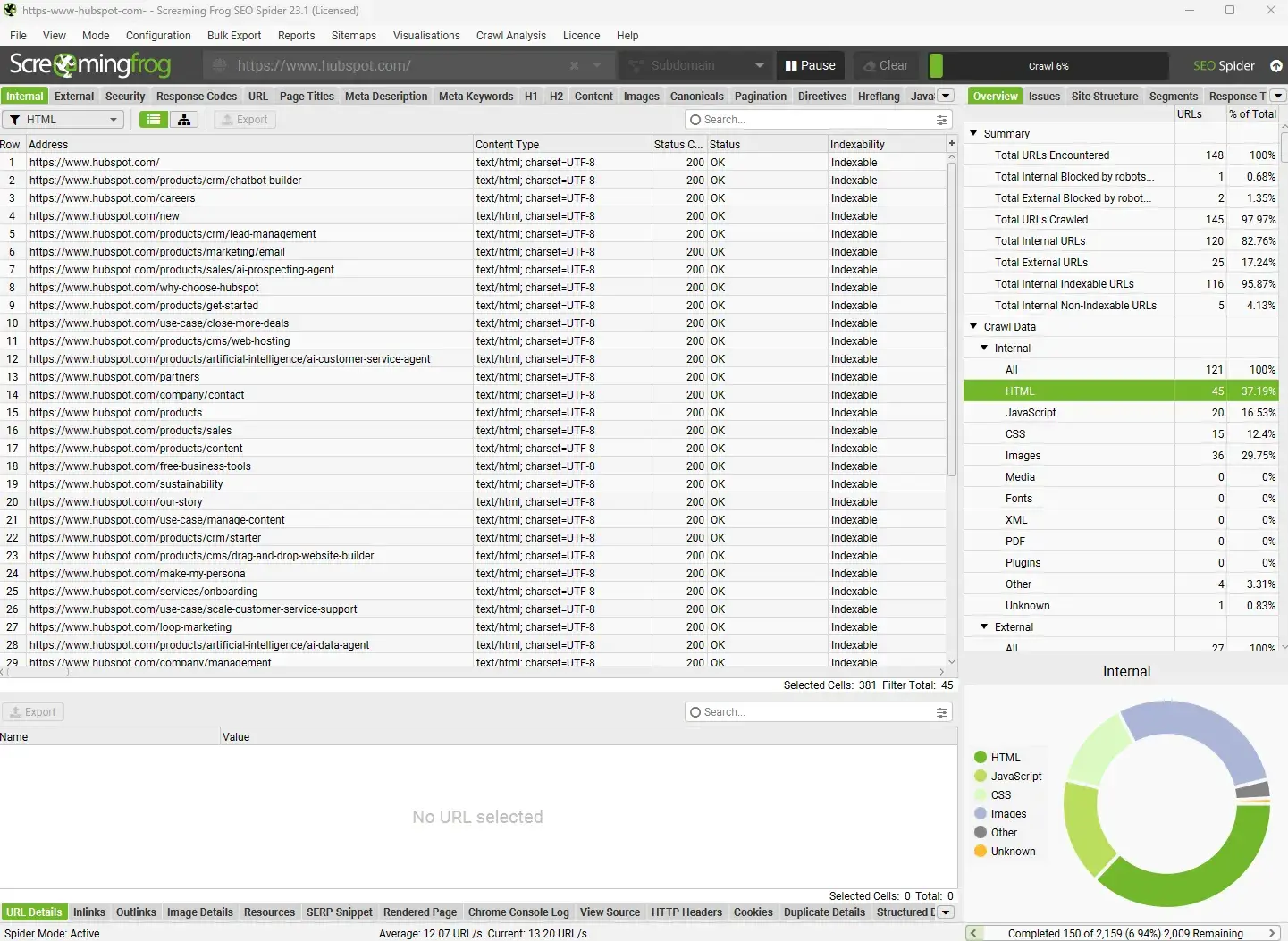
- Screaming Frog SEO Spider: This desktop-based crawler provides a detailed technical picture of your entire site, identifying issues like broken links, duplicate content, meta tag errors, and indexing problems. It’s powerful for growing websites but requires a certain level of technical expertise to interpret results effectively.
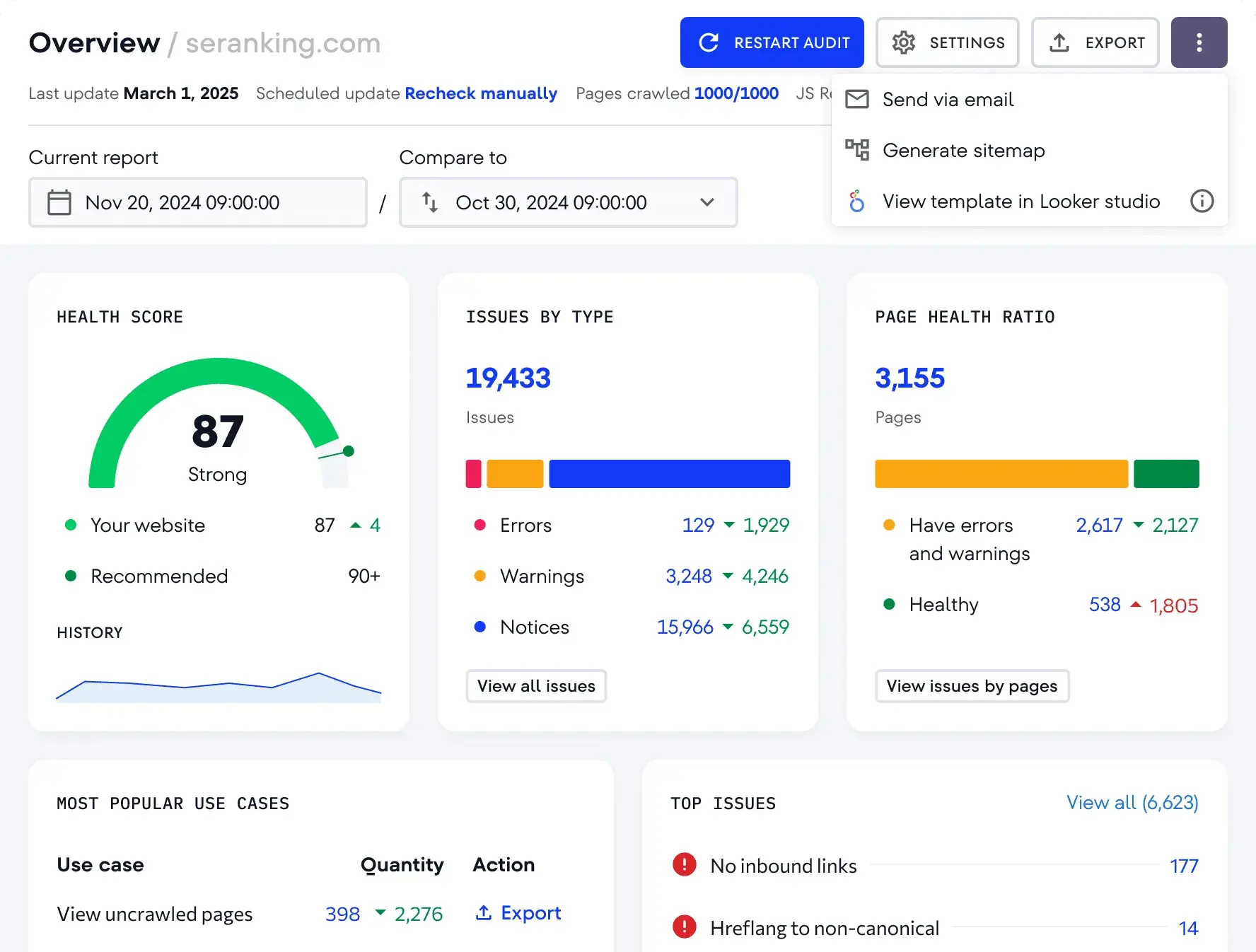
- SE Ranking: An all-in-one platform offering robust technical audit capabilities. It crawls websites, scores them, and groups issues by severity, making it easier for lean teams to prioritize fixes. It serves as a more affordable alternative to top-tier platforms.
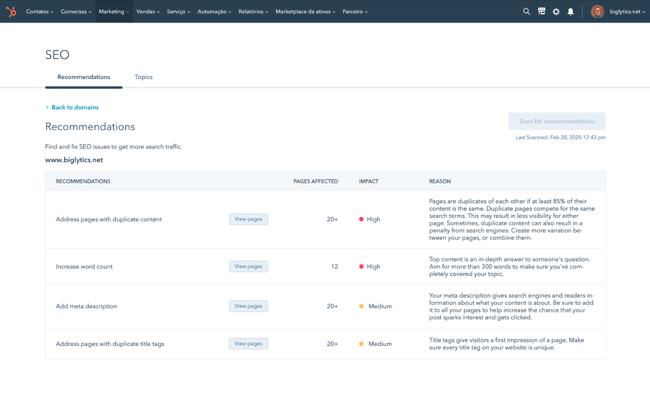
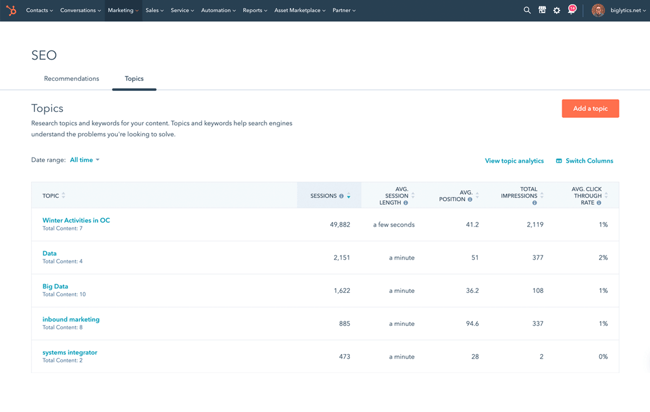
- HubSpot SEO Recommendations: Integrated within HubSpot Marketing Hub, this tool doesn’t just surface issues but provides actionable recommendations with estimated impact and difficulty levels. Its dynamic nature ensures that as content evolves, so do the recommendations, maintaining continuous technical health.
-
Content Optimization and On-Page Tools:
- HubSpot Content Hub: A comprehensive content solution that unites creation, optimization, and performance tracking. It offers AI-assisted content creation, on-page guidance (keyword placement, internal linking), and supports a topic cluster strategy, connecting content performance directly to CRM data.
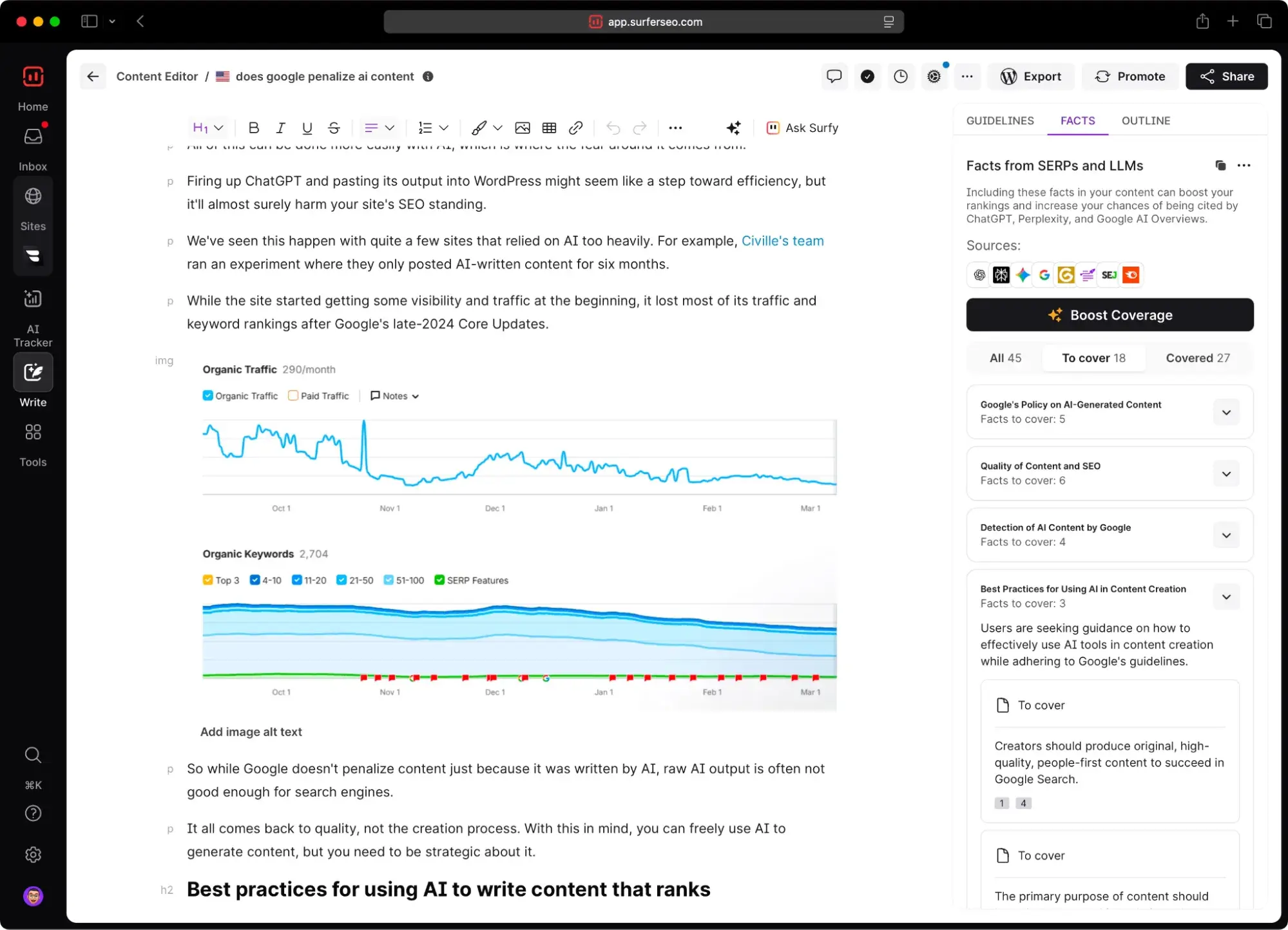
- Surfer SEO: This platform analyzes top-ranking pages for target keywords, providing data-driven recommendations for content length, keyword density, heading structure, and NLP terms. It helps content teams write with SEO in mind, closing the gap between existing pages and top-ranking results.
-
Backlink Research and Outreach Tools:

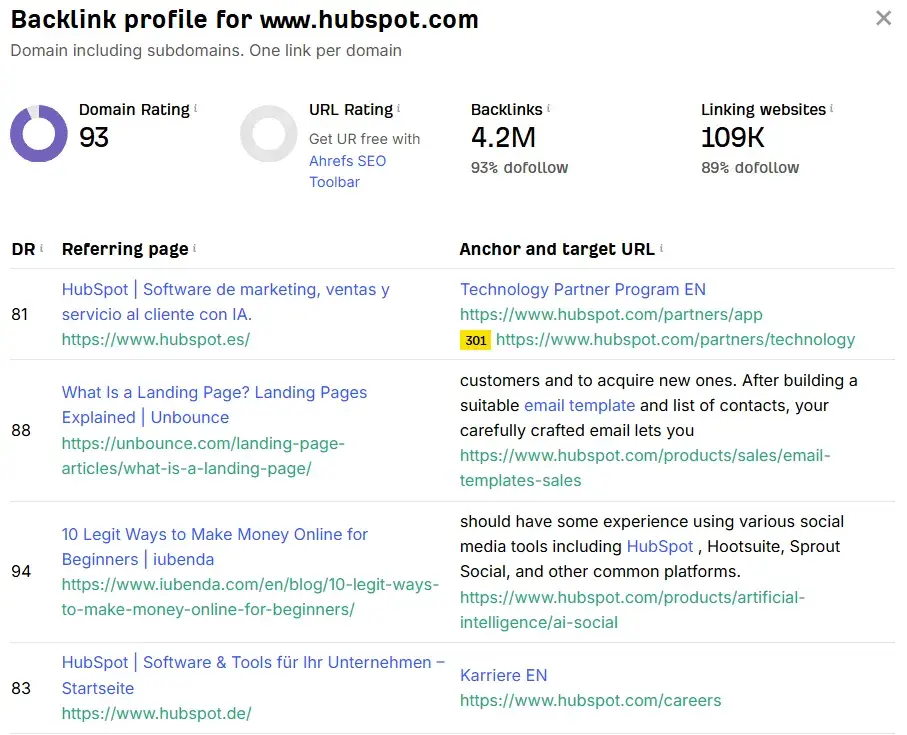
- Ahrefs: Renowned for its extensive and frequently updated backlink database, Ahrefs is crucial for scalable link building. It identifies referring domains, anchor text, and offers competitive backlink analysis, enabling deliberate outreach strategies.
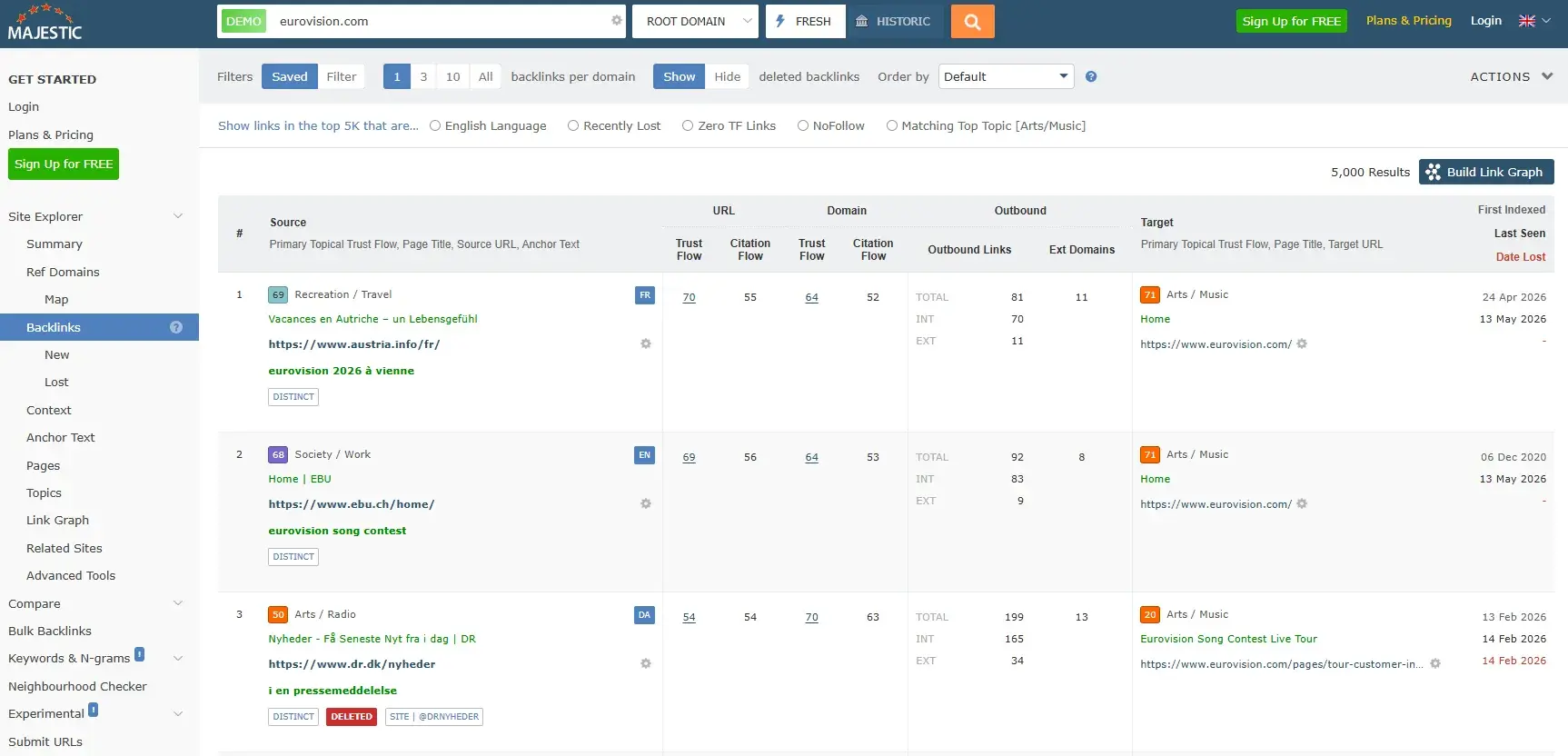
- Majestic: A specialist backlink tool focusing deeply on link data. It offers unique metrics like Trust Flow and Citation Flow to assess link quality, providing granular analysis for businesses prioritizing link profile strength.
-
Rank Tracking Tools:
- SERPWatcher by Mangools: A dedicated, affordable, and user-friendly rank tracker that provides daily position updates and trend visualization for specific target keywords. It offers more granular and continuous monitoring than Google Search Console alone.
- HubSpot AEO (Answer Engine Optimization): This innovative tool evaluates brand visibility in AI search results, acting as a "rank tracker for the AI era." It monitors brand mentions, AI citations, query coverage, and sentiment within AI Overviews, providing crucial insights into how a brand appears in AI-generated answers.
-
Local SEO Tools:
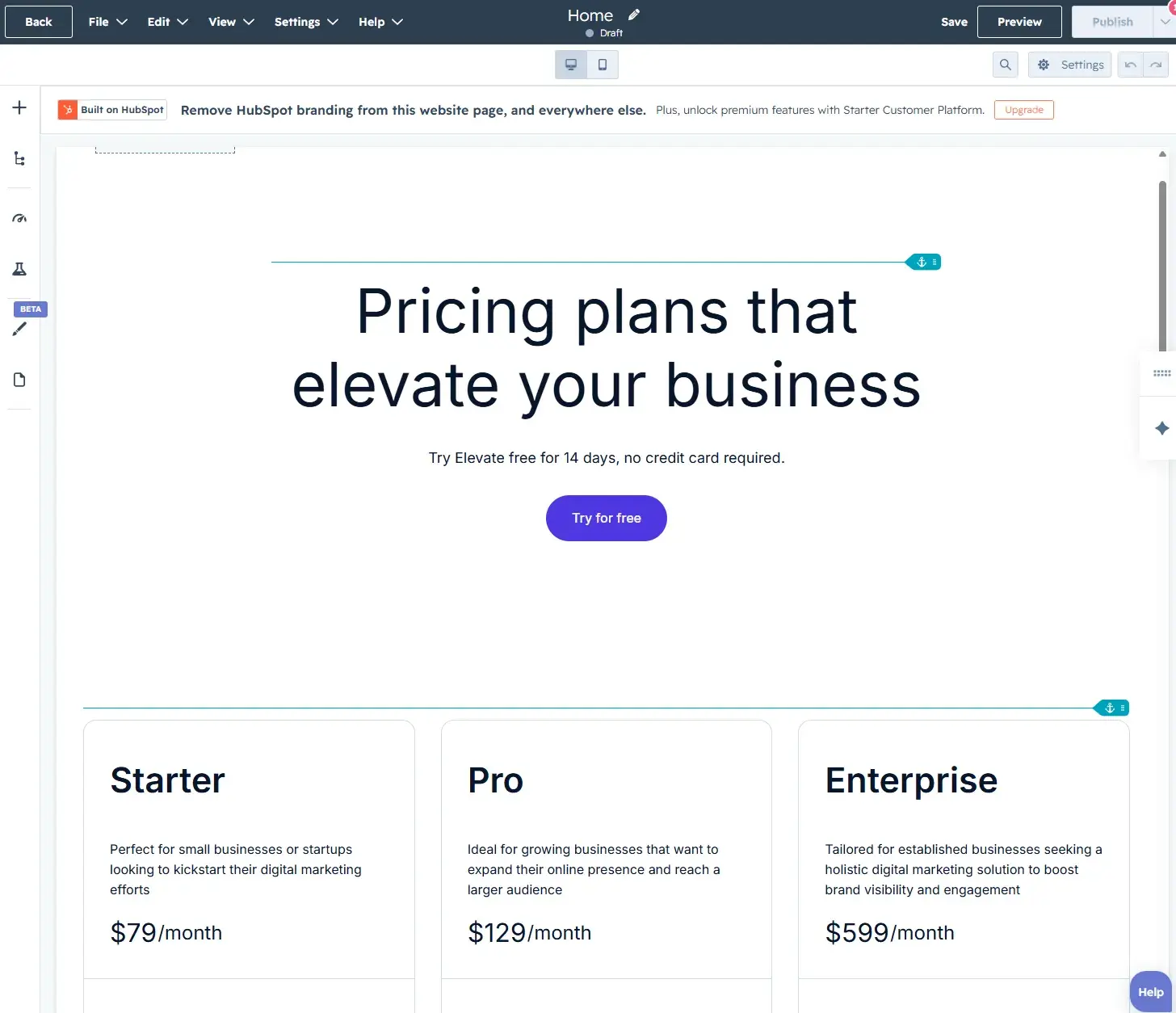
- BrightLocal: A dedicated local SEO platform for multi-location businesses. It offers citation management, review monitoring, and local rank tracking, addressing inconsistencies and enhancing local search visibility.
- Nightwatch: While a broader SEO analytics tool, Nightwatch excels in granular location-based rank tracking. Its search simulator feature allows SEO specialists to review SERPs in different countries without a VPN, critical for local and international targeting. (Also, remember to set up a Google Business Profile!)
-
Analytics and Reporting Tools:
- HubSpot Marketing Hub Analytics: Goes beyond basic traffic metrics by connecting page visits to specific contacts, deals, and revenue within the HubSpot CRM. It offers full-funnel attribution, allowing businesses to understand which content genuinely contributes to pipeline growth and revenue, justifying SEO investments with tangible business outcomes.
The Shift to AEO: Future-Proofing Search Strategies
The advent of AI-powered search experiences, such as Google AI Overviews and chatbots like ChatGPT, introduces a new dimension to search visibility: Answer Engine Optimization (AEO). Traditional SEO focuses on driving clicks to a website, but AEO aims for content to be directly surfaced, summarized, and cited within AI-generated answers.
For small businesses, this paradigm shift has significant implications. If AI answers queries directly, users may never click through to a website. Therefore, measuring AEO visibility becomes crucial. Tools like HubSpot AEO help marketers track:
- Brand Visibility Score: How often a brand appears in AI answers for tracked prompts.
- Prompt Tracking: Identifying relevant questions customers are asking AI engines, often powered by CRM data.
- Citation Analysis: Understanding which domains and pages are referenced by AI.
- Sentiment Analysis: Assessing whether AI mentions a brand positively, negatively, or neutrally, a critical aspect of reputation management in the AI era.
Integrating AEO into the SEO tech stack ensures that small businesses remain visible and influential as search behavior continues to evolve, adapting to a future where AI plays a central role in information discovery.
Strategic Integration: Building a Cohesive SEO Tech Stack
The true power of SEO tools is unlocked through integration. When SEO data is siloed from CRM, content management systems (CMS), and broader marketing analytics, businesses miss critical opportunities for a holistic understanding of their customer journey. Platforms like HubSpot, which offer integrated SEO, content, marketing, and CRM functionalities, simplify workflows, provide a unified view of customer interactions, and enable direct attribution of SEO efforts to lead generation and revenue. This interconnectedness allows small businesses to:
- Streamline Operations: Reduce time spent toggling between disparate tools.
- Enhance Data Accuracy: Ensure consistent data across platforms.
- Improve Decision-Making: Gain a clearer picture of which SEO activities drive tangible business results.
- Scale Efficiently: Leverage automation and integrated insights as the business grows, minimizing the need for constant tool migrations.
Conclusion: Empowering Small Business Growth Through Smart SEO Investments
The landscape of digital marketing is dynamic, with SEO remaining a cornerstone for small business growth. Selecting the right SEO tech stack is a strategic decision that extends beyond mere functionality; it’s about future-proofing the business against evolving search algorithms and consumer behaviors. Whether opting for a collection of specialized tools or an all-in-one platform, the core objective is to make SEO measurable, actionable, and adaptable.
The ideal SEO toolkit for a small, growing business connects keyword performance to revenue, proactively improves technical website health, optimizes content for both traditional search and AI answer engines, and provides clear, actionable insights. Solutions that integrate seamlessly with existing CRM and marketing platforms, such as HubSpot’s SEO Marketing Software and AEO tool, offer a distinct advantage by providing a comprehensive, unified platform guaranteed to scale with the business, ensuring sustained competitive advantage and long-term growth in an increasingly digital world.