Since its inception in 2016, Google Local Services Ads (LSAs) have been an instrumental strategy for service-based businesses, enabling them to connect directly with local consumers seeking their professional services. The core appeal of LSAs has always been their unique pay-per-lead model, ensuring advertisers only pay when a potential customer initiates contact, rather than for mere impressions or clicks. This fundamental benefit is set to continue, but the way LSAs are built and managed is undergoing a significant transformation. In a recent announcement, Google revealed that Local Services Ads are migrating into the Google Ads interface, integrating with Performance Max (PMax) campaigns and adopting a new pay-per-lead goal structure. This evolution promises to streamline management for advertisers while maintaining the core value proposition of LSAs.
The Evolving Landscape of Local Services Ads
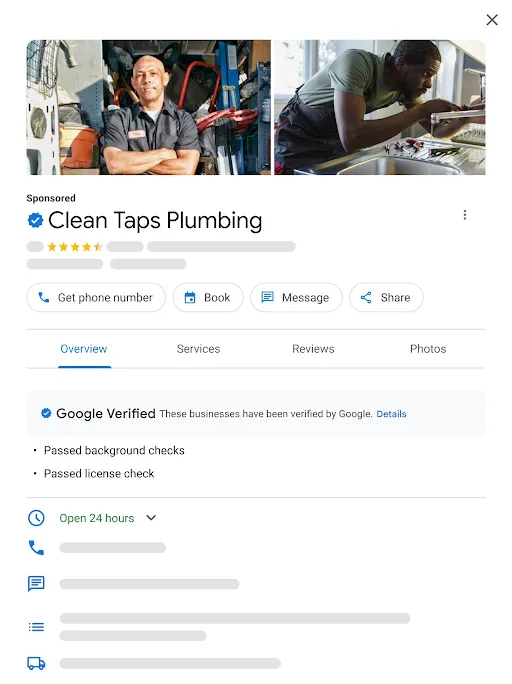
For years, businesses eligible for LSAs—spanning over 80 distinct service categories—have relied on a dedicated Local Search Advertising dashboard. This platform required businesses to verify their credentials through their Google Business Profile, a crucial step that established trust and legitimacy for consumers. LSAs appeared prominently in Google Search and Google Maps results, offering a frictionless experience by allowing users to book services, request quotes, or make direct contact without navigating away to a landing page. The pay-per-lead model was a key differentiator, mitigating advertiser risk and focusing spend on tangible customer engagement.

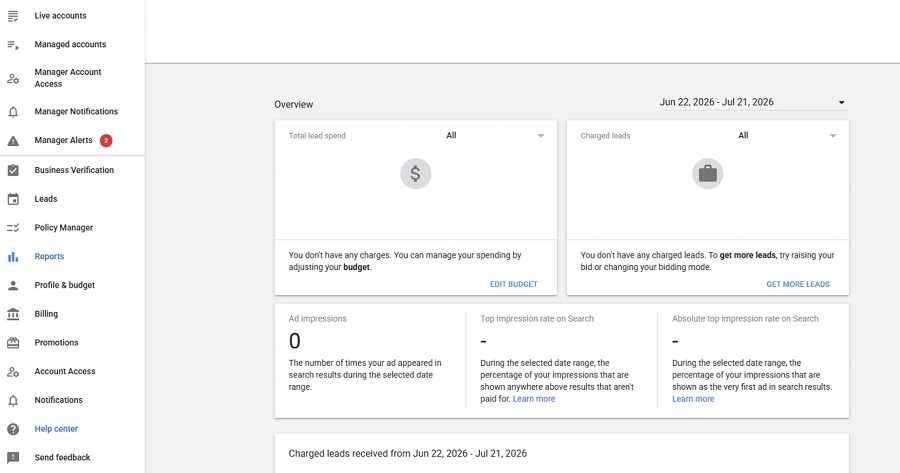
The forthcoming changes, however, signify a pivotal shift. Google’s decision to integrate LSAs directly into the Google Ads platform, specifically within Performance Max campaigns configured with a pay-per-lead goal, marks the sunsetting of the standalone LSA dashboard. This consolidation aims to offer advertisers a more unified and intuitive experience, eliminating the need to manage campaigns across separate interfaces.
Key Changes and Continuities
The integration of LSAs into Google Ads through Performance Max campaigns brings several key modifications:
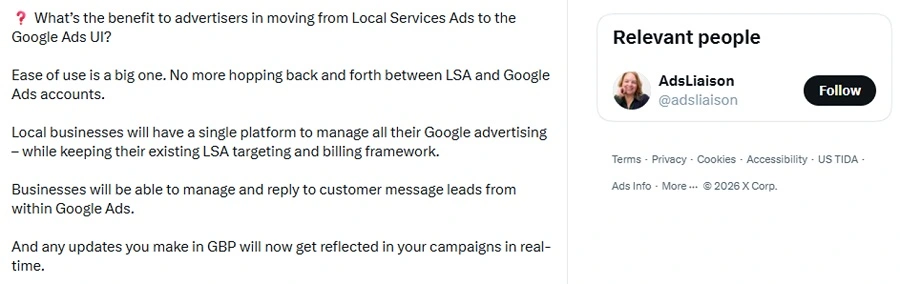
- Unified Management: LSAs will no longer be managed through a separate dashboard. Instead, they will reside within the familiar Google Ads interface. This integration is a direct response to advertiser feedback seeking a more streamlined workflow. Ginny Marvin, Google Ads Product Liaison, noted on X (formerly Twitter), "No more hopping back and forth between LSA and Google Ads accounts."
- Performance Max Integration: LSAs will now be run as a specific type of Performance Max campaign. This means leveraging PMax’s automation capabilities, but with a dedicated pay-per-lead objective.
- Pay-Per-Lead Goal: The cornerstone of LSAs—paying only for qualified leads—remains intact. However, this will now be managed through a new pay-per-lead goal within PMax campaigns.
- Placement Focus: While traditional PMax campaigns can distribute ads across various Google properties, the new pay-per-lead PMax campaigns for LSAs will be restricted to Google Search and Google Maps, mirroring the existing placement strategy for LSAs. This ensures that the ads continue to reach users actively searching for local services.
- Sunset of LSA Dashboard: The dedicated Local Services Ads dashboard will be phased out, with all historical data expected to be fully archived or inaccessible by 2027. Advertisers are strongly advised to download any crucial historical reports before this transition.
Despite these significant changes, several core aspects of Local Services Ads will persist:
- Pay-Per-Lead Model: The fundamental pricing structure of paying only for leads generated will remain.
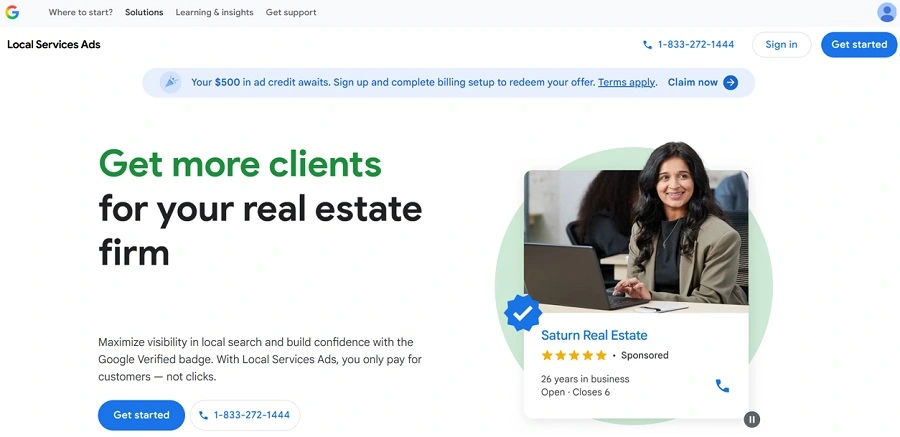
- Google Verified Badge: Eligible businesses that pass Google’s rigorous background checks and verification processes will continue to display the trusted "Google Guaranteed" or "Google Screened" badge, a critical trust signal for consumers.
- Business Verification: The requirement to verify business credentials through Google Business Profile will continue to be a prerequisite for running LSAs.
- Placement on Search and Maps: LSAs will continue to exclusively appear on Google Search and Google Maps, targeting users with immediate local service needs.
- Lead Management: While the interface for managing leads will change, the core functionality of accessing customer contact details and call recordings will be retained within the Google Ads platform’s Lead Manager.
The Transition Timeline and Impacted Businesses
Google is implementing a phased rollout for this integration, aiming for a seamless transition with minimal disruption to ongoing campaigns. The process began with select industries and is projected to conclude by the end of 2027, with all accounts migrating by then. Google anticipates initiating the migration for some industries as early as August 2026.
Advertisers will receive advance notice of their migration date through email alerts sent to their Google Business Profile account administrators. Additionally, a banner notification within the current LSA dashboard will serve as a reminder. This proactive communication strategy is designed to allow businesses sufficient time to prepare and adapt.
The impact of this update is specifically targeted at service-based businesses that are already eligible for and utilizing Local Services Ads. These typically include tradespeople, home service providers, legal professionals, financial advisors, and various other categories where local consumer trust and immediate service needs are paramount. Businesses not currently using LSAs but operating in eligible sectors are encouraged to consider adopting the new PMax LSA structure.
Rationale Behind the Migration
Google’s strategic decision to consolidate LSAs within the Google Ads ecosystem stems from a desire to simplify campaign management and leverage the advanced automation and reporting capabilities of Performance Max. By bringing LSAs under the umbrella of Google Ads, the search giant aims to provide advertisers with a more cohesive and powerful advertising suite.
The integration also aligns with Google’s broader strategy of unifying its advertising products, offering advertisers a single point of control for diverse campaign objectives. This move is expected to enhance efficiency for advertisers, particularly those managing multiple advertising channels. The move is also likely to allow Google to apply its sophisticated machine learning algorithms more effectively across a wider range of advertising formats, potentially leading to improved performance for advertisers.
Navigating the Transition: For Existing and New Advertisers
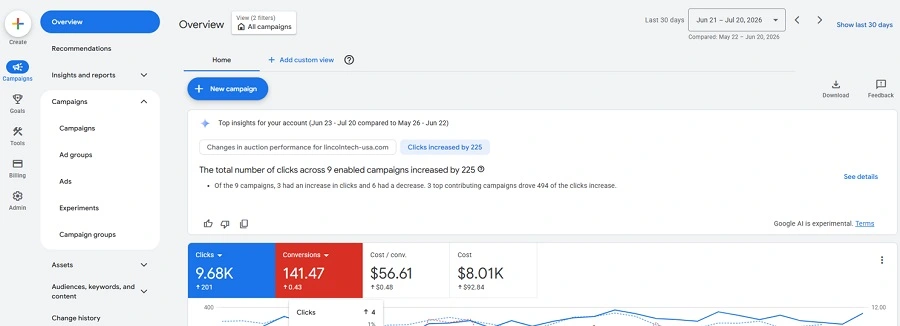
For businesses already running LSA campaigns, Google is facilitating an automatic migration process. The system will transfer existing campaign setups, including targeted locations, service types, budget limits, ad schedules, and business photos, directly into Google Ads. Advertisers will no longer be able to access the old LSA dashboard post-migration; instead, their login will direct them to the Google Ads interface.
A crucial recommendation for current LSA advertisers is to download and save all historical LSA campaign reports before their migration date. This proactive step ensures access to past performance data, which might not be fully retained or easily accessible after the dashboard is sunset. Following migration, businesses can locate their new PMax LSA campaigns within the Google Ads campaign overview. While Google aims for immediate campaign activation post-migration, it’s noted that campaign performance may take up to two weeks to stabilize as the system fully integrates and optimizes.
For businesses new to LSAs or looking to set up additional campaigns, the process is temporarily being managed through the existing Local Services Ads portal at g.co/localservices. Google has indicated that the ability to create new pay-per-lead PMax campaigns directly within Google Ads will become available in the future, signifying a complete transition to the new system.
Preparing for the Future of Local Advertising
To ensure a smooth transition and maximize the benefits of the new PMax LSA structure, businesses should consider the following proactive steps:
- Audit and Optimize Google Business Profile: As LSAs are intrinsically linked to Google Business Profile, ensuring this profile is complete, accurate, and up-to-date is paramount. This includes accurate business information, high-quality photos, and active customer review management.
- Download Historical LSA Data: As mentioned, proactively downloading past LSA reports is essential for future reference and analysis.
- Review Campaign Settings Post-Migration: After the automatic migration, advertisers should thoroughly review their new PMax LSA campaign settings within Google Ads to confirm all details have transferred as expected and to make any necessary adjustments.
- Stay Informed: Keep abreast of Google’s official announcements regarding the timeline for new PMax LSA campaign creation within Google Ads.
For those working with marketing partners or agencies, these transition steps are typically managed by the provider, offering a layer of expertise and ensuring continuity.
Frequently Asked Questions and Expert Analysis
The transition to PMax-powered LSAs has naturally generated questions within the advertising community. Key clarifications from Google and industry analysis include:
- LSA Dashboard Sunset: The dashboard is slated for full sunset by 2027, underscoring the urgency for data preservation.
- Industry Impact: The update exclusively affects businesses eligible for LSAs, primarily those in the service sector.
- Re-verification: Existing businesses with verified Google Business Profiles will not need to re-verify for LSAs within Google Ads.
- Google Verified Badge: This crucial trust signal will remain for businesses meeting the verification criteria.
- Placement Consistency: PMax LSAs will continue to be displayed only on Google Search and Google Maps.
- Historical Lead Data: While reports need manual download, past customer lead details (contact information, call recordings) will transfer automatically to the Google Ads Lead Manager.
- Migration Notification: Businesses will be alerted via email and dashboard notifications well in advance of their migration.
- Google Business Profile Management: While the GBP can still be managed independently, ad campaigns leveraging its data must now be run through Google Ads. Changes in GBP will sync to PMax LSAs.
- Advertiser Action: The migration is largely automated, but pre- and post-migration checks are recommended.
- New LSA Adoption: For eligible businesses, adopting LSAs via PMax campaigns is highly recommended due to their cost-effectiveness, prominent search visibility, and lead-generation efficiency.
The integration of LSAs into Performance Max represents a significant, albeit logical, evolution in Google’s local advertising offerings. By consolidating these powerful lead-generation tools into a single, sophisticated platform, Google aims to enhance advertiser efficiency and performance. While the transition necessitates some adaptation, the core benefits of LSAs—direct customer connection and a pay-per-lead model—remain robust, positioning these updated campaigns as a vital component of any local service business’s digital marketing strategy. The move towards a unified Google Ads experience signifies a commitment to simplifying complex advertising landscapes for businesses, enabling them to focus on what they do best: serving their local communities.