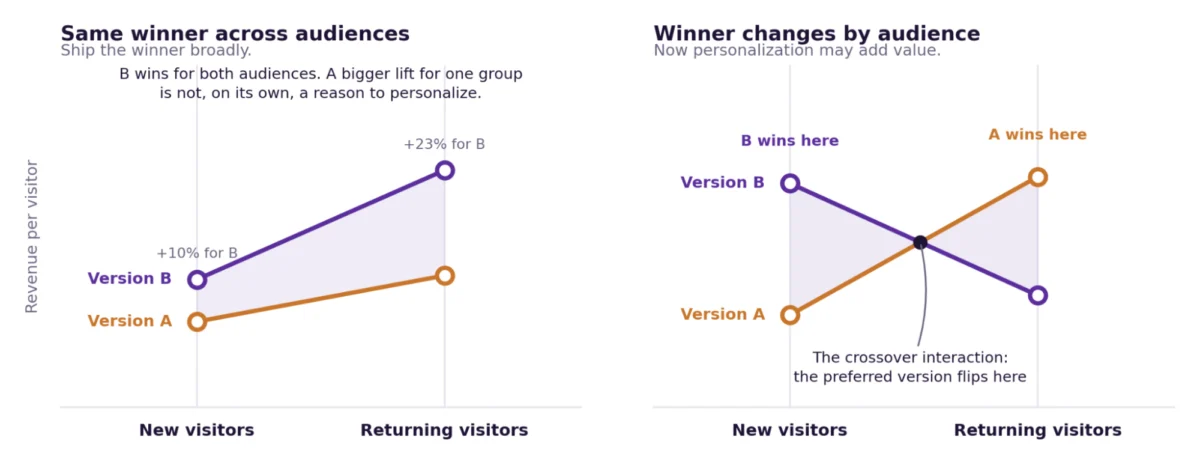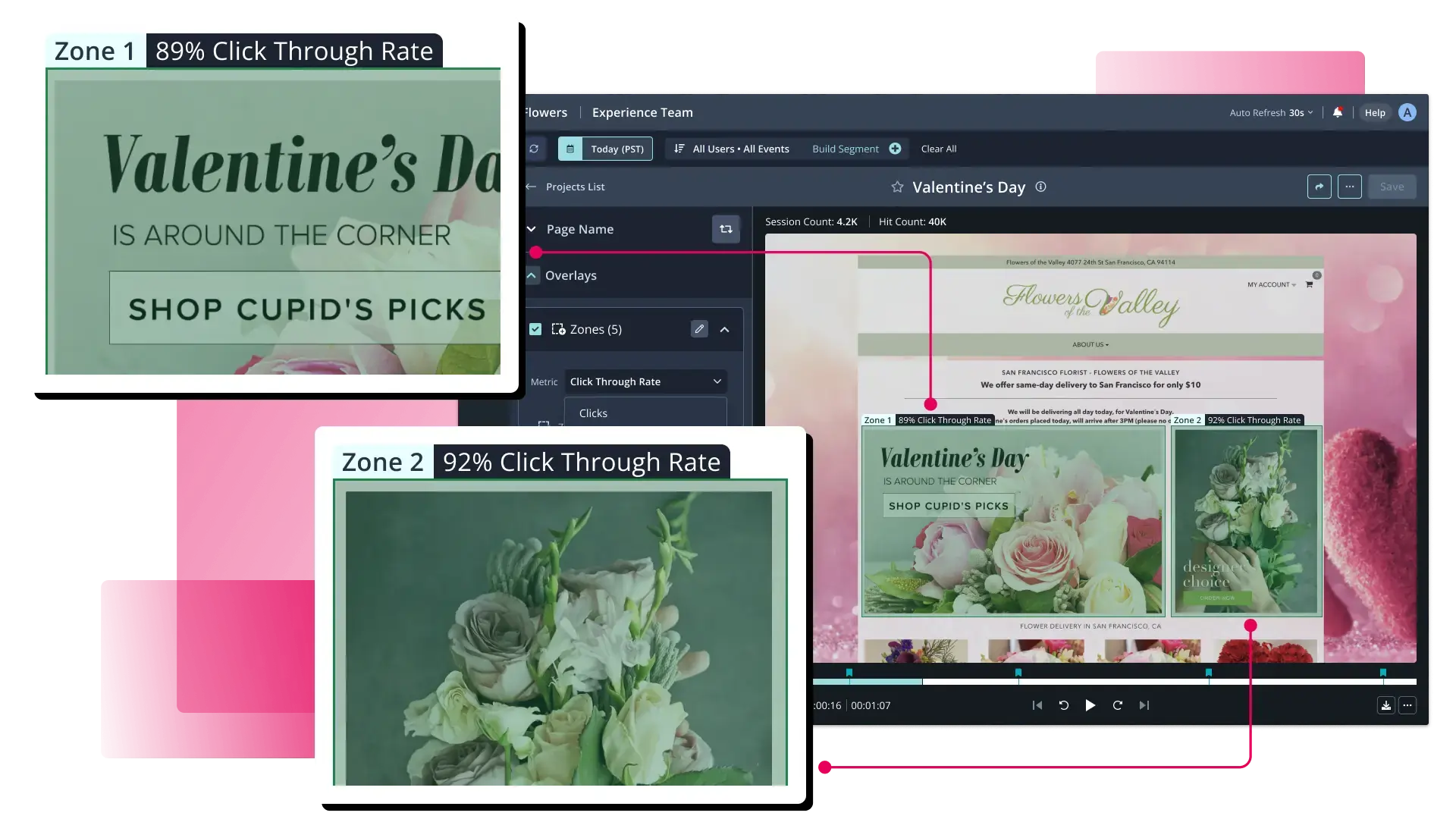
The digital landscape has reached a point of saturation where attracting traffic is no longer the primary challenge for enterprises; rather, the focus has shifted toward the surgical optimization of existing visitor behavior. Heatmapping software, once a niche utility for specialized UX designers, has evolved into a cornerstone of the multi-billion dollar Conversion Rate Optimization (CRO) industry. As organizations face rising Customer Acquisition Costs (CAC), the ability to visualize user intent through click, scroll, and movement data has become a mandatory requirement for maintaining a competitive edge in e-commerce, SaaS, and lead generation sectors.
The Evolution of Behavioral Analytics: A Chronological Perspective
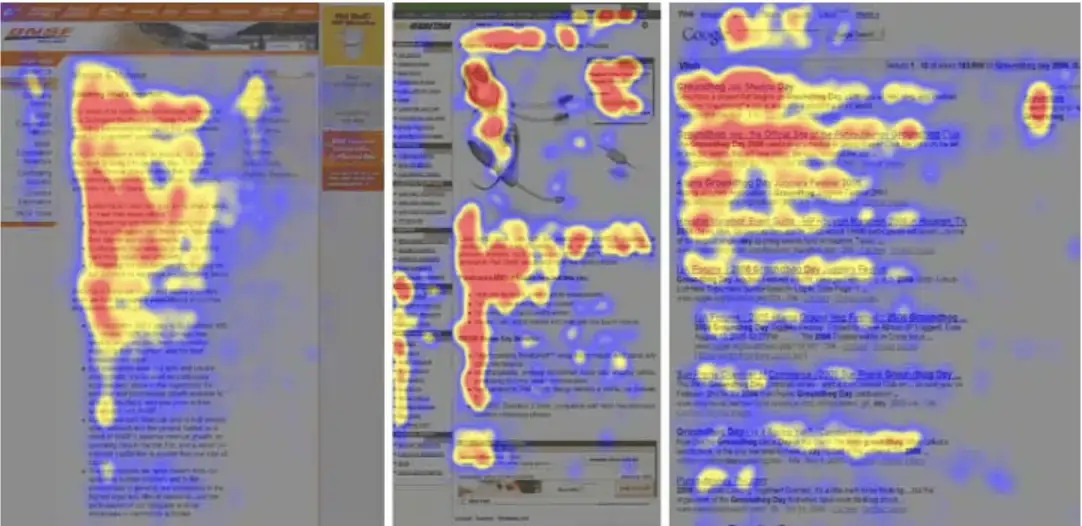
The journey of behavioral tracking began in the early 2000s with basic server log analysis, which provided rudimentary data on page views and exit rates. By 2005, the emergence of tools like Crazy Egg pioneered the visual representation of "hot" and "cold" zones on a webpage, revolutionizing how webmasters perceived user interaction. This era marked the transition from quantitative data—knowing how many people visited—to qualitative data—seeing where they struggled.
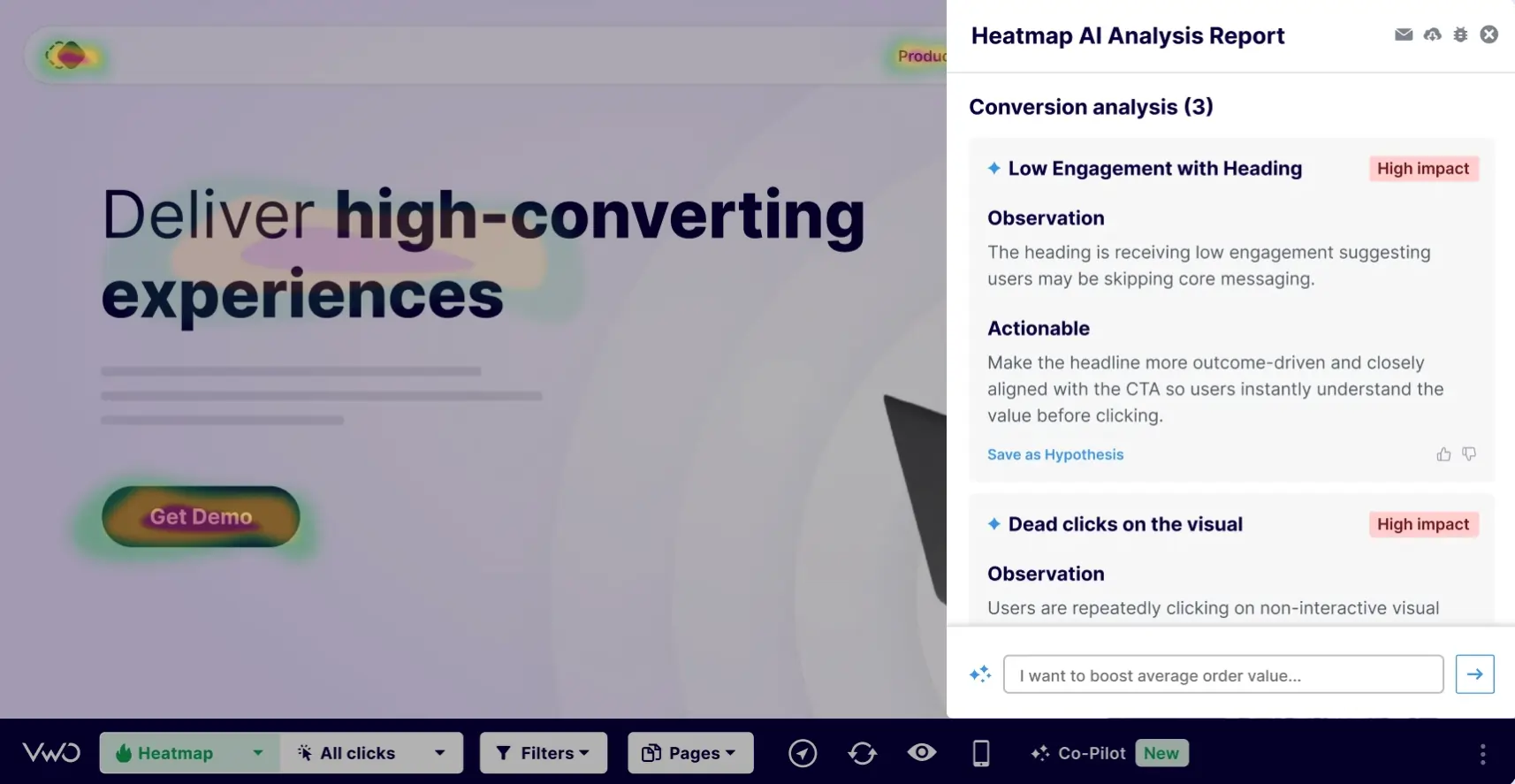
By 2015, the market saw a surge in session replay technology, led by innovators like FullStory and Hotjar. This allowed testers to watch recorded sessions of real users, providing context to the static patterns shown by heatmaps. Today, the industry has entered its third major phase: the AI-driven era. Modern platforms now utilize machine learning to automatically detect "frustration signals," such as rage clicks and dead clicks, effectively prioritizing the most critical UX issues for developers without requiring hours of manual video review.
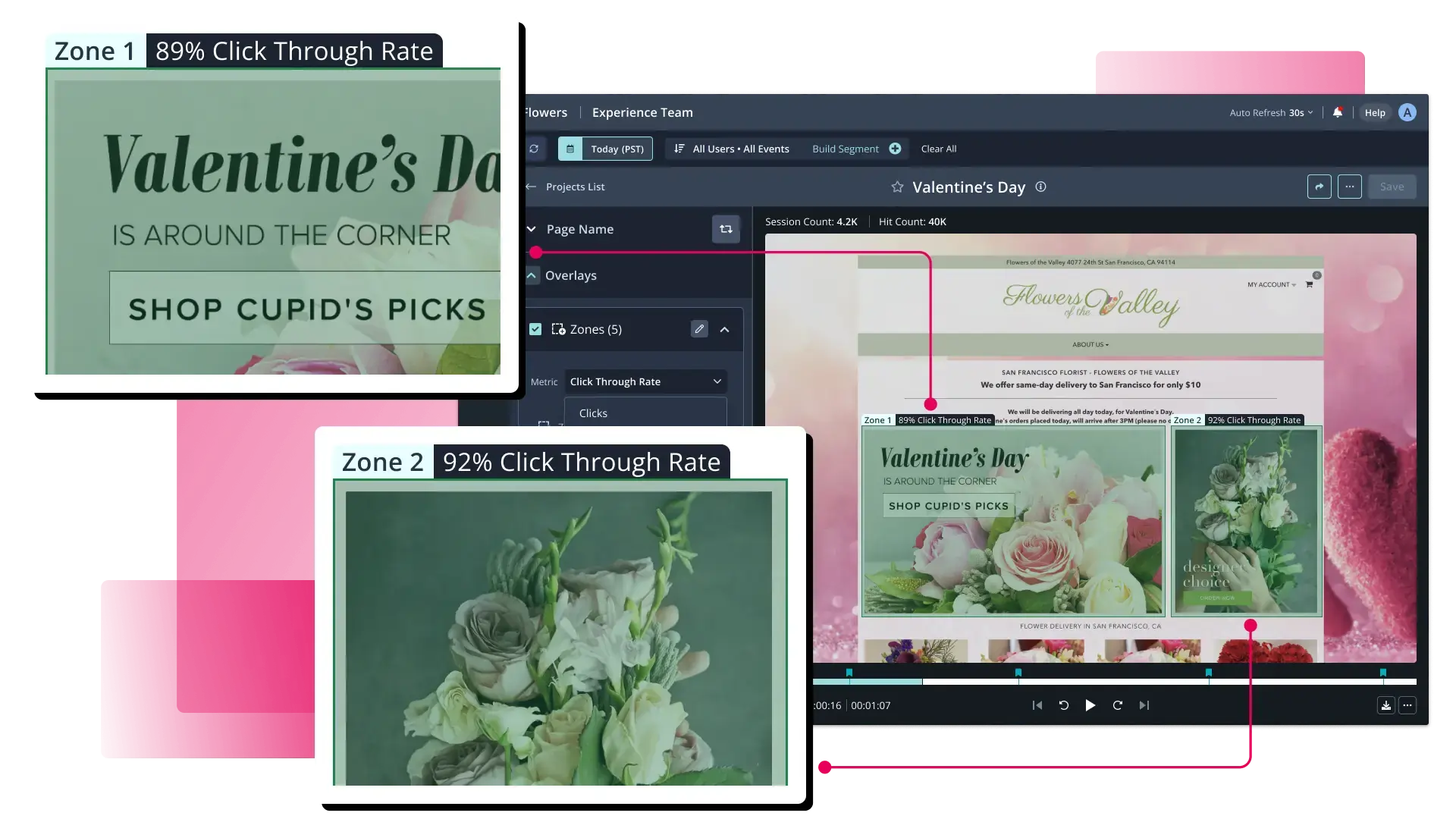
Comparative Analysis of Leading Heatmap Solutions
The current market offers a diverse array of tools tailored to different organizational sizes and technical requirements. The following analysis details the top contenders based on their feature sets, pricing structures, and specific utility for CRO teams.
Enterprise and High-Volume Solutions
For large-scale organizations, the priority is often data integrity and the ability to process millions of sessions without site latency.
Glassbox and Quantum Metric: These platforms represent the "heavyweights" of the industry. Glassbox is specifically engineered for complex conversion funnels, offering drag-and-drop funnel analysis and technical performance data. Quantum Metric differentiates itself with its "Felix AI" feature, which summarizes user insights from thousands of sessions into actionable reports. Both companies operate on a "contact for quote" model, reflecting their focus on the enterprise tier where custom integrations and high-security standards (such as SOC2 compliance) are paramount.
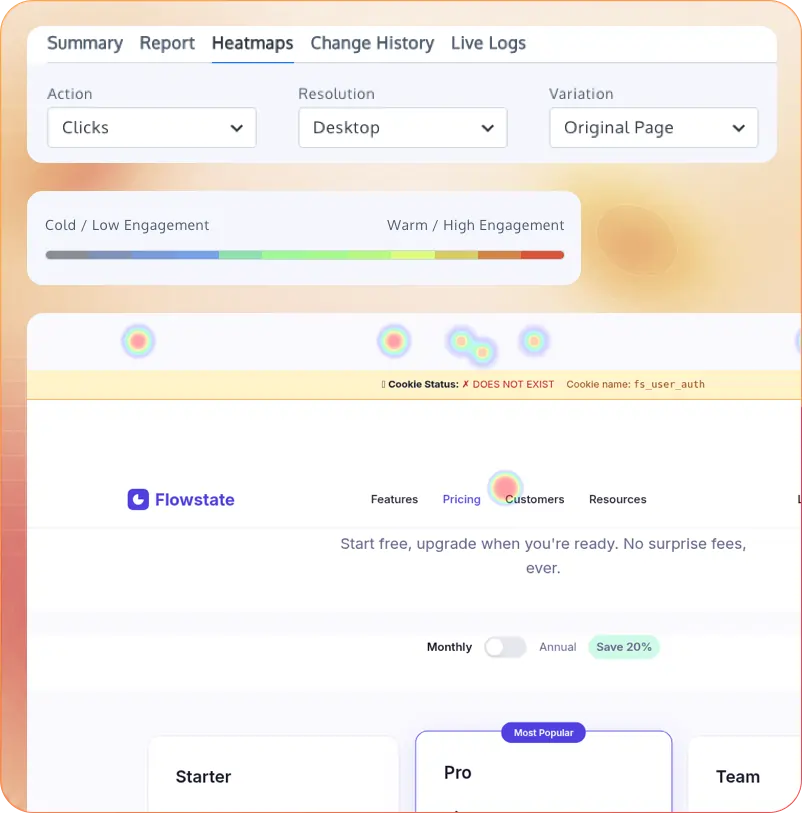
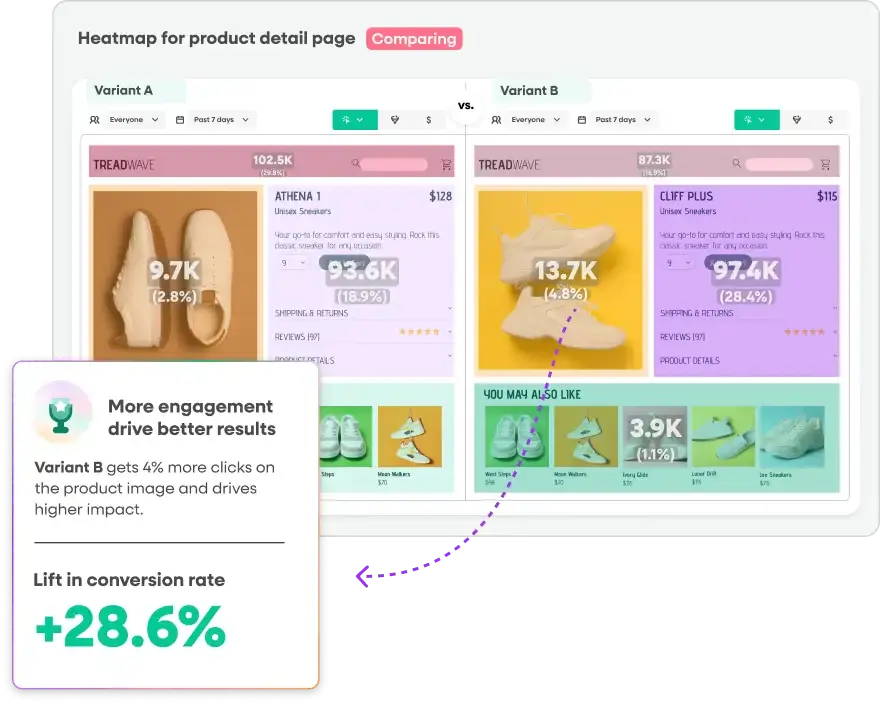
Convert Experiences: Convert has positioned itself as a unified solution for teams that find it inefficient to jump between a testing tool and a separate analytics tool. By offering native heatmaps per experiment variation, it allows researchers to see exactly how a "Variation B" changes user behavior compared to the "Control" in real-time. Their proprietary "Signals®" feature serves as a frustration detection layer, flagging sessions where API slowness or render delays might be skewing test results.
E-commerce and Revenue-Centric Tools
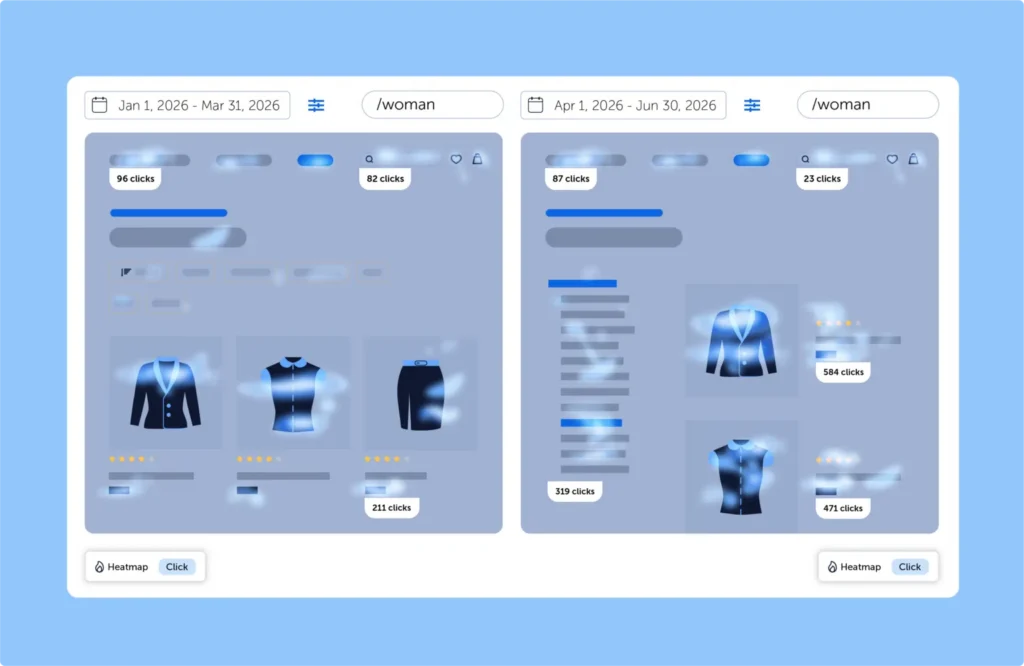
Heatmap.com: In a shift away from traditional interaction metrics, Heatmap.com focuses on "Revenue Per Session" (RPS). It attributes actual dollar values to specific elements on a page, allowing e-commerce managers to see which "Add to Cart" buttons or product descriptions are actually driving the bottom line rather than just receiving the most clicks.
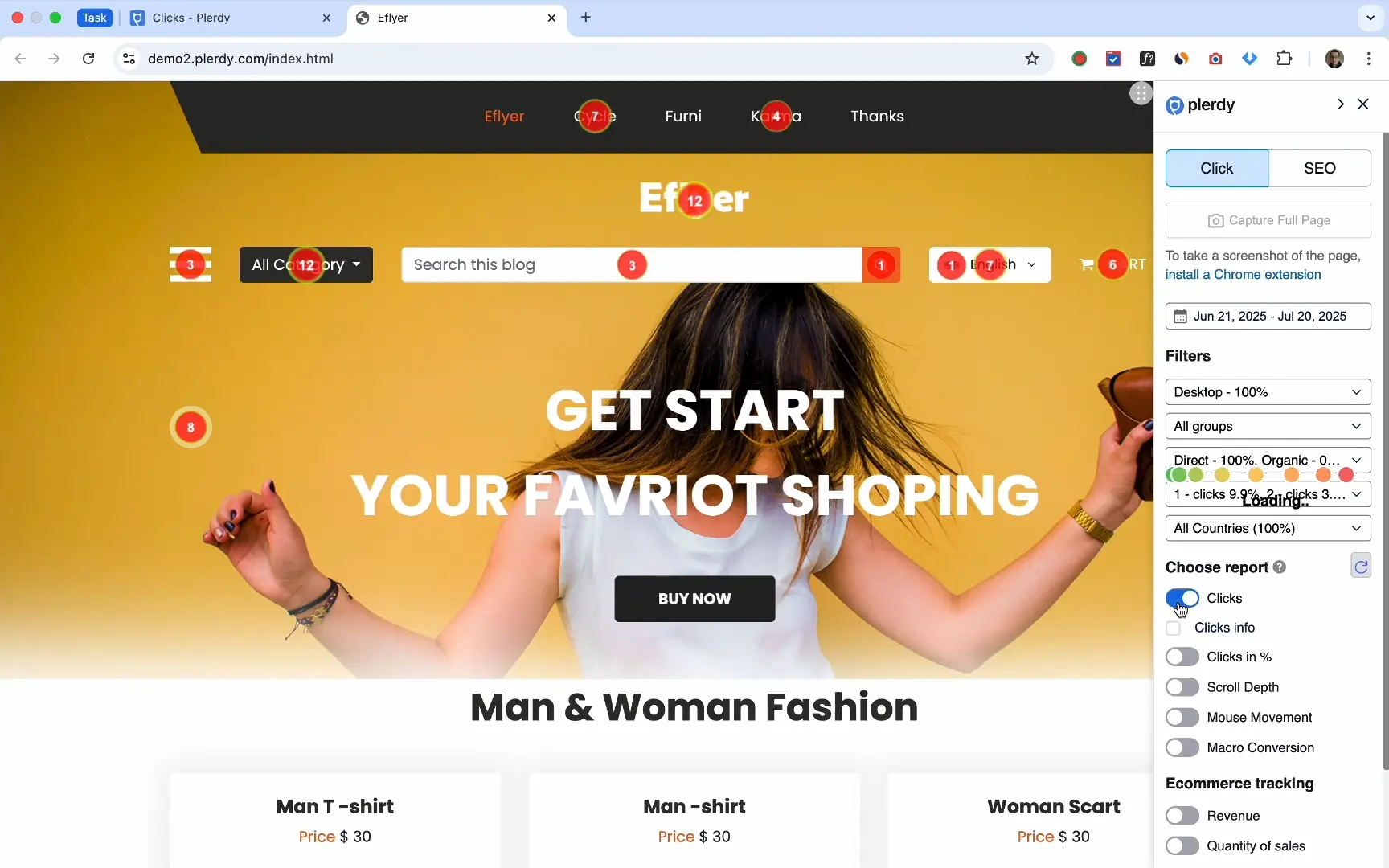
Lucky Orange and Plerdy: These tools are favored by Shopify and DTC (Direct-to-Consumer) brands. Lucky Orange offers a "Discovery" feature that uses AI to surface optimization opportunities, while Plerdy provides a comprehensive suite that includes e-commerce-specific funnel analysis and a lightweight script designed to ensure zero impact on page load speeds.
The Rise of High-Utility Free and Entry-Level Tools
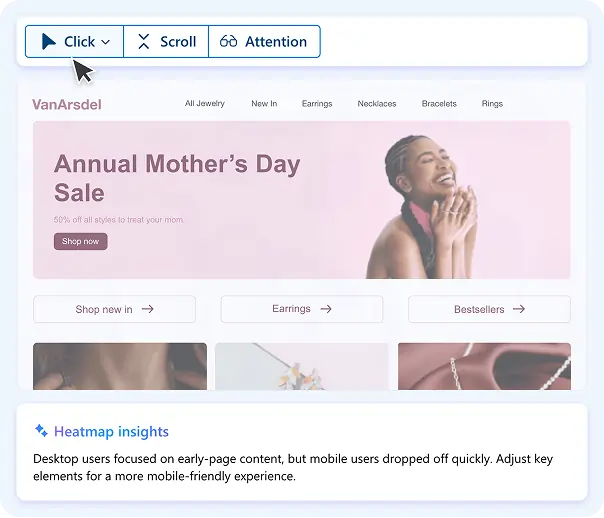
Microsoft Clarity: Perhaps the most significant disruptor in recent years, Microsoft Clarity offers a robust suite of heatmaps and session recordings entirely for free. While it lacks some of the advanced A/B testing integrations found in paid tools, its "rage click" and "dead click" detection has made it a favorite for startups and small-to-medium enterprises (SMEs) that need qualitative data without a monthly overhead.
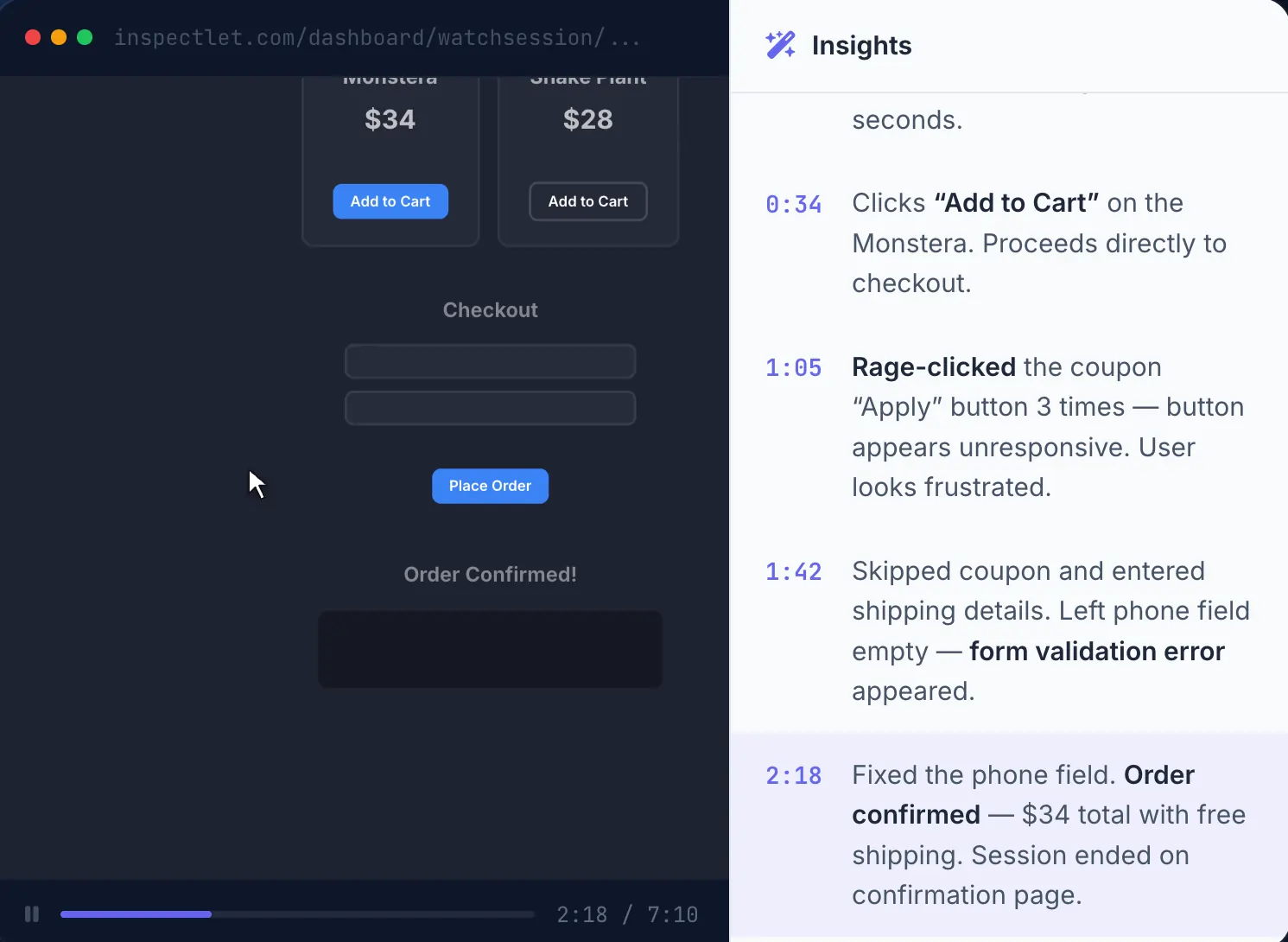
Mouseflow and Inspectlet: These tools remain industry staples by offering flexible pricing and advanced filtering. Inspectlet is particularly noted for its "eye-tracking" heatmaps, which use mouse movement as a proxy for visual attention, and its ability to handle JavaScript-heavy Single Page Applications (SPAs).
Technical Framework: How Modern Heatmaps Function
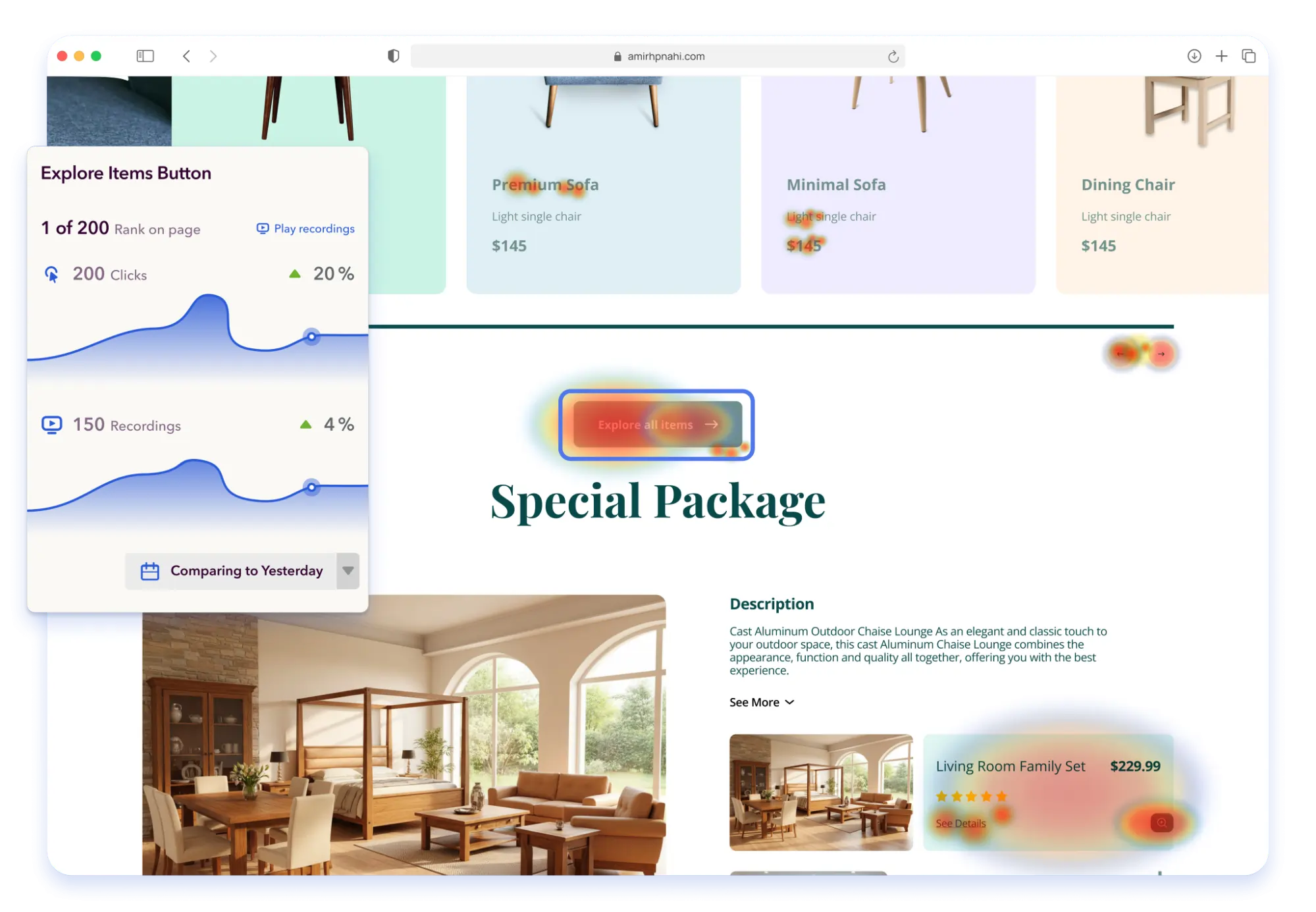
At their core, heatmap tools operate via a lightweight JavaScript snippet placed in the header of a website. This script acts as an event listener, capturing every document object model (DOM) interaction.
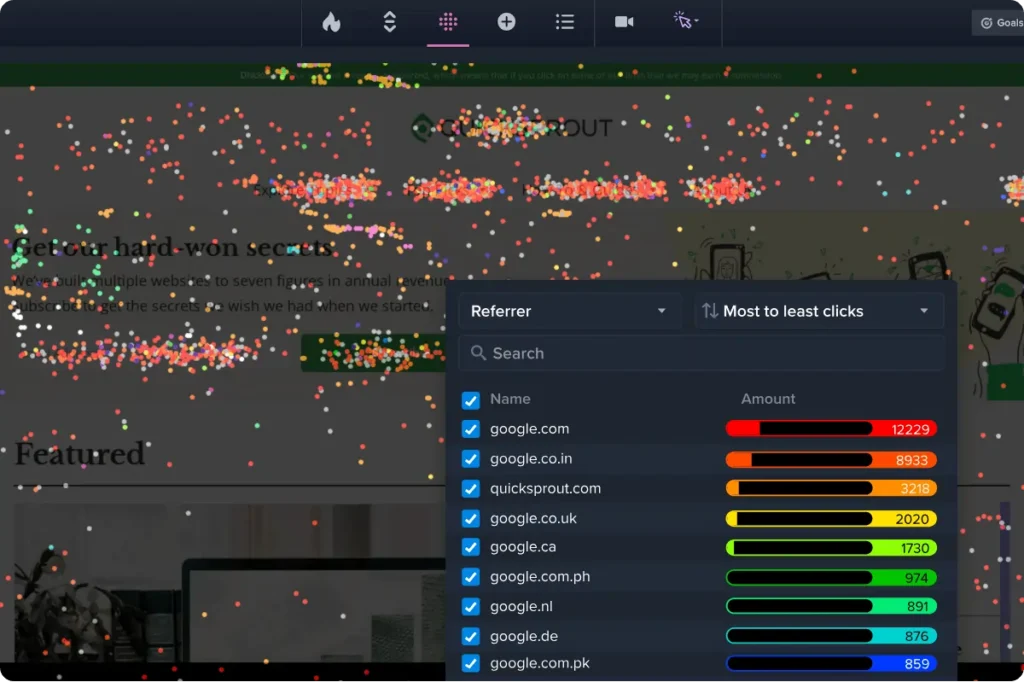
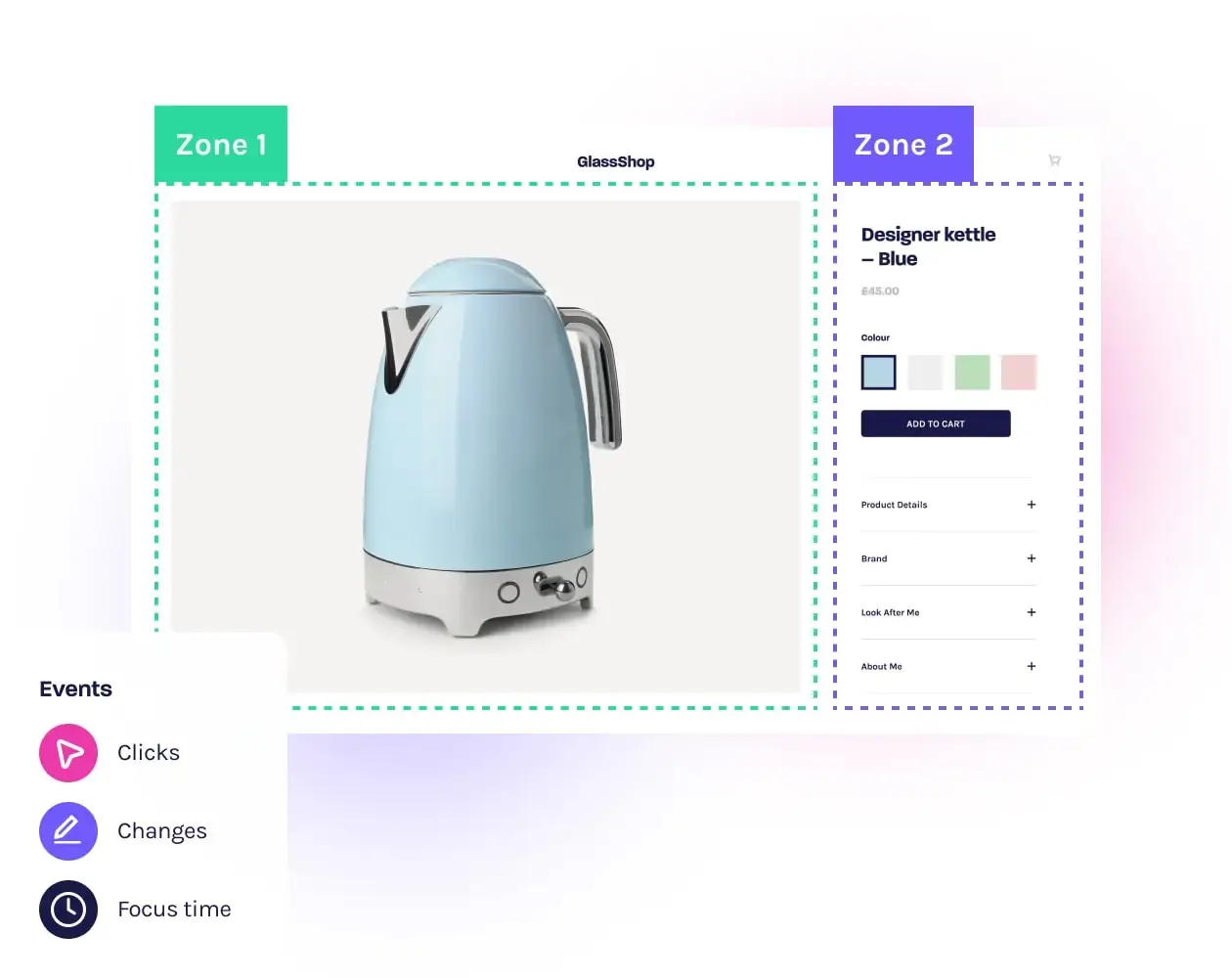
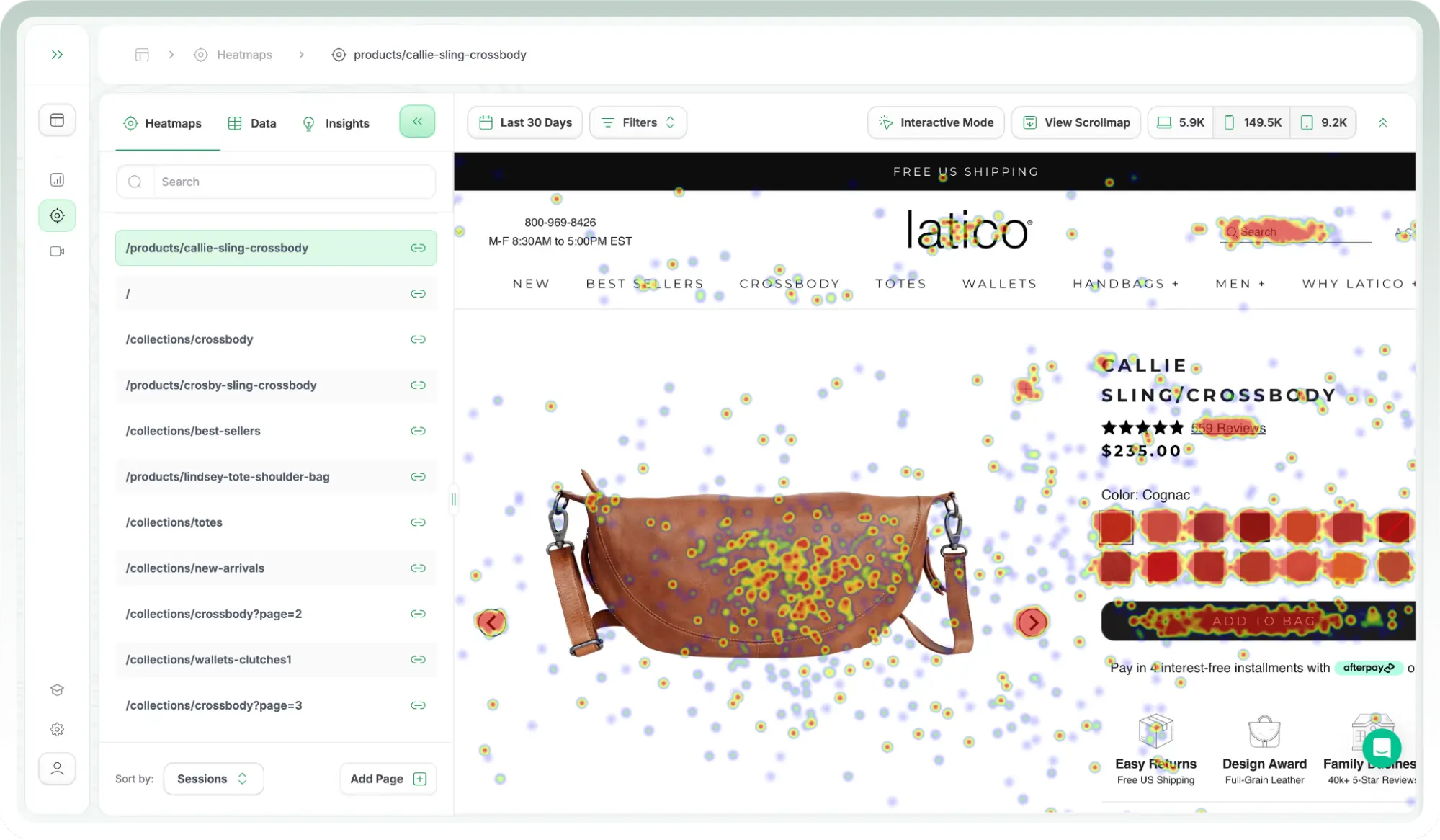
- Data Collection: The script records X and Y coordinates for every click and mouse movement, alongside scroll depth percentages.
- Aggregation: This raw data is sent to the tool’s servers, where it is aggregated across hundreds or thousands of visitors to ensure statistical significance.
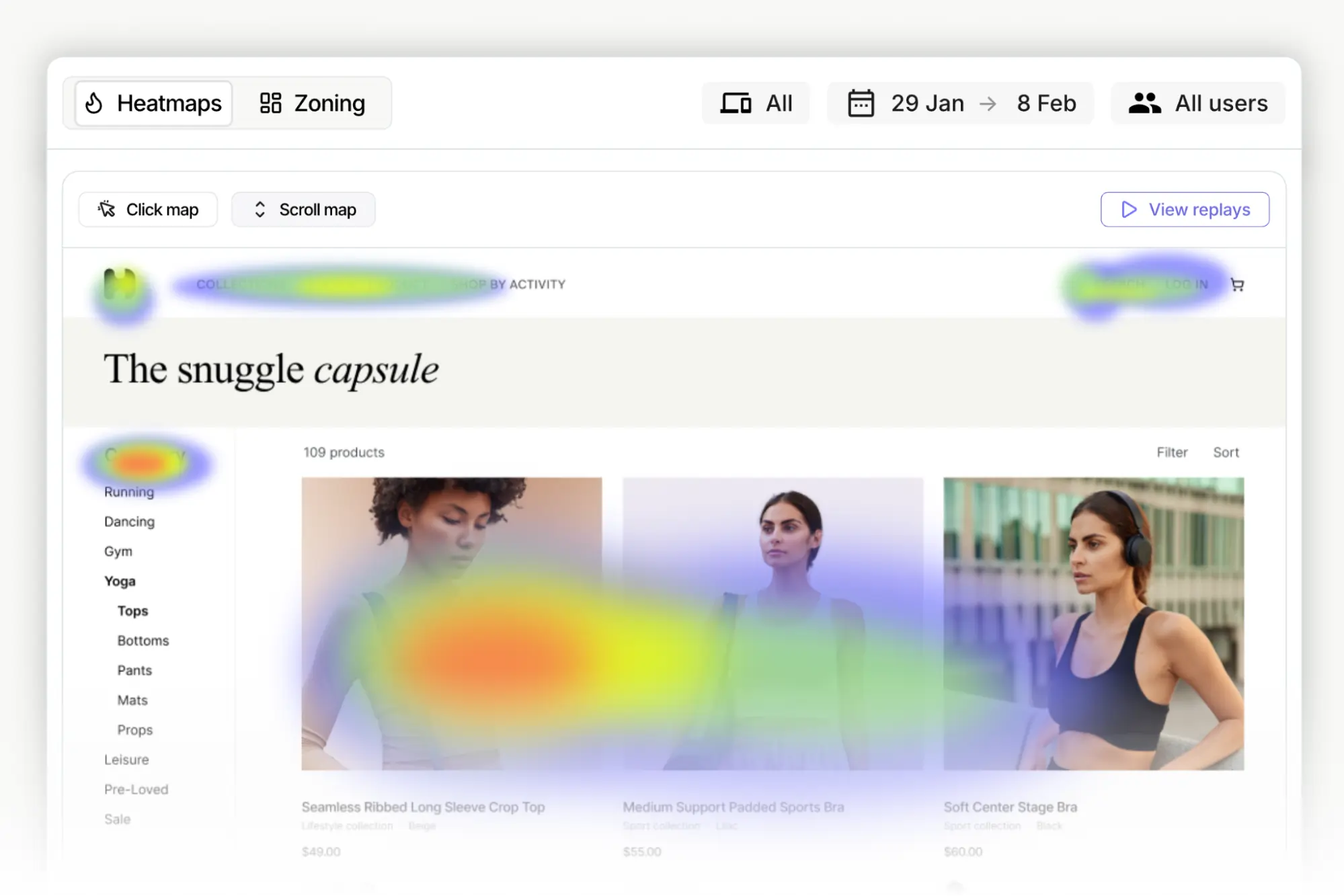
- Visualization: The software overlays this data onto a "snapshot" of the website. Warmer colors (reds and oranges) indicate high-density interaction zones, while cooler colors (blues and greens) represent ignored areas.
Modern iterations have solved the "Dynamic Page Problem." In the past, heatmaps struggled with menus that appeared on hover or pop-up modals. Today’s dynamic heatmaps render the page within an iframe, allowing the researcher to interact with the site elements while the heatmap data remains overlaid.
Industry Implications and Market Trends
The recent consolidation of the market—most notably the acquisition of Hotjar by Contentsquare—signals a trend toward "Digital Experience Platforms" (DXP). Analysts suggest that the standalone heatmap tool is becoming a rarity; instead, behavioral data is being integrated into broader marketing stacks that include AI content generation and predictive analytics.
Data Privacy and Regulatory Compliance
A critical area of focus for all heatmap vendors is the evolving landscape of data privacy. With the enforcement of GDPR in Europe and CCPA in California, tools have had to implement aggressive PII (Personally Identifiable Information) masking. Modern tools now automatically redact credit card numbers, addresses, and names from session recordings before the data ever leaves the user’s browser. This shift has turned privacy compliance from a legal hurdle into a competitive feature.

The Role of AI in Reducing "Analysis Paralysis"
One of the primary criticisms of behavioral tools has been the sheer volume of data they produce. Watching 500 hours of session recordings is a logistical impossibility for most marketing teams. The industry response has been the implementation of "Frustration Scoring." By using machine learning to identify patterns of user struggle, tools can now rank sessions by "gravity," directing researchers to the exact moments where a user encountered a bug or a confusing UI element.

Expert Perspectives on Implementation
CRO specialists argue that the most common mistake in using these tools is a lack of clear hypothesis. "A heatmap without a question is just a pretty picture," notes the consensus among industry veterans. Professional agencies typically follow a specific chronology when deploying these tools:

- Step 1: Use quantitative data (Google Analytics) to find where users are dropping off.
- Step 2: Deploy heatmaps and session recordings on those specific pages to see how they are interacting.
- Step 3: Formulate a hypothesis based on the friction points observed (e.g., "Users are clicking an unlinked image because they think it’s a button").
- Step 4: Launch an A/B test to validate the solution.
Conclusion and Future Outlook
The market for heatmap tools is projected to continue its growth as digital literacy among business owners increases. The future of the technology likely lies in "Predictive Heatmapping," where AI models trained on billions of existing sessions can predict how a user will interact with a design before it is even published.

For organizations currently selecting a tool, the decision hinges on the scale of data and the depth of integration required. While free tools like Microsoft Clarity offer an excellent starting point, enterprise-grade platforms like Convert or Glassbox provide the technical rigor and cross-platform insights necessary for high-stakes optimization. As the barrier to entry for behavioral research continues to fall, the differentiator for successful brands will not be the possession of data, but the speed and accuracy with which they translate those visual insights into a superior user experience.