The landscape of business-to-consumer (A2P) messaging has undergone significant transformation, with a critical focus on compliance, deliverability, and cost-effectiveness. As e-commerce volumes continue their upward trajectory—registering a 31% rise in 2024 and an anticipated 40% increase in 2025—the strategic choice of an SMS sending number is more crucial than ever for brands seeking to engage customers effectively. This decision, primarily revolving around long codes, short codes, and toll-free numbers, dictates not only the visual identity of your messages but also their reach, speed, and overall budgetary implications. For businesses, particularly in the competitive e-commerce sector, understanding these distinctions is paramount to optimizing their SMS marketing campaigns and ensuring regulatory adherence.
The Genesis of A2P Messaging and Regulatory Evolution
The shift from person-to-person (P2P) to application-to-person (A2P) messaging has been a defining characteristic of modern business communication. Initially, businesses often repurposed standard 10-digit long codes, traditionally used for P2P communication, for marketing purposes. However, this practice led to increased spam, inconsistent deliverability, and a lack of transparency for mobile carriers. Recognizing the need for a more structured and reliable framework, regulatory bodies and mobile network operators began to introduce specific guidelines and mechanisms for commercial SMS traffic.
One of the most significant developments in the United States was the introduction of A2P 10DLC (Application-to-Person 10-Digit Long Code). This framework, spearheaded by major carriers like AT&T, Verizon, and T-Mobile, and managed by The Campaign Registry (TCR), was designed to legitimize and regulate A2P messaging sent over standard 10-digit phone numbers. Before 10DLC, businesses using long codes for mass messaging faced severe filtering and low throughput, making it an unreliable channel for serious marketing efforts. The A2P 10DLC system, fully implemented around early 2021, mandated that businesses register their brand and specific messaging campaigns to gain carrier approval, thereby ensuring higher deliverability and increased message throughput compared to unregistered long codes. This move aimed to protect consumers from unwanted spam while providing businesses with a more robust and compliant messaging channel.
Concurrently, short codes, which have been a staple for high-volume commercial messaging for well over a decade, also saw significant changes. Historically, shared short codes, where multiple brands used the same five or six-digit number, were common. However, U.S. carriers began phasing out shared short codes in 2021, mandating that businesses transition to dedicated short codes. This decision was driven by the desire to enhance brand accountability, reduce spam, and improve overall message deliverability and security. The transition underscored a broader industry push towards greater transparency and responsibility in A2P messaging. Industry analysts at the time noted that this shift would necessitate higher investment for smaller brands but ultimately create a cleaner, more trusted messaging ecosystem for consumers.
Decoding Short Codes: The Powerhouse of High-Volume SMS
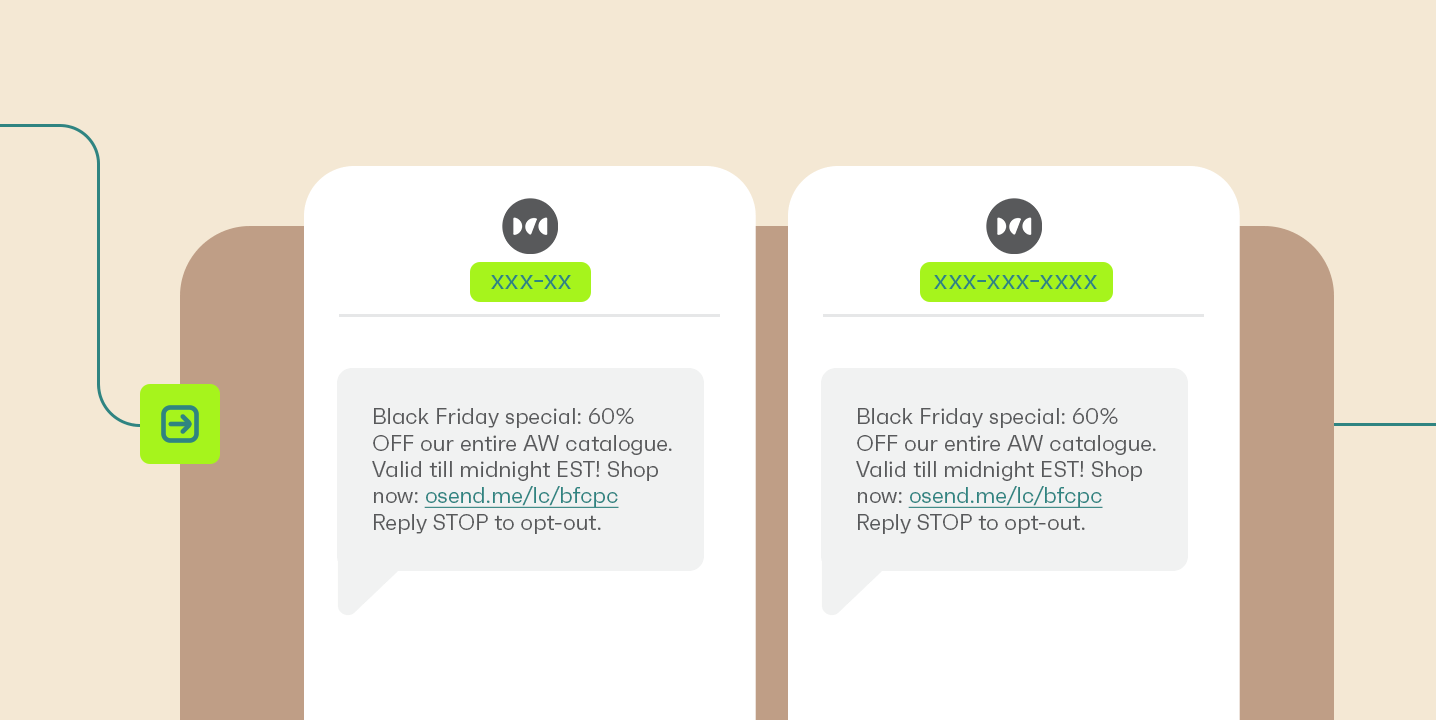
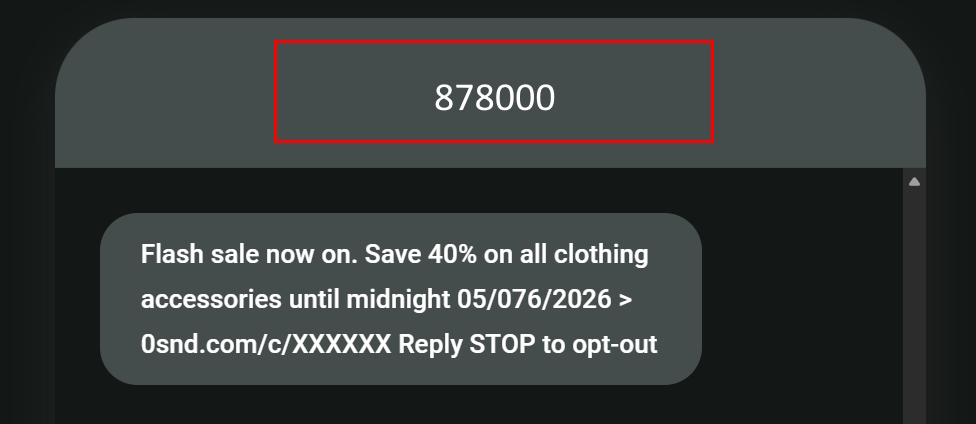
A short code is a distinctive five- or six-digit phone number specifically designated for sending high-volume commercial SMS and MMS messages within a single country. These numbers are pre-approved by SMS carriers, granting them a significant advantage in terms of deliverability and throughput. Unlike standard phone numbers, short codes operate on a dedicated messaging infrastructure, allowing them to bypass per-number rate limits that often bottleneck long codes.
Key Characteristics and Benefits:
- High Throughput: Dedicated short codes boast the highest throughput, capable of sending hundreds, often 500 or more, message segments per second. This unparalleled speed is crucial for time-sensitive campaigns like flash sales, urgent alerts, or Black Friday/Cyber Monday (BFCM) promotions, where delays can translate directly into lost revenue. If a marketing message for a two-hour flash sale takes three hours to deliver to a large subscriber base, a significant portion of the audience will receive the offer after its expiration.
- Superior Deliverability: Due to their pre-approval and dedicated carrier routes, compliant short code messages are significantly less likely to be filtered or blocked by mobile carriers. This results in superior message arrival rates, ensuring your marketing efforts reach their intended audience. According to data from industry aggregator platforms, short codes consistently demonstrate deliverability rates upwards of 98% for compliant messages.
- Brand Recognition: In countries like the United States, where sender names often do not display on SMS messages, the memorable five- or six-digit format of a short code provides instant brand recognition. This helps establish trust and familiarity with recipients.
- Two-Way Functionality: While primarily optimized for one-way mass campaigns, short codes do support two-way texting, allowing for replies and basic interactions, though this is less common than with long codes or toll-free numbers.
The Cost of Power:
The premium performance of dedicated short codes comes with a substantial financial investment. Businesses typically face monthly lease fees ranging from $500 to $1,000 in the United States, in addition to significant initial carrier setup fees which can run into thousands of dollars. These costs are separate from the per-message credit charges. The extensive carrier vetting process for short codes, which involves a detailed review of the use case, message samples, and opt-in flows, can also extend the setup time to several weeks, sometimes even months. For instance, a brand seeking a new dedicated short code might expect a timeline of 6-10 weeks for full activation, including application, vetting, and provisioning.
Ideal Use Cases:
Short codes are the preferred choice for large e-commerce brands, enterprises, and organizations that consistently send over 100,000 texts per month to a broad subscriber base. Their high throughput and deliverability are indispensable for managing extensive promotional campaigns, critical alerts, and high-volume automated messages where speed and reach are non-negotiable.
A2P 10DLC Long Codes: Local Presence Meets Commercial Intent
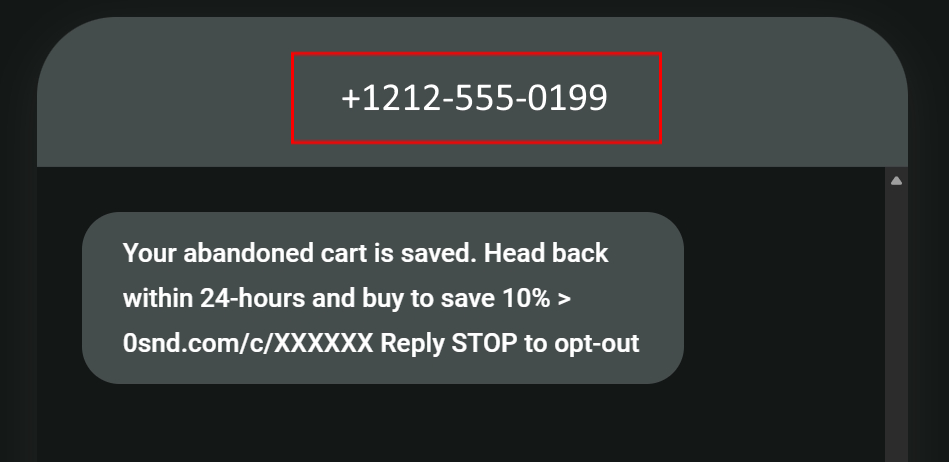
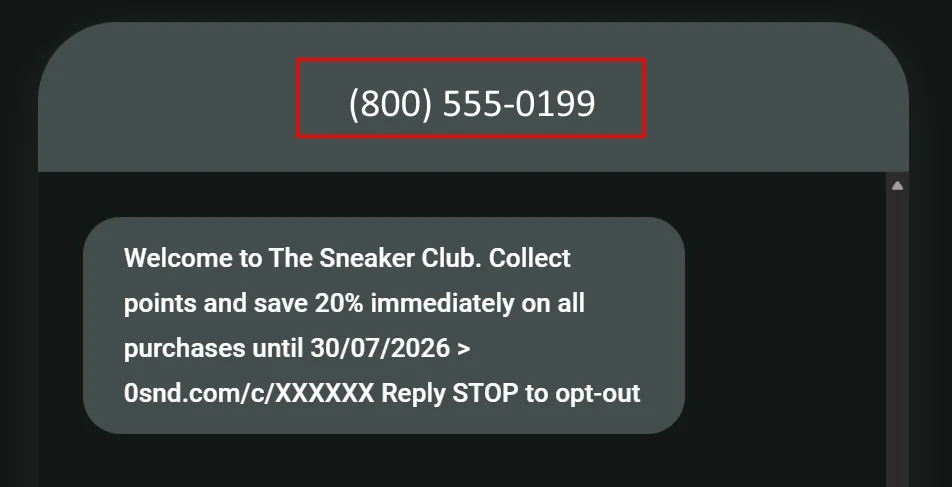
Long codes are standard 10-digit phone numbers, visually indistinguishable from personal mobile numbers, complete with a local area code. However, for commercial use, these numbers must be registered under the A2P 10DLC framework with The Campaign Registry. This registration is a critical differentiator, transforming a standard phone number into a legitimate channel for business messaging.
The A2P 10DLC Framework:
The Campaign Registry (TCR) acts as a central authority, allowing businesses to register their brand identity and specific messaging campaigns (e.g., marketing, transactional, two-factor authentication). This registration process involves submitting details about the company, its tax ID (EIN), and a clear description of the messaging content and opt-in methods. Based on this information, TCR assigns a "trust score" to the brand and campaign, which directly influences the message throughput and deliverability. Brands with higher trust scores (e.g., established businesses with compliant messaging history) receive higher message per second (MPS) rates. For example, a low-volume, low-trust campaign might be limited to 1-5 MPS, while a high-volume, high-trust campaign could achieve up to 75 MPS.
Key Characteristics and Benefits:
- Cost-Effectiveness: Long codes are significantly less expensive than short codes. They typically incur a one-time or annual fee for 10DLC registration (ranging from tens to hundreds of dollars annually), with no recurring monthly lease fees for the number itself. This makes them highly accessible for small to medium-sized businesses.
- Local Presence: The inclusion of a local area code allows businesses to establish a regional presence, which can foster greater trust and familiarity with customers in specific geographical areas. This is particularly beneficial for local businesses or those with a geographically segmented customer base.
- Enhanced Trust for Conversations: Because they resemble standard phone numbers, 10DLC long codes are often perceived as more personal and trustworthy for two-way conversations. This makes them ideal for customer service inquiries, appointment reminders, and personalized interactions.
- Improved Throughput (Post-Registration): While not matching short code speeds, A2P 10DLC registration significantly increases throughput compared to unregistered long codes. Depending on the brand’s trust score and campaign type, throughput can range from a few messages per second to up to 75 messages per second, making them viable for many e-commerce marketing needs. This represents a significant improvement from the near-zero deliverability of unregistered long codes for A2P traffic prior to 2021.
Compliance and Setup:
A2P 10DLC registration is mandatory for commercial SMS in the U.S. Failure to register results in severe message filtering, potential blocking, and non-compliance penalties, including potential fines from carriers. The approval process for 10DLC registration typically takes two to four weeks, requiring careful attention to detail in submitting company and campaign information. Companies like Omnisend often provide guidance or managed registration services to simplify this complex process for their clients.
Ideal Use Cases:
Long codes are best suited for e-commerce stores with smaller subscriber lists (e.g., under 10,000) that prioritize local presence, conversational messaging, and cost efficiency. They are excellent for personalized customer interactions, local promotions, and moderate-volume automated campaigns where immediate, mass delivery isn’t the primary concern.
Toll-Free Numbers: The Versatile Middle Ground
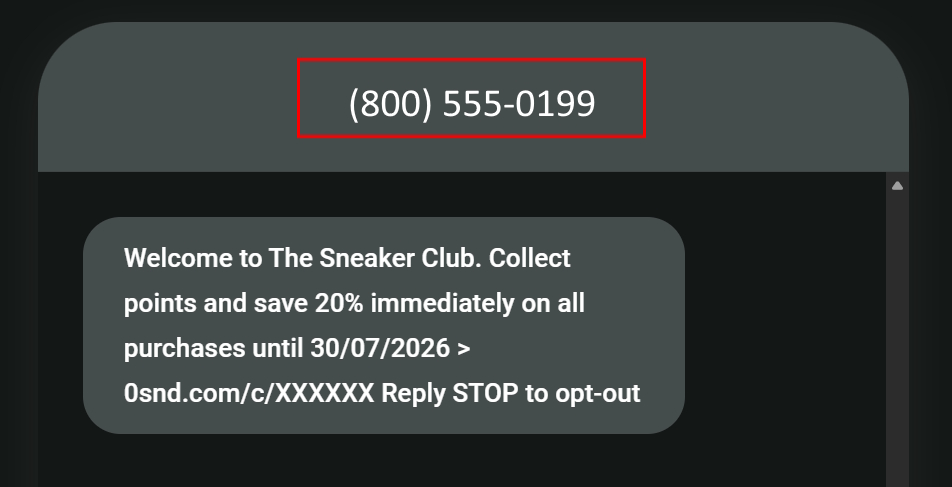
Toll-free numbers are 10-digit phone numbers characterized by prefixes like 800, 877, 888, 866, 855, 844, or 833. Traditionally used for voice calls where the recipient bears the cost, these numbers have evolved to become a highly effective channel for A2P SMS messaging. They offer a compelling balance between the cost-effectiveness of long codes and the higher performance capabilities of short codes.
Key Characteristics and Benefits:
- Professional Branding: The toll-free prefix immediately identifies the number as a business line, lending a professional and national brand image without the high cost of a short code. This is particularly valuable for businesses targeting a national audience where a local area code might be less relevant.
- Balanced Throughput: Toll-free numbers offer higher throughput than 10DLC long codes, often handling over 100 messages per second, because verified toll-free numbers are routed through dedicated business messaging paths by carriers. This makes them suitable for mid-volume sends and offers a good balance for growing businesses.
- Robust Two-Way Communication: Toll-free numbers are excellent for two-way communication, making them ideal for customer support, order inquiries, post-purchase surveys, and other interactive scenarios. They provide a reliable channel for back-and-forth conversations without the perceived "personal" nature of a local long code.
- Cost-Effective for Mid-Volume: For small to mid-volume e-commerce send