The global digital advertising landscape has reached a critical inflection point where high visibility no longer guarantees high profitability, according to a comprehensive survey of 1,440 marketers conducted by Instapage. While 87% of modern marketing teams continue to rely on the "duopoly" of Google and Meta Ads, the study reveals a significant performance gap: only 44% of respondents identified Google as their top-performing platform, while a mere 25% cited Facebook. This disconnect highlights a growing industry crisis where the cost of acquiring traffic is rising faster than the efficiency of converting it. As the average cost per lead (CPL) climbed from $66.69 in 2024 to $70.11 in 2025, the focus for 2026 has shifted decisively toward what happens after the click.
The State of Digital Advertising: Rising Costs and Performance Gaps
The primary challenge facing advertisers in 2026 is the erosion of Return on Ad Spend (ROAS) due to technical friction and message mismatch. Research into website speed statistics indicates that a single-second delay in mobile page load time can reduce conversion rates by up to 20%. Despite this, the average landing page still takes approximately four seconds to load on mobile devices, leading to a scenario where businesses pay premium prices for clicks that bounce before the content even renders.

Industry analysts suggest that the era of "set it and forget it" advertising is over. The rising CPL necessitates a more surgical approach to platform selection and a rigorous focus on the post-click experience. Marketers are now forced to reconcile the high-intent nature of search advertising with the massive scale of social platforms, all while navigating a privacy-first environment that has fundamentally altered how tracking and attribution function.
Evolution of the Platform Mix: From Search to Social and Beyond
The chronology of digital advertising over the last decade shows a steady migration from simple display banners to sophisticated, AI-driven ecosystems. In 2026, the market is characterized by a "triple threat" of established search giants, rapidly growing social platforms, and specialized retail media networks.
Search Advertising: High Intent and Declared Needs
Google Ads remains the foundational pillar for most digital strategies, capturing users at the moment of declared intent. With access to over 90% of global search traffic, Google’s ecosystem—spanning Search, Display, YouTube, and Shopping—offers unparalleled reach. However, the platform’s "Quality Score" mechanism has become increasingly stringent, rewarding advertisers who maintain high relevance between their keywords, ad copy, and landing pages.
Microsoft Advertising (Bing) has emerged as a high-value alternative, particularly for B2B and older demographic targeting. Recent market data suggests that CPCs on Microsoft Advertising can be 30% to 50% lower than Google Ads for identical keywords. By reaching users across Bing, Yahoo, and AOL, Microsoft allows advertisers to capture intent-driven traffic in a less competitive environment, often resulting in a lower overall cost of acquisition.
Social Media: Discovery and Audience Modeling
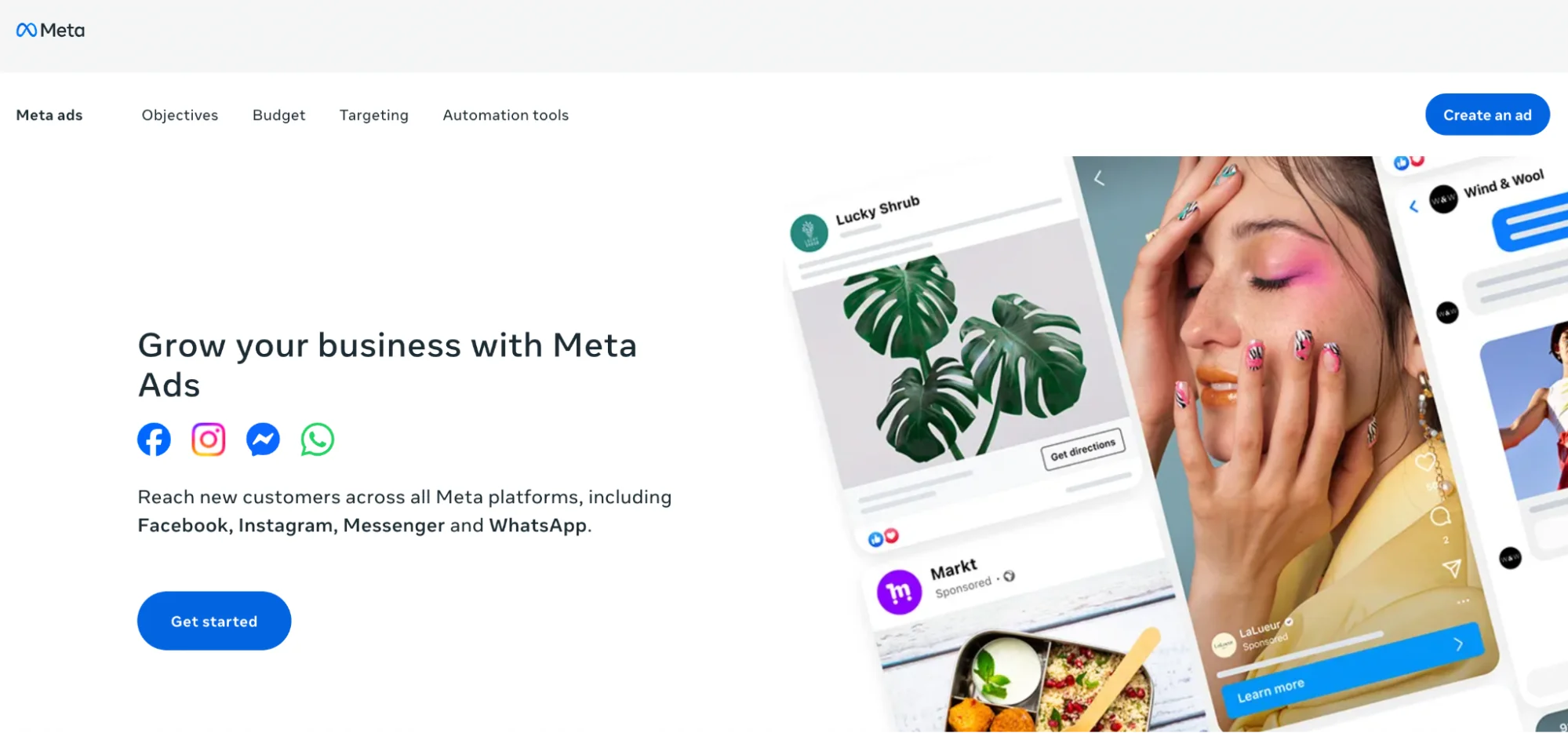
Meta Ads (Facebook and Instagram) continues to lead the social category due to its sophisticated audience modeling. Despite the privacy changes introduced by Apple’s App Tracking Transparency (ATT), Meta has pivoted toward "Advantage+" automation and broader targeting to maintain performance. While 80% of marketers utilize Instagram, the low percentage of those naming it a "top performer" suggests that many brands struggle to convert passive discovery into active sales.
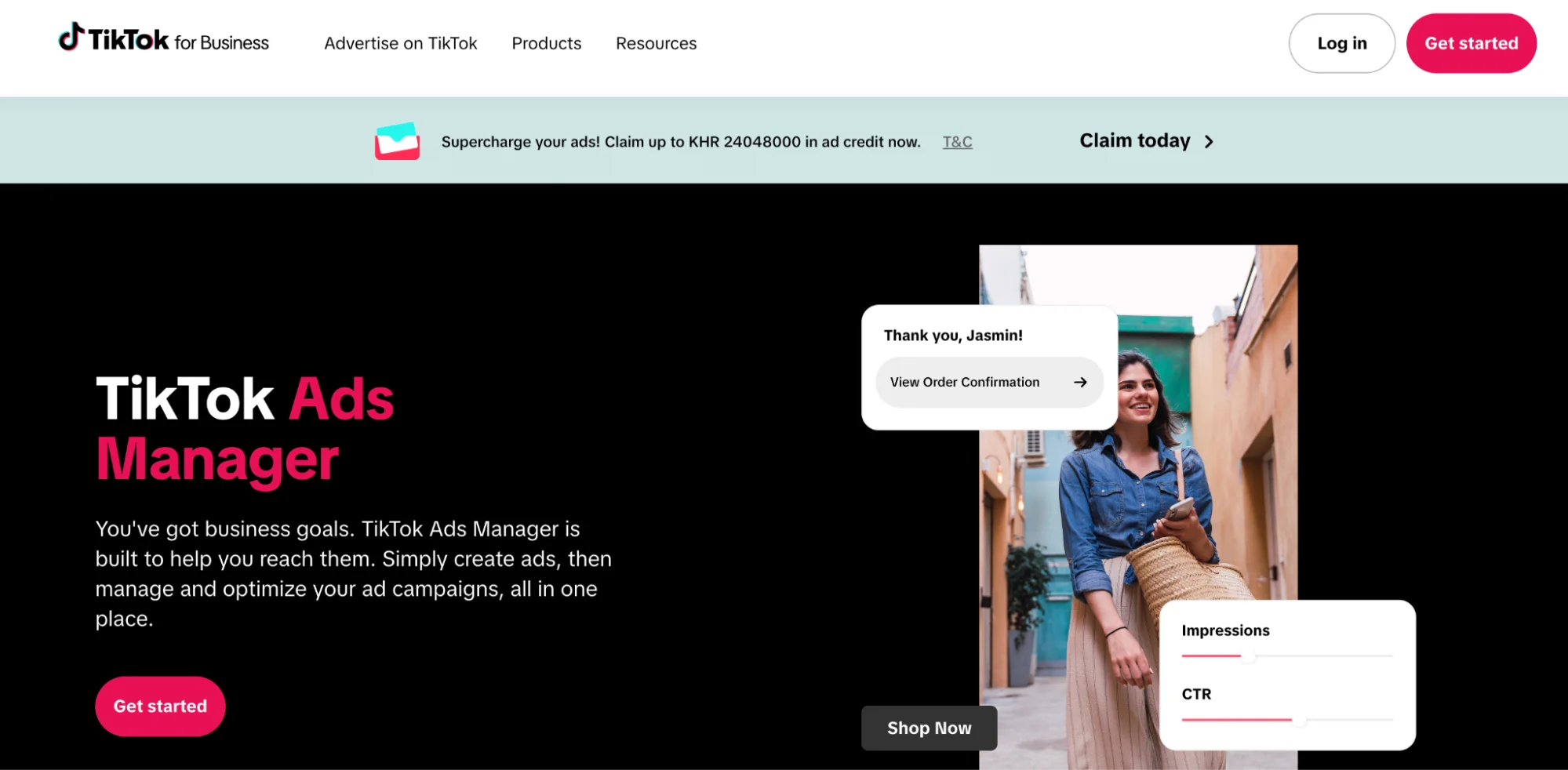
In contrast, TikTok Ads represents the fastest-growing segment of the market. Approximately 25% of marketers surveyed by Instapage indicated plans to adopt TikTok in the near future. The platform’s algorithm, which prioritizes engagement over follower counts, offers a unique "native" advertising opportunity where brand-forward content can achieve organic-style reach. Analysts note that TikTok is particularly effective for impulse purchases and Gen Z engagement, provided the creative content avoids traditional "commercial" aesthetics.
Niche and Emerging Advertising Channels
As the primary platforms become more crowded, savvy marketers are diversifying into specialized networks that offer higher relevance for specific industries.
B2B and Professional Services
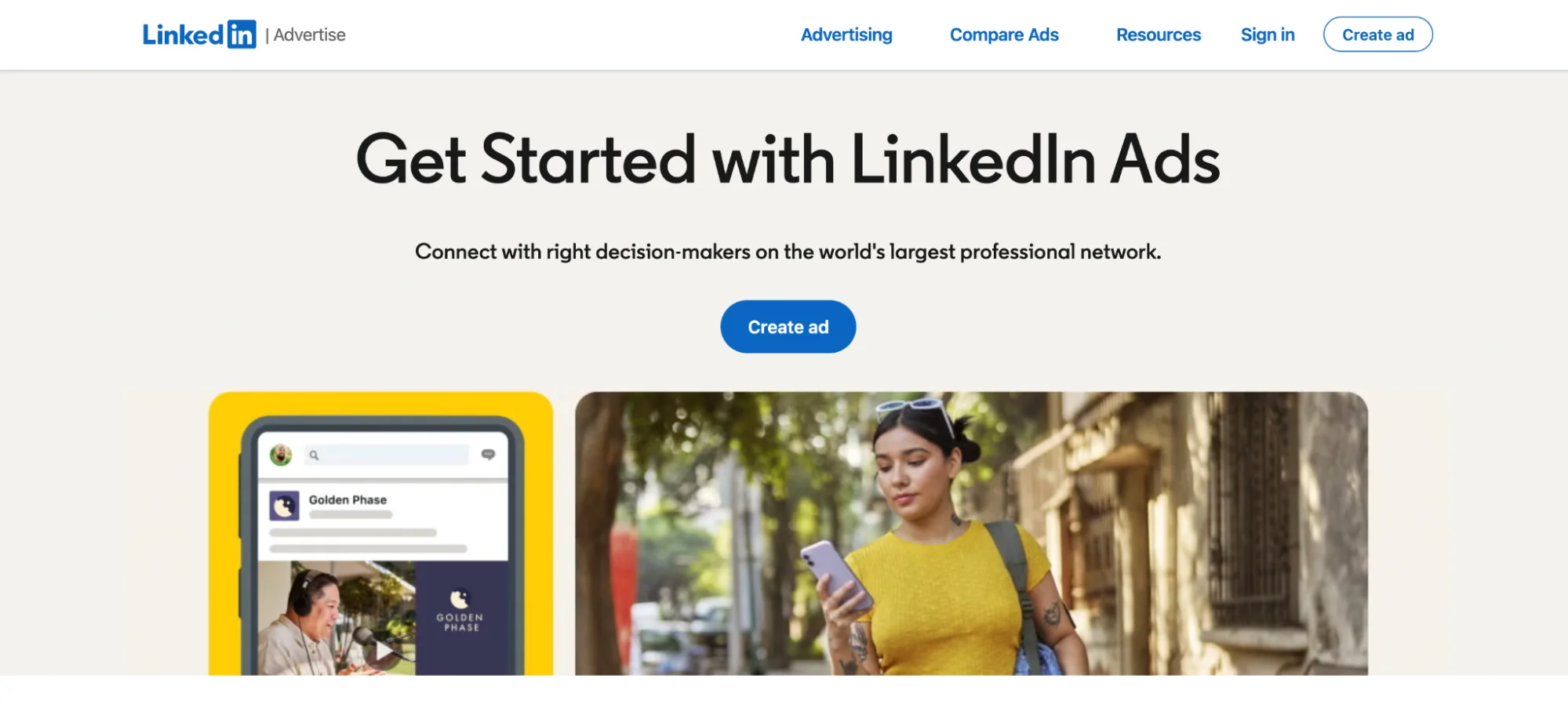
LinkedIn Ads remains the dominant force for B2B advertising. By allowing targeting based on professional attributes such as job title, company size, and industry, it reaches decision-makers in a business-centric mindset. Although the CPC on LinkedIn is traditionally higher than on Meta or TikTok, the lead quality often justifies the investment for high-ticket SaaS or professional services.
Visual Discovery and Planning
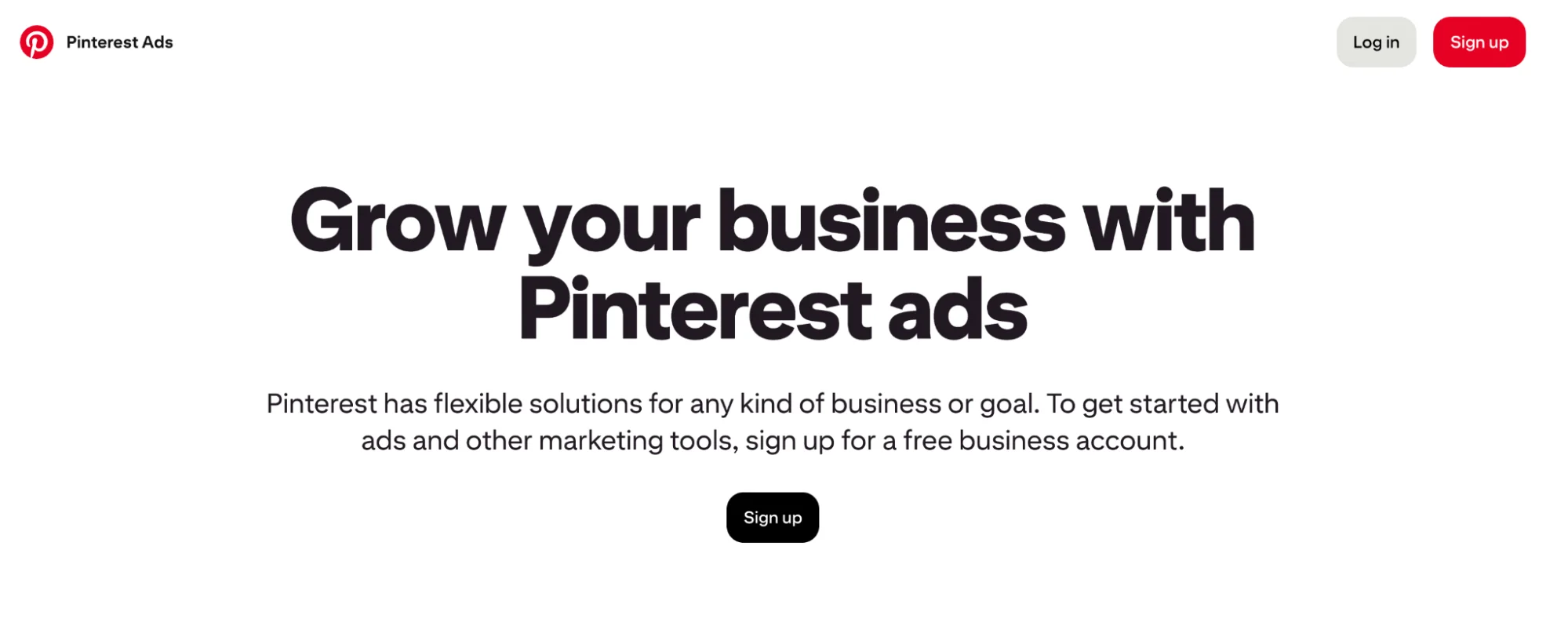
Pinterest Ads occupies a unique space in the "planning" phase of the customer journey. Users often turn to Pinterest for home decor, fashion, and wedding planning, placing them in a discovery mindset before a specific brand has been chosen. The longevity of Promoted Pins allows for a sustained ROI that exceeds the typical lifespan of a social media post.
Retail Media Networks (RMNs)
Amazon Ads has transformed from a simple search tool within a store to a global advertising powerhouse. Advertisers on Amazon report an average of 34% sales growth within four weeks of launching Sponsored Products campaigns. By reaching shoppers at the absolute bottom of the funnel, Amazon minimizes the friction between discovery and purchase, though it requires brands to manage the complexities of inventory and on-platform fulfillment.
The Post-Click Revolution: Why Traffic is Only Half the Battle
The data from 2024 and 2025 indicates that the most successful advertisers are no longer those with the largest budgets, but those with the most efficient conversion funnels. The "Post-Click" experience—the journey from the moment an ad is clicked to the completion of a conversion—is where the majority of advertising budget is either realized or wasted.
The Problem of Message Mismatch
A significant contributor to poor ROAS is "message mismatch," where the promise of the ad does not align with the reality of the landing page. If an ad promotes a specific discount or product feature, but the landing page is a generic corporate homepage, the visitor experiences cognitive dissonance. This friction leads to immediate bounces, driving up the effective cost per conversion.
The Impact of Mobile Latency
In 2026, mobile traffic accounts for the vast majority of ad clicks. The 20% conversion drop associated with a one-second delay is not merely a technical statistic; it is a direct financial penalty. Modern advertising requires landing pages that are stripped of heavy, non-essential scripts and optimized for near-instantaneous loading.
Privacy, Consent, and the First-Party Data Mandate
The regulatory environment of 2026 has fundamentally changed the "how" of online advertising. With the phase-out of third-party cookies in major browsers like Chrome and the continued enforcement of GDPR (Europe), CCPA (California), and LGPD (Brazil), the industry has shifted toward a first-party data model.
Consent Management
Advertisers are now required to implement robust Consent Management Platforms (CMPs). Failure to document explicit user consent for tracking not only risks heavy regulatory fines but also leads to data gaps in ad platform algorithms. Without reliable signals, the AI-driven optimization tools used by Google and Meta cannot function effectively.
The Value of First-Party Data
To combat the loss of third-party tracking, brands are increasingly focusing on "lead magnets" and account creations to build their own databases. By collecting emails and phone numbers directly, businesses can create "Lookalike" audiences and utilize Server-Side tracking (such as Meta’s Conversions API) to maintain attribution accuracy without relying on browser-based cookies.
Strategic Decision Framework for Platform Selection
Choosing the right advertising mix in 2026 requires a structured evaluation of goals, audiences, and resources. Industry experts recommend a five-step framework:
- Goal Alignment: High-intent sales should prioritize Google or Amazon, while brand awareness is better suited for Meta or TikTok.
- Audience Mapping: B2B targets should be funneled through LinkedIn; visual and aspirational products belong on Pinterest.
- Creative Capacity: Platforms like TikTok and YouTube require high-quality video production, whereas Google Search relies on copywriting and keyword research.
- Budget Control: Smaller budgets may find better ROAS on lower-competition platforms like Microsoft Advertising or niche native networks like Taboola and Outbrain.
- Measurement Maturity: Advertisers should only expand to a new platform if they have the tracking infrastructure to measure its specific impact on the bottom line.
Analysis of Broader Implications
The shift in digital advertising reflects a broader trend toward "Conversion Rate Optimization" (CRO) as a core competency of the marketing department. As platforms become more automated, the competitive advantage shifts away from "media buying" (which the AI now handles) and toward "experience design."
The rise of programmatic platforms like The Trade Desk allows enterprise-level advertisers to manage omnichannel campaigns across Connected TV (CTV), audio, and display from a single interface. However, for the average mid-market business, the focus remains on mastering two or three core channels and ensuring that every click is met with a dedicated, personalized, and fast-loading landing page.
In conclusion, the advertising landscape of 2026 is one where the cost of entry is high, but the rewards for precision are greater than ever. By bridging the gap between the ad click and the conversion through message matching, mobile optimization, and first-party data strategies, brands can overcome the rising costs of the major platforms and achieve sustainable growth. The evidence is clear: the most profitable marketers are no longer just "buying ads"—they are "building experiences."