The digital marketing landscape is currently undergoing a fundamental shift as organizations face the dual challenges of tightening budgets and the rapid ascent of artificial intelligence in search technology. In response to these evolving market conditions, Instapage, a leading landing page platform, has announced the launch of a new AI-powered Schema Markup feature. This tool is designed to bridge the gap between aesthetic web design and technical search engine optimization (SEO), allowing brands to communicate more effectively with both traditional search engines and modern AI discovery engines.
As organic search results become increasingly competitive, the ability for a brand to secure "rich snippets" or appear in AI-generated answers has become a primary driver of growth. Industry analysts note that the brands winning these high-value placements are not necessarily those with the largest advertising spend, but rather those that provide the most legible data structures to web crawlers. Instapage’s new integration aims to democratize this technical advantage by automating the creation and validation of structured data, traditionally a task requiring specialized development knowledge.
The Evolution of Search and the Role of Structured Data
For over a decade, search engines like Google and Bing have relied on a standardized vocabulary known as Schema.org to understand the context of web content. While a human user sees a landing page with a price, a testimonial, and a date, a search engine sees a collection of pixels and text strings unless structured signals are present. Schema markup provides these signals, explicitly defining for the system who the organization is, the specific details of a product, and the relevance of the page to a user’s intent.
The emergence of AI-driven search assistants, such as Perplexity, OpenAI’s SearchGPT, and Google’s Gemini-powered Search Generative Experience (SGE), has heightened the importance of these signals. These AI systems do not merely index keywords; they attempt to synthesize information to answer complex queries. Without structured data (JSON-LD), even the most visually compelling and fast-loading landing pages risk remaining "invisible" to the algorithms that curate these AI responses.
Technical Specifications of the Instapage Schema Tool
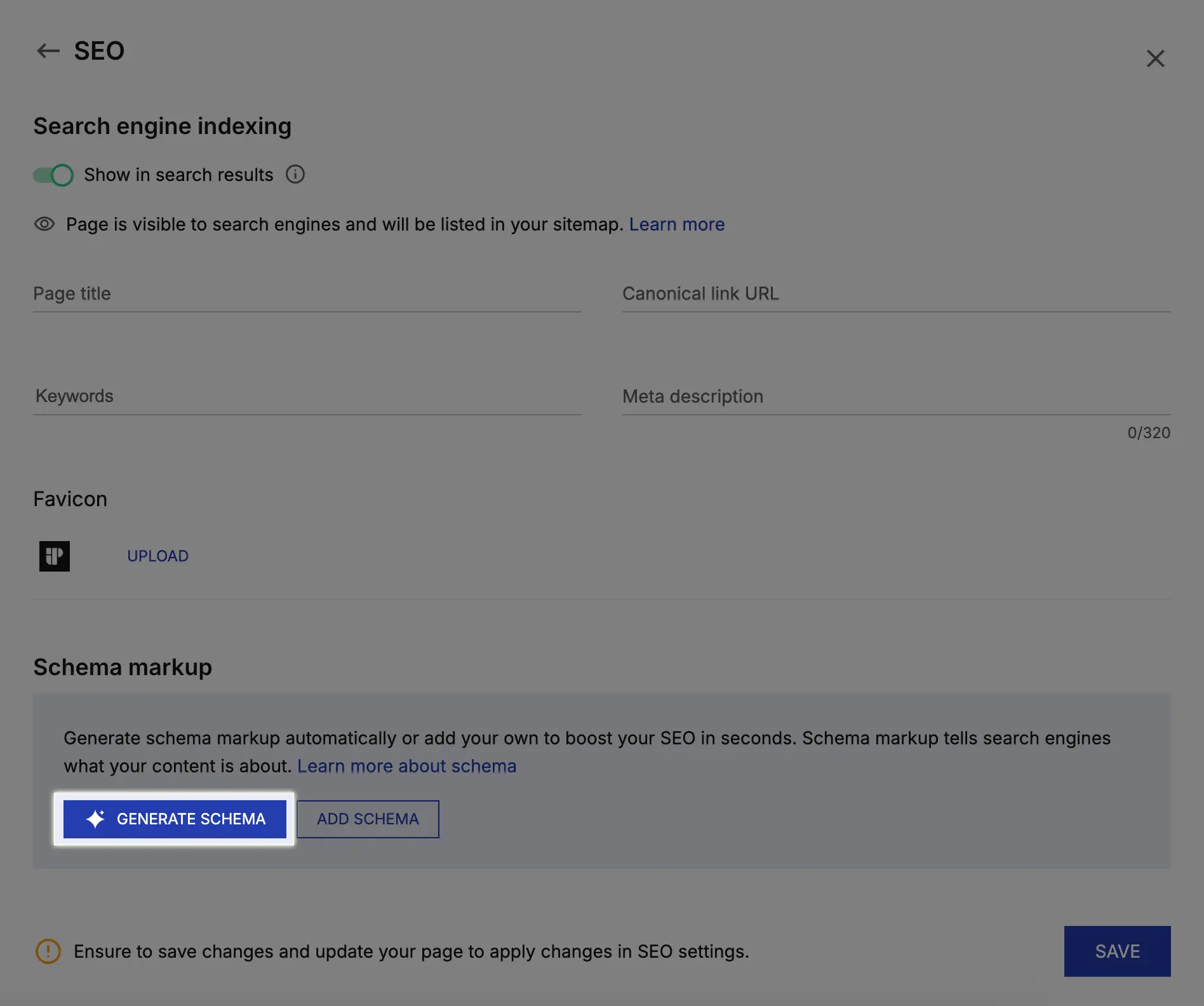
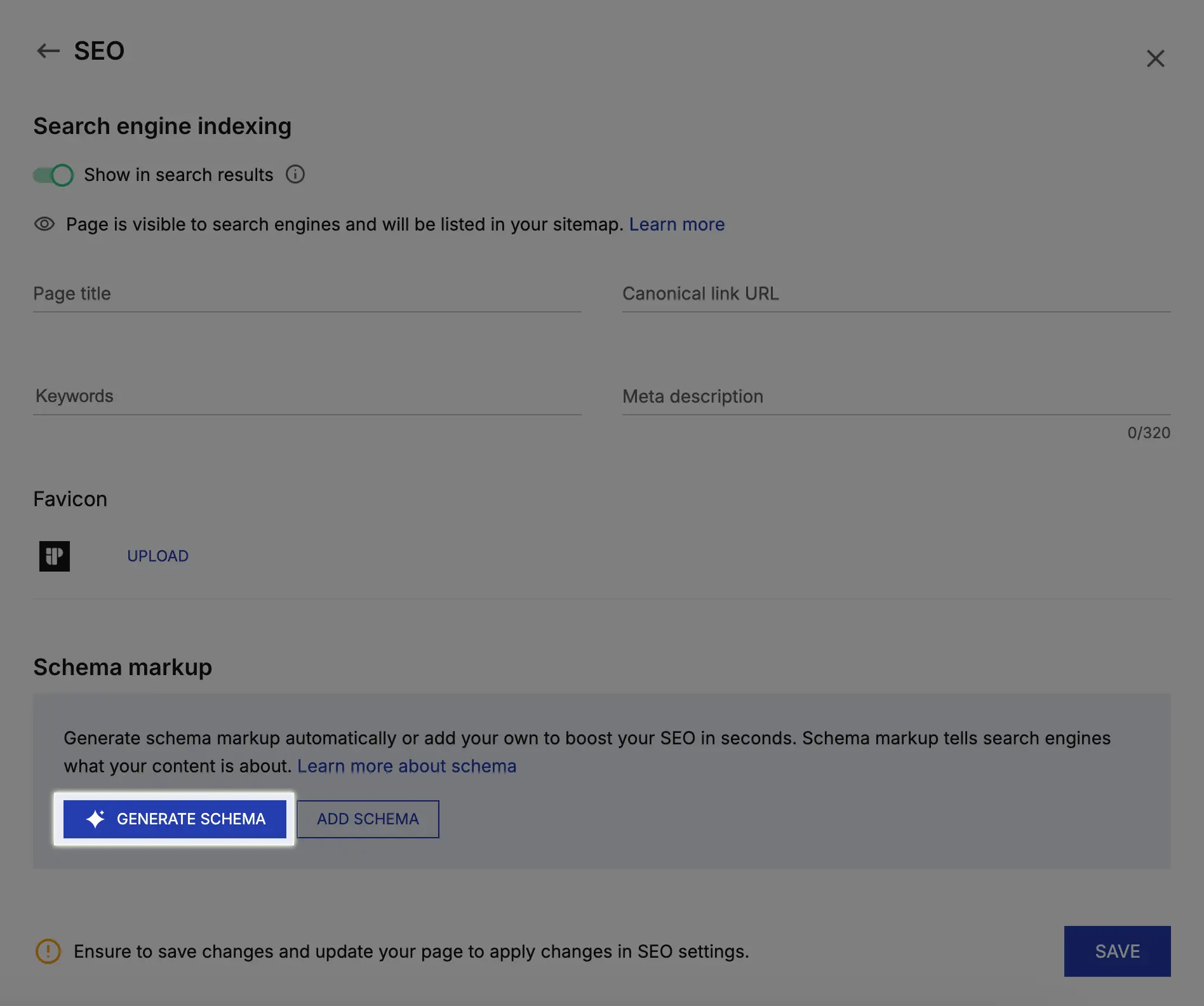
The new feature within the Instapage ecosystem allows users to generate, validate, and publish structured data directly from the page settings menu. This workflow eliminates the traditional "back and forth" between marketing teams and web developers, which has historically been a bottleneck for rapid SEO deployment.
The platform utilizes artificial intelligence to analyze the existing content on a landing page and suggest the most appropriate schema types. Users can choose from a variety of common schema categories, including:
- Organization: Providing definitive data about a company’s identity and branding.
- Product: Detailing price, availability, and review ratings to trigger rich results in shopping carousels.
- FAQPage: Highlighting frequently asked questions, which can significantly expand a page’s vertical real estate on a search engine results page (SERP).
- LocalBusiness: Assisting with geographic-based searches by providing address and contact information.
- Event: Ensuring that dates, times, and locations are correctly indexed for event discovery platforms.
A critical component of the new feature is the "Auto-detect" option. This function employs machine learning to scan the landing page’s copy and layout, automatically generating the correct JSON-LD (JavaScript Object Notation for Linked Data) markup. Furthermore, the tool includes a built-in validation step, ensuring the code meets the rigorous standards required by Google’s Rich Results Test before the page is published.

Chronology of SEO Development and Industry Context
The move by Instapage follows a broader industry trend toward "Technical SEO for non-technical users." To understand the significance of this launch, one must look at the timeline of search evolution:
- 2011: Google, Bing, and Yahoo! collaborate to create Schema.org to provide a shared standard for structured data.
- 2015: Google begins prioritizing mobile-friendliness and structured data as primary ranking signals.
- 2020-2022: The rise of "Zero-Click Searches," where users find their answers directly on the SERP without clicking through to a website, makes rich snippets essential for brand visibility.
- 2023: The explosion of Large Language Models (LLMs) changes how information is retrieved, with AI systems preferring structured data to train and refine their answers.
- 2024: Marketing budgets see a global tightening, forcing a shift from paid acquisition to organic efficiency and AI-readiness.
By integrating schema generation into the landing page creation process, Instapage is addressing a market where agility is a competitive necessity. In previous years, implementing schema for a campaign might take several days of coordination with a technical team. The new Instapage interface reduces this timeframe to under five minutes.
Supporting Data: The Impact of Schema on Marketing ROI
Data from various SEO research firms underscores the financial imperative of structured data. According to a study by Milestone Research, businesses that implement schema markup see an average increase in click-through rates (CTR) of up to 30%. Because rich snippets—such as star ratings, prices, and event dates—make a search result more visually appealing and informative, they naturally draw more user engagement than plain text links.
Furthermore, as search engines move toward "Entity-Based Indexing," structured data helps build a brand’s presence in the Knowledge Graph. This is particularly vital for conversion-focused landing pages. For instance, an e-commerce landing page with Product Schema is significantly more likely to appear in the "Popular Products" or "Shopping" tabs of a search engine, effectively providing "free" advertising space that would otherwise require a significant PPC (Pay-Per-Click) budget.
Strategic Implications for Different Business Models
The application of Instapage’s new feature varies across business sectors, each benefiting from specific schema implementations:
Lead Generation and Personal Branding: For consultants and speakers, the "Person" and "Organization" schema types ensure that their professional credentials and affiliations are correctly linked across the web, strengthening their "E-E-A-T" (Experience, Expertise, Authoritativeness, and Trustworthiness) scores—a metric Google uses to evaluate content quality.
E-commerce and Retail: For brands launching specific product promotions, the "Product" schema allows for the real-time display of stock levels and promotional pricing directly within search results, reducing friction in the buyer’s journey.
Local Services: Businesses such as clinics, law firms, or fitness studios can utilize "LocalBusiness" schema to ensure they appear in the "Map Pack" or "Local Pack," which often appears at the very top of mobile search results.
Educational and Information Services: By using the "FAQPage" schema, marketers can answer common customer objections before the user even clicks the link, pre-qualifying leads and increasing the likelihood of conversion once the user arrives on the page.
Analysis of Market Response and Future Outlook
Marketing technology analysts suggest that the integration of AI into SEO workflows is no longer optional. "We are entering an era where ‘Search’ is becoming ‘Answer Engines,’" says one industry expert. "If your data isn’t structured, you’re essentially speaking a language the AI can’t understand. Instapage’s move to automate this via JSON-LD is a pragmatic response to a very technical problem."
The broader implication of this launch is the potential for a more level playing field in digital advertising. Smaller businesses, which may not have the resources to hire dedicated SEO agencies or technical developers, can now achieve the same level of technical sophistication as enterprise-level competitors. This democratization of technology is expected to drive more innovation in landing page strategy, as marketers focus on content quality rather than technical hurdles.
However, the ease of use also brings a responsibility for accuracy. Experts warn that while AI can generate schema, the human marketer must still ensure the data reflects reality. Incorrect schema (such as misrepresenting prices or fake reviews) can lead to manual penalties from search engines. The inclusion of a validation step in the Instapage tool is a vital safeguard against such risks.
Conclusion
Instapage’s introduction of AI-powered Schema Markup represents a significant step forward in the alignment of marketing creativity and technical SEO. As the digital ecosystem continues to gravitate toward AI-mediated discovery, the ability to provide clear, structured signals will remain a cornerstone of successful online visibility.
The feature is currently available to all Instapage users across all subscription tiers. By streamlining the generation and validation of JSON-LD markup, the platform is positioning its users to maintain a competitive edge in an increasingly automated and AI-driven search environment. For marketers looking to optimize their digital footprint without increasing their technical overhead, the message is clear: the future of search is structured, and the tools to navigate that future are becoming more accessible than ever.