The modern corporate landscape is witnessing a fundamental shift in promotional philosophy as organizations move away from siloed departmental strategies toward a unified "holistic marketing" framework. This shift is driven by the increasing complexity of the buyer journey and the necessity for brand consistency across a growing number of digital touchpoints. In a market where consumer trust is a primary currency, holistic marketing serves as a comprehensive strategy that aligns every aspect of a business—from internal human resources and operations to external affiliate programs and social responsibility initiatives—to deliver a singular, coherent brand message.
The Shift Toward a Unified Marketing Philosophy
For decades, traditional marketing relied on the "Four Ps" (Product, Price, Place, Promotion) managed by isolated teams. However, industry analysts now suggest that this fragmented approach often results in "brand dissonance," where a customer receives conflicting messages from different channels. Holistic marketing addresses this by treating the business as a single entity. The core objective is to ensure that every department, including sales, customer service, and even backend operations, works in harmony to improve the brand image and drive sustainable growth.
This approach is particularly critical for the affiliate marketing sector. As companies look to grow their affiliate programs, the quality of the brand experience becomes a primary recruitment and retention tool. Affiliates, who act as third-party representatives, require a stable and consistent brand identity to effectively convert traffic. When a company adopts a holistic mindset, it ensures that the values promoted by its affiliates match the experience provided by its customer support and the quality of its final product.
The Four Pillars of Holistic Strategy
To understand the practical application of this concept, one must examine the four primary dimensions that define a holistic framework: internal marketing, relationship marketing, societal marketing, and integrated marketing.
Internal Marketing and Human Capital
Internal marketing posits that employees are the company’s first customers. In a holistic model, the vision and values of the brand must be "sold" to the staff before they are presented to the public. Industry data indicates that companies with high employee engagement see a 20% increase in sales and a 10% increase in customer ratings. By ensuring that team members in HR, IT, and operations understand the brand promise, the company creates a culture of authentic representation. When employees believe in the product, their output—whether it is a customer service call or a line of website code—reflects that belief, creating a more professional and trustworthy brand image.

Relationship Marketing and Partner Ecosystems
Relationship marketing moves beyond transactional interactions, focusing on the lifetime value of a customer. In the context of affiliate marketing, this dimension extends to business partners, wholesalers, and suppliers. The goal is to build long-term, mutually beneficial relationships where affiliates are treated as brand ambassadors rather than mere lead generators. High-performing affiliate programs are often characterized by deep communication and shared goals between the brand and its partners, leading to higher conversion rates and lower churn.
Societal Marketing and ESG Integration
In the current socio-economic climate, societal marketing has evolved into a mandatory component of brand strategy. This dimension focuses on ethical practices and social responsibility. Modern consumers, particularly Gen Z and Millennials, increasingly favor brands that align with their values. Integrating Environmental, Social, and Governance (ESG) principles into the marketing mix allows a company to build a reputation that transcends its product offerings. Whether through charitable donations or sustainable supply chain practices, societal marketing provides affiliates and PR teams with compelling narratives that foster deep-seated customer loyalty.
Integrated Marketing Mix
The integrated marketing mix is the technical execution of the holistic message. It requires that all communication channels—social media, paid search, email marketing, and affiliate content—utilize the same visual identity, tone of voice, and value propositions. If a product is marketed as a luxury item on Instagram but appears as a discount commodity through an affiliate’s blog, the resulting confusion can damage brand equity and lower trust.
Chronological Evolution of Marketing Paradigms
The transition to holistic marketing can be viewed through a historical lens, reflecting the broader evolution of global commerce:
- The Production Era (1860s–1920s): Focus was entirely on manufacturing efficiency. Marketing was an afterthought.
- The Sales Era (1920s–1950s): Post-Industrial Revolution competition led to aggressive selling and advertising.
- The Marketing Department Era (1950s–1990s): Companies began to group marketing activities into specific departments, but they remained siloed from other business functions.
- The Relationship Era (1990s–2010s): Focus shifted to customer retention and CRM (Customer Relationship Management) systems.
- The Holistic Era (2010s–Present): Fueled by the digital revolution and social media, this era demands total organizational alignment. Every employee is a marketer, and every touchpoint is a brand experience.
Data-Driven Analysis of Holistic Impact
Recent market research underscores the tangible benefits of a unified strategy. According to a report by Lucidpress, consistent brand presentation across all platforms can increase revenue by up to 33%. Furthermore, companies that prioritize a customer-centric, holistic approach are 60% more profitable compared to those that do not.
In the affiliate marketing space, the impact is even more pronounced. Data from the Performance Marketing Association (PMA) suggests that the affiliate industry is now worth over $14 billion globally. However, the most successful programs are those where the merchant provides affiliates with high-quality, consistent creative assets and clear brand guidelines. When affiliates are integrated into the holistic strategy, they send higher-quality traffic, resulting in a 15-20% increase in average order value (AOV) compared to fragmented programs.
Case Study: Apple Inc. as the Holistic Standard
Apple Inc. serves as a definitive example of holistic marketing in action. The company’s success is not merely the result of innovative hardware but of a meticulously coordinated brand ecosystem.
- Internal Alignment: Apple’s "Careers" initiatives emphasize a culture of inclusion and innovation, ensuring that every retail employee and engineer is an advocate for the brand’s core values.
- Integrated Mix: The visual language used in a Super Bowl commercial is identical to the interface design of an iPhone and the minimalist layout of a physical Apple Store.
- Societal Commitment: Apple’s public commitment to becoming carbon neutral by 2030 and its focus on user privacy are not just corporate policies; they are central marketing messages that build immense consumer trust.
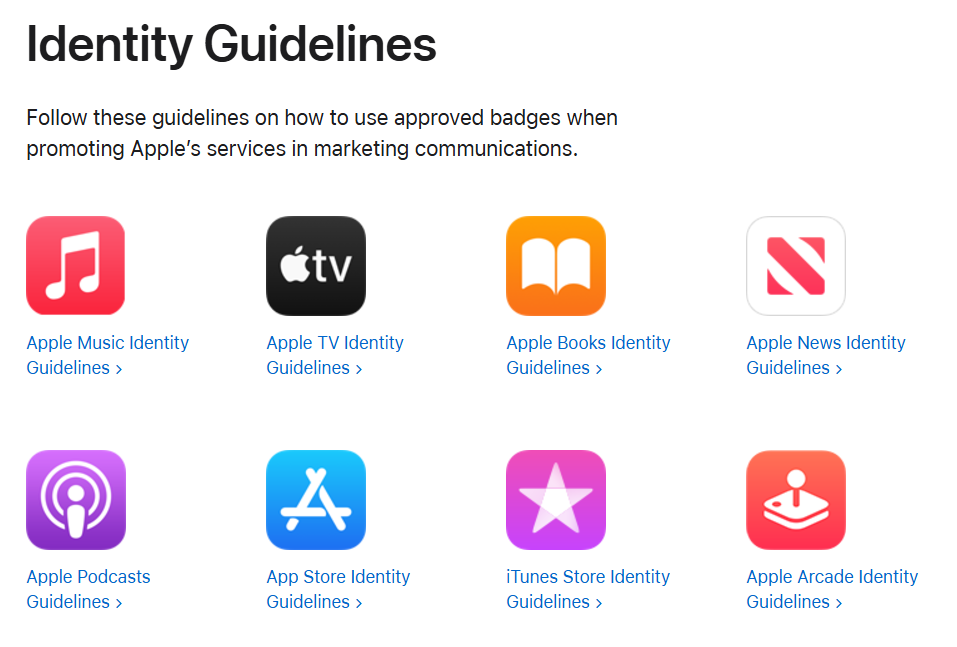
- Affiliate Integration: Through the Apple Services Performance Partners Program, the company provides affiliates with strict but enabling guidelines. This ensures that even third-party promotions for Apple Music or Apple TV+ maintain the "premium" feel associated with the parent brand.
Future Implications: AI, Sustainability, and the Human Element
Looking toward the next decade, the role of technology in holistic marketing will expand. Artificial Intelligence (AI) and Machine Learning (ML) are currently being deployed to analyze vast amounts of customer data, allowing companies to personalize the holistic experience at scale. However, industry experts warn that technology must be used to enhance, not replace, the human connection.
Sustainability will also move from a "marketing hook" to a core operational requirement. As global regulations regarding environmental impact tighten, companies will need to prove their societal marketing claims through transparent data. This transparency will become a key selling point for affiliates who want to ensure they are endorsing ethical brands.
Furthermore, the "Internal Marketing" dimension will become a critical battleground for talent. In an era of remote work and the "Great Reshuffle," companies that successfully market their internal culture to potential employees will maintain a competitive edge in productivity and brand representation.
Conclusion: The Path to Market Prosperity
Holistic marketing is no longer a luxury reserved for global conglomerates like Apple; it is a survival mechanism for businesses of all sizes in a hyper-competitive digital economy. By breaking down the walls between departments and ensuring that every stakeholder—from the entry-level employee to the high-volume affiliate—is aligned with a central brand promise, companies can create a seamless journey that meets the high expectations of the modern consumer.
The implementation of this strategy requires more than just a change in advertising tactics; it requires a shift in organizational culture. Success depends on rigorous data analysis, constant communication, and a commitment to social responsibility. Those who embrace this unified approach will find that their marketing efforts become more efficient, their affiliate programs more profitable, and their brand image more resilient in the face of market volatility. In the final analysis, holistic marketing is about seeing the "bigger picture" and ensuring that every piece of the puzzle fits perfectly to complete the brand story.