Published on June 17, 2026, the strategic deployment of landing pages continues to be a cornerstone of effective digital marketing, acting as specialized gateways designed to funnel visitor attention towards a single, measurable objective. Far from being mere web pages, these focused digital assets are meticulously crafted to eliminate distractions, guiding users towards a specific action—whether it’s signing up for a newsletter, registering for an event, or completing a purchase. The efficacy of a landing page is intrinsically linked to its design and purpose, with different objectives demanding distinct structural and content approaches. A page engineered to gather email addresses, for instance, operates on different principles than one built to sell a product, and misunderstanding these nuances often leads to underperforming campaigns.
According to recent research by AWeber, an overwhelming majority—more than 90%—of small business owners who leverage landing pages affirm their importance, classifying them as either "important" or "very important" to their overarching marketing strategy. This data underscores a prevailing industry consensus: the question for businesses is no longer if they should use landing pages, but rather which type to employ and when to deploy it for maximum impact. This article delves into 14 distinct types of landing pages, exploring their unique functionalities, underlying psychological principles, and optimal use cases to help businesses navigate the complexities of online conversion.
The Foundational Role of Landing Pages in Digital Marketing
In an increasingly competitive digital landscape, capturing and converting audience attention is paramount. Landing pages emerged as a critical solution to the challenge of guiding diverse online traffic sources—from social media ads to email campaigns—to a singular, highly relevant destination. Unlike a traditional website homepage, which offers a multitude of navigation options and information, a landing page is a stripped-down, purpose-built environment. This singular focus minimizes decision fatigue for the visitor and maximizes the likelihood of them taking the desired action, thereby improving conversion rates and overall marketing return on investment (ROI). The evolution of digital advertising, with its emphasis on measurable outcomes, has cemented landing pages as indispensable tools for businesses seeking to optimize their online presence and transform casual visitors into valuable leads or customers.
Categorizing Conversion: An In-Depth Look at Key Landing Page Types
Understanding the specific characteristics and applications of various landing page types is crucial for strategic campaign planning. Each type is tailored to a particular stage of the customer journey or a specific marketing objective.
1. Webinar Registration Landing Pages
A webinar landing page serves as the primary hub for promoting an upcoming online event and securing attendee sign-ups. These pages are designed to clearly articulate the webinar’s value proposition, detailing what participants will learn, who the presenter is, the schedule, and why their time investment will be worthwhile. The most effective webinar pages prioritize the attendee’s benefit, leading with the transformative outcome rather than extensive speaker biographies. For example, a compelling statement like "You’ll walk away knowing exactly how to set up your first email automation" resonates more strongly than a list of the speaker’s past achievements. This approach directly addresses the visitor’s core question: "What’s in it for me?"

Why it Works: People register for webinars driven by the promise of knowledge acquisition or problem-solving. By foregrounding the expected outcome, these pages tap into the visitor’s self-interest, making the registration feel like a direct path to a desired solution. Presenter credentials, while important for credibility, are best placed after the value proposition has been firmly established.
When to Use It: Essential for any live or pre-recorded webinar, providing a dedicated and optimized channel to drive registrations. Beyond mere sign-ups, these pages also offer opportunities for pre-webinar engagement, such as sharing supplementary resources or fostering a sense of community among prospective attendees.
2. Ebook Download Landing Pages
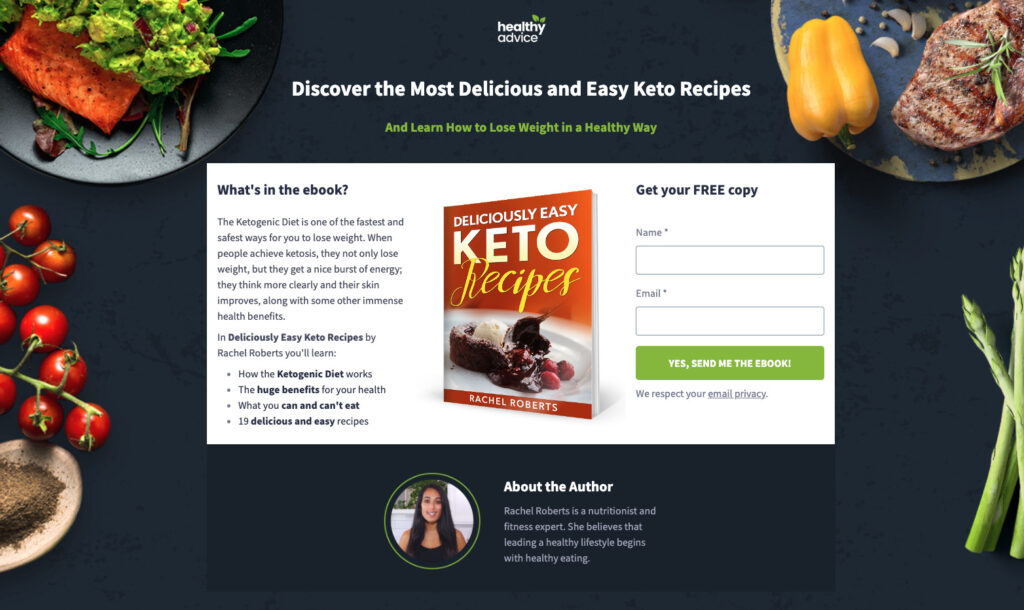
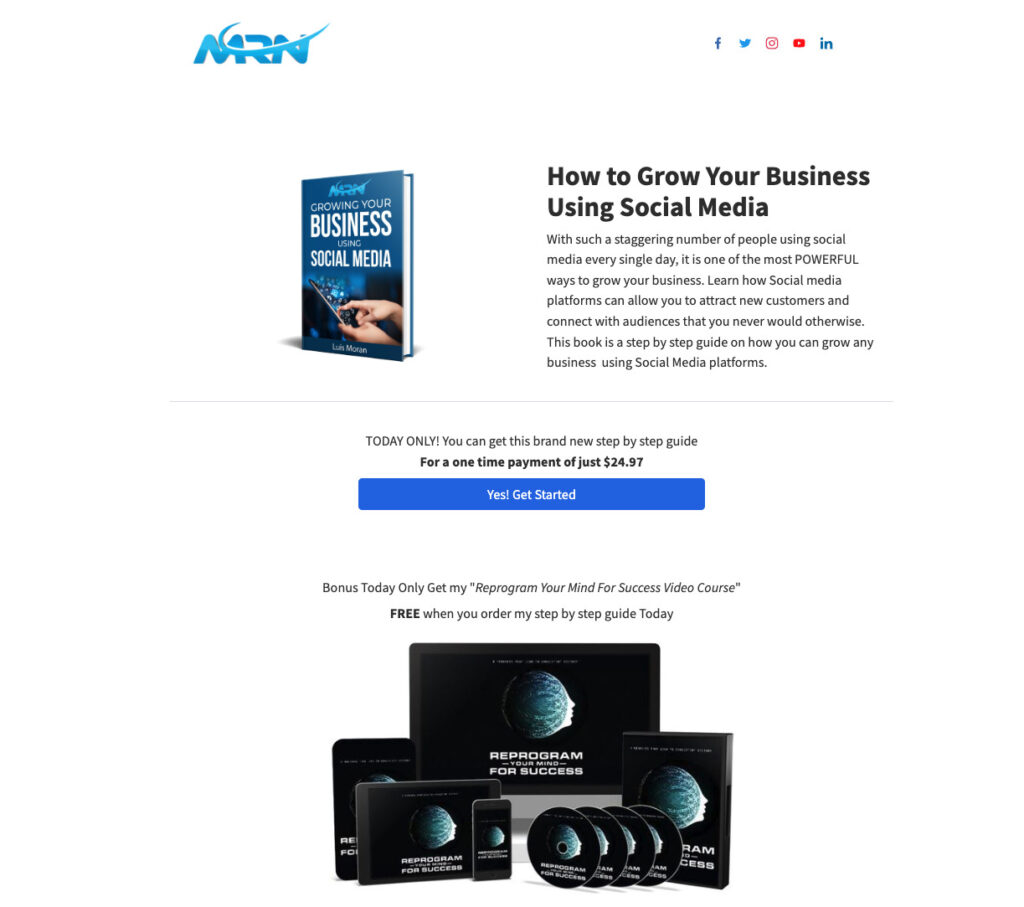
Dedicated to promoting and distributing electronic books (ebooks), an ebook landing page acts as a focal point where visitors can explore the content, understand its benefits, and either purchase or download the publication. This type of page is a powerful tool for content marketing and lead generation.
Why it Works: Ebooks are versatile assets. For aspiring entrepreneurs, they represent a direct revenue stream, bypassing traditional publishing channels. As lead magnets, they offer substantial value in exchange for an email address, establishing the business as an authority and nurturing prospective customers. The page effectively showcases the ebook’s cover, highlights key takeaways, and provides testimonials to build trust and encourage conversion.
When to Use It: Ideal for authors, consultants, or businesses looking to monetize their expertise directly or to generate high-quality leads by offering valuable, in-depth content.
3. Ecommerce Product Landing Pages
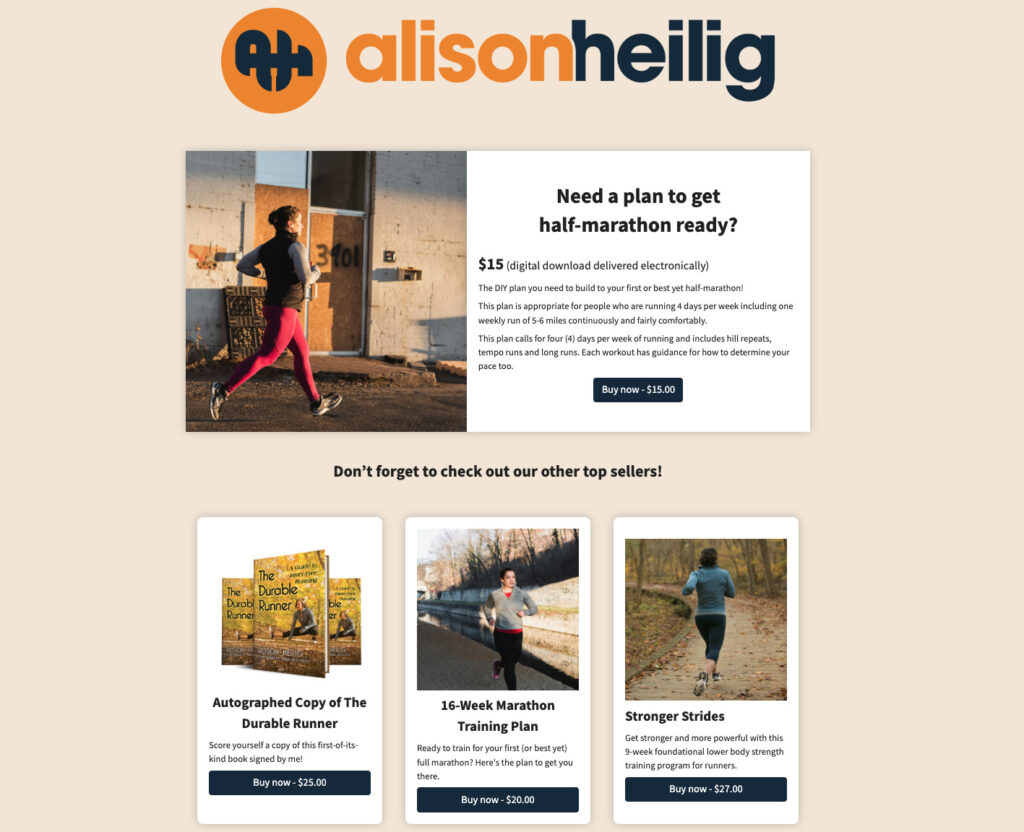
Distinct from a general product catalog or homepage, an ecommerce landing page zeroes in on a single product or a highly specific product category. Its primary function is to convert traffic originating from a particular source, such as paid advertisements. A dedicated page for a specific ad campaign often yields significantly higher conversion rates than directing traffic to a broad e-commerce store page.
Why it Works: The singular focus eliminates choice overload, a common inhibitor of conversion. By presenting one product, one offer, and one clear call to action, the page streamlines the decision-making process. These pages typically feature high-quality product imagery, transparent pricing, compelling calls-to-action (CTAs), social proof (reviews, ratings), and concise answers to common purchase-related queries.
When to Use It: Imperative when running targeted paid advertising campaigns for specific products or when launching a new product. It ensures campaign traffic lands on a page precisely aligned with the ad’s message, maximizing relevance and conversion potential.
4. Lead Magnet Landing Pages
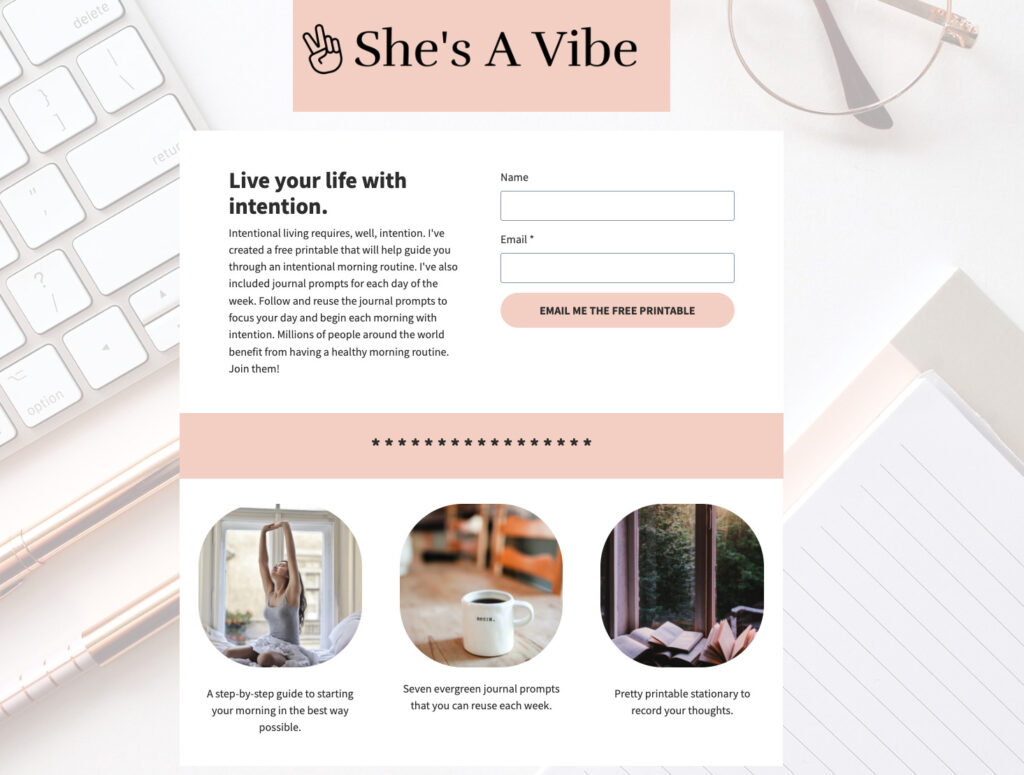
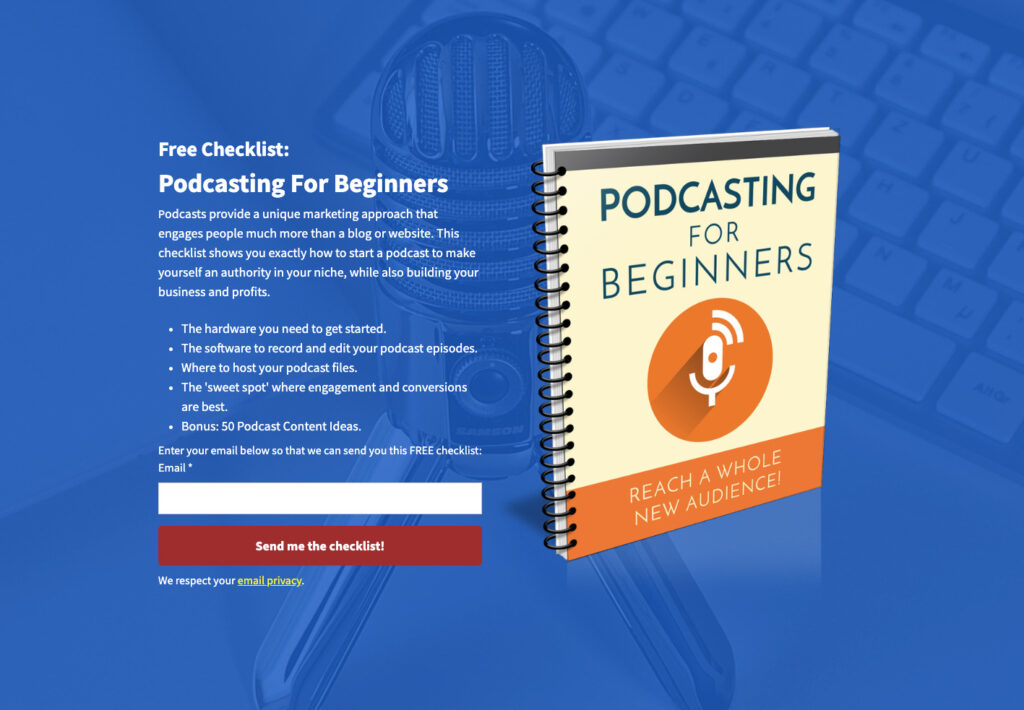
A lead magnet landing page offers a valuable resource—such as an ebook, template, checklist, free course, or toolkit—in exchange for a visitor’s email address. These pages differ from basic lead capture pages by emphasizing the immediate, tangible value of the content itself.
Why it Works: The "offer does the work." When the resource directly addresses a current pain point or need of the audience, providing an email address feels like a fair and worthwhile exchange. The page’s primary role is to sell the value of the lead magnet, not necessarily the brand behind it. This strategy rapidly builds an email list of individuals already interested in the core topic.
When to Use It: When you have a high-value resource that genuinely solves a problem for your target audience. Lead magnets are one of the most effective methods for quickly expanding an email list with qualified prospects.
5. Squeeze Pages
A squeeze page is a highly simplified lead capture page, designed with the sole objective of collecting an email address with minimal friction. Characterized by a concise headline, one or two sentences of copy, an email input field, and a prominent call-to-action button, it eschews lengthy descriptions or detailed benefit lists.
Why it Works: Its minimalist design removes almost all reasons for hesitation. With only one action required and one field to complete, visitors either opt-in or leave. This extreme simplicity is particularly effective for paid traffic campaigns, where maintaining a low cost per lead is critical. It capitalizes on the psychological principle of choice reduction, making the conversion path exceptionally clear.
When to Use It: Best employed for paid advertising campaigns where lead generation efficiency is paramount, or when targeting a "warm" audience already familiar with your brand and thus requiring less persuasion.
6. Podcast Landing Pages
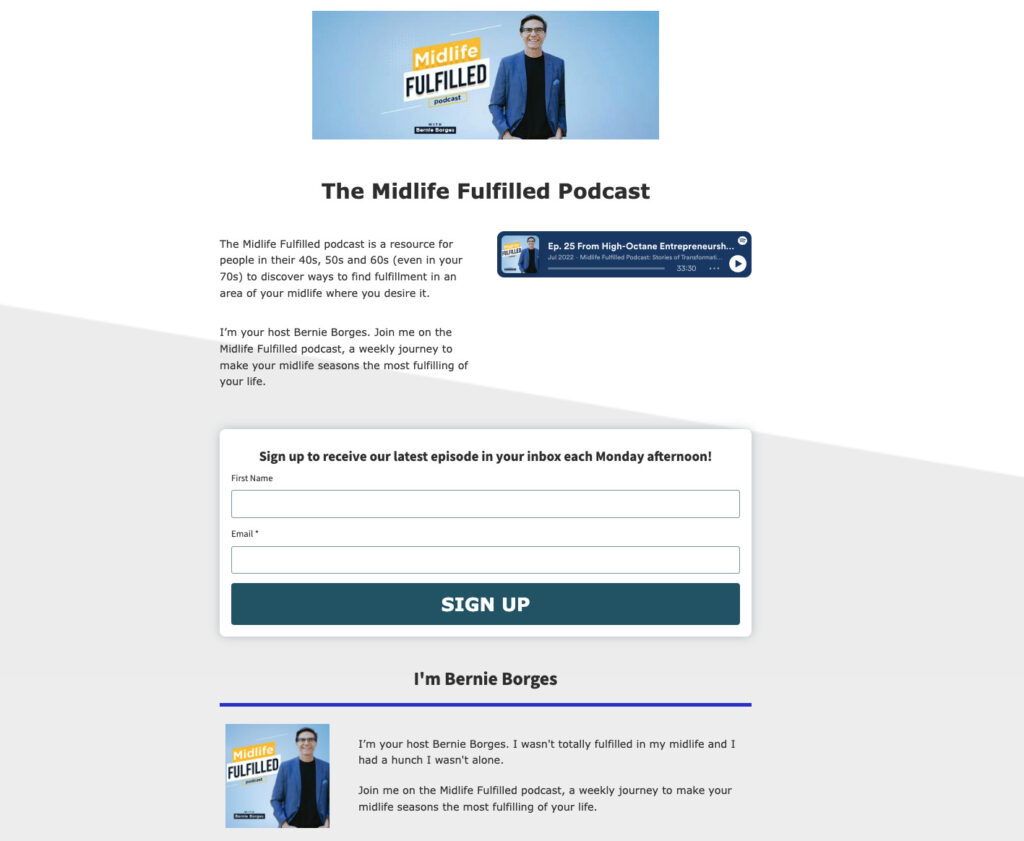
A podcast landing page is designed to promote a specific podcast show or episode, providing listeners with a clear pathway to subscribe or join an email list for updates. This type of page is crucial for podcasters aiming to cultivate a direct relationship with their audience, independent of streaming platforms.
Why it Works: Streaming platforms dictate content distribution, meaning podcasters do not "own" their audience on services like Spotify or Apple Podcasts. An email list, however, creates a direct communication channel, immune to algorithm changes or platform restrictions. This allows podcasters to notify listeners of new episodes, share bonus content, promote merchandise, and build a resilient community.
When to Use It: Essential for podcasters focused on audience growth and building a loyal, engaged community that transcends third-party platforms.
7. PPC (Pay-Per-Click) Landing Pages
A PPC landing page is meticulously crafted for paid search traffic, designed to achieve an exact "message match" with the keyword or advertisement that brought the visitor to the page. This precise alignment is paramount for conversion success and ad campaign efficiency.
Why it Works: Paid traffic is an investment, and any disconnect between an ad and its landing page can lead to wasted ad spend. If a user clicks an ad for "email newsletters for restaurants" and lands on a generic email marketing page, they are likely to bounce. Google’s Quality Score also rewards strong message alignment, often resulting in lower cost-per-click and higher ad rankings.
When to Use It: Every time you run paid search ads. Each ad group or keyword theme should ideally have its own bespoke landing page, ensuring maximum relevance and conversion for every click.
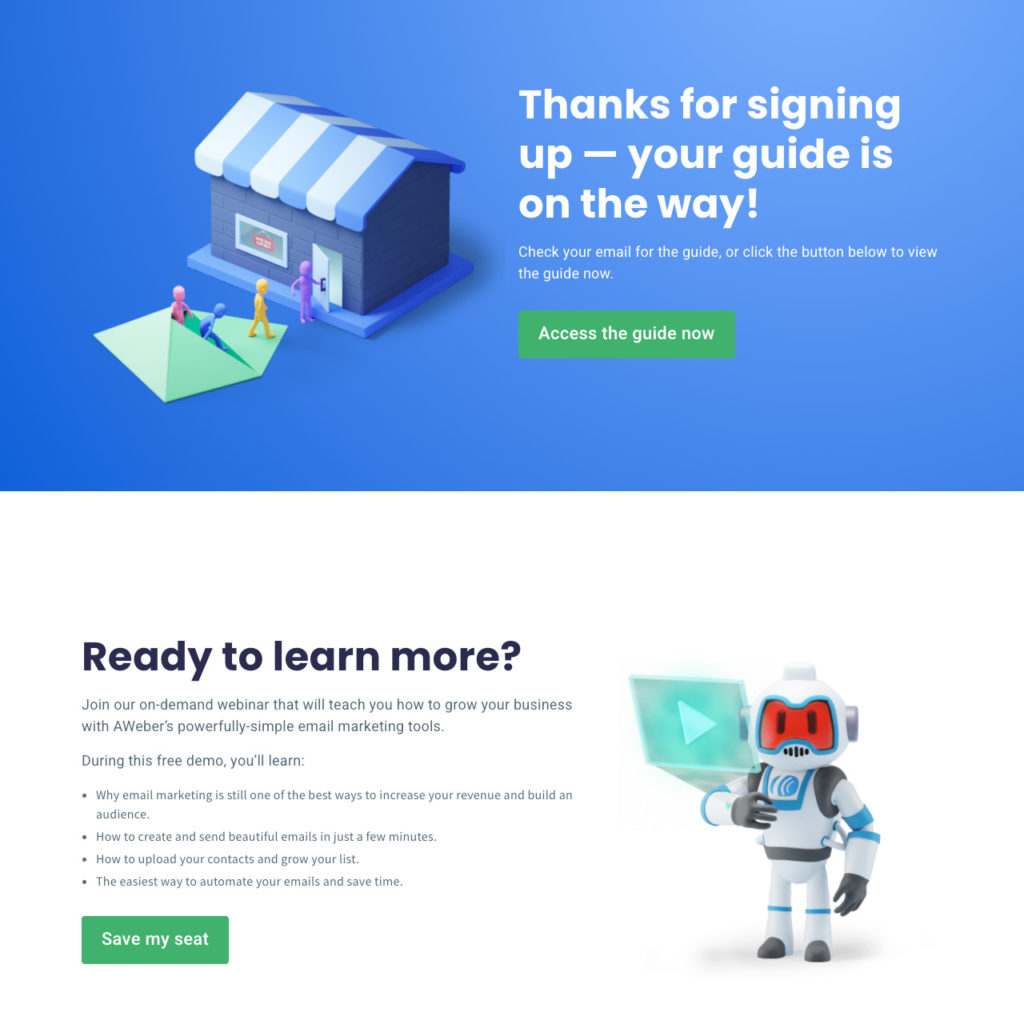
8. Thank You Pages
Appearing immediately after a visitor completes a desired conversion—be it a sign-up, download, or purchase—a thank you page confirms the action and outlines the next steps. Many businesses underutilize these pages, missing a prime opportunity for continued engagement.
Why it Works: A visitor who has just converted is at their peak level of engagement and trust. This momentum should be leveraged. A thoughtfully designed thank you page can transform a single conversion into a secondary one, such as an upsell, cross-sell, invitation to follow on social media, or a prompt to book a consultation. It’s a strategic point to deepen the customer relationship.
When to Use It: After every single form submission, purchase, or sign-up. Each conversion should lead to a dedicated thank you page that provides value and encourages further interaction.
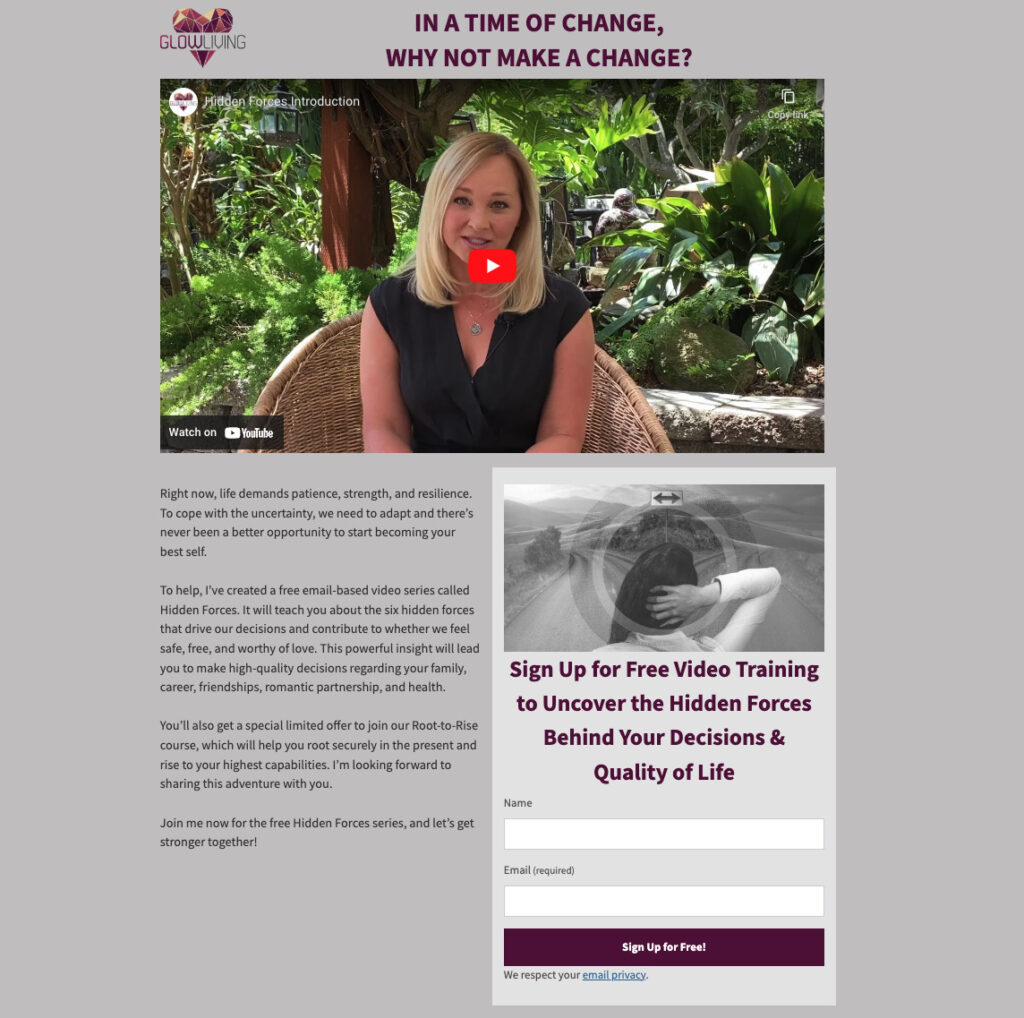
9. Video Landing Pages
A video landing page utilizes video as the primary medium for conveying its message. The video might be a product demonstration, a customer testimonial reel, an explainer video, or a personalized message. Text on the page serves to support and complement the video, not replace it.
Why it Works: Video excels at building trust and demonstrating value in ways that static text often cannot. It’s particularly effective for complex products, high-ticket items, or offers that rely on personal connection and credibility. Watching a two-minute product demo can provide a deeper understanding and remove hesitation more effectively than reading multiple paragraphs of text. Video also enhances engagement and can significantly improve conversion rates.
When to Use It: Ideal when your offer is inherently visual, when your target audience prefers video content, or when you need to establish a strong personal connection before requesting a conversion.
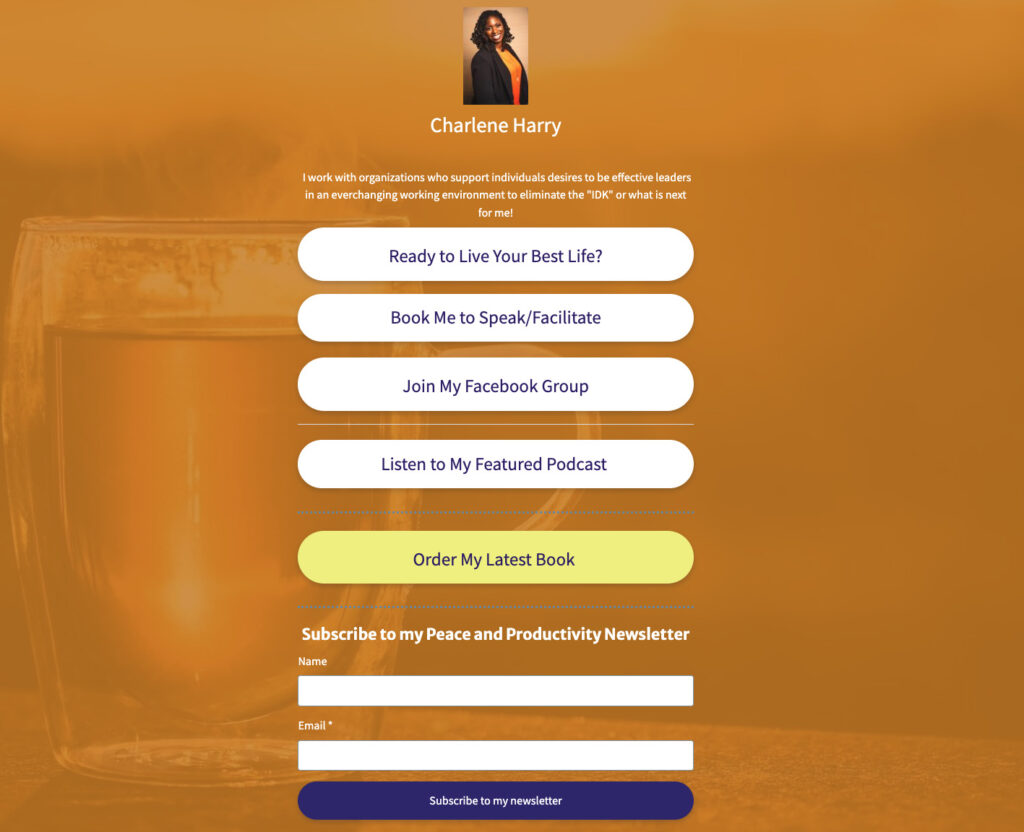
10. Link-in-Bio Landing Pages
A link-in-bio page is a single, consolidated web page designed to host multiple links. Given that many social media platforms restrict profiles to a single clickable link, this page solves the problem by acting as a central hub. From one URL, followers can access your newsletter, latest products, recent content, booking page, and more.
Why it Works: Social media offers vast reach but limits direct calls to action. A link-in-bio page bypasses this constraint, allowing businesses to direct followers to a comprehensive menu of options. This ensures that every engaged follower can easily find and interact with all the content and offers you wish to promote, maximizing the value derived from your social media presence.
When to Use It: Essential for individuals and businesses active on platforms like Instagram, TikTok, or X (formerly Twitter) who need a single, dynamic destination to guide followers to multiple key resources or actions.
11. Pre-Launch Landing Pages
A pre-launch landing page is designed to generate interest and capture leads before a new product, service, or feature officially goes live. It collects email addresses from individuals eager for updates and, crucially, serves as a mechanism to validate market demand.
Why it Works: This page accomplishes two vital tasks simultaneously: it builds an early audience that can be activated on launch day, and it provides invaluable market validation. Generating sign-ups before a product exists offers concrete evidence of demand, allowing businesses to gauge interest and refine their offering before committing significant resources to development. A list of 500 pre-launch subscribers is often more valuable than 5,000 post-launch sign-ups, as the former explicitly expressed interest in something yet to be released.
When to Use It: Prior to any significant launch, allowing you to convert early interest into a primed audience ready for activation on day one.
12. Facebook (Social Media) Landing Pages
A Facebook landing page is specifically optimized for traffic originating from Facebook ads or a Facebook profile, though the principles extend to other social platforms. Its core objective is to convert social media followers into email subscribers or customers.
Why it Works: Social media platforms control who sees your content, and their algorithms can change without warning, impacting your organic reach. By moving followers onto an owned email list, you establish a direct communication channel that is immune to platform shifts. This strategy effectively transforms "rented" social media reach into a durable, owned audience asset. Building an email list from Facebook followers is one of the highest-leverage strategies for long-term audience development.
When to Use It: Whenever running Facebook (or other social media) ads, or when your goal is to convert your social media following into a subscriber list that you directly control.
13. Lead Capture Landing Pages
A broad category, a lead capture landing page collects contact information (typically an email address, sometimes a name) in exchange for a valuable resource. This "resource" can vary widely, from a free guide or checklist to a discount code or access to exclusive content like a webinar.
Why it Works: This page facilitates a direct value exchange: the visitor receives something helpful immediately, and the business acquires valuable contact information for future nurturing. The fewer fields requested on the form, the higher the conversion rate typically is. A name and email address are often sufficient to initiate the lead nurturing process.
When to Use It: When your primary strategic objective is to expand your email list. Lead capture pages are among the most reliable and widely used tools for building a qualified audience across various industries and business sizes.
14. Click-Through Landing Pages
Unlike other types that demand an immediate action or information exchange, a click-through landing page is designed to "warm up" a visitor before directing them to a subsequent purchase or sign-up page. It contains no forms or transaction elements; its sole purpose is to build confidence and explain an offer in more detail.
Why it Works: Cold traffic rarely converts directly on a purchase page, especially for complex or higher-ticket items. A click-through page provides an intermediary step where visitors can thoroughly understand the offer, its benefits, and address potential objections without the pressure of an immediate commitment. By the time they reach the final conversion page, they are already pre-qualified and more inclined to act, having made an initial decision to express interest.
When to Use It: When your product or service requires a more extensive explanation before a customer is ready to buy, or when you observe high drop-off rates on direct purchase pages from cold traffic sources. It acts as a crucial bridge in the sales funnel, particularly for intricate offerings.
Strategic Selection: Choosing the Right Type of Landing Page
The selection of the appropriate landing page type is a direct extension of your campaign’s primary goal. For instance, if the objective is to cultivate email subscribers, a lead capture page, squeeze page, or lead magnet page would be the most suitable choices. If the aim is to prepare cold traffic for a purchase, a click-through page becomes indispensable. Direct sales of high-ticket items might necessitate a comprehensive sales page, while specific products could leverage an e-commerce landing page. Promoting an event calls for a webinar registration or pre-launch page, and paid search campaigns demand highly specific PPC landing pages. The golden rule remains: start with one clear goal and construct one dedicated page to achieve it. Attempting to achieve multiple objectives on a single landing page is a common pitfall that often leads to diminished performance.
The Future of Landing Page Optimization: AI Integration and Personalization
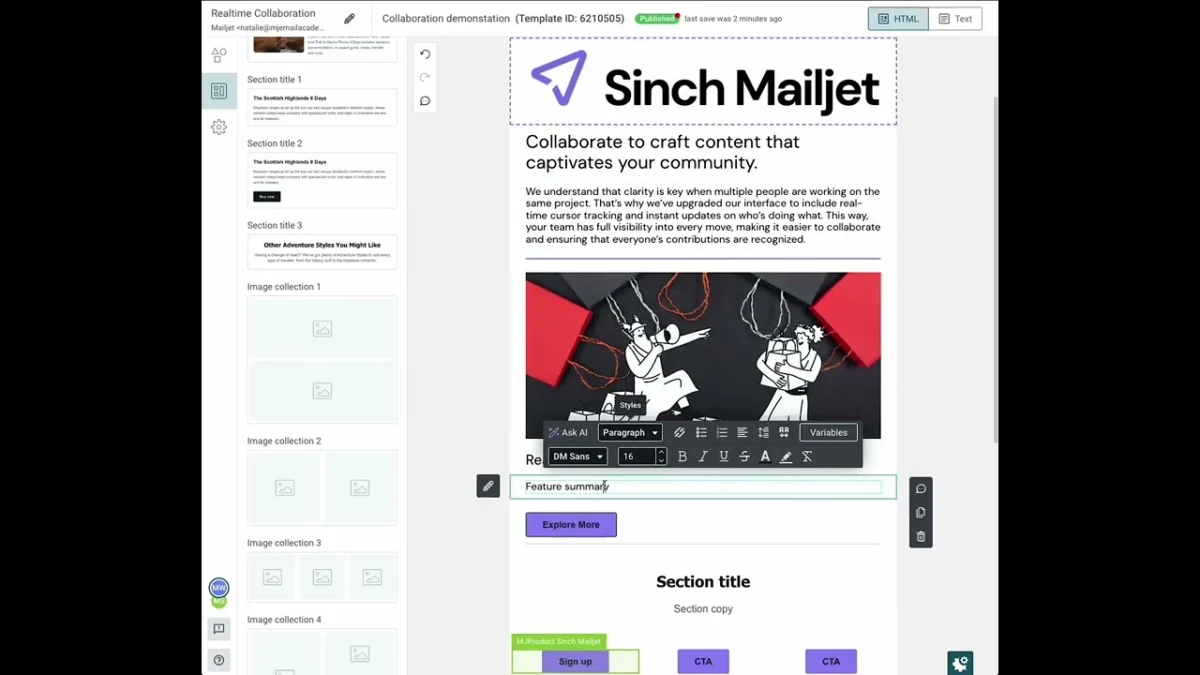
The landscape of digital marketing is continuously evolving, with artificial intelligence poised to revolutionize how landing pages are created and optimized. AWeber, for example, is soon launching its AI Landing Page Builder, a tool designed to dramatically accelerate the process from concept to live deployment. Instead of relying on pre-existing templates, users will describe their desired page—including layout, copy, images, and signup forms—and the AI will generate the entire page. This capability extends to all landing page types, whether it’s a lead magnet page for a free checklist, a webinar registration page for an upcoming event, or a pre-launch page for a new product.
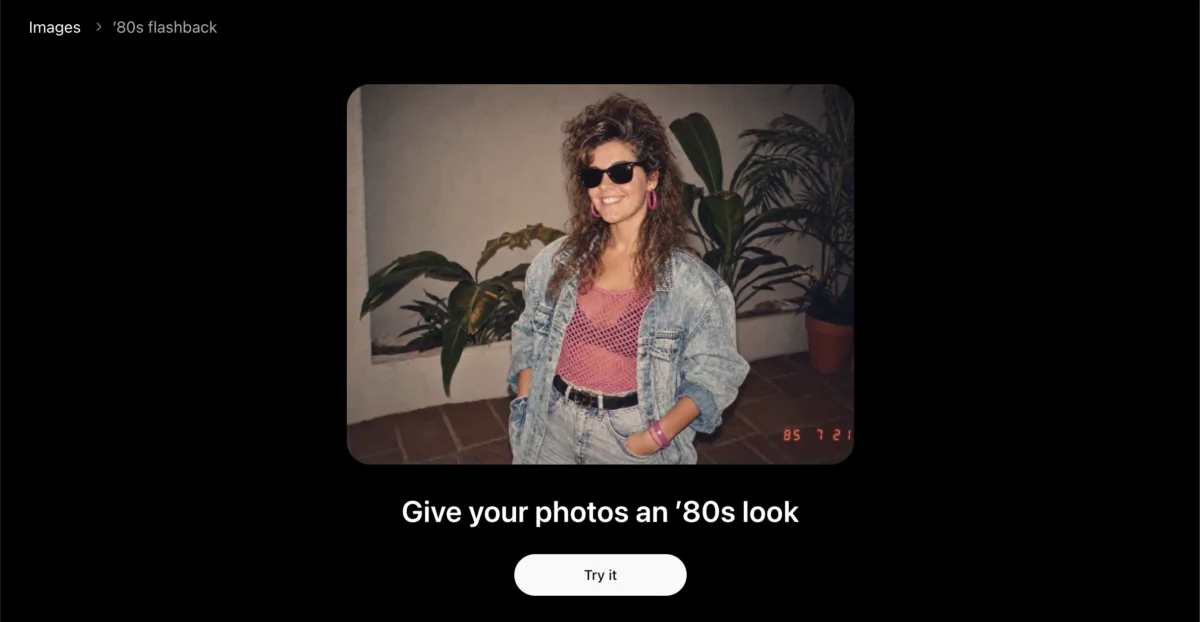
Furthermore, the AI builder will allow users to upload screenshots of existing landing pages they admire, enabling the AI to recreate them with personalized branding, copy, and offers. Even image modifications can be handled through natural language descriptions, eliminating the need for extensive stock photo searches or starting designs from scratch. This advancement signifies a broader trend towards highly personalized and dynamically optimized marketing assets, promising greater efficiency and higher conversion rates for businesses of all scales.
Broader Implications for Businesses and Marketers
The strategic use of diverse landing page types has profound implications for businesses seeking to thrive in the digital age. By precisely aligning landing pages with specific marketing goals and traffic sources, companies can significantly enhance their marketing efficiency, reduce customer acquisition costs, and build more robust, engaged audiences. This meticulous approach to conversion optimization fosters a data-driven culture, enabling marketers to gain deeper insights into customer behavior and refine their strategies for maximum impact. Ultimately, mastering the art and science of landing pages is not merely about technical implementation; it’s about crafting compelling digital experiences that resonate with target audiences, driving sustained growth and competitive advantage in an ever-evolving online ecosystem.
Frequently Asked Questions About Types of Landing Pages
What is the most common type of landing page?
Lead capture landing pages are the most widely used and versatile type. They are designed to collect a visitor’s contact information, typically in exchange for a free resource or a compelling offer. Their popularity stems from their relatively low conversion ask compared to direct purchases, making them effective across nearly every industry and business model for building an email list or generating leads.
What is the difference between a squeeze page and a lead capture page?
While both aim to collect email addresses, they differ significantly in their approach and complexity. A standard lead capture page usually includes more detailed information: a compelling headline, a description of benefits, an image representing the offer, and a multi-field form. In contrast, a squeeze page is deliberately minimalist, featuring only a headline, one or two concise sentences of copy, a single email input field, and a button. This extreme brevity is often employed with paid traffic to minimize friction and keep the cost per lead as low as possible.
What types of landing pages work best for building an email list?
The three most effective types for email list building are squeeze pages, lead capture pages, and lead magnet pages. Squeeze pages are excellent for high-volume lead generation from paid traffic due to their low commitment requirement. Lead capture pages offer a balanced approach, working well with both paid and organic traffic. Lead magnet pages are particularly potent when you have a specific, high-value resource—like a checklist, ebook, or template—that directly addresses a need or interest of your target audience, making the email exchange feel highly valuable.