The digital commerce landscape is undergoing a fundamental shift in strategy as brands move away from a singular focus on initial conversion rates toward a more holistic view of customer lifetime value. Industry experts and growth specialists are increasingly identifying "activation"—the process by which a customer realizes the value of a product within the first few days of purchase—as the primary driver of sustainable revenue. This transition marks a departure from traditional Conversion Rate Optimization (CRO), which historically prioritized the "front door" of the sales funnel, often at the expense of long-term retention.
Recent data from the e-commerce sector suggests that the cost of acquiring a new customer has risen by as much as 60% over the last five years. In response, businesses are retooling their web interfaces and post-purchase workflows to ensure that the "first seven days" experience minimizes buyer’s remorse and maximizes product utility. By setting clear expectations before a transaction even occurs, brands are finding they can significantly improve the stickiness of their customer base.
The Evolution of the Activation Strategy
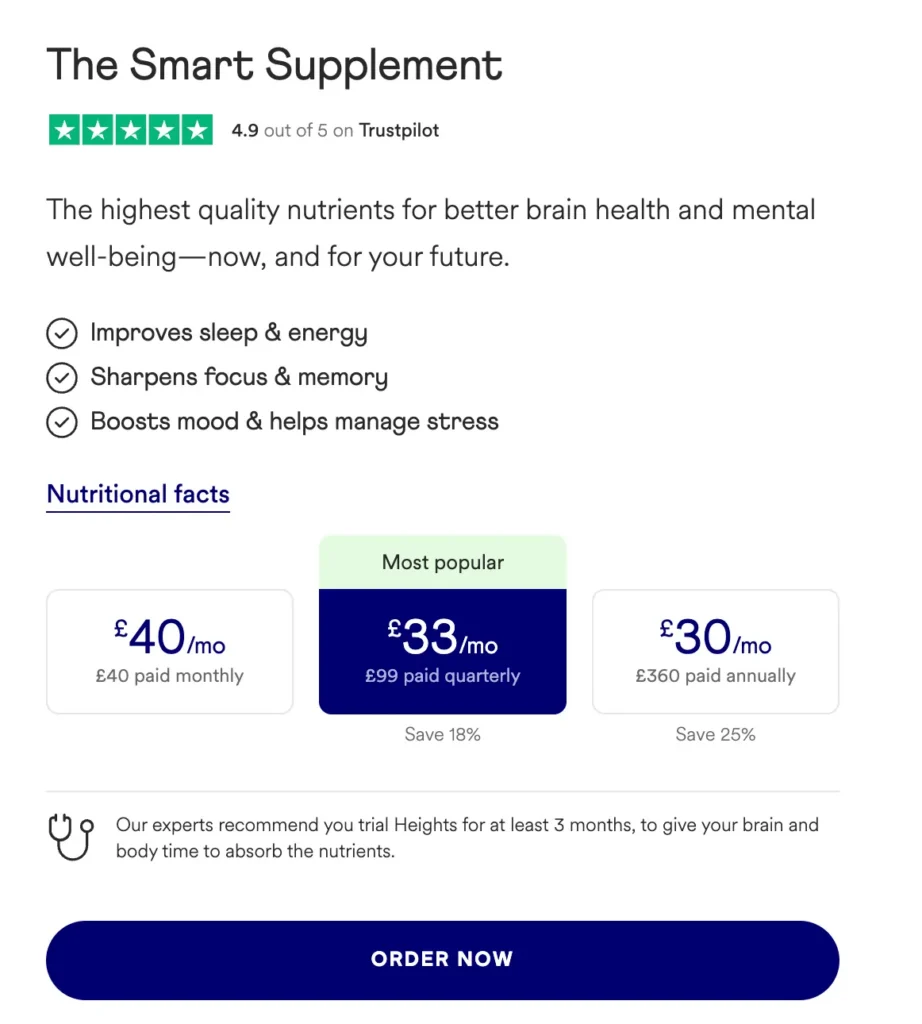
A primary example of this strategic shift can be seen in the evolution of Heights, a brain health supplement company. During its early growth phase, the company’s leadership discovered that the most impactful experiments were not those that increased the number of initial buyers, but those that encouraged consistent product usage. By integrating a simple line of copy on the product page advising customers to use the supplement for at least three months to see results, the company successfully planted the seeds of long-term commitment before the point of sale.

This approach targets a psychological phenomenon known as "expectation setting." When a customer enters a transaction with a clear understanding of the timeline required for success, they are statistically less likely to churn early. Five years later, this specific messaging remains a cornerstone of the Heights digital storefront, illustrating the enduring power of transparency over high-pressure sales tactics.
Strategic Pre-Purchase Expectation Management
Optimizing for long-term buyers requires a website to function as an educational tool rather than just a digital catalog. There are three primary ways a website impacts customer activation:

-
Clarity of Post-Purchase Outcomes: By being upfront about the time and effort required to see results, brands build a foundation of trust. For instance, subscription-based models often fail when customers expect "overnight" results. Successful brands now use their product pages to emphasize that consistency is the prerequisite for value.
-
Building Commitment Through Trust: Social proof, such as reviews and case studies, must do more than praise the product; they must validate the journey. Dog food brand Butternut Box utilizes data-driven social proof, sharing statistics on the specific physical improvements pet owners can expect over time. This prepares the customer for a gradual transition rather than an instant transformation.
-
Aligning with "Jobs to Be Done" (JTBD): Modern CRO involves understanding the specific "job" a customer is hiring a product to do. If a website speaks to the desired outcome—such as improved focus or better hair health—rather than just listing technical features, the customer arrives with a stronger intent to follow through with the product’s intended use.
Case Study: High-End Consumer Electronics and the Support Gap
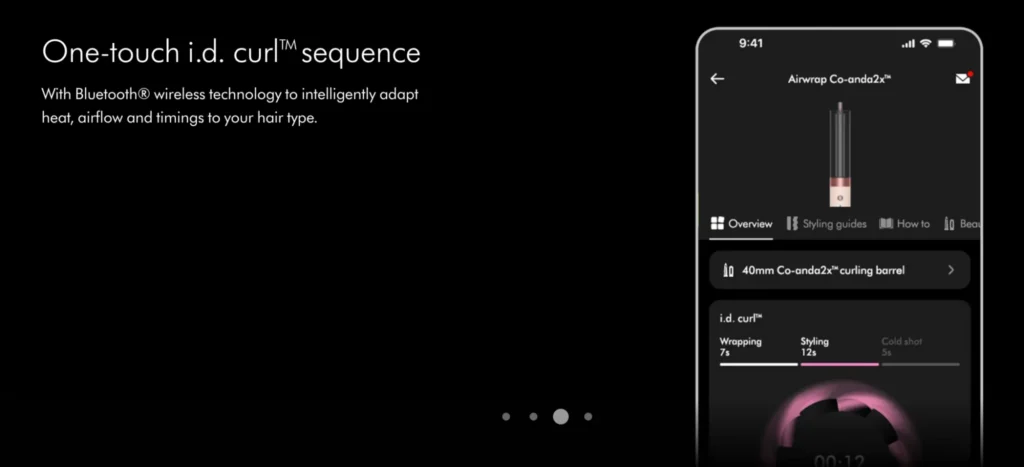
The challenges of activation are perhaps most visible in the high-end consumer electronics market. Dyson, specifically with its Airwrap styling tool, faced significant hurdles regarding product returns. Despite high initial sales, many users struggled with the tool’s learning curve, leading to frustration and buyer’s remorse.

In a proactive move to safeguard retention, Dyson integrated an app-based guidance system directly into the customer journey. By promoting the app on the product page and during the unboxing process, Dyson transformed a hardware purchase into a service-led experience. This guided onboarding helps users achieve the promised styling results, directly correlating with lower return rates and higher brand advocacy.
The Critical Seven-Day Window
The first week following a purchase is widely regarded by growth analysts as the "danger zone" for customer retention. During this window, the phenomenon of buyer’s remorse is at its peak. Traditional e-commerce models often exacerbate this by sending only transactional emails—order confirmations and shipping updates—followed immediately by aggressive upsells.
To optimize for long-term buyers, the post-purchase communication flow must prioritize education over additional revenue. For Software as a Service (SaaS) companies, this involves driving the user toward a "key behavior" that predicts long-term retention. For a fitness app, this might be completing three workouts in the first week. For an e-commerce brand, it involves reinforcing the original purchase decision and providing clear instructions for the first use.
A Framework for Improving Early Retention
For organizations looking to implement an activation-focused strategy, a structured four-step audit is recommended:

1. Define the Activation Metric
Businesses must use historical data to identify the specific action that separates a one-time buyer from a loyalist. For physical products, this might be measured through engagement with educational email content or the registration of a warranty. For digital products, it is often a specific feature adoption.
2. Conduct a Post-Purchase Audit
Stakeholders are encouraged to go through their own customer journey as a "mystery shopper." This involves purchasing the product and documenting every touchpoint—emails, SMS notifications, and packaging. Each moment should be evaluated on whether it builds trust or creates "noise" that distracts from the product’s value.

3. Optimize Physical Touchpoints
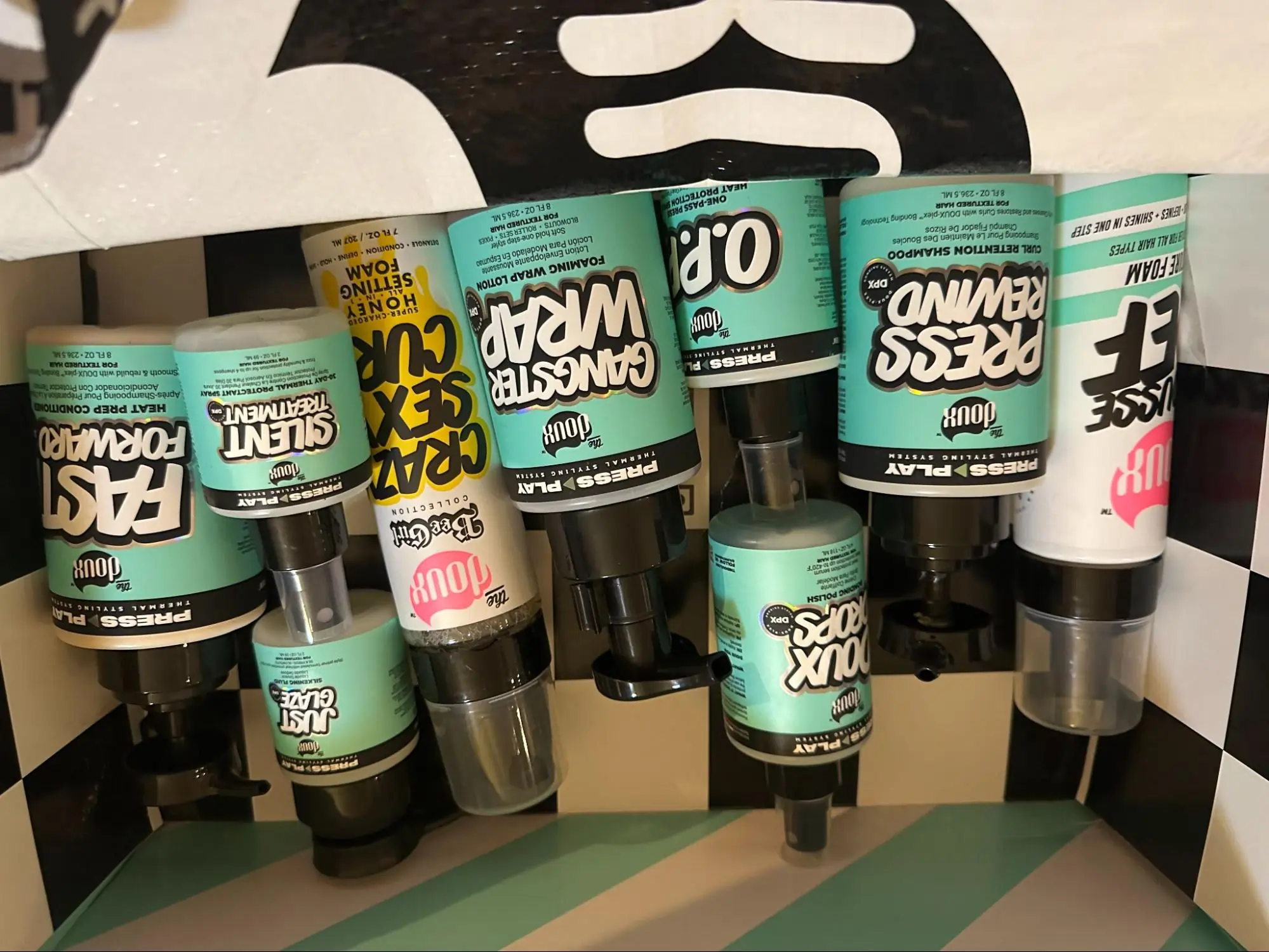
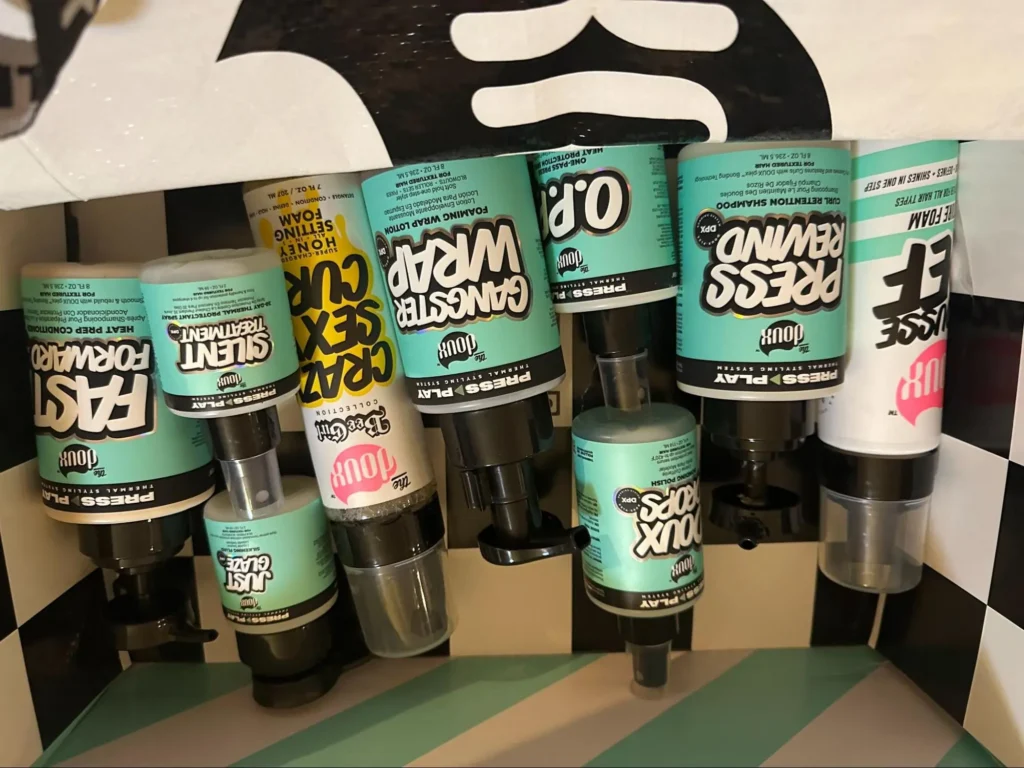
For e-commerce, the "unboxing" experience is a vital extension of the website. Brands like Mission Teas and La Doux utilize the interior of their packaging to reinforce brand personality and provide usage tips. This physical reinforcement serves to remind the customer why they bought the product at the exact moment they are most likely to use it.
4. Segment by Acquisition Source
Not all traffic is created equal. Analysis frequently shows that organic search users activate at a significantly higher rate than those acquired through paid social media advertisements. Before redesigning an onboarding flow, companies must determine if their retention issues are caused by poor messaging or by "low-intent" traffic sources.

Supporting Data and Market Implications
The economic impact of focusing on the first seven days is significant. According to a study by Bain & Company, increasing customer retention rates by just 5% can increase profits by 25% to 95%. Furthermore, customers who are successfully "activated" are 50% more likely to try new products and spend 31% more compared to new customers.
CRO teams that pivot from optimizing for clicks to optimizing for "Day 7 Retention" see a compounding effect on their marketing spend. While a landing page tweak might provide a linear increase in sales, an activation experiment improves the efficiency of every dollar spent on acquisition by ensuring that the customers who do convert remain profitable for years.
Official Responses and Industry Outlook
Marketing leaders are beginning to advocate for a "full-funnel" approach to optimization. "Most teams are optimizing the front door while ignoring the fact that people are leaving through the back door just days later," says one growth strategist. The consensus among digital transformation experts is that the boundary between marketing, product, and customer success is blurring.
As privacy regulations and the deprecation of third-party cookies make customer acquisition more expensive and technically difficult, the ability to retain existing buyers is becoming the ultimate competitive advantage. The website is no longer just a place to "close the deal"; it is the starting point for a long-term relationship.

Conclusion: The Shift Toward Durable Growth
The transition toward optimizing for long-term buyers represents a maturing of the e-commerce industry. By focusing on the first seven days and setting clear expectations pre-purchase, brands can build more resilient business models that are less dependent on the volatility of paid advertising markets.
In the coming years, the most successful digital retailers will be those who view the "buy button" not as the end of the customer journey, but as the beginning of a critical activation phase. Through transparency, education, and data-driven onboarding, these companies are proving that the best way to grow a business is to ensure that every customer who walks through the door has the tools they need to stay.