For email marketers navigating the increasingly competitive digital landscape of 2025, the perennial question—"What’s the best time to send my newsletter?"—remains central to campaign success. The precise timing of email dispatches is a critical determinant of engagement metrics, directly influencing open rates and click-through rates (CTR), which are the lifeblood of effective email marketing strategies. With a multitude of factors at play, from audience demographics and geographic location to content type and industry specifics, identifying optimal send times is less about a universal golden rule and more about sophisticated, data-driven analysis. This article delves into the latest research and best practices to help marketers refine their sending schedules and maximize campaign performance.
The Evolving Landscape of Email Engagement
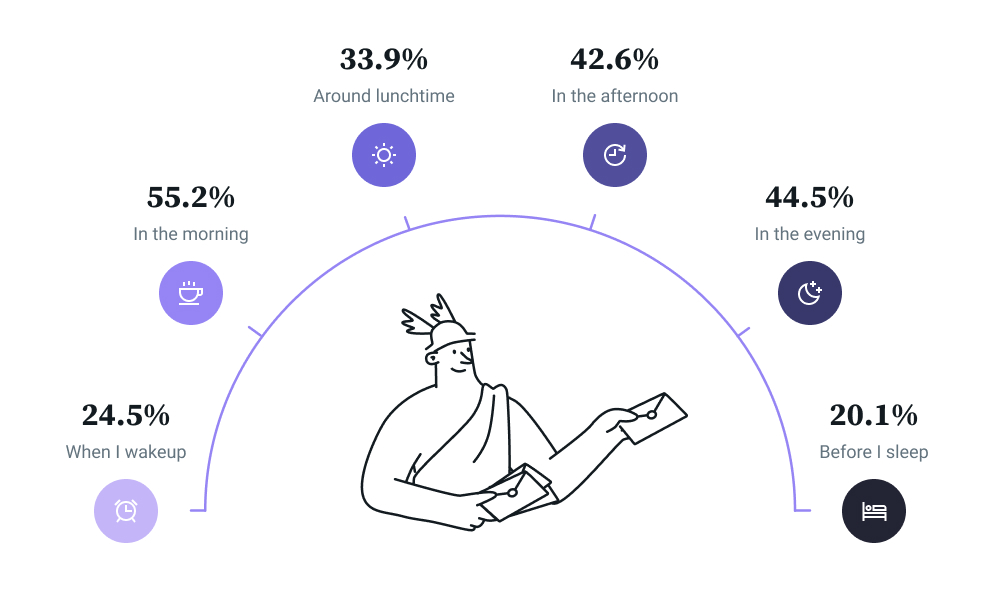
The notion that a single time slot, such as the traditional 9 AM to 12 PM window, universally guarantees high engagement is a simplistic view that fails to capture the nuances of modern consumer behavior. While this period often sees initial email checks, its effectiveness is increasingly diluted by the sheer volume of communications. Contemporary research, including insights from Mailjet’s Email Engagement Report, reveals a more dynamic picture: a significant 63.3% of users interact with their personal inboxes at various points throughout the day. This constant interaction, however, does not equate to a constant capacity for action. An email might be seen, but without the recipient having the mental bandwidth or immediate need to engage, it risks being overlooked or deleted.
"The digital inbox is a battlefield for attention," states Dr. Anya Sharma, Lead Data Scientist at Sinch Mailgun. "Our extensive analysis, encompassing billions of emails, clearly demonstrates that while users check their inboxes frequently, the quality of that interaction—the likelihood of an open translating into a click—is heavily time-dependent. It’s about catching the recipient when they are most receptive, not just when they are online."
Unpacking Hourly Engagement: The 15 UTC Sweet Spot
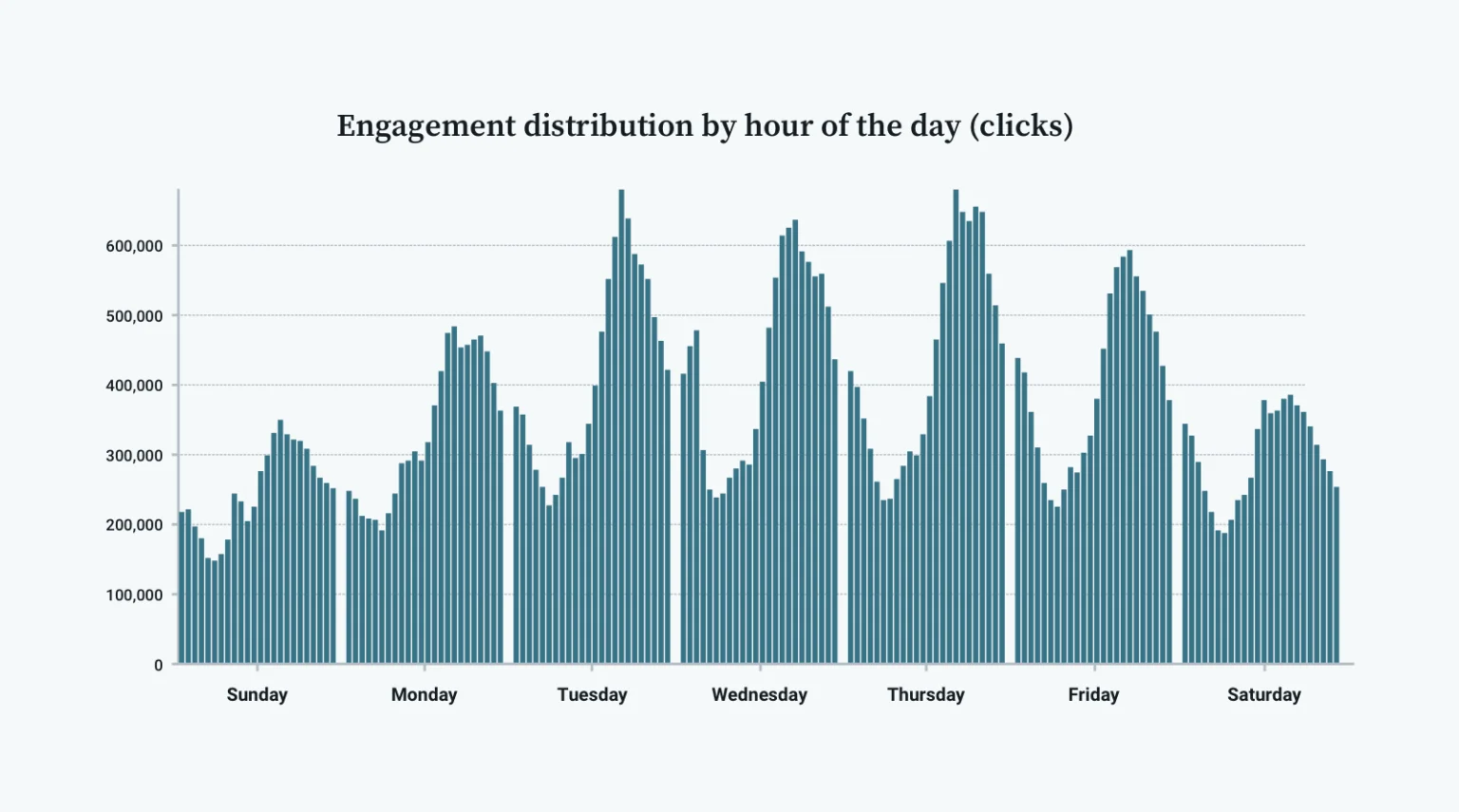
Recent comprehensive studies, particularly those conducted by Sinch Mailgun, offer granular insights into hourly engagement patterns. By analyzing vast datasets of emails sent by customers globally, researchers have identified a peak in email engagement, specifically in click-to-open ratios, around 15:00 UTC. This finding suggests that while emails are opened throughout the day, the highest propensity for subsequent action—a click—occurs during this specific hour.
It is crucial, however, for marketers to translate this global UTC benchmark into their local time zones. For instance, during summer months, 15:00 UTC corresponds to 11 AM Eastern Standard Time (EST), 8 AM Pacific Standard Time (PST), or 4 PM Central European Time (CET). This highlights the imperative for marketers to apply a timezone-aware approach, segmenting their audiences geographically to ensure emails arrive at their local peak engagement hour. The implications are profound: a campaign sent at 15:00 UTC might hit European audiences in their late afternoon, North American East Coast audiences mid-morning, and West Coast audiences at the start of their workday, potentially maximizing reach across diverse time zones. The accompanying charts on open rates and click rates by hour vividly illustrate these peaks, underscoring the statistical significance of this mid-afternoon UTC window.
Geographic and Cultural Nuances in Email Habits
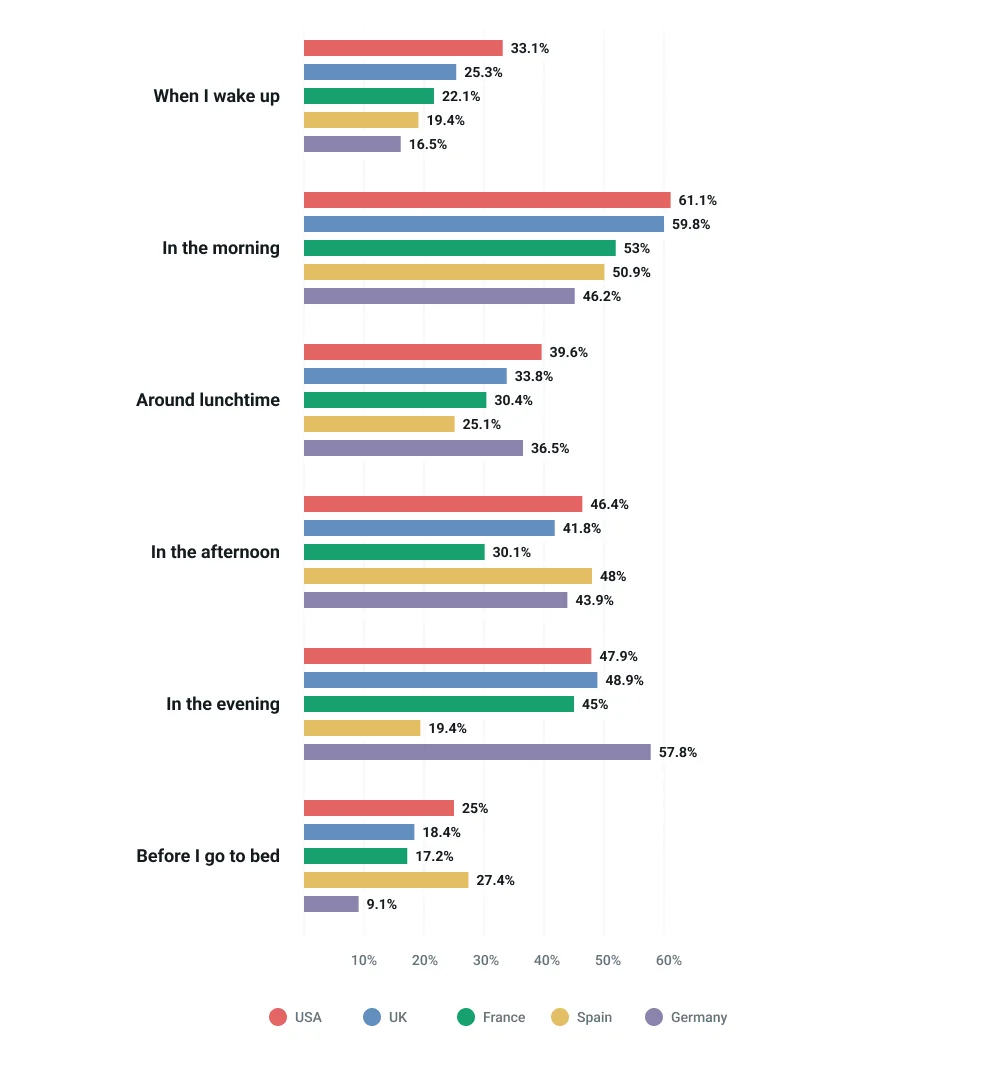
Beyond global averages, cultural and regional differences profoundly shape email engagement. Mailjet’s Email Engagement Report underscores fundamental disparities in how people in different countries interact with their inboxes. For example, the report highlights that German customers show a strong preference for checking emails in the early evening, with 57.8% opening messages during this period. In contrast, only 19.4% of Spanish users exhibit similar behavior. Conversely, a significant 27.4% of Spanish participants reported checking emails late in the evening before bed, a habit far less prevalent among Germans (9.1%).
This divergence is likely influenced by various factors, including work-life balance norms, daily routines, and cultural expectations surrounding personal time. In some cultures, the early evening might be a period of winding down and catching up on personal communications, while in others, it could be dedicated to family or leisure activities, pushing email checks to later hours.
"These geographical variations are not mere footnotes; they are central to crafting effective localized strategies," explains Maria Rodriguez, a Senior Email Strategist specializing in international markets. "A blanket send time across a global audience is a missed opportunity. Segmentation by geography, coupled with an understanding of local cultural rhythms, is non-negotiable for maximizing engagement and respecting recipient habits."
This data reinforces the critical need for marketers to segment their audience not just by demographics or interests, but also by geographic location and associated time zones. Ignoring these cultural nuances can lead to campaigns performing exceptionally well in one region while utterly failing in another, despite identical content.
The Best and Worst Days for Email Campaigns
While the hour of send is crucial, the day of the week also plays a significant role in campaign efficacy. General industry data, reinforced by the Sinch Mailgun study, consistently points to Tuesdays through Thursdays as the prime window for achieving the highest open and click-through rates. These mid-week days typically align with periods of peak professional and personal productivity, where individuals are actively engaged with their digital devices.
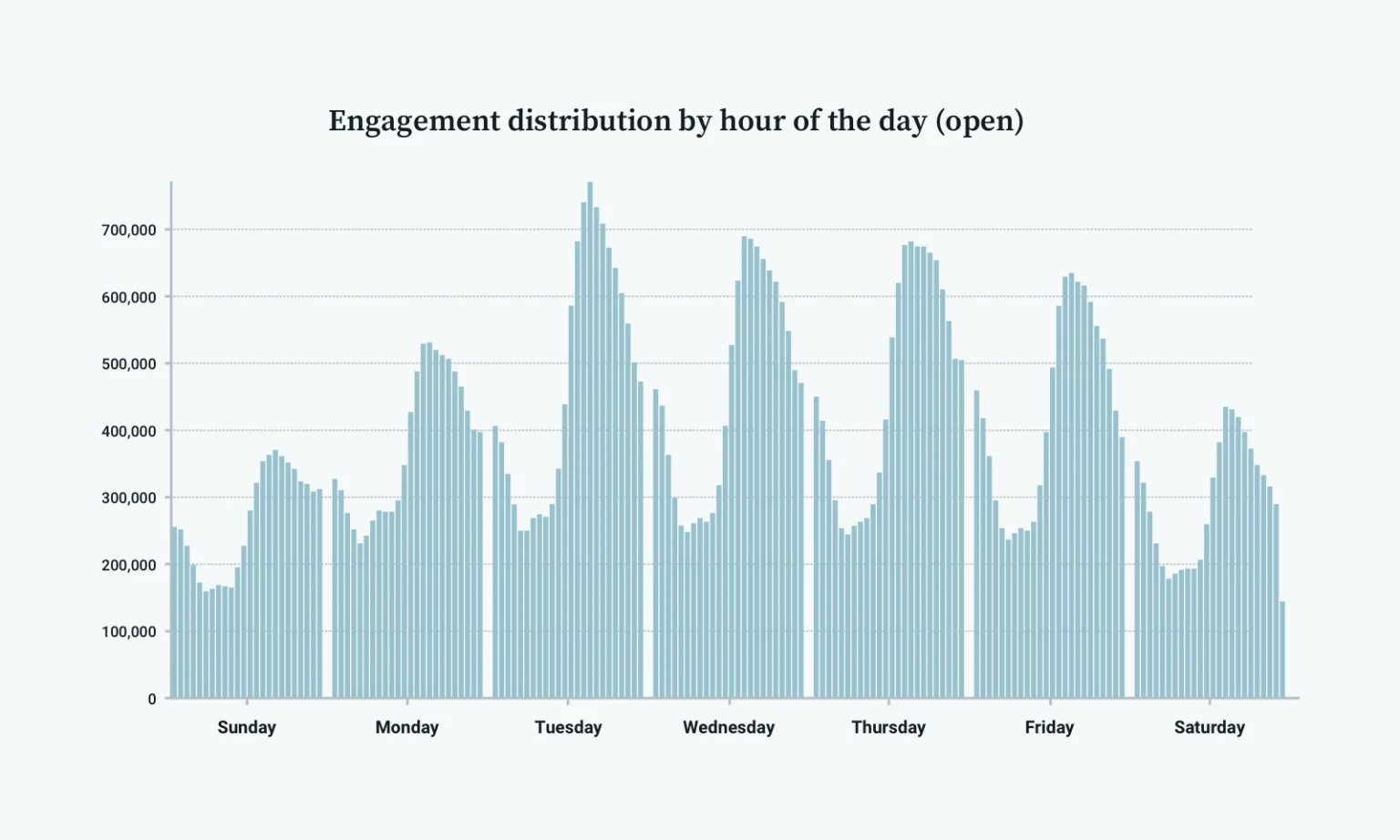
- Mid-week Dominance: Tuesdays and Thursdays often show slightly higher engagement, with Wednesday emerging as a robust second option. For marketers planning multiple campaigns within a week, a Tuesday-Thursday cadence is often recommended to avoid overwhelming subscribers. Sending on consecutive strong days, such as Tuesday and Wednesday, or Wednesday and Thursday, risks ‘inbox fatigue,’ where recipients, seeing multiple messages from the same sender in a short span, may become disengaged.
- Fridays: A Strategic Opportunity? While Fridays have traditionally been seen as a weaker day due to the impending weekend, current research suggests they shouldn’t be entirely dismissed. Engagement rates might be lower than mid-week, but Fridays also present an opportunity for less competition in the inbox. As people mentally transition into the weekend, they may be more receptive to lighter, more leisure-oriented content.
- The Weekend Dilemma: Saturdays and Sundays consistently rank as the worst days for email engagement. With individuals prioritizing social activities, family time, and errands, emails generally fall low on the priority list. The exception to this rule is highly specific, lighthearted, or entertainment-focused content that aligns with weekend leisure activities.
- Monday’s Challenges: Mondays, despite being the start of the work week, also present significant challenges. Recipients are often inundated with emails accumulated over the weekend, leading to an ‘inbox clearing’ mentality where marketing messages might be quickly triaged or deleted. Surprisingly, recent data indicates that Friday often outperforms Monday in terms of open and click-through rates, challenging the long-held assumption that Monday offers a fresh start for engagement. This shift could be attributed to a desire for a productive start to the week, leading to less patience for non-essential communications, or simply the sheer volume of emails needing attention.
The Critical Distinction: B2B vs. B2C Email Strategies
One of the most significant factors influencing optimal send times is the distinction between Business-to-Business (B2B) and Business-to-Consumer (B2C) communications. Users interact with their professional and personal inboxes in fundamentally different ways.
- B2B Dynamics: For B2B campaigns, optimal engagement typically aligns with standard business hours. Professionals are most likely to check work emails during the workday, often in the morning (e.g., 8-10 AM) as they plan their day, or post-lunch (e.g., 1-3 PM) when returning to their desks. Weekends and late evenings are generally poor choices, as professionals disengage from work. Content should be concise, professional, and directly relevant to their business needs.
- B2C Nuances: B2C engagement patterns are far more varied and influenced by individual lifestyles. While some consumers check personal emails throughout the day, peaks often occur during non-work hours, such as morning commutes, lunch breaks, early evenings (after work), or even late evenings before bed. The Email Engagement Report highlights that a large percentage of users check personal emails multiple times a day, implying greater flexibility. B2C campaigns can afford to be more playful, promotional, or informative, aligning with personal interests and leisure time.
To effectively navigate this dichotomy, marketers must ask critical questions: What is my audience doing when they receive this email? Are they at work, commuting, or relaxing? What is the purpose of this email—is it for immediate action or leisurely consumption? A deep understanding of established marketing personas becomes invaluable here, enabling marketers to tailor not just content, but also delivery times, to align with recipient context.
"The B2B and B2C divide isn’t just about content, it’s about context," asserts Robert Chen, a recognized expert in digital marketing strategy. "A professional is in a different mindset during working hours than a consumer browsing for deals on their couch. Successful email marketers respect this cognitive shift and time their messages accordingly, leading to vastly superior results."
Why Email Sending Time Matters: Beyond the Inbox
The importance of email sending time extends far beyond merely securing an open. In a digital landscape saturated with messages, the email inbox is a crowded space where visibility is paramount. Emails that land at the top of an inbox when a recipient is actively checking it stand a significantly higher chance of engagement than those buried beneath dozens of others.
Strategic timing contributes directly to:
- Increased Open Rates: Your email is seen when the recipient is most likely to pay attention.
- Higher Click-Through Rates (CTR): Engaged recipients are more likely to interact with your calls-to-action.
- Improved Conversion Rates: Timely and relevant messages often lead to desired actions, such as purchases, sign-ups, or downloads.
- Enhanced Brand Visibility and Recall: Consistent, well-timed engagement keeps your brand top-of-mind.
- Optimized Resource Allocation: Better performance means a higher return on investment (ROI) for your email marketing efforts.
- Effective Lead Nurturing: Delivering content at opportune moments can guide prospects smoothly through the sales funnel.
A telling statistic from The Path to Email Engagement report underscores this point: 86.4% of respondents state that having time to read an email is an important factor in determining whether they open it. This highlights that availability and receptiveness are as crucial as a compelling subject line. By aligning send times with periods of recipient availability, marketers don’t just get opens; they get meaningful opens.
The Scientific Approach: How to Determine Your Optimal Send Times
Given the complexity and variability, a one-size-fits-all solution for optimal email send times simply doesn’t exist. Instead, marketers must adopt a scientific, iterative approach tailored to their specific audience and objectives.
- Leverage Existing Data: The first step is to dive into the treasure trove of data within your Email Service Provider (ESP) dashboard. Most modern ESPs, like Mailjet, offer detailed analytics on past campaign performance, including open rates and click-through rates broken down by day and hour. By analyzing historical trends, you can identify patterns of peak engagement specific to your subscriber list. Look for the days and hours where your audience has historically been most active.
- Define Your Audience and Goals: Revisit your marketing personas. Are they working professionals, students, parents, or retirees? What are their daily routines? What is the primary goal of your email (e.g., promotional sale, informative newsletter, transactional update)? The answers will inform your initial hypotheses for testing.
- Implement A/B Testing: This is the cornerstone of optimizing send times. Design systematic A/B tests to compare the performance of different send times and days.
- Time-Based A/B Tests: For a weekly newsletter, you could test three different send times over three consecutive weeks (e.g., Week 1: 10 AM, Week 2: 1 PM, Week 3: 9 PM). Alternatively, split your list for a single campaign, sending to half in the morning and the other half in the afternoon, then compare results.
- Day-Based A/B Tests: Compare a Tuesday send with a Thursday send, or experiment with a Friday send for specific content.
- Segmentation in Testing: For global audiences, test different local optimal times for segmented groups.
- Key Metrics: Focus not just on open rates, but crucially on click-through rates and ultimately, conversion rates, to truly understand impact.
- Analyze and Iterate: After each test, meticulously analyze the results. Which time yielded the highest engagement? What insights can be gleaned about your audience’s behavior? Use these findings to refine your strategy for the next campaign. Email marketing is a continuous optimization process; what works today might need adjustment tomorrow as audience habits evolve.
- Maintain Consistency, but Adapt: Once an optimal schedule is identified, strive for consistency. Sending emails on the same day and at roughly the same time each week builds anticipation and trust with your audience. However, be prepared to deviate for special events or holidays. During peak shopping seasons or major cultural events, typical engagement patterns can shift dramatically, making flexibility key to capturing attention.
Mailjet’s comprehensive email marketing service provides the essential toolkit for this rigorous optimization process. Features such as an intuitive Email Editor, responsive templates, robust Segmentation capabilities, advanced A/B Testing, Campaign Comparison, and detailed Email Statistics empower marketers to not only create compelling campaigns but also to precisely track and analyze their performance, uncovering the perfect timing for their messages.
Conclusion: A Continuous Journey of Optimization
In the dynamic realm of digital marketing, the "best time" to send an email is not a fixed point but a fluid target, constantly shaped by audience behavior, cultural shifts, and evolving industry trends. While global studies and generalized benchmarks provide valuable starting points, the ultimate success hinges on a marketer’s commitment to understanding their unique audience through rigorous data analysis and iterative A/B testing.
As we move further into 2025, the sophistication of email platforms like Mailjet empowers marketers to move beyond guesswork and towards precision. By embracing a data-driven approach, leveraging powerful segmentation tools, and continually testing hypotheses, businesses can ensure their meticulously crafted messages land in the inbox at the moment of maximum impact, fostering deeper engagement, driving conversions, and building lasting customer relationships. The journey to perfect timing is ongoing, but with the right tools and strategy, it is a journey that promises significant returns.