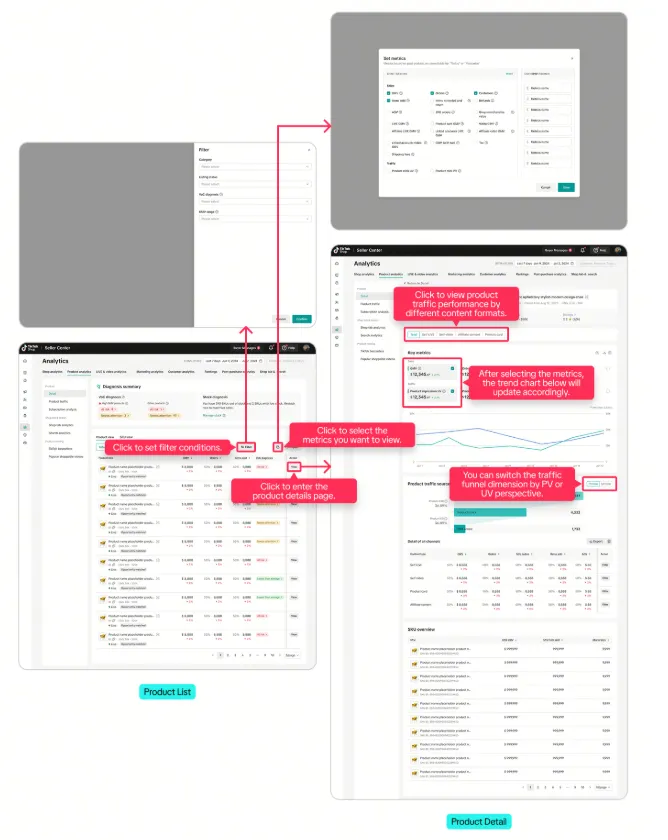
TikTok Shop has significantly upgraded its analytics offerings for sellers in the United Kingdom, introducing a revamped Product Traffic Analysis flow designed to provide more specific and actionable insights into the performance of their product listings. This enhancement, widely described as a much-requested change from the merchant community, equips UK-based businesses with sophisticated tools to delve deeper into their data, enabling more precise optimization of their sales strategies and product visibility on the burgeoning social commerce platform. The updated module offers an unprecedented level of detail, allowing sellers to pinpoint specific elements influencing their product’s reach and conversion efficiency.
The Strategic Imperative: TikTok Shop’s UK Expansion and the Drive for Data
TikTok’s aggressive expansion into e-commerce, particularly through its integrated "Shop" feature, marks a pivotal strategic direction for the ByteDance-owned social media giant. The United Kingdom has served as a crucial proving ground for TikTok Shop’s international ambitions, launching in late 2021 before expanding to other European markets and North America. The platform’s unique blend of short-form video content, live streaming, and direct purchasing capabilities aims to capture a significant share of the rapidly growing social commerce market. This sector, which integrates e-commerce directly within social media platforms, is projected to reach trillions of dollars globally in the coming years, with significant growth expected in mature markets like the UK. For TikTok, the success of Shop is not merely about generating transactional revenue but also about increasing user engagement, diversifying its business model beyond advertising, and leveraging the vast content creation ecosystem it has fostered.
However, the transition from a content-first platform to a robust e-commerce ecosystem presents inherent challenges, particularly in providing merchants with the necessary tools to thrive. Unlike traditional e-commerce platforms, social commerce relies heavily on discoverability through algorithmic recommendations and influencer-driven content. For sellers, understanding how their products are discovered, engaged with, and ultimately purchased within this dynamic environment is paramount. Early feedback from UK merchants indicated a clear demand for more granular data beyond basic sales figures. As TikTok itself articulated, "During previous research and interviews, we frequently received requests from merchants for more detailed, drill-down analysis of their products. To provide data capabilities that are more aligned with a merchant’s perspective and their operational analysis workflow on TikTok, we have comprehensively upgraded the Product Traffic Analysis module." This statement underscores TikTok’s responsiveness to its merchant base and its commitment to fostering a data-driven selling environment.
Addressing Merchant Demands: The Need for Granular Insights
Prior to this significant overhaul, sellers on TikTok Shop had access to fundamental analytics, but these often lacked the depth required for sophisticated performance tuning. While metrics like total sales, order volume, and basic traffic sources were available, merchants frequently found themselves unable to answer critical questions: Which specific video drove the most traffic to a particular product? What percentage of users who viewed a product page actually added it to their cart? Where were potential customers dropping off in the sales funnel? These gaps hindered sellers’ ability to optimize their product listings, refine their content strategies, and allocate their marketing spend effectively.
In the highly competitive UK e-commerce landscape, where consumer attention is fragmented across numerous platforms, every data point can offer a significant advantage. Small and medium-sized enterprises (SMEs), which form a substantial portion of TikTok Shop’s seller base, particularly benefit from accessible, detailed analytics. Lacking the extensive marketing budgets or dedicated data science teams of larger corporations, SMEs rely on intuitive, actionable insights to make informed business decisions. The previous analytics, while functional, necessitated a degree of inference and external analysis that many sellers found challenging. The updated Product Traffic Analysis module aims to democratize access to sophisticated data, empowering even the smallest businesses to compete more effectively by understanding their audience and product performance with unprecedented clarity. This move aligns TikTok Shop with industry best practices seen on established e-commerce platforms like Amazon and eBay, as well as other social commerce contenders, signaling TikTok’s intent to be a serious player in online retail.
Unpacking the Enhanced Product Traffic Analysis Module
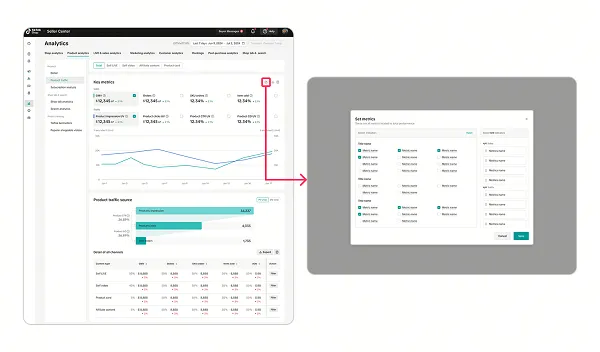
The core of this upgrade lies in a range of new and refined elements within TikTok’s product metrics, meticulously designed to provide a 360-degree view of product performance. These enhancements address both the origin of traffic and the efficiency of conversion, offering a powerful toolkit for optimization.
-
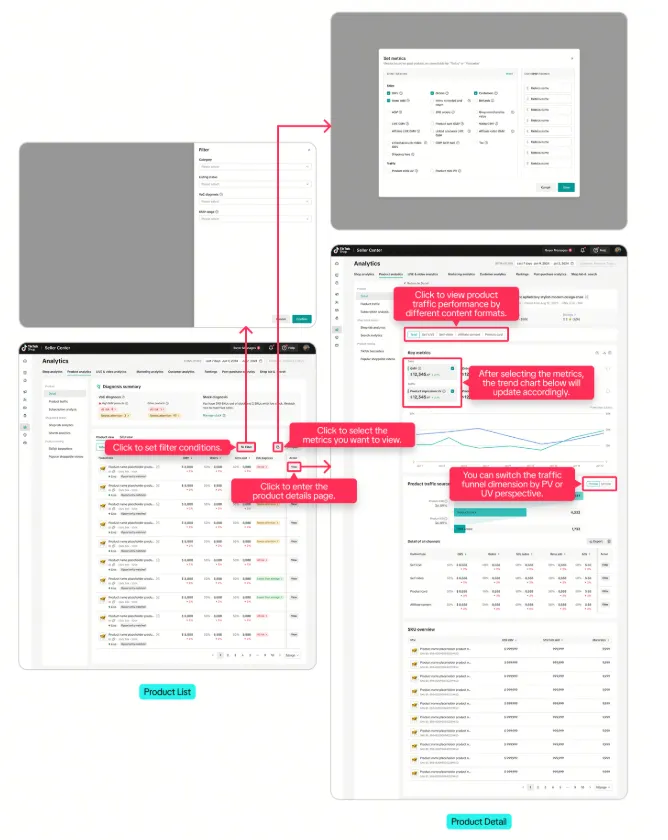
Understanding Traffic Sources: One of the most critical aspects for any online seller is knowing where their potential customers are coming from. The revamped module now offers significantly more detailed breakdowns of traffic sources. This includes differentiating between traffic originating from organic content on the "For You" page, direct searches within TikTok Shop, live streaming events, product showcase tabs, and potentially even external links or paid promotions. For example, a seller might discover that a significant portion of their traffic comes from a specific type of user-generated content featuring their product, or that their live stream sessions are far more effective at driving initial interest than static product listings. This insight allows sellers to double down on successful content formats and channels, optimizing their content creation efforts and potentially refining their influencer marketing strategies.
-
Optimizing Conversion Efficiency: Beyond simply attracting eyeballs, the ultimate goal for sellers is to convert interest into sales. The new analytics provide a granular view of the conversion funnel, allowing sellers to track user behavior from initial product view to final purchase. This includes metrics such as:
- Product Page Views: The number of times a product listing was seen.
- Click-Through Rate (CTR): The percentage of users who viewed a product listing and clicked on it.
- Add-to-Cart Rate: The percentage of users who viewed a product and added it to their shopping cart.
- Purchase Rate: The percentage of users who added an item to their cart and completed the purchase.
- Drop-off Points: Identifying at which stage in the funnel users are disengaging. For instance, a high add-to-cart rate but a low purchase rate might indicate issues with the checkout process, shipping costs, or product pricing at the final stage. Conversely, a low click-through rate might suggest that the product’s thumbnail image or initial description is not compelling enough.
-
Key Metrics for Performance: The enhanced module integrates these elements into a cohesive dashboard, likely offering visual representations and trend analysis over time. Sellers can now monitor key performance indicators (KPIs) with greater precision, such as:
- Unique Visitors vs. Total Views: Understanding reach versus repeated engagement.
- Average Time on Product Page: An indicator of user interest and content quality.
- Demographic Insights (inferred): While not explicitly stated, advanced analytics often include some level of demographic data (age, gender, location) of users interacting with products, which can further inform targeting.
- Product-Specific Performance Comparisons: Allowing sellers to benchmark different products against each other to identify top performers and underperformers, guiding inventory decisions and promotional efforts.
A Timeline of TikTok Shop’s Growth and Analytics Development
TikTok’s journey into e-commerce has been rapid and iterative.
- Late 2020 – Early 2021: Initial experiments with in-app shopping features begin in select markets, drawing inspiration from Douyin’s established e-commerce success in China.
- October 2021: TikTok Shop officially launches in the UK, marking its first major foray into e-commerce in a Western market. This launch includes basic shopping functionalities like product showcases and live shopping events.
- Early 2022: TikTok Shop begins its expansion to Southeast Asian markets, refining its model based on early UK and pilot market learnings.
- Mid-2022: Reports indicate significant investment and aggressive growth targets for TikTok Shop globally, including the UK. Merchant onboarding and training programs are scaled up.
- Late 2022 – Early 2023: Further expansion into other European countries and the United States. During this period, feedback from UK merchants regarding the need for more sophisticated analytics intensifies as sellers gain experience with the platform.
- Mid-2023: TikTok publicly acknowledges the merchant demand for deeper insights and begins development on the enhanced Product Traffic Analysis module.
- Recent Announcement (as per article): The revamped Product Traffic Analysis flow is rolled out to UK sellers, providing the much-anticipated granular data. This represents a significant milestone in TikTok’s commitment to building a sustainable and attractive e-commerce ecosystem for its merchants.
Expert Perspectives and Industry Reactions
The introduction of these advanced analytics is likely to be met with strong approval from various stakeholders within the UK e-commerce ecosystem.
An inferred statement from a TikTok spokesperson might emphasize: "Our commitment to empowering our sellers is unwavering. This significant upgrade to our Product Traffic Analysis module is a direct result of listening to our merchant community and investing in the tools they need to succeed. By providing deeper, more actionable insights, we aim to help UK businesses optimize their strategies, understand their customers better, and ultimately drive greater sales and growth on TikTok Shop. This is a crucial step in building a robust, data-driven e-commerce platform that benefits both sellers and buyers."
An e-commerce analyst, such as Sarah Jenkins from Digital Retail Insights, might comment: "This is a smart and necessary move for TikTok Shop. In an increasingly data-centric e-commerce world, basic analytics simply don’t cut it. For TikTok to seriously challenge established players and attract more professional sellers, providing granular insights into traffic and conversion is essential. It allows merchants to move beyond guesswork and make truly data-driven decisions about their product offerings, content strategy, and marketing spend. This will undoubtedly increase merchant satisfaction and loyalty, making TikTok Shop a more attractive proposition for businesses looking to expand their online presence."
A representative from a UK small business or e-commerce association, like the Federation of Small Businesses (FSB), could welcome the news: "Many of our members are embracing new digital channels like TikTok Shop to reach wider audiences. However, the learning curve can be steep. Tools that simplify complex data and provide clear, actionable insights are invaluable, especially for SMEs with limited resources. This upgrade from TikTok will help small businesses in the UK to better understand their customers, refine their product strategies, and ultimately grow their online sales, contributing positively to the broader digital economy."
The Broader Economic Impact for UK Retailers
The implications of this analytics upgrade extend beyond individual sellers and touch upon the broader UK retail landscape.
- Empowering SMEs and Micro-Businesses: The UK’s economy is heavily reliant on SMEs. TikTok Shop’s accessible analytics can lower the barrier to entry for digital commerce, enabling more small businesses to effectively market and sell their products online. This fosters entrepreneurship and can stimulate economic activity at a local level.
- Refined Marketing and Advertising Spend: With better data on traffic sources and conversion rates, UK sellers can allocate their marketing budgets more efficiently. This could lead to a shift in advertising spend towards platforms and content types that demonstrably deliver higher ROI, potentially impacting traditional advertising channels or other social media platforms.
- Competitive Advantage and Innovation: Sellers who leverage these new insights effectively will gain a competitive edge. This could spur innovation in product development, content creation, and customer engagement strategies on TikTok Shop, leading to a more dynamic and consumer-centric marketplace.
- Increased Platform Professionalization: The availability of professional-grade analytics signals TikTok’s intent to elevate TikTok Shop from a nascent experiment to a mature e-commerce platform. This professionalism could attract larger brands and more sophisticated retailers, further diversifying the product offerings available to UK consumers.
- Data-Driven Product Development: Understanding what products resonate, where user interest peaks, and where drop-offs occur can directly inform future product development. UK businesses can use this feedback loop to create offerings that are precisely aligned with market demand.
Looking Ahead: TikTok’s Vision for Social Commerce
This analytics upgrade is a critical component of TikTok’s broader vision for in-stream shopping, particularly its emphasis on livestream commerce. ByteDance, TikTok’s parent company, has demonstrated immense success with in-app shopping elements through Douyin in China, where livestream shopping has become a multi-billion-dollar industry. The company is actively working to replicate this success globally, viewing the UK as a key market for this replication strategy. Livestream shopping, with its interactive and immersive nature, holds significant potential to drive impulse purchases and foster a strong sense of community around brands. The new analytics will be instrumental for sellers participating in livestreams, allowing them to measure the effectiveness of their broadcasts, understand audience engagement, and optimize their sales pitches in real-time or for future sessions.
The continuous enhancement of seller tools, coupled with ongoing investment in infrastructure and user experience, positions TikTok Shop as a formidable player in the global e-commerce arena. As the platform matures, the interplay between engaging content, seamless shopping experiences, and robust analytics will be crucial for its sustained growth and its ability to attract and retain a thriving merchant community in the competitive UK market and beyond. The latest Product Traffic Analysis module is not just an update; it’s a statement of intent, signaling TikTok’s serious commitment to becoming a dominant force in the future of retail.