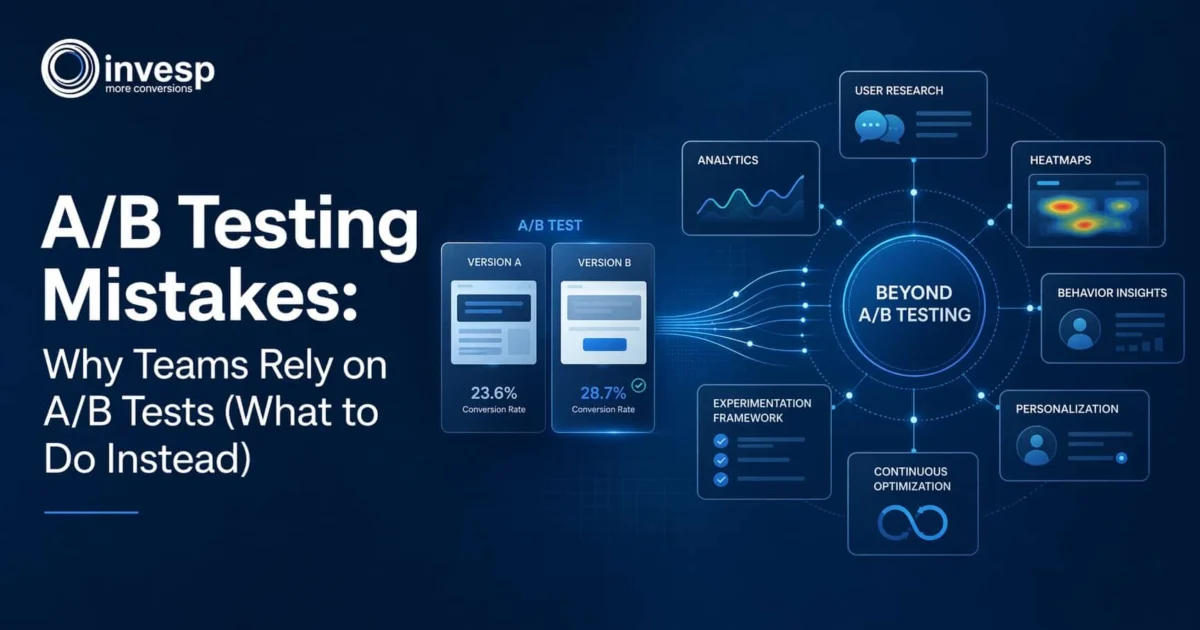
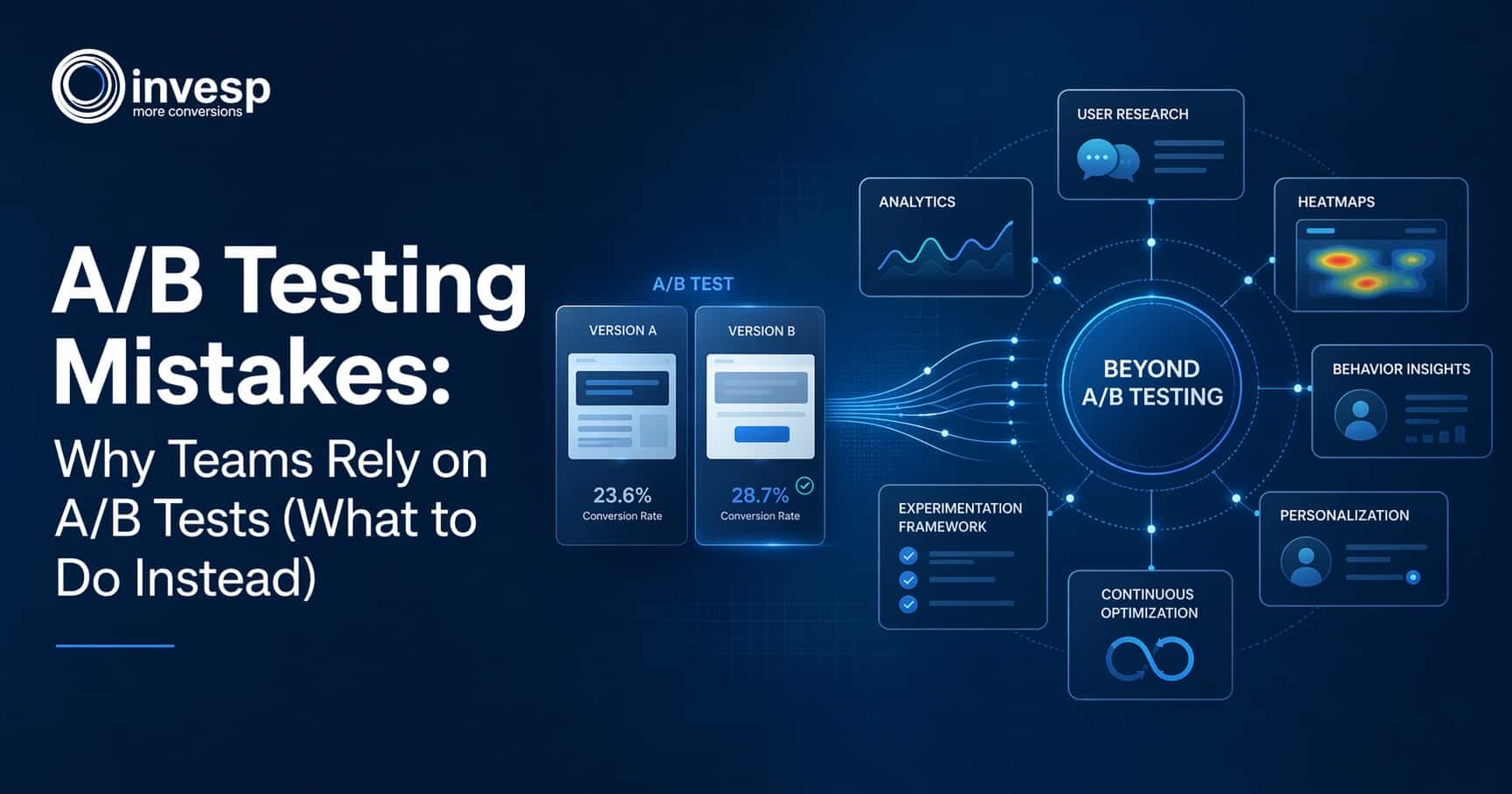
The digital marketing landscape has undergone a seismic shift over the last two decades, evolving from gut-feeling design choices to a rigorous, data-driven culture of experimentation. At the center of this transformation is A/B testing—a method that allows teams to compare two versions of a webpage or app to determine which performs better. While the practice initially served as a tool for incremental gains, recent industry analysis suggests that an over-reliance on simple A/B testing has become a significant bottleneck for enterprise-level growth. What began as a strategy to reduce guesswork has, for many organizations, devolved into a default decision-making crutch that often ignores broader strategic questions regarding product-market fit, pricing integrity, and long-term customer lifetime value.
The Rise of the AB Testing Default
The ascent of A/B testing as the primary tool for digital optimization can be traced back to the early successes of major technology firms. In a well-documented case from Microsoft’s Bing team, a minor adjustment to how ad headlines were displayed resulted in a click-through rate increase that generated over $100 million in additional annual revenue. Such high-profile success stories normalized the "test everything" mindset. Today, Microsoft reportedly conducts more than 20,000 controlled experiments annually across its search platform alone.
This culture was further cemented by the emergence of accessible experimentation platforms such as FigPii, Optimizely, and VWO. These tools democratized data science, allowing marketing and product teams to launch experiments without deep statistical expertise. However, this accessibility has led to a lopsided experimentation landscape. Statistics indicate that approximately 77% of all digital experiments remain simple A/B tests consisting of only two variants. This preference for simplicity often comes at the expense of more complex multivariate or multi-treatment designs that could offer deeper insights into user behavior.
The Statistical Barrier Why Traffic Volume Dictates Strategy
A critical challenge facing the widespread adoption of A/B testing is the requirement for statistical power. To reach a statistically significant conclusion—one where the observer can be confident that the result is not due to random chance—a test requires a substantial volume of visitors and conversions. For many mid-sized e-commerce brands, this creates a practical impasse.
When a team seeks to detect a small improvement, such as a 1% or 2% lift in conversion rates, the sample size required can reach into the hundreds of thousands of visitors per variant. Industry observers note that even brands generating one to two million sessions per month often struggle to reach significance within a standard two-week window. This leads to three common "failure modes" in corporate experimentation:
- Testing for Too Long: Tests run for six to twelve weeks, losing relevance as market conditions or seasonal trends change.
- Premature Decisions: Teams stop tests early when they see a "glimmer" of success, leading to false positives (Type I errors).
- Inconclusive Data: Tests are terminated without a clear winner, resulting in wasted resources and a lack of actionable insight.
The Information Gap Understanding Behavioral Causality
One of the most profound limitations of A/B testing is its inability to explain causality. While a test can definitively show what happened—for instance, that Variant B resulted in more clicks than Variant A—it cannot explain why the change occurred. This creates a "black box" effect where teams may replicate a winning UI element without understanding the underlying psychological trigger.
To illustrate this, data scientists often point to the "survivorship bias" phenomenon observed during World War II. When the military analyzed returning aircraft for bullet holes to determine where to add armor, statistician Abraham Wald noted that they were only looking at the planes that survived. The holes in the returning planes represented areas where a hit was not fatal. The fatal hits occurred in the engines of the planes that never returned.
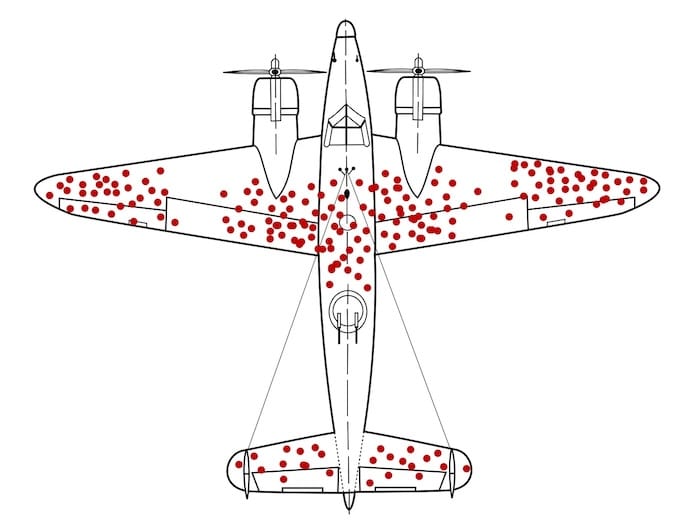
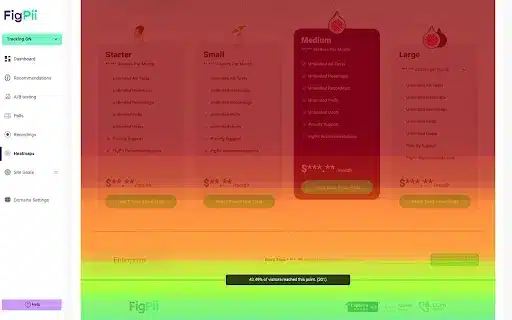
A/B testing operates under a similar bias; it tracks the behavior of users who are already moving through the funnel (the survivors). It often fails to capture the motivations or frustrations of those who dropped off entirely. Without pairing quantitative A/B data with qualitative research—such as session recordings, heatmaps, and customer surveys—teams risk optimizing the "bullet holes" while leaving the "engine" of their user experience fundamentally compromised.
Short Term Gains versus Long Term Sustainability
In the current e-commerce environment, there is a growing tension between short-term conversion lifts and long-term business health. A/B tests typically measure immediate actions: clicks, add-to-carts, or same-session purchases. However, these metrics can be misleading indicators of overall business success.
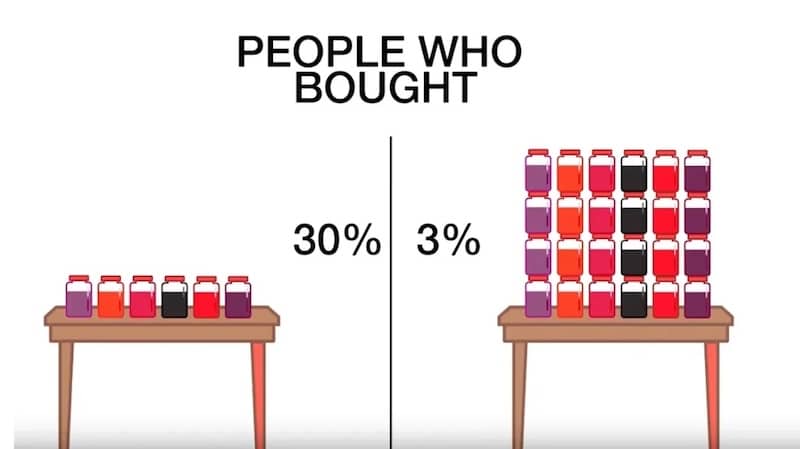
A classic example of this is the "Choice Overload" effect, often cited via the "Jam Experiment" conducted by researchers at Columbia and Stanford. The study found that while a display with 24 varieties of jam attracted more attention, a display with only six varieties resulted in a purchase rate ten times higher. In a modern digital context, a variant that increases engagement or "time on page" might look like a win in an A/B test, but it could actually be a sign of user confusion that ultimately leads to lower long-term retention.
Furthermore, aggressive optimization tactics—such as high-pressure countdown timers or intrusive pop-ups—may increase immediate conversions while simultaneously damaging brand trust and increasing return rates. High-maturity teams are now shifting their focus away from session-based metrics toward "Holdout Groups," where a segment of the audience is kept away from a new feature for months to measure its impact on repeat purchase behavior and customer lifetime value (CLV).
The Framework of High Maturity Experimentation
To overcome the plateau associated with basic A/B testing, mature organizations are adopting a broader "Experimentation Toolkit." This involves matching the specific business problem to the most appropriate experimental design.
Alternative Experimental Designs:
- Sequential Testing: Allows for data monitoring at multiple stages, providing a more flexible approach to stopping tests early if a significant result is found, without compromising statistical integrity.
- Switchback Tests: Used primarily in marketplaces (like Uber or DoorDash), where variants are toggled over time periods rather than split by user, preventing "interference" between the control and treatment groups.
- Quasi-Experiments: Used when a true randomized controlled trial is impossible or unethical, such as testing the impact of a new pricing model across different geographical markets.
- Holdout Groups: A long-term strategy where a small percentage of users never see a specific "winning" feature, allowing the company to measure the true incremental value over a period of six months to a year.
Developing Evidence Led Hypotheses
The quality of an experiment is fundamentally tied to the quality of its hypothesis. Industry experts argue that many tests fail because they are based on internal opinions or random backlogs rather than user evidence. A high-maturity hypothesis follows a rigorous structure: "Because [Evidence], we believe [User Problem], so we will [Change], and expect [Metric Impact]."
For example, instead of a vague goal like "Test the checkout button color," an evidence-led hypothesis would state: "Because customer support tickets indicate users are confused about delivery dates, we believe adding a delivery estimate to the product page will reduce anxiety, so we will implement a dynamic shipping calculator and expect a 5% increase in checkout completion among mobile users." This level of specificity ensures that even if a test "fails," the team gains a clear understanding of user psychology that can inform future strategy.
The Strategic Shift Testing Big Levers
If a website’s foundation is flawed—suffering from slow load times, confusing navigation, or a weak value proposition—A/B testing small UI elements will yield negligible results. High-maturity teams focus on "Big Levers," which are changes that fundamentally alter how a customer perceives the product or brand.
High-Leverage Areas for Testing:
- Value Proposition: Testing different ways to communicate why a customer should choose this brand over a competitor.
- Pricing and Packaging: Experimenting with subscription models, bundling strategies, or discount thresholds.
- Information Architecture: Redesigning how products are categorized and discovered, which often has a higher impact than cosmetic changes to the homepage.
- Trust Signals: Moving beyond generic badges to test the impact of specific social proof, such as user-generated content or detailed expert reviews.
Data from experimentation platforms shows that while revenue and checkout metrics are the most common primary goals (targeted in roughly 44% of experiments), they often have a lower "expected impact" than tests focused on navigation and engagement. Specifically, experiments targeting menu and navigation structures show an expected impact nearly ten times higher than those focusing solely on final checkout buttons.
Broader Impact and Industry Implications
The shift away from "A/B testing as a silver bullet" signals a professionalization of the Conversion Rate Optimization (CRO) industry. As organizations move toward a more holistic experimentation model, the role of the "Optimizer" is evolving into that of a "Product Strategist."
The implications for the workforce are significant. There is an increasing demand for professionals who can synthesize qualitative research with quantitative data. Furthermore, the rise of Artificial Intelligence and Machine Learning in testing—such as multi-armed bandit algorithms that automatically shift traffic to winning variants—is freeing up human teams to focus on high-level strategy and hypothesis generation.
In conclusion, while A/B testing remains a cornerstone of the digital economy, its role is being redefined. It is no longer the end-all-be-all of decision-making but rather one component of a broader, more sophisticated scientific approach to business growth. For companies looking to break through growth plateaus, the path forward involves less "button testing" and more rigorous, research-backed experimentation that addresses the core needs and motivations of the modern consumer. Organizations that fail to evolve their testing maturity risk being left behind by competitors who are not just measuring what their users do, but understanding why they do it.