Digital marketing technology provider Instapage has announced the launch of a new integrated Schema Markup feature, signaling a strategic shift toward AI-readiness for high-conversion landing pages. The update allows marketers to generate, validate, and deploy structured data directly within the Instapage environment, addressing a growing industry need for "Generative Engine Optimization" (GEO). As search engines evolve into AI-driven answer engines, the ability for machines to parse and understand page content has become as critical as the user-facing design itself. The rollout reflects a broader trend in the MarTech industry where traditional SEO tools are being retooled to support the requirements of Large Language Models (LLMs) and AI assistants like Google Gemini, OpenAI’s SearchGPT, and Perplexity.
The Evolution of Search and the Role of Structured Data
For over a decade, Search Engine Optimization (SEO) primarily focused on keywords, backlinks, and page speed. However, the rise of semantic search and artificial intelligence has shifted the priority toward "meaning." Schema markup, a form of structured data vocabulary founded by Google, Bing, Yahoo, and Yandex (Schema.org), serves as a standardized language that tells search engines exactly what a page represents. While a human sees a price tag and a "Buy Now" button, a search engine sees a string of text unless it is wrapped in "Product" schema.
The challenge for many marketing teams has historically been the technical barrier to implementing this code. Writing JSON-LD (JavaScript Object Notation for Linked Data) typically required web development resources or third-party plugins that could slow down page performance. By integrating an AI-powered generator into its landing page builder, Instapage aims to democratize access to these high-level SEO signals. This move comes at a time when marketing budgets are under increased scrutiny, forcing brands to find organic efficiencies rather than relying solely on rising Pay-Per-Click (PPC) costs.
Technical Capabilities of the Instapage Schema Tool
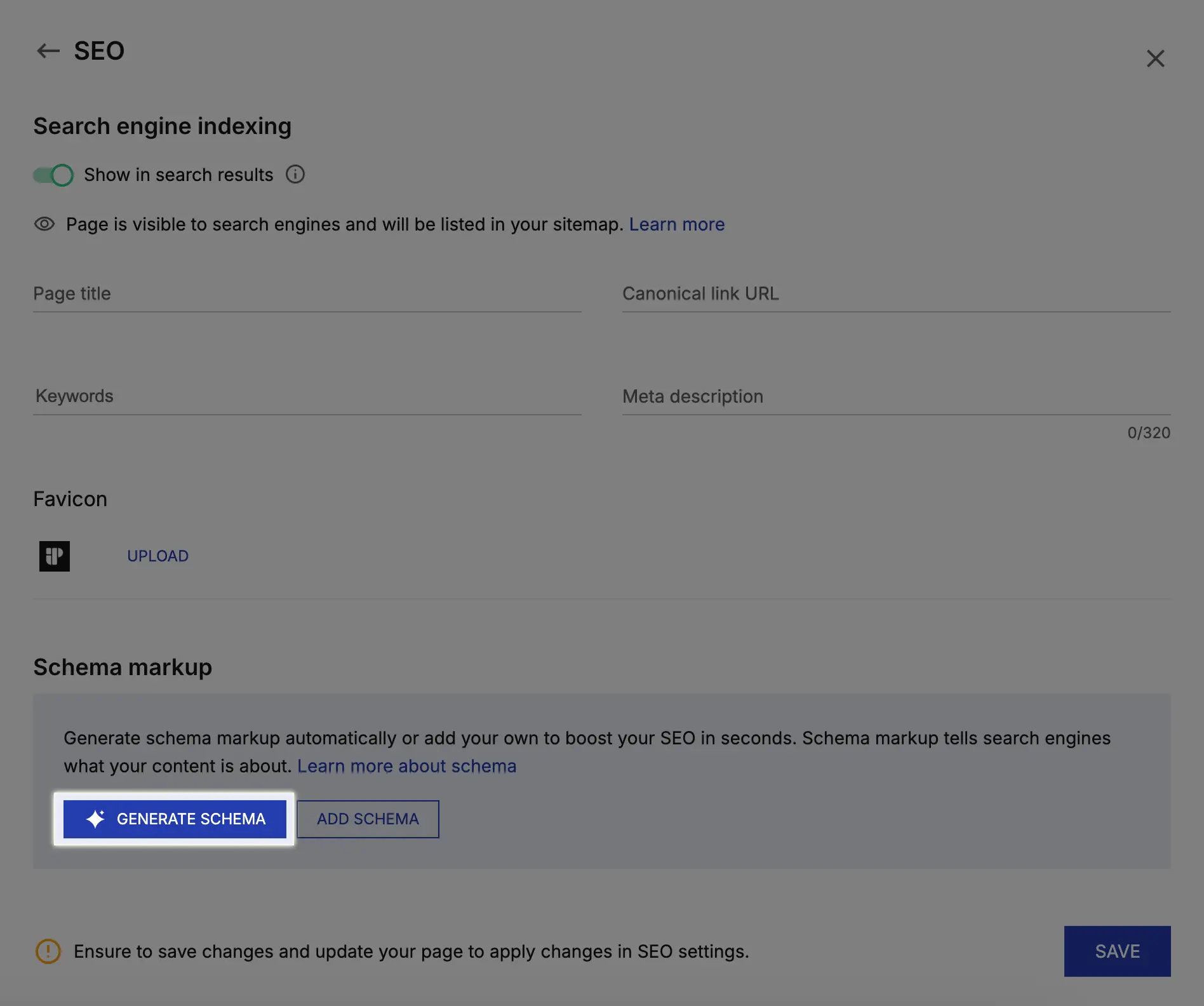
The new feature suite within Instapage is designed to eliminate the "back-and-forth" between marketing and engineering departments. The tool operates through a streamlined four-step process: generation, selection, validation, and publication.
One of the most significant technical inclusions is the "Auto-detect" option. Utilizing machine learning, this function analyzes the existing text, images, and headers on a landing page to suggest the most appropriate schema types. For complex pages, users can manually select from a library of common schema types, including:
- Organization and LocalBusiness: Essential for establishing brand authority and physical location data.
- Product: Communicates price, availability, and review ratings directly to search results.
- Person: Used for personal branding, influencer pages, or professional portfolios.
- Event: Highlights dates, locations, and ticketing information.
- FAQPage: A critical component for securing "Rich Snippets," which expand a brand’s footprint on the Search Engine Results Page (SERP).
Once the schema is selected, the system generates the corresponding JSON-LD code. A built-in validation tool then checks the code against current search engine standards to ensure there are no syntax errors that could lead to indexing penalties.

Chronology of the Shift Toward AI-First Marketing
To understand the significance of this update, one must look at the timeline of search engine evolution over the last five years. In 2019, Google introduced BERT, a transformer-based model designed to better understand the context of words in search queries. This was followed by MUM (Multitask Unified Model) in 2021, which further enhanced the engine’s ability to handle complex tasks.
The watershed moment occurred in late 2022 and early 2023 with the public release of generative AI tools. These systems do not just provide a list of links; they synthesize information to provide direct answers. For a brand’s content to be included in these synthesized answers, the data must be highly structured. Instapage’s decision to integrate schema tools in 2024 is a direct response to this "answer engine" era. Industry analysts suggest that by 2026, traditional search volume may decline in favor of AI-mediated interactions, making structured signals like schema the primary way brands maintain visibility.
Supporting Data: The Impact of Structured Data on Performance
Market data consistently demonstrates the value of schema markup. According to studies by various SEO research firms, pages with schema markup can see a 20% to 30% increase in click-through rates (CTR) compared to pages without it. This is largely due to the creation of "Rich Results"—visual enhancements like star ratings, images, and pricing that make a listing stand out in a crowded SERP.
Furthermore, in the context of AI assistants, structured data acts as a "source of truth." When an AI assistant like ChatGPT or Google SGE (Search Generative Experience) crawls the web to answer a user’s question, it prioritizes pages where the data is clearly labeled. For instance, a landing page using "FAQ" schema is significantly more likely to have its questions and answers used as a direct response in an AI-generated summary. For Instapage users, this means that the utility of their landing pages now extends beyond the click; the page becomes a data source that fuels the broader AI ecosystem.
Industry Implications and the "Zero-Click" Phenomenon
The introduction of easy-to-use schema tools addresses a growing concern in digital marketing: the "zero-click" search. A zero-click search occurs when a user’s query is answered directly on the search results page, removing the need for them to click through to a website. While this may seem counterintuitive for a landing page platform, the reality is that being the source of that zero-click answer is a powerful branding signal.
By providing the structured data that populates these direct answers, brands can maintain "share of voice" even if the user does not immediately visit the site. For lead generation and e-commerce, this visibility builds the top-of-funnel awareness necessary for future conversions. Instapage’s integration suggests that the company views the landing page not just as a destination, but as a structured data node in a global information network.
Strategic Analysis: Lowering the Barrier to Technical SEO
From a strategic standpoint, Instapage is positioning itself against competitors like Unbounce and Leadpages by focusing on the technical backend of the "post-click" experience. While many builders focus on aesthetic templates, the "invisible" layer of the web—the metadata—is where the next battle for search dominance will be fought.
The removal of the need for manual coding is particularly relevant for Small and Medium-sized Enterprises (SMEs). Historically, only large corporations with dedicated SEO teams could maintain comprehensive schema libraries across hundreds of landing pages. The automation of JSON-LD generation levels the playing field, allowing smaller players to compete for premium search real estate.
Official Perspectives and User Implementation
While official statements from Instapage emphasize the ease of use, technical SEO experts highlight the validation aspect as the tool’s most critical component. "The problem with manual schema implementation isn’t just the writing of the code; it’s the maintenance," says one industry analyst. "Search standards change. Having a platform that validates and updates these signals ensures that a brand’s digital infrastructure doesn’t become obsolete."
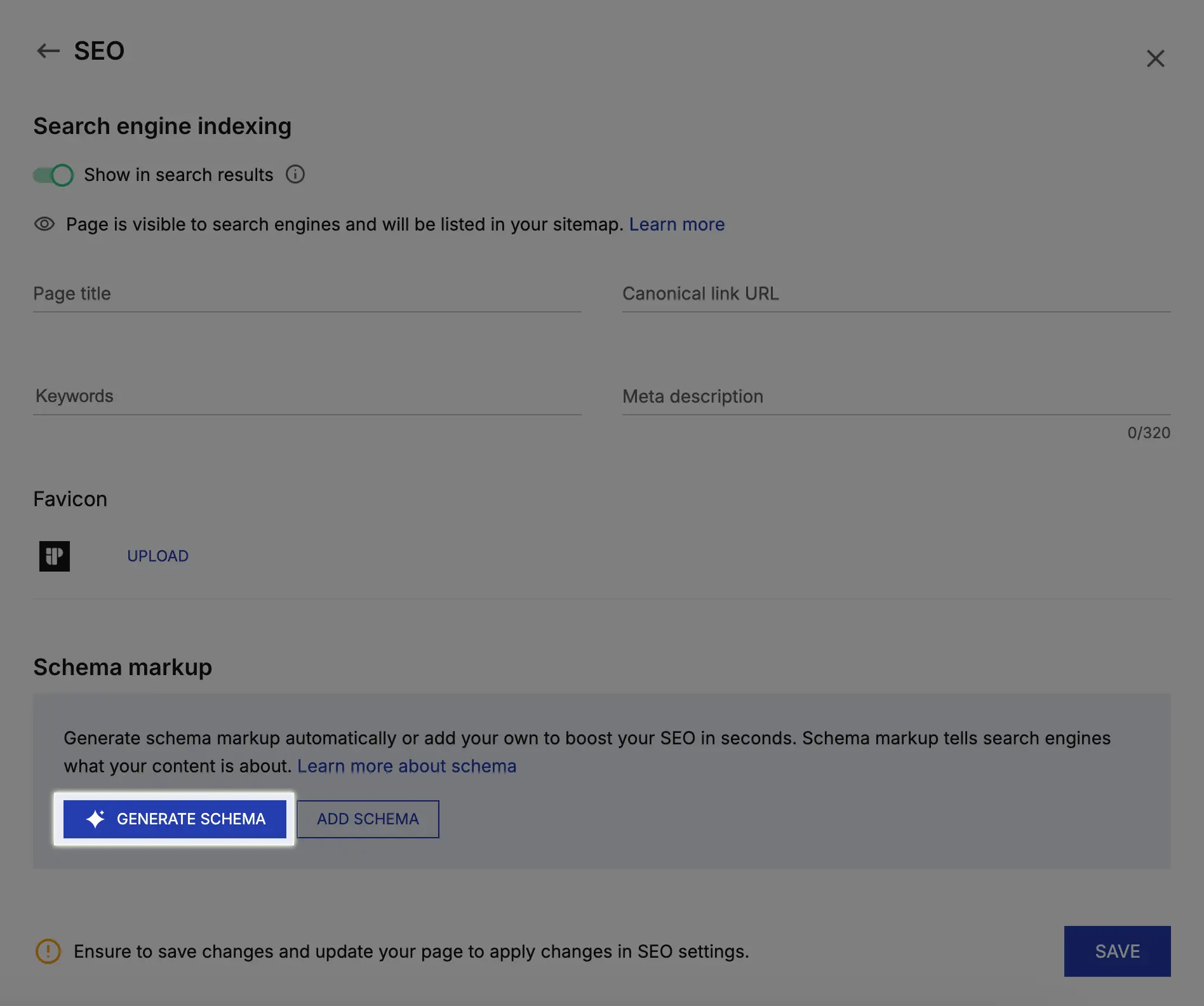
The implementation process for existing Instapage users is reportedly instantaneous. The feature has been rolled out across all plan levels, reflecting the company’s stance that structured data is no longer a "luxury" feature but a fundamental requirement for modern web presence. Users can access the tool via the SEO settings panel of any individual page. The company has also provided documentation for manual overrides, allowing advanced users to inject custom JSON-LD scripts if they require schema types beyond the standard library provided by the AI.
The Broader Impact on Digital Ecosystems
The move by Instapage is likely to trigger a response from other players in the Content Management System (CMS) and landing page sectors. As AI continues to reshape how information is consumed, the "readability" of a website by machines will become a standard metric of quality, alongside mobile-responsiveness and accessibility.
Looking forward, the integration of AI to write the very code that AI reads creates a closed-loop system of optimization. This "AI-to-AI" communication is expected to become the backbone of the next generation of the internet. By enabling marketers to participate in this exchange without deep technical knowledge, Instapage is addressing a critical gap in the current marketing stack.
In conclusion, the launch of the Schema Markup feature represents more than a simple product update. It is a recognition of the changing physics of the internet. As marketing budgets tighten and the competition for organic visibility intensifies, the brands that succeed will be those that provide the clearest, most structured signals to the algorithms governing the digital world. Instapage’s new tool provides the bridge between the creative intent of the marketer and the analytical requirements of the modern search engine.