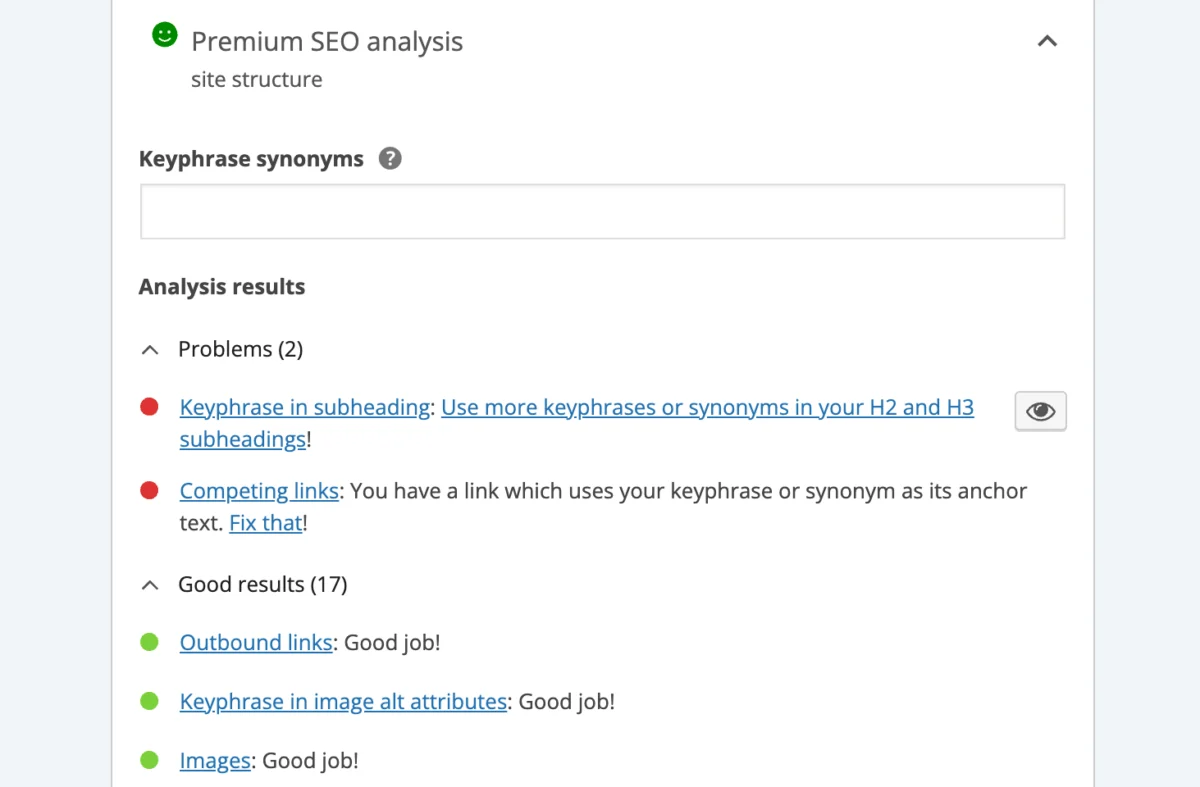
The widely adopted Yoast SEO plugin has successfully implemented a crucial update, re-establishing full content analysis capabilities for websites utilizing Elementor’s innovative atomic editor. This significant development addresses a critical compatibility issue that had previously prevented Yoast SEO from accurately assessing content created within Elementor’s newer editing environment, leaving vital SEO and readability checks blank despite the presence of extensive page content. The resolution ensures that users who have transitioned to Elementor’s atomic editor can once again leverage Yoast SEO’s comprehensive suite of optimization tools, including text length evaluations, keyphrase density analysis, image and link checks, and readability assessments.
Background: The Evolution of WordPress Page Builders and SEO
The digital landscape, particularly within the WordPress ecosystem, has been dramatically shaped by the advent of page builders like Elementor. Launched in 2016, Elementor rapidly ascended to become one of the most popular drag-and-drop page builders, empowering millions of users, from small business owners to professional web developers, to create visually stunning and highly functional websites without extensive coding knowledge. Its intuitive interface and vast array of widgets have contributed to its phenomenal growth, now boasting over 5 million active installations on WordPress.org.
Concurrently, search engine optimization (SEO) remains a cornerstone of online visibility. For WordPress users, plugins like Yoast SEO have become indispensable tools. First released in 2008, Yoast SEO has evolved into the most comprehensive and widely used SEO solution for WordPress, with over 5 million active installations. It provides a robust framework for on-page SEO, offering real-time analysis, content and readability checks, technical SEO optimizations, and guidance for crafting search engine-friendly content. The symbiotic relationship between a powerful page builder like Elementor and an essential SEO plugin like Yoast SEO is critical for many website owners seeking to achieve both aesthetic appeal and high search engine rankings.
The Advent of Elementor’s Atomic Editor and the Compatibility Challenge
In its continuous pursuit of enhanced performance, flexibility, and user experience, Elementor introduced significant architectural shifts, most notably with the rollout of its "atomic editor" concept. While the exact version number where this became prominent might vary based on specific features, the linked article refers to "Editor 4.0 Atomic Forms Pro Interactions," indicating a substantial update that redefines how content is structured and managed within the builder. This "atomic" approach moves towards more modular, component-based design, where individual elements (atoms) can be more precisely controlled and interacted with. From a technical standpoint, this often means a departure from traditional WordPress content storage methods, where content primarily resides within the standard post_content database field and is rendered through the_content filter. Instead, atomic editors might store content in custom fields, JSON objects, or other proprietary formats that are then dynamically assembled on the front end.
It was precisely this architectural evolution that presented an unforeseen challenge for Yoast SEO. The plugin’s content analysis engine, designed to parse content directly from the WordPress editor or from established page builder structures, found itself unable to "see" the text and elements created within Elementor’s new atomic framework. Users who had adopted the atomic editor quickly reported frustrating inconsistencies: despite their pages being rich with text, images, and links, Yoast SEO’s analysis boxes remained empty. This meant crucial metrics like text length, keyphrase density, internal and external link counts, and readability scores were unavailable. The impact was immediate and significant for a large segment of the WordPress community. Without these real-time insights, users found it difficult, if not impossible, to effectively optimize their content for search engines, leading to potential drops in organic visibility and a significant workflow disruption. The inability to highlight keyphrases within the editor further compounded the problem, removing a valuable visual aid for content optimization.
Chronology of the Issue and Resolution
The timeline of this compatibility challenge unfolded over several months, beginning with the gradual introduction and wider adoption of Elementor’s more advanced editing features.
- Late 2023 / Early 2024: Elementor progressively rolled out and refined aspects of its atomic editor, with users increasingly adopting these new features for their website builds. As more users switched to the atomic editor for its perceived benefits in design and performance, the incompatibility with Yoast SEO began to surface.
- Early 2024: Reports from the user community, spanning support forums, social media, and direct feedback channels to both Elementor and Yoast, highlighted the growing problem. Website administrators and SEO professionals expressed concern over the lack of crucial SEO data when using the two prominent tools in conjunction. This period saw a heightened sense of frustration as users were forced to choose between the design flexibility of Elementor’s new editor and the essential SEO guidance provided by Yoast. Some users resorted to manual content checks or temporary workarounds, which significantly hampered productivity.
- Yoast SEO Development and Testing: Recognizing the severity and widespread nature of the issue, the development team at Yoast SEO initiated efforts to understand and resolve the underlying technical disconnect. This involved delving into Elementor’s updated content rendering mechanisms and developing new parsing logic capable of extracting content directly from the atomic editor’s structure. This development phase would have involved rigorous testing to ensure accuracy across various Elementor configurations and content types.
- Latest Yoast SEO Update (March 2024): The culmination of these efforts arrived with a recent update to the Yoast SEO plugin. This update specifically incorporates the necessary adjustments to read content straight from Elementor’s atomic editor. The announcement, as detailed by Beth Parker, Product Marketing Manager at Yoast, signifies the successful deployment of this critical fix, restoring seamless integration between the two platforms.
The Technical Solution and Its Impact
The technical resolution implemented by Yoast SEO involved adapting its content analysis engine to understand and process the data structure employed by Elementor’s atomic editor. Historically, Yoast SEO would primarily hook into WordPress’s the_content filter or specifically target known HTML structures generated by page builders. With the atomic editor’s shift, content might be stored as metadata, custom fields, or within a proprietary JSON format that is then compiled into HTML on the fly. Yoast’s developers would have implemented new parsing routines that can now access this underlying data, irrespective of its storage method, and present it to the SEO analysis engine. This ensures that every element of the content – from simple text blocks to complex interactive components – is correctly identified and analyzed.
For users, the impact is profound and immediate. Upon updating their Yoast plugins to the latest version, existing content created with the atomic editor will automatically be recognized and analyzed the next time a page is opened. This means:
- Accurate Text Length: Crucial for meeting SEO best practices and providing comprehensive information.
- Keyphrase Density and Distribution: Essential for targeting specific keywords and avoiding keyword stuffing.
- Readability Scores: Guiding content creators to produce engaging and easily digestible text.
- Image Analysis: Ensuring alt text is present for accessibility and SEO.
- Internal and External Link Checks: Verifying proper linking strategies for site structure and authority.
- Keyphrase Highlighting: The visual aid of seeing target keyphrases highlighted directly in the editor returns, streamlining the optimization process.
Users of Elementor’s classic editor remain unaffected, as their content was always compatible with previous Yoast SEO versions. The fix specifically targets the new atomic editor, ensuring forward compatibility.
Statements and Reactions from Related Parties
While specific, direct quotes from Elementor regarding Yoast’s update are not yet publicly available, the general sentiment within the WordPress ecosystem is one of positive affirmation. Compatibility between leading plugins is paramount for a healthy and thriving platform.
- Yoast SEO’s Perspective: Beth Parker, Product Marketing Manager at Yoast, conveyed the core message of the update, stating, "We’ve fixed that. Yoast SEO now reads your content straight from Elementor’s atomic editor, so every check works the way you’d expect." This statement underscores Yoast’s commitment to user experience and its responsiveness to community feedback. It reinforces their position as a proactive developer dedicated to ensuring their plugin remains functional across the diverse and evolving WordPress landscape. The implicit message is that Yoast understands the importance of integrating seamlessly with other market-leading tools.
- Inferred Elementor Perspective: From Elementor’s viewpoint, such a resolution is undoubtedly beneficial. The success of a page builder often relies on the robustness of its ecosystem, including seamless integration with essential third-party plugins like SEO tools. When a major plugin like Yoast SEO faces compatibility issues, it can create friction for Elementor users and potentially deter adoption of new Elementor features. Yoast’s update thus strengthens Elementor’s offering by ensuring its users can continue to build and optimize effectively without compromise. This collaborative spirit, even if indirect through independent development, is vital for the overall health of WordPress.
- User Community Relief: The most significant reaction is expected to come from the vast user base of both plugins. Online forums, social media discussions, and support channels have seen a steady stream of complaints regarding this issue. The resolution will undoubtedly be met with widespread relief and appreciation. For many, this fix restores a crucial part of their web development and content marketing workflow, eliminating a significant hurdle in their efforts to achieve online visibility.
Broader Impact and Implications for the WordPress Ecosystem
This resolution extends beyond merely fixing a bug; it carries broader implications for the WordPress ecosystem and the ongoing evolution of web development tools.
- Reinforced Interoperability: The fix highlights the continuous challenge and critical importance of interoperability in an open-source platform like WordPress, where countless plugins and themes need to coexist and function harmoniously. As page builders and content management approaches become more sophisticated, the need for developers to anticipate and adapt to these changes is paramount. This update serves as a positive example of how leading plugin developers are committed to maintaining a cohesive user experience.
- User Confidence and Workflow: For millions of users, the restored compatibility means renewed confidence in both Elementor’s atomic editor and Yoast SEO. It removes a significant point of friction, allowing web creators and content marketers to focus on their primary tasks of building engaging websites and optimizing content, rather than troubleshooting compatibility issues. This streamlined workflow is essential for productivity and efficiency.
- Future-Proofing SEO Tools: The incident also serves as a reminder that SEO tools must continually evolve to keep pace with changes in content creation methodologies. As WordPress itself moves towards a more block-based and potentially "headless" architecture, SEO plugins will need sophisticated parsing capabilities to extract content from diverse sources, not just the traditional editor. Yoast’s quick adaptation to Elementor’s atomic editor sets a precedent for future compatibility challenges.
- Importance of Regular Updates: This event strongly reinforces the necessity for users to regularly update their WordPress core, themes, and plugins. Updates not only bring new features and security enhancements but also crucial compatibility fixes like this one. Neglecting updates can lead to broken functionality, security vulnerabilities, and a suboptimal user experience.
- The Power of Community Feedback: The fact that Yoast addressed this issue underscores the power of community feedback in the open-source world. User reports and shared experiences often guide developers towards critical areas needing attention, fostering a responsive development cycle that benefits everyone.
In conclusion, Yoast SEO’s latest update, which restores full compatibility with Elementor’s atomic editor, is a vital development for a significant segment of the WordPress community. It resolves a critical content analysis gap that had impeded effective SEO efforts for users of Elementor’s advanced editing environment. By adapting its parsing mechanisms, Yoast SEO has once again demonstrated its commitment to providing a seamless and comprehensive SEO solution, reinforcing the essential synergy between leading page builders and optimization tools in the ever-evolving digital landscape. This fix not only alleviates immediate user frustrations but also signals a continued dedication to interoperability and user-centric development within the broader WordPress ecosystem.