The global digital experience monitoring market is currently undergoing a significant transformation as businesses shift from basic traffic metrics toward deep behavioral analysis. In an era where customer acquisition costs (CAC) continue to climb, the ability to optimize existing traffic through Conversion Rate Optimization (CRO) has become a strategic imperative for e-commerce, SaaS, and lead-generation enterprises. Central to this effort are two prominent platforms: Crazy Egg and Mouseflow. While both tools aim to demystify user behavior, they represent different philosophies in software design—one prioritizing a consolidated, all-in-one testing environment and the other focusing on granular friction diagnostics and technical performance.
The Evolution of Behavioral Analytics: A Brief Contextual History
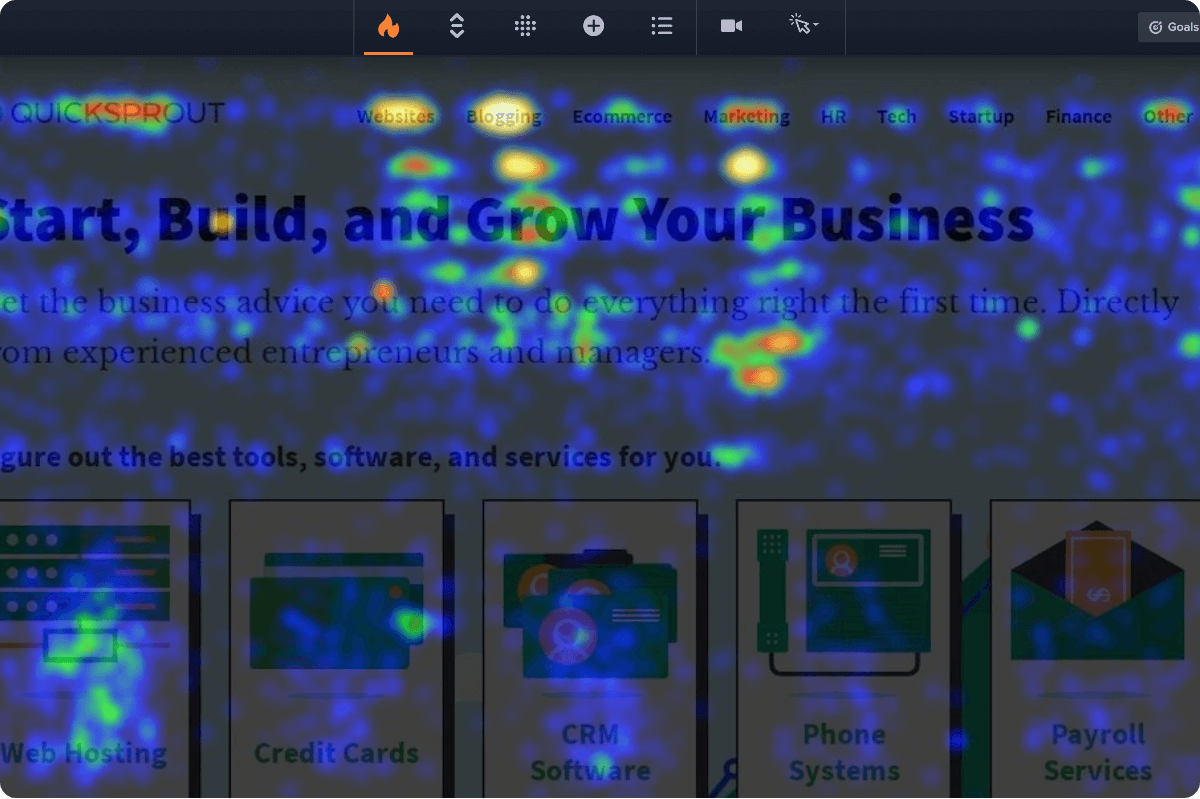
To understand the current competition between Crazy Egg and Mouseflow, one must look at the trajectory of the CRO industry. Crazy Egg, co-founded in 2006 by Hiten Shah and Neil Patel, was a pioneer in the visualization of user data. It effectively introduced the concept of the "heatmap" to the mainstream marketing world, moving beyond the abstract tables of early Google Analytics to show exactly where users clicked.
Mouseflow entered the market in 2009, during a period when web applications were becoming increasingly complex. As JavaScript-heavy sites became the norm, Mouseflow carved out a niche by focusing on "friction"—the technical or design hurdles that prevent a user from completing a task. Over the last decade, both companies have expanded their feature sets to include session recordings, funnels, and surveys, yet their core identities remain distinct. Crazy Egg has evolved into a comprehensive optimization suite that includes native A/B testing, while Mouseflow has doubled down on being the premier diagnostic tool for user frustration and form abandonment.
Core Feature Analysis: Heatmapping and Visualization
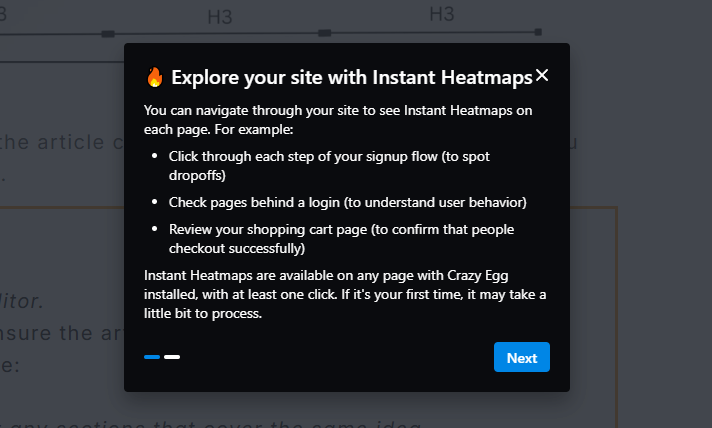
Heatmaps remain the foundational element for both platforms, yet the technical execution varies. Crazy Egg offers five distinct map types, most notably its proprietary "Confetti" map. Unlike standard heatmaps that aggregate all clicks into a thermal glow, the Confetti map allows marketers to segment clicks by referral source, search terms, and even custom variables. This level of granularity is essential for identifying which traffic sources are high-intent and which are merely "window shopping."
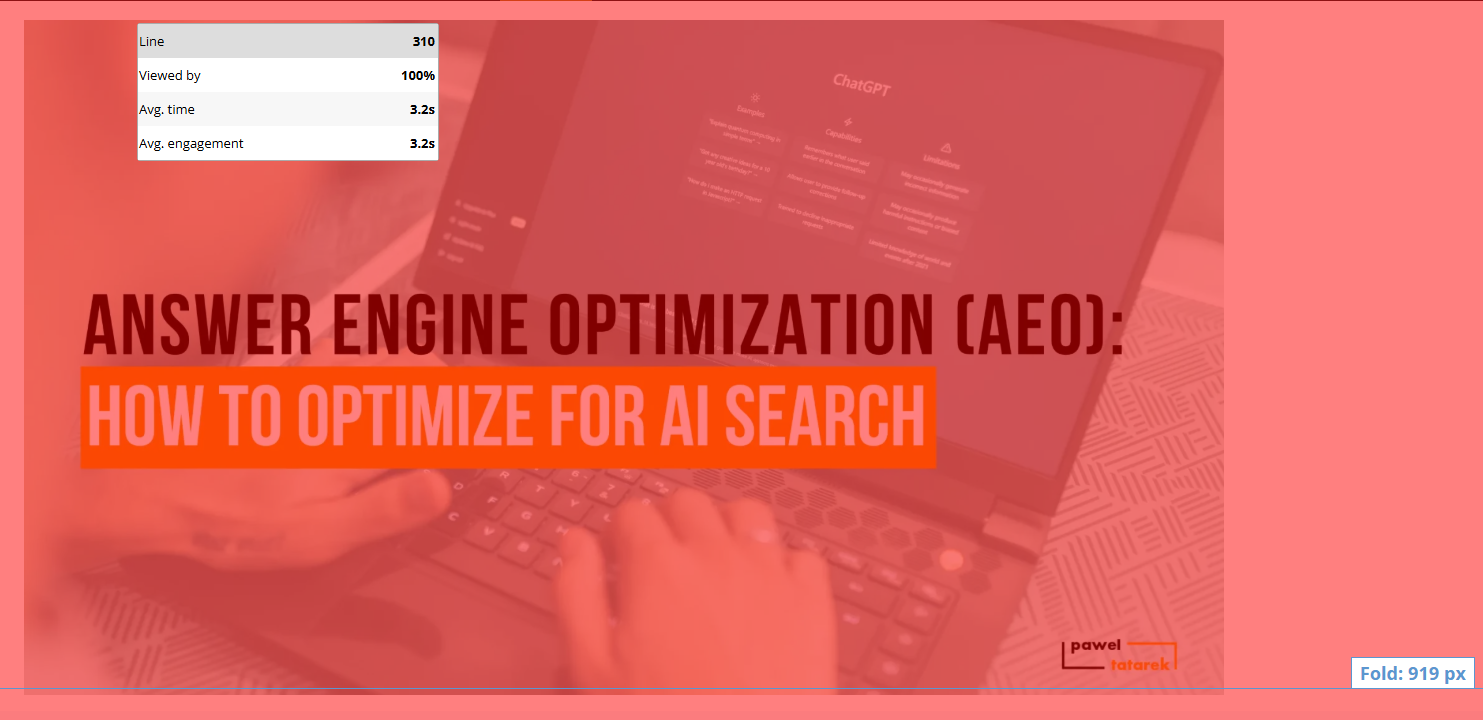
Mouseflow, by contrast, provides seven map types, including specialized views for "Attention" and "Geography." Mouseflow’s Attention maps are particularly valuable for content-heavy sites, as they visualize how much time users spend looking at specific sections of a page, regardless of whether they click. Furthermore, Mouseflow allows for cross-type comparisons, such as overlaying click data against scroll data to see if users are clicking on elements before they have fully understood the context of the page.
Session Recordings and the Rise of AI-Driven Insights
The volume of data generated by session recordings has historically been a double-edged sword; while the data is rich, watching thousands of hours of video is a logistical impossibility for most marketing teams. Both Crazy Egg and Mouseflow have addressed this through automated tagging and, more recently, Artificial Intelligence.
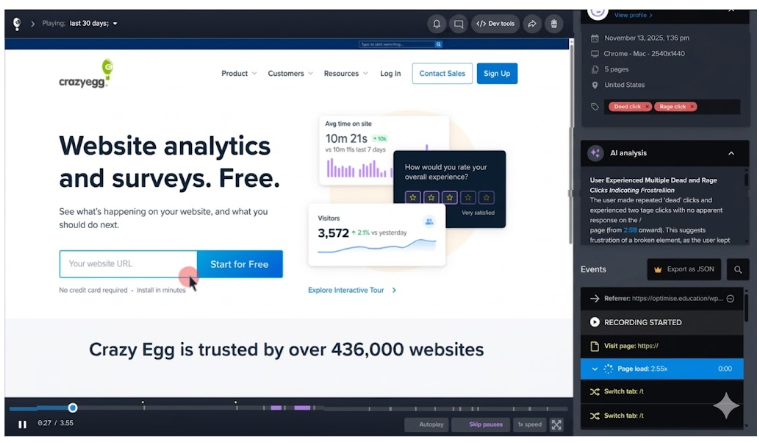
Crazy Egg has integrated an AI Analysis layer that automatically scans recordings and reports to surface actionable insights. Instead of a marketer having to guess why a conversion rate dropped, the AI identifies patterns, such as a high frequency of "rage clicks" on a specific mobile device. Crazy Egg also allows users to export recording data into Large Language Models (LLMs) like ChatGPT or Gemini for custom deep-dive analysis.
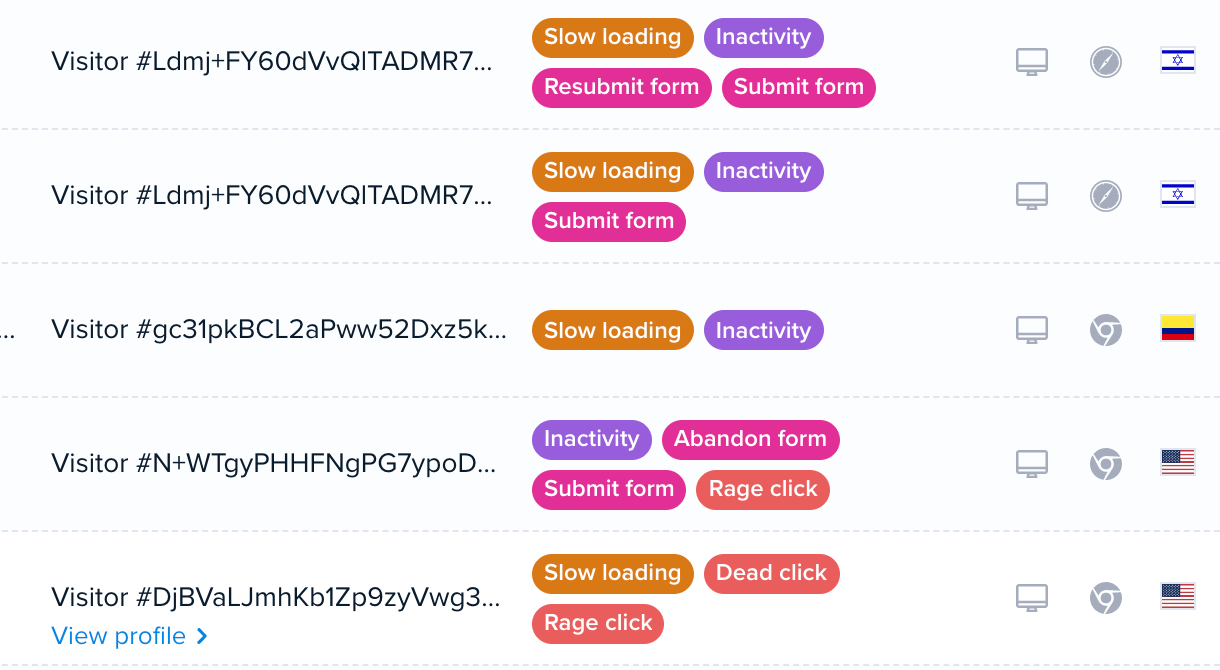
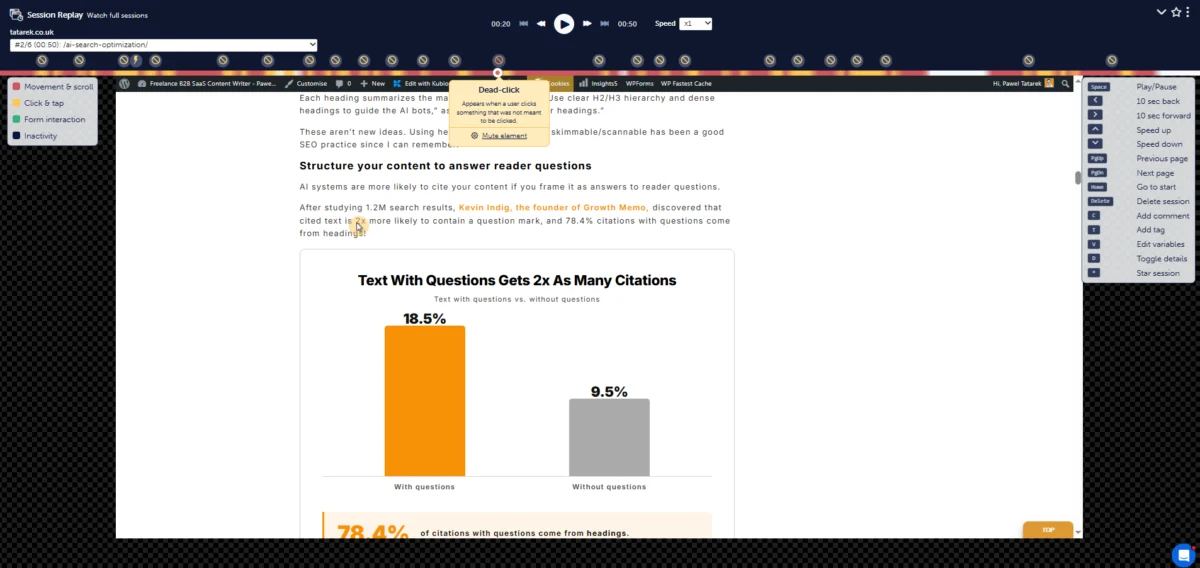
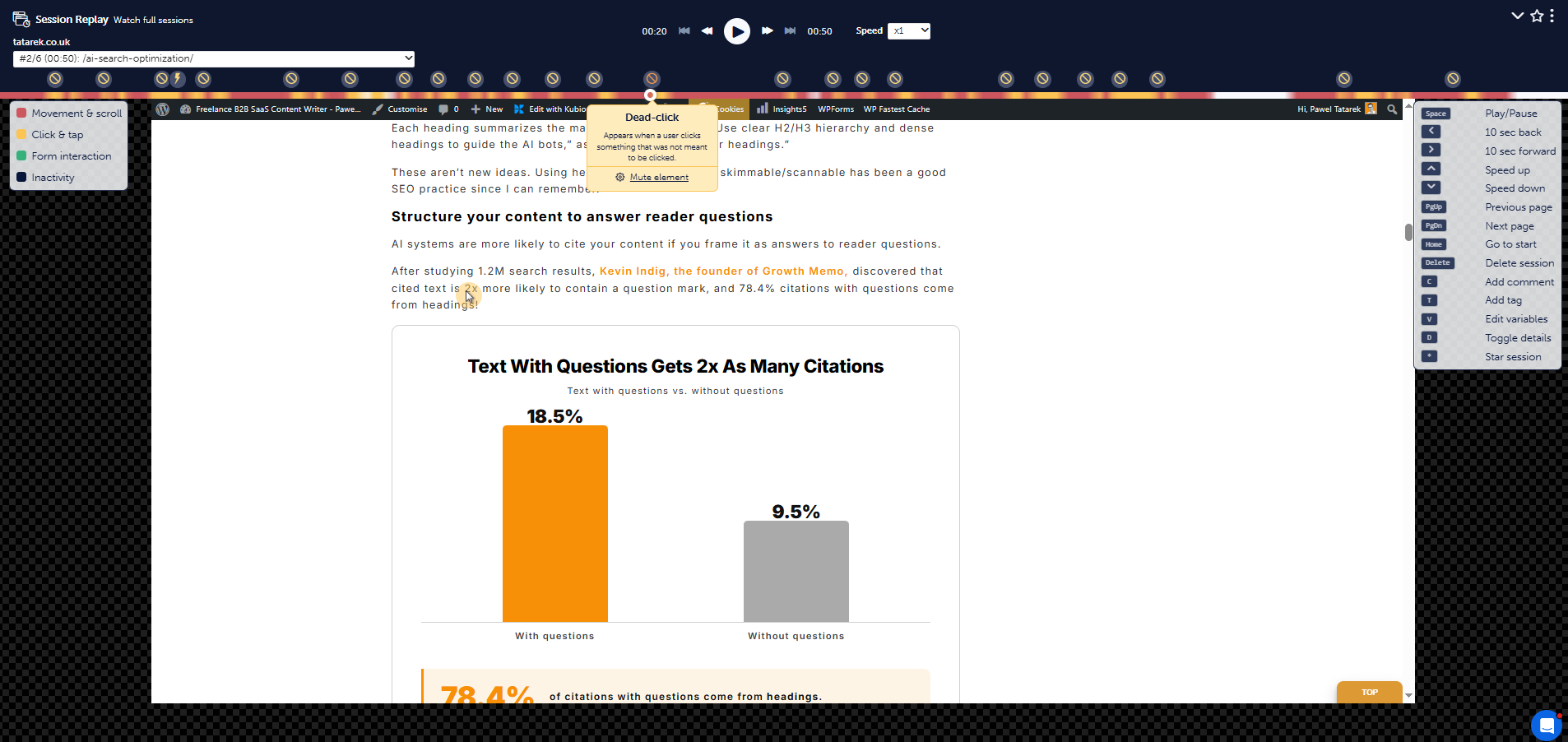
Mouseflow’s approach to session replays focuses on "Live Viewing" and a proprietary "Friction Score." The Friction Score is a quantitative metric assigned to every session based on behaviors like rapid clicking, "mouse nesting" (circular movement indicating confusion), and "dead clicks" (clicking on non-interactive elements). This allows teams to sort recordings by the level of frustration experienced by the user, prioritizing the most problematic sessions for review. Mouseflow also recently introduced "Mina," a conversational AI assistant that allows users to ask natural-language questions about their data, such as "Why are users dropping off on the pricing page?"
The A/B Testing Divide
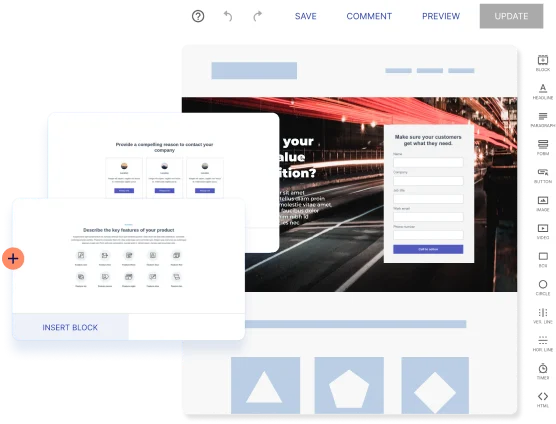
The most significant strategic difference between the two platforms lies in experimentation. Crazy Egg includes a native A/B testing tool with a visual editor. This allows a marketer to identify a problem via a heatmap, hypothesize a fix, and launch a split test—all without leaving the platform or requiring a developer to change the website’s code. This "closed-loop" system is designed to reduce the "time to insight" and the "time to implementation."
Mouseflow does not offer native page-level A/B testing. Its philosophy is built on being a "best-of-breed" diagnostic tool that integrates with dedicated experimentation platforms like Optimizely, VWO, or Adobe Target. For organizations that already pay for a high-end A/B testing suite, Mouseflow’s lack of native testing is a non-issue. However, for small-to-medium businesses (SMBs) or agile marketing teams looking to minimize their software stack, Crazy Egg’s inclusion of testing provides a clear cost and workflow advantage.
Technical Diagnostics: Form Analytics and Funnels
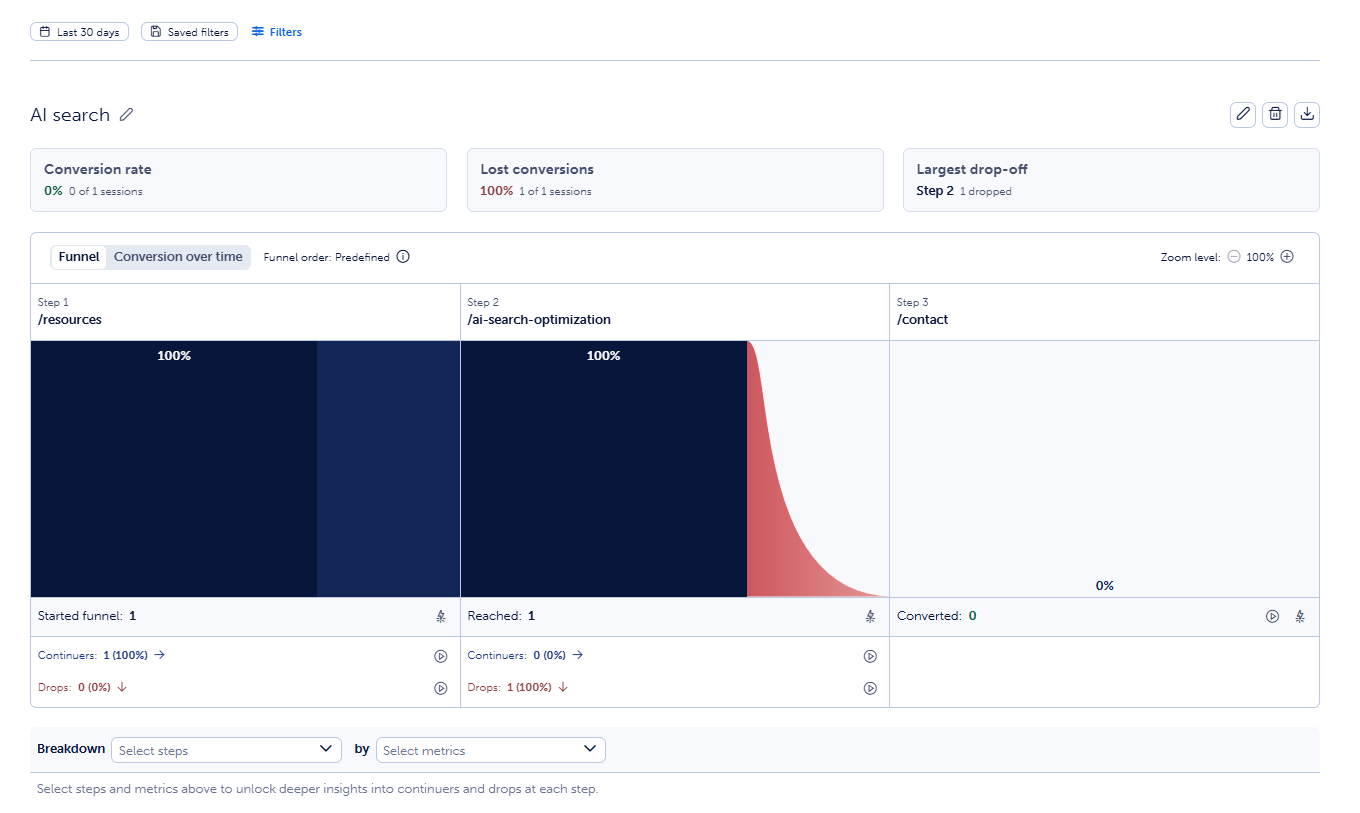
When it comes to the technicalities of the conversion funnel, Mouseflow holds a technical edge in form analytics. Form abandonment is one of the most common points of failure in the user journey. Mouseflow provides field-level analysis, showing exactly which box in a signup form causes users to hesitate or quit. It tracks metrics like "refill rate" and "time to first interaction" for every individual form field.
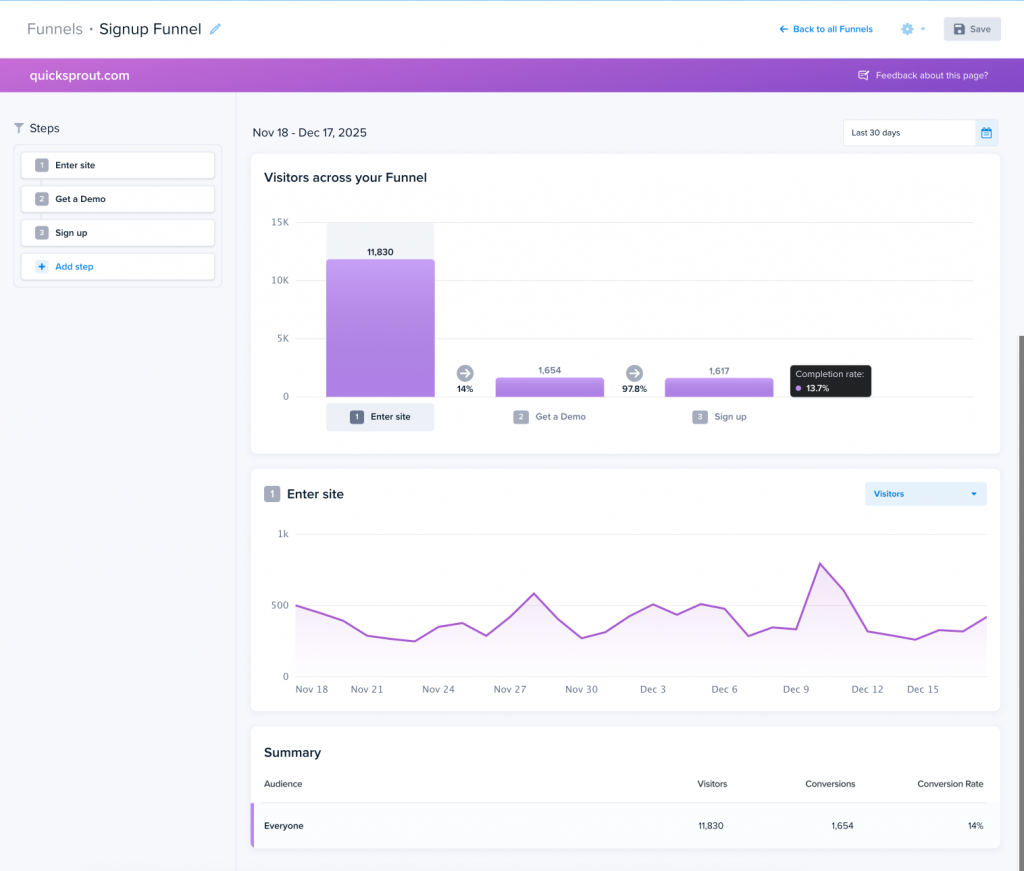
Crazy Egg offers high-level conversion analytics and funnel tracking but lacks the granular field-level diagnostics found in Mouseflow. However, Crazy Egg counters this with "Unlimited Funnels" across its paid plans. In Crazy Egg, funnels are retroactive, meaning that when a user creates a new funnel, the platform populates it with historical data immediately. This allows for rapid "what-if" analysis of past user paths without waiting for new traffic to accumulate.
Industry Trends and Data Privacy Compliance
In the current regulatory environment, data privacy is a primary concern for any organization collecting user behavior data. Both Crazy Egg and Mouseflow have updated their platforms to be compliant with the General Data Protection Regulation (GDPR) and the California Consumer Privacy Act (CCPA).
Mouseflow has historically been strong in the European market, offering robust data-masking features that ensure sensitive user information (like credit card numbers or passwords) is never recorded or stored on their servers. Crazy Egg has similarly implemented high-level encryption and masking, and its surveys are notable for meeting WCAG AAA accessibility standards, making them a preferred choice for public sector and highly regulated industries that must ensure all users, including those with disabilities, can interact with feedback tools.
Pricing Structures and Resource Allocation
The economic value of each tool depends largely on an organization’s traffic patterns and internal resources.
- Crazy Egg’s Model: Billed based on "tracked pageviews." This is advantageous for sites with high total traffic but who only want to optimize specific high-value pages (like landing pages or checkout screens). You only pay for what you actively monitor.
- Mouseflow’s Model: Billed based on "sessions." A session can include multiple pageviews. This is often more intuitive for understanding the full user journey but can lead to faster consumption of plan limits if users navigate through many pages in a single visit.
Industry data suggests that for agencies managing multiple client sites, Crazy Egg’s "unlimited domains" and "unlimited seats" policy on higher tiers offers better scalability. Mouseflow’s lower-tier plans are priced competitively for single-site owners but can become expensive as site caps and session limits are reached.
Strategic Implications and Final Analysis
The choice between Crazy Egg and Mouseflow ultimately reflects an organization’s operational maturity and existing tech stack.
The Case for Crazy Egg:
Organizations that value speed and simplicity will find Crazy Egg superior. By combining heatmaps, recordings, and A/B testing, it eliminates the "integration tax"—the time and effort required to make different software tools talk to each other. It is an ideal solution for growth hackers and marketing generalists who need to move from data to action quickly.
The Case for Mouseflow:
Organizations with a dedicated UX research or data science team may prefer Mouseflow. Its deep focus on friction scores, form analytics, and user journey mapping provides a level of diagnostic "truth" that is hard to replicate in an all-in-one suite. For enterprises that already have a sophisticated testing culture and established tools for experimentation, Mouseflow acts as the perfect "microscope" to find the invisible bugs in the user experience.
As the CRO market continues to evolve, the integration of AI will likely be the next battleground. The move from "descriptive analytics" (what happened) to "prescriptive analytics" (what you should do about it) is well underway. For now, Crazy Egg remains the leader in integrated action, while Mouseflow remains the leader in specialized diagnostics. Decisions should be based on whether a team needs a complete toolkit to build and test (Crazy Egg) or a high-powered diagnostic suite to investigate and solve (Mouseflow).