In the rapidly shifting landscape of global commerce, traditional marketing frameworks are proving increasingly inadequate for the demands of the digital-first consumer. As ecommerce matures from a secondary sales channel into the primary driver of retail growth, businesses are forced to move beyond transactional relationships, adopting instead a sophisticated growth marketing philosophy that prioritizes long-term customer lifetime value (CLV) over short-term conversion. This evolution is necessitated by a confluence of factors, including rising customer acquisition costs (CAC), the deprecation of third-party cookies, and a fundamental shift in consumer psychology across generational cohorts. To remain competitive, modern retailers must integrate deep market analysis, scalable technological infrastructure, and an unwavering focus on the holistic customer experience.
The Evolution of Ecommerce Growth Marketing
The transition from traditional digital marketing to growth marketing represents a paradigm shift in how brands interact with their audiences. While traditional marketing often focuses on the "top of the funnel"—namely awareness and acquisition—growth marketing encompasses the entire customer journey, including activation, retention, referral, and revenue.
Historically, the ecommerce sector has moved through several distinct phases. The early 2000s were defined by basic digital catalogs and the birth of marketplace giants like Amazon and eBay. The 2010s saw the rise of the "Direct-to-Consumer" (DTC) explosion, fueled by cheap social media advertising and the democratization of storefronts via platforms like Shopify. However, as the 2020s progress, the "gold rush" of inexpensive digital ads has ended. Data from various industry benchmarks indicates that the cost of acquiring new customers has risen by over 60% in the last five years. Consequently, future-proofing a business now requires a strategic pivot toward retention and organic growth drivers.
Market Analysis and the Demographic Shift
A future-proof strategy is rooted in an empirical understanding of the target audience. This goes beyond basic demographic data to include psychographics—understanding the "why" behind consumer behavior.
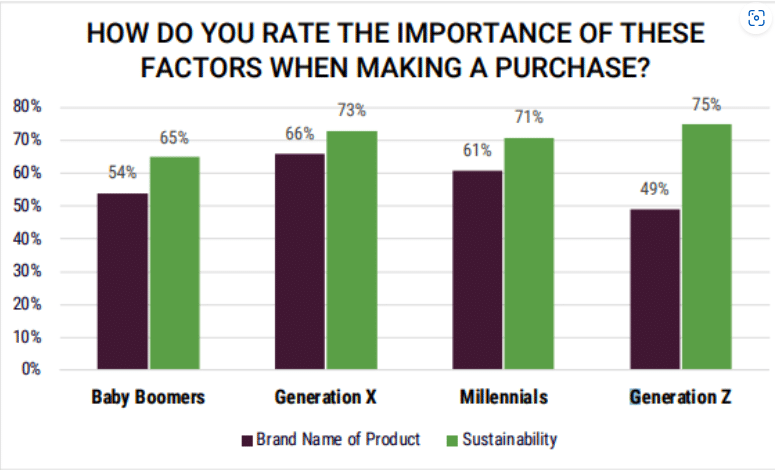
Current market data highlights a significant shift in values among younger consumers. According to research from the World Economic Forum, approximately 75% of Generation Z consumers prioritize sustainability and ethical brand practices over brand names. This cohort, born between 1995 and 2010, is increasingly wielding its trillion-dollar purchasing power to reward transparent and socially responsible companies.
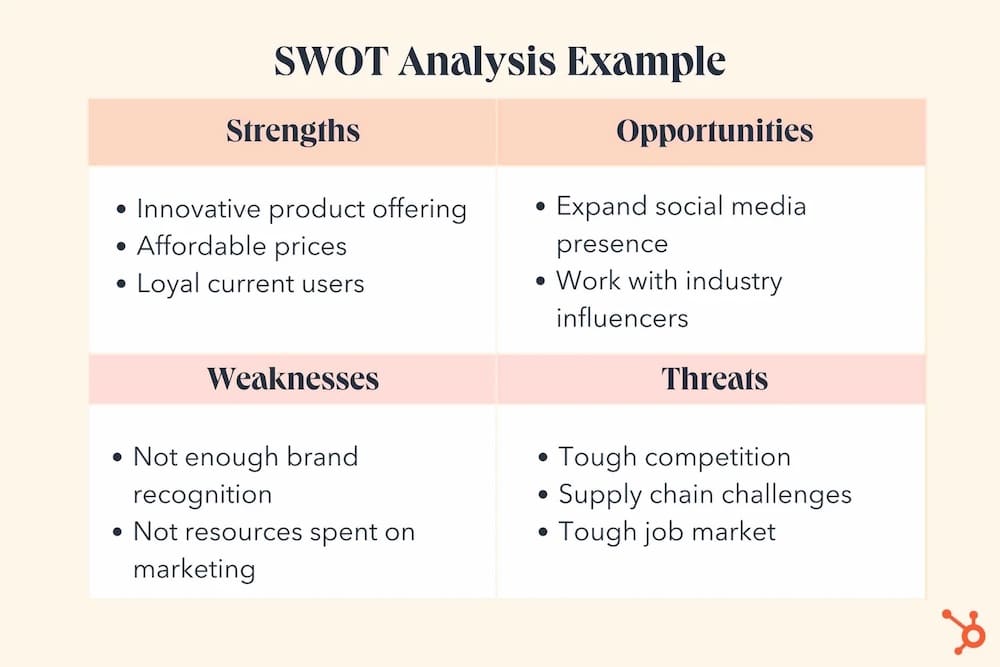
To capitalize on these insights, growth marketers are employing comprehensive SWOT (Strengths, Weaknesses, Opportunities, Threats) analyses to identify market gaps. Amazon’s historical dominance provides a classic case study; by identifying that consumers valued delivery speed as much as price, they developed the Prime infrastructure, effectively closing a market gap that competitors had ignored for years. Experts suggest that modern brands must perform similar "gap analyses" regarding sustainability, data privacy, and hyper-personalization to remain relevant.
Technological Infrastructure as a Growth Catalyst
Investing in a robust and scalable technological stack is no longer optional; it is the foundation of resilience. As businesses scale, their infrastructure must handle increased traffic, complex logistics, and sophisticated data processing without compromising performance.
Scalable Platforms and Headless Commerce
Leading platforms like Shopify and Magento (Adobe Commerce) have become industry standards due to their ability to scale with a business. However, a growing trend in future-proofing is "headless commerce." By decoupling the frontend user interface from the backend commerce engine, brands can deliver faster, more flexible experiences across various devices and platforms. This architecture allows for rapid iterations without the risk of destabilizing the core transaction engine.
Artificial Intelligence and Machine Learning
The integration of Artificial Intelligence (AI) has moved from experimental to essential. Stitch Fix, the online personal styling service, serves as a primary example of AI-driven growth. By utilizing machine learning algorithms to analyze customer preferences, sizes, and feedback, the company creates a personalized experience that traditional retailers cannot match. This level of personalization directly correlates with higher retention rates and reduced return volumes.
The Mobile-First Mandate
The dominance of mobile commerce is perhaps the most significant trend of the last decade. Statistics from Statista reveal that by the fourth quarter of 2023, smartphones accounted for 78% of global retail site traffic and generated two-thirds of all online shopping orders. A future-proof strategy must, therefore, be "mobile-native," ensuring that site speed, navigation, and payment gateways are optimized for a thumb-driven experience.
The Omnichannel Imperative
The modern consumer journey is rarely linear. A customer may discover a product on TikTok, research it on a desktop site, and eventually purchase it via a mobile app. This reality has birthed the need for omnichannel marketing—a strategy that provides a seamless experience regardless of the channel or device.
Research into omnichannel trends suggests that companies with strong omnichannel engagement strategies retain an average of 89% of their customers. In contrast, companies with weak omnichannel presence see retention rates as low as 33%.
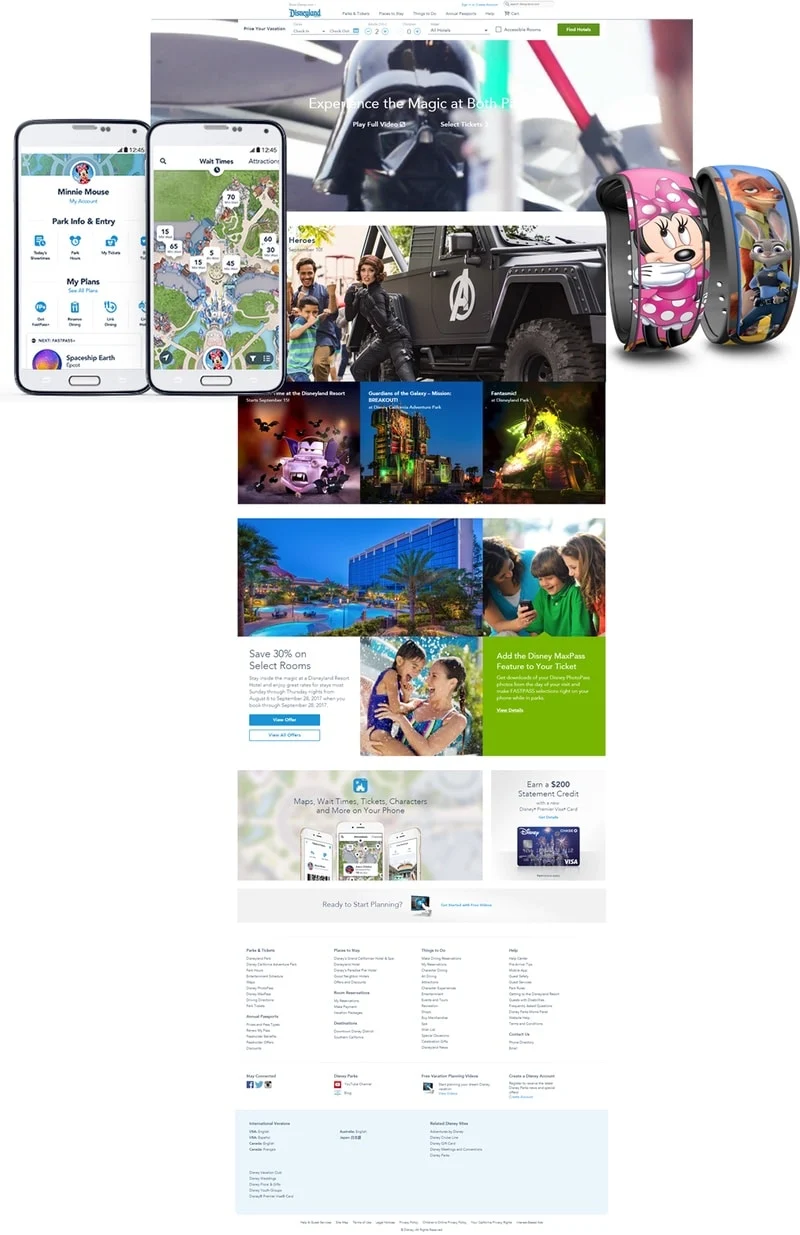
The Walt Disney Company provides a gold standard for this approach. Through the "My Disney Experience" ecosystem, the company integrates its website, mobile app, and physical "MagicBand" RFID technology. This creates a unified profile for every guest, allowing for personalized recommendations, streamlined bookings, and frictionless payments. For ecommerce brands, this translates to maintaining consistent messaging and data synchronization across social commerce, email, SMS, and web interfaces.
Content Strategy and the Value of the "Evergreen" Asset
In an era of fleeting social media trends, high-quality, evergreen content serves as a stabilizing force for organic growth. Evergreen content refers to search-optimized material that remains relevant and valuable to readers over long periods.
Successful brands are moving away from purely promotional content toward educational and utility-based assets. For example, wikiHow has built a massive digital footprint by providing step-by-step guides that solve specific user problems. For an ecommerce brand, this might involve creating comprehensive "how-to" guides, buying manuals, or deep dives into the sustainability of their supply chain. Such content not only drives consistent organic traffic via SEO but also establishes the brand as a thought leader, reducing the long-term reliance on paid advertising.
Cultivating Radical Customer Loyalty
As the digital marketplace becomes more crowded, the cost of customer churn becomes a primary threat to profitability. Studies indicate that a 5% increase in customer retention can lead to a profit increase of 25% to 95%.
To invoke true loyalty, brands must move beyond generic loyalty programs. Future-proof brands are focusing on:
- Personalized Rewards: Moving away from "one-size-fits-all" discounts to offers based on individual purchase history.
- Tiered Experiences: Providing early access to new products or exclusive content for high-value customers.
- Community Building: Creating forums or social groups where customers can interact with each other and the brand.
- Exceptional Support: Utilizing AI-driven chatbots for instant queries while maintaining high-touch human support for complex issues.
Industry analysts note that 73% of consumers cite a positive customer experience as a decisive factor in their brand loyalty. Consequently, the "return experience" and post-purchase communication have become as important as the initial sale in the growth marketing lifecycle.
Performance Analysis in the Privacy-First Era
The final pillar of a future-proof strategy is the rigorous analysis of performance data. However, this has become more complex due to increased privacy regulations like GDPR and the phasing out of third-party cookies by major browser providers.
Growth marketers are now pivoting toward "first-party" and "zero-party" data—information that customers provide voluntarily or that is collected directly on the brand’s own platforms. Tools like Google Analytics 4 (GA4) and behavioral analysis platforms such as FigPii allow marketers to track user intent through heatmaps and A/B testing without infringing on privacy.
Key Performance Indicators (KPIs) have also evolved. While conversion rate remains important, growth-focused brands are placing higher weight on:
- Customer Lifetime Value (CLV): The total revenue a business can expect from a single customer account.
- Customer Acquisition Cost (CAC) Ratio: The relationship between the cost to acquire a customer and the value they bring over time.
- Net Promoter Score (NPS): A measure of customer satisfaction and the likelihood of referrals.
Conclusion: The Path Toward Sustainable Growth
The future of ecommerce growth marketing is defined by a move away from "growth at all costs" toward a model of "sustainable, resilient growth." This requires a holistic integration of technology, data, and human-centric strategy.
Industry leaders from firms such as Gartner and McKinsey emphasize that the most successful brands of the next decade will be those that view their marketing not as a series of disconnected campaigns, but as a continuous ecosystem. By staying abreast of technological shifts—such as the rise of generative AI and augmented reality shopping—and maintaining a deep, empathetic understanding of the consumer, ecommerce businesses can navigate the uncertainties of the global market.
Ultimately, securing an ecommerce growth marketing strategy is about agility. The ability to analyze data in real-time, pivot strategies based on consumer feedback, and maintain a high standard of customer experience will separate the market leaders from those left behind in the digital transformation. In this environment, the "future-proof" brand is one that never stops evolving.


 Asro
Asro
 Dwi Wanna