The digital advertising ecosystem has entered a period of profound transformation as 2026 begins, marked by escalating costs, shifting privacy regulations, and a growing disconnect between platform popularity and actual profitability. A comprehensive industry survey of 1,440 marketing professionals conducted by Instapage reveals a stark reality: while 87% of advertisers continue to utilize Google and Meta Ads, their dominance in terms of return on investment is under siege. Only 44% of respondents cited Google as their top-performing platform, while a mere 25% reported the same for Facebook. This performance gap highlights a systemic issue in modern digital strategy—the failure to optimize the user experience once a potential customer moves beyond the initial advertisement.
As the average cost per lead (CPL) has climbed from $66.69 in 2024 to an estimated $70.11 in 2025 and 2026, the financial stakes of inefficiency have never been higher. Industry data suggests that even a one-second delay in mobile landing page load times can result in a 20% reduction in conversion rates. Consequently, brands are increasingly finding that they are paying a premium for clicks that bounce before a transaction can occur, necessitating a shift in focus from ad creative alone to a holistic view of the post-click journey.

The Evolution of Online Advertising: A Historical Context
To understand the current state of the market in 2026, it is essential to trace the chronology of digital advertising over the last decade. The mid-2010s were defined by the "duopoly" of Google and Meta, where massive reach and granular targeting allowed for relatively low-cost customer acquisition. However, the introduction of the General Data Protection Regulation (GDPR) in Europe and the California Consumer Privacy Act (CCPA) in the United States began a slow erosion of third-party tracking capabilities.
The most significant turning point arrived with Apple’s App Tracking Transparency (ATT) framework, which significantly limited the data available to social media platforms. By 2025, the industry began preparing for the final phase-out of third-party cookies in Google Chrome. This transition has forced a pivot toward first-party data—information collected directly from consumers through newsletters, account registrations, and website interactions. In 2026, the most successful advertisers are those who have successfully integrated server-side tracking and Conversion APIs to maintain measurement accuracy in a "cookieless" world.
The Foundation: Search and Social Dominance Under Pressure
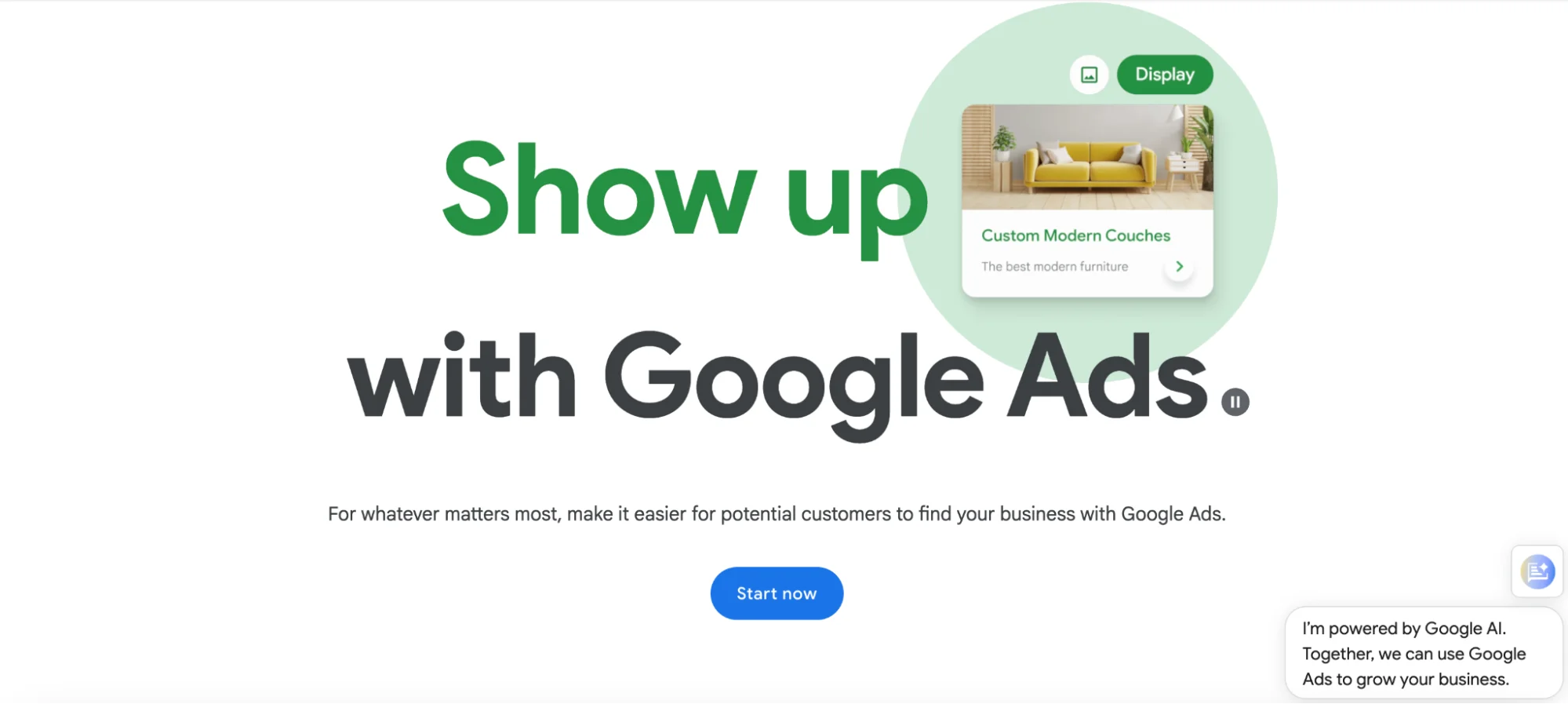
Despite the rise of new competitors, Google and Meta remain the bedrock of most digital marketing budgets. Google Ads continues to capture high-intent users through its Search Network, which reaches over 90% of global internet users. The platform’s reliance on "Quality Score"—a metric that rewards ad relevance and landing page experience—remains a critical factor in determining cost-per-click (CPC) and ad placement.
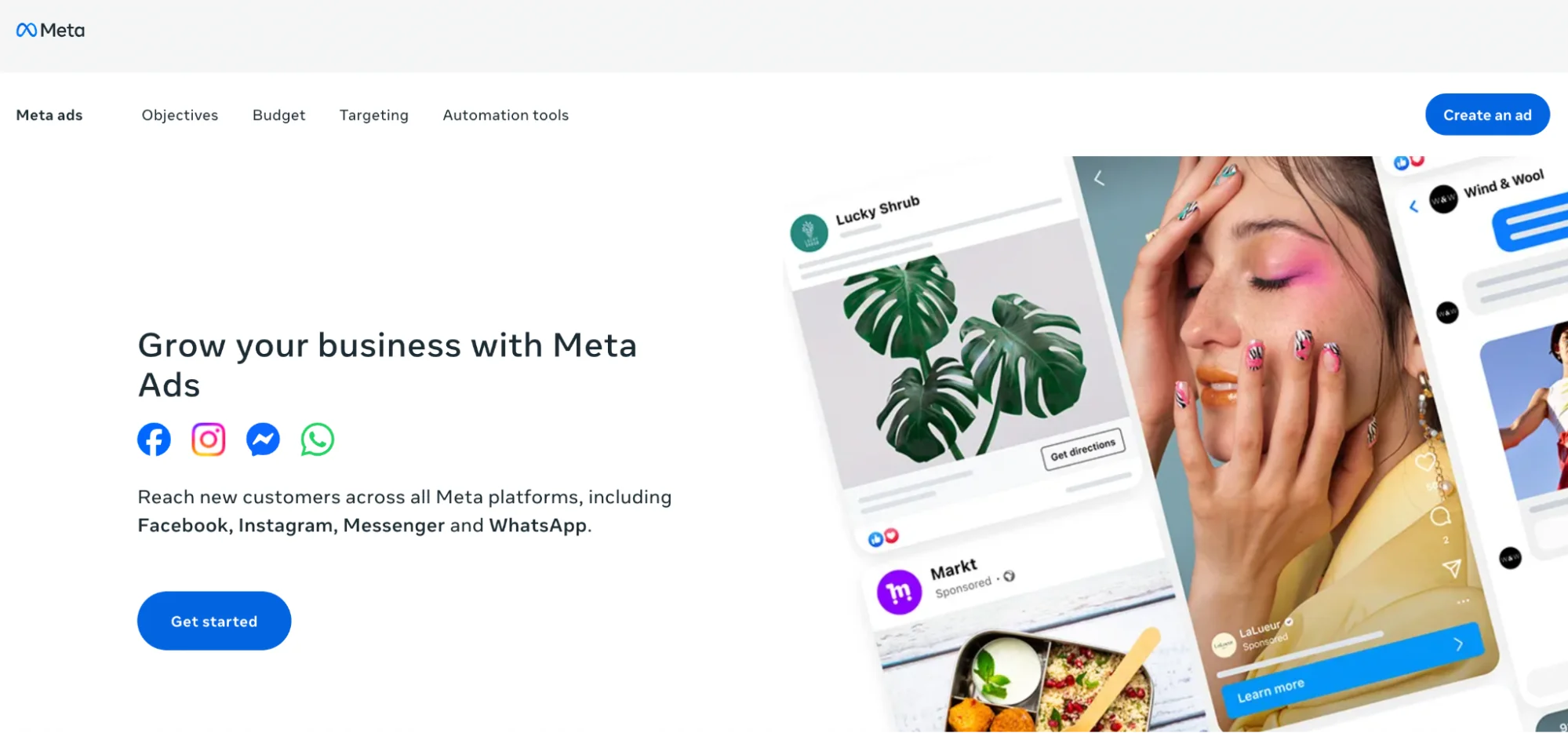
Meta Ads, encompassing Facebook and Instagram, has transitioned its strategy toward "Advantage+" automation. This AI-driven approach minimizes manual targeting in favor of algorithmic discovery. While 80% of marketers report using Instagram for advertising, the survey data shows that only 9% see it as their primary driver of ROI. This suggests that while Instagram is a powerful tool for brand discovery and visual storytelling, it often serves as a "top-of-funnel" touchpoint rather than a direct conversion engine.
Industry analysts note that when these foundational platforms underperform, the root cause is frequently a "message mismatch." This occurs when the promise of an advertisement—such as a specific discount or product feature—is not immediately reflected on the destination landing page, leading to immediate visitor abandonment.
The Rapid Ascent of TikTok and Emerging Social Channels
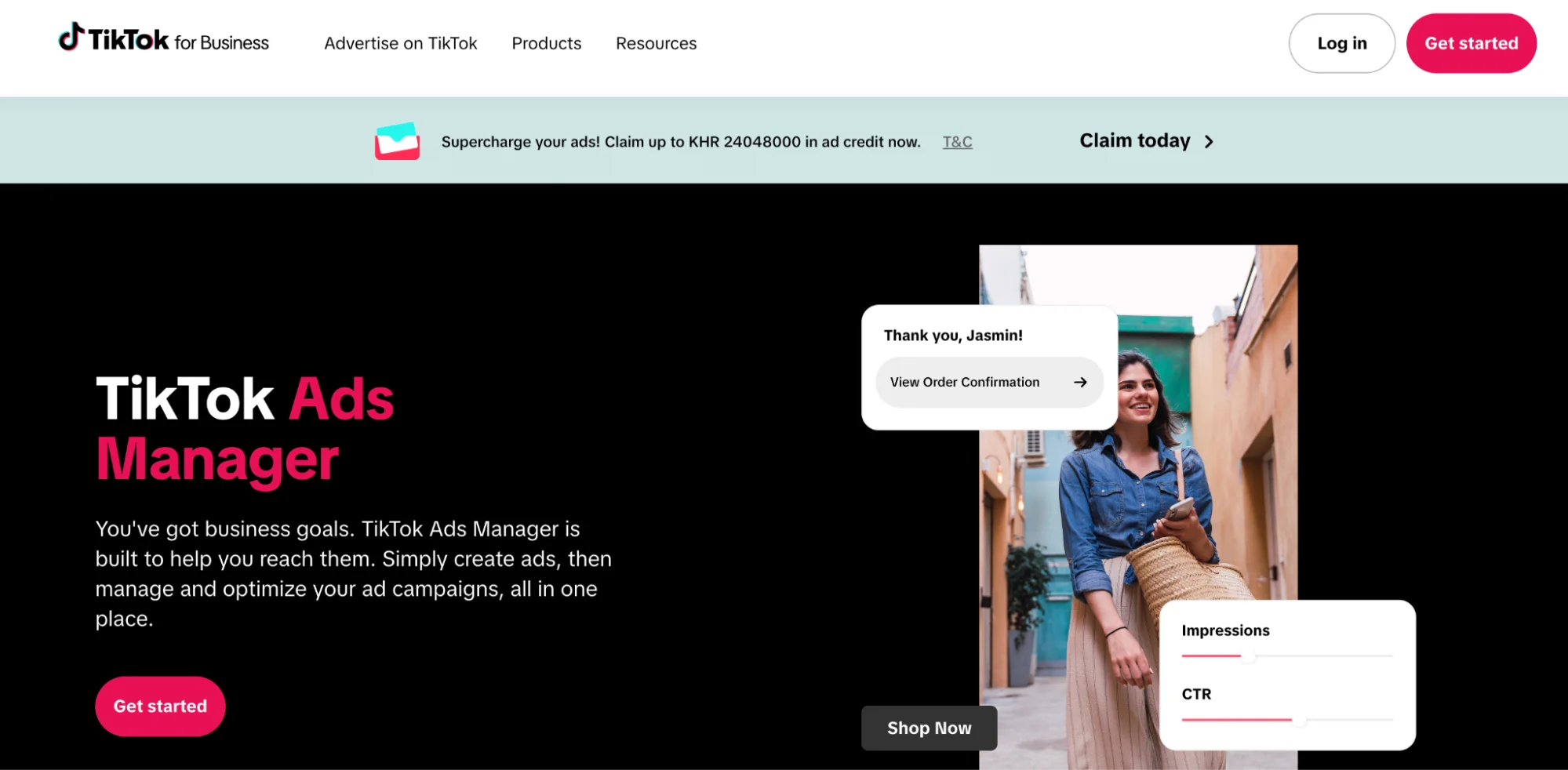
The most significant growth story of 2026 is the continued expansion of TikTok Ads. According to the Instapage survey, 25% of marketers have planned to adopt or significantly increase their spend on TikTok this year. The platform’s algorithm, which prioritizes engagement over follower counts, has democratized reach for emerging brands.
TikTok’s success has established a new creative standard: "native-looking" content. Traditional, high-production advertisements often underperform on the platform compared to user-generated content (UGC) styles. However, the volatility of viral trends requires brands to be more agile in their creative production than ever before.
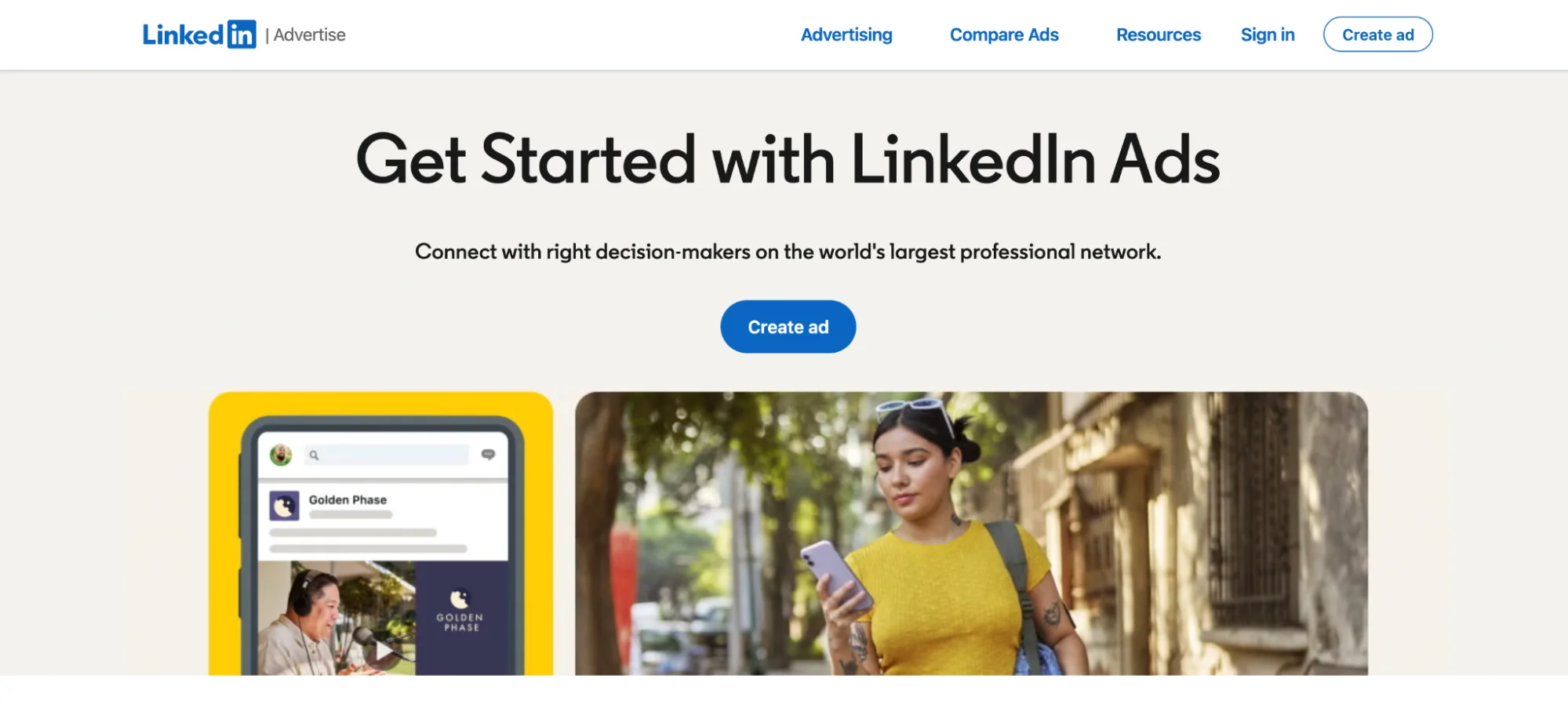
In contrast, LinkedIn Ads remains the undisputed leader for B2B lead generation. By targeting decision-makers based on professional attributes such as job title, company size, and industry, LinkedIn commands a higher CPC than other social platforms. However, the quality of leads generated often justifies the investment for enterprise software and professional services firms.
The Strategic Value of Alternative Search and Visual Discovery
While Google dominates search volume, Microsoft Advertising (encompassing Bing, Yahoo, and AOL) has carved out a profitable niche. Market research indicates that CPCs on Microsoft Advertising can be 30% to 50% lower than on Google for identical keywords. With the integration of advanced AI search features, Bing has seen a resurgence in desktop usage, particularly among older, more affluent demographics and corporate environments where Microsoft is the default ecosystem.
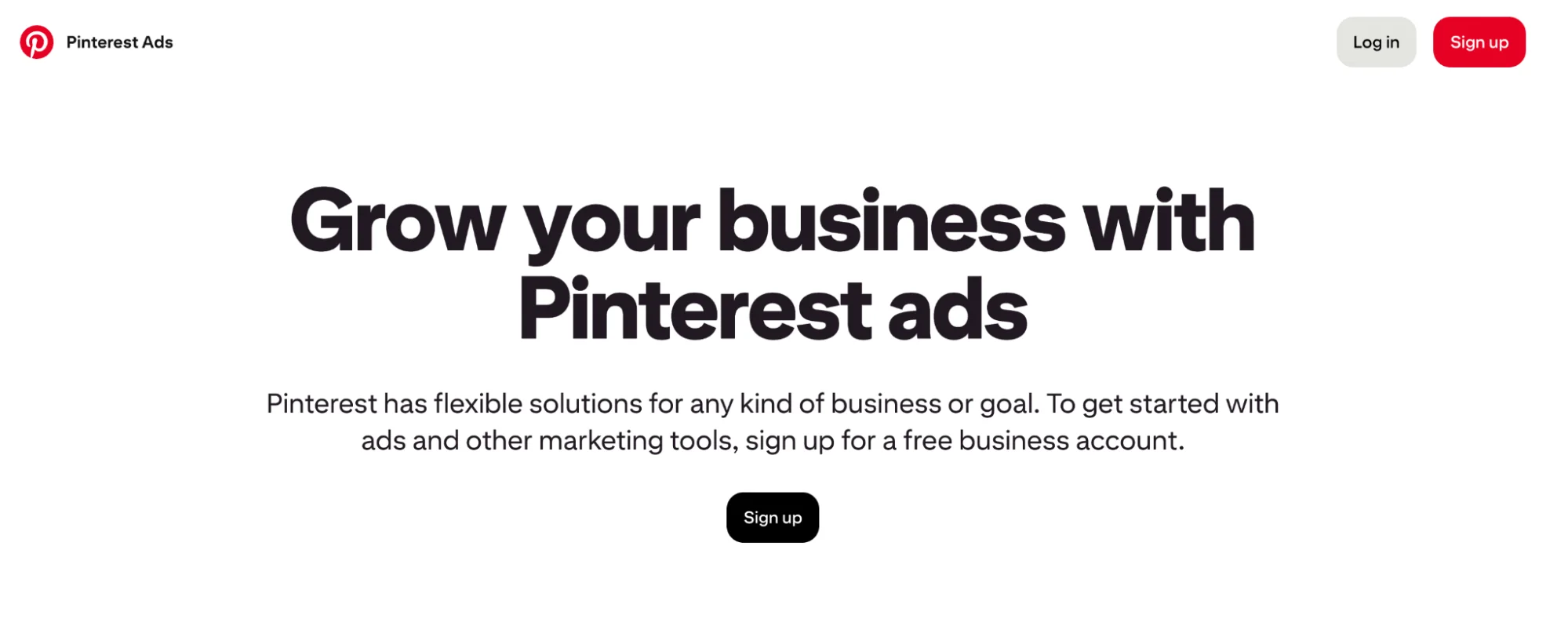
Pinterest Ads has also emerged as a vital channel for visual and aspirational industries such as home decor, fashion, and travel. Unlike search ads that answer a specific query, or social ads that interrupt a feed, Pinterest captures users in the "planning phase." This unique position allows brands to influence purchase decisions long before a consumer is ready to buy.
The Rise of Retail Media Networks (RMNs)
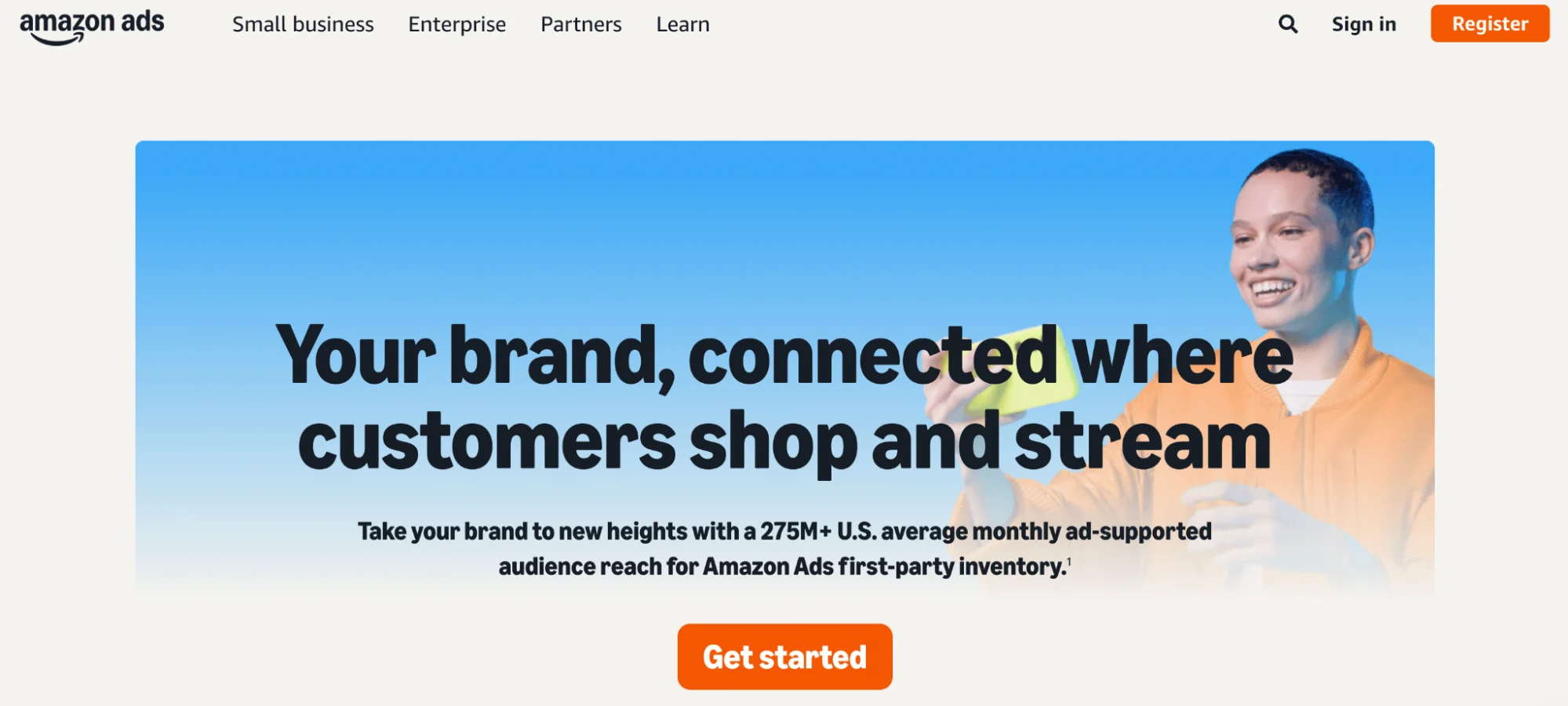
A major shift in the 2026 advertising landscape is the explosion of Retail Media Networks, led by Amazon Ads. Amazon’s ability to reach shoppers at the exact moment of purchase intent has made it a formidable competitor to Google. Reports suggest that advertisers often see a 34% growth in sales within the first month of launching Sponsored Products campaigns on the platform.
The success of Amazon has spurred other retailers—including Walmart, Target, and Kroger—to launch their own advertising platforms. These networks leverage valuable "closed-loop" data, allowing advertisers to see a direct link between an ad impression and a verified purchase. For consumer packaged goods (CPG) brands, RMNs have become an indispensable part of the marketing mix.
The Post-Click Revolution: Why Traffic Isn’t Enough
The most critical finding for 2026 is that the battle for Return on Ad Spend (ROAS) is won or lost after the click. The "leaky bucket" phenomenon—where expensive traffic is sent to generic, slow-loading, or irrelevant pages—is the primary cause of wasted ad spend.
The Impact of Page Speed and Mobile Performance
Technical performance is no longer a luxury; it is a fundamental requirement. With the majority of ad clicks originating from mobile devices, a 4-second load time is considered a failure. Modern consumers demand instantaneous gratification. The data confirms that every fraction of a second added to load times correlates directly with increased cost-per-acquisition (CPA).
The Necessity of Dedicated Landing Pages
The trend toward "hyper-relevance" has made generic homepages obsolete for paid traffic. Homepages are designed for exploration, containing multiple navigation links and competing calls to action (CTAs). In contrast, a dedicated landing page removes distractions and focuses entirely on the conversion goal.
Advertisers are increasingly adopting tools like "AdMap" to visually synchronize their ad copy with specific landing pages. This ensures that a user who clicks on an ad for "enterprise cloud security" isn’t redirected to a general "about us" page, but rather a focused page that addresses their specific professional needs.
Privacy, Compliance, and the Future of Data
As digital advertising matures, regulatory compliance has become a central pillar of campaign management. In 2026, advertisers must navigate a complex web of global laws, including Canada’s PIPEDA and Brazil’s LGPD, alongside GDPR and CCPA.
The implementation of Consent Management Platforms (CMPs) is now standard practice. These systems not only ensure legal compliance but also help build consumer trust. Furthermore, the shift toward first-party data has led to a "value exchange" model, where brands offer exclusive content, discounts, or utility in exchange for a user’s contact information. This data then serves as the foundation for sophisticated retargeting and lookalike modeling that no longer relies on invasive third-party tracking.
Conclusion: A Strategic Framework for 2026
The online advertising market in 2026 demands a more sophisticated approach than the "set it and forget it" strategies of the past. To succeed, marketers must:
- Diversify Wisely: Do not rely solely on one platform. Balance high-intent search (Google/Microsoft) with audience-building social (Meta/TikTok) and high-conversion retail media (Amazon).
- Prioritize the Post-Click Experience: Shift budget from ad creative to landing page optimization. A 10% improvement in landing page conversion rate is often more cost-effective than a 10% reduction in CPC.
- Invest in First-Party Data: Build direct relationships with customers to mitigate the impact of privacy changes and the loss of third-party cookies.
- Embrace Continuous Testing: Use A/B testing and experimentation to refine headlines, layouts, and offers based on live traffic data rather than intuition.
As the digital landscape continues to evolve, the brands that thrive will be those that view advertising not as a series of isolated clicks, but as a seamless, high-speed, and relevant journey from the first impression to the final conversion.