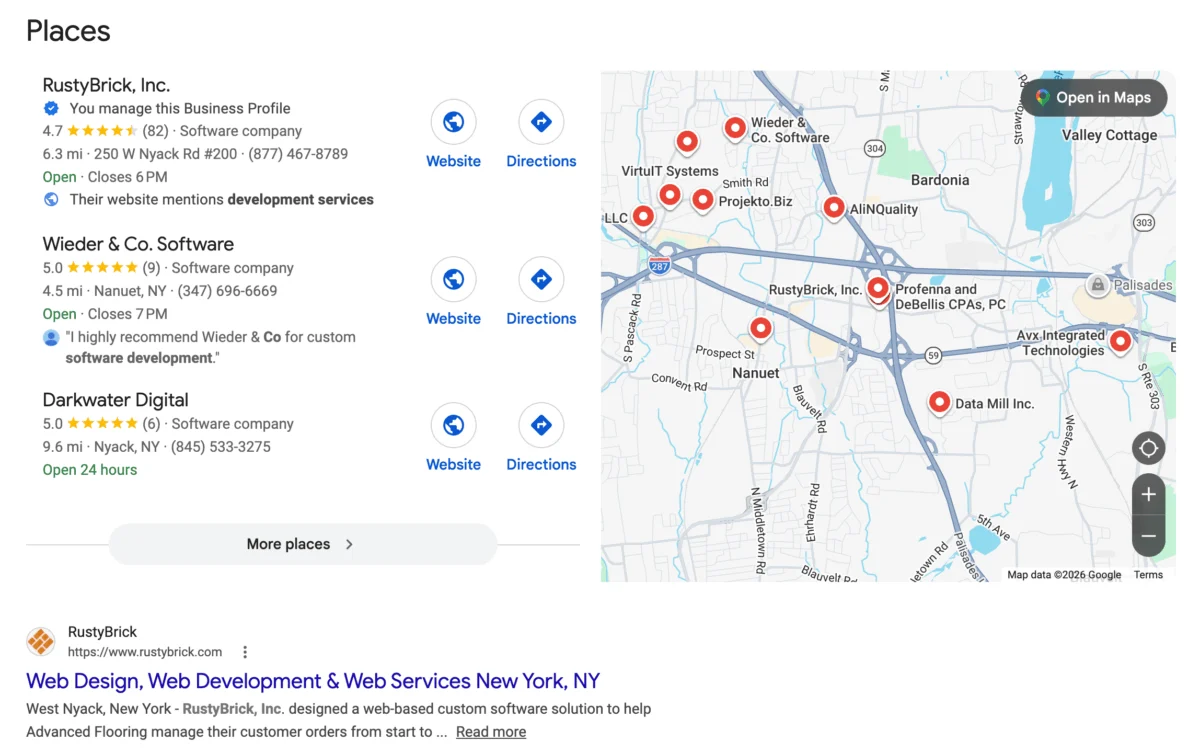
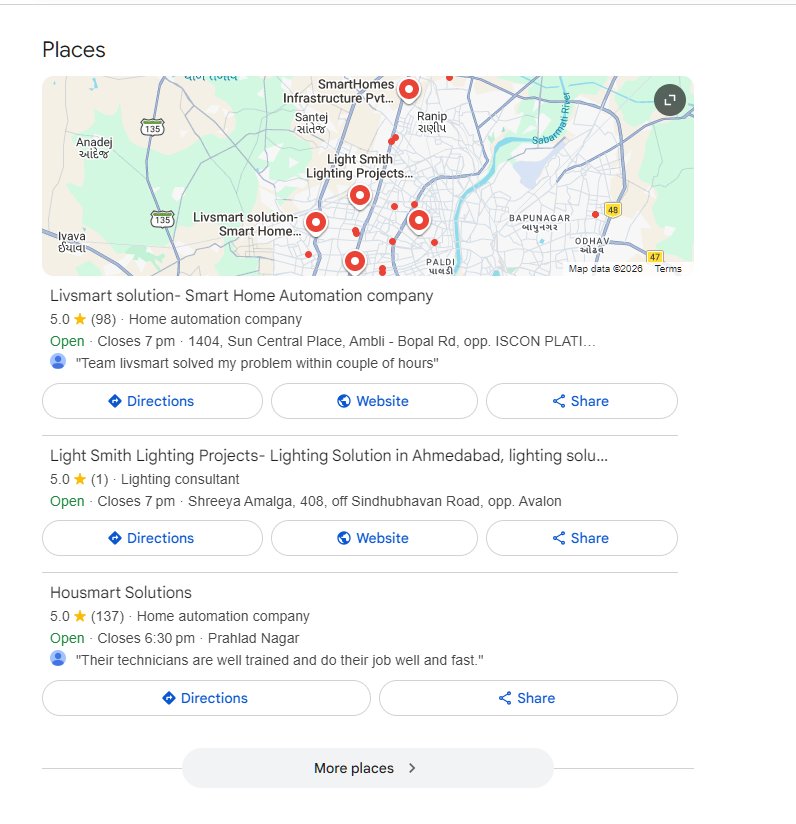
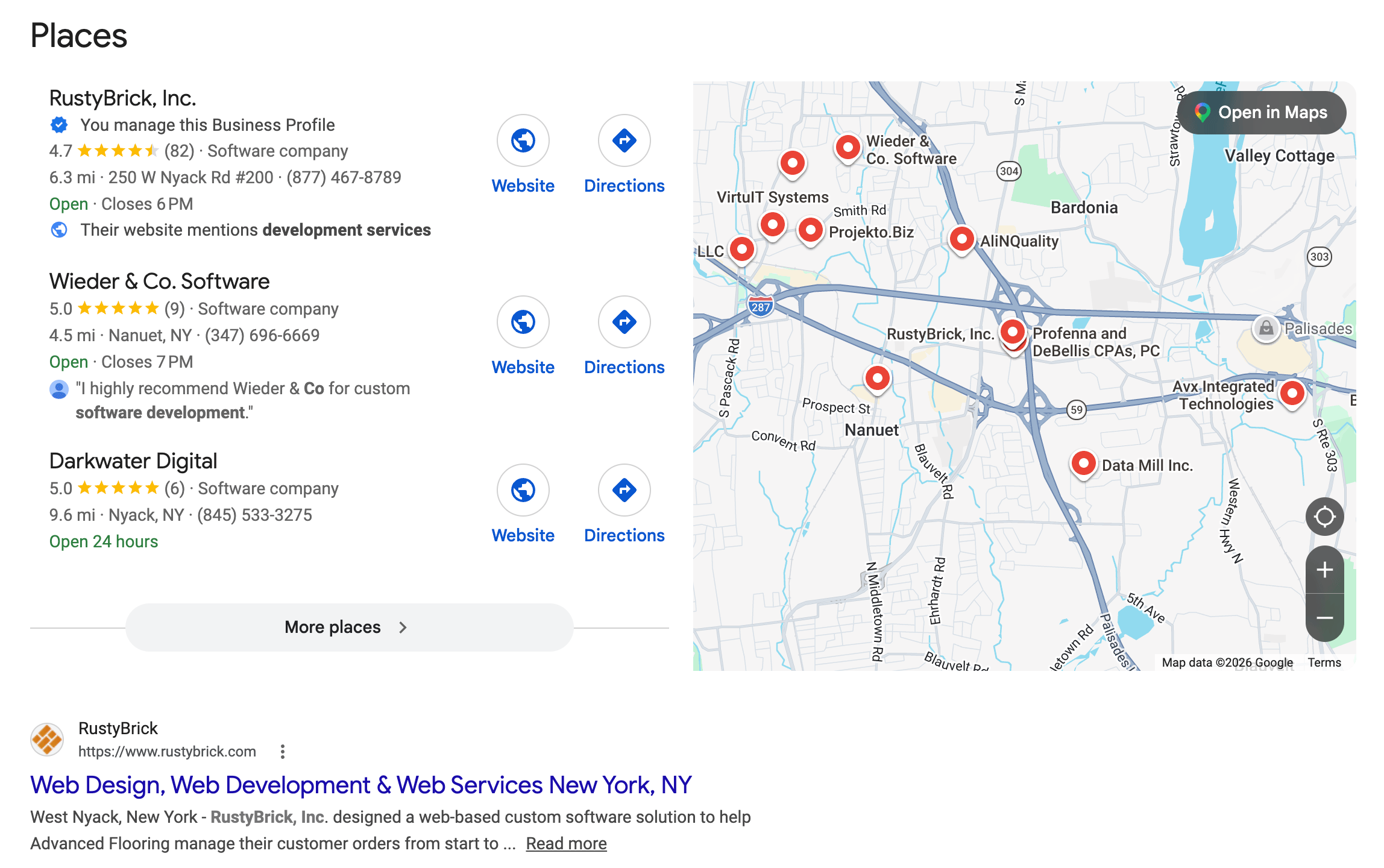
Google is currently rolling out tests for a significant redesign of its local pack and places listings within Google Search, signaling a potential shift in how users discover and interact with local businesses. This experimental layout, which moves the prominent map feature to the top of the results interface and reconfigures action buttons, represents Google’s ongoing commitment to optimizing the user experience for local queries. The changes were initially observed by diligent community members, sparking discussion among digital marketing professionals and local business owners alike.
Unpacking the Design Overhaul: Map Relocation and Button Reconfiguration
The most striking alteration in the test version is the repositioning of the interactive map. Traditionally, the map in local pack results has been situated on the right side of the screen, adjacent to the list of businesses. In the new layout, this critical geographical component is elevated to the very top, immediately commanding user attention. This prominent placement suggests Google’s intent to prioritize visual location data, potentially making it easier for users to orient themselves and understand the geographical context of their search results at a glance.
Accompanying the map’s relocation are notable modifications to the action buttons associated with each local business listing. While the precise nature and extent of these changes are still being observed in the live testing environment, early reports indicate a reorganization and possible streamlining of functions such as “Directions,” “Call,” and “Website.” This redesign aims to make these common user actions more intuitive and accessible, potentially reducing friction in the user journey from search query to business engagement. The shift reflects a broader trend in user interface design towards cleaner, more functional layouts, particularly in mobile-first environments where screen real estate is at a premium.

The Genesis of UI/UX Evolution: Why Google Constantly Iterates
Google’s continuous experimentation with its search interface is a foundational aspect of its operational philosophy, driven by an relentless pursuit of enhancing user experience (UX) and overall utility. For a platform that processes billions of queries daily, even minor design tweaks can have substantial impacts on user engagement, satisfaction, and ultimately, the efficacy of information retrieval. These UI/UX updates are not arbitrary; they are the result of extensive data analysis, A/B testing, and a deep understanding of evolving user behaviors and technological capabilities.
In the context of local search, these iterations are particularly critical. Users searching for “restaurants near me,” “plumbers in [city],” or “cafes with Wi-Fi” often have immediate, practical needs. Their interactions are typically high-intent, seeking quick answers and direct pathways to engagement. Google’s design team meticulously analyzes metrics such as click-through rates, time spent on page, bounce rates, and conversion paths (e.g., clicking for directions or calling a business) to identify areas for improvement. The movement of the map to the top, for instance, could be a response to data indicating that users often seek geographical context first when exploring local options, or that a more prominent map leads to higher engagement with local listings. Similarly, optimizing action buttons addresses the need for swift, frictionless interaction in a mobile-dominated search landscape, where speed and simplicity are paramount.
The Pivotal Role of Local Search in the Digital Ecosystem
Local search has emerged as an indispensable component of the digital ecosystem, bridging the gap between online intent and offline action. Numerous studies consistently underscore the immense value consumers place on local information. According to industry reports, a significant percentage of all Google searches have local intent, with terms like “near me” searches continuing to surge. This trend is particularly pronounced on mobile devices, where users are often on the go and looking for immediate solutions or nearby services.
For businesses, especially small and medium-sized enterprises (SMBs), visibility in local search results is often the primary driver of new customer acquisition. A prominent listing in the local pack can translate directly into foot traffic, phone calls, and website visits. Data from sources like Google itself and various marketing analytics firms show that businesses ranking in the local pack enjoy disproportionately high click-through rates compared to organic results further down the page. This makes any change to the local pack’s layout a matter of considerable importance for millions of businesses worldwide. The ability for users to quickly identify location, assess relevance, and take immediate action through the search interface directly impacts a business’s discoverability and, consequently, its bottom line.
Google Maps: The Cornerstone of Local Discoverability
Google Maps has evolved far beyond a simple navigation tool; it is now the cornerstone of Google’s local search strategy, serving as an intuitive and powerful discovery platform. Its integration into the core search results via the local pack ensures that geographical context is always at the forefront for relevant queries. By moving the map to the top, Google further solidifies its commitment to a map-first approach in local search, treating the visual representation of location as a primary piece of information for users.
This strategic emphasis on Maps aligns with user behavior. When searching for a physical location or service, users often visualize their proximity to various options. A map at the top of the results provides an immediate overview, allowing users to quickly filter options based on location, understand travel times, and identify clusters of businesses. Furthermore, the rich data integrated into Google Maps – from business hours and reviews to photos and Street View – enriches the local search experience, making it a comprehensive resource for decision-making. The new design appears to be an effort to leverage this comprehensive functionality more effectively within the initial search results page, driving deeper engagement with the Maps interface itself.
Early Reactions from the SEO Community and Local Business Owners
The digital marketing and local SEO communities are keenly observing these design changes, with initial reactions ranging from cautious optimism to a wait-and-see approach. Khushal Bherwani and @Punit6008, who first identified these tests on X (formerly Twitter), represent the vigilance of a community constantly monitoring Google’s ever-evolving algorithms and interfaces.
Industry experts suggest that while any UI change can initially cause disruption, Google’s ultimate goal is typically to improve the user experience, which often benefits well-optimized businesses in the long run. Concerns often revolve around the potential impact on existing local SEO strategies. For instance, if the map becomes even more dominant, does it reduce the visibility of the textual business listings? Will the new button layout affect click-through rates to websites versus calls or directions? Local business owners, particularly those heavily reliant on Google Business Profile (GBP) visibility, are naturally apprehensive about shifts that could alter their customer acquisition channels. However, there is also an understanding that adapting to Google’s innovations is a perpetual requirement for online success. A Google spokesperson, while unlikely to comment on specific tests, might reiterate the company’s commitment to “constantly exploring new ways to connect users with the most relevant local information and businesses.”
Implications for Local SEO Strategies in the New Landscape
Should this new layout become standard, the implications for local SEO could be significant, necessitating adjustments in how businesses optimize their online presence.
-
Enhanced Google Business Profile (GBP) Optimization: With the map’s increased prominence, the data fed directly into Google Maps (which powers the local pack) becomes even more crucial. Businesses must ensure their Google Business Profile is meticulously updated, accurate, and comprehensive. This includes precise location details, up-to-date operating hours, high-quality photos, detailed service descriptions, and active management of reviews and Q&A sections. A visually appealing and information-rich GBP will be essential to stand out on a more prominent map.

-
Visual Appeal and Branding: The map-first approach might place a greater emphasis on how a business appears visually within the map interface. High-quality imagery, including exterior and interior photos, could play a more significant role in attracting user attention once the map is the initial focal point. Businesses should invest in professional photography to make their listings more appealing.
-
Review Management: Customer reviews and ratings have always been critical for local SEO, but their importance might be amplified. A positive overall rating could be a quick differentiator on a visually dominant map, encouraging users to explore a business further. Proactive review generation and diligent response management will be more vital than ever.
-
Action Button Performance Monitoring: Businesses will need to closely monitor their analytics to understand how the new action button layout affects user behavior. Are more users clicking for directions? Are calls increasing or decreasing? This data will inform future optimization efforts, perhaps by refining call-to-actions on their websites or within their GBP.
-
Mobile-First Design Imperative: While already a best practice, the new layout underscores the mobile-first nature of Google’s design philosophy. Businesses should ensure their websites are fully responsive and load quickly on mobile devices, providing a seamless experience for users transitioning from a local search result.
Google’s Rigorous Testing Methodology: A Glimpse Behind the Curtain

Google’s deployment of experimental layouts like this is part of its sophisticated A/B testing and phased rollout strategy. When a new design is contemplated, it undergoes rigorous internal testing before being released to a small percentage of users, often chosen randomly. This allows Google to gather real-world data on user interaction, performance metrics, and any unforeseen issues, without disrupting the experience for the vast majority of its user base.
These tests are crucial for validating hypotheses about user behavior and design effectiveness. By comparing the performance of the test version against the control (the standard layout), Google can make data-driven decisions about whether to expand the rollout, refine the design further, or even discard it. The fact that this test has been spotted by multiple users suggests it’s a significant experiment that Google is seriously considering, gathering feedback from a diverse segment of its global audience. The duration of such tests can vary widely, from a few weeks to several months, depending on the complexity of the changes and the data required for a conclusive decision.
The Future of Local Search: An Evolving Landscape
The ongoing tests for a new local places layout design are a clear indicator that Google’s local search environment is far from static. As technology evolves, particularly with advancements in artificial intelligence, augmented reality, and voice search, Google will undoubtedly continue to innovate in how it presents local information. The trend towards a more visual, interactive, and immediate search experience is likely to persist.
For users, these changes aim to make finding local businesses faster and more intuitive. For businesses, they represent a constant need to adapt and optimize their digital presence to remain competitive. Staying informed about Google’s tests and updates, as highlighted by the observations from the SEO community, is not merely about tracking changes but about anticipating the future direction of online discoverability. Ultimately, Google’s continuous refinement of its local search interface underscores its commitment to maintaining its position as the premier gateway for connecting consumers with local services and establishments worldwide.